 Voyage
Augsburg
Augsburg, located in the heart of Bavaria, is one of Germany’s oldest and most historically significant cities. Founded by the Romans over 2,000 years ago, Augsburg has been a vital center of trade, art, and culture…
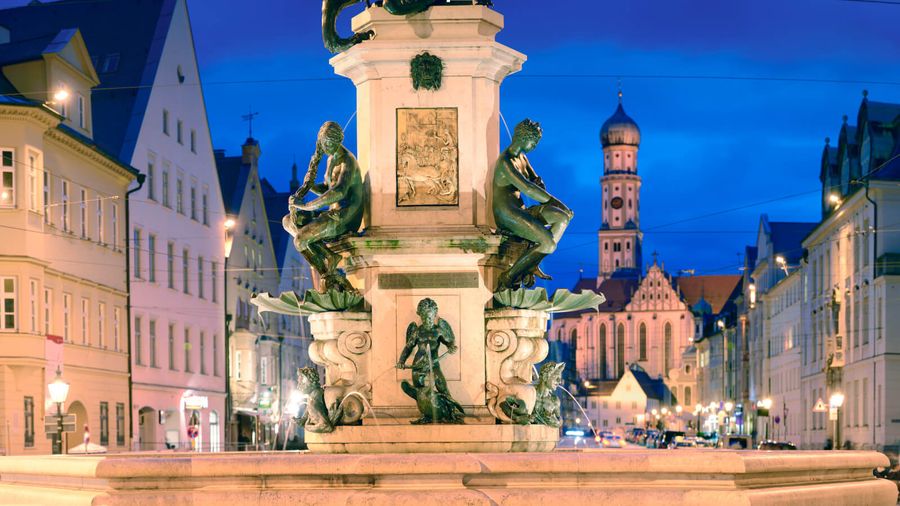
A few ways into Augsburg.
Leave room to discover more.
The Fuggerei
The Fuggerei is one of Augsburg’s most remarkable historical sites and a testament to the city’s social legacy. Founded in 1521 by Jakob Fugger, the Fuggerei is the world’s oldest social housing complex that is still in use today. Originally built to house the city’s…
Discover the storyAugsburg Town Hall (Rathaus)
The Augsburg Town Hall is a masterpiece of Renaissance architecture, designed by Elias Holl and completed in 1624. Its imposing facade, with twin onion-domed towers, dominates the city’s…
Look a little closer 03A story worth stopping forThe Augsburg Water Management System
Recognized as a UNESCO World Heritage Site in 2019, Augsburg’s Water Management System is an engineering marvel that dates back to the Middle Ages. This system of canals, water towers, and…
Look a little closer 04A story worth stopping forMaximilianstrasse
Maximilianstrasse is Augsburg’s most famous street, running through the heart of the city. Lined with grand Renaissance buildings, palaces, and fountains, this boulevard offers a perfect…
Look a little closer 05A story worth stopping forAugsburg Cathedral (Dom)
Augsburg Cathedral, with its origins dating back to the 10th century, is an impressive example of medieval architecture. The cathedral is famous for its five Romanesque stained glass…
Look a little closerThe story of Augsburg.
Set the sceneA little background.
A little background.
Augsburg, located in the heart of Bavaria, is one of Germany’s oldest and most historically significant cities. Founded by the Romans over 2,000 years ago, Augsburg has been a vital center of trade, art, and culture throughout the centuries. Known for its stunning Renaissance architecture, rich history, and strong connection to influential families like the Fuggers, Augsburg offers visitors a unique glimpse into the past while thriving as a vibrant, modern city. Whether you’re wandering through its historic streets, admiring its grand buildings, or enjoying its lively cultural scene, Augsburg is a city that promises to captivate.
Augsburg was founded in 15 BC by the Roman Emperor Augustus, giving the city its name. As one of the oldest cities in Germany, it played a crucial role as a military outpost and trade hub during the Roman Empire. Over the centuries, Augsburg grew in prominence, particularly during the Renaissance, when it became one of Europe’s wealthiest cities. This was largely thanks to the Fugger family, powerful merchants and bankers who financed emperors, popes, and kings.
Augsburg’s long history has left it with a legacy of beautiful architecture, including Renaissance palaces, churches, and public buildings. The city has also been a center of religious reform, with the Augsburg Confession—a central document of the Lutheran Reformation—presented here in 1530. Today, Augsburg continues to celebrate its rich heritage while embracing modern innovation.
Top 5 Unique Characteristics of Augsburg
Look a little closerThe Fuggerei
The Fuggerei
The Fuggerei is one of Augsburg’s most remarkable historical sites and a testament to the city’s social legacy. Founded in 1521 by Jakob Fugger, the Fuggerei is the world’s oldest social housing complex that is still in use today. Originally built to house the city’s poor, the complex consists of charming houses and courtyards, where residents still pay the symbolic annual rent of one Rhine guilder (about €0.88 today). Visitors can explore this historic district, including a small museum and a reconstructed apartment, to learn more about Fugger’s charitable legacy and life in the 16th century.
Look a little closerAugsburg Town Hall (Rathaus)
Augsburg Town Hall (Rathaus)
The Augsburg Town Hall is a masterpiece of Renaissance architecture, designed by Elias Holl and completed in 1624. Its imposing facade, with twin onion-domed towers, dominates the city’s skyline, but the real highlight is inside: the Golden Hall. This opulent, 14-meter-high room is adorned with intricate gold leaf decorations, murals, and wood carvings, making it one of the most beautiful ceremonial rooms in Europe. The Town Hall is not only a symbol of Augsburg’s wealth and power during the Renaissance but also a must-see for any visitor to the city.
Look a little closerThe Augsburg Water Management System
The Augsburg Water Management System
Recognized as a UNESCO World Heritage Site in 2019, Augsburg’s Water Management System is an engineering marvel that dates back to the Middle Ages. This system of canals, water towers, and fountains has provided the city with clean water for centuries and is still in use today. Visitors can explore the city’s historic waterworks and learn about the role water has played in shaping Augsburg’s development. The elegant Augustus Fountain in Rathausplatz is a beautiful example of the city’s long-standing relationship with water.
Look a little closerMaximilianstrasse
Maximilianstrasse
Maximilianstrasse is Augsburg’s most famous street, running through the heart of the city. Lined with grand Renaissance buildings, palaces, and fountains, this boulevard offers a perfect blend of history and modern life. Highlights along the street include the Perlachturm, a bell tower offering panoramic views of the city, and the Herkules Fountain, a baroque masterpiece. Maximilianstrasse is also home to numerous cafes, restaurants, and shops, making it the perfect place for a leisurely stroll while taking in the city’s grandeur.
Look a little closerAugsburg Cathedral (Dom)
Augsburg Cathedral (Dom)
Augsburg Cathedral, with its origins dating back to the 10th century, is an impressive example of medieval architecture. The cathedral is famous for its five Romanesque stained glass windows, which are among the oldest in the world, depicting scenes from the life of Christ. The Gothic nave, towering spires, and peaceful cloisters make this cathedral a highlight for history and architecture lovers. The interior also features notable artworks, including a bronze altar and stunning frescoes.
Behind the postcardAugsburg Today: A Blend of History and Innovation
Augsburg Today: A Blend of History and Innovation
Today, Augsburg is a dynamic city that seamlessly blends its historical heritage with modern innovation. The city is known for its green initiatives and environmental focus, often referred to as a "Green City" in Germany. Its parks, tree-lined streets, and access to the surrounding natural beauty of the Swabian Alps make it an appealing destination for nature lovers.
Augsburg is also a cultural hub, hosting events such as the annual Mozart Festival, celebrating the city’s connection to the Mozart family, and the popular Augsburg Christmas Market, one of the oldest in Germany. The city’s vibrant student population, thanks to its prestigious University of Augsburg, brings a youthful energy to its arts, music, and nightlife scenes.
Behind the postcardFun Facts About Augsburg
Fun Facts About Augsburg
The Augsburg Confession, presented here in 1530, is one of the foundational documents of Lutheranism.Augsburg is one of only three cities in Germany with the status of an Imperial Free City, allowing it to operate independently during the Holy Roman Empire.The Fuggerei is still in use today, with residents paying the same symbolic rent of one Rhine guilder, unchanged for over 500 years.Bertolt Brecht, the famous playwright and poet, was born in Augsburg, and the city celebrates his legacy with a dedicated museum.Augsburg’s canals give it a Venice-like charm and are an integral part of its UNESCO-listed water management system.
With its fascinating history, stunning architecture, and vibrant cultural life, Augsburg is a city that offers something for everyone. Whether you’re exploring its Roman roots, admiring Renaissance splendor, or enjoying its modern-day charm, Augsburg promises a unique and memorable experience.
The city,
in your headphones.
Take a seat, or take a walk. Discover Augsburg one story at a time.
The stories of Augsburg
Read the complete audio transcript
Welcome to Voyage Owl’s walking tour of Augsburg, one of the oldest and most historically significant cities in Germany. Located in the heart of Bavaria, Augsburg is renowned for its rich Roman heritage, its role as a leading Renaissance and banking center during the Holy Roman Empire, and its stunning blend of Gothic, Renaissance, and Baroque architecture. Founded over 2,000 years ago by the Romans, Augsburg offers a captivating mix of history, culture, and charm that makes it a must-visit destination in southern Germany.
Augsburg's history is intertwined with some of the most important events and figures in European history, from the Roman Empire to the Reformation and the Thirty Years' War. The city became a key trading hub in the Middle Ages and a major banking center in the Renaissance, thanks to wealthy families like the Fuggers and Welsers, who helped shape Augsburg into one of Europe’s most prosperous cities. Today, Augsburg's legacy as a center of commerce, religion, and art can be seen in its magnificent churches, palaces, and public spaces.
This walking tour will take you through the heart of Augsburg, exploring its most iconic landmarks, historic sites, and hidden gems, all while uncovering the fascinating stories that have shaped this remarkable city. Let’s begin our journey through one of Germany’s most historic and culturally rich cities.
---
### 1. Augsburg Town Hall (Rathaus)
Our tour begins at the magnificent Augsburg Town Hall (Rathaus), one of the most iconic buildings in the city and a masterpiece of Renaissance architecture. Built between 1615 and 1624 by the architect Elias Holl, the Augsburg Town Hall is widely regarded as one of the finest examples of civic architecture in Germany. Its grand facade, with its symmetrical design, elegant arcades, and twin towers, is a symbol of Augsburg’s wealth and power during the Renaissance.
Inside the Rathaus, you’ll find the stunning Golden Hall (Goldener Saal), a lavishly decorated ceremonial room that is one of the most beautiful interiors in Europe. The hall’s ceiling is adorned with intricate gilded stucco work, while the walls are lined with frescoes and panels that depict scenes from Augsburg’s history. The Golden Hall was used for important civic events and celebrations, and its opulence reflects the prosperity and cultural achievements of the city during the 17th century.
The Augsburg Town Hall is a symbol of the city’s economic and political power during the Renaissance. Its construction reflects the ambitions of Augsburg’s wealthy merchant families, who sought to create a building that would rival the great civic halls of Italy and the Netherlands.
Be sure to visit the Golden Hall inside the Rathaus and take in the breathtaking details of its gilded ceiling and frescoes. The Rathausplatz, the square in front of the Town Hall, is a great place to relax and admire the surrounding architecture. In the winter, this square hosts a charming Christmas market.
---
### 2. Perlach Tower (Perlachturm)
Just next to the Rathaus stands the Perlach Tower (Perlachturm), one of the most recognizable landmarks in Augsburg. Originally built as a watchtower in 1182, the Perlach Tower was later remodeled in the 17th century in a Baroque style. The tower stands 70 meters tall and offers stunning panoramic views of the city and the surrounding Bavarian countryside.
The Perlach Tower has long served as a lookout for fires, invaders, and other threats, and today, visitors can climb the tower’s 258 steps to reach the observation platform at the top. From here, you’ll have a breathtaking view of Augsburg’s skyline, including the spires of its many churches and the lush green parks that surround the city.
The Perlachturm is also home to an iconic carillon, which chimes regularly and plays traditional Bavarian tunes. The tower’s location next to the Rathaus makes it a perfect spot to take in the city’s history while enjoying one of the best views in town.
The Perlach Tower has stood as a symbol of Augsburg’s resilience and vigilance for over eight centuries. Its role as a watchtower highlights the strategic importance of Augsburg as a major city in southern Germany.
Climb the Perlach Tower for unbeatable views of the city and the surrounding countryside. If you visit in the afternoon, listen for the tower’s carillon, which plays every day at noon. The Rathausplatz is also a lively spot for people-watching and enjoying a coffee or snack.
---
### 3. Fugger Houses (Fuggerhäuser)
A short walk from the Rathaus brings us to the Fugger Houses (Fuggerhäuser), a complex of Renaissance-style townhouses that once belonged to the wealthy Fugger family, one of the most influential banking and merchant families in Europe. The Fuggers made their fortune in mining, banking, and international trade, and their influence helped shape Augsburg into one of the wealthiest cities in Europe during the 16th century.
The Fugger Houses were built in the 16th century by Jakob Fugger, also known as Jakob Fugger the Rich, one of the wealthiest men in history. The houses are an elegant example of Renaissance architecture, with their symmetrical facades, arcades, and elaborate decoration. Although the interiors are not open to the public, the exterior of the Fugger Houses is a testament to the family’s wealth and power.
Nearby, you’ll find the Fugger Chapel in the St. Anne’s Church, which was built by the Fugger family in the 16th century. The chapel is a stunning example of Renaissance art and architecture, with beautiful frescoes, marble columns, and intricate carvings.
The Fugger Houses reflect the enormous wealth and influence of the Fugger family, whose banking empire played a key role in financing the Holy Roman Empire and shaping European politics and trade during the 16th century.
Take some time to admire the architecture of the Fugger Houses and visit the Fugger Chapel in St. Anne’s Church to see the family’s lasting legacy in Augsburg. If you’re interested in the history of the Fuggers, visit the Fugger and Welser Museum, which explores the influence of Augsburg’s two most powerful families.
---
### 4. Fuggerei
From the Fugger Houses, we make our way to one of Augsburg’s most unique and historically significant sites: the Fuggerei, the world’s oldest social housing complex still in operation. Established in 1521 by Jakob Fugger the Rich, the Fuggerei was built to provide affordable housing for poor citizens of Augsburg, and it continues to serve this purpose today.
The Fuggerei is a walled community consisting of 67 houses and 140 apartments, set within a series of peaceful courtyards and gardens. The complex has its own church, fountain, and even its own set of rules, which have remained largely unchanged for centuries. The residents of the Fuggerei are required to pay a nominal rent of one Rhenish guilder per year (equivalent to less than one euro today) and to pray daily for the souls of the Fugger family.
One of the highlights of the Fuggerei is the Fuggerei Museum, where you can learn about the history of the complex, the daily life of its residents, and the remarkable legacy of Jakob Fugger. You can also visit a preserved Fuggerei apartment, which has been restored to look as it did in the 16th century.
The Fuggerei is a pioneering example of social housing and reflects the philanthropy of the Fugger family, who used their immense wealth to improve the lives of Augsburg’s poor. The complex remains a symbol of the family’s commitment to charity and civic responsibility.
Take a stroll through the peaceful courtyards of the Fuggerei and visit the museum to learn more about this remarkable example of social housing. The Fuggerei is a quiet oasis in the heart of the city, offering a glimpse into both Augsburg’s past and present.
---
### 5. Augsburg Cathedral (Dom St. Maria)
Next, we visit Augsburg Cathedral (Dom St. Maria), one of the oldest and most important religious buildings in Bavaria. The cathedral dates back to the 11th century, though its foundations were laid even earlier, during the time of the Roman Empire. The cathedral’s architecture is a blend of Romanesque and Gothic styles, with its twin spires dominating the city’s skyline.
One of the cathedral’s most famous features is its collection of stained-glass windows, which date back to the 12th century and are some of the oldest surviving examples of stained glass in the world. These windows depict scenes from the Old Testament and are a remarkable example of medieval craftsmanship.
Inside the cathedral, you’ll find a beautiful Gothic choir, as well as several important artworks, including a wooden statue of the Virgin Mary from the 14th century and a series of Gothic frescoes. The cathedral’s crypt is also worth a visit, as it contains the tombs of several bishops and important historical figures.
Augsburg Cathedral is one of the most important religious buildings in southern Germany and reflects the city’s long history as a center of Christianity. Its Romanesque and Gothic architecture, as well as its collection of medieval art, make it a must-visit site for anyone interested in history and religion.
Take your time exploring the interior of Augsburg Cathedral, especially the 12th-century stained-glass windows, which are a true masterpiece of medieval art. The cathedral is also a peaceful place to sit and reflect, offering a moment of tranquility amid your tour.
---
### 6. St. Ulrich and St. Afra Basilica
Our next stop is the Basilica of St. Ulrich and St. Afra, one of the most important churches in Augsburg and a site of religious pilgrimage for centuries. The basilica was built on the site of a Roman temple and is dedicated to St. Ulrich, a 10th-century bishop of Augsburg, and St. Afra, a Christian martyr who was executed in 304 AD during the Roman persecution of Christians.
The basilica’s Baroque facade and Gothic interior make it a striking example of Augsburg’s ecclesiastical architecture. Inside, you’ll find the ornate tomb of St. Ulrich, as well as beautiful Renaissance altars, frescoes, and sculptures. The church’s crypt contains the remains of St. Afra, whose martyrdom is commemorated with a series of carvings and paintings.
Next to the basilica is the Protestant Church of St. Ulrich, which shares the same site but reflects Augsburg’s religious diversity, particularly its history as a center of the Reformation. The coexistence of Catholic and Protestant churches side by side is a unique feature of Augsburg’s religious landscape.
The Basilica of St. Ulrich and St. Afra is one of the most important religious sites in Bavaria and reflects the city’s long history as a center of Christianity. Its association with St. Ulrich and St. Afra makes it a site of pilgrimage and spiritual significance.
Be sure to visit the tombs of St. Ulrich and St. Afra, as well as the church’s stunning Gothic interior. The basilica is located near a peaceful park, making it a great spot to relax and enjoy the atmosphere of this historic site.
---
### 7. Maximilianstrasse
Our tour continues along Maximilianstrasse, one of the most beautiful and historic streets in Augsburg. This grand boulevard, named after Maximilian I, stretches through the heart of the city and is lined with elegant palaces, churches, fountains, and Renaissance-era buildings. Maximilianstrasse has long been the center of civic life in Augsburg, and its architecture reflects the city’s prosperity during the Renaissance.
As you walk along Maximilianstrasse, you’ll pass several important landmarks, including the Schaezlerpalais, a Baroque palace that houses the German Baroque Gallery and features stunning interiors, including the Rococo ballroom. You’ll also see the Hercules Fountain and the Augustus Fountain, both of which are magnificent examples of Renaissance sculpture.
Maximilianstrasse is also home to a variety of shops, cafés, and restaurants, making it a lively place to explore during the day or evening.
Maximilianstrasse reflects Augsburg’s prosperity and importance as a major center of trade and culture during the Renaissance. The street’s fountains, palaces, and public buildings are a testament to the city’s rich architectural heritage.
Take a leisurely stroll down Maximilianstrasse and stop at one of the many cafés for a coffee or a traditional Bavarian pastry. Be sure to visit the Schaezlerpalais and its beautiful Rococo ballroom, and take in the impressive Renaissance fountains along the way.
---
### 8. Schaezlerpalais
Our final stop on this walking tour of Augsburg is the Schaezlerpalais, a stunning Baroque palace built in the 18th century by Benedikt Adam Liebert, a wealthy merchant and banker. The Schaezlerpalais is one of the finest examples of Baroque architecture in Bavaria and is home to the German Baroque Gallery, which features an impressive collection of paintings from the 17th and 18th centuries.
The highlight of the Schaezlerpalais is its Rococo ballroom, which is considered one of the most beautiful rooms in Germany. The ballroom’s ceiling is adorned with intricate stucco work and frescoes, while its walls are lined with mirrors and gilded decorations. The palace also features a lovely garden, which is a peaceful spot to relax and enjoy the surroundings.
In addition to the Baroque collection, the Schaezlerpalais also houses important works of Old Master paintings, including works by Canaletto, Tiepolo, and Albrecht Dürer.
The Schaezlerpalais reflects the wealth and cultural sophistication of Augsburg’s merchant class during the 18th century. The palace’s Rococo ballroom and art collection are a testament to the city’s artistic and architectural achievements.
Be sure to visit the Rococo ballroom, which is one of the most beautiful and ornate rooms in Germany. The palace’s art collection is also a must-see for art lovers, with its impressive selection of Baroque and Renaissance masterpieces.
---
### Conclusion
Our walking tour of Augsburg has taken you through centuries of history, from its Roman origins to its Renaissance glory as a major banking and trading center. Along the way, we’ve explored the city’s most iconic landmarks, including the Augsburg Town Hall, the Fuggerei, and the Basilica of St. Ulrich and St. Afra, as well as its hidden gems like the Perlach Tower and Maximilianstrasse.
Augsburg is a city where history and culture come together in a unique and captivating way, offering visitors a chance to experience the beauty and grandeur of Bavaria’s past. Whether you’re here to admire its stunning architecture, learn about its rich history, or simply enjoy a leisurely stroll through its charming streets, Augsburg has something for everyone.
We hope this walking tour has given you a deeper appreciation for Augsburg’s beauty, history, and cultural significance. Enjoy the rest of your time exploring this historic city in the heart of Bavaria!
To listen to more amazing audio tours of cities around the world check out our other guides at voyageowl.com
Another place, another story.
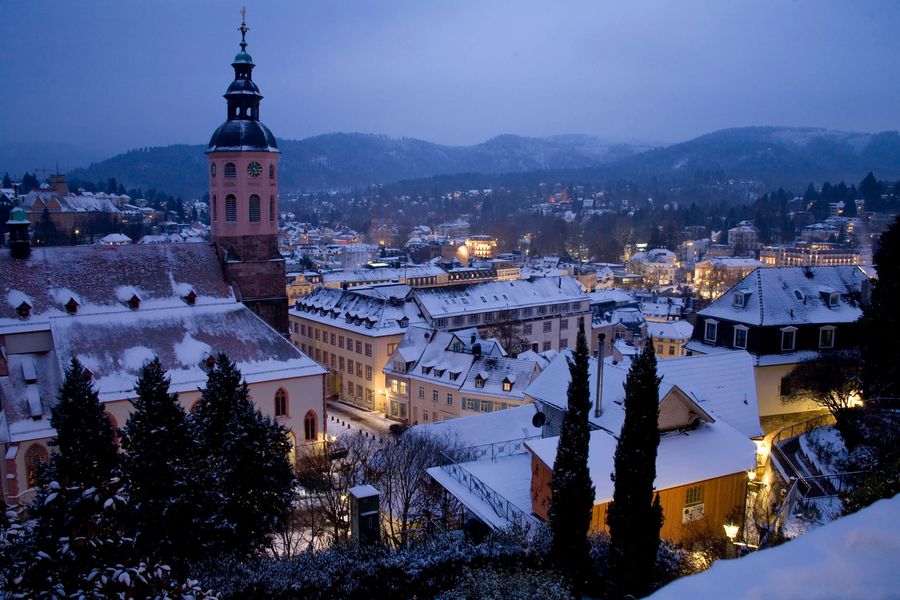
Baden-Baden
Nestled at the foothills of the Black Forest in southwest Germany, Baden-Baden is a charming spa town that has been synonymous with…
Explore Baden-Baden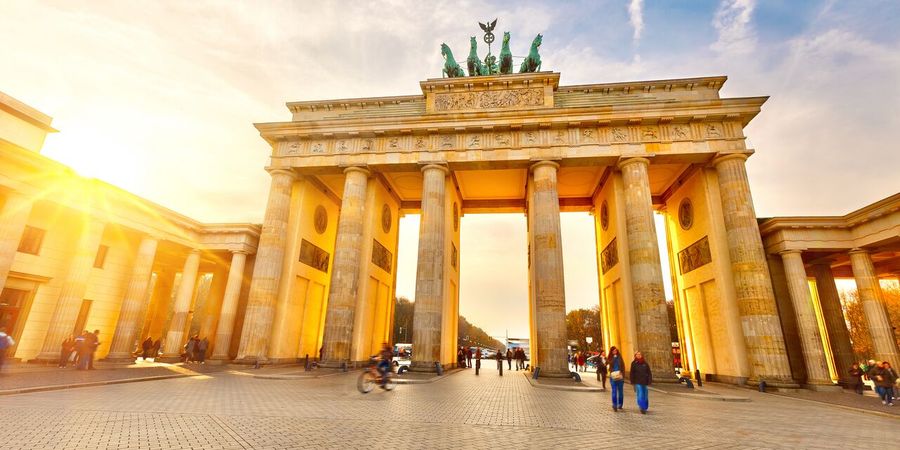
Berlin
Berlin, Germany’s capital, is a city that wears its history proudly while embracing the future with open arms. Known for its pivotal…
Explore BerlinA little context for your exploring.
These original VoyageOwl city stories are preserved from the archive. Historical claims and visitor details remain subject to editorial review. Check attraction opening hours, tickets and access before making plans.
A few good stories. A little room to wander.