
Orlando
Orlando, Florida, is widely known as the world’s theme park capital, but the city’s rich history, diverse culture, and vibrant modern scene make it much more than just a…
What brings you
to Orlando?
A few good places to begin.
A Historical Journey: From Citrus Groves to Global Tourism
Orlando’s history dates back to the 1800s, when it was a small settlement surrounded by vast wilderness. Named after a soldier, Orlando Reeves, who reportedly…
Orlando · Read the storyTheme Park Capital of the World
Orlando is famously home to some of the most iconic theme parks on the planet. Walt Disney World Resort, Universal Orlando Resort, and SeaWorld Orlando are…
Orlando · Read the storyLake Eola and the City’s Green Spaces
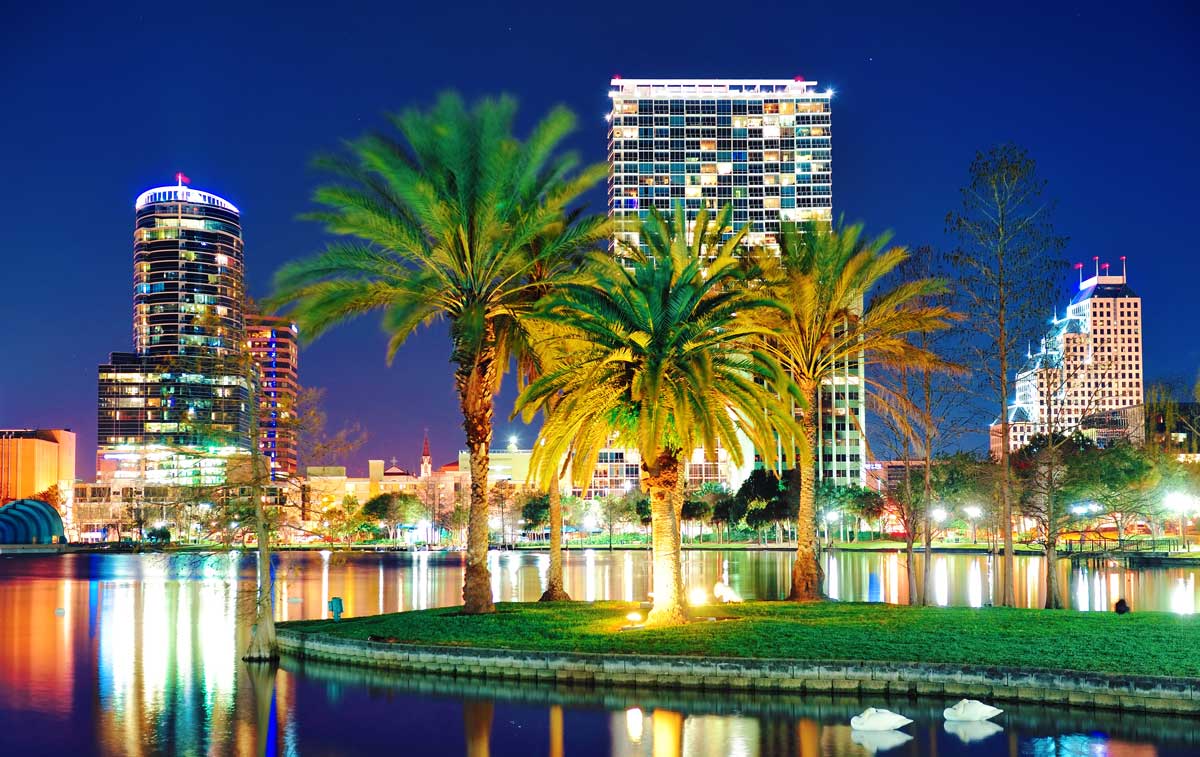
Despite its urban sprawl, Orlando boasts beautiful natural spaces, with Lake Eola Park being a standout. Located in the heart of downtown, Lake Eola is known…
Orlando · Read the storyCultural Diversity and Dining Scene
Orlando is home to a diverse population, which has given rise to a dynamic culinary scene. From fine dining establishments to authentic international cuisine,…
Orlando · Read the storyListen to Orlando
Take a listening break with the city’s audio story and full transcript.
Audio & transcriptThe story of Orlando
Get to know the city through its history, culture and local traditions.
Read at your own paceA few ways into Orlando.
Leave room to discover more.
Theme Park Capital of the World
Orlando is famously home to some of the most iconic theme parks on the planet. Walt Disney World Resort, Universal Orlando Resort, and SeaWorld Orlando are just a few of the major attractions that have put the city on the map. Whether you’re meeting beloved Disney…
Discover the storyLake Eola and the City’s Green Spaces
Despite its urban sprawl, Orlando boasts beautiful natural spaces, with Lake Eola Park being a standout. Located in the heart of downtown, Lake Eola is known for its iconic swan-shaped…
Look a little closer 03A story worth stopping forCultural Diversity and Dining Scene
Orlando is home to a diverse population, which has given rise to a dynamic culinary scene. From fine dining establishments to authentic international cuisine, the city offers a wide range…
Look a little closer 04A story worth stopping forOrlando’s Role in Space Exploration
Orlando is only a short drive from the Kennedy Space Center, located on Florida’s Space Coast. As the home of NASA’s rocket launches, the center played a pivotal role in space exploration…
Look a little closer 05A story worth stopping forArt and Culture Scene
Orlando’s thriving arts and culture scene often surprises visitors. The city is home to numerous museums, galleries, and performing arts venues. The Orlando Museum of Art, the Dr. Phillips…
Look a little closerThe story of Orlando.
Set the sceneA little background.
A little background.
Orlando, Florida, is widely known as the world’s theme park capital, but the city’s rich history, diverse culture, and vibrant modern scene make it much more than just a destination for thrill-seekers. Nestled in the heart of Central Florida, Orlando offers a blend of fascinating history, world-class attractions, and unique experiences that attract visitors from all over the globe. From its early days as a cattle town to its rise as a global entertainment hub, Orlando’s story is one of transformation and growth.
Behind the postcardA Historical Journey: From Citrus Groves to Global Tourism
A Historical Journey: From Citrus Groves to Global Tourism
Orlando’s history dates back to the 1800s, when it was a small settlement surrounded by vast wilderness. Named after a soldier, Orlando Reeves, who reportedly died in the area, the town initially thrived on cattle ranching and citrus farming. By the late 19th century, Orlando had become a center for the citrus industry, earning it the nickname "The City Beautiful." However, a devastating freeze in the late 1800s forced the city to shift its focus.
The turning point came in 1965, when Walt Disney announced plans to build Walt Disney World in the area. This transformed Orlando into a tourism powerhouse, forever changing its economic landscape. Today, Orlando’s theme parks, resorts, and entertainment options have made it one of the most visited cities in the world, with millions of tourists flocking to the city each year.
Top 5 Unique Characteristics of Orlando
Look a little closerTheme Park Capital of the World
Theme Park Capital of the World
Orlando is famously home to some of the most iconic theme parks on the planet. Walt Disney World Resort, Universal Orlando Resort, and SeaWorld Orlando are just a few of the major attractions that have put the city on the map. Whether you’re meeting beloved Disney characters at Magic Kingdom, exploring The Wizarding World of Harry Potter at Universal, or enjoying marine life at SeaWorld, Orlando’s theme parks offer endless excitement for visitors of all ages.
Look a little closerLake Eola and the City’s Green Spaces
Lake Eola and the City’s Green Spaces
Despite its urban sprawl, Orlando boasts beautiful natural spaces, with Lake Eola Park being a standout. Located in the heart of downtown, Lake Eola is known for its iconic swan-shaped paddleboats and stunning fountain. The park is a local favorite for walking, picnicking, and hosting events like farmers markets and outdoor concerts. Orlando’s dedication to maintaining green spaces offers a peaceful escape from the city’s bustling tourist areas.
Look a little closerCultural Diversity and Dining Scene
Cultural Diversity and Dining Scene
Orlando is home to a diverse population, which has given rise to a dynamic culinary scene. From fine dining establishments to authentic international cuisine, the city offers a wide range of dining options that reflect its cultural richness. Visitors can enjoy everything from Latin American and Caribbean dishes to Asian fusion and traditional Southern fare. The city also hosts food festivals and events like the Epcot International Food & Wine Festival, which celebrate its global flavors.
Look a little closerOrlando’s Role in Space Exploration
Orlando’s Role in Space Exploration
Orlando is only a short drive from the Kennedy Space Center, located on Florida’s Space Coast. As the home of NASA’s rocket launches, the center played a pivotal role in space exploration during the Space Race and continues to be a hub for innovation and discovery. Visitors to Orlando can easily make a day trip to the Space Center to learn about the history of space travel, watch live rocket launches, and explore interactive exhibits.
Look a little closerArt and Culture Scene
Art and Culture Scene
Orlando’s thriving arts and culture scene often surprises visitors. The city is home to numerous museums, galleries, and performing arts venues. The Orlando Museum of Art, the Dr. Phillips Center for the Performing Arts, and the Charles Hosmer Morse Museum of American Art are just a few places where visitors can immerse themselves in the city’s artistic and cultural offerings. Orlando also hosts a variety of cultural festivals and events, such as the Orlando Fringe Festival and the ZORA! Festival, celebrating African American arts and culture.
Behind the postcardOrlando Today: A City of Innovation and Growth
Orlando Today: A City of Innovation and Growth
Today, Orlando is more than just a top tourist destination; it’s also a thriving hub for technology, healthcare, and education. The city is home to the University of Central Florida (UCF), one of the largest universities in the country, and the Lake Nona Medical City, a leading center for healthcare innovation. Orlando’s growing tech industry, along with its strong ties to the space sector, has positioned the city as a center of innovation and economic growth.
Behind the postcardFun Facts About Orlando
Fun Facts About Orlando
Orlando’s nickname is "The City Beautiful," which dates back to its citrus farming days when the landscape was dotted with orange groves.Walt Disney World Resort is roughly the size of San Francisco and is the largest single-site employer in the United States.Orlando is home to more than 100 lakes, including the picturesque Lake Eola, which has a swan population that can be seen paddling on the lake.Orlando International Airport is one of the busiest airports in the world, serving over 50 million passengers annually.The Orlando Eye, a 400-foot-tall observation wheel, offers stunning views of the city and its many attractions.
Whether you’re visiting for the world-famous theme parks, exploring its rich cultural scene, or diving into the city’s vibrant history, Orlando offers something for everyone. The city’s unique blend of fun, innovation, and natural beauty ensures that there’s always something new to discover in this dynamic destination.
The city,
in your headphones.
Take a seat, or take a walk. Discover Orlando one story at a time.
The stories of Orlando
Read the complete audio transcript
Welcome to Voyage Owl’s tour of Orlando, Florida: The Heart of Magic, Nature, and Adventure! Orlando isn’t just a place to visit; it’s an experience that will envelop you in a blend of wonder, excitement, history, and culture. Though it's renowned for its world-class theme parks, Orlando also offers visitors rich historical roots, natural beauty, and a vibrant, diverse community. Whether you’re here for the thrills of the theme parks or the charm of its local life, Orlando has something for everyone.
Before we explore the major stops, let’s reflect on Orlando’s origins. Founded in 1875, the city was initially a small settlement reliant on agriculture—cattle, cotton, and citrus being the major industries. However, the opening of Walt Disney World in 1971 dramatically changed the city's fate. Disney's arrival sparked a tourism revolution, transforming Orlando into a globally recognized hub for entertainment and innovation. This one act of vision by Walt Disney turned a quiet region of Central Florida into one of the world’s premier tourist destinations, redefining the city’s economy, identity, and global reputation.
Today, Orlando’s population is over 2.5 million in the metropolitan area, and the city has become much more than just a destination for theme park enthusiasts. It’s a place of cultural richness, community engagement, and diverse experiences. So, let’s begin our tour of the city that combines historical significance with modern-day magic.
No tour of Orlando would be complete without starting at the place that truly put the city on the map: Walt Disney World. Opened in 1971, Disney World was a game-changer for Orlando. Before Disney’s arrival, Orlando was a quiet, agricultural town known for its citrus farms and cattle ranches. But the creation of Disney World transformed the city into the global entertainment capital it is today.
Walt Disney chose Orlando for his massive theme park project because of the availability of large tracts of undeveloped land and the area's relatively warm climate, which allowed the park to operate year-round. Disney’s vision was to create not just a theme park but an entire world of imagination, and boy, did he succeed. The resort spans 25,000 acres and includes four theme parks, two water parks, a shopping and dining district, golf courses, and countless hotels.
Walt Disney World’s opening was a pivotal moment not just for Orlando but for Florida and the tourism industry as a whole. Its creation spurred the development of a thriving hospitality industry, creating thousands of jobs and encouraging the construction of new infrastructure, from roads and airports to hotels and restaurants. The sheer scale of Disney World was unlike anything that had come before it, and it set the standard for theme parks around the world.
Disney World’s cultural influence cannot be overstated. The park introduced visitors to some of the most beloved characters in popular culture—Mickey Mouse, Cinderella, and Buzz Lightyear, to name a few—while immersing them in stories that have become a part of the fabric of American life. Disney’s influence on entertainment, architecture, and even technology (think of the animatronics!) has been profound.
Today, Walt Disney World remains one of the most visited tourist destinations in the world, drawing over 50 million visitors annually. For visitors, it’s not just a theme park but a place where dreams come true, where families make lifelong memories, and where the magic of imagination is always alive. The resort continues to expand and innovate, with new lands, attractions, and experiences being added regularly. The most recent addition, Star Wars: Galaxy’s Edge, has brought an entirely new immersive experience that draws fans from all over the globe.
Disney World is also central to the identity of Florida. The state’s economy is heavily reliant on tourism, and Walt Disney World is the crown jewel of that industry. For better or worse, Florida’s image is intertwined with Disney’s presence, and Orlando is synonymous with family vacations, fairy tales, and fantasy.
Nationally, Disney World is a cultural icon. It represents the ideal of American ingenuity, creativity, and the power of storytelling. The park has influenced theme park design around the world, and its success has spurred the development of countless other attractions in Central Florida, transforming the region into a global hub for tourism. From a state perspective, Disney has been a major force in defining Florida’s economy and international reputation. It helped turn Florida into a year-round vacation destination and forever changed the landscape of the state’s tourism industry.
From Disney World, let’s venture over to International Drive—better known as I-Drive—Orlando’s main tourist corridor. Stretching over 11 miles, I-Drive is packed with attractions, restaurants, hotels, and shopping destinations. It’s the perfect place to experience the hustle and bustle of Orlando’s tourism industry outside of the theme parks.
I-Drive was developed in the 1970s, around the same time Walt Disney World opened its gates. As tourism in Central Florida exploded, developers saw the need to create a central location for tourists to stay, dine, and be entertained. Today, I-Drive serves as the lifeblood of Orlando’s tourism industry, linking Disney World, Universal Studios, SeaWorld, and countless other attractions.
International Drive’s development mirrors Orlando’s transformation from a small agricultural community into a tourism powerhouse. The area was specifically designed to accommodate the influx of tourists that followed Disney’s arrival, and it became a central artery for connecting visitors to the city’s major attractions. I-Drive is a testament to how Orlando’s economy has shifted almost entirely toward hospitality and tourism in the latter half of the 20th century.
In the decades since its inception, I-Drive has evolved from a simple corridor of hotels into a dynamic destination in its own right. Major attractions like the Orange County Convention Center, ICON Park, and SeaWorld Orlando have made I-Drive more than just a place to stay—it’s a place to explore, play, and experience all that Orlando has to offer.
Today, I-Drive remains central to Orlando’s tourism landscape. Attractions like The Wheel at ICON Park, which offers stunning 360-degree views of the city, and Madame Tussauds Orlando, where visitors can interact with lifelike wax figures of their favorite celebrities, are just a few examples of how I-Drive caters to modern tourists. Ripley’s Believe It or Not!, WonderWorks, and the SEA LIFE Orlando Aquarium add to the area’s family-friendly appeal.
For Florida, I-Drive is one of the state’s key tourism engines, generating billions of dollars in revenue each year and supporting thousands of jobs. Nationally, it serves as a model for how entertainment districts can thrive in major tourist cities. Its blend of attractions, dining, and accommodations makes it a microcosm of the Orlando experience—a place where there’s always something to see, do, and explore.
International Drive is significant to both Florida and the country because it encapsulates the mass appeal of American tourism. It represents the commercialization of entertainment in a way that few other places do. For many, I-Drive is Orlando’s most visible face—a bustling stretch that caters to millions of visitors from around the world. It’s part of what has helped shape Florida’s reputation as a fun, family-friendly destination and further cements the state's reliance on tourism as a key economic driver.
Now, let’s take a step back from the high-energy tourist areas and head to the heart of downtown Orlando, where Lake Eola Park offers a peaceful retreat amid the city’s urban landscape. Lake Eola Park is more than just a pretty lake—it’s a key part of Orlando’s history and identity, offering a blend of natural beauty, local culture, and historical significance.
The park’s origins date back to 1883 when prominent local cattleman Jacob Summerlin donated the land surrounding Lake Eola to the city of Orlando, with the stipulation that it remain a public space. The lake itself is a natural feature that predates the city, but its transformation into a public park played a critical role in shaping Orlando’s urban core.
Lake Eola Park holds a special place in Orlando’s history because it represents the city’s early efforts to create public spaces that could serve as gathering places for the community. In the late 19th century, Orlando was still a small town, and the development of public parks like Lake Eola reflected a growing consciousness of the need for shared, green spaces amid urbanization. Over time, the park became a focal point for civic life in Orlando, hosting everything from political rallies to cultural festivals.
Throughout the 20th century, Lake Eola Park was further developed, with the addition of walking paths, playgrounds, and the Walt Disney Amphitheater, which hosts concerts and performances year-round. The park became not just a recreational space but a cultural hub for the city’s residents.
Today, Lake Eola remains a vital part of downtown Orlando. For locals, it’s a beloved spot to jog, paddle around in swan boats, attend farmers markets, or simply relax by the lake. The park’s signature fountain lights up at night, offering a picturesque backdrop to downtown’s modern skyline.
Lake Eola Park is also a center of cultural and community events. Every Sunday, the park hosts a bustling farmers market where visitors can browse local produce, crafts, and food. The park is home to numerous art installations, creating a constantly changing outdoor gallery that highlights local and international talent.
Lake Eola represents the role urban parks play in the life of American cities. Like New York’s Central Park or Boston’s Public Garden, Lake Eola provides a green oasis in the heart of a busy downtown. It’s a reminder of the importance of preserving natural spaces in growing cities, offering a space for both residents and visitors to gather, relax, and experience the city’s local culture.
On a state level, Lake Eola is a reflection of Orlando’s commitment to blending urban development with natural beauty, showing that even in a tourism-driven city, there’s room for parks and community spaces that enhance the quality of life for residents.
For our next stop, we’re heading to the Orlando Science Center, located just north of downtown Orlando. Established in 1955, the Orlando Science Center is one of Central Florida’s most important educational and cultural institutions. It’s dedicated to inspiring curiosity and encouraging innovation in visitors of all ages through interactive exhibits and hands-on learning.
The Science Center plays a crucial role in fostering a love of science, technology, engineering, and math (STEM) among young people, making it a key part of Orlando’s educational landscape. Over the years, the center has expanded its exhibits to cover a wide range of scientific topics, from space exploration to biology to engineering, all while remaining a beloved destination for families and school groups.
The Orlando Science Center reflects the city’s broader commitment to education and innovation. Founded during a period of rapid growth in the mid-20th century, the center provided a place where children and adults could explore science through interactive exhibits and demonstrations. The Science Center was one of the first institutions of its kind in Florida and has been instrumental in shaping the educational experience for generations of Floridians.
As Orlando grew and developed, so did the Science Center, which expanded its offerings to include planetarium shows, live science demonstrations, and a variety of STEM-focused programs. The center has played an important role in promoting scientific literacy and fostering a curiosity about the world, making it a key part of Orlando’s identity as a city that values education and creativity.
Today, the Orlando Science Center remains a central part of the community. For locals, it’s a beloved educational destination where families can spend hours exploring exhibits that range from dinosaur fossils to high-tech engineering challenges. For visitors, it offers a break from the theme parks and a chance to engage with Orlando’s commitment to science and innovation.
The Science Center’s influence extends beyond just entertainment—it’s also an important partner in local education. The center works closely with schools in the region, offering educational programming that aligns with Florida’s curriculum and providing hands-on learning experiences that complement classroom instruction.
The Orlando Science Center is significant not just to the city but also to the state of Florida and the nation as a whole. In a state known for its tourism industry, the center stands out as a place of learning and exploration. It underscores Orlando’s commitment to fostering innovation and creativity, qualities that are essential to the city’s modern identity.
On a national level, the Orlando Science Center is part of a broader movement to make science accessible to everyone. Alongside institutions like the Museum of Science and Industry in Chicago or the Exploratorium in San Francisco, the Orlando Science Center plays a critical role in promoting scientific literacy in the United States. It’s a place where future scientists, engineers, and innovators can get their first taste of what it means to explore the world around them.
Our final stop on this tour takes us just a short drive north of Orlando to Winter Park, a charming and culturally rich neighborhood known for its tree-lined streets, upscale shops, and historic landmarks. Winter Park offers a stark contrast to the theme park-heavy areas of Orlando, providing visitors with a peaceful and sophisticated environment steeped in history and culture.
Founded in the late 19th century as a winter retreat for wealthy Northerners, Winter Park has retained much of its old-world charm. The town was meticulously planned with a focus on beauty and refinement, and its cultural institutions, including Rollins College and the Charles Hosmer Morse Museum of American Art, have made it one of Central Florida’s most important cultural hubs.
Winter Park’s history is closely tied to the development of the American South during the Gilded Age. Wealthy industrialists from the North were drawn to Florida’s warm winters, and Winter Park became a popular destination for those seeking a respite from the cold. The town was designed to be a cultural haven, with beautiful homes, lush gardens, and a commitment to the arts and education.
Rollins College, founded in 1885, played a central role in shaping Winter Park’s identity as a center for learning and culture. The college brought intellectuals, artists, and scholars to the area, fostering a community that valued education and the arts. The Charles Hosmer Morse Museum, which houses the largest collection of works by Louis Comfort Tiffany in the world, is another testament to Winter Park’s commitment to preserving and celebrating artistic heritage.
Today, Winter Park remains a vital part of the Orlando metropolitan area, offering a blend of history, culture, and modern amenities. For locals, it’s a beloved neighborhood where they can enjoy a slower pace of life, with its walkable streets, boutique shops, and stunning lakes. For visitors, Winter Park offers a chance to explore Orlando’s cultural side, with world-class museums, beautiful gardens, and a thriving arts scene.
Park Avenue, Winter Park’s main street, is the heart of the town’s cultural life. Here, visitors can explore art galleries, enjoy fine dining, and shop at unique boutiques. The area is also home to Central Park, a beautiful green space that hosts festivals, art shows, and concerts throughout the year. Winter Park is a place where history and modern life coexist in perfect harmony.
Winter Park is significant to Florida because it represents a different side of the state—one that is focused on culture, education, and preservation. It’s a reminder that Florida’s identity extends beyond beaches and theme parks and that the state has a rich history and a commitment to fostering intellectual and artistic growth.
Nationally, Winter Park is part of the broader story of America’s Gilded Age, when wealthy industrialists created winter retreats in the South. It’s a testament to how the migration of wealthy Northerners helped shape the development of cities and towns across the southern United States. Winter Park’s cultural institutions, particularly Rollins College and the Morse Museum, also contribute to the national conversation on the importance of preserving art, history, and education.
Orlando’s central location in Florida makes it the perfect home base for exploring nearby destinations, offering easy access to a variety of exciting day trips. Whether you're interested in beaches, wildlife, or history, there are plenty of options just a short drive away. Here are three additional day trip ideas to complement your exploration of Orlando.
Just an hour’s drive east of Orlando lies Kennedy Space Center, one of the most iconic and historically significant sites in the country. Located on Florida’s Space Coast, Kennedy Space Center is where history was made as NASA launched the Apollo missions, including the famous Apollo 11 mission that landed the first humans on the moon.
The Kennedy Space Center Visitor Complex offers an incredible opportunity to explore the history of space exploration, as well as a chance to witness the future of space travel. Visitors can tour the Rocket Garden, which features real rockets from NASA’s past missions, visit the Space Shuttle Atlantis exhibit to see the actual shuttle, and even meet real astronauts. For a more immersive experience, you can participate in the Astronaut Training Experience, where you’ll get to feel what it’s like to train for space missions.
Kennedy Space Center is a symbol of American ingenuity and scientific achievement. It was established in 1962 as NASA’s primary launch site for manned missions, and it has played a pivotal role in some of the most important moments in U.S. history, including the Apollo moon landings, the Space Shuttle program, and the current Artemis missions aimed at returning humans to the moon.
As the epicenter of American space exploration, Kennedy Space Center has cemented Florida’s role in the aerospace industry. It represents the country’s commitment to exploring the final frontier and continues to be a source of national pride. For Florida, it has brought in tourism and employment opportunities, helping to diversify the state’s economy beyond tourism.
Today, Kennedy Space Center remains an active spaceport, with regular rocket launches from companies like SpaceX and Blue Origin. Visitors who time their trip right may even get the chance to witness a live launch, an awe-inspiring experience that connects the past and future of space exploration.
For a more historical day trip, head north to St. Augustine, the oldest continuously inhabited European-established settlement in the United States. Founded by the Spanish in 1565, St. Augustine offers a wealth of historical sites, stunning architecture, and charming cobblestone streets that take you back in time.
A little under two hours from Orlando, St. Augustine is a day trip that immerses you in centuries of history. One of the city’s top attractions is the Castillo de San Marcos, a 17th-century fort that is the oldest masonry fort in the continental U.S. Built to protect Spanish settlers from British and French forces, the fort is a marvel of historical engineering and offers breathtaking views of the Matanzas Bay.
St. Augustine played a key role in the colonial history of the United States. As a Spanish outpost, it was a strategic location in the European power struggles for control of North America. Over the centuries, the city changed hands several times between Spain, Britain, and eventually the United States, each leaving a distinct mark on its culture and architecture.
As the oldest city in the nation, St. Augustine holds an important place in U.S. history, representing the early European exploration and settlement of the Americas. For Florida, the city is a cultural and historical treasure, offering visitors a glimpse into the state’s colonial past. St. Augustine’s preservation efforts have kept its historic charm intact, making it a must-visit for history buffs.
Today, St. Augustine is a popular destination for tourists interested in history, but it’s also a vibrant modern city with a lively arts scene, great restaurants, and beautiful beaches. After exploring historical sites like the Fountain of Youth Archaeological Park or the St. Augustine Lighthouse, visitors can relax at the nearby St. Augustine Beach or enjoy shopping along St. George Street, which is filled with boutique shops and art galleries.
For nature lovers, a day trip to Crystal River offers an unforgettable experience: the chance to swim with wild manatees in their natural habitat. Located about 90 minutes west of Orlando, Crystal River is one of the only places in North America where you can legally swim with these gentle giants, thanks to the warm springs that attract manatees during the cooler months.
Crystal River is part of the larger Crystal River National Wildlife Refuge, which was established to protect the West Indian manatees that seek refuge in the area’s springs from the cold winter waters. The best time to visit is between November and March when hundreds of manatees congregate in the springs, although you can spot a few manatees year-round.
The Crystal River area has been inhabited for thousands of years, with archaeological sites revealing evidence of Native American cultures dating back over 2,000 years. The Crystal River Archaeological State Park preserves an ancient Native American burial mound and ceremonial site, offering insight into Florida’s pre-Columbian history.
Crystal River is part of Florida’s broader efforts to protect its unique wildlife and natural resources. The manatee, in particular, has become a symbol of Florida’s biodiversity, and the state has worked hard to protect these endangered creatures. Nationally, Crystal River is recognized as one of the premier wildlife-viewing destinations in the U.S.
Today, Crystal River is a major eco-tourism destination, attracting visitors from all over the world who want to experience Florida’s natural beauty. Whether you choose to swim with manatees, kayak through the crystal-clear waters of Three Sisters Springs, or simply enjoy the scenic beauty of the area, Crystal River offers a unique glimpse into Florida’s wildlife and conservation efforts.
Orlando is a city that defies simple categorization. While it’s known around the world for its theme parks, it’s also a place of natural beauty, innovation, cultural richness, and historical significance. As we’ve seen through our tour of the city’s top five characteristics—world-class entertainment, natural beauty, cultural richness, diversity, and innovation—Orlando is much more than just a vacation spot. It’s a city with deep roots, a vibrant present, and a bright future.
From the magic of Disney World to the peaceful beauty of Lake Eola Park, from the cutting-edge exhibits at the Orlando Science Center to the cultural sophistication of Winter Park, Orlando offers something for everyone. Whether you’re a history buff, a nature lover, a science enthusiast, or simply someone looking for a little fun, Orlando is a city that welcomes you with open arms.
As you explore this incredible city, take the time to appreciate its many layers. Orlando’s history, culture, and modern identity are intertwined in ways that make it one of the most unique destinations in the United States. So whether you’re here for a few days or a few weeks, there’s always something new to discover in the heart of Central Florida.
Enjoy your journey through Orlando, and may your time here be filled with magic, discovery, and unforgettable memories. Safe travels!
To listen to more amazing audio tours of cities in Europe and around the world check out our other guides at voyageowl.com
Another place, another story.
Saint Thomas
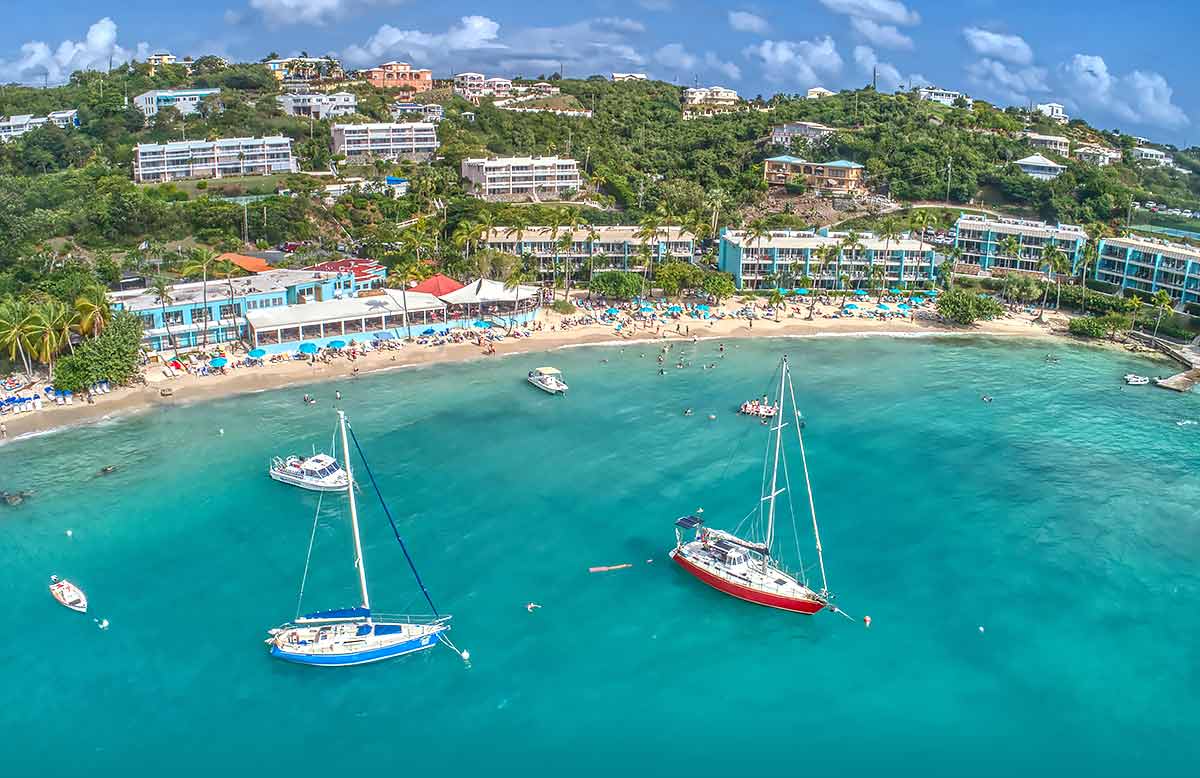
Saint Thomas, the bustling hub of the U.S. Virgin Islands, is a vibrant destination that boasts stunning beaches, historical…
Explore Saint Thomas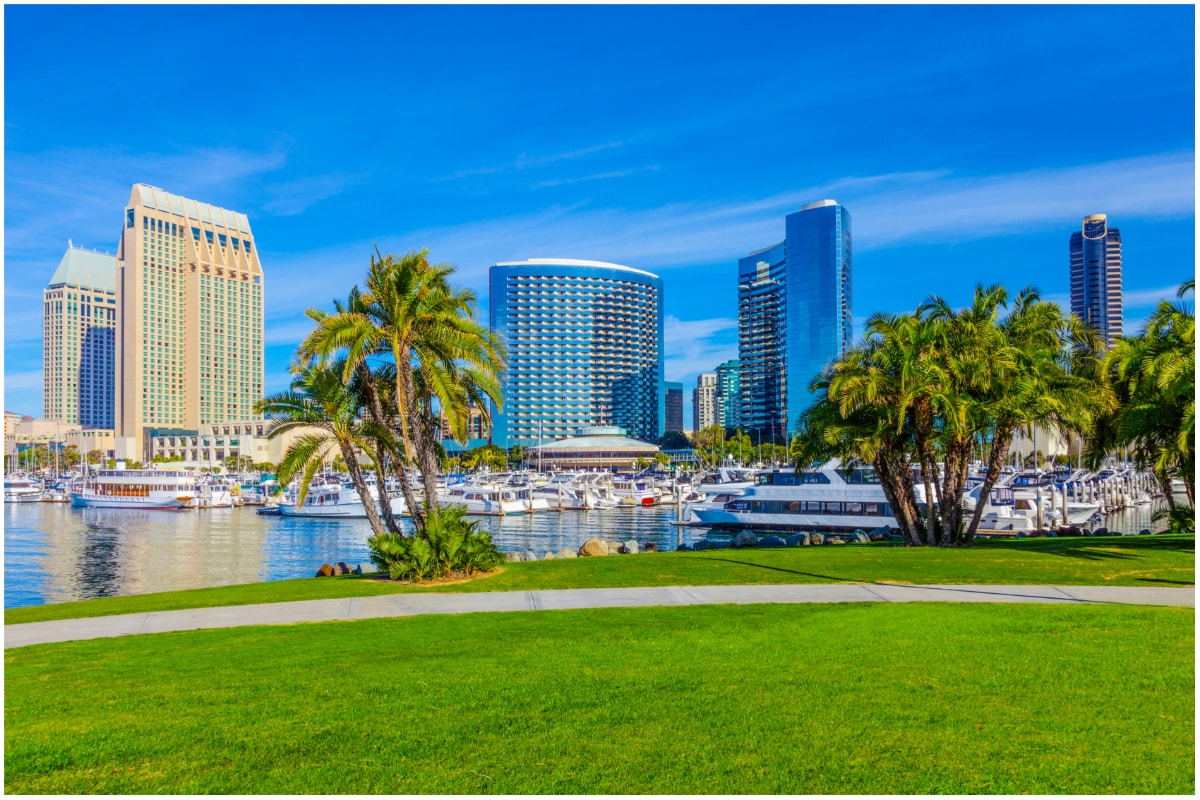
San Diego
San Diego, California’s second-largest city, is a captivating destination known for its stunning coastline, rich history, and…
Explore San DiegoA little context for your exploring.
These original VoyageOwl city stories are preserved from the archive. Historical claims and visitor details remain subject to editorial review. Check attraction opening hours, tickets and access before making plans.
A few good stories. A little room to wander.