 Voyage
Bern
Bern, the capital of Switzerland, is a city where medieval charm meets modern sophistication. Nestled along the banks of the Aare River, Bern is a UNESCO World Heritage site known for its well-preserved Old Town,…
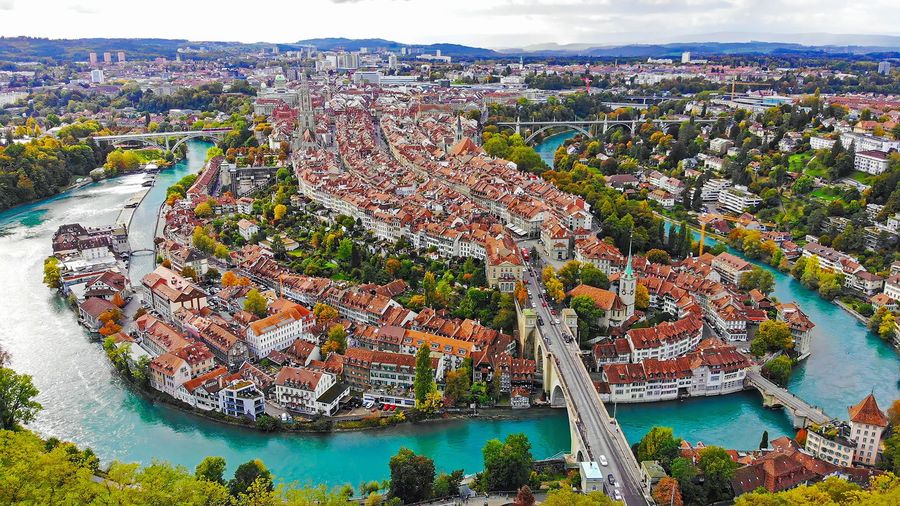
A few ways into Bern.
Leave room to discover more.
The Zytglogge (Clock Tower)
The Zytglogge, or Clock Tower, is one of Bern’s most iconic landmarks and a must-see for visitors. This medieval clock tower, built in the early 13th century, has been an essential part of Bern’s skyline for centuries. The tower features an elaborate astronomical…
Discover the storyThe Bear Park (Bärengraben)
Bern’s connection to bears goes back to its founding, and today, visitors can see these majestic creatures in the city’s Bear Park. Located along the Aare River, the Bärengraben is home to…
Look a little closer 03A story worth stopping forBern’s UNESCO-Listed Old Town
Bern’s Old Town is a beautifully preserved medieval center that earned its status as a UNESCO World Heritage site in 1983. The town is characterized by its arched arcades, narrow…
Look a little closer 04A story worth stopping forThe Federal Palace (Bundeshaus)
As the capital of Switzerland, Bern is home to the Federal Palace, where the Swiss parliament meets. The building, completed in 1902, is an architectural masterpiece with a grand dome…
Look a little closer 05A story worth stopping forRosengarten (Rose Garden)
For breathtaking panoramic views of Bern’s Old Town and the Alps in the distance, a visit to the Rosengarten is a must. This beautiful park, perched on a hill overlooking the city, is home…
Look a little closerThe story of Bern.
Set the sceneA little background.
A little background.
Bern, the capital of Switzerland, is a city where medieval charm meets modern sophistication. Nestled along the banks of the Aare River, Bern is a UNESCO World Heritage site known for its well-preserved Old Town, historic landmarks, and relaxed atmosphere. As Switzerland’s political center and a cultural hub, Bern offers a unique blend of history, culture, and natural beauty. Whether you’re strolling through its ancient streets or enjoying panoramic views of the Alps, Bern invites visitors to experience the best of Swiss heritage.
Bern’s history dates back to 1191, when it was founded by Duke Berchtold V of Zähringen. Legend has it that the city was named after a bear ("Bär" in German) that the duke hunted, a symbol that still plays a significant role in Bern’s identity today. The city quickly grew into a key trading center, and by the 14th century, it had become a member of the Swiss Confederation, establishing itself as a major political and economic force in Switzerland.
The city’s medieval layout has been remarkably well-preserved, making Bern’s Old Town one of the most well-maintained in Europe. Surviving fires, wars, and political upheavals, Bern continues to stand as a testament to Swiss resilience and ingenuity. Today, Bern is not only the seat of the Swiss Federal Government but also a city where history comes alive in every corner.
Top 5 Unique Characteristics of Bern
Look a little closerThe Zytglogge (Clock Tower)
The Zytglogge (Clock Tower)
The Zytglogge, or Clock Tower, is one of Bern’s most iconic landmarks and a must-see for visitors. This medieval clock tower, built in the early 13th century, has been an essential part of Bern’s skyline for centuries. The tower features an elaborate astronomical clock, which displays the time, day, and zodiac. Every hour, the clock comes to life with a delightful mechanical show featuring dancing bears, a cockerel, and the figure of Father Time. Guided tours allow visitors to explore the inner workings of the clock and learn about its fascinating history.
Look a little closerThe Bear Park (Bärengraben)
The Bear Park (Bärengraben)
Bern’s connection to bears goes back to its founding, and today, visitors can see these majestic creatures in the city’s Bear Park. Located along the Aare River, the Bärengraben is home to a family of brown bears, offering a unique experience in the heart of the city. The park has been designed to provide a natural habitat for the bears while allowing visitors to view them in a safe and respectful environment. The Bear Park is a symbol of Bern’s history and a beloved attraction for locals and tourists alike.
Look a little closerBern’s UNESCO-Listed Old Town
Bern’s UNESCO-Listed Old Town
Bern’s Old Town is a beautifully preserved medieval center that earned its status as a UNESCO World Heritage site in 1983. The town is characterized by its arched arcades, narrow cobblestone streets, and distinctive sandstone buildings. The Kramgasse, Bern’s main street, is lined with charming shops, cafes, and historical fountains, including the Zähringerbrunnen, which pays homage to the city’s founder. A stroll through the Old Town reveals layers of history, with hidden courtyards and majestic landmarks such as the Federal Palace and Bern Cathedral (Münster).
Look a little closerThe Federal Palace (Bundeshaus)
The Federal Palace (Bundeshaus)
As the capital of Switzerland, Bern is home to the Federal Palace, where the Swiss parliament meets. The building, completed in 1902, is an architectural masterpiece with a grand dome decorated with intricate mosaics representing the Swiss cantons. Visitors can take a guided tour of the Bundeshaus to learn about Switzerland’s unique political system and the history of its democracy. On certain days, the public is welcome to observe parliamentary sessions, offering a rare glimpse into the inner workings of Swiss governance.
Look a little closerRosengarten (Rose Garden)
Rosengarten (Rose Garden)
For breathtaking panoramic views of Bern’s Old Town and the Alps in the distance, a visit to the Rosengarten is a must. This beautiful park, perched on a hill overlooking the city, is home to over 200 varieties of roses, as well as irises and other seasonal flowers. It’s a peaceful retreat from the bustling city streets and a favorite spot for both locals and tourists to relax, picnic, or simply enjoy the stunning views. The Rosengarten also features a cafe where visitors can sip coffee while admiring the city’s historic skyline.
Behind the postcardBern Today: A Modern Capital with a Historic Soul
Bern Today: A Modern Capital with a Historic Soul
Today, Bern is a thriving city that balances its role as Switzerland’s political heart with its laid-back, welcoming atmosphere. The city’s modern infrastructure, excellent public transport system, and high quality of life make it an attractive place to live and visit. While politics and history play a significant role in Bern, the city also has a lively cultural scene, with numerous theaters, galleries, and festivals, such as the Bern Jazz Festival and the Gurten Music Festival.
Bern is also a city that celebrates innovation. The University of Bern and research institutions like CERN are at the forefront of scientific advancements, continuing the city’s long-standing tradition of intellectual leadership.
Behind the postcardFun Facts About Bern
Fun Facts About Bern
Albert Einstein lived in Bern from 1903 to 1905, and it was here that he developed his theory of relativity. His former apartment is now a museum dedicated to his life and work.Bern’s Old Town has over 6 kilometers of covered arcades, making it one of the longest shopping promenades in Europe.The Aare River that flows through Bern is popular for swimming, and during the summer, locals and visitors alike take a refreshing dip in its clean waters.Bern’s official language is Swiss German, but English and French are widely spoken, reflecting the city’s international population.The Gurten, Bern’s local mountain, offers panoramic views of the city and is accessible by a funicular. It’s a popular spot for hiking, picnicking, and outdoor concerts.
With its blend of medieval charm, modern governance, and cultural richness, Bern is a city that captivates visitors with its unique character. Whether you’re exploring its historic sites, enjoying its green spaces, or discovering its vibrant arts scene, Bern offers a perfect balance of tradition and innovation, making it one of Switzerland’s most enchanting destinations.
The city,
in your headphones.
Take a seat, or take a walk. Discover Bern one story at a time.
The stories of Bern
Read the complete audio transcript
Welcome to Voyage Owl’s walking tour of Bern, the charming capital of Switzerland and a city steeped in history, culture, and political significance. Set along the banks of the Aare River and framed by the majestic Alps, Bern is a city that perfectly balances the old and the new. It has been the political heart of Switzerland since it became the federal capital in 1848, but its history dates back to 1191, when it was founded by Duke Berchtold V of Zähringen. Bern’s medieval old town, a UNESCO World Heritage site, is a beautifully preserved maze of cobbled streets, covered arcades, and grand sandstone buildings that tell the story of a city rich in history and tradition.
Bern’s name is said to come from the word for “bear” (Bär in German), as Duke Berchtold is believed to have named the city after the first animal he encountered on a hunt. The bear remains a symbol of Bern to this day, with representations of the animal found throughout the city. However, Bern is also a city of innovation and intellect—home to the Swiss Parliament and famous for being the place where Albert Einstein developed his theory of relativity.
This walking tour will take you through Bern’s most important landmarks, from its medieval clock tower to its elegant federal buildings. We will explore its historical roots, its role in Swiss politics, and the modern culture that makes Bern a dynamic and fascinating destination. Let’s begin in the heart of Bern’s old town at the iconic Zytglogge, the city’s famous clock tower.
### 1. Zytglogge: The Timekeeper of Bern
Our journey starts at the Zytglogge, Bern’s famous medieval clock tower and one of the most recognizable landmarks in the city. Built in the early 13th century as a gate tower for the city’s original western wall, the Zytglogge has stood watch over Bern for over 800 years. It has served various purposes throughout its history, from being a guard tower to a women’s prison, but it is best known for its astronomical clock, which has been delighting visitors since 1530.
As you stand in front of the tower, take a moment to appreciate the intricate clock face, which shows not only the time but also the day, date, and astrological signs. Every hour on the hour, the clock springs to life with an elaborate mechanical show featuring dancing bears, a crowing rooster, and a jester who rings the bells. This spectacle has drawn tourists for centuries and remains one of the most charming features of the old town.
The Zytglogge is not just a clock—it’s a symbol of Bern’s medieval heritage and its long-standing importance as a center of Swiss commerce and politics. In the Middle Ages, Bern was one of the largest and most prosperous cities in Switzerland, and the Zytglogge was at the heart of its bustling trade routes.
You can book a guided tour of the Zytglogge to learn more about the tower’s history and mechanics. The tour takes you behind the scenes of the clock’s inner workings and offers a chance to climb to the top for stunning views over the old town.
From the Zytglogge, we’ll take a leisurely walk through Bern’s Kramgasse, a historic street lined with beautiful medieval buildings and covered arcades.
### 2. Kramgasse: The Heart of Bern’s Medieval Old Town
Kramgasse is one of the most important streets in Bern’s old town, and walking along it is like stepping back in time. This picturesque, cobbled street is lined with medieval houses that have been carefully preserved over the centuries. The covered arcades, or Lauben, are a unique feature of Bern’s old town and stretch for over 6 kilometers, making it one of the longest covered shopping promenades in Europe. The arcades were originally designed to protect merchants and shoppers from the elements, and they continue to offer shelter to this day.
As you walk down Kramgasse, notice the fountains that dot the street. These beautifully decorated fountains date back to the 16th century and each features a different theme. One of the most famous is the Kindlifresserbrunnen, or the Ogre Fountain, which depicts a terrifying ogre devouring a child. While the fountain’s meaning is unclear, it has become one of the most iconic landmarks in Bern. Another noteworthy fountain is the Zähringer Fountain, which honors the city’s founder, Duke Berchtold V.
Kramgasse is also home to one of Bern’s most famous former residents: Albert Einstein. At Kramgasse 49, you’ll find the Einstein House, where the famed physicist lived from 1903 to 1905 while working at the Swiss Patent Office. It was during this time that Einstein developed his groundbreaking theory of relativity, which would forever change our understanding of physics. The apartment has been converted into a museum, offering a glimpse into Einstein’s life in Bern and his remarkable contributions to science.
After exploring the Einstein House, stop by one of the charming cafés along Kramgasse for a coffee and a slice of Züpfe, a traditional Swiss braided bread. The old town’s arcades are filled with cozy cafés, perfect for taking a break and soaking in the atmosphere of this historic street.
From Kramgasse, we’ll head toward Bern’s Federal Palace, the seat of the Swiss government and one of the most important political buildings in the country.
### 3. Federal Palace (Bundeshaus): The Political Heart of Switzerland
Our next stop is the Federal Palace, or Bundeshaus, the seat of the Swiss Federal Assembly and Federal Council. This grand building, located at the edge of Bern’s old town, is the center of Swiss politics and has been the official home of the country’s federal government since 1902. Designed by architect Hans Wilhelm Auer, the Bundeshaus is a striking example of neo-Renaissance architecture, with its imposing dome, elegant arches, and detailed carvings.
As you approach the Bundeshaus, you’ll notice the Federal Square (Bundesplatz) in front of the building. This open plaza is a popular gathering place for locals and visitors alike. In the summer, the square is filled with fountains that dance in choreographed patterns, and in the winter, it transforms into a festive ice-skating rink. The square is also the site of political rallies, public events, and outdoor markets, making it a vibrant part of life in Bern.
The interior of the Federal Palace is equally impressive, with its grand halls and chambers where the Swiss Parliament meets to discuss and debate the country’s laws. The building’s interior is adorned with murals, sculptures, and stained glass windows that depict scenes from Swiss history and celebrate the country’s values of democracy, neutrality, and federalism.
Visitors can book a guided tour of the Bundeshaus, which includes access to the Parliamentary Chamber and the opportunity to learn more about the Swiss political system. If you’re visiting when Parliament is in session, you may even have the chance to watch a live debate.
After exploring the political center of Switzerland, we’ll continue our tour with a visit to Bern’s Bear Park, a symbol of the city and a beloved attraction.
### 4. Bear Park: A Living Symbol of Bern
No visit to Bern would be complete without seeing the city’s famous bears. Located just outside the old town, the Bear Park (BärenPark) is home to a family of brown bears, the animal that has been a symbol of Bern since its founding. According to legend, Duke Berchtold V of Zähringen vowed to name the city after the first animal he encountered on a hunting trip, which turned out to be a bear. Since then, the bear has been the city’s emblem, and the Bear Park continues to honor this tradition.
The Bear Park is a spacious, naturalistic enclosure that allows the bears to roam freely along the banks of the Aare River. Visitors can observe the bears swimming, playing, and foraging in their habitat, which is designed to mimic the wild. The park is an important symbol of Bern’s connection to nature and its commitment to wildlife conservation.
Adjacent to the Bear Park is the Old Bear Pit (Bärengraben), which was the bears’ home for nearly 200 years before the new park was built in 2009. The Old Bear Pit is still accessible to visitors and serves as a historical reminder of how the bears were once kept. Today, the Bear Park offers a much more natural and humane environment for the animals, reflecting modern attitudes toward animal care.
After visiting the Bear Park, take a walk along the scenic Aare River, which offers stunning views of Bern’s old town and the surrounding hills. The riverside paths are perfect for a leisurely stroll, and there are plenty of spots to relax and enjoy the natural beauty of the area.
From the Bear Park, we’ll make our way to Rosengarten, a beautiful rose garden that offers one of the best panoramic views of the city.
### 5. Rosengarten: A Tranquil Oasis with Stunning Views
Our next stop is Rosengarten, a beautiful park located on a hill overlooking the old town. The Rosengarten was originally a cemetery but was transformed into a public garden in 1913. Today, it is one of Bern’s most popular green spaces, known
for its breathtaking views of the city and its collection of over 200 varieties of roses.
As you walk through the garden, you’ll be surrounded by the fragrant blooms of roses, irises, and rhododendrons, all carefully arranged in manicured beds. The Rosengarten is a peaceful retreat from the hustle and bustle of the city, offering a tranquil place to relax and take in the natural beauty of the surroundings.
The highlight of the Rosengarten is its panoramic view of Bern’s old town, with its distinctive red-roofed buildings, the spire of Bern Minster, and the meandering Aare River. This viewpoint is particularly stunning at sunset, when the warm light bathes the city in a golden glow. It’s the perfect spot for taking photos or simply enjoying the beauty of Bern from above.
Enjoy a meal or a drink at the Rosengarten Restaurant, which offers outdoor seating with fantastic views of the city. The restaurant serves traditional Swiss dishes, as well as international cuisine, making it a great place to relax and savor the flavors of Bern.
After enjoying the serenity of the Rosengarten, we’ll head back into the old town to visit the magnificent Bern Minster, the tallest cathedral in Switzerland.
### 6. Bern Minster: The Gothic Masterpiece of Bern
Our next stop is the Bern Minster (Berner Münster), the largest and most important religious building in Switzerland. This stunning Gothic cathedral dominates the skyline of Bern and has been a symbol of the city’s spiritual and cultural life for over five centuries. Construction of the Minster began in 1421 and continued for several hundred years, with the final completion of its towering spire in 1893.
As you approach the Bern Minster, take a moment to admire the intricate details of its Gothic façade, particularly the Last Judgment scene carved above the main portal. This sculpture depicts the separation of the blessed from the damned and is one of the most detailed and dramatic depictions of the Last Judgment in Switzerland. Inside, the Minster’s soaring vaulted ceilings, stained glass windows, and carved wooden choir stalls create a sense of awe and reverence.
One of the highlights of the Bern Minster is its bell tower, which, at 100 meters, is the tallest church tower in Switzerland. Visitors can climb the 312 steps to the top for a panoramic view of the city, the Aare River, and the distant Alps. On a clear day, the view from the tower is nothing short of spectacular, offering a breathtaking vista of Bern’s red-tiled rooftops and the surrounding countryside.
After exploring the Minster, take a walk through the nearby Münsterplattform, a terrace behind the cathedral that offers a peaceful park with views over the Aare River. The Münsterplattform is a popular spot for locals to relax, and it’s a great place to enjoy a picnic or simply take in the view.
From the Bern Minster, we’ll continue our exploration of the old town with a visit to Käfigturm, another of Bern’s iconic clock towers, and then head toward Gurten Hill for a scenic finale.
### 7. Käfigturm: A Tower of History and Justice
The Käfigturm is one of Bern’s most important historical landmarks and serves as a reminder of the city’s medieval past. Built in 1256 as a gate tower in Bern’s second city wall, the Käfigturm originally served as part of the city’s fortifications. In later centuries, it was used as a prison, and its name—Käfigturm (Cage Tower)—reflects this grim aspect of its history.
Today, the Käfigturm is a historical monument and exhibition space that hosts events related to politics, history, and culture. The tower’s clock, like the Zytglogge, is an important feature, and its striking mechanism has been keeping time for the people of Bern for centuries.
Visitors can explore temporary exhibitions at the Käfigturm, which often focus on Swiss political history and contemporary issues. It’s a great place to gain insight into Switzerland’s direct democracy and political culture.
Our final destination will take us outside the old town to Gurten Hill, a popular local spot for outdoor activities and panoramic views.
### 8. Gurten Hill: Nature, Views, and Outdoor Fun
To conclude our walking tour of Bern, we’ll head to Gurten Hill, a beautiful parkland area just a short funicular ride from the city center. Known for its stunning views over Bern and the Alps, Gurten Hill is a favorite spot for locals and visitors alike to enjoy hiking, picnicking, and outdoor activities.
The Gurtenbahn, a historic funicular, will take you to the top of the hill, where you’ll find expansive meadows, walking trails, and a viewing tower that offers breathtaking panoramic views. On a clear day, you can see as far as the Eiger, Mönch, and Jungfrau mountains, as well as the city of Bern nestled in the valley below.
For families, Gurten Hill offers plenty of activities, including a playground, a mini-train for children, and in winter, sledging and skiing. For those looking to relax, the Gurten Kulm Restaurant offers delicious Swiss cuisine with a view.
Gurten Hill is also a popular spot for cultural events, including the annual Gurtenfestival, a music festival that attracts international artists. If you’re visiting in the summer, check the event schedule to see if there are any concerts or performances happening during your stay.
### Conclusion: Bern, A City of Timeless Charm and Modern Dynamism
As we conclude our extended walking tour of Bern, you will have experienced the full spectrum of the city’s rich history, from its medieval clock towers and Gothic cathedrals to its role as the political heart of Switzerland. Whether marveling at the views from Rosengarten, learning about Einstein’s time in the city, or enjoying the natural beauty of Gurten Hill, Bern offers an enchanting blend of past and present.
Bern’s charm lies in its ability to combine the old with the new, the political with the cultural, and the urban with the natural. It’s a city that invites visitors to slow down and appreciate its elegant architecture, scenic views, and vibrant public spaces. Take your time to explore more of Bern’s hidden corners, perhaps with a walk along the Aare River or a visit to one of the city’s many museums.
Whether you’re here for a day or a week, Bern is a city that will leave a lasting impression on anyone who visits.
To listen to more amazing audio tours of cities around the world check out our other guides at voyageowl.com
Another place, another story.
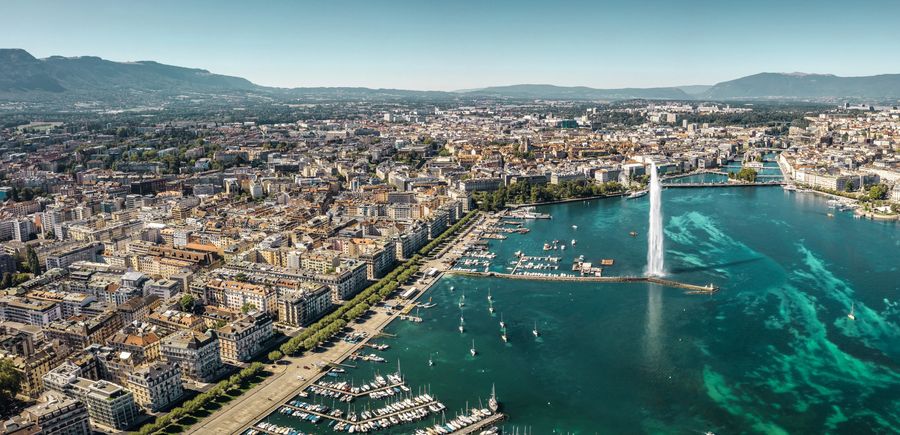
Geneva
Nestled between the majestic Alps and the scenic shores of Lake Geneva, the city of Geneva is a global destination known for its rich…
Explore Geneva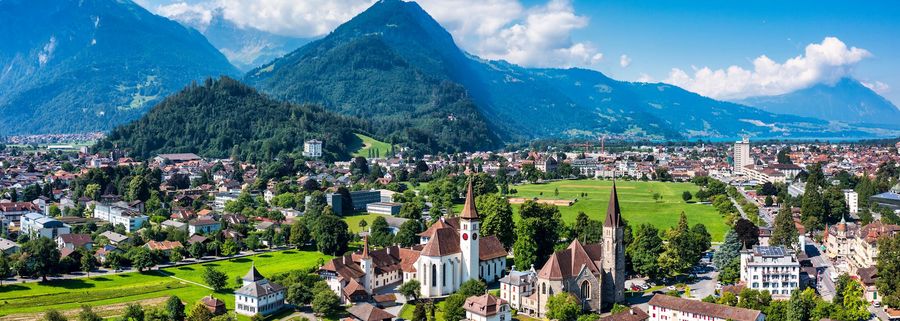
Interlaken
Interlaken, nestled between Lake Thun and Lake Brienz in the heart of the Bernese Oberland, is a destination like no other. Surrounded…
Explore InterlakenA little context for your exploring.
These original VoyageOwl city stories are preserved from the archive. Historical claims and visitor details remain subject to editorial review. Check attraction opening hours, tickets and access before making plans.
A few good stories. A little room to wander.