
Bonn
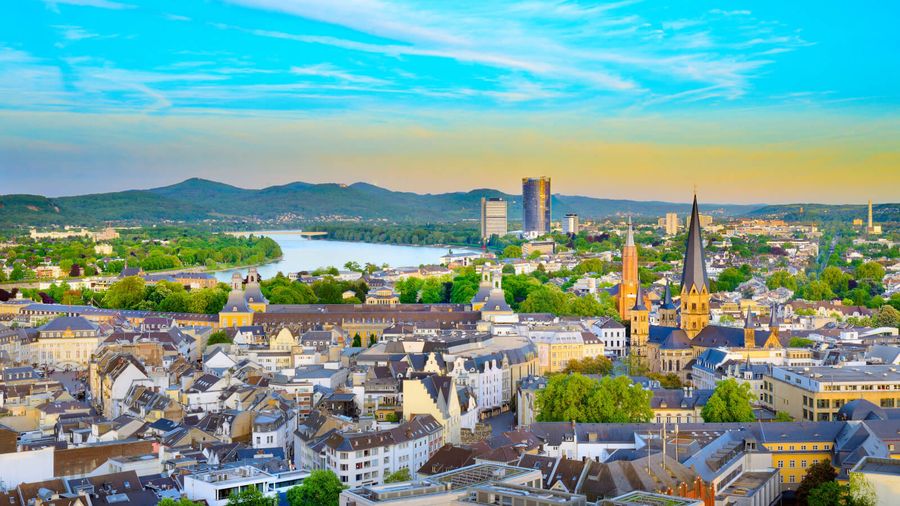
Bonn, nestled along the banks of the Rhine River, is a city rich in history, culture, and charm. Once the capital of West Germany, Bonn holds a significant place in modern…
What brings you
to Bonn?
A few good places to begin.
A Historical Gem
Bonn’s history dates back to Roman times, when it was founded as a military settlement known as Bonna around 11 BC. Throughout the Middle Ages, the city grew…
Bonn · Read the storyBeethoven’s Birthplace (Beethoven-Haus)
One of Bonn’s most famous claims to fame is that it is the birthplace of Ludwig van Beethoven, one of the greatest composers in history. Visitors can explore…
Bonn · Read the storyPoppelsdorf Palace and Botanical Gardens
The Poppelsdorf Palace is a stunning example of Baroque architecture and one of Bonn’s most beautiful landmarks. Built in the 18th century for the…
Bonn · Read the storyMuseum Mile (Museumsmeile)
Bonn’s Museum Mile is a cultural treasure trove, home to some of the country’s most important museums. The Haus der Geschichte (House of History) is…
Bonn · Read the storyListen to Bonn
Take a listening break with the city’s audio story and full transcript.
Audio & transcriptThe story of Bonn
Get to know the city through its history, culture and local traditions.
Read at your own paceA few ways into Bonn.
Leave room to discover more.
Beethoven’s Birthplace (Beethoven-Haus)
One of Bonn’s most famous claims to fame is that it is the birthplace of Ludwig van Beethoven, one of the greatest composers in history. Visitors can explore the Beethoven-Haus, the house where Beethoven was born in 1770. This museum showcases a fascinating collection…
Discover the storyPoppelsdorf Palace and Botanical Gardens
The Poppelsdorf Palace is a stunning example of Baroque architecture and one of Bonn’s most beautiful landmarks. Built in the 18th century for the Prince-Electors of Cologne, the palace is…
Look a little closer 03A story worth stopping forMuseum Mile (Museumsmeile)
Bonn’s Museum Mile is a cultural treasure trove, home to some of the country’s most important museums. The Haus der Geschichte (House of History) is particularly noteworthy, as it tells the…
Look a little closer 04A story worth stopping forThe Rhine Promenade
The Rhine Promenade offers visitors a beautiful riverside experience, perfect for a leisurely walk or bike ride. The promenade stretches along the banks of the Rhine River, offering…
Look a little closer 05A story worth stopping forUN Campus and International Bonn
Bonn has reinvented itself as a center for international cooperation and diplomacy. The UN Campus is home to a number of United Nations agencies, including those focused on climate change,…
Look a little closerThe story of Bonn.
Set the sceneA little background.
A little background.
Bonn, nestled along the banks of the Rhine River, is a city rich in history, culture, and charm. Once the capital of West Germany, Bonn holds a significant place in modern German history, but its roots stretch back over 2,000 years to its founding by the Romans. Today, Bonn is known for its lively cultural scene, beautiful riverfront, and its most famous son, Ludwig van Beethoven. With a blend of historical landmarks, vibrant modern life, and beautiful natural surroundings, Bonn offers a captivating experience for travelers seeking a deeper connection to Germany’s past and present.
Behind the postcardA Historical Gem
A Historical Gem
Bonn’s history dates back to Roman times, when it was founded as a military settlement known as Bonna around 11 BC. Throughout the Middle Ages, the city grew in importance as a religious and cultural center, particularly as the residence of the Prince-Electors of Cologne. In the 20th century, Bonn took on a new role when it became the capital of West Germany after World War II, a position it held from 1949 to 1990, during the Cold War era. As a result, Bonn became a focal point for German politics, diplomacy, and international relations.
Even though Berlin became the capital after German reunification, Bonn remains a vital administrative hub and has reinvented itself as a center for international organizations, particularly within the United Nations. With its rich historical legacy and modern significance, Bonn is a city that offers a unique glimpse into Germany’s past and future.
Top 5 Unique Characteristics of Bonn
Look a little closerBeethoven’s Birthplace (Beethoven-Haus)
Beethoven’s Birthplace (Beethoven-Haus)
One of Bonn’s most famous claims to fame is that it is the birthplace of Ludwig van Beethoven, one of the greatest composers in history. Visitors can explore the Beethoven-Haus, the house where Beethoven was born in 1770. This museum showcases a fascinating collection of original manuscripts, instruments, and personal belongings of the composer. Music lovers from around the world flock to Bonn to celebrate Beethoven’s legacy, and the city hosts the annual Beethovenfest, a prestigious classical music festival held every autumn.
Look a little closerPoppelsdorf Palace and Botanical Gardens
Poppelsdorf Palace and Botanical Gardens
The Poppelsdorf Palace is a stunning example of Baroque architecture and one of Bonn’s most beautiful landmarks. Built in the 18th century for the Prince-Electors of Cologne, the palace is now part of the University of Bonn. Surrounding the palace are the tranquil Botanical Gardens, home to over 11,000 plant species from around the world. Visitors can stroll through lush greenhouses, enjoy the peaceful atmosphere, and marvel at the wide variety of flora, making it a perfect retreat within the city.
Look a little closerMuseum Mile (Museumsmeile)
Museum Mile (Museumsmeile)
Bonn’s Museum Mile is a cultural treasure trove, home to some of the country’s most important museums. The Haus der Geschichte (House of History) is particularly noteworthy, as it tells the story of Germany from World War II to the present day, with interactive exhibits and fascinating displays. Other highlights include the Kunstmuseum Bonn, featuring modern art, and the Deutsches Museum Bonn, which focuses on scientific and technological achievements. This concentration of world-class museums makes Bonn a must-visit destination for history and art enthusiasts.
Look a little closerThe Rhine Promenade
The Rhine Promenade
The Rhine Promenade offers visitors a beautiful riverside experience, perfect for a leisurely walk or bike ride. The promenade stretches along the banks of the Rhine River, offering stunning views of the river and the surrounding landscape. Whether you're enjoying a peaceful morning stroll, dining at a riverside cafe, or embarking on a boat tour, the Rhine Promenade is one of the most scenic spots in Bonn. In summer, it’s a popular place for locals and tourists to gather, especially during the Rhein in Flammen (Rhine in Flames) fireworks festival.
Look a little closerUN Campus and International Bonn
UN Campus and International Bonn
Bonn has reinvented itself as a center for international cooperation and diplomacy. The UN Campus is home to a number of United Nations agencies, including those focused on climate change, sustainability, and biodiversity. As a hub for international organizations, Bonn plays a key role in global environmental efforts. The city hosts numerous conferences and summits throughout the year, bringing together experts and leaders from around the world. This modern aspect of Bonn’s identity adds a global dimension to its rich historical and cultural fabric.
Behind the postcardBonn Today: A Blend of Tradition and Innovation
Bonn Today: A Blend of Tradition and Innovation
In modern times, Bonn is a vibrant city that balances its rich cultural heritage with forward-looking innovation. The city is known for its academic excellence, with the University of Bonn being one of Germany’s most prestigious institutions. Bonn’s thriving music scene, cultural festivals, and lively marketplaces bring a youthful energy to the city, while its history and natural beauty attract visitors from all walks of life.
Bonn is also a gateway to the Siebengebirge, a mountain range that offers hiking trails, castles, and breathtaking views of the Rhine Valley. Whether you’re looking to explore nature or delve into history, Bonn’s unique combination of cultural attractions and outdoor activities offers something for everyone.
Behind the postcardFun Facts About Bonn
Fun Facts About Bonn
Bonn served as the capital of West Germany from 1949 to 1990, and even after reunification, many government ministries and institutions remain based in the city.The Beethoven Monument in the city’s Münsterplatz is one of the most iconic landmarks dedicated to the composer and was unveiled in 1845.Bonn is home to the Cherry Blossom Avenue in the Altstadt, which bursts into bloom every spring and attracts photographers from all over the world.The University of Bonn was founded in 1818 and counts among its alumni notable figures like Friedrich Nietzsche and Karl Marx.Drachenfels, a hill just outside Bonn, is a popular hiking destination with a castle ruin and a legendary connection to Siegfried from the Nibelungen saga.
With its deep historical roots, vibrant cultural scene, and modern global significance, Bonn is a city that offers a unique and enriching experience. Whether you’re exploring Beethoven’s legacy, walking along the scenic Rhine, or delving into German history at the Museum Mile, Bonn promises a memorable journey through time and culture.
The city,
in your headphones.
Take a seat, or take a walk. Discover Bonn one story at a time.
The stories of Bonn
Read the complete audio transcript
Welcome to Voyage Owl’s walking tour of Bonn, a city that has long been at the crossroads of German history, culture, and politics. Nestled along the banks of the Rhine River in the state of North Rhine-Westphalia, Bonn has a rich and varied past that dates back more than 2,000 years. As one of Germany’s oldest cities, it has seen empires rise and fall, played a central role in the formation of modern Germany, and is famous for being the birthplace of Ludwig van Beethoven. From its time as the provisional capital of West Germany during the Cold War to its current status as a hub of international diplomacy, Bonn is a city that perfectly balances its historical legacy with its modern aspirations.
Bonn’s significance stretches far beyond its borders, making it a city of both local charm and global importance. From the Baroque splendor of its palaces to the peaceful riverside promenades along the Rhine, Bonn is a city that invites visitors to explore its layers of history, its connection to German politics, and its contributions to art and music.
This walking tour will guide you through Bonn’s most iconic landmarks, offering a deeper understanding of its historical significance. We’ll explore Bonn’s ancient Roman roots, its architectural treasures, and its role as a center for both politics and culture. Let’s begin our journey in the heart of Bonn’s old town at Münsterplatz, home to one of the city’s most famous monuments—the Beethoven Statue.
### 1. Münsterplatz and Beethoven Monument: Honoring Bonn’s Musical Genius
We start our tour in Münsterplatz, one of the main squares in Bonn and the site of the Beethoven Monument, which was unveiled in 1845 to honor the city’s most famous son, Ludwig van Beethoven. The imposing bronze statue depicts the composer in a moment of intense concentration, holding a pen and paper as if composing one of his legendary symphonies. Beethoven was born in Bonn in 1770, and though he spent much of his life in Vienna, he is forever linked to the city of his birth.
Münsterplatz has been a central gathering point in Bonn for centuries and is named after the nearby Bonn Minster (Bonner Münster), one of the oldest churches in Germany. The square is surrounded by historic buildings, including the Post Office Building, an elegant Baroque structure that once served as the headquarters of the Prussian Postal Service. Today, the square remains a vibrant public space, hosting events and markets throughout the year.
After admiring the Beethoven Monument, take a few minutes to visit the nearby Beethoven House, the composer’s birthplace and now a museum dedicated to his life and work. The museum houses a vast collection of Beethoven memorabilia, including original manuscripts, instruments, and personal letters, offering visitors a glimpse into the life of one of history’s greatest composers.
After exploring the Beethoven House, stop by one of the local cafés for a coffee or a slice of Beethoven Torte, a cake inspired by the composer, while enjoying the view of the bustling square.
Next, we’ll visit the magnificent Bonn Minster, located just steps away from Münsterplatz, to delve into the city’s spiritual history.
### 2. Bonn Minster: A Testament to Medieval Splendor
Our next stop is the Bonn Minster (Bonner Münster), one of the oldest churches in Germany and a prime example of Romanesque architecture. The Minster was built between the 11th and 13th centuries on the site of an earlier church and has long been a focal point of religious life in Bonn. Its distinctive twin spires and striking octagonal tower make it one of the most recognizable buildings in the city.
As you enter the Minster, take a moment to appreciate the beautiful mix of Romanesque and Gothic styles that characterize the church’s architecture. The Minster’s interior is filled with stunning stained glass windows, intricate stone carvings, and a sense of spiritual grandeur. The crypt beneath the church is of particular historical significance, as it is said to contain the remains of Saint Cassius and Saint Florentius, early Christian martyrs who are believed to have been executed in Bonn during Roman times.
The Minster also played an important role during the Middle Ages as a center of religious and political power in the region. It was the site of many important events, including the coronation of German kings and the gathering of imperial diets (assemblies). Its importance as a spiritual and political symbol made it a cornerstone of Bonn’s development during the medieval period.
After exploring the Minster, take a walk through the Münsterplatz Gardens, a tranquil green space behind the church where you can relax and enjoy the view of the Minster’s towering spires.
From the Bonn Minster, we’ll make our way to Poppelsdorf Palace, a stunning example of Baroque architecture that played a key role in Bonn’s history during the 17th and 18th centuries.
### 3. Poppelsdorf Palace and Botanical Gardens: A Baroque Masterpiece
As we leave the old town, we’ll head west toward Poppelsdorf Palace (Poppelsdorfer Schloss), one of Bonn’s most beautiful architectural treasures. Built in the early 18th century for Joseph Clemens, the Elector of Cologne, the palace is a stunning example of Baroque architecture and a symbol of Bonn’s aristocratic past.
The Poppelsdorf Palace was designed by the famous architect Robert de Cotte, who was inspired by the grandeur of Versailles. The palace is known for its elegant symmetry, grand central courtyard, and ornate façade, which reflects the wealth and power of the Electorate of Cologne. During the 18th century, the palace was used as a summer residence for the Elector and his court, and it became a center for lavish banquets and cultural events.
Today, Poppelsdorf Palace is part of the University of Bonn and houses the university’s departments of natural sciences. However, one of the most appealing features of the palace is its beautiful Botanical Gardens, which are open to the public and offer a peaceful retreat from the city. The gardens were originally created in 1818 and are home to a wide variety of plant species, including rare and exotic plants from around the world.
Take a leisurely stroll through the Botanical Gardens, where you’ll find an impressive collection of plants from different climates and regions, including a tropical greenhouse and a collection of alpine plants. The gardens are a perfect spot to relax, especially in the warmer months when the flowers are in full bloom.
From Poppelsdorf Palace, we’ll make our way to the Rheinisches Landesmuseum, one of Germany’s most important museums, to explore Bonn’s connection to the ancient Roman Empire.
### 4. Rheinisches Landesmuseum: Exploring Bonn’s Roman Past
Our next stop is the Rheinisches Landesmuseum, located in the Museumsmeile (Museum Mile) district of Bonn. This museum is one of the oldest in Germany and houses a vast collection of artifacts that tell the story of the Rhineland’s rich history, from prehistoric times to the Middle Ages. The museum’s collection is particularly strong in Roman antiquities, reflecting Bonn’s role as a major Roman settlement.
Bonn’s history as a Roman city dates back to 12 BC, when the Roman army established a military camp here, known as Bonna. Over time, Bonna grew into an important garrison town, and the Rheinisches Landesmuseum offers visitors a chance to explore this fascinating period in the city’s history. Among the museum’s most impressive exhibits are the Roman mosaics, statues, and artifacts recovered from ancient Roman villas and public buildings in the region.
The museum also features exhibits on Bonn’s medieval and early modern history, including the city’s role in the Holy Roman Empire and its development as a center of political and cultural influence. The Rheinisches Landesmuseum provides an in-depth look at the many layers of Bonn’s history and how the city evolved over the centuries.
After visiting the museum, take a walk along Museumsmeile, where you’ll find several other cultural institutions, including the Kunstmuseum Bonn and the Haus der Geschichte. These museums offer a variety of exhibits on contemporary art and modern German history, making Museumsmeile one of the best places to immerse yourself in Bonn’s cultural scene.
From the Rheinisches Landesmuseum, we’ll head to Alter Zoll, a historic fortification that offers one of the best views of the Rhine River.
### 5. Alter Zoll: A Historic Lookout Over the Rhine
Our next stop is Alter Zoll, a historic fortification that dates back to the 17th century and was once part of Bonn’s defensive walls. Perched on a hill overlooking the Rhine River, Alter Zoll was originally built to protect the city from invaders and to serve as a customs post where goods being transported along the river were taxed.
Today, Alter Zoll is a popular spot for both locals and tourists, offering one of the best panoramic views of the Rhine and the surrounding landscape. From here, you can see the rolling hills of the Siebengebirge (Seven Hills) and watch the boats as they make their way up and down the river. The fortification itself has been largely restored, and the old cannons are still on display, giving visitors a sense of its historical significance.
Alter Zoll is a great place to relax and take in the beauty of the Rhine. Bring a picnic and enjoy the peaceful setting, or take a walk along the riverside promenade, which connects Alter Zoll to Bonn’s bustling waterfront.
From Alter Zoll, we’ll make our way to Market Square, the commercial heart of Bonn’s old town and a hub of activity for centuries.
### 6. Market Square and Old Town Hall: The Commercial and Political Center of Bonn
Market Square (Marktplatz) has been the center of Bonn’s commercial life since medieval times. This lively square is home to the Old Town Hall (Altes Rathaus), a striking Rococo building that dates back to 1737. With its ornate façade, gilded accents, and elegant staircase, the Old Town Hall is one of Bonn’s most beautiful architectural landmarks.
The Old Town Hall has played a significant role in Bonn’s political life for centuries. It has hosted many important events, including the signing of treaties and the reception of foreign dignitaries. The building’s historical importance was especially prominent during the period when Bonn served as the provisional capital of West Germany, from 1949 to 1990. During this time, the Old Town Hall hosted several key political meetings and became a symbol of Bonn’s temporary role as the seat of the German government.
Today, Market Square is a vibrant public space, filled with shops, cafés, and market stalls selling fresh produce, flowers, and local delicacies. It’s a great place to soak in the atmosphere of Bonn’s old town and experience the city’s lively street life.
Visit Market Square on a Saturday morning, when the weekly market is in full swing. Sample local specialties like Reibekuchen (potato pancakes) or pick up fresh fruits and vegetables from the farmers’ stalls. The square is also a great place to find souvenirs and handicrafts made by local artisans.
From Market Square, we’ll head to one of the most historically significant sites in Bonn—the Haus der Geschichte, a museum dedicated to the history of postwar Germany.
### 7. Haus der Geschichte: Tracing Germany’s Modern History
Our next stop is the Haus der Geschichte, a museum dedicated to documenting the political, social, and cultural history of Germany from the end of World War II to the present day. Located along Bonn’s Museumsmeile, this museum offers a comprehensive look at Germany’s journey through the postwar years, the division of East and West Germany, the Cold War, and the eventual reunification of the country.
As the provisional capital of West Germany, Bonn played a pivotal role in shaping the country’s postwar development. Haus der Geschichte offers visitors an in-depth exploration of this period, with exhibits on the formation of the Federal Republic of Germany, the Berlin Wall, and the lives of ordinary Germans during the Cold War. The museum’s collection includes artifacts, photographs, and documents that bring this history to life, offering a powerful and immersive experience.
One of the museum’s most significant exhibits is the section dedicated to the fall of the Berlin Wall and the subsequent reunification of Germany in 1990. This momentous event marked the end of Bonn’s role as the provisional capital and the beginning of a new chapter in Germany’s history.
After visiting Haus der Geschichte, take a walk along Museumsmeile, where you’ll find several other cultural institutions dedicated to art, history, and science. Museumsmeile is one of the best places to explore Bonn’s cultural scene and discover its role as a center of learning and innovation.
From Haus der Geschichte, we’ll make our way to our final stop—Drachenfels, a hilltop castle located just outside Bonn that offers breathtaking views of the Rhine Valley.
### 8. Drachenfels: A Legendary Castle with Panoramic Views
Our final destination takes us just outside Bonn to Drachenfels, a hilltop castle that has captured the imagination of visitors for centuries. Located in the Siebengebirge (Seven Hills) region, Drachenfels offers some of the best views of the Rhine Valley and has long been a favorite destination for both locals and tourists.
The castle’s name, which means “Dragon’s Rock,” is derived from the legend of Siegfried, the hero of the Nibelungenlied, a medieval German epic. According to the legend, Siegfried slew a dragon on the Drachenfels, and the story has become a central part of German folklore.
The castle itself was built in the early 12th century and has served as both a fortress and a residence over the centuries. Today, the ruins of the castle can be explored by visitors, who can also enjoy the panoramic views of the Rhine and the surrounding countryside from the hilltop. To reach Drachenfels, you can take a scenic ride on the Drachenfelsbahn, Germany’s oldest cog railway, which has been in operation since 1883.
After exploring the castle ruins, enjoy a meal or a drink at the Drachenfels Restaurant, which offers stunning views of the Rhine and the Siebengebirge. It’s the perfect place to reflect on your journey through Bonn while taking in the natural beauty of the region.
### Conclusion
As we conclude our walking tour of Bonn, you will have experienced the city’s rich history, from its ancient Roman roots to its modern role as a center of international diplomacy and culture. Bonn’s charm lies in its ability to blend its historical significance with its modern aspirations, offering visitors a unique mix of tradition and innovation.
Whether you’re exploring the medieval streets of the old town, learning about Germany’s postwar history at Haus der Geschichte, or taking in the views from Drachenfels, Bonn is a city that invites you to discover its many layers. It’s a place where the past and present come together, offering a fascinating glimpse into both the history of Germany and the wider world.
Take your time to explore more of Bonn at your own pace, perhaps with a stroll along the Rhine Promenade or a visit to one of the city’s many museums and cultural institutions. Bonn is a city that will leave a lasting impression on anyone who visits, with its warmth, history, and undeniable cultural richness.
To listen to more amazing audio tours of cities around the world check out our other guides at voyageowl.com
Another place, another story.
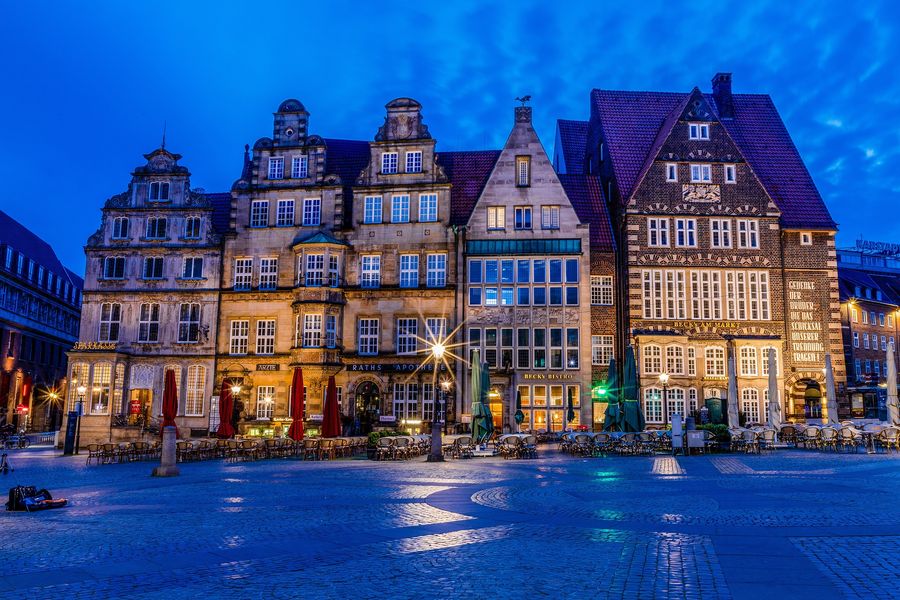
Bremen
Bremen, located in northern Germany, is a city where history, culture, and legend come together to create a captivating destination.…
Explore Bremen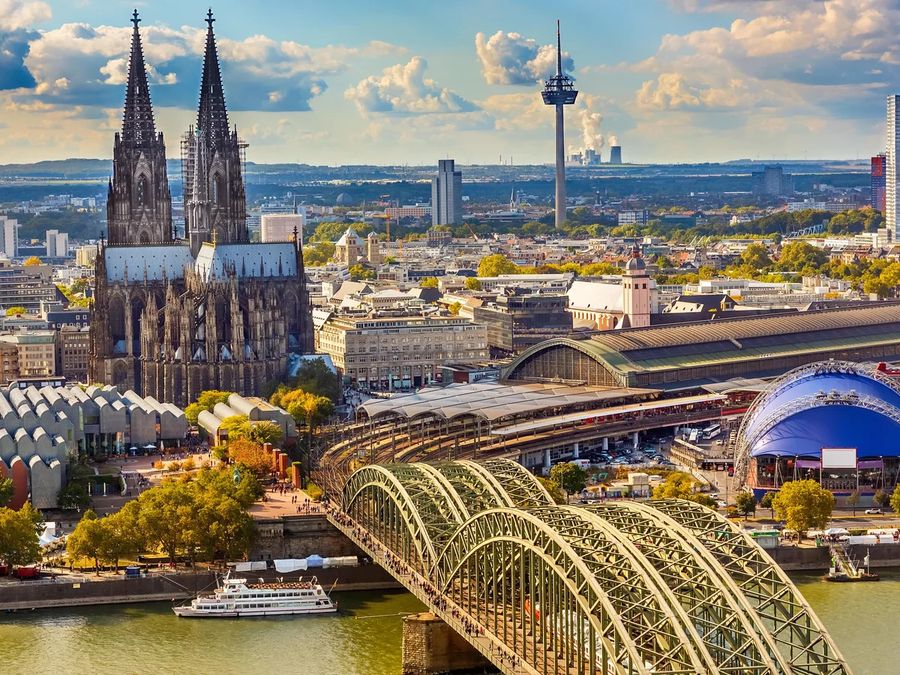
Cologne
Cologne (Köln), one of Germany’s oldest cities, is a vibrant metropolis that perfectly balances its rich historical heritage with a…
Explore CologneA little context for your exploring.
These original VoyageOwl city stories are preserved from the archive. Historical claims and visitor details remain subject to editorial review. Check attraction opening hours, tickets and access before making plans.
A few good stories. A little room to wander.