 Voyage
Bremen
Bremen, located in northern Germany, is a city where history, culture, and legend come together to create a captivating destination. As one of the oldest cities in Germany, Bremen has a rich maritime past and was a key…
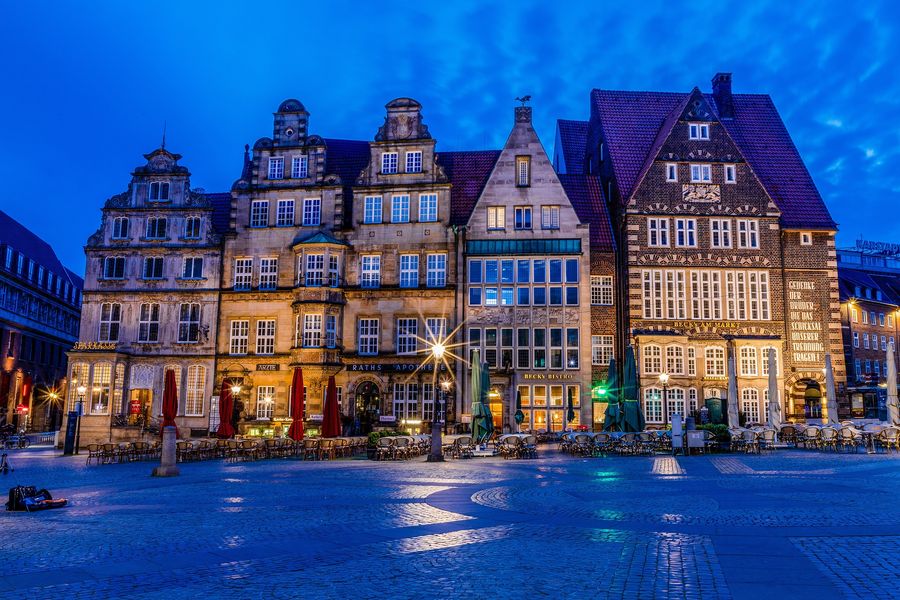
A few ways into Bremen.
Leave room to discover more.
The Bremen Town Musicians (Bremer Stadtmusikanten)
One of Bremen’s most beloved symbols is the Bremen Town Musicians, the animal characters from the famous Brothers Grimm fairy tale. In the story, a donkey, dog, cat, and rooster set out to become musicians in Bremen. Although they never reach the city, the tale has…
Discover the storyBremen Town Hall (Rathaus) and Roland Statue
Bremen’s Rathaus, a stunning example of Weser Renaissance architecture, is one of the city’s most important landmarks. Built in the early 15th century, the Town Hall’s ornate facade and…
Look a little closer 03A story worth stopping forSchnoor Quarter (Schnoorviertel)
Bremen’s Schnoor Quarter is a picturesque, medieval neighborhood filled with narrow, winding streets and colorful, half-timbered houses. This charming district, dating back to the 15th…
Look a little closer 04A story worth stopping forBöttcherstrasse
Böttcherstrasse is one of Bremen’s most unique streets, known for its Expressionist architecture and artistic flair. This narrow, winding street was transformed in the early 20th century by…
Look a little closer 05A story worth stopping forThe Schlachte Embankment
For a more modern take on Bremen, head to the Schlachte Embankment along the Weser River. This bustling promenade, once Bremen’s medieval harbor, has been transformed into a lively area…
Look a little closerThe story of Bremen.
Set the sceneA little background.
A little background.
Bremen, located in northern Germany, is a city where history, culture, and legend come together to create a captivating destination. As one of the oldest cities in Germany, Bremen has a rich maritime past and was a key player in the Hanseatic League, a powerful medieval trading alliance. Today, it’s a city that blends its historical significance with modern innovation, offering visitors an enchanting mix of fairy-tale charm, vibrant urban life, and stunning architecture. Whether you're exploring its medieval streets, learning about its maritime legacy, or enjoying its modern cultural scene, Bremen is a city full of stories waiting to be discovered.
Bremen’s history stretches back over 1,200 years, with its founding as a Carolingian bishopric in 787 AD. During the Middle Ages, the city became an important member of the Hanseatic League, a confederation of merchant towns that dominated trade in northern Europe. Bremen’s success as a trading hub brought wealth and prestige, and much of its medieval architecture still stands today as a testament to its prosperous past.
The city’s Rathaus (Town Hall), built in the early 15th century, is one of the finest examples of Weser Renaissance architecture and a UNESCO World Heritage Site. Bremen’s history as a free city-state also lends it a unique identity, and its rich cultural traditions have shaped its development into a modern and vibrant city.
Top 5 Unique Characteristics of Bremen
Look a little closerThe Bremen Town Musicians (Bremer Stadtmusikanten)
The Bremen Town Musicians (Bremer Stadtmusikanten)
One of Bremen’s most beloved symbols is the Bremen Town Musicians, the animal characters from the famous Brothers Grimm fairy tale. In the story, a donkey, dog, cat, and rooster set out to become musicians in Bremen. Although they never reach the city, the tale has become synonymous with Bremen, and a bronze statue of the four animals stands outside the Town Hall. Rubbing the donkey’s legs is said to bring good luck, making this a must-see attraction for visitors. The Bremen Town Musicians are a whimsical reminder of Bremen’s fairy-tale charm and have become one of the city’s most iconic symbols.
Look a little closerBremen Town Hall (Rathaus) and Roland Statue
Bremen Town Hall (Rathaus) and Roland Statue
Bremen’s Rathaus, a stunning example of Weser Renaissance architecture, is one of the city’s most important landmarks. Built in the early 15th century, the Town Hall’s ornate facade and grand halls reflect the city’s prosperity during its time as a leading member of the Hanseatic League. Visitors can tour the interior, which includes the Golden Chamber, a beautifully preserved room that offers a glimpse into Bremen’s past. Standing in front of the Town Hall is the Roland Statue, a symbol of freedom and market rights. Erected in 1404, this imposing figure represents Bremen’s independence and is also a UNESCO World Heritage Site.
Look a little closerSchnoor Quarter (Schnoorviertel)
Schnoor Quarter (Schnoorviertel)
Bremen’s Schnoor Quarter is a picturesque, medieval neighborhood filled with narrow, winding streets and colorful, half-timbered houses. This charming district, dating back to the 15th century, is the oldest part of the city and once housed fishermen and artisans. Today, it’s a vibrant area filled with cozy cafes, artisan shops, and galleries. Strolling through Schnoor is like stepping back in time, with its cobbled streets and fairy-tale atmosphere offering a perfect escape from the bustling city center.
Look a little closerBöttcherstrasse
Böttcherstrasse
Böttcherstrasse is one of Bremen’s most unique streets, known for its Expressionist architecture and artistic flair. This narrow, winding street was transformed in the early 20th century by Bremen coffee magnate Ludwig Roselius, who commissioned artists and architects to create a street that would celebrate Bremen’s cultural heritage. Today, Böttcherstrasse is home to museums, galleries, and shops, and its striking brick buildings make it a must-see for anyone interested in architecture. The Glockenspiel House, with its chiming bells and rotating wooden panels depicting famous explorers, is a particular highlight.
Look a little closerThe Schlachte Embankment
The Schlachte Embankment
For a more modern take on Bremen, head to the Schlachte Embankment along the Weser River. This bustling promenade, once Bremen’s medieval harbor, has been transformed into a lively area filled with cafes, beer gardens, and restaurants. It’s a popular spot for both locals and tourists to relax, enjoy a drink, and take in the river views. The Schlachte also hosts events throughout the year, including markets and festivals, making it a vibrant hub of activity in the city.
Behind the postcardBremen Today: A City of Innovation and Culture
Bremen Today: A City of Innovation and Culture
Today, Bremen is a city that seamlessly blends its historical roots with modern innovation. It remains a significant hub for aerospace and maritime industries, with major companies like Airbus and OHB operating in the city. Bremen is also a leader in science and technology, housing several research institutions and universities, including the University of Bremen, known for its excellence in robotics and space exploration.
Culturally, Bremen boasts a thriving arts scene, with museums such as the Kunsthalle Bremen, showcasing a vast collection of European art, and the Übersee Museum, which offers fascinating exhibits on ethnology, natural history, and commerce.
Behind the postcardFun Facts About Bremen
Fun Facts About Bremen
The Bremen Town Musicians statue is one of the most photographed landmarks in Germany, and touching the donkey’s legs is said to bring good luck.Bremen’s Rathaus and Roland Statue have been listed as a UNESCO World Heritage Site since 2004.The Schnoor Quarter gets its name from the old word for “string” or “rope,” reflecting the area’s past as a neighborhood for fishermen and rope makers.The Beck’s Brewery, founded in Bremen in 1873, is one of the most famous beer brands in the world, and visitors can tour the brewery to learn about its history and production.Bremen was once part of the Hanseatic League, a medieval trade confederation that connected cities across northern Europe.
With its blend of historical landmarks, fairy-tale charm, and modern vibrancy, Bremen is a city that offers something for every traveler. Whether you’re exploring its medieval streets, learning about its maritime legacy, or simply enjoying a drink along the river, Bremen is a destination that will captivate and inspire.
The city,
in your headphones.
Take a seat, or take a walk. Discover Bremen one story at a time.
The stories of Bremen
Read the complete audio transcript
Welcome to Voyage Owl’s walking tour of Bremen, a city steeped in history, maritime traditions, and cultural richness. Located in northern Germany along the Weser River, Bremen is one of the country’s most important port cities and was a key member of the Hanseatic League, the medieval trading confederation that dominated the Baltic and North Seas. With a history dating back more than 1,200 years, Bremen offers visitors a unique blend of medieval charm, maritime culture, and vibrant modern life.
Bremen is also famous for its association with the Brothers Grimm fairy tale, *The Town Musicians of Bremen*, a story that has become a symbol of the city. The legendary figures of the donkey, dog, cat, and rooster can be seen throughout the city, offering a whimsical reminder of Bremen’s folk traditions.
This walking tour will take you through Bremen’s most iconic landmarks, from the Marktplatz (market square) and its grand Rathaus (Town Hall) to the Schnoor district with its narrow medieval streets. Along the way, we’ll explore the city’s maritime heritage, its connection to the Hanseatic League, and the legends that have shaped its cultural identity. Let’s begin our journey in the heart of Bremen’s old town at the Marktplatz, the historic center of the city.
### 1. Marktplatz: The Historic Heart of Bremen
We start our tour at Marktplatz, the bustling central square of Bremen and the heart of the city’s historical and political life. This square has been the center of Bremen’s civic and commercial activity for centuries, and it is surrounded by some of the city’s most important buildings, including the Rathaus, the St. Peter’s Cathedral, and the famous Roland Statue.
The Rathaus, or Town Hall, is one of the finest examples of Gothic and Weser Renaissance architecture in Europe. Built in the early 15th century, the Rathaus was originally a Gothic structure, but in the early 17th century, it was given a magnificent Renaissance façade that reflects Bremen’s wealth and power during the height of the Hanseatic League. The Rathaus has been recognized as a UNESCO World Heritage Site and remains the seat of the city’s government. The building’s intricate carvings, gables, and grand windows are a testament to the city’s prosperity and artistic heritage.
Inside the Rathaus, you can explore the grand Upper Hall (Obere Rathaushalle), where the city council once met, and admire its impressive timber ceiling and detailed wood carvings. The Bremer Ratskeller, located in the basement of the Rathaus, is a historic wine cellar that has been in operation since 1405. It is one of the oldest wine cellars in Germany and still serves fine wines from across the country.
As you walk across the Marktplatz, you’ll see the Roland Statue, a massive stone figure that has stood in the square since 1404. Roland is a legendary knight who represents freedom and market rights, and statues of Roland can be found in several cities across Germany. The Bremen Roland is the largest and oldest of these statues and is considered a symbol of the city’s independence and autonomy during the Middle Ages.
Next to the Roland Statue is the Bremer Stadtmusikanten (Bremen Town Musicians) statue, which depicts the characters from the famous Brothers Grimm fairy tale. The statue shows the four animals—donkey, dog, cat, and rooster—standing on each other’s backs, and it has become one of the most beloved symbols of Bremen. Legend has it that touching the donkey’s legs will bring you good luck, so be sure to give it a pat before moving on!
After exploring the Marktplatz, take a break at one of the outdoor cafés that line the square. Enjoy a cup of coffee or a traditional Bremer Klaben (a type of fruit bread) while taking in the view of the Rathaus and the bustling activity of the square.
From the Marktplatz, we’ll make our way to St. Peter’s Cathedral, one of Bremen’s most important religious landmarks.
### 2. St. Peter’s Cathedral: A Spiritual Icon in the Heart of Bremen
Just a few steps from Marktplatz stands St. Peter’s Cathedral (Bremer Dom), a grand Gothic cathedral that has been a symbol of Bremen’s religious life for more than a millennium. The cathedral’s origins date back to the 8th century, when it was founded by Saint Willehad, the first bishop of Bremen. Over the centuries, the cathedral has been rebuilt and expanded, with its current form dating from the 11th to 13th centuries.
The cathedral’s imposing twin towers, each standing at over 90 meters, dominate the skyline of Bremen’s old town. As you approach the cathedral, take note of the beautiful Gothic details, including the intricate stone carvings on the façade and the large rose window above the entrance. Inside, the cathedral’s soaring vaulted ceilings, grand altar, and beautiful stained glass windows create an atmosphere of reverence and awe.
One of the highlights of St. Peter’s Cathedral is its crypt, which houses the tombs of several bishops and important figures from Bremen’s history. The crypt is one of the oldest parts of the cathedral and offers a fascinating glimpse into the city’s early Christian heritage.
For those interested in panoramic views, you can climb the south tower of the cathedral for a spectacular view of the city and the surrounding region. From the top, you’ll have a clear view of the Marktplatz, the Weser River, and Bremen’s modern skyline.
After visiting the cathedral, take a walk through the surrounding Domshof square, where you’ll often find a bustling farmer’s market selling local produce, cheeses, and baked goods. It’s a great place to sample some of Bremen’s culinary delights or pick up a souvenir to take home.
From St. Peter’s Cathedral, we’ll head to one of Bremen’s most picturesque and historic districts—the Schnoor quarter.
### 3. Schnoor Quarter: A Step Back in Time
Our next stop is the Schnoor district, one of the oldest and most charming neighborhoods in Bremen. Schnoor dates back to the 13th century and is characterized by its narrow, winding streets and rows of beautifully preserved medieval houses. The name Schnoor comes from the old Low German word for “string,” referring to the way the houses line up along the narrow streets like beads on a string.
As you wander through Schnoor, you’ll feel as though you’ve stepped back in time. The district’s narrow alleyways are lined with half-timbered houses that once belonged to fishermen, sailors, and merchants. Many of these houses have been carefully restored and now serve as quaint shops, art galleries, cafés, and restaurants. The Schnoor is one of the most atmospheric parts of Bremen, with its cobblestone streets and old-world charm providing a glimpse into the city’s medieval past.
One of the highlights of Schnoor is Schifferhaus, or the Shipowner’s House, which dates back to the 17th century and is one of the finest examples of the district’s architecture. The Schnoor is also home to St. John’s Church, a small medieval church that has been a center of worship in the district for centuries.
Take some time to explore the artisanal shops and galleries in Schnoor, where you’ll find unique handmade crafts, jewelry, and artwork. Afterward, stop by one of the cozy cafés for a traditional German pastry or a slice of Bremen-style cheesecake.
From the Schnoor quarter, we’ll continue our journey by exploring Bremen’s connection to the Hanseatic League and its maritime history at the Schlachte Promenade.
### 4. Schlachte Promenade: Bremen’s Maritime Heritage Along the Weser River
Leaving the medieval charm of Schnoor, we now head toward the Schlachte Promenade, which runs along the Weser River and has been a hub of maritime activity in Bremen for centuries. Originally established in the 13th century as a port and trading area, Schlachte was once the city’s bustling harbor, where ships from across the Hanseatic world would dock to trade goods.
Today, Schlachte is a vibrant riverside promenade lined with restaurants, beer gardens, and historic ships, offering a perfect blend of history and leisure. As you walk along the promenade, you’ll see several historic vessels moored along the riverbank, including the Alexander von Humboldt, a famous green-sailed ship that was once used as a training vessel and is now a floating restaurant.
The Schlachte was an essential part of Bremen’s economic success during its time as a member of the Hanseatic League, a powerful medieval trading confederation. Goods such as grain, fish, and wool were shipped to and from Bremen, making the city one of the most prosperous in northern Europe. The influence of the Hanseatic League can still be seen in the city’s architecture, culture, and traditions.
Enjoy a riverside meal at one of the many restaurants along the
Schlachte, where you can sample fresh seafood and local specialties like Knipp (a traditional sausage made with oats) or Bremer Labskaus (a hearty sailor’s dish). In the summer, the beer gardens along the promenade are a great place to relax and enjoy the view of the Weser.
From the Schlachte Promenade, we’ll head to the Böttcherstrasse, one of Bremen’s most unique and artistic streets.
### 5. Böttcherstrasse: An Art Nouveau Masterpiece
Our next stop is Böttcherstrasse, a short but architecturally stunning street located just off Marktplatz. Originally a medieval alley where coopers (barrel makers) worked, Böttcherstrasse was transformed in the 1920s by Ludwig Roselius, a local coffee merchant and patron of the arts, who commissioned the street’s redesign in the Expressionist and Art Nouveau styles.
As you walk along Böttcherstrasse, you’ll notice the striking red-brick buildings, intricate mosaics, and sculptures that give the street its distinctive appearance. One of the most famous landmarks on Böttcherstrasse is the Paula Modersohn-Becker Museum, dedicated to the works of the pioneering Expressionist painter, who was part of the Worpswede Artists’ Colony near Bremen. The museum’s collection includes some of Modersohn-Becker’s most important paintings, as well as works by other artists from the Worpswede group.
Another highlight of Böttcherstrasse is the Glockenspiel House, which features a carillon of 30 porcelain bells that chime several times a day. After the bells ring, a rotating display of wooden panels depicting famous seafarers and explorers, such as Christopher Columbus and Vasco da Gama, appears. The charming music and moving figures make this a must-see attraction on the street.
After exploring Böttcherstrasse, stop by one of the local artisan shops to purchase traditional Bremen coffee or handmade crafts. The street’s combination of art, history, and commerce makes it a unique and memorable part of the city.
From Böttcherstrasse, we’ll head to our final destination—the Universum Science Center, a modern attraction that reflects Bremen’s forward-looking spirit.
### 6. Universum Science Center: Exploring Innovation and Discovery
Our final stop is the Universum Science Center, a modern interactive museum located just outside the city center. Opened in 2000, the Universum is housed in a futuristic, whale-shaped building and offers visitors a hands-on experience with science, technology, and innovation.
Inside the Universum, you’ll find over 300 interactive exhibits that cover a wide range of topics, from space exploration and physics to human biology and the environment. The museum’s exhibits are designed to engage visitors of all ages, making it a popular destination for families and science enthusiasts alike.
One of the highlights of the Universum is its Earth Exhibit, which allows visitors to explore the natural forces that shape our planet, such as earthquakes, volcanoes, and weather patterns. The museum also has a section dedicated to space exploration, where you can learn about Bremen’s role in the aerospace industry, including its connection to the Ariane rocket program.
After exploring the exhibits, take a walk around the Discovery Park, a landscaped outdoor area that features additional interactive installations and a climbing wall. The Universum is a perfect example of Bremen’s blend of tradition and innovation, reflecting the city’s commitment to science and education.
### Conclusion: Bremen, A City of History, Culture, and Innovation
As we conclude our walking tour of Bremen, you will have experienced the city’s rich tapestry of history, from its medieval roots as a Hanseatic trading hub to its vibrant modern culture. Bremen’s charm lies in its ability to seamlessly blend the past with the present, offering visitors a unique mix of tradition, art, and innovation.
Whether you’re admiring the architecture of the Rathaus, exploring the quaint streets of the Schnoor, or learning about Bremen’s contributions to science and technology at the Universum, Bremen is a city that invites you to discover its many layers. It’s a place where history and culture come alive, making it a destination that will leave a lasting impression on anyone who visits.
Take your time to explore more of Bremen at your own pace, perhaps with a walk along the Weser River or a visit to one of the city’s many museums and cultural institutions. Bremen is a city that will captivate you with its warmth, history, and undeniable charm.
To listen to more amazing audio tours of cities around the world check out our other guides at voyageowl.com
Another place, another story.
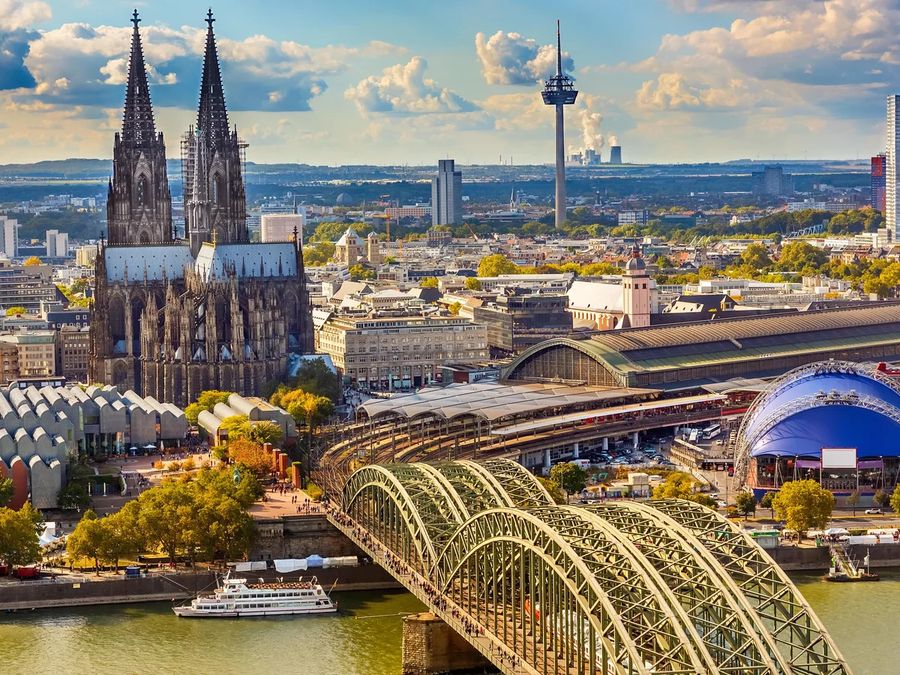
Cologne
Cologne (Köln), one of Germany’s oldest cities, is a vibrant metropolis that perfectly balances its rich historical heritage with a…
Explore Cologne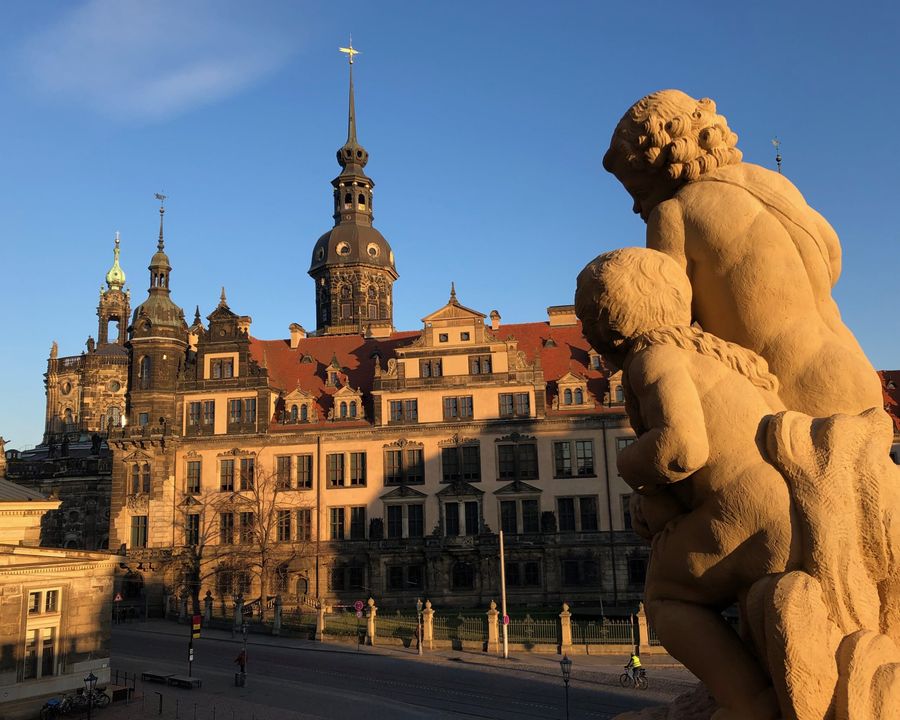
Dresden
Dresden, the capital of Saxony in eastern Germany, is a city renowned for its rich history, stunning architecture, and cultural…
Explore DresdenA little context for your exploring.
These original VoyageOwl city stories are preserved from the archive. Historical claims and visitor details remain subject to editorial review. Check attraction opening hours, tickets and access before making plans.
A few good stories. A little room to wander.