
Brighton
Brighton, often referred to as London by the sea, is one of England’s most vibrant and eclectic coastal cities. Known for its iconic pier, historic architecture, and bohemian…
What brings you
to Brighton?
A few good places to begin.
A Historical Gem
Brighton’s history dates back to Roman times, but it truly began to thrive as a seaside destination in the 18th century. The town’s popularity soared when…
Brighton · Read the storyThe Royal Pavilion
Perhaps Brighton’s most famous landmark, the Royal Pavilion is a stunning example of exotic architecture. Originally built as a seaside retreat for King George…
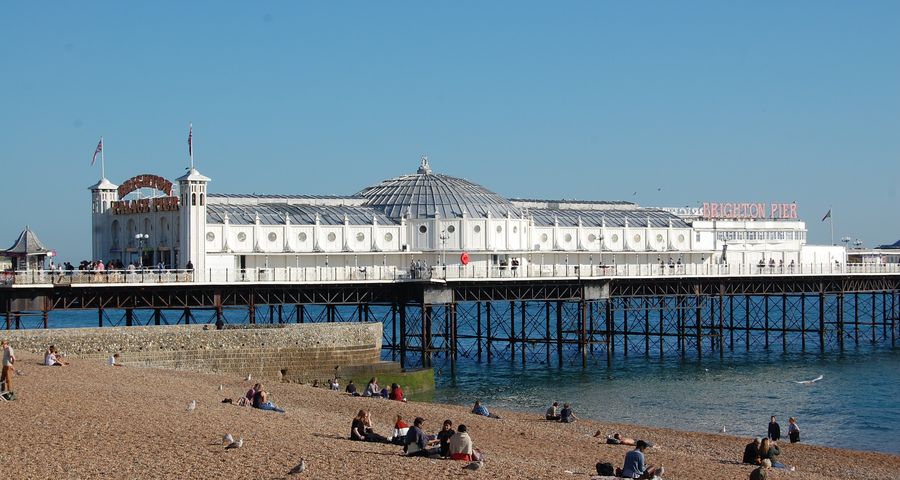
Brighton · Read the storyBrighton Palace Pier
No trip to Brighton is complete without a visit to the iconic Brighton Palace Pier. Stretching out into the English Channel, the pier is a hub of traditional…
Brighton · Read the storyThe Lanes
Brighton’s Lanes are a charming network of narrow, winding streets filled with quirky boutiques, antique shops, cafes, and restaurants. Originally the heart of…
Brighton · Read the storyListen to Brighton
Take a listening break with the city’s audio story and full transcript.
Audio & transcriptThe story of Brighton
Get to know the city through its history, culture and local traditions.
Read at your own paceA few ways into Brighton.
Leave room to discover more.
The Royal Pavilion
Perhaps Brighton’s most famous landmark, the Royal Pavilion is a stunning example of exotic architecture. Originally built as a seaside retreat for King George IV, its design is inspired by Indian and Chinese architecture, with domes, minarets, and lavish interiors…
Discover the storyBrighton Palace Pier
No trip to Brighton is complete without a visit to the iconic Brighton Palace Pier. Stretching out into the English Channel, the pier is a hub of traditional seaside fun, with arcades,…
Look a little closer 03A story worth stopping forThe Lanes
Brighton’s Lanes are a charming network of narrow, winding streets filled with quirky boutiques, antique shops, cafes, and restaurants. Originally the heart of the old fishing town of…
Look a little closer 04A story worth stopping forBrighton Beach and the Seafront
Brighton’s pebbled beach is world-famous, and on sunny days, it’s the place to be. The beach is not just for sunbathing, though—visitors can enjoy a range of activities from paddleboarding…
Look a little closer 05A story worth stopping forBrighton’s Festivals and Culture
Brighton is a city that loves to celebrate, and it’s known for hosting a wide range of festivals throughout the year. The Brighton Festival, held every May, is one of the largest multi-arts…
Look a little closerThe story of Brighton.
Set the sceneA little background.
A little background.
Brighton, often referred to as London by the sea, is one of England’s most vibrant and eclectic coastal cities. Known for its iconic pier, historic architecture, and bohemian spirit, Brighton has long been a favorite getaway for visitors seeking a mix of relaxation, culture, and entertainment. Whether you’re exploring its royal heritage, indulging in its food scene, or enjoying its buzzing arts and music culture, Brighton offers a unique experience that’s both rich in history and brimming with modern appeal.
Behind the postcardA Historical Gem
A Historical Gem
Brighton’s history dates back to Roman times, but it truly began to thrive as a seaside destination in the 18th century. The town’s popularity soared when George, Prince of Wales (later King George IV) began visiting Brighton in the 1780s, attracted by the health benefits of sea bathing. His love for the city led to the construction of the extravagant Royal Pavilion, a stunning palace that remains one of Brighton’s most famous landmarks.
Throughout the 19th century, Brighton grew into a bustling resort town, with the arrival of the railway in 1841 making it accessible to Londoners looking for a seaside escape. The city’s iconic Brighton Palace Pier, opened in 1899, became a symbol of Victorian seaside leisure, and Brighton’s reputation as a fun and fashionable destination has continued to flourish ever since.
Top 5 Unique Characteristics of Brighton
Look a little closerThe Royal Pavilion
The Royal Pavilion
Perhaps Brighton’s most famous landmark, the Royal Pavilion is a stunning example of exotic architecture. Originally built as a seaside retreat for King George IV, its design is inspired by Indian and Chinese architecture, with domes, minarets, and lavish interiors that feel like something out of a fairytale. Today, visitors can tour the palace and its beautiful gardens, learning about its fascinating history and its role in shaping Brighton as a glamorous resort town. The Royal Pavilion is unlike any other royal residence in the UK and stands as a testament to Brighton’s unique and whimsical character.
Look a little closerBrighton Palace Pier
Brighton Palace Pier
No trip to Brighton is complete without a visit to the iconic Brighton Palace Pier. Stretching out into the English Channel, the pier is a hub of traditional seaside fun, with arcades, fairground rides, and food stalls offering everything from fish and chips to candy floss. Built in 1899, the pier has withstood the test of time, serving as both a reminder of Brighton’s Victorian heyday and a lively entertainment venue for modern visitors. Whether you’re taking in the sea views or indulging in some retro amusement, the Brighton Pier is a must-see.
Look a little closerThe Lanes
The Lanes
Brighton’s Lanes are a charming network of narrow, winding streets filled with quirky boutiques, antique shops, cafes, and restaurants. Originally the heart of the old fishing town of Brighton, the Lanes retain their historic charm while offering a modern shopping experience. It’s the perfect place to wander, window shop, and soak in the city’s bohemian vibe. Nearby, North Laine, another trendy area, is known for its street art, independent shops, and lively atmosphere, making it a favorite among locals and visitors alike.
Look a little closerBrighton Beach and the Seafront
Brighton Beach and the Seafront
Brighton’s pebbled beach is world-famous, and on sunny days, it’s the place to be. The beach is not just for sunbathing, though—visitors can enjoy a range of activities from paddleboarding and kayaking to beach volleyball. Along the bustling seafront, you’ll find artists selling their work, live music performances, and beachside cafes and bars offering seaside snacks and refreshing drinks. Brighton’s seafront has a vibrant energy that perfectly complements the city’s laid-back and creative spirit.
Look a little closerBrighton’s Festivals and Culture
Brighton’s Festivals and Culture
Brighton is a city that loves to celebrate, and it’s known for hosting a wide range of festivals throughout the year. The Brighton Festival, held every May, is one of the largest multi-arts festivals in England, featuring performances in theatre, music, dance, literature, and visual arts. Brighton Pride, one of the UK’s biggest LGBTQ+ celebrations, draws thousands of visitors to the city each August for a weekend of parades, concerts, and community events. The city’s cultural calendar is always packed with events, making it a dynamic and exciting destination year-round.
Behind the postcardBrighton Today: A Modern City with Eclectic Energy
Brighton Today: A Modern City with Eclectic Energy
Today, Brighton is a thriving, cosmopolitan city that attracts people from all walks of life. Known for its progressive outlook and welcoming atmosphere, it has become a hub for artists, musicians, students, and tech innovators. The city’s reputation as a green city is also growing, with sustainable living and eco-friendly practices becoming part of Brighton’s identity.
With its diverse culinary scene, from vegan cafes to fine dining, and its nightlife that ranges from intimate pubs to lively clubs, Brighton offers something for everyone. Its proximity to London (just an hour by train) makes it an easy and popular weekend getaway for those seeking a break from the hustle and bustle of the capital.
Behind the postcardFun Facts About Brighton
Fun Facts About Brighton
The Brighton Palace Pier is over 1,700 feet long and attracts over 4 million visitors each year.Brighton is home to the British Airways i360, a futuristic observation tower that offers 360-degree views of the city and the English Channel.Brighton has the UK’s first Green Party MP, reflecting the city’s commitment to environmental issues.The Royal Pavilion was used as a hospital for Indian soldiers during World War I.The city’s vibrant LGBTQ+ scene has earned it the nickname “the gay capital of the UK.”
With its fascinating history, vibrant culture, and eclectic energy, Brighton is a city that captures the heart of every visitor. Whether you’re relaxing by the sea, exploring its historic landmarks, or diving into its artsy atmosphere, Brighton offers a seaside escape unlike any other.
The city,
in your headphones.
Take a seat, or take a walk. Discover Brighton one story at a time.
The stories of Brighton
Read the complete audio transcript
Welcome to Voyage Owl’s walking tour of Brighton, one of the UK’s most iconic seaside cities, known for its vibrant culture, historic architecture, and creative energy. Located on the south coast of England, Brighton has long been a popular destination for holidaymakers, artists, and those seeking to escape the hustle and bustle of London. With its lively pier, beautiful Regency-era buildings, and diverse community, Brighton offers a unique blend of history and modernity.
Brighton’s rise as a fashionable resort town began in the 18th century, when George, Prince of Wales (later King George IV) fell in love with the city’s seaside location and commissioned the construction of the extravagant Royal Pavilion. Since then, Brighton has developed into a city known for its arts scene, independent shops, and a commitment to inclusivity, particularly in the LGBTQ+ community. It’s a city where the historic and the contemporary coexist, making it a fascinating place to explore.
This walking tour will take you through Brighton’s most famous landmarks, from the iconic Brighton Pier to the elegant Royal Pavilion. Along the way, we’ll discover the city’s artistic side, visit its famous shopping streets, and soak in the seaside atmosphere. Let’s begin our journey at Brighton’s famous Palace Pier, a symbol of the city’s connection to the sea.
### 1. Brighton Palace Pier: A Seaside Icon
We begin our tour at the Brighton Palace Pier, one of the most recognizable landmarks in Brighton and a symbol of its Victorian seaside heritage. Opened in 1899, the Palace Pier is a classic example of a British pleasure pier, offering visitors amusement rides, arcades, and stunning views of the English Channel. Stretching over 500 meters into the sea, the pier is a popular spot for both tourists and locals looking to enjoy traditional seaside fun.
As you walk along the Palace Pier, take in the lively atmosphere, with families enjoying the rides and the smell of freshly made fish and chips in the air. The pier is home to a variety of attractions, including a carousel, roller coasters, and traditional arcade games. It’s also a great place to enjoy a leisurely stroll while taking in the panoramic views of the Brighton seafront and the famous Brighton Marina in the distance.
For those interested in Brighton’s history, the Palace Pier was not the first pier built in the city. Brighton’s original Chain Pier, constructed in 1823, was one of the first of its kind in the world, but it was destroyed by a storm in 1896. The Palace Pier was built as a replacement and has since become one of the most visited tourist attractions in the UK.
After exploring the pier, grab a seat at one of the seaside cafés or bars and enjoy a drink while watching the sunset over the English Channel. The pier is especially magical in the evening, with its lights twinkling against the backdrop of the sea.
From the Palace Pier, we’ll head west along the Brighton Beach promenade toward Brighton’s iconic seafront, where we’ll see some of the city’s most well-known landmarks.
### 2. Brighton Seafront and the West Pier: A Walk Through Brighton’s Seaside History
As we leave the Palace Pier behind, we continue our walk along Brighton’s bustling seafront, a stretch of pebbled beach lined with cafés, restaurants, and the famous Volk’s Electric Railway—the oldest operating electric railway in the world, built in 1883. The seafront is the beating heart of Brighton’s tourist scene, where visitors come to enjoy the beach, ride bicycles along the promenade, or relax in the many bars and seafood restaurants that overlook the sea.
As you walk westward along the seafront, you’ll come across the ruins of the West Pier, a hauntingly beautiful structure that stands as a reminder of Brighton’s golden age of seaside resorts. Opened in 1866, the West Pier was once a grand Victorian pleasure pier, attracting thousands of visitors with its theater, concert hall, and stunning architecture. However, after falling into disrepair in the 1970s and suffering significant storm damage, the pier was finally destroyed by fires in 2003. Today, the skeletal remains of the pier stand as an eerie yet iconic symbol of Brighton’s past.
Near the site of the West Pier, you’ll find the modern British Airways i360, a 162-meter-high observation tower that offers breathtaking 360-degree views of the city, the coastline, and the South Downs beyond. The i360 was designed by the creators of the London Eye and is a great way to get a bird’s-eye view of Brighton’s unique geography.
If you’re feeling adventurous, consider taking a ride on the i360 and enjoying a drink in the Nyetimber Sky Bar at the top of the tower. The panoramic views from the i360 are spectacular, especially on clear days when you can see all the way to the Isle of Wight.
From the seafront, we’ll now make our way to one of Brighton’s most famous and extravagant landmarks—the Royal Pavilion.
### 3. The Royal Pavilion: A Palace of Exotic Grandeur
Our next stop is the Royal Pavilion, one of the most unique and opulent buildings in the UK. This magnificent palace, with its striking Indo-Saracenic architecture and exotic domes, was built for George, Prince of Wales in the late 18th century. Initially designed as a modest seaside retreat, the Pavilion was transformed into a lavish royal residence by the architect John Nash in the 1810s, blending elements of Indian and Chinese design.
As you approach the Royal Pavilion, take a moment to admire its fantastical façade, with its onion-shaped domes, minarets, and intricate stonework. The building’s design is a reflection of the Regency era’s fascination with the exotic, and it stands in stark contrast to the more traditional British architecture found elsewhere in the city.
Inside, the Royal Pavilion is just as extraordinary. The interiors are decorated in a lavish Chinoiserie style, with richly decorated ceilings, gilded furniture, and stunning chandeliers. The Banqueting Room, with its dragon-themed décor and enormous chandelier, is a highlight of the tour, as is the Music Room, where George IV entertained guests with concerts and lavish parties.
The Royal Pavilion also has a fascinating history beyond its royal connections. During World War I, the palace was used as a hospital for wounded Indian soldiers, and today there are exhibits that explore this period in the pavilion’s history.
After exploring the Royal Pavilion, take a walk through the adjacent Pavilion Gardens, a peaceful green space in the heart of the city. The gardens are home to beautiful flower beds, a pond, and several cafés where you can relax and enjoy the view of the palace.
Next, we’ll head to North Laine, Brighton’s bohemian quarter, where you’ll find quirky shops, street art, and the city’s alternative spirit in full force.
### 4. North Laine: Brighton’s Creative and Alternative Heart
Leaving the grandeur of the Royal Pavilion behind, we now enter North Laine, a vibrant and eclectic neighborhood that is the beating heart of Brighton’s alternative scene. Once a working-class area filled with workshops and warehouses, North Laine has transformed into a hub for independent shops, vintage clothing stores, record shops, and street art.
As you walk through the narrow streets of North Laine, you’ll be struck by the colorful façades of the buildings, many of which are adorned with murals and graffiti. This area is known for its creativity, and you’ll find a wide variety of unique shops selling everything from handmade jewelry and crafts to vintage vinyl records and retro fashion.
Kensington Gardens is one of the main streets in North Laine and is a great place to browse for souvenirs, books, or one-of-a-kind gifts. The area is also home to several vegetarian and vegan restaurants, reflecting Brighton’s reputation as one of the most progressive and environmentally conscious cities in the UK.
After exploring the shops, take a break at one of North Laine’s many independent coffee shops or craft beer bars. The Basketmakers Arms is a popular local pub that serves real ales and traditional pub fare, while Cafe Coho is a great spot for specialty coffee and cake.
From North Laine, we’ll continue our tour by visiting The Lanes, another historic district known for its winding alleyways and upscale boutiques.
### 5. The Lanes: A Labyrinth of History and Charm
Our next stop is The Lanes, Brighton’s historic quarter and one of the most atmospheric parts of the city. The Lanes is a maze of narrow, winding alleyways lined with centuries-old buildings that date back to Brighton’s days as a small fishing village. The area is known for its charming shops, antique stores, and independent jewelers, making it a great place to explore at a leisurely pace.
The buildings in The Lanes are some of the oldest in Brighton, and their quaint architecture adds to the area’s character. As you wander through the alleyways, you’ll come across hidden courtyards, historic pubs, and a variety of quirky shops selling everything from vintage clothing to bespoke jewelry.
One of the highlights of The Lanes is Donatello, a popular Italian restaurant located in Brighton Place, where you can enjoy a traditional Italian meal in the heart of the city’s historic district. The Cricketers, one of Brighton’s oldest pubs, is also located in The Lanes and is a great place to enjoy a pint of local ale while soaking in the atmosphere of this historic neighborhood.
After exploring The Lanes, visit Choccywoccydoodah, a famous chocolate shop that creates extravagant and artistic chocolate sculptures. The shop also has a café where you can indulge in decadent hot chocolate and cakes.
From The Lanes, we’ll make our way to Brighton Dome and Brighton Museum & Art Gallery, two cultural institutions that reflect the city’s commitment to the arts.
### 6. Brighton Dome and Brighton Museum & Art Gallery: A Cultural Hub
Our next stop is Brighton Dome, a cultural venue located in the same complex as the Royal Pavilion. The Dome was originally built as the Prince Regent’s stables in the early 19th century, but it has since been converted into one of the city’s premier performance spaces. Brighton Dome hosts a wide range of events throughout the year, including concerts, theater performances, and dance shows.
Adjacent to the Dome is the Brighton Museum & Art Gallery, which offers a fascinating look at the city’s history and culture. The museum’s collection includes everything from ancient Egyptian artifacts to modern art, and it also features exhibits on Brighton’s development as a seaside resort. One of the highlights of the museum is its collection of decorative art, including stunning examples of Art Deco furniture and ceramics.
After visiting the Museum & Art Gallery, check the schedule for upcoming events at Brighton Dome. The venue hosts performances by both international artists and local talent, making it a great place to experience Brighton’s dynamic cultural scene.
Finally, we’ll end our tour with a visit to St. Nicholas Church, the oldest church in Brighton.
### 7. St. Nicholas Church: Brighton’s Ancient Parish Church
Our final stop is St. Nicholas Church, often referred to as the “Mother Church of Brighton.” This historic church, which dates back to the 11th century, is the oldest building in Brighton and has been a center of worship for nearly a thousand years. The church’s simple yet beautiful Norman architecture stands in contrast to the more elaborate Royal Pavilion, but its historical significance makes it an important part of the city’s heritage.
The churchyard of St. Nicholas is a peaceful spot, with ancient gravestones and memorials that offer a glimpse into Brighton’s past. Many notable figures from the city’s history are buried here, including Sassoon family members, who were prominent in Brighton’s Jewish community.
After visiting the church, take a short walk to Dyke Road Park, a lovely green space that offers beautiful views over the city and the sea. The park is a great place to relax and reflect on your journey through Brighton’s rich history and vibrant culture.
### Conclusion
As we conclude our walking tour of Brighton, you will have experienced the city’s unique blend of history, culture, and seaside charm. From the lively Palace Pier to the grand Royal Pavilion, and from the bohemian streets of North Laine to the historic alleyways of The Lanes, Brighton is a city that invites exploration and discovery.
Whether you’re relaxing by the sea, exploring its artistic side, or immersing yourself in its vibrant nightlife, Brighton is a city that offers something for everyone. It’s a place where tradition and modernity meet, creating a destination that is both quintessentially British and distinctly unique.
Take your time to explore more of Brighton at your own pace, perhaps with a visit to its many galleries, theaters, or parks. Brighton is a city that will leave a lasting impression on anyone who visits, with its warmth, creativity, and undeniable seaside charm.
To listen to more amazing audio tours of cities around the world check out our other guides at voyageowl.com
Another place, another story.
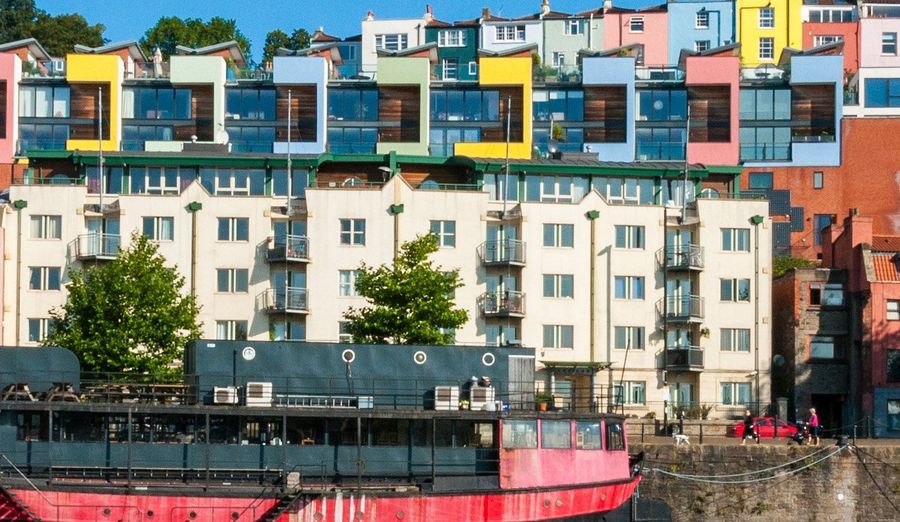
Bristol
Bristol, located in the southwest of England, is a vibrant city known for its rich maritime heritage, innovative spirit, and thriving…
Explore Bristol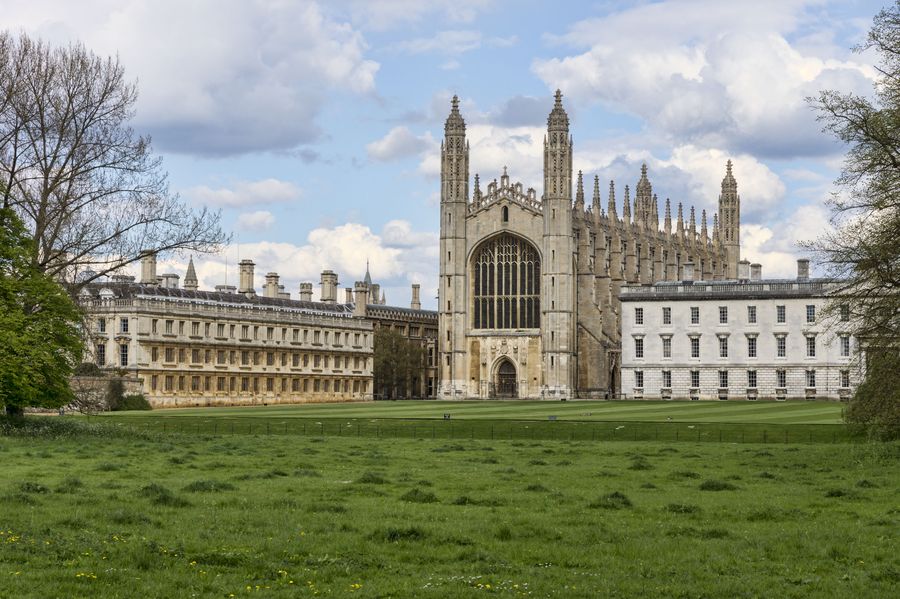
Cambridge
Cambridge, a historic university city located on the banks of the River Cam in eastern England, is world-renowned for its prestigious…
Explore CambridgeA little context for your exploring.
These original VoyageOwl city stories are preserved from the archive. Historical claims and visitor details remain subject to editorial review. Check attraction opening hours, tickets and access before making plans.
A few good stories. A little room to wander.