 Voyage
Cagliari
Cagliari, the vibrant capital of Sardinia, is a city where ancient history meets modern Mediterranean life. Perched along the southern coast of the island, Cagliari has been a key player in Sardinia’s past for thousands…
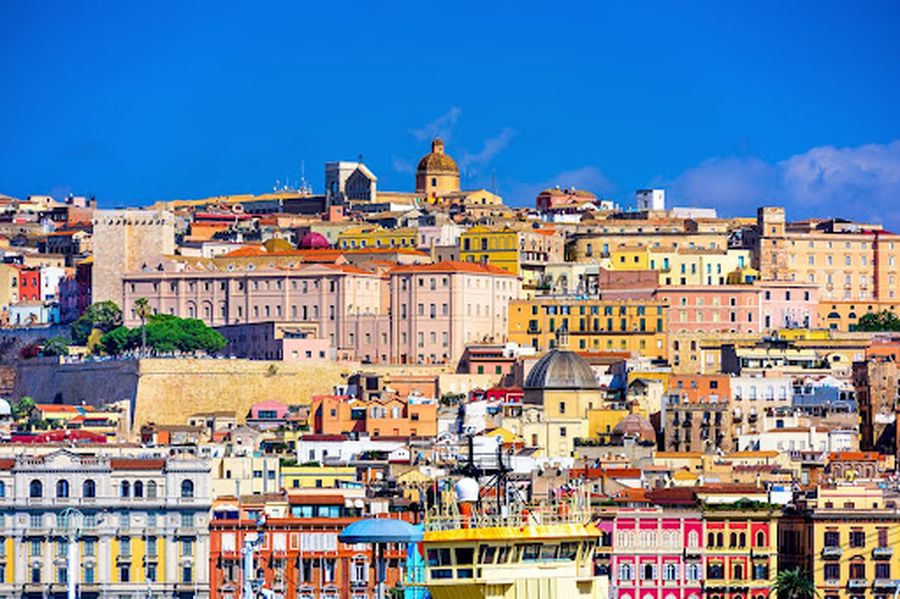
A few ways into Cagliari.
Leave room to discover more.
The Castello District
Perched atop a hill, the Castello is Cagliari’s oldest and most historic district. This fortified neighborhood is a maze of narrow streets, ancient walls, and stunning views of the city and sea below. Within the Castello, you’ll find impressive landmarks like the Torre…
Discover the storyThe Roman Amphitheatre of Cagliari
One of Cagliari’s most fascinating historical sites is the Roman Amphitheatre, built in the 2nd century AD. This ancient arena, carved into the limestone hillside, could once hold up to…
Look a little closer 03A story worth stopping forPoetto Beach
Stretching over 8 kilometers, Poetto Beach is Cagliari’s most popular seaside escape and one of the longest city beaches in Italy. Its soft white sand and crystal-clear waters make it the…
Look a little closer 04A story worth stopping forThe National Archaeological Museum of Cagliari
For those interested in Sardinia’s ancient past, the National Archaeological Museum is a treasure trove of artifacts that date back to prehistoric times. The museum’s collection includes…
Look a little closer 05A story worth stopping forThe Marina District and Cagliari’s Culinary Scene
Cagliari’s Marina district is a lively area by the port, known for its colorful streets, seafood restaurants, and bustling atmosphere. This area was once home to sailors and merchants, and…
Look a little closerThe story of Cagliari.
Set the sceneA little background.
A little background.
Cagliari, the vibrant capital of Sardinia, is a city where ancient history meets modern Mediterranean life. Perched along the southern coast of the island, Cagliari has been a key player in Sardinia’s past for thousands of years. From its Phoenician roots to its time under Roman, Pisan, and Spanish rule, this city is steeped in history and offers visitors a chance to explore a fascinating blend of cultures, architecture, and traditions. Whether you're wandering its ancient streets, basking in its sunshine, or savoring the local cuisine, Cagliari is a destination that offers something special at every turn.
Behind the postcardA City Steeped in Historical Significance
A City Steeped in Historical Significance
Cagliari’s strategic coastal location has made it a significant port city for centuries, with its history dating back to Phoenician and Carthaginian times around the 8th century BC. Later, it became an important Roman colony and flourished as a center for trade and military operations in the Mediterranean. The Roman legacy is still visible today in many parts of the city, including the Amphitheatre of Cagliari, one of the most significant Roman ruins in Sardinia.
During the Middle Ages, Cagliari came under the control of the Pisans, and later the Aragonese, who both left their architectural and cultural imprints on the city. The city’s historic district, Castello, reflects this layered history with its medieval fortifications, towers, and palaces.
Today, Cagliari is the political, economic, and cultural capital of Sardinia, combining its ancient past with a lively modern atmosphere. Visitors will find bustling markets, serene beaches, and a warm Mediterranean charm that makes it a unique and welcoming destination.
Top 5 Unique Characteristics of Cagliari
Look a little closerThe Castello District
The Castello District
Perched atop a hill, the Castello is Cagliari’s oldest and most historic district. This fortified neighborhood is a maze of narrow streets, ancient walls, and stunning views of the city and sea below. Within the Castello, you’ll find impressive landmarks like the Torre dell’Elefante and the Torre di San Pancrazio, two imposing medieval towers built by the Pisans in the 14th century. The district is also home to the Cagliari Cathedral, an impressive Romanesque-Gothic structure that dominates the skyline and showcases the city’s rich architectural history.
Look a little closerThe Roman Amphitheatre of Cagliari
The Roman Amphitheatre of Cagliari
One of Cagliari’s most fascinating historical sites is the Roman Amphitheatre, built in the 2nd century AD. This ancient arena, carved into the limestone hillside, could once hold up to 10,000 spectators who came to watch gladiator games and public spectacles. Today, it remains one of the best-preserved Roman ruins on the island and hosts open-air concerts and events, offering a unique setting where ancient history meets modern culture.
Look a little closerPoetto Beach
Poetto Beach
Stretching over 8 kilometers, Poetto Beach is Cagliari’s most popular seaside escape and one of the longest city beaches in Italy. Its soft white sand and crystal-clear waters make it the perfect spot for swimming, sunbathing, and water sports. Along the beachfront, you’ll find lively bars, restaurants, and clubs that keep the atmosphere buzzing day and night. Whether you’re looking to relax or join in the fun, Poetto Beach is a must-visit destination for anyone in Cagliari.
Look a little closerThe National Archaeological Museum of Cagliari
The National Archaeological Museum of Cagliari
For those interested in Sardinia’s ancient past, the National Archaeological Museum is a treasure trove of artifacts that date back to prehistoric times. The museum’s collection includes Nuragic bronze figurines, Roman relics, and items from the Punic and Phoenician civilizations that once inhabited the island. It provides a fascinating insight into the island’s rich cultural history and is one of the most important archaeological museums in Italy.
Look a little closerThe Marina District and Cagliari’s Culinary Scene
The Marina District and Cagliari’s Culinary Scene
Cagliari’s Marina district is a lively area by the port, known for its colorful streets, seafood restaurants, and bustling atmosphere. This area was once home to sailors and merchants, and today it remains a vibrant hub for dining and nightlife. Sardinian cuisine is a highlight, with local dishes such as fregula (a type of pasta similar to couscous), culurgiones (stuffed pasta), and bottarga (cured fish roe) taking center stage. Pair your meal with a glass of Vermentino, the island’s famous white wine, for a true taste of Sardinia.
Behind the postcardCagliari Today: A Modern Capital with Ancient Roots
Cagliari Today: A Modern Capital with Ancient Roots
Today, Cagliari thrives as the cultural and economic center of Sardinia, blending its ancient history with a lively, modern lifestyle. The city’s vibrant markets, such as the Mercato di San Benedetto, are a feast for the senses, offering fresh local produce, seafood, and Sardinian specialties. The city is also a hub for festivals and cultural events, including the Sant’Efisio Festival, a centuries-old celebration that fills the streets with colorful processions every May.
Cagliari’s mild Mediterranean climate, coupled with its rich history and stunning natural landscapes, make it a year-round destination for travelers seeking both relaxation and adventure.
Behind the postcardFun Facts About Cagliari
Fun Facts About Cagliari
Cagliari’s Sant’Efisio Festival is one of the oldest religious processions in Italy, dating back to 1656.The city’s Torre dell’Elefante is named after the small stone elephant that decorates one corner of the tower.Cagliari’s old town is home to one of Italy’s largest Roman cisterns, used to supply water to the ancient city.Poetto Beach was once famous for its “casotti”—small colorful wooden beach huts that lined the shore until the 1980s.Cagliari is one of the sunniest cities in Italy, with over 300 days of sunshine each year.
With its fascinating history, beautiful beaches, and warm hospitality, Cagliari offers a perfect blend of culture and relaxation for visitors to Sardinia. Whether you’re drawn by its ancient ruins, Mediterranean cuisine, or stunning coastal views, Cagliari promises an unforgettable experience on this magical island.
The city,
in your headphones.
Take a seat, or take a walk. Discover Cagliari one story at a time.
The stories of Cagliari
Read the complete audio transcript
Welcome to Voyage Owl’s walking tour of Cagliari, the vibrant capital of Sardinia, where the island’s unique blend of ancient history, coastal beauty, and rich cultural traditions comes alive. Perched on the southern coast of Sardinia, Cagliari is a city that boasts an extraordinary history stretching back over 3,000 years. Its strategic location in the Mediterranean Sea made it a vital crossroads for numerous civilizations—from the Phoenicians and Romans to the Pisans, Aragonese, and later, the Savoyard dynasty. Today, Cagliari is a living museum of architectural and cultural layers, where ancient ruins, medieval fortifications, and elegant Baroque palaces stand alongside modern promenades and seaside boulevards.
The name Cagliari is derived from the ancient Phoenician word "Kàrali," meaning "city." It was one of the earliest Phoenician settlements on the island and became a major urban center under Carthaginian and later Roman rule. From ancient Carthaginian temples and Roman amphitheatres to medieval towers and churches, Cagliari’s long and layered history is still visible in the streets, walls, and buildings of this magnificent city.
This walking tour will take you through Cagliari’s most significant landmarks, immersing you in the city’s ancient past, medieval glory, and modern cultural vibrancy. We will explore the rich historical significance behind every site and landmark while enjoying the scenic coastal beauty that has made Cagliari one of the most beloved cities in the Mediterranean. Let's start in the heart of the city’s historic district—Castello—which sits perched atop a hill, offering a commanding view of Cagliari and the shimmering Golfo degli Angeli (Gulf of Angels).
### 1. Castello District: The Heart of Cagliari’s History
We begin our journey in the Castello District, the historic and cultural heart of Cagliari. Built on the city’s highest hill, the Castello offers not only breathtaking panoramic views but also a unique glimpse into the city’s strategic importance throughout history. The district was founded by the Pisans in the 13th century, during the period when Sardinia was a contested territory between various Italian maritime republics, including Genoa and Pisa. It served as the city’s political and military stronghold, with towering walls and fortifications designed to protect the elite and ruling classes from attacks.
As you wander through the Castello’s narrow, winding streets, you’ll notice that the neighborhood retains much of its medieval character. The district is home to several key historical sites, including the impressive Torre di San Pancrazio and the Torre dell’Elefante—two towering fortifications that were originally built by the Pisans to defend the city from outside invaders, particularly the Aragonese. Both towers are magnificent examples of medieval military architecture, and from their upper levels, you’ll be rewarded with sweeping views of Cagliari, the surrounding countryside, and the sparkling blue waters of the Mediterranean Sea.
These towers were essential not just for their defensive capabilities but also for symbolizing Pisa's dominance over the city. In later years, they served different purposes, such as housing prisoners or protecting the city from pirate raids. The Torre dell’Elefante, in particular, is named for the small stone elephant statue adorning its base, a quirky detail that has since become a beloved symbol of the city.
While walking through the Castello, you’ll also encounter Palazzo Regio, the former seat of power during the Aragonese and Spanish periods, as well as during the reign of the Savoyards, who unified Sardinia with their continental kingdom in the 18th century. The Palazzo Regio functioned as the residence of the Viceroys who governed Sardinia, and it still stands today as a testament to Cagliari’s role as the island’s political capital. Inside, you’ll find grand halls adorned with elegant Baroque and Neoclassical details, offering a glimpse into the aristocratic life of the city’s rulers.
After exploring the historic streets and monuments of Castello, take a seat at one of the district’s charming terrace cafés. Sip on a mirto, a Sardinian liqueur made from myrtle berries, or a caffè macchiato while enjoying panoramic views of the city and sea. The tranquil ambiance of Castello is particularly enchanting during the golden hours of sunset.
From the hilltop vantage point of Castello, we will head to one of the most significant religious and architectural landmarks in Cagliari—the Cattedrale di Santa Maria.
### 2. Cattedrale di Santa Maria: Cagliari’s Grand Cathedral
The Cattedrale di Santa Maria is one of Cagliari’s most important religious and architectural landmarks. It was originally built in the 13th century by the Pisans, who brought their distinctive Romanesque architectural style to the island. Over the centuries, the cathedral underwent several significant renovations and expansions, resulting in the stunning blend of Romanesque, Gothic, and Baroque styles that you see today.
The cathedral’s imposing Baroque façade, added during the 18th century, features intricate sculptures and decorations that reflect Cagliari’s transformation into a flourishing religious center. As you approach the grand entrance, take a moment to admire the detailed carvings on the central portal, which depict biblical scenes and the figures of saints who have played an important role in Sardinian history. The twin bell towers, which frame the façade, further enhance the cathedral’s majestic appearance, rising high above the rooftops of Castello.
Inside the cathedral, you’ll be greeted by the spectacular nave, with its towering vaulted ceilings and elaborately decorated side chapels. One of the most remarkable features of the cathedral’s interior is the Ambo di Guglielmo, a marble pulpit carved by the master sculptor Guglielmo da Pisa in the 12th century. The pulpit is a masterpiece of Romanesque art, featuring intricate carvings that depict scenes from the Old Testament and Christian iconography. It is a rare and precious example of medieval Sardinian art and craftsmanship.
As you explore the cathedral, be sure to visit the crypt, where the relics of Saint Saturnino, Cagliari’s patron saint, are housed. Saint Saturnino was martyred in the 4th century AD during the Diocletianic Persecution, and his remains were moved to the cathedral as a mark of devotion. The crypt is also the final resting place for several prominent Pisan and Aragonese nobles who shaped the political and religious history of Sardinia. The carefully restored mosaics and marble decorations give the crypt an air of solemnity and reverence, making it a deeply spiritual experience for visitors.
After your visit to the cathedral, head to Piazza Palazzo, the main square just outside, and enjoy a leisurely lunch at one of the local restaurants. Sardinian cuisine is a feast for the senses, and you might want to try malloreddus, a small pasta made from semolina flour, or culurgiones, a type of stuffed pasta filled with potatoes, mint, and pecorino cheese. These dishes reflect the unique flavors of Sardinian culinary traditions, which are deeply rooted in the island’s history and landscape.
From the spiritual heights of the Cattedrale di Santa Maria, we’ll now delve into Cagliari’s ancient past by visiting the Roman Amphitheatre, a remnant of the city’s days as a major Roman settlement.
### 3. Roman Amphitheatre: A Glimpse into Cagliari’s Ancient Past
Our next stop is the Roman Amphitheatre, one of the most impressive and well-preserved Roman ruins in Sardinia. Dating back to the 2nd century AD, the amphitheatre was a grand venue for public spectacles, including gladiatorial contests, animal hunts, and theatrical performances. Carved directly into the limestone hillside, the amphitheatre is a testament to the engineering prowess and cultural grandeur of Roman Caralis, the ancient name for Cagliari.
At its height, the Roman Amphitheatre could seat up to 10,000 spectators, making it one of the largest and most important public venues in Roman Sardinia. The elliptical structure allowed for a clear view of the arena from every seat, and its excellent acoustics meant that even those seated in the uppermost rows could hear the roar of the crowd and the clash of gladiators’ swords. It was here that the people of Roman Caralis would gather to be entertained, socialized, and witness the power of the empire through the spectacles held in the arena.
Today, while part of the amphitheatre has been eroded by time, much of the original structure remains intact, including portions of the seating, the central arena, and the underground tunnels used by gladiators and animals. As you explore the site, you’ll be able to imagine what life was like in Roman Caralis, where the amphitheatre served as a focal point for public life. The sheer scale of the structure and its well-preserved features make it one of the most fascinating archaeological sites in Sardinia.
During the summer months, the Roman Amphitheatre is used for cultural events and concerts, offering a unique opportunity to experience live performances in one of the most atmospheric venues in the Mediterranean. If you’re visiting during this time, be sure to check the schedule and attend a performance to experience the amphitheatre in all its glory.
From the grandeur of ancient Rome, we’ll now return to the medieval period with a visit to Torre dell’Elefante, one of Cagliari’s most iconic landmarks.
### 4. Torre dell’Elefante: A Medieval Marvel and Symbol of Cagliari
Our journey continues with a visit to the Torre dell’Elefante, one of Cagliari’s most famous medieval landmarks. Built in 1307 by the Pisans as part of the city’s defensive system, the Torre dell’Elefante stands as a reminder of Cagliari’s strategic importance during the Middle Ages. Along with the Torre di San Pancrazio, this tower was a key element of the city’s fortifications, designed to protect the Castello District from both sea and land-based invaders.
At 30 meters tall, the Torre dell’Elefante offers stunning views of the city, the surrounding countryside, and the Golfo degli Angeli. The tower’s name comes from the small stone elephant sculpture adorning its façade—a symbol that has become synonymous with the city of Cagliari. The elephant is a curious but beloved feature of the tower, symbolizing strength, endurance, and protection. The tower itself was a critical component of Pisan military strategy, designed to deter attacks by the rival maritime republic of Genoa, as well as other Mediterranean powers.
In later centuries, the Torre dell’Elefante was repurposed as a prison, and its walls have witnessed numerous events in Cagliari’s tumultuous history. Today, visitors can climb the tower’s steep, narrow staircases to reach the upper levels, where they are rewarded with breathtaking views of the city and its coastline. The Torre dell’Elefante remains one of the best-preserved examples of medieval military architecture in Sardinia and offers a unique perspective on Cagliari’s past.
After climbing the tower and soaking in the views, take a short walk to the nearby Public Gardens and visit the Galleria Comunale d’Arte, a modern art gallery that houses an impressive collection of contemporary Sardinian and Italian art. The gallery offers a refreshing contrast to the city’s ancient history and is a great way to experience the vibrant cultural life of modern Cagliari.
Next, we’ll visit one of the oldest and most significant churches in Cagliari—the Basilica di San Saturnino, dedicated to the city’s patron saint.
### 5. Basilica di San Saturnino: A Testament to Early Christianity
The Basilica di San Saturnino is one of Cagliari’s most important religious landmarks and a key site in the history of early Christianity on the island. Built in the 5th century AD, the basilica is one of the oldest churches in Sardinia and is dedicated to Saint Saturnino, the city’s patron saint, who was martyred during the Diocletianic Persecution in 304 AD. The church was constructed over the site where Saint Saturnino is believed to have been buried, and it quickly became a major pilgrimage destination for Christians in Sardinia.
The architecture of the basilica reflects the influence of both Byzantine and Romanesque styles, with a central dome and simple stone walls that create a sense of solemnity and reverence. Although the basilica has undergone numerous restorations and reconstructions over the centuries—most notably following damage during World War II—it retains its original layout and many of its early Christian features.
One of the most fascinating aspects of the Basilica di San Saturnino is the early Christian cemetery that surrounds the church. Archaeologists have uncovered numerous tombs and artifacts from the Roman and Byzantine periods, offering valuable insights into the early Christian communities that flourished in Cagliari during this time. As you walk through the basilica and the adjacent cemetery, you’ll gain a deeper understanding of the city’s religious history and its role as a center of Christian faith in the Mediterranean.
After visiting the basilica, head to the nearby Mercato di San Benedetto, one of the largest and most famous markets in Italy. Here, you can sample fresh local produce, seafood, and cheeses from Sardinia’s rich culinary tradition. Be sure to try pecorino sardo, a sharp and flavorful sheep’s milk cheese that is a staple of Sardinian cuisine, or enjoy fresh seafood straight from the Mediterranean.
From the ancient basilica, we’ll now explore the Cittadella dei Musei, Cagliari’s premier cultural complex.
### 6. Cittadella dei Musei: A Cultural Treasure Trove
The Cittadella dei Musei is a cultural and artistic center located in the Castello District, built on the site of a former military barracks. The Cittadella is home to several of Cagliari’s most important museums, making it a must-visit for anyone interested in the island’s rich history and heritage. The complex is a treasure trove of archaeological finds, fine art, and ethnographic exhibits that provide a comprehensive overview of Sardinia’s past and present.
One of the highlights of the Cittadella dei Musei is the Museo Archeologico Nazionale, which houses an extensive collection of artifacts from the Nuragic civilization, Sardinia’s prehistoric culture that thrived between the 18th century BC and the 2nd century AD. The museum’s collection includes bronzetti, small bronze figurines created by the Nuragic people, as well as pottery, tools, and other objects that offer a glimpse into the daily life, religion, and artistry of this ancient society.
The museum also features exhibits on Sardinia’s Phoenician, Punic, and Roman periods, showcasing artifacts such as coins, jewelry, and sculptures that reveal the island’s role as a crossroads of Mediterranean civilizations. One of the most impressive exhibits is the collection of Roman mosaics, which were unearthed at various archaeological sites around Cagliari and offer a vivid glimpse into the artistic and architectural achievements of the Roman Empire.
For art enthusiasts, the Pinacoteca Nazionale within the Cittadella dei Musei is a must-visit. This fine arts gallery features works from the Middle Ages to the 19th century, with a special focus on Sardinian and Italian painters. The gallery’s collection includes religious art, Renaissance masterpieces, and Baroque paintings, offering visitors a comprehensive overview of Sardinian artistic traditions. The Pinacoteca is also home to several notable Spanish and Flemish works, reflecting Sardinia’s historical ties to Spain and other parts of Europe.
After exploring the Cittadella dei Musei, relax in the surrounding Public Gardens, a beautifully landscaped park filled with Mediterranean plants, fountains, and shaded pathways. The park is a peaceful oasis in the heart of the city, and it’s the perfect place to take a break and reflect on the cultural and historical richness of Cagliari.
Our final stop takes us to Poetto Beach, Cagliari’s most famous stretch of coastline and the perfect place to end our journey with the natural beauty of Sardinia’s shoreline.
### 7. Poetto Beach: Cagliari’s Stunning Seaside Escape
To conclude our walking tour, we’ll head to Poetto Beach, Cagliari’s longest and most beloved stretch of coastline. Running for over 8 kilometers along the Golfo degli Angeli, Poetto Beach offers pristine white sands, turquoise waters, and a lively beach atmosphere that attracts both locals and visitors alike. The beach is known for its gentle waves, making it ideal for swimming, sunbathing, and relaxing by the sea.
Historically, Poetto Beach was a site of ancient Roman salt flats and later became a popular destination for health-conscious visitors seeking the therapeutic benefits of sea air and saltwater. Today, the beach is lined with chioschi (beach bars), where you can enjoy a refreshing drink or a traditional Sardinian seafood meal while taking in the stunning views of the Mediterranean.
For those seeking adventure, Poetto Beach offers opportunities for water sports such as paddleboarding, windsurfing, and sailing. You can also explore the Sella del Diavolo (Devil’s Saddle), a distinctive promontory that offers panoramic views of the coastline and the city below. The hike to the top of the Sella del Diavolo is moderately challenging but well worth the effort for the breathtaking views.
After a day of sun and sea, treat yourself to dinner at one of the beachfront restaurants along Poetto. Sardinian cuisine is renowned for its fresh seafood, and dishes like fregola con arselle (Sardinian pasta with clams) or bottarga di muggine (cured mullet roe) are must-tries. Pair your meal with a glass of crisp Vermentino wine, a light and refreshing white wine produced in Sardinia, for a perfect end to your day.
### Conclusion
As we conclude our walking tour of Cagliari, you will have experienced the city’s rich tapestry of history, culture, and natural beauty. From the ancient ruins of the Roman Amphitheatre to the medieval towers of Castello, and from the vibrant art at the Cittadella dei Musei to the tranquil shores of Poetto Beach, Cagliari is a city that offers something for everyone.
Whether you’re exploring the city’s archaeological treasures, enjoying its world-class cuisine, or simply soaking in the breathtaking views of the Mediterranean, Cagliari invites you to discover its unique blend of history, culture, and coastal charm. Take your time to explore the city at your own pace, and let the timeless beauty of Sardinia’s capital leave a lasting impression on you.
To listen to more amazing audio tours of cities around the world check out our other guides at voyageowl.com
Another place, another story.
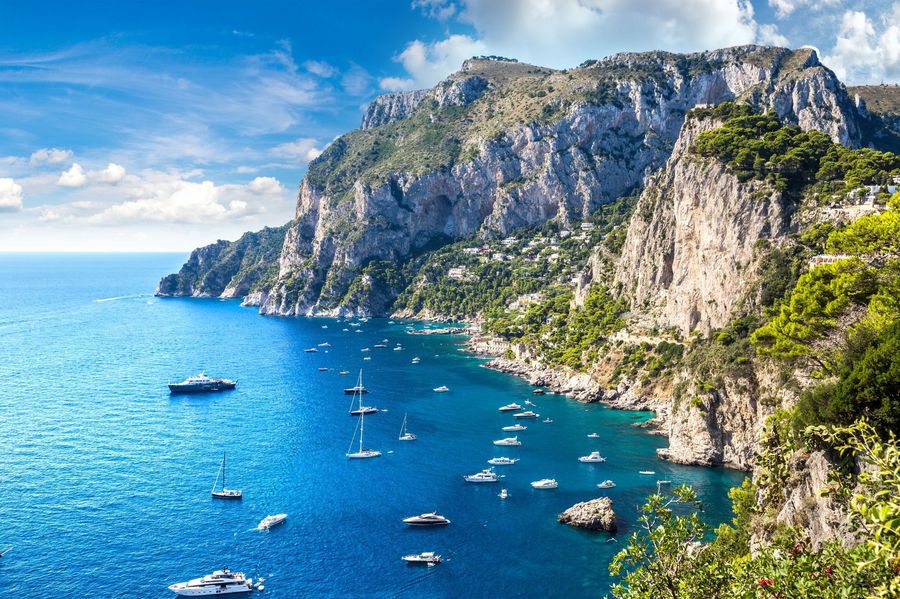
Capri
Set in the crystal-clear waters of the Tyrrhenian Sea, Capri is an island that has been captivating visitors for centuries. Known for…
Explore Capri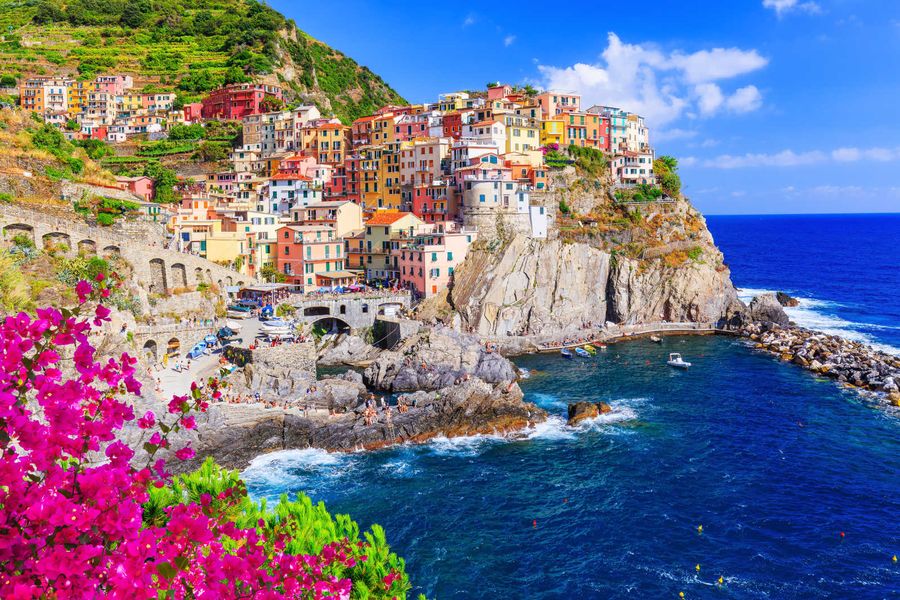
Cinque Terre
Perched along the rugged coastline of Italy’s Liguria region, Cinque Terre is a destination unlike any other. With its dramatic…
Explore Cinque TerreA little context for your exploring.
These original VoyageOwl city stories are preserved from the archive. Historical claims and visitor details remain subject to editorial review. Check attraction opening hours, tickets and access before making plans.
A few good stories. A little room to wander.