
Capri
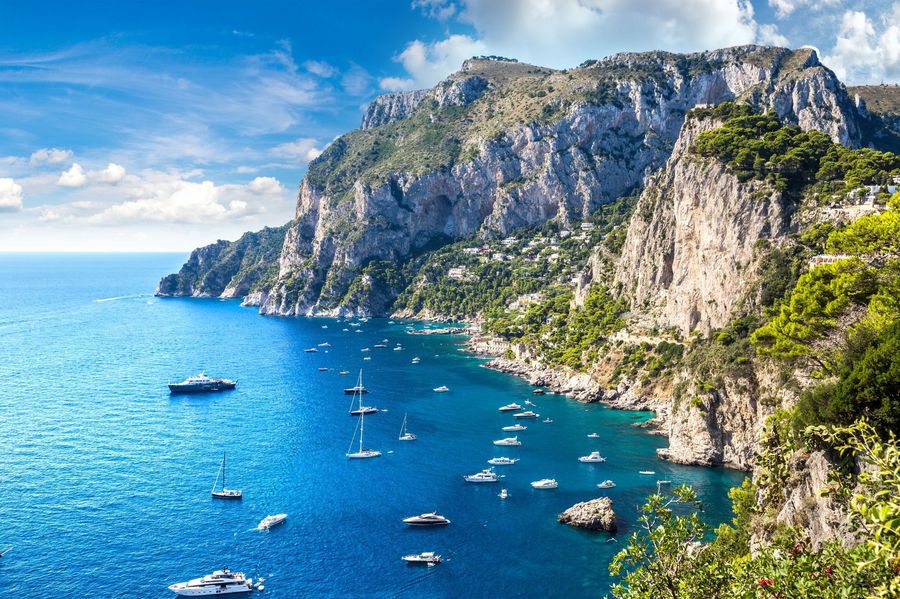
Set in the crystal-clear waters of the Tyrrhenian Sea, Capri is an island that has been captivating visitors for centuries. Known for its stunning natural beauty, elegant…
What brings you
to Capri?
A few good places to begin.
A City Steeped in Historical Significance
Capri’s history dates back to Roman times, when the island became a favored retreat of emperors, most notably Tiberius, who ruled from AD 14 to 37. The…
Capri · Read the storyThe Blue Grotto (Grotta Azzurra)
Capri’s most famous natural wonder, the Blue Grotto, is a sea cave that glows with an ethereal blue light. This dazzling effect is created by sunlight passing…
Capri · Read the storyVilla Jovis
Perched high on the cliffs of Capri, Villa Jovis is one of the best-preserved ancient Roman villas in Italy. Built by Emperor Tiberius, this sprawling complex…
Capri · Read the storyThe Piazzetta
Known as the "living room of the world," Piazza Umberto I (or the Piazzetta) is the heart of Capri’s social life. Surrounded by cafes, boutiques, and bustling…
Capri · Read the storyListen to Capri
Take a listening break with the city’s audio story and full transcript.
Audio & transcriptThe story of Capri
Get to know the city through its history, culture and local traditions.
Read at your own paceA few ways into Capri.
Leave room to discover more.
The Blue Grotto (Grotta Azzurra)
Capri’s most famous natural wonder, the Blue Grotto, is a sea cave that glows with an ethereal blue light. This dazzling effect is created by sunlight passing through an underwater cavity and reflecting off the water, bathing the cave in a surreal glow. The Blue Grotto…
Discover the storyVilla Jovis
Perched high on the cliffs of Capri, Villa Jovis is one of the best-preserved ancient Roman villas in Italy. Built by Emperor Tiberius, this sprawling complex was once his imperial…
Look a little closer 03A story worth stopping forThe Piazzetta
Known as the "living room of the world," Piazza Umberto I (or the Piazzetta) is the heart of Capri’s social life. Surrounded by cafes, boutiques, and bustling with locals and tourists…
Look a little closer 04A story worth stopping forThe Faraglioni Rocks
One of Capri’s most iconic sights is the Faraglioni, three towering rock formations that rise dramatically out of the sea. These natural limestone pillars have become a symbol of the island…
Look a little closer 05A story worth stopping forAnacapri and Monte Solaro
Capri’s second town, Anacapri, offers a more tranquil escape from the glitz of the main island. Anacapri is known for its charming streets, traditional shops, and laid-back vibe. From…
Look a little closerThe story of Capri.
Set the sceneA little background.
A little background.
Set in the crystal-clear waters of the Tyrrhenian Sea, Capri is an island that has been captivating visitors for centuries. Known for its stunning natural beauty, elegant villas, and chic lifestyle, Capri has long been a haven for emperors, artists, and celebrities. While it may be small in size, the island of Capri is rich in history, culture, and breathtaking views that make it one of Italy’s most sought-after destinations. Whether you’re exploring ancient ruins, lounging by the azure waters, or sipping espresso in the bustling Piazzetta, Capri is an unforgettable escape into luxury and history.
Behind the postcardA City Steeped in Historical Significance
A City Steeped in Historical Significance
Capri’s history dates back to Roman times, when the island became a favored retreat of emperors, most notably Tiberius, who ruled from AD 14 to 37. The island’s allure even led to the construction of Villa Jovis, one of the largest Roman villas ever built, which Tiberius used as his imperial residence. Legends of Tiberius' rule on Capri, along with the island’s strategic position, gave it historical prominence.
Even before the Romans, Capri was inhabited by the Greeks, who left their mark on the island’s culture and mythology. Over the centuries, the island continued to thrive as a trade and maritime hub, attracting explorers and traders from across the Mediterranean.
In more recent times, Capri became a popular destination for writers, artists, and intellectuals during the 19th and 20th centuries, cementing its reputation as an artistic and cultural center. Today, Capri is a glamorous getaway for the world’s elite, while still maintaining its historical and natural treasures.
Top 5 Unique Characteristics of Capri
Look a little closerThe Blue Grotto (Grotta Azzurra)
The Blue Grotto (Grotta Azzurra)
Capri’s most famous natural wonder, the Blue Grotto, is a sea cave that glows with an ethereal blue light. This dazzling effect is created by sunlight passing through an underwater cavity and reflecting off the water, bathing the cave in a surreal glow. The Blue Grotto has been a source of fascination since Roman times, and today, visitors can experience this magical site by taking a boat tour, marveling at the cave’s shimmering waters.
Look a little closerVilla Jovis
Villa Jovis
Perched high on the cliffs of Capri, Villa Jovis is one of the best-preserved ancient Roman villas in Italy. Built by Emperor Tiberius, this sprawling complex was once his imperial residence and command center. Visitors can explore the ruins of the villa, including its grand halls, courtyards, and stunning viewpoints overlooking the sea. The panoramic views from Villa Jovis are breathtaking, providing a glimpse of the natural beauty that captivated the Roman emperor.
Look a little closerThe Piazzetta
The Piazzetta
Known as the "living room of the world," Piazza Umberto I (or the Piazzetta) is the heart of Capri’s social life. Surrounded by cafes, boutiques, and bustling with locals and tourists alike, the Piazzetta is the perfect place to sip coffee and people-watch. This lively square has become the epicenter of Capri’s chic lifestyle, where celebrities and jet-setters come to see and be seen. Despite its glamorous reputation, the Piazzetta retains its charm and authenticity, offering a welcoming atmosphere for all visitors.
Look a little closerThe Faraglioni Rocks
The Faraglioni Rocks
One of Capri’s most iconic sights is the Faraglioni, three towering rock formations that rise dramatically out of the sea. These natural limestone pillars have become a symbol of the island and are best admired by boat. Each of the three rocks has its own name: Stella, Faraglione di Mezzo, and Faraglione di Fuori. Legend has it that couples who kiss as they pass through the archway in Faraglione di Mezzo will enjoy eternal love, adding a touch of romance to this stunning landscape.
Look a little closerAnacapri and Monte Solaro
Anacapri and Monte Solaro
Capri’s second town, Anacapri, offers a more tranquil escape from the glitz of the main island. Anacapri is known for its charming streets, traditional shops, and laid-back vibe. From Anacapri, visitors can take a chairlift to the top of Monte Solaro, the highest point on the island. The views from Monte Solaro are nothing short of spectacular, with sweeping vistas of the entire island, the Bay of Naples, and the distant mainland. It’s the perfect spot for nature lovers and photographers looking for an unforgettable panorama.
Behind the postcardCapri Today: A Blend of Luxury and Natural Beauty
Capri Today: A Blend of Luxury and Natural Beauty
Capri remains one of Italy’s premier luxury destinations, attracting high-end travelers, fashion icons, and celebrities from around the world. Despite its glamorous reputation, the island also offers an authentic Italian experience, from its historical sites to its warm and welcoming locals. Visitors can hike along scenic trails, relax in hidden coves, and savor traditional Caprese cuisine, including the famous insalata caprese, made with fresh tomatoes, mozzarella, and basil.
Capri’s beauty, culture, and history come together to offer a truly unique experience, where ancient Roman ruins stand alongside luxurious hotels, and natural wonders coexist with world-class shopping and dining.
Behind the postcardFun Facts About Capri
Fun Facts About Capri
Emperor Tiberius lived on Capri for the last decade of his life, ruling the Roman Empire from Villa Jovis.The Faraglioni Rocks are home to the Podarcis sicula coerulea, a rare blue lizard species found only in Capri.The Blue Grotto was once used as a private swimming pool by Roman emperors.Piazzetta was once just a fish market, but it later became the social hub of the island.The island’s famous Capri pants, designed by Sonja de Lennart in the 1940s, became a global fashion trend.
With its rich history, breathtaking landscapes, and luxurious lifestyle, Capri is an island that offers something for every traveler. Whether you’re exploring ancient ruins, cruising through the Blue Grotto, or simply soaking in the Mediterranean sun, Capri promises an unforgettable Italian adventure.
The city,
in your headphones.
Take a seat, or take a walk. Discover Capri one story at a time.
The stories of Capri
Read the complete audio transcript
Welcome to Voyage Owl’s walking tour of Capri, a jewel of the Tyrrhenian Sea! Whether it’s the brilliant blue waters, the dramatic cliffs, or the charming streets, Capri has been captivating visitors for centuries. But there’s so much more to this island than its breathtaking views. Capri has been a magnet for Roman emperors, artists, writers, and travelers seeking inspiration, beauty, and a touch of mystery. On this walking and driving tour of the island, we’ll uncover the history that makes Capri such a timeless destination. As we wind through its streets and landmarks, you’ll discover ancient ruins, hidden grottos, and captivating stories that have turned this small island into a place of legends.
---
### Stop 1: Piazza Umberto I (La Piazzetta) – Capri’s Timeless Meeting Point
Welcome to La Piazzetta, often referred to as the “living room of the world.” This bustling square may seem like just a charming spot for a cappuccino today, but it’s been at the center of life on Capri for centuries. When you first step into the piazza, you might be struck by the leisurely pace of life here—locals and tourists alike gather around small tables, chatting and people-watching. But the history of this square runs much deeper.
In the early days, La Piazzetta wasn’t the glamorous hub it is now. Capri was a quiet fishing village, and this square served as the marketplace where the locals came to trade their goods, especially fish. It was a practical, no-frills space—far from the chic, cosmopolitan atmosphere it enjoys today. Fishermen would haul in their catch of the day, while farmers from Anacapri brought their produce down the hill to sell. The rhythm of daily life revolved around this square, with villagers gossiping, bargaining, and exchanging news.
At the heart of La Piazzetta is the iconic Clock Tower, a symbol of Capri that dates back to the 17th century. Interestingly, the tower was built on top of the ruins of a medieval church that once stood here. It’s been ticking away for centuries, keeping time for the islanders and, more recently, for the many tourists who pass through each day. The clock’s face is a cheerful, bright yellow—a burst of sunshine that fits perfectly with Capri’s Mediterranean vibe.
During the 1950s, La Piazzetta transformed from a local marketplace into a global hot spot, thanks in part to famous visitors like Jackie Kennedy, Elizabeth Taylor, and Clark Gable, who brought a wave of glamour to the island. From then on, La Piazzetta became the place to see and be seen. Today, you’re just as likely to rub shoulders with a celebrity as you are with a local.
Take a moment to sit down and savor a coffee or a limoncello, Capri’s famous lemon liqueur. Limoncello is made from the island’s abundant lemons, which thrive in the Mediterranean climate. The local lemons are larger and sweeter than those you might find elsewhere, giving the liqueur its distinctive, bright flavor. As you sip your drink, look around and take in the atmosphere—this is where the pulse of Capri beats the strongest.
---
### Stop 2: Via Camerelle – Where History and High Fashion Collide
Leaving the hustle and bustle of La Piazzetta behind, we’ll meander down Via Camerelle, one of Capri’s most exclusive streets. Today, Via Camerelle is lined with luxury boutiques featuring the latest from designers like Gucci, Prada, and Dolce & Gabbana. The street is a magnet for the rich and famous, who flock here to indulge in retail therapy. But beneath the glitzy surface, there’s a fascinating layer of history hidden in its name.
"Camerelle" translates to "little rooms" in Italian, and that’s a nod to the Roman cisterns that once lined this very street. These underground rooms were built to collect and store water, ensuring the island’s residents had enough during the hot, dry summers. Even in ancient times, Capri faced the challenge of sourcing fresh water, and the Romans—known for their engineering prowess—constructed these cisterns to solve the problem.
Capri’s relationship with the Roman Empire was particularly intimate, especially during the reign of Emperor Tiberius. Tiberius, one of Rome’s more reclusive and enigmatic emperors, made Capri his personal sanctuary, fleeing the political chaos of Rome. He spent the last decade of his life on the island, ruling the vast Roman Empire from the comfort of his seaside villas. As you stroll down Via Camerelle, it’s not hard to imagine Tiberius’ influence still lingering in the air, mingling with the modern-day energy of the street.
What’s truly fascinating is that Capri has always attracted those seeking an escape. From Roman emperors to 20th-century celebrities, the island has been a haven for those in need of peace, privacy, and a little bit of indulgence. In the late 1800s and early 1900s, Capri became a retreat for artists and writers drawn by its ethereal beauty. Even today, there’s something about the island that inspires creativity—whether it’s fashion, art, or simply the art of relaxation.
If you’re in the mood for a bit of shopping, this is the place. But even if you’re just window-shopping, enjoy the contrast of ancient history and modern luxury as you make your way down Via Camerelle.
---
### Stop 3: Giardini di Augusto – A Masterpiece of Nature and Human Ingenuity
A short walk from Via Camerelle brings us to the Giardini di Augusto (Gardens of Augustus), a lush oasis with one of the most spectacular views you’ll find anywhere on the island. As we step into these terraced gardens, take a deep breath—the air here seems just a bit fresher, filled with the scent of flowers and the salty sea breeze.
The gardens were created in the early 20th century by the German industrialist Friedrich Alfred Krupp, who was completely captivated by Capri’s natural beauty. Krupp was one of many wealthy Europeans who, during the late 19th and early 20th centuries, turned Capri into their personal playground. He built the gardens to complement his private villa, but he didn’t stop there—he also constructed the incredible Via Krupp, the serpentine path that winds down the cliffs to the sea.
As you look out over the gardens, you’ll see the dramatic Faraglioni—those iconic rock formations rising majestically out of the sea. The Faraglioni have been a symbol of Capri since ancient times, and each one has its own name and story. The largest is called Stella, the middle one is Mezzo, and the third is Scopolo, which houses a unique species of lizard that lives nowhere else in the world. These towering stacks are more than just rocks—they’re symbols of Capri’s timeless beauty and enduring appeal.
And then there’s Via Krupp, one of the island’s most famous landmarks. The path, which twists and turns like a coiled snake, was Krupp’s gift to himself and to Capri. He used it as a private route to get from his villa to the sea, but today it’s a public path (when it’s open, that is—rockfalls sometimes force its closure). Walking down Via Krupp is like taking a journey through time, with each curve offering a new perspective on the island’s rugged coastline.
Interestingly, Krupp’s relationship with Capri didn’t end well. Rumors swirled about his involvement in a scandal, and he left the island under a cloud of suspicion. But his legacy remains in the beauty of these gardens and the winding path he left behind.
As you wander through the gardens, take a moment to appreciate the blend of human artistry and natural wonder that defines this place. Capri’s landscapes have always inspired awe, and the Gardens of Augustus are a perfect example of how nature and design can come together to create something truly magical.
---
### Stop 4: Villa Jovis – Tiberius’ Royal Retreat
The next few stops will be a bit further away of town center, but are definitely must see sights so we recommend getting there by car. We’re now heading to one of the most historically significant sites on the island—Villa Jovis, the ancient Roman palace built by Emperor Tiberius. The walk up to Villa Jovis is a bit challenging, with a steep incline and narrow paths, but it’s well worth the effort. As you climb, you’ll get a sense of why Tiberius chose this remote spot as his refuge from the pressures of ruling the Roman Empire.
Tiberius was a complex figure. He became emperor in 14 AD, following the death of Augustus, Rome’s first emperor. Tiberius’ reign was marked by political intrigue and instability, and as he grew older, he became increasingly reclusive. In 27 AD, he left Rome for Capri, where he spent the last decade of his life, ruling the empire from a distance. Villa Jovis was his primary residence during this time—a sprawling complex that reflects both the luxury and the paranoia of his later years.
The villa itself is an architectural marvel. Perched on the northeastern tip of the island, it offers panoramic views of the sea and the mainland, allowing Tiberius to monitor both the beauty of the natural world and the approach of any potential threats. The ruins you’ll explore today give you a sense of the scale of the villa, which included opulent living quarters, bathhouses, gardens, and even a private temple for worship. It’s said that Tiberius had several other villas on the island, but Villa Jovis was his favorite—his seat of power and his sanctuary.
Walking through the ruins, you can still feel the presence of the emperor. Tiberius was known for his paranoia in his later years, and the villa’s isolated location reflects that. According to ancient historians, Tiberius would station guards around the villa to prevent any unwanted visitors, and some even claimed that he would dispose of traitors by throwing them off the cliffs into the sea below. Whether or not these tales are true, they add to the aura of mystery that surrounds Villa Jovis.
Despite his reclusiveness, Tiberius continued to rule the empire effectively from Capri. His reign may have been shadowed by controversy, but he was a skilled administrator, and his time on Capri was marked by both peace and prosperity for the Roman Empire.
As you take in the views from Villa Jovis, imagine what it must have been like for Tiberius to sit here, gazing out over the sea, far from the chaos of Rome. Capri was his refuge, and for a brief moment, it can be yours too.
---
### Stop 5: The Blue Grotto – Capri’s Legendary Sea Cave
Next, we head to one of Capri’s most famous natural attractions: the Blue Grotto (Grotta Azzurra). This magical sea cave has been enchanting visitors for centuries, but its history goes back much further than the tourists and boats you’ll see today.
The Blue Grotto’s otherworldly glow comes from sunlight that enters the cave through an underwater cavity, creating a shimmering blue reflection that illuminates the entire cave. But this isn’t just a modern-day marvel—Ancient Romans were well aware of the grotto’s mystical properties. In fact, the grotto was once part of Emperor Tiberius’ personal swimming pool! Tiberius even decorated the cave with statues of sea gods, and several of these statues were recovered during underwater archaeological excavations in the 1960s.
The ancient Romans believed that the Blue Grotto was inhabited by sea nymphs, mythical creatures who were said to live in bodies of water and protect sailors. Today, stepping into the grotto still feels like entering another world. The only way to access the cave is by boat, and the entrance is so low that you’ll have to lie flat in the boat to get through. Once inside, the cave opens up into a large chamber, and the light plays tricks on your eyes, making the water seem to glow from within.
In the 19th century, the Blue Grotto was rediscovered by the German writer August Kopisch, who was so captivated by its beauty that he wrote extensively about it, helping to bring the grotto to the attention of the wider world. Since then, it has become one of Capri’s most popular attractions, drawing visitors from all over to experience its ethereal beauty.
A visit to the Blue Grotto is a must, but there’s one thing to keep in mind: the cave can only be accessed when the sea is calm. If the tide is too high or the waves too strong, it’s impossible to enter. That’s why it’s a good idea to go early in the day, when the waters are usually at their calmest.
As you float in the grotto, take a moment to appreciate the natural wonder of this place. It’s easy to see why the Romans were so enchanted by the Blue Grotto—it feels like a doorway to another realm, a place where the lines between reality and myth blur.
---
### Stop 6: Anacapri – The Island’s Serene Escape
For our final stop, we’ll make our way to Anacapri, the quieter, more relaxed part of the island. While Capri town buzzes with activity, Anacapri offers a peaceful retreat. It’s perched higher up on the island, and as we climb the hill to reach it, you’ll notice how the atmosphere changes. The name “Anacapri” means "above Capri," and this elevation not only gives the town its name but also offers stunning views of the surrounding sea and countryside.
Anacapri has a more local, authentic feel than Capri town. The streets here are lined with whitewashed houses, small artisan shops, and cozy cafés. It’s a place where you can take a leisurely stroll, far from the crowds, and soak in the island’s natural beauty. One of the highlights of Anacapri is the Church of San Michele, a beautiful 18th-century church that features an intricate tiled floor depicting the expulsion of Adam and Eve from the Garden of Eden. The floor is made of majolica tiles, a traditional form of Italian ceramic art, and it’s a masterpiece of craftsmanship. As you stand above it, you’ll feel like you’re looking down on a vibrant, living scene.
Anacapri is also home to the Villa San Michele, one of the most charming and unique spots on the island. The villa was built by the Swedish physician and writer Axel Munthe, who fell in love with Capri and decided to make it his home. Munthe constructed the villa on the ruins of an ancient Roman site, incorporating elements of classical architecture and art into his design. The villa’s gardens are filled with ancient statues, Roman columns, and blooming flowers, creating an atmosphere of timeless beauty.
Munthe wrote about his experiences on Capri in his book *The Story of San Michele*, which became a bestseller and helped to cement Capri’s reputation as a place of inspiration and retreat. As you wander through the villa’s gardens and look out over the sea, it’s easy to understand why Munthe—and so many others—fell in love with this island.
Anacapri also offers access to Monte Solaro, the highest point on the island. You can reach the summit by foot, but if you’re looking for a more leisurely ascent, you can take the chairlift—an unforgettable ride that offers panoramic views of the island, the sea, and the distant mainland. From the top of Monte Solaro, you’ll feel like you’re standing on top of the world.
---
### Conclusion
Capri is a place where history and myth blend seamlessly with the present. From the bustling energy of La Piazzetta to the ancient grandeur of Villa Jovis, the mystical beauty of the Blue Grotto, and the serene charm of Anacapri, this island has something to offer every traveler. Whether you’re here for the history, the views, or simply to relax, Capri will leave you with memories as unforgettable as the island itself.
As you finish this walking tour, take a moment to appreciate the unique energy of Capri—a place where emperors ruled, artists created, and travelers continue to find inspiration. This is an island that has been enchanting visitors for centuries, and now, you are part of that story too.
To listen to more amazing audio tours of cities around the world check out our other guides at voyageowl.com
Another place, another story.
Cinque Terre
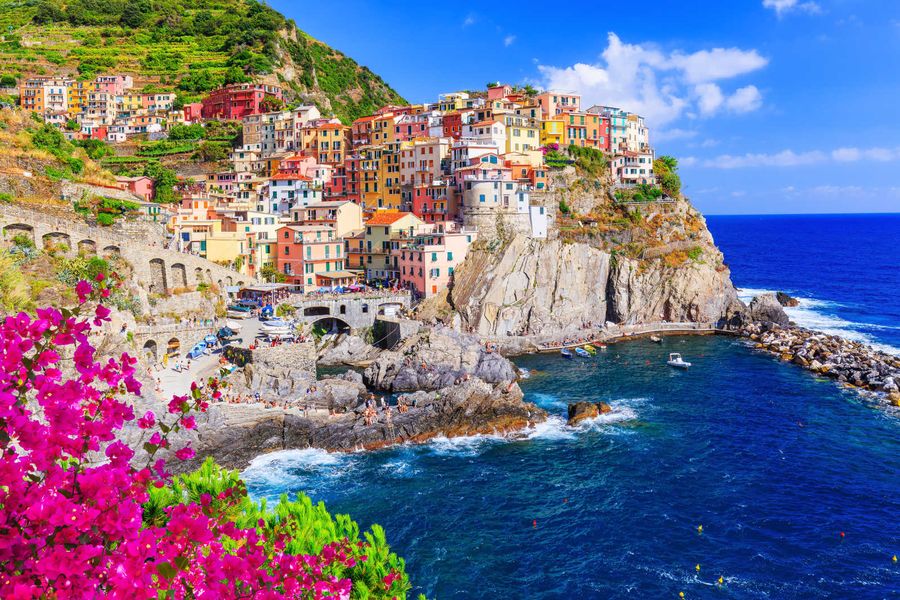
Perched along the rugged coastline of Italy’s Liguria region, Cinque Terre is a destination unlike any other. With its dramatic…
Explore Cinque Terre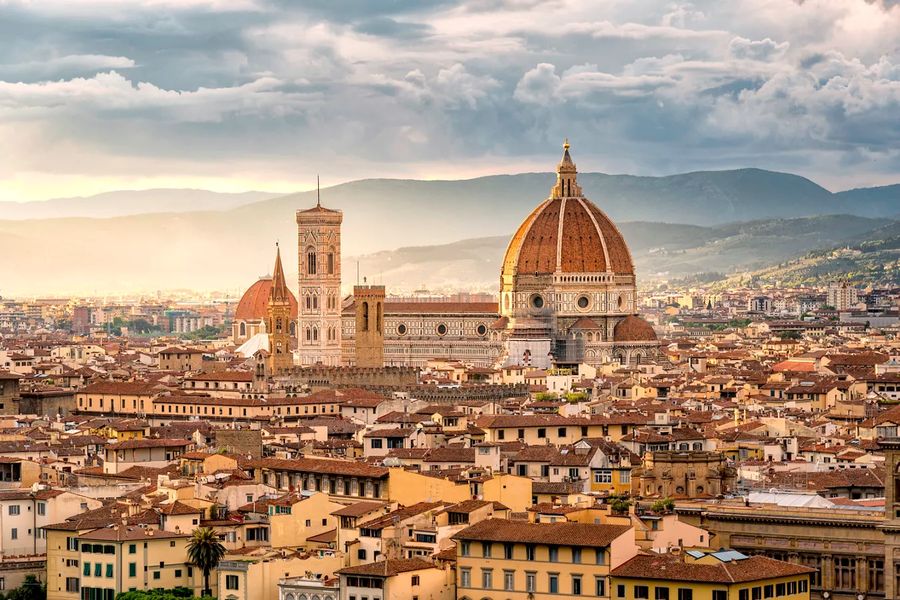
Florence
Florence, or Firenze, is a city that resonates with history, art, and culture like no other. Nestled in the heart of Tuscany, Florence…
Explore FlorenceA little context for your exploring.
These original VoyageOwl city stories are preserved from the archive. Historical claims and visitor details remain subject to editorial review. Check attraction opening hours, tickets and access before making plans.
A few good stories. A little room to wander.