 Voyage
Cardiff
Cardiff, the capital of Wales, is a city where ancient history meets modern vibrancy. Once a quiet market town, Cardiff has evolved into a thriving urban center, known for its rich cultural heritage, stunning landmarks,…
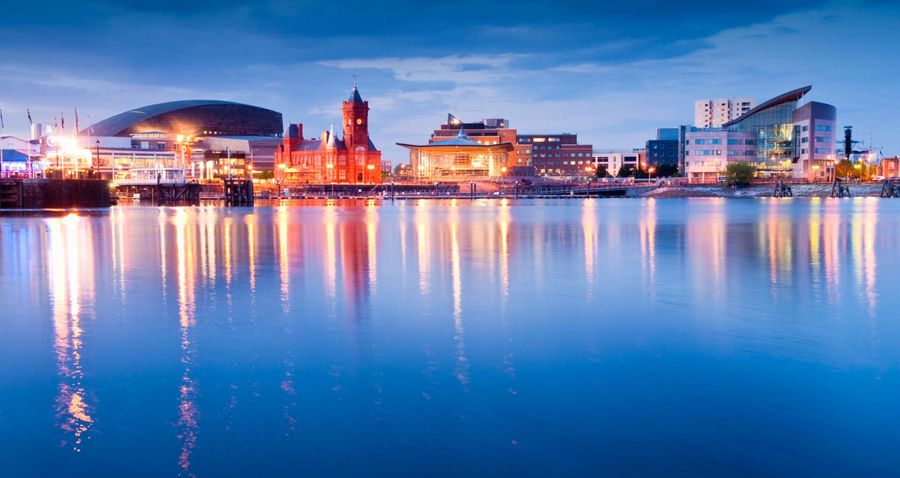
A few ways into Cardiff.
Leave room to discover more.
Cardiff Castle
Cardiff Castle, located in the heart of the city, is a symbol of Cardiff’s long and fascinating history. Originally built as a Roman fort, the castle has been transformed through the centuries, from a Norman keep to a lavish Victorian Gothic palace. Visitors can…
Discover the storyCardiff Bay
Once the bustling heart of Cardiff’s coal industry, Cardiff Bay has been transformed into a vibrant waterfront area and one of the city’s most popular destinations. The Cardiff Bay Barrage…
Look a little closer 03A story worth stopping forPrincipality Stadium
Home to Welsh rugby and one of the most iconic sports venues in the UK, the Principality Stadium (formerly known as the Millennium Stadium) is a must-visit for sports fans. With a capacity…
Look a little closer 04A story worth stopping forThe National Museum Cardiff
Art, natural history, and archaeology come together at the National Museum Cardiff, one of the city’s top cultural attractions. The museum’s art galleries house impressive collections of…
Look a little closer 05A story worth stopping forBute Park
For nature lovers, Bute Park offers a serene escape in the heart of the city. Stretching over 130 acres, this beautiful park sits alongside Cardiff Castle and the River Taff, offering a mix…
Look a little closerThe story of Cardiff.
Set the sceneA little background.
A little background.
Cardiff, the capital of Wales, is a city where ancient history meets modern vibrancy. Once a quiet market town, Cardiff has evolved into a thriving urban center, known for its rich cultural heritage, stunning landmarks, and welcoming atmosphere. From the imposing Cardiff Castle to the ultramodern Millennium Centre, Cardiff offers a unique blend of the old and the new, making it a destination with something for everyone. Whether you're exploring its historical roots or enjoying its contemporary arts and sports scene, Cardiff is a city that promises an unforgettable experience.
Cardiff’s history dates back over 2,000 years, beginning as a Roman fort before transforming into a medieval town dominated by the Norman Cardiff Castle. The city’s strategic location along the River Taff and proximity to the Bristol Channel made it an important port during the Industrial Revolution, when it became one of the world’s leading exporters of coal. This industrial boom contributed to Cardiff’s growth, and in 1905, it was granted city status. Cardiff became the capital of Wales in 1955, solidifying its position as the political and cultural heart of the country.
Today, Cardiff is a modern, cosmopolitan city that retains its historical charm while embracing its role as a hub for culture, sports, and innovation.
Top 5 Unique Characteristics of Cardiff
Look a little closerCardiff Castle
Cardiff Castle
Cardiff Castle, located in the heart of the city, is a symbol of Cardiff’s long and fascinating history. Originally built as a Roman fort, the castle has been transformed through the centuries, from a Norman keep to a lavish Victorian Gothic palace. Visitors can explore the castle’s medieval keep, climb the towers for stunning views of the city, and marvel at the opulent interiors of the Victorian apartments. The Castle Grounds are a perfect place to relax, offering an oasis of greenery in the middle of the city. Cardiff Castle also hosts numerous events and festivals, making it a lively cultural venue.
Look a little closerCardiff Bay
Cardiff Bay
Once the bustling heart of Cardiff’s coal industry, Cardiff Bay has been transformed into a vibrant waterfront area and one of the city’s most popular destinations. The Cardiff Bay Barrage and redevelopment have turned this area into a hub for dining, entertainment, and leisure. Visitors can explore the Wales Millennium Centre, a striking modern building that hosts world-class performances in theatre, music, and dance. Other highlights include the Senedd, home to the Welsh Parliament, and Techniquest, a family-friendly science museum. Cardiff Bay is also the perfect place to take a boat tour or enjoy a peaceful walk along the waterfront.
Look a little closerPrincipality Stadium
Principality Stadium
Home to Welsh rugby and one of the most iconic sports venues in the UK, the Principality Stadium (formerly known as the Millennium Stadium) is a must-visit for sports fans. With a capacity of 74,500, this state-of-the-art stadium hosts international rugby matches, including the famous Six Nations tournament, as well as major concerts and events. The retractable roof and central location make it a standout feature of Cardiff’s skyline. For those looking to delve deeper into Welsh sporting culture, guided tours of the stadium offer behind-the-scenes access to the players’ tunnel, locker rooms, and the pitch.
Look a little closerThe National Museum Cardiff
The National Museum Cardiff
Art, natural history, and archaeology come together at the National Museum Cardiff, one of the city’s top cultural attractions. The museum’s art galleries house impressive collections of European paintings, including works by Monet, Van Gogh, and Turner, while its natural history exhibits showcase the evolution of life on Earth. Visitors can also explore Wales’ rich history through archaeological artifacts, from ancient Roman treasures to medieval relics. Entry is free, making it an accessible and enriching experience for all.
Look a little closerBute Park
Bute Park
For nature lovers, Bute Park offers a serene escape in the heart of the city. Stretching over 130 acres, this beautiful park sits alongside Cardiff Castle and the River Taff, offering a mix of formal gardens, woodlands, and open spaces. Bute Park is perfect for walking, cycling, or enjoying a picnic, and it often hosts outdoor events and festivals throughout the year. The park’s stunning landscapes, which include the Gorsedd Stones and historic tree trails, provide a peaceful retreat from the hustle and bustle of the city.
Behind the postcardCardiff Today: A Modern, Cosmopolitan City
Cardiff Today: A Modern, Cosmopolitan City
Cardiff is more than just a historical city—today, it is a dynamic, multicultural metropolis that plays a key role in Wales’ cultural and economic life. The city’s thriving arts scene includes venues like the Sherman Theatre and the Chapter Arts Centre, while its reputation as a shopping destination continues to grow with the St. David’s Shopping Centre offering a mix of high street and designer brands.
Cardiff also takes pride in its status as a sports capital, hosting major international events in rugby, football, and cricket, and regularly drawing crowds from around the world. The city’s growing food scene, with everything from traditional Welsh dishes to global cuisine, adds to its modern, cosmopolitan appeal.
Behind the postcardFun Facts About Cardiff
Fun Facts About Cardiff
Cardiff is home to the smallest house in Wales, a tiny red-brick building in Victoria Park.The Wales Millennium Centre is often referred to as “the Armadillo” due to its unique shape.The Doctor Who TV series is filmed in and around Cardiff, and fans can visit filming locations across the city.Cardiff has more green space per person than any other UK city, earning it the title of the "greenest city".The Principality Stadium is the largest stadium in Europe with a fully retractable roof.
With its blend of history, culture, and modernity, Cardiff is a city that offers something for everyone. Whether you’re delving into its past, exploring its vibrant arts scene, or enjoying the lively atmosphere of its waterfront, Cardiff promises an engaging and unforgettable experience for all visitors.
The city,
in your headphones.
Take a seat, or take a walk. Discover Cardiff one story at a time.
The stories of Cardiff
Read the complete audio transcript
Welcome to Voyage Owl’s walking tour of Cardiff, the vibrant capital of Wales! Cardiff’s story is one of transformation, from a small Roman settlement to a booming industrial city, and now to a modern hub of culture, history, and political life. On this walking tour, you’ll explore the city’s rich past, discovering how it grew through centuries of conquest, coal, and culture. As we walk through its streets, we’ll uncover the layers of history that have shaped Cardiff into the city you see today.
---
### Stop 1: Cardiff Castle – Over 2,000 Years of History in One Place
We begin our tour at Cardiff Castle, an iconic symbol of the city that’s witnessed more than two millennia of history. As you stand before the towering walls and majestic keep, you might imagine this structure as always being the stone fortress you see today, but Cardiff Castle’s roots are much deeper—dating back to the Romans.
The Romans first built a fort on this very site around 55 AD during their conquest of Britain. Cardiff’s strategic position on the River Taff made it a key location for defending the coastline and monitoring sea trade routes, especially as they sought to control the tribes of South Wales. If you were standing here in Roman times, you would have seen a bustling military outpost rather than a grand castle. Roman soldiers would have been marching in and out of their barracks, the clanging of armor ringing through the air, as they kept watch over the untamed Welsh countryside.
As you explore the grounds, you’ll come across the remnants of Roman walls embedded within the castle structure. These walls have survived the centuries, a physical reminder of Cardiff’s ancient origins. Look closely, and you’ll see the characteristic red bricks used by Roman engineers—evidence that the Romans knew this location would be crucial for centuries to come.
Fast forward to the Norman Conquest of Britain in the 11th century. By then, the Romans were long gone, and Cardiff had become part of a kingdom ruled by Welsh princes. But after the Normans invaded Britain in 1066, they built a motte-and-bailey castle here, using the existing Roman fort as a foundation. The Normans were determined to assert their dominance over the Welsh lands, and building a castle was the ultimate power move. Cardiff Castle’s Norman keep—which you can still visit today—became the heart of this new regime.
Climb to the top of the Norman keep, and you’ll be treated to one of the best views in Cardiff. In the 12th century, this high vantage point allowed Norman lords to monitor their newly acquired territories, watching for any signs of rebellion from the Welsh princes who resented their presence. The view might be serene now, with modern Cardiff bustling below, but imagine this scene 900 years ago, when the landscape was marked by fields and forests rather than city streets.
As the centuries passed, Cardiff Castle became a symbol of changing power. By the 19th century, Cardiff was emerging as a key player in the Industrial Revolution, and the castle was transformed once again—this time into a Gothic fantasy under the direction of John Crichton-Stuart, the 3rd Marquess of Bute. Cardiff’s wealth, generated by its coal exports, allowed the Bute family to commission the eccentric architect William Burges to redesign the castle interiors in a lavish, medieval-revival style. Inside, the castle became a wonderland of Victorian Gothic design, filled with intricate murals, gilded ceilings, and decorative stonework.
Burges spared no expense in creating rooms that transport visitors to a different time, and the influence of medieval mythology and art is everywhere. Take, for instance, the Arab Room, with its breathtaking gold-leaf ceiling inspired by Islamic architecture. Burges was fascinated by the cultures of the medieval East, and this room is a testament to his artistic vision and the Bute family’s wealth.
The castle’s underground tunnels also have a story to tell. During World War II, these tunnels were repurposed as air-raid shelters for Cardiff’s residents. The threat of German bombing raids hung heavy over the city, and many locals took refuge in these very tunnels. Today, you can walk through them and imagine what life was like during the war, as families huddled together, listening to the drone of enemy planes overhead and hoping for the safety of a new dawn.
Cardiff Castle is a microcosm of the city’s history—Roman, Norman, Victorian, and modern all coexisting in one place. Today, it’s more than a historical landmark; it’s a venue for concerts, festivals, and public events. If you’re lucky, you might visit during one of the castle’s open-air cinema nights or food festivals, when history and modern life meet in the most Cardiff way possible.
---
### Stop 2: Bute Park – Cardiff’s Green Heart, Shaped by History
From Cardiff Castle, we step directly into Bute Park, a 130-acre green space that stretches alongside the River Taff. Bute Park is more than just a place for relaxation—it’s a living reminder of Cardiff’s transformation from medieval town to industrial powerhouse, largely thanks to the Bute family, who were instrumental in shaping the city’s growth in the 19th century.
The park, as we know it today, was once part of the extensive grounds of Cardiff Castle, owned by the 2nd Marquess of Bute, John Crichton-Stuart. The Bute family, who played a critical role in developing Cardiff into the world’s largest coal-exporting port during the Industrial Revolution, decided to open the park to the public in the 1940s, leaving behind a green legacy in the heart of the city.
As you stroll through Bute Park, you’ll pass by some of the oldest trees in Wales. One of the park’s most impressive specimens is the Giant Redwood, a tree that seems almost out of place in a Welsh park but serves as a reminder of the Victorian fascination with exotic plants and trees. During the 19th century, it became fashionable to plant non-native species, and the Butes followed suit, transforming their private grounds into a showcase of botanical wonders.
In fact, much of Bute Park is designed as an arboretum, featuring over 3,000 species of trees from all over the world. The Victorians were not just industrialists—they were also fascinated by nature and science, and the Bute family were no exception. Walking through the park today, you can feel that sense of discovery as you pass by rare trees and plants, some of which have been in place for over a century.
One of the park’s most charming features is the Animal Wall, a whimsical series of stone sculptures depicting various animals—lions, pelicans, monkeys, and more—peering over the park’s edges. This wall, designed by William Burges (the same architect who worked on Cardiff Castle), was completed in the late 19th century and has been a beloved Cardiff landmark ever since. The animals, carved with lifelike detail, seem to watch over the park’s visitors, giving the space a playful yet slightly mysterious atmosphere.
Bute Park is also a haven for wildlife. The River Taff, which runs alongside the park, is home to a variety of bird species, including kingfishers, herons, and even otters. It’s not uncommon to spot these creatures as you walk along the riverbank, adding a touch of wild beauty to the park’s serene setting.
If you continue deeper into the park, you’ll find the remnants of Blackfriars Friary, a medieval Dominican friary that was established in the 13th century. The ruins, now part of a peaceful garden, serve as a quiet reminder of Cardiff’s medieval past, long before the city became an industrial powerhouse. The friary was dissolved during the Reformation in the 16th century, but its stones still stand as a link to a distant, more religious era in Cardiff’s history.
Bute Park also plays host to various events throughout the year. From food festivals celebrating Welsh cuisine to large-scale music concerts, the park remains an active part of Cardiff’s cultural life. Whether you’re visiting in the warmth of summer or the crispness of autumn, there’s always something happening here, making it one of Cardiff’s most dynamic public spaces.
Take a moment to relax on a bench or picnic on the grass. The park’s calm atmosphere contrasts sharply with the bustling city just outside its gates, making it an ideal spot for reflection. In a city that’s always moving forward, Bute Park is a space where history, nature, and community come together in perfect harmony.
---
### Stop 3: The Principality Stadium – A Cathedral of Welsh Sport
No visit to Cardiff is complete without experiencing the Principality Stadium. This iconic building isn’t just an arena—it’s a national symbol, deeply connected to Welsh identity, culture, and, of course, rugby. Completed in 1999 to host the Rugby World Cup, the stadium has since become a modern-day landmark for Cardiff and Wales, serving as the center stage for major sporting events, concerts, and cultural celebrations.
To understand the significance of the Principality Stadium, you have to appreciate just how deeply rugby is woven into the fabric of Welsh life. In Wales, rugby is more than just a sport—it’s a cultural institution. The Welsh national rugby team has a storied history of triumphs and heartbreaks, and for many Welsh people, the stadium is a place of pilgrimage, where emotions run high, and national pride is on full display.
The Principality Stadium seats 74,500 people and boasts a state-of-the-art retractable roof, making it the first stadium in the UK to offer an all-weather venue. This technological marvel allows for games and events to continue regardless of the notoriously unpredictable Welsh weather. The roof has become a defining feature of the stadium, symbolizing Cardiff’s ability to blend innovation with tradition.
When you step inside the stadium on a match day, the atmosphere is electric. The Welsh national anthem, “Hen Wlad Fy Nhadau” (Land of My Fathers), rings out from the stands, sung with such passion that it sends shivers down your spine. If you’re lucky enough to attend a rugby match here, you’ll witness firsthand how sport brings the Welsh people together, uniting them in a shared sense of identity and pride.
Even if you’re not a rugby fan, the Principality Stadium has much to offer. Over the years, it has hosted some of the biggest names in music, from Madonna to Ed Sheeran, turning Cardiff into a major stop on international concert tours. The stadium’s ability to accommodate both sporting and cultural events has made it a cornerstone of Cardiff’s entertainment scene, drawing visitors from across the world.
If you have time, consider taking a stadium tour, which gives you access to parts of the arena usually reserved for players and VIPs. You’ll get to see the changing rooms, where rugby legends prepare for battle, and even step onto the pitch itself, feeling the weight of history under your feet. The tour also takes you through the hospitality suites and press rooms, offering a behind-the-scenes look at how such a massive venue operates.
One interesting aspect of the stadium’s history is its connection to the Millennium celebrations. Originally known as the Millennium Stadium, it was built as part of Cardiff’s efforts to celebrate the turn of the century in style. Hosting the 1999 Rugby World Cup Final solidified its place in sporting history, and it has since become one of the most important venues in the UK.
The Principality Stadium isn’t just a place where games are played—it’s where history is made. Whether it’s a sporting victory that unites a nation or a concert that brings people together in celebration, the stadium stands as a modern-day cathedral to Welsh pride and resilience.
### Stop 4: The National Museum Cardiff – Where Art and History Collide
Our next stop in the city center is the National Museum Cardiff, an institution that beautifully encapsulates the artistic, historical, and scientific achievements of Wales. Opened in 1927, the museum is housed in a grand neoclassical building that stands as a monument to Welsh culture. The museum offers something for everyone, with its diverse collections ranging from fine art to natural history to Welsh heritage.
One of the standout features of the National Museum Cardiff is its Impressionist and Post-Impressionist art collection, one of the finest in Europe. The collection owes much of its existence to two remarkable women: Gwendoline and Margaret Davies, two Welsh sisters who were passionate art collectors. They generously donated their private collection to the museum, giving Cardiff access to works by some of the greatest artists in history, including Monet, Rodin, Cézanne, and Van Gogh.
Walking through the art galleries, you’ll find yourself surrounded by masterpieces that rival those in Paris or London. Highlights include Monet’s Water Lilies and Rodin’s The Kiss, each of which brings a touch of artistic genius to the Welsh capital. The museum’s art collection is a testament to the cultural aspirations of Wales, showcasing how this small nation can hold its own in the world of fine art.
But the National Museum Cardiff isn’t just about art. Its natural history section offers an equally impressive experience. Here, you’ll encounter life-sized dinosaur skeletons, exhibits on the geology of Wales, and displays on the country’s rich biodiversity. The museum’s Evolution of Wales gallery takes you on a journey through time, from the formation of the Earth to the present day. You’ll learn about the prehistoric creatures that roamed Wales, as well as the country’s unique landscape shaped by glaciers, volcanoes, and ancient seas.
The museum also delves into Welsh history, with exhibits that explore the country’s Celtic roots, its role in the Industrial Revolution, and its journey toward political autonomy. The museum’s collection of Welsh artifacts, including ancient Celtic jewelry and Roman relics, provides a deep understanding of how the people of Wales have lived, worked, and thrived over millennia.
Admission to the National Museum Cardiff is free, making it one of the best ways to spend a day in the city. Whether you’re an art enthusiast, a history buff, or traveling with children eager to see dinosaurs, the museum has something to offer everyone.
---
### Stop 5: Cardiff Bay – From Coal to Culture
Leaving the city center, we now head to Cardiff Bay, a transformed waterfront area that reflects the city’s industrial past and its cultural renaissance. In the 19th and early 20th centuries, Cardiff Bay was at the heart of the coal trade, serving as the bustling port through which South Wales’ coal was shipped to the world. At the height of the Industrial Revolution, Cardiff was the largest coal-exporting port on the planet, and much of that wealth flowed through this very bay.
Today, Cardiff Bay has undergone a complete transformation. The once gritty docks have been redeveloped into a vibrant hub for leisure, culture, and politics, making it a must-visit part of the city. As you walk along the waterfront, it’s hard to imagine the industrial hustle and bustle that once dominated this space. Now, it’s filled with cafes, restaurants, and modern buildings that reflect Cardiff’s 21st-century identity.
One of the most striking buildings in Cardiff Bay is the Senedd, the home of the Welsh Parliament. Opened in 2006, the Senedd is a modern architectural masterpiece with its eco-friendly design and transparent glass walls, symbolizing the openness and accessibility of Welsh democracy. If you have time, you can visit the public galleries to watch Welsh politics in action or take a guided tour to learn more about the building’s design and its role in the governance of Wales.
Just across from the Senedd is the Wales Millennium Centre, a performing arts venue that has quickly become one of the most recognizable buildings in Cardiff. The Centre’s copper-toned facade is inscribed with words in both Welsh and English: “In These Stones Horizons Sing.” This phrase captures the essence of Cardiff Bay’s transformation from an industrial port to a place where culture and creativity thrive. Inside the Millennium Centre, you’ll find a world-class venue for opera, theatre, ballet, and contemporary performances. If there’s a show on during your visit, don’t miss the opportunity to experience the vibrant arts scene of Cardiff.
But Cardiff Bay’s history is never far from view. Take a short walk, and you’ll come across the Norwegian Church, a beautiful white wooden structure that once served as a place of worship for the many Norwegian sailors who docked in Cardiff during the height of the coal trade. The church has since been converted into an arts center and café, but its historic roots as a beacon for Cardiff’s seafaring community remain intact.
If you’re feeling adventurous, consider taking a boat tour around Cardiff Bay. These tours offer a unique perspective on the city’s maritime history and provide stunning views of the Bristol Channel. You’ll also learn more about the bay’s role in the industrial expansion of Cardiff, as well as its transformation into a modern leisure destination.
Another must-see in Cardiff Bay is the Pierhead Building, a stunning red-brick building that stands as a symbol of Cardiff’s industrial past. Built in 1897, it was once the headquarters of the Bute Dock Company and played a key role in managing Cardiff’s coal exports. Today, it’s a museum and exhibition space, where you can learn more about the history of the bay and its vital role in Cardiff’s growth.
Cardiff Bay is a story of reinvention—a place where the past and future coexist. From the industrial might of the 19th century to the cultural renaissance of today, the bay has always been at the heart of Cardiff’s evolution. It’s a place where you can explore the city’s history while enjoying the best of its modern-day offerings.
---
### Stop 6: St. Fagans National Museum of History – A Time Capsule of Welsh Life
For our final stop, we’re taking a short trip outside the city to St. Fagans National Museum of History, a living museum that offers an immersive experience of Welsh life throughout the centuries. St. Fagans is unlike any other museum—it’s an open-air museum set within the grounds of St. Fagans Castle, a 16th-century manor house surrounded by beautiful gardens.
St. Fagans National Museum of History is a time capsule that takes you on a journey through Welsh history, from the medieval period to the modern day. As you walk through the museum, you’ll encounter more than 40 historic buildings that have been relocated from different parts of Wales and painstakingly reconstructed here. Each building tells the story of a different aspect of Welsh life, from rural farmhouses and thatched cottages to a Victorian schoolhouse and a medieval church.
One of the highlights is the Rhyd-y-Car Ironworkers’ Houses, a row of six terraced houses that show how Welsh workers lived during the height of the Industrial Revolution. Each house is furnished to reflect a different decade, from the 1800s to the 1980s, giving you a fascinating glimpse into how life changed over time. Walking through these houses, you’ll see how the Industrial Revolution transformed not just Wales but the entire world, bringing about changes in technology, economy, and everyday life.
Another fascinating building is the Woollen Mill, where you can watch traditional weaving techniques in action. The mill is still fully operational, producing woollen goods using methods that have been passed down for generations. This hands-on approach to history is what makes St. Fagans so special—it’s not just about looking at exhibits; it’s about experiencing history in action.
St. Fagans also offers a glimpse into rural Welsh life with its collection of farmhouses, barns, and workshops. You can explore traditional farming practices, from blacksmithing to bread baking, and even try your hand at some of the activities. The museum’s emphasis on the everyday lives of ordinary Welsh people offers a unique perspective on history, one that is often overlooked in grander museums.
In addition to the historic buildings, the grounds of St. Fagans are a delight to explore. The gardens surrounding St. Fagans Castle are beautifully maintained, offering a peaceful retreat from the busy city. The castle itself is open to visitors, and inside, you’ll find period rooms that reflect the life of the Welsh gentry during the 16th and 17th centuries.
St. Fagans is a fitting final stop for our tour because it encapsulates the spirit of Wales—a country with a deep connection to its past, but always looking toward the future. Whether you’re exploring a medieval farmhouse or a 20th-century terraced house, you’ll come away with a greater appreciation for the resilience, creativity, and community that define Welsh history and culture.
---
### Conclusion
Cardiff is a city where history comes alive at every turn. From the ancient walls of Cardiff Castle to the modern politics of the Senedd, the city is a tapestry woven from centuries of conquest, industry, and culture. Our walking tour has taken us through the heart of this remarkable city, where the past and present coexist in perfect harmony.
As you continue to explore Cardiff, remember that this is a city that never stands still. It’s a place where ancient Roman walls stand next to modern stadiums, where industrial heritage meets cultural innovation, and where Welsh pride is felt in every corner. Cardiff may be small compared to other capitals, but its history, spirit, and ambition are anything but.
To listen to more amazing audio tours of cities around the world check out our other guides at voyageowl.com
Another place, another story.
Derry
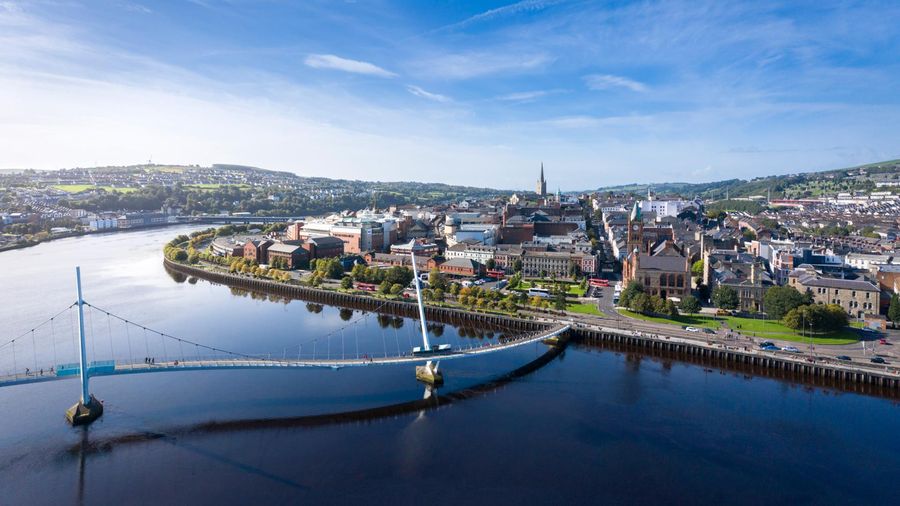
Derry, Northern Ireland’s second-largest city, is a place where rich history meets a vibrant and creative present. Known for its…
Explore Derry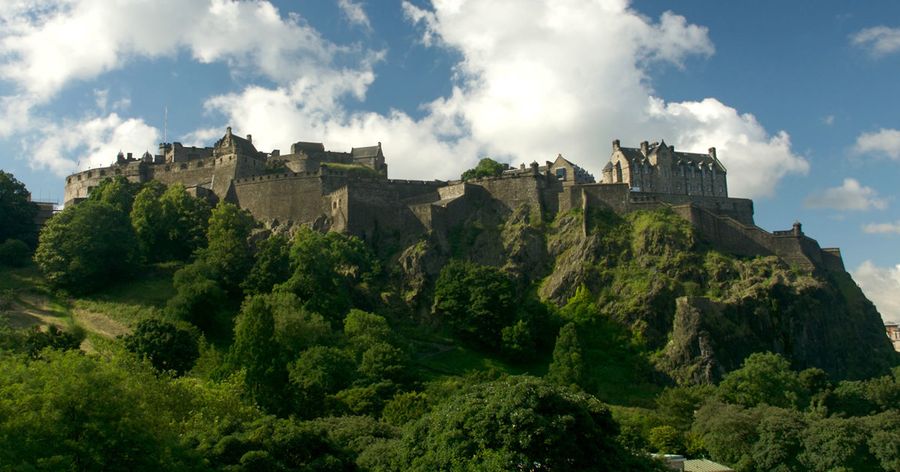
Edinburgh
Edinburgh, the capital of Scotland, is a city where ancient history, stunning architecture, and modern cultural vibrancy come together…
Explore EdinburghA little context for your exploring.
These original VoyageOwl city stories are preserved from the archive. Historical claims and visitor details remain subject to editorial review. Check attraction opening hours, tickets and access before making plans.
A few good stories. A little room to wander.