 Voyage
Cinque Terre
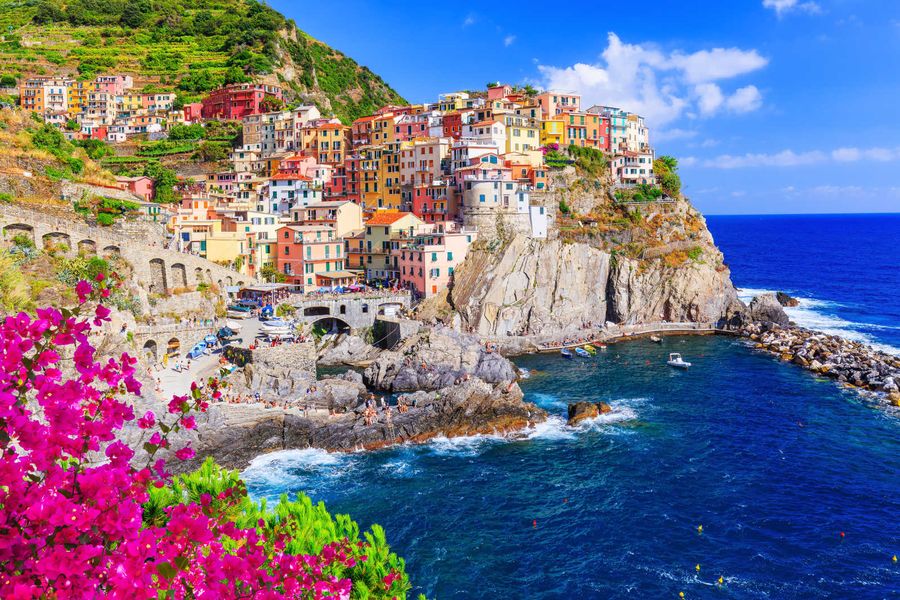
Perched along the rugged coastline of Italy’s Liguria region, Cinque Terre is a destination unlike any other. With its dramatic cliffs, brightly colored houses, and sweeping views of the Mediterranean Sea, Cinque Terre…
A few ways into Cinque Terre.
Leave room to discover more.
The Five Villages
Each of Cinque Terre's five villages has its own distinct charm and character. Riomaggiore is known for its colorful buildings stacked along the cliffs, offering stunning views of the sea. Manarola is one of the oldest villages, famous for its vineyards and…
Discover the storyThe Walking Trails
One of the best ways to experience Cinque Terre is by hiking its famous Sentiero Azzurro (Blue Trail), which connects all five villages. The trails wind along the cliffs, offering…
Look a little closer 03A story worth stopping forCinque Terre Wine and Agriculture
The steep terraced hills of Cinque Terre have been used for centuries to cultivate grapes and olives, producing some of Italy’s finest wines. The region is famous for its Sciacchetrà, a…
Look a little closer 04A story worth stopping forPreserving Tradition and Environment
Cinque Terre is a national park and protected marine area, dedicated to preserving its natural beauty and traditional way of life. The region has been able to maintain its historical charm…
Look a little closer 05A story worth stopping forStunning Coastal Views
The dramatic coastline of Cinque Terre is one of the region’s most defining features. From every vantage point, the sea meets the rocky cliffs in a spectacular display of natural beauty.…
Look a little closerThe story of Cinque Terre.
Set the sceneA little background.
A little background.
Perched along the rugged coastline of Italy’s Liguria region, Cinque Terre is a destination unlike any other. With its dramatic cliffs, brightly colored houses, and sweeping views of the Mediterranean Sea, Cinque Terre captures the essence of Italy’s natural beauty and historical charm. Consisting of five picturesque villages—Monterosso al Mare, Vernazza, Corniglia, Manarola, and Riomaggiore—Cinque Terre is a UNESCO World Heritage Site that offers visitors a perfect blend of history, culture, and breathtaking landscapes.
Behind the postcardA City Steeped in Historical Significance
A City Steeped in Historical Significance
Cinque Terre, which translates to "Five Lands," has a history that dates back over a thousand years. The villages were established as early as the 11th century, with settlers carving terraces into the steep cliffs to cultivate vineyards and olive groves. Isolated from the rest of Italy for centuries due to the rugged terrain, Cinque Terre developed a unique way of life, with communities relying on agriculture, fishing, and maritime trade.
In the Middle Ages, these villages grew in importance due to their strategic location along the coast, becoming crucial for trade and defense. The proximity to the sea made the villages vulnerable to pirate attacks, prompting the construction of fortified towers, some of which still stand today. Over time, Cinque Terre evolved into a collection of peaceful fishing communities, maintaining much of its traditional charm and character despite modern developments.
Today, Cinque Terre is celebrated not only for its history and natural beauty but also for its commitment to preserving the region's cultural and environmental heritage.
Top 5 Unique Characteristics of Cinque Terre
Look a little closerThe Five Villages
The Five Villages
Each of Cinque Terre's five villages has its own distinct charm and character. Riomaggiore is known for its colorful buildings stacked along the cliffs, offering stunning views of the sea. Manarola is one of the oldest villages, famous for its vineyards and postcard-perfect harbor. Corniglia is the only village perched high above the sea, accessible by a long staircase or bus, offering panoramic views of the coastline. Vernazza boasts a picturesque harbor and a historic castle, while Monterosso al Mare is the largest of the five villages, with sandy beaches perfect for relaxing by the sea. Together, these five villages form a harmonious landscape of beauty and culture.
Look a little closerThe Walking Trails
The Walking Trails
One of the best ways to experience Cinque Terre is by hiking its famous Sentiero Azzurro (Blue Trail), which connects all five villages. The trails wind along the cliffs, offering breathtaking views of the sea, vineyards, and terraced hills. The hike between Monterosso and Vernazza is particularly popular, known for its stunning panoramas. Other trails, like the Via dell’Amore (Path of Love) between Riomaggiore and Manarola, offer a more leisurely and romantic experience. These ancient paths have been used for centuries by locals and now provide visitors with a perfect way to explore the landscape.
Look a little closerCinque Terre Wine and Agriculture
Cinque Terre Wine and Agriculture
The steep terraced hills of Cinque Terre have been used for centuries to cultivate grapes and olives, producing some of Italy’s finest wines. The region is famous for its Sciacchetrà, a sweet dessert wine made from dried grapes, as well as its crisp white wines that pair perfectly with the fresh seafood from the Ligurian Sea. The challenging terrain has forced locals to use traditional methods of farming, preserving the region’s agricultural heritage. Visitors can tour vineyards, taste local wines, and learn about the ancient techniques used to cultivate these unique crops.
Look a little closerPreserving Tradition and Environment
Preserving Tradition and Environment
Cinque Terre is a national park and protected marine area, dedicated to preserving its natural beauty and traditional way of life. The region has been able to maintain its historical charm thanks to strict regulations that limit development and protect the environment. In fact, much of Cinque Terre’s agriculture, such as its terraced vineyards, is still managed using traditional methods passed down through generations. The preservation of this landscape is a testament to the locals’ commitment to sustainability and cultural heritage.
Look a little closerStunning Coastal Views
Stunning Coastal Views
The dramatic coastline of Cinque Terre is one of the region’s most defining features. From every vantage point, the sea meets the rocky cliffs in a spectacular display of natural beauty. Whether you’re hiking the trails, relaxing on the beaches, or dining at a cliffside restaurant, the views are simply unforgettable. Sunsets over the Mediterranean are especially magical, with the sky casting shades of pink and orange over the pastel-colored buildings and the shimmering sea.
Behind the postcardCinque Terre Today: A Modern-Day Haven for Tourists and Nature Lovers
Cinque Terre Today: A Modern-Day Haven for Tourists and Nature Lovers
Today, Cinque Terre is a popular destination for tourists seeking a blend of history, culture, and natural beauty. Despite its fame, the region has maintained much of its authentic charm, with its narrow streets, traditional fishing boats, and terraced landscapes. The area attracts outdoor enthusiasts, food lovers, and those looking for a peaceful retreat along Italy’s scenic coastline.
Cinque Terre’s focus on sustainability ensures that the region will continue to thrive while protecting its unique environment. Tourism is carefully managed to preserve the villages’ cultural heritage, and efforts to maintain the terraced vineyards and hiking trails are ongoing. Visitors to Cinque Terre can enjoy the region’s beauty while supporting the preservation of its delicate ecosystem.
Behind the postcardFun Facts About Cinque Terre
Fun Facts About Cinque Terre
Cinque Terre has no modern roads connecting the villages; they are accessible only by foot, train, or boat.The iconic pastel colors of the buildings are said to have been chosen to help fishermen spot their homes from the sea.The Via dell’Amore (Path of Love) is one of the most romantic spots in Italy, often visited by couples who attach locks to the fences as a symbol of eternal love.Cinque Terre's vineyards are supported by over 4,000 kilometers of dry-stone walls, which are an essential part of the region’s landscape.The region is home to Capuchin friars, who reside in a convent in Monterosso al Mare, continuing the area's rich spiritual traditions.
With its blend of breathtaking landscapes, rich history, and commitment to preserving tradition, Cinque Terre is a place that captures the heart of every visitor. Whether you’re exploring its ancient paths, tasting local wines, or simply soaking in the views, Cinque Terre offers an experience that’s as timeless as it is unforgettable.
The city,
in your headphones.
Take a seat, or take a walk. Discover Cinque Terre one story at a time.
The stories of Cinque Terre
Read the complete audio transcript
Welcome to Voyage Owl’s walking tour of Chinqwe Tearray, a place where colorful cliffside villages cling to the rugged Italian coastline, and the Mediterranean Sea sparkles in every direction. Chinqwe Tearray, which means "Five Lands," is made up of five villages—Monterosso al Mare, Vernazza, Corniglia, Manarola, and Riomaggiore—each with its own distinct character, history, and charm. As we walk through these ancient hamlets, you’ll uncover stories of fishermen, farmers, and traders who have lived here for centuries, shaping the unique culture of this UNESCO World Heritage Site.
We’ll take a journey through time as we explore how these five villages have weathered the forces of nature and history, creating a breathtaking destination where the past feels as alive as the present.
---
### Stop 1: Riomaggiore – Gateway to Chinqwe Tearray
Our journey through Chinqwe Tearray begins in Riomaggiore, the first village when you’re arriving from La Spezia, and the perfect introduction to the region’s stunning landscapes and rich history. As you step off the train and catch your first glimpse of Riomaggiore’s colorful houses perched precariously along the cliffs, you’ll immediately understand why this village has enchanted visitors for centuries.
Riomaggiore was founded in the 8th century by settlers from the nearby Val di Vara. These early inhabitants were escaping the frequent raids by Barbarians that plagued the mainland and sought refuge in this isolated coastal spot. Riomaggiore’s natural fortress—its steep, rugged cliffs and difficult terrain—offered protection from invaders and later became an integral part of the village’s layout. The houses are stacked one atop another, their pastel hues clinging to the rocky landscape, and the narrow streets were designed to confuse and deter any invaders. Today, walking these winding alleyways, known as carruggi, it’s easy to feel the echoes of the past all around you.
One of the most significant historical landmarks in Riomaggiore is the Church of San Giovanni Battista, which was built in 1340 in the Gothic style. As you approach the church, you’ll notice the stunning details of its façade, including the intricately carved rose window, which serves as a focal point of the structure. Inside, the church is simple yet reverent, a reflection of the humble faith of the people who built it. The cool stone walls and hushed atmosphere offer a peaceful respite from the bustling streets outside.
The church holds deep cultural and religious significance for the people of Riomaggiore. Many local traditions revolve around religious festivals and celebrations, particularly the Feast of Saint John the Baptist, the village’s patron saint. During this festival, locals decorate the streets with flowers and candles, and a procession winds through the village, ending with a mass in the church. This event brings the entire community together, offering a glimpse into the enduring importance of faith in everyday life.
As you make your way down to Riomaggiore’s small harbor, you’ll see the brightly colored boats bobbing gently in the water. Fishing has always been central to life here. For centuries, the residents of Riomaggiore relied on the sea for their livelihood, braving the choppy waters of the Ligurian Sea to bring back the fish that sustained their families. Today, the village’s connection to the sea is still strong, though tourism has taken on a more prominent role in the local economy. However, the sight of the fishermen preparing their boats for the day reminds you that this is still a living, breathing community, deeply rooted in its traditions.
One of the most famous walking paths in Chinqwe Tearray begins right here in Riomaggiore: the Via dell’Amore, or Lover’s Lane. This scenic trail connects Riomaggiore to the neighboring village of Manarola, and its origins are as romantic as its name suggests. The trail was built in the early 20th century as part of a railway expansion project. Before the construction of the railway, the five villages of Chinqwe Tearray were isolated from one another, connected only by footpaths that wound through the rugged hills. The Via dell’Amore was carved into the cliffs to make communication between Riomaggiore and Manarola easier, and it quickly became a popular meeting spot for young lovers from both villages.
As you walk along the path, the views of the sea are nothing short of spectacular. The azure waters stretch out endlessly before you, and the sound of the waves crashing against the rocks below creates a soothing, rhythmic backdrop to your journey. Couples often stop to take in the scenery, leaving behind small locks as tokens of their love, a tradition that has become synonymous with the trail. Although parts of the path have been closed due to landslides, efforts are continually underway to preserve and restore this beloved route.
Riomaggiore is known for its Sciacchetrà, a sweet dessert wine that has been produced here for centuries. Made from grapes that are dried in the sun after the harvest, Sciacchetrà has a rich, honeyed flavor that perfectly captures the essence of Chinqwe Tearray’s terraced vineyards. Be sure to stop at one of the local enotecas (wine bars) to sample this unique wine, paired with a plate of local cheeses or biscotti.
---
### Stop 2: Manarola – A Timeless Fishing Village
From Riomaggiore, we continue to Manarola, the second village on our tour and one of the oldest in Chinqwe Tearray. Manarola’s history stretches back to at least the 12th century, and its name is thought to be derived from the Latin phrase "Manium arula," which means "small temple dedicated to the Manes" (spirits of the ancestors). The village’s deep-rooted connection to ancient Roman traditions is still evident today in its agricultural practices and its layout, which reflects the practical needs of its early settlers.
As we approach Manarola, the first thing you’ll notice is the dramatic way the village seems to spill down the cliffs toward the sea. The pastel-colored houses are stacked one on top of the other, almost as if they’ve been built into the very rock itself. This vertical design wasn’t just a necessity due to the steep terrain—it was also a defensive measure. In the past, pirates were a constant threat to the coastal villages, and the narrow, maze-like streets made it difficult for invaders to navigate. As we wander through these streets, with their steep staircases and winding alleys, it’s easy to imagine the lives of the villagers in centuries past, as they worked together to protect their homes from outside forces.
One of the most prominent landmarks in Manarola is the Church of San Lorenzo, a beautiful Gothic-Ligurian church built in 1338. The church’s bell tower, which stands apart from the main building, was originally used as a lookout tower to warn the village of approaching pirates. As you step inside the church, you’ll be struck by its simple elegance. The interior is cool and peaceful, with light streaming in through the tall windows, casting gentle shadows on the stone floors. This church has been the spiritual heart of Manarola for centuries, and it continues to play a central role in village life today.
Manarola is also famous for its vineyards, which stretch across the hillsides in terraced rows. These vineyards have been cultivated by hand for generations, and they represent not only a vital part of the local economy but also a deep connection to the land. The people of Manarola have long relied on the grapes grown here to produce their famous Sciacchetrà wine, a labor-intensive process that involves drying the grapes in the sun to concentrate their flavors. The steep terrain makes harvesting the grapes a challenging task, but the resulting wine is a true testament to the perseverance and ingenuity of the local farmers.
For a truly breathtaking view of Manarola, head to the Belvedere, a scenic overlook that offers panoramic vistas of the village and the surrounding coastline. From here, you can see the terraced vineyards cascading down the hills, the colorful houses clinging to the cliffs, and the sparkling blue waters of the Ligurian Sea stretching out to the horizon. It’s a sight that has inspired countless artists and photographers, and it’s one of the most iconic views in all of Chinqwe Tearray.
Manarola’s connection to the sea is still strong today. As we walk down toward the small harbor, you’ll notice the fishing boats lined up along the water, their bright colors reflecting the vibrant spirit of the village. Many of Manarola’s residents still make their living from the sea, and the daily catch is a vital part of the local cuisine. You’ll often see fishermen repairing their nets or preparing their boats for the next outing, a reminder that life in Chinqwe Tearray is still deeply tied to the rhythms of the sea.
While you’re in Manarola, don’t miss the opportunity to try the local specialty, trofie al pesto. This traditional Ligurian pasta is made with a simple yet flavorful pesto sauce, created from fresh basil, garlic, pine nuts, olive oil, and Parmesan. It’s a dish that perfectly captures the flavors of the region, and it pairs beautifully with a glass of Chinqwe Tearray DOC white wine, produced from the vineyards that surround the village.
---
### Stop 3: Corniglia – A Hilltop Haven
Our journey now takes us to Corniglia, the smallest and most secluded of the five villages in Chinqwe Tearray. Unlike the other villages, Corniglia is not directly on the coast. Instead, it sits perched high on a cliff, about 100 meters above sea level, offering stunning panoramic views of the surrounding landscape. The approach to Corniglia is unique: to reach the village from the train station, we’ll climb the Lardarina, a staircase with 377 steps that winds its way up the hillside. It’s a bit of a workout, but the reward is more than worth it—the views from Corniglia are some of the best in all of Chinqwe Tearray.
Corniglia’s history is ancient, dating back to Roman times, and its name is believed to be derived from the Latin word Cornelia, possibly referencing a Roman family who once owned the land. Historically, Corniglia has been more of an agricultural village than a fishing one, and its economy has always been tied to the cultivation of grapes and olives on the terraced hillsides that surround the village. These terraces, built by hand over the centuries, are a remarkable feat of engineering, allowing the villagers to grow crops in even the most rugged terrain.
As you enter the village, you’ll notice that Corniglia feels different from the other villages in Chinqwe Tearray. Its hilltop location gives it a sense of tranquility and isolation, and the narrow, winding streets are filled with rustic charm. Unlike the other villages, which are built around their harbors, Corniglia is centered around agriculture, and its connection to the land is evident in every corner.
One of Corniglia’s most important landmarks is the Church of San Pietro, a Gothic-style church built in 1354. The church’s elegant facade, with its intricate rose window and carved stone details, reflects the wealth and importance of Corniglia during the medieval period. Inside, the church is simple yet dignified, with a serene atmosphere that invites quiet reflection. The church has been a place of worship for the people of Corniglia for centuries, and its presence is a reminder of the village’s deep religious and cultural roots.
Corniglia’s location high above the sea has always made it easier to defend than the other villages, and it was often spared the pirate attacks that plagued the coastal settlements. The cliffs that surround the village are steep and dramatic, offering incredible views of the surrounding coastline and the other villages of Chinqwe Tearray. On a clear day, you can see all five villages from various viewpoints around Corniglia, as well as the rugged coastline stretching out into the distance.
One of the best ways to experience the beauty of Corniglia is to take a leisurely stroll through its narrow streets, stopping at one of the local cafés for a glass of Vermentino or Sciacchetrà wine. Corniglia is known for producing some of the finest wines in Chinqwe Tearray, and the flavors of the region are perfectly captured in these local varieties. As you sip your wine and take in the stunning views, you’ll feel a deep sense of connection to the land and the people who have cultivated it for generations.
For a sweet treat, be sure to try the lemon gelato made from the local lemons that grow in the orchards around Corniglia. The fragrant lemons of Chinqwe Tearray are famous throughout Italy, and their bright, zesty flavor is the perfect way to refresh yourself after the climb up the Lardarina.
---
### Stop 4: Vernazza – A Seafaring Tradition
From the tranquility of Corniglia, we descend back toward the coast to visit Vernazza, perhaps the most picturesque and charming of the five villages. Vernazza is often considered the gem of Chinqwe Tearray, with its natural harbor, colorful houses, and medieval fortifications. As we approach the village, the sight of the brightly painted buildings clustered around the harbor, with the Doria Castle standing guard above, will take your breath away.
Vernazza’s history dates back to at least the 11th century, and it quickly became one of the most important ports in the region due to its natural harbor. The village’s economy was built around maritime trade and fishing, and for centuries, Vernazza was a key player in the regional economy. The Doria family, one of the most powerful families in Genoa, played a significant role in the village’s development, and their influence is still visible today in the form of the Doria Castle, built in the 15th century to defend the village from pirate attacks.
The Doria Castle is perched on a rocky promontory overlooking the sea, and climbing up to the castle is one of the highlights of a visit to Vernazza. As you make your way up the steep steps, you’ll be rewarded with stunning views of the village and the surrounding coastline. From the top of the castle’s tower, you can see the entire harbor, as well as the terraced vineyards that stretch out along the hillsides. The castle’s strategic location made it a vital part of Vernazza’s defense system, and standing here, you can almost imagine the watchmen scanning the horizon for approaching ships.
The heart of Vernazza is its charming central square, Piazza Marconi, which is lined with cafés and restaurants that spill out onto the cobblestones. This square has been the center of village life for centuries, and it’s the perfect place to sit and soak in the atmosphere. The square opens directly onto the small harbor, where fishing boats bob in the water, and the sound of the waves gently lapping against the shore provides a soothing soundtrack to your visit.
One of the most important buildings in Vernazza is the Church of Santa Margherita d’Antiochia, built in 1318 in the Romanesque style. According to local legend, the church was built after a fisherman found a wooden statue of Saint Margaret washed up on the shore. The church’s bell tower, with its distinctive octagonal shape, is one of the most recognizable features of Vernazza’s skyline, and its location right by the water makes it one of the most beautiful churches in Chinqwe Tearray.
Despite its idyllic appearance, Vernazza has faced its share of challenges. In 2011, the village was devastated by a flood and mudslide that caused extensive damage to homes and businesses. The disaster was a turning point for Vernazza, but thanks to the resilience of its residents and the support of the international community, the village was rebuilt and restored to its former glory. Today, Vernazza stands as a testament to the strength and determination of the people who call this beautiful place home.
For a unique perspective of Vernazza, take a boat tour from the harbor. Seeing the village from the water offers a completely different view, and you’ll gain a new appreciation for the rugged beauty of the coastline and the way the village is nestled into the cliffs.
---
### Stop 5: Monterosso al Mare – A Seaside Resort
Our final stop on this journey through Chinqwe Tearray is Monterosso al Mare, the largest and most resort-like of the five villages. Monterosso is known for its sandy beaches, a rarity in the rocky terrain of Chinqwe Tearray, and it has long been a favorite destination for visitors seeking a more traditional seaside experience. The village is divided into two parts—Old Town and New Town—connected by a tunnel that runs through the cliffs.
Monterosso’s history dates back to the 9th century, and it has always been an important agricultural and fishing village. The fertile land around Monterosso has been used for centuries to grow grapes, olives, and lemons, and the village’s economy has long been tied to both the land and the sea. Unlike the other villages in Chinqwe Tearray, Monterosso has a more expansive layout, with wide streets and larger buildings, giving it a slightly more modern feel.
In Old Town, you’ll find narrow streets lined with colorful houses, churches, and historic landmarks. One of the most important buildings is the Church of San Giovanni Battista, built in the 13th century. The church’s black-and-white striped facade is a striking example of Genoese Gothic architecture, and its interior is filled with beautiful frescoes and religious art. The church’s bell tower, originally built as a lookout tower, offers stunning views of the surrounding area.
Monterosso is also home to the Convent of the Capuchin Friars, located on a hill overlooking the village. The convent, founded in the 17th century, is a peaceful retreat with stunning views of the sea and the surrounding countryside. The walk up to the convent is steep, but the reward is a serene, tranquil atmosphere and a chance to explore the convent’s beautiful gardens and chapel. The convent is also home to several important works of religious art, including a painting of the Crucifixion attributed to Van Dyck.
One of Monterosso’s most famous landmarks is the Statue of Neptune, also known as the Giant of Monterosso. This massive statue was built in the early 20th century as part of a villa, and it stands at the edge of the sea, gazing out over the water. Although the villa was destroyed during World War II, the statue remains a symbol of Monterosso’s connection to the sea.
Monterosso’s sandy beach is one of the largest in Chinqwe Tearray, and it’s a popular spot for sunbathing and swimming. The beach is lined with colorful umbrellas and beach chairs, and the calm, clear waters of the Ligurian Sea make it a perfect place to relax after a day of exploring.
While you’re in Monterosso, be sure to sample the local anchovies, a delicacy in this part of Italy. The anchovies of Monterosso are famous for their delicate flavor and are often served in a variety of dishes, from simple marinades to more elaborate preparations. Paired with a glass of local white wine, it’s the perfect way to end your journey through Chinqwe Tearray.
---
### Conclusion
Chinqwe Tearray is a place where history, culture, and nature come together to create a truly unique experience. Each of the five villages has its own distinct character and story to tell, from the maritime heritage of Vernazza to the agricultural traditions of Corniglia. As you walk through these ancient streets, climb the steep terraces, and gaze out over the sparkling Mediterranean, you’re not just visiting a beautiful place—you’re stepping into a living history that stretches back centuries.
Whether you’re here to explore the rugged beauty of the landscape, taste the local wines, or simply relax by the sea, Chinqwe Tearray offers an unforgettable journey through time. This walking tour is just the beginning—there are always more stories to discover, more trails to hike, and more breathtaking views to enjoy in this remarkable corner of Italy.
As you leave Chinqwe Tearray, take with you the memory of its vibrant colors, its rich traditions, and its enduring spirit—a place where the past is always present, and the future is shaped by the people who call these villages home.
To listen to more amazing audio tours of cities around the world check out our other guides at voyageowl.com
Another place, another story.
Florence
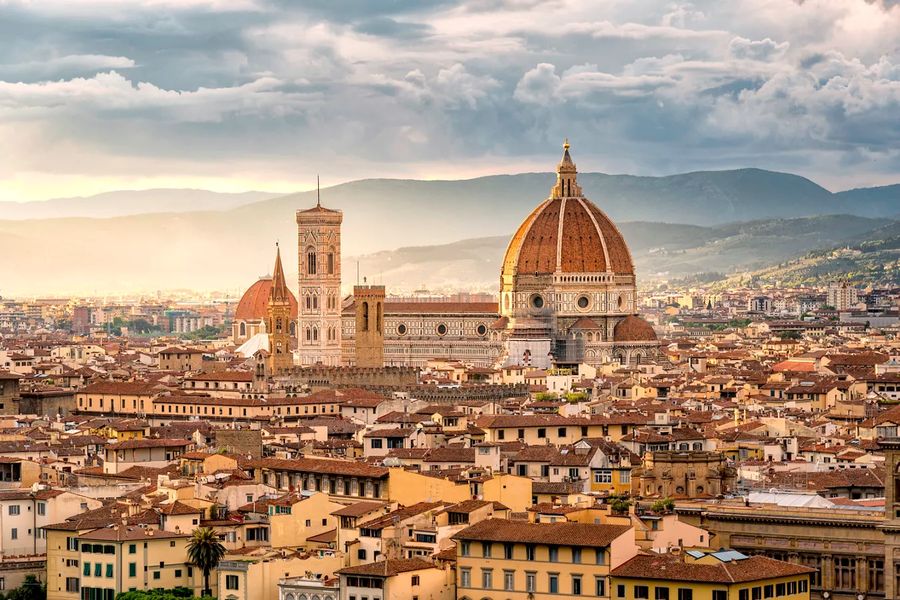
Florence, or Firenze, is a city that resonates with history, art, and culture like no other. Nestled in the heart of Tuscany, Florence…
Explore Florence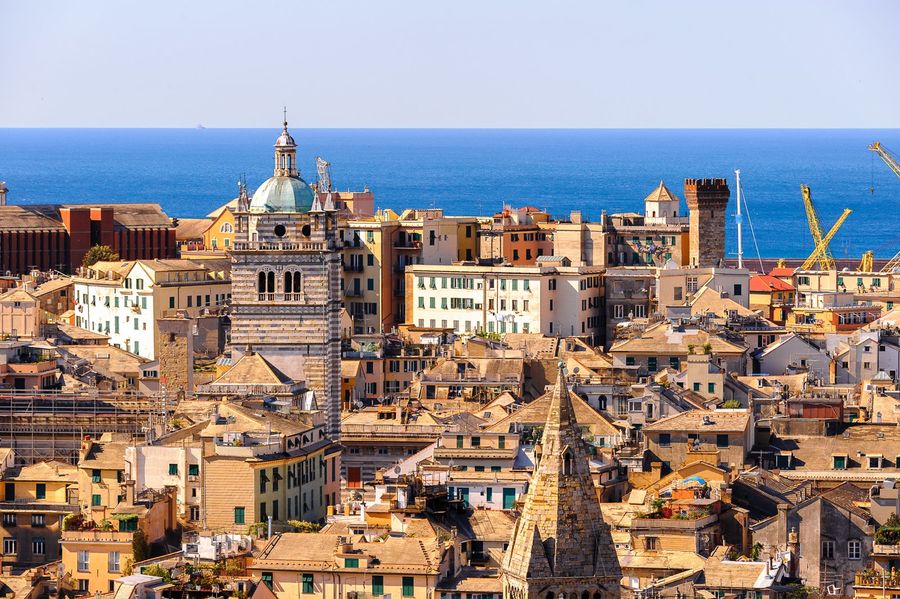
Genoa
Tucked between the Ligurian Sea and the mountains, Genoa is a city that has played a pivotal role in shaping Italy’s history. Known as…
Explore GenoaA little context for your exploring.
These original VoyageOwl city stories are preserved from the archive. Historical claims and visitor details remain subject to editorial review. Check attraction opening hours, tickets and access before making plans.
A few good stories. A little room to wander.