
Cologne
Cologne (Köln), one of Germany’s oldest cities, is a vibrant metropolis that perfectly balances its rich historical heritage with a lively modern culture. Located on the…
What brings you
to Cologne?
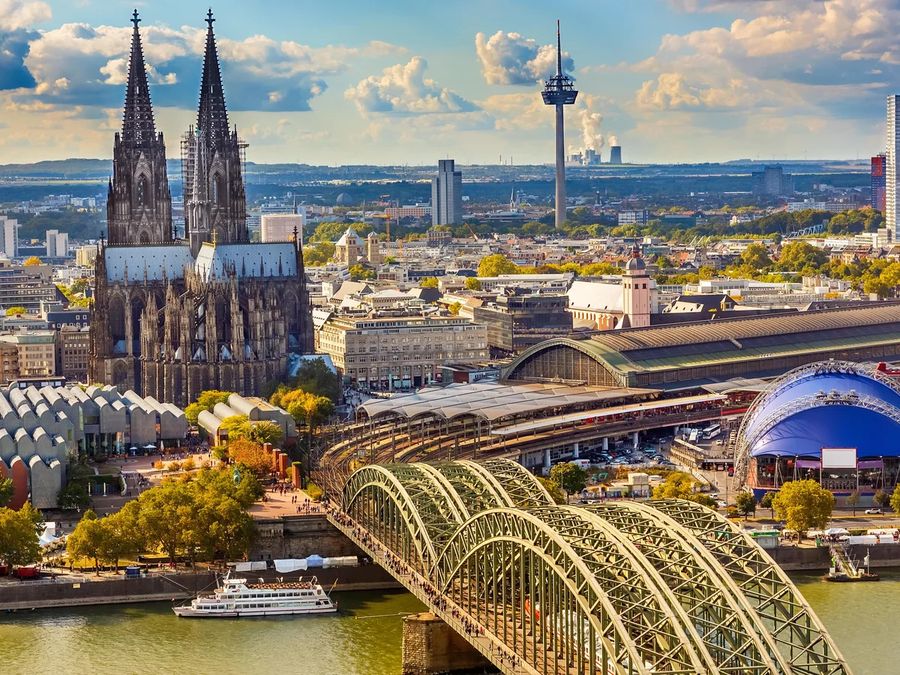
A few good places to begin.
Cologne Cathedral (Kölner Dom)
The Cologne Cathedral is one of the most iconic landmarks in Germany and a UNESCO World Heritage Site. With its towering twin spires, the cathedral is the…
Cologne · Read the storyRoman-Germanic Museum (Römisch-Germanisches Museum)
Cologne’s Roman heritage is celebrated at the Roman-Germanic Museum, home to one of the most impressive collections of Roman artifacts in Germany. Highlights…
Cologne · Read the storyThe Old Town (Altstadt) and Rhine Promenade
Cologne’s Old Town is a charming maze of narrow cobblestone streets, colorful houses, and historic buildings. The area is perfect for a leisurely stroll, with…
Cologne · Read the storyCarnival (Kölner Karneval)
Cologne is famous for its vibrant and colorful Carnival, often referred to as the “fifth season” by locals. Celebrated in the weeks leading up to Lent,…
Cologne · Read the storyListen to Cologne
Take a listening break with the city’s audio story and full transcript.
Audio & transcriptThe story of Cologne
Get to know the city through its history, culture and local traditions.
Read at your own paceA few ways into Cologne.
Leave room to discover more.
Cologne Cathedral (Kölner Dom)
The Cologne Cathedral is one of the most iconic landmarks in Germany and a UNESCO World Heritage Site. With its towering twin spires, the cathedral is the largest Gothic church in Northern Europe and took over 600 years to complete. Visitors can admire the intricate…
Discover the storyRoman-Germanic Museum (Römisch-Germanisches Museum)
Cologne’s Roman heritage is celebrated at the Roman-Germanic Museum, home to one of the most impressive collections of Roman artifacts in Germany. Highlights include the Dionysus Mosaic, a…
Look a little closer 03A story worth stopping forThe Old Town (Altstadt) and Rhine Promenade
Cologne’s Old Town is a charming maze of narrow cobblestone streets, colorful houses, and historic buildings. The area is perfect for a leisurely stroll, with plenty of cafes, restaurants,…
Look a little closer 04A story worth stopping forCarnival (Kölner Karneval)
Cologne is famous for its vibrant and colorful Carnival, often referred to as the “fifth season” by locals. Celebrated in the weeks leading up to Lent, Cologne’s Carnival is one of the…
Look a little closer 05A story worth stopping forThe Hohenzollern Bridge and Love Locks
The Hohenzollern Bridge is one of the most famous bridges in Germany, connecting the two sides of Cologne across the Rhine. Known for its thousands of “love locks” attached by couples, the…
Look a little closerThe story of Cologne.
Set the sceneA little background.
A little background.
Cologne (Köln), one of Germany’s oldest cities, is a vibrant metropolis that perfectly balances its rich historical heritage with a lively modern culture. Located on the banks of the Rhine River, Cologne is known for its stunning Gothic cathedral, Roman roots, and a dynamic arts scene. The city is both a hub of commerce and a center of cultural and intellectual life, making it an exciting destination for travelers. Whether you’re captivated by its historical significance, drawn to its world-famous festivals, or exploring its bustling neighborhoods, Cologne promises a unique and unforgettable experience.
Founded by the Romans in 38 BC as Colonia Claudia Ara Agrippinensium, Cologne has been an important city for over 2,000 years. The Roman influence is still visible today, with remnants of Roman walls, gates, and ruins scattered throughout the city. During the Middle Ages, Cologne became one of the most important trade centers in Europe, largely due to its strategic location on the Rhine River and its membership in the Hanseatic League.
The city’s crown jewel, the Cologne Cathedral (Kölner Dom), has been a beacon of faith and architectural grandeur since construction began in the 13th century. Despite suffering extensive damage during World War II, Cologne has rebuilt itself into a modern city while preserving its deep historical roots. Today, it’s a cultural capital, known for its universities, art galleries, and a vibrant music scene.
Top 5 Unique Characteristics of Cologne
Look a little closerCologne Cathedral (Kölner Dom)
Cologne Cathedral (Kölner Dom)
The Cologne Cathedral is one of the most iconic landmarks in Germany and a UNESCO World Heritage Site. With its towering twin spires, the cathedral is the largest Gothic church in Northern Europe and took over 600 years to complete. Visitors can admire the intricate details of its façade, explore its vast interior, and climb the 533 steps to the top for panoramic views of the city and the Rhine River. The cathedral also houses the Shrine of the Three Kings, said to hold the relics of the Magi, making it a significant pilgrimage site.
Look a little closerRoman-Germanic Museum (Römisch-Germanisches Museum)
Roman-Germanic Museum (Römisch-Germanisches Museum)
Cologne’s Roman heritage is celebrated at the Roman-Germanic Museum, home to one of the most impressive collections of Roman artifacts in Germany. Highlights include the Dionysus Mosaic, a beautifully preserved floor mosaic from a Roman villa, and the Cologne Roman Boat, discovered during excavations near the Rhine. The museum provides a fascinating glimpse into life in ancient Colonia, showcasing everything from jewelry and pottery to statues and tools.
Look a little closerThe Old Town (Altstadt) and Rhine Promenade
The Old Town (Altstadt) and Rhine Promenade
Cologne’s Old Town is a charming maze of narrow cobblestone streets, colorful houses, and historic buildings. The area is perfect for a leisurely stroll, with plenty of cafes, restaurants, and traditional Kölsch beer halls where visitors can try the city’s famous beer. The Rhine Promenade is also a highlight, offering scenic views of the river, the Hohenzollern Bridge, and the cathedral. It’s a popular spot for both locals and tourists to relax and enjoy the lively atmosphere.
Look a little closerCarnival (Kölner Karneval)
Carnival (Kölner Karneval)
Cologne is famous for its vibrant and colorful Carnival, often referred to as the “fifth season” by locals. Celebrated in the weeks leading up to Lent, Cologne’s Carnival is one of the largest in Europe and attracts millions of visitors. The streets come alive with parades, music, costumes, and parties, with the highlight being Rosenmontag (Rose Monday), when the main parade takes place. Carnival is a time of joyful celebration, and for those lucky enough to visit during this time, it’s an unforgettable experience.
Look a little closerThe Hohenzollern Bridge and Love Locks
The Hohenzollern Bridge and Love Locks
The Hohenzollern Bridge is one of the most famous bridges in Germany, connecting the two sides of Cologne across the Rhine. Known for its thousands of “love locks” attached by couples, the bridge has become a symbol of love and commitment. Visitors can walk across the bridge, admire the locks, and enjoy stunning views of the Cologne skyline, including the cathedral. The tradition of attaching a lock and throwing the key into the Rhine has become one of the city’s most popular romantic rituals.
Behind the postcardCologne Today: A Modern City with Timeless Appeal
Cologne Today: A Modern City with Timeless Appeal
Today, Cologne is a bustling modern city that attracts visitors for its historical landmarks, cultural events, and cosmopolitan energy. The city’s art scene is thriving, with renowned institutions like the Museum Ludwig, which houses one of the largest collections of modern art in Europe, including works by Picasso and Warhol. Cologne is also known for its lively music and nightlife scenes, with a wide range of venues offering everything from classical concerts to underground techno.
Cologne’s culinary scene is equally diverse, offering traditional Rhineland dishes such as Himmel un Ääd (heaven and earth, made with mashed potatoes and apples) and Rheinischer Sauerbraten (marinated pot roast). A visit to one of the city’s many Kölsch breweries is a must, as this light, crisp beer is synonymous with Cologne and is always served in small, cylindrical glasses.
Behind the postcardFun Facts About Cologne
Fun Facts About Cologne
The Cologne Cathedral was the tallest building in the world when its spires were completed in 1880, standing at 157 meters.Cologne has its own dialect, Kölsch, which is also the name of the city’s famous beer. It’s the only language you can drink!The Hohenzollern Bridge carries over 1,200 trains across the Rhine each day, making it one of the busiest railway bridges in Germany.4711 Eau de Cologne, one of the world’s most famous fragrances, originated in Cologne in the 18th century, and the city remains a center of perfume production.The city is home to over 30 museums and hundreds of galleries, showcasing Cologne’s love for art and culture.
With its deep historical roots, thriving cultural scene, and vibrant festivals, Cologne offers visitors a truly unique and diverse experience. Whether you’re exploring ancient Roman ruins, climbing the steps of the magnificent cathedral, or sipping a glass of Kölsch along the Rhine, Cologne is a city that will leave a lasting impression.
The city,
in your headphones.
Take a seat, or take a walk. Discover Cologne one story at a time.
The stories of Cologne
Read the complete audio transcript
Welcome to Voyage Owl’s walking tour of Cologne, or Köln as it’s known in Germany, one of the most historically rich and culturally vibrant cities in Europe. Nestled along the banks of the Rhine River, Cologne has seen it all—from Roman beginnings, through medieval splendor, to the devastation of war and its remarkable post-war reconstruction. As you walk through its streets, you’ll be stepping through centuries of history. But Cologne isn’t just about the past; it’s a lively, modern city brimming with energy, creativity, and warmth. Ready to dive in? Let’s start our journey!
---
### Stop 1: Cologne Cathedral (Kölner Dom) – A Gothic Giant in the Heart of Cologne
Our first stop, Cologne Cathedral, is more than just a church—it’s a towering symbol of faith, endurance, and human ambition. Construction of this Gothic marvel started in 1248, under the direction of Archbishop Konrad von Hochstaden, who had a grand vision to build a monumental structure to house the relics of the Three Wise Men, which were brought to Cologne in the 12th century from Milan. These relics elevated the cathedral’s status, making it a pilgrimage site for Christians from all over Europe. The cathedral was a project of unparalleled scale, one that took over 600 years to complete.
Now, when you stand before it, it’s hard not to be awestruck by the sheer size of the building. The cathedral’s twin spires, at 157 meters (515 feet), were the tallest structures in the world when the cathedral was completed in 1880. This makes Cologne Cathedral not just a symbol of religious devotion but also of the German Romantic movement, which played a key role in reviving the project after centuries of delay. After all, from 1473 to the 1800s, the construction was left unfinished, with only the east end complete, leaving it as a half-built symbol of lost ambition.
The architectural details are overwhelming in their beauty and complexity. If you look closely at the exterior, you’ll notice stone carvings of saints, gargoyles, and biblical scenes, each adding to the cathedral’s story. Inside, the vast nave stretches over 144 meters, and the ribbed vaults soar high above your head. Each stained-glass window tells a story, from medieval depictions of saints to the modern, abstract windows designed by Gerhard Richter. Richter’s window, made up of thousands of small colored squares, might surprise you. Installed in 2007, it contrasts sharply with the medieval grandeur but adds a new layer to the cathedral's continuing legacy.
One of the most sacred treasures of Cologne Cathedral is the Shrine of the Three Kings, a massive golden reliquary said to hold the bones of the Magi. This stunning work of art, created between 1190 and 1220, is one of the largest and most elaborate reliquaries in Europe. The shrine itself is decorated with intricate biblical scenes and thousands of gemstones, representing both religious devotion and the immense wealth that the cathedral attracted.
Cologne Cathedral’s history is not without its dramatic moments. During World War II, the cathedral was hit by 14 bombs during Allied air raids, but miraculously, the building did not collapse. Surrounded by ruins, the cathedral stood tall as a symbol of hope and resilience for the people of Cologne, and after the war, it became a symbol of the city's recovery and reconstruction.
If you’re feeling adventurous, you can climb the 533 steps to the top of the cathedral’s south tower. Once you reach the top, you’ll be rewarded with stunning panoramic views of the city and the Rhine River. It’s a reminder of the strategic importance of Cologne, which has always been a crossroads of culture and commerce, thanks to its location along this vital river.
As you leave the cathedral, take a moment to appreciate its legacy. Cologne Cathedral isn’t just a tourist attraction—it’s a living piece of history, a testament to human perseverance, and a beacon of faith that continues to draw people from all over the world.
---
### Stop 2: The Rhine River Promenade – A Lifeline of Commerce and Culture
From the heights of the cathedral, we head down to the banks of the Rhine River, which has shaped Cologne’s destiny for over two millennia. The Rhine Promenade is the perfect place to walk and absorb the city’s history while enjoying a picturesque view of the river. The Rhine is one of Europe’s most important waterways, and for Cologne, it has been a lifeline since Roman times. The city was founded by the Romans in 50 AD as Colonia Claudia Ara Agrippinensium, and its location along the river made it an essential trading hub.
As you stroll along the river, imagine the centuries of boats, barges, and trading ships that have passed through here, carrying goods from all over Europe. In the Middle Ages, Cologne became a key member of the Hanseatic League, a powerful confederation of merchant guilds and towns that dominated trade across northern Europe. The wealth generated by this trade is part of what allowed Cologne to grow into one of the most prosperous cities in the Holy Roman Empire.
Today, the Rhine Promenade is a lively place where you can see the modern life of Cologne in full swing. Locals and tourists alike come here to relax, enjoy the views, and take boat trips down the river. You’ll see river cruises offering scenic tours, and you might even spot a barge carrying goods along the Rhine, a reminder that this ancient river is still very much a working waterway.
Look across the river, and you’ll see Hohenzollern Bridge, one of Cologne’s most famous landmarks. The bridge, originally completed in 1911, is more than just a piece of infrastructure—it’s also a symbol of love. In recent years, the bridge has become a site for couples to leave love locks, inscribed with their initials and often decorated with ribbons or stickers. The tradition is to lock the padlock to the bridge and throw the key into the river as a symbol of unbreakable love. If you’re visiting with a partner, why not add your own lock to the thousands that already adorn the bridge?
While walking along the Rhine, you’ll also pass Rheinpark, a large riverside park that’s perfect for a peaceful escape. During the Karneval season, however, peaceful might not be the best word to describe it! Cologne’s famous Karneval, known as the “fifth season,” is one of the biggest and rowdiest street festivals in Germany. The celebrations, which culminate in a massive parade, often spill down to the Rhine Promenade, where locals and visitors alike don wild costumes, dance in the streets, and celebrate life in the most colorful way possible.
Walking along the Rhine today, you’re part of a tradition that stretches back thousands of years. The river has seen Roman legions, medieval merchants, and modern tourists, and it continues to be the lifeblood of Cologne.
---
### Stop 3: The Old Town (Altstadt) – Where History Comes Alive
We now venture into Cologne’s Old Town, or Altstadt, where centuries of history converge into a charming labyrinth of cobblestone streets, historic houses, and bustling squares. Cologne’s Old Town is one of the most atmospheric places in the city, and it’s here that you can truly feel the weight of its long and eventful history.
The Old Town is home to some of Cologne’s most beautiful medieval architecture, but what’s even more remarkable is that much of it was rebuilt after the devastation of World War II. Cologne was heavily bombed during the war, with much of the city reduced to rubble. After the war, the people of Cologne undertook the massive task of reconstructing their historic city. As you walk through streets like Alter Markt and Heumarkt, you’re seeing not only ancient architecture but also a testament to Cologne’s resilience and dedication to preserving its cultural heritage.
One of the best places to stop for a rest in the Old Town is Alter Markt (Old Market Square). This square has been the center of Cologne’s public life since the Middle Ages, and it remains one of the liveliest places in the city. Surrounded by colorful gabled houses, Alter Markt is home to bustling cafés and beer gardens, where you can sit down and enjoy a glass of kölsch. Kölsch is Cologne’s iconic beer, brewed according to strict local traditions. It’s light, slightly fruity, and always served in small cylindrical glasses known as Stangen. Traditionally, kölsch is served by a Köbes, a waiter who will keep bringing you fresh glasses until you place a coaster on top of your glass to signal that you’ve had enough!
A short walk from Alter Markt brings us to Gross St. Martin, one of Cologne’s 12 great Romanesque churches. This imposing church, with its striking towers, dominates the Old Town skyline and is one of the most important landmarks in Cologne. Built on the site of an old Roman warehouse in the 12th century, Gross St. Martin is a powerful reminder of Cologne’s Roman roots. The church was heavily damaged during the war, but like much of the Old Town, it was meticulously reconstructed. Today, Gross St. Martin stands as a symbol of Cologne’s enduring spirit.
If you’re interested in exploring Cologne’s Roman past, there’s a secret hidden beneath Gross St. Martin. During restoration work in the 1960s, archaeologists uncovered the remains of Roman foundations and mosaics beneath the church. These ancient remnants give us a glimpse into the Roman city that once stood here, reminding us that Cologne’s history stretches back more than 2,000 years.
---
### Stop 4: The Roman-Germanic Museum (Römisch-Germanisches Museum) – Ancient Cologne Unearthed
Our next stop is the Roman-Germanic Museum, where Cologne’s ancient history comes to life. The museum sits right next to the cathedral and houses a remarkable collection of artifacts from Colonia Agrippina, the Roman city that gave rise to modern Cologne. As you step inside, you’re immediately transported back to the days when Roman legions marched through these streets and wealthy Roman merchants lived in luxurious villas along the Rhine.
One of the most breathtaking pieces in the museum is the Dionysus Mosaic, an enormous floor mosaic that was once part of a Roman villa. This mosaic, which dates back to the 3rd century AD, depicts scenes from the life of Dionysus, the Roman god of wine. As you stand above it, you can almost imagine the Roman elites who once dined and danced on this very mosaic, their lives filled with luxury and indulgence. The colors and details of the mosaic are incredibly well-preserved, making it one of the finest examples of Roman art in Germany.
But the museum isn’t just about mosaics—it also offers a fascinating glimpse into daily life in Roman Cologne. The collection includes everything from Roman glassware and jewelry to pottery, tools, and even children’s toys. These everyday objects provide a vivid picture of what life was like for the people of Colonia Agrippina. Walking through the museum, you get a sense of the bustling, multicultural city that Cologne was in Roman times—a place where traders from across the empire came to do business, and where Roman culture mixed with local Germanic traditions.
One of the highlights of the museum is its extensive collection of Roman glassware. The Romans were master glassmakers, and Cologne was an important center for glass production in the empire. The museum’s collection includes delicate, intricately designed glass vessels that were used for everything from storing perfume to holding wine. These shimmering pieces of ancient glass are incredibly well-preserved, and they offer a glimpse into the luxury and sophistication of Roman Cologne.
---
### Stop 5: Cologne City Hall (Kölner Rathaus) – Where History and Power Intersect
Our next stop is Cologne City Hall, or Kölner Rathaus, the oldest city hall in Germany. The site has been the seat of government in Cologne since Roman times, and the current building dates back to the 14th century. As you approach the City Hall, you’ll notice the mix of architectural styles, from the Gothic tower to the Renaissance loggia and the Baroque portico. Each of these elements reflects a different chapter in Cologne’s history, as the building evolved over the centuries.
One of the most striking features of Cologne City Hall is its tower, which was added in the 15th century and stands as a symbol of the city’s independence and power. At the time, Cologne was a free imperial city, meaning it was governed by its own citizens rather than by a king or prince. The statues that adorn the tower represent important figures from Cologne’s history, including emperors, kings, and local heroes like Jan von Werth, a 17th-century general who is remembered as a symbol of Cologne’s civic pride.
As you step inside the City Hall, you’ll enter the Hansasaal, the medieval banquet hall where Cologne’s leaders once gathered to discuss matters of trade, politics, and diplomacy. The hall is named after the Hanseatic League, a powerful confederation of merchant guilds and market towns that dominated trade in Northern Europe during the Middle Ages. Cologne was a key member of the Hanseatic League, and the Hansasaal was the place where important decisions were made that shaped the future of the city.
One of the most charming details of Cologne City Hall is the Platzjabbeck, a grotesque figure carved into the building’s façade. This figure has a long tongue that sticks out in a playful, mocking gesture. The Platzjabbeck was a way for the people of Cologne to poke fun at authority figures, and it reflects the city’s long tradition of irreverence and humor.
---
### Stop 6: 4711 House – The Fragrance That Made Cologne Famous
Our next stop takes us to the 4711 House, the birthplace of the world-famous Eau de Cologne. You’ve probably heard the term “Eau de Cologne” before, but did you know that this refreshing fragrance was invented right here in Cologne in 1792? The story goes that a Carthusian monk gave the secret recipe for a citrus-based fragrance to a local merchant named Wilhelm Mülhens as a wedding gift. Mülhens began producing the fragrance in his house at Glockengasse 4711, and the rest is history.
The fragrance, known for its light and refreshing scent, was initially marketed as a health tonic, believed to have all sorts of miraculous properties. People used it to treat headaches, stomachaches, and even plague symptoms. It wasn’t until later that Eau de Cologne became famous primarily as a perfume.
Today, you can visit the 4711 store and museum at the original location where the fragrance was created. The store is filled with beautiful displays of vintage perfume bottles, advertisements, and even the original distillation equipment used to make Eau de Cologne. You can also sample the fragrance yourself—it still has that same light, citrusy scent that made it so popular over 200 years ago.
As you explore the 4711 House, you’ll learn about how Eau de Cologne became an international sensation, with famous figures like Napoleon and Queen Victoria counted among its fans. Eau de Cologne is now a symbol of Cologne itself, and it remains one of the city’s most beloved exports.
---
### Stop 7: Kolumba – Art, History, and Renewal
Our next stop brings us to Kolumba, a truly unique museum that blends art, archaeology, and architecture in one stunning space. Kolumba was built on the ruins of a medieval church that was destroyed during World War II, and the museum’s design by Swiss architect Peter Zumthor incorporates these ruins into its modern structure. The result is a museum that honors the past while celebrating the present and future of art.
Kolumba’s collection spans centuries, from ancient Roman artifacts to contemporary art, and it’s this mix of old and new that makes the museum so special. As you walk through the museum, you’ll see medieval sculptures, religious icons, and modern paintings, all displayed in a way that encourages reflection and contemplation.
One of the most striking features of Kolumba is the way light interacts with the space. Zumthor designed the museum to allow natural light to filter in through delicate windows, casting soft shadows on the ancient ruins below. It’s a quiet, meditative space that invites you to slow down and appreciate the beauty of both the art and the architecture.
Kolumba is not just a museum—it’s a place of renewal. After the destruction of World War II, Cologne had to rebuild itself, and Kolumba stands as a symbol of that renewal. It’s a place where the past and the present meet, and where creativity continues to flourish.
### Stop 8: Cologne’s Jewish Quarter – A Hidden Chapter of History
A bit further from city center, but definitely a stop that’s not to be missed, is the city’s Jewish Quarter, an often-overlooked but deeply important part of Cologne’s history. Cologne’s Jewish community is one of the oldest in Europe, with roots that stretch back to Roman times. The Jewish Quarter was once a thriving center of Jewish life and culture, but it was tragically destroyed during the pogroms of the 14th century, when the Jewish population was blamed for the outbreak of the Black Death.
Today, the remains of the medieval Jewish Quarter are being carefully preserved and studied. One of the key sites is the Old Synagogue, which was rediscovered during excavation work in the late 20th century. Although the synagogue was destroyed in the 1349 pogrom, its foundations remain, and you can visit the site to get a sense of the vibrant Jewish community that once flourished here.
Nearby, you’ll find the remains of the mikveh, or Jewish ritual bath, which dates back to the 12th century. The mikveh was used for purification rituals and is one of the best-preserved medieval mikvahs in Europe. Descending the stairs to see the mikveh is a moving experience, as it connects you directly to the daily life of Cologne’s medieval Jewish community.
Cologne’s Jewish history is a reminder of both the city’s long-standing multiculturalism and the tragedies that have occurred over the centuries. Today, there are efforts underway to create a more prominent Jewish Museum in Cologne, one that will honor the city’s Jewish heritage and ensure that this important chapter of history is never forgotten.
---
### Conclusion
Cologne is a city where history is alive in every street, every building, and every stone. From the majestic Cologne Cathedral to the quiet ruins of the Jewish Quarter, from the ancient treasures of the Roman-Germanic Museum to the contemporary beauty of Kolumba, this city is a testament to human resilience, creativity, and culture.
As you walk through Cologne, you’re not just exploring a city—you’re stepping into a story that stretches back over 2,000 years. Whether you’re admiring the view from the Rhine Promenade, enjoying a glass of kölsch in the Old Town, or discovering the secrets of Eau de Cologne, Cologne invites you to be part of its rich and ever-evolving history.
To listen to more amazing audio tours of cities around the world check out our other guides at voyageowl.com
Another place, another story.
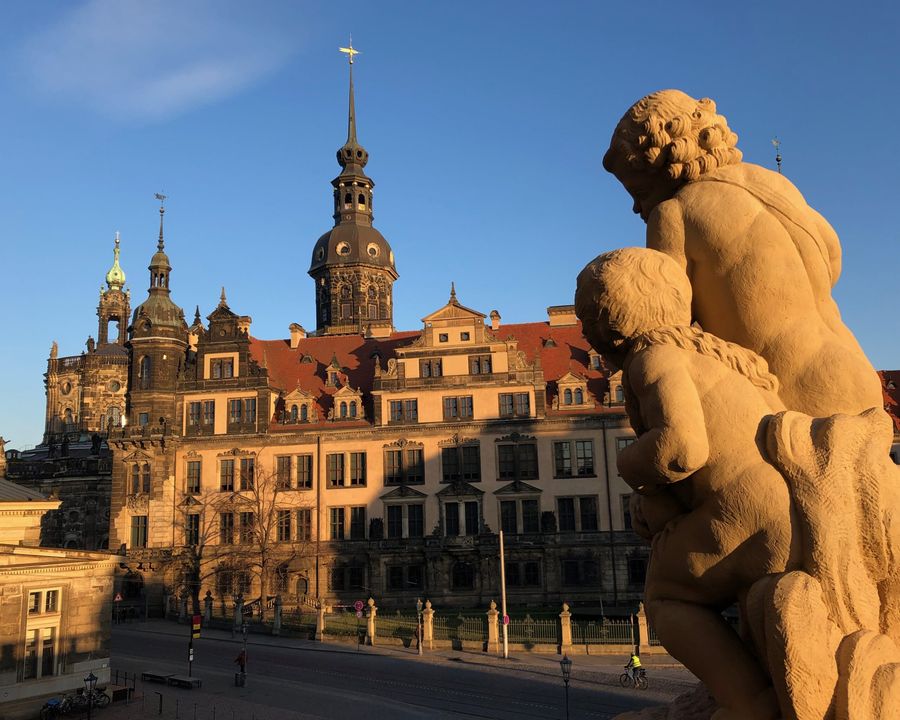
Dresden
Dresden, the capital of Saxony in eastern Germany, is a city renowned for its rich history, stunning architecture, and cultural…
Explore Dresden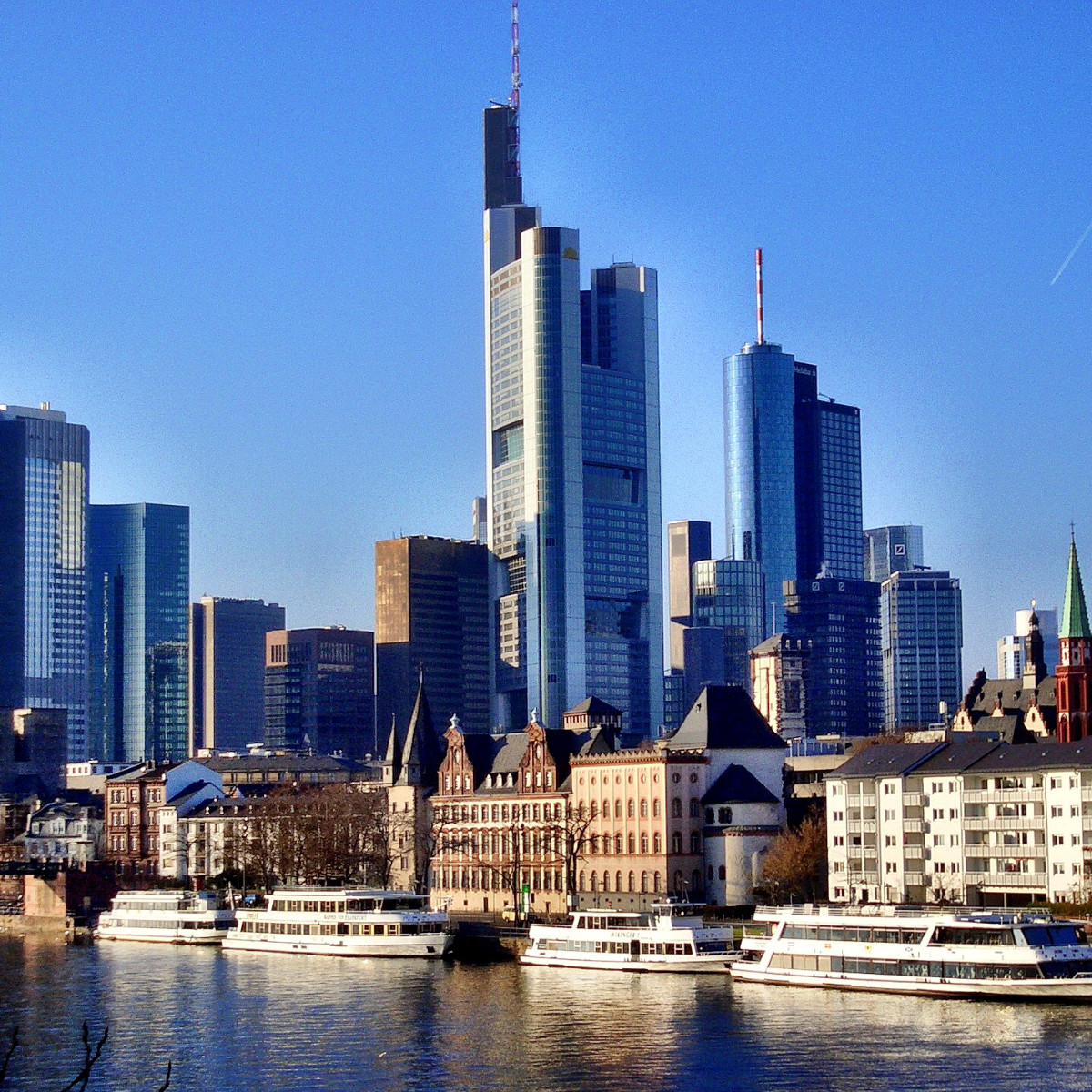
Frankfurt
Frankfurt am Main, often known simply as Frankfurt, is a vibrant and dynamic city that blends rich historical heritage with…
Explore FrankfurtA little context for your exploring.
These original VoyageOwl city stories are preserved from the archive. Historical claims and visitor details remain subject to editorial review. Check attraction opening hours, tickets and access before making plans.
A few good stories. A little room to wander.