
Eisenstadt
Eisenstadt, the charming capital of Burgenland in eastern Austria, is a city rich in history, culture, and music. Known as the home of the great composer Joseph Haydn,…
What brings you
to Eisenstadt?
A few good places to begin.
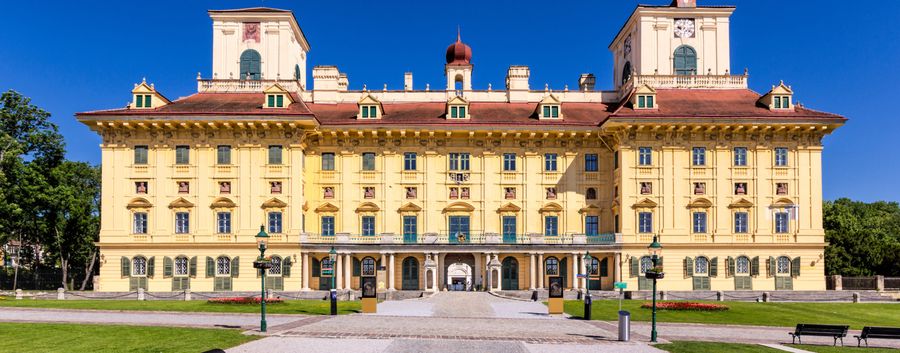
Esterházy Palace (Schloss Esterházy)
The Esterházy Palace is the crown jewel of Eisenstadt, a magnificent baroque residence that served as the main seat of the Esterházy family. Originally built…
Eisenstadt · Read the storyBergkirche and Haydn Mausoleum
The Bergkirche (Mountain Church), built by Prince Paul Esterházy, is a striking baroque church perched on a hill overlooking Eisenstadt. The church is home to…
Eisenstadt · Read the storyHaydn House (Haydn-Haus Eisenstadt)
For a more intimate look at Haydn’s life, a visit to the Haydn House is essential. This modest house, where Haydn lived from 1766 to 1778, has been transformed…
Eisenstadt · Read the storyThe Wine Culture of Eisenstadt
Eisenstadt is located in the heart of Burgenland’s wine country, and the region is renowned for its high-quality red and white wines. The city is surrounded by…
Eisenstadt · Read the storyListen to Eisenstadt
Take a listening break with the city’s audio story and full transcript.
Audio & transcriptThe story of Eisenstadt
Get to know the city through its history, culture and local traditions.
Read at your own paceA few ways into Eisenstadt.
Leave room to discover more.
Esterházy Palace (Schloss Esterházy)
The Esterházy Palace is the crown jewel of Eisenstadt, a magnificent baroque residence that served as the main seat of the Esterházy family. Originally built in the 13th century as a fortress, the palace was transformed into a stunning baroque palace in the 17th…
Discover the storyBergkirche and Haydn Mausoleum
The Bergkirche (Mountain Church), built by Prince Paul Esterházy, is a striking baroque church perched on a hill overlooking Eisenstadt. The church is home to the Haydn Mausoleum, where the…
Look a little closer 03A story worth stopping forHaydn House (Haydn-Haus Eisenstadt)
For a more intimate look at Haydn’s life, a visit to the Haydn House is essential. This modest house, where Haydn lived from 1766 to 1778, has been transformed into a museum dedicated to…
Look a little closer 04A story worth stopping forThe Wine Culture of Eisenstadt
Eisenstadt is located in the heart of Burgenland’s wine country, and the region is renowned for its high-quality red and white wines. The city is surrounded by vineyards, and visitors can…
Look a little closer 05A story worth stopping forThe Dom St. Martin (St. Martin's Cathedral)
Eisenstadt’s St. Martin’s Cathedral is a stunning example of Gothic and baroque architecture, with a history dating back to the 13th century. Originally built as a small Gothic church, it…
Look a little closerThe story of Eisenstadt.
Set the sceneA little background.
A little background.
Eisenstadt, the charming capital of Burgenland in eastern Austria, is a city rich in history, culture, and music. Known as the home of the great composer Joseph Haydn, Eisenstadt is a city where the past comes alive through grand palaces, historic churches, and a vibrant cultural scene. Tucked away near the border with Hungary, Eisenstadt offers visitors an intimate yet captivating look at Austria’s imperial and musical heritage. Whether you're a history buff, a music lover, or simply someone looking for a picturesque destination, Eisenstadt promises a delightful journey through time.
Eisenstadt's roots can be traced back to Roman times, but it flourished during the Middle Ages as a strategic town along trade routes. The city’s fortunes changed dramatically in the 17th century, when it became the seat of the powerful Esterházy family, one of the most influential noble families in Austria. Under their rule, Eisenstadt developed into a cultural hub, attracting artists, musicians, and scholars from across Europe.
Eisenstadt’s most famous resident is undoubtedly Joseph Haydn, the father of the symphony and one of the most celebrated composers of the Classical period. Haydn served as the Kapellmeister (court musician) for the Esterházy family, and his influence is still felt throughout the city today. Eisenstadt’s deep connection to music and its status as the cultural capital of Burgenland make it a must-visit for those interested in Austria’s artistic legacy.
Top 5 Unique Characteristics of Eisenstadt
Look a little closerEsterházy Palace (Schloss Esterházy)
Esterházy Palace (Schloss Esterházy)
The Esterházy Palace is the crown jewel of Eisenstadt, a magnificent baroque residence that served as the main seat of the Esterházy family. Originally built in the 13th century as a fortress, the palace was transformed into a stunning baroque palace in the 17th century. Visitors can explore the opulent rooms, including the famous Haydnsaal, a grand concert hall known for its exquisite acoustics and elaborate frescoes. Today, the palace hosts concerts, exhibitions, and cultural events, offering a glimpse into the grandeur of the Esterházy era.
Look a little closerBergkirche and Haydn Mausoleum
Bergkirche and Haydn Mausoleum
The Bergkirche (Mountain Church), built by Prince Paul Esterházy, is a striking baroque church perched on a hill overlooking Eisenstadt. The church is home to the Haydn Mausoleum, where the composer Joseph Haydn is buried. Visitors can pay their respects at Haydn’s tomb and admire the unique architecture of the church, which features a Calvary with a series of chapels depicting scenes from the Passion of Christ. The church also hosts concerts, making it a pilgrimage site for classical music enthusiasts.
Look a little closerHaydn House (Haydn-Haus Eisenstadt)
Haydn House (Haydn-Haus Eisenstadt)
For a more intimate look at Haydn’s life, a visit to the Haydn House is essential. This modest house, where Haydn lived from 1766 to 1778, has been transformed into a museum dedicated to the composer’s life and work. Visitors can explore the rooms where Haydn composed some of his most famous pieces, as well as view manuscripts, personal artifacts, and period instruments. The museum provides a fascinating insight into Haydn’s everyday life and his lasting impact on classical music.
Look a little closerThe Wine Culture of Eisenstadt
The Wine Culture of Eisenstadt
Eisenstadt is located in the heart of Burgenland’s wine country, and the region is renowned for its high-quality red and white wines. The city is surrounded by vineyards, and visitors can sample local wines at traditional Heurigen (wine taverns) or explore the Wine Museum housed in the Esterházy Palace’s wine cellars. Burgenland’s warm climate and unique soil make it an ideal region for wine production, and wine lovers will find plenty to savor in Eisenstadt’s many wineries and tasting rooms.
Look a little closerThe Dom St. Martin (St. Martin's Cathedral)
The Dom St. Martin (St. Martin's Cathedral)
Eisenstadt’s St. Martin’s Cathedral is a stunning example of Gothic and baroque architecture, with a history dating back to the 13th century. Originally built as a small Gothic church, it was later expanded and adorned with baroque elements in the 17th century. The cathedral’s impressive interior, with its vaulted ceilings and ornate altars, offers a serene atmosphere for reflection. St. Martin’s Cathedral is also a key venue for music events, including the annual Haydn Festival, which celebrates the works of the city’s famous composer.
Behind the postcardEisenstadt Today: A Cultural and Musical Hub
Eisenstadt Today: A Cultural and Musical Hub
Today, Eisenstadt is a thriving cultural center that celebrates its historical roots while embracing modernity. The city’s connection to Joseph Haydn is a central part of its identity, with concerts, festivals, and events dedicated to the composer taking place throughout the year. The Haydn Festival, held annually in September, is one of the city’s most popular events, attracting music lovers from around the world.
Eisenstadt’s compact size and pedestrian-friendly streets make it an ideal destination for exploring on foot. Visitors can wander through the city’s charming squares, enjoy local cuisine at its many cafes and restaurants, and soak in the relaxed atmosphere of Burgenland’s capital.
Behind the postcardFun Facts About Eisenstadt
Fun Facts About Eisenstadt
Joseph Haydn worked in Eisenstadt for over 40 years, composing some of his most famous symphonies and operas while in the city.Esterházy Palace is still owned by the Esterházy family, and parts of it are used for official events and private functions.Eisenstadt is surrounded by Neusiedler See, a UNESCO World Heritage-listed lake, famous for its birdlife and outdoor activities.The Haydnsaal in Esterházy Palace is regarded as one of the finest concert halls in Europe, with perfect acoustics that have remained unchanged for centuries.Eisenstadt is known for its wine culture, with the surrounding vineyards producing some of Austria’s best wines, including the celebrated Blaufränkisch variety.
With its deep musical roots, stunning architecture, and vibrant cultural scene, Eisenstadt offers a delightful and enriching experience for visitors. Whether you're attending a concert in the Haydnsaal, exploring the vineyards, or strolling through the city’s historic streets, Eisenstadt promises a memorable journey through Austria’s rich cultural heritage.
The city,
in your headphones.
Take a seat, or take a walk. Discover Eisenstadt one story at a time.
The stories of Eisenstadt
Read the complete audio transcript
Welcome to Voyage Owl’s walking tour of Eisenstadt, the capital of Burgenland, Austria's easternmost state. Though it may not be the first Austrian city that comes to mind for travelers, Eisenstadt is a hidden gem rich with history, culture, and music. Nestled near the Hungarian border, this charming town was once home to the powerful Esterházy family and played a central role in the life of one of the greatest composers of the Classical period, Joseph Haydn. As we stroll through its elegant streets, you’ll discover how this small city helped shape European music, culture, and even politics.
Eisenstadt’s story is one of transformation: from a medieval settlement to a Baroque jewel, from a small town to the seat of one of the wealthiest aristocratic families in Central Europe. Today, it offers a delightful blend of history, music, and picturesque scenery. So put on your walking shoes, grab a bottle of water, and let’s embark on a journey through Eisenstadt’s captivating past.
---
### Stop 1: Schloss Esterházy – The Jewel of Burgenland
We begin our tour with the crown jewel of Eisenstadt, Schloss Esterházy. As we stand in front of this magnificent Baroque palace, it’s easy to imagine the grandeur that once filled its halls. This was the main residence of the Esterházy family, one of the wealthiest and most influential noble families in the Habsburg Empire. The Esterházys were not only powerful landowners but also great patrons of the arts, and they played a key role in shaping the cultural life of Central Europe.
The palace we see today dates back to the 17th century, though the Esterházy family’s influence in the region stretches even further back. Originally a medieval fortress, it was transformed into a Baroque palace under Paul I, Prince Esterházy, in the late 1600s. The transformation was part of a broader trend among the European aristocracy at the time, where noble families sought to display their wealth and power through grand architectural projects.
As we enter the palace, you’ll immediately notice the lavish interior decorations. The Haydnsaal, one of the palace’s most famous rooms, is widely regarded as one of the most beautiful concert halls in the world. Named after Joseph Haydn, the composer who served as the Esterházy court’s Kapellmeister (music director) for over 30 years, the hall’s acoustics are considered nearly perfect. Take a moment to imagine Haydn himself conducting his latest symphonies here, surrounded by the aristocracy of the day.
The ceiling frescoes and elaborate stucco work in the Haydnsaal reflect the height of Baroque artistry. The space was used not only for concerts but also for balls, banquets, and important social gatherings. In many ways, this room was the cultural heart of the Esterházy court, a place where music, art, and power converged.
Eisenstadt owes much of its cultural prestige to Haydn, and Schloss Esterházy was his home for much of his career. His music was performed regularly in the palace’s halls, and he composed many of his most famous works here, including his symphonies and operas. Today, the Haydn Festival continues to honor his legacy, bringing world-class musicians to perform in the very room where the maestro once conducted.
After exploring the Haydnsaal, take a stroll through the palace gardens. Originally designed in the Baroque style, they were later transformed into a more naturalistic English garden. The lush greenery, serene fountains, and winding paths offer a peaceful retreat from the grandeur of the palace interior. These gardens were a favorite spot for the Esterházy family, and they remain a tranquil haven for visitors today.
Before we leave Schloss Esterházy, let’s stop by the Esterházy Museum, located within the palace. Here, you’ll find an extensive collection of artifacts related to the Esterházy family’s history, including portraits, documents, and even costumes worn by the family during their time in court. The museum also houses a section dedicated to Haydn, with manuscripts and original scores on display, giving you a deeper insight into the life and work of this great composer.
---
### Stop 2: Haydn Church and Mausoleum – A Composer’s Final Resting Place
Leaving Schloss Esterházy behind, we now make our way to the Bergkirche, or Haydn Church, located just a short walk from the palace. This church holds a special place in Eisenstadt’s history, not only because of its striking architecture but also because it is the final resting place of Joseph Haydn.
The Bergkirche was built in the late 18th century under the patronage of Prince Paul Anton Esterházy, who wanted to create a grand religious monument for the city. Its design is unique, blending Baroque and Rococo styles, with a dramatic façade that catches the eye as you approach. The church sits on a slight hill, giving it an elevated presence in the landscape, almost as if it’s watching over the town.
As we enter the church, take note of the ornate altar and the beautiful ceiling frescoes. But what draws most visitors here is the Haydn Mausoleum, located in a small chapel at the back of the church. Haydn, who passed away in 1809, was originally buried in Vienna, but his remains were moved to Eisenstadt in 1820 by the Esterházy family, who wanted to honor the composer in the city where he spent much of his life. However, Haydn’s remains were not transferred in their entirety—his skull was stolen by graverobbers shortly after his death, a bizarre twist in the composer’s story. The skull was not returned to Eisenstadt until the 1950s, when it was finally reunited with the rest of Haydn’s body in this mausoleum.
The mausoleum’s design is fitting for such a towering figure in classical music. The white marble tomb is adorned with an intricate carving of Haydn’s likeness, surrounded by angels and musical motifs. It’s a peaceful, solemn space where music lovers from around the world come to pay their respects.
Before we leave, take a few minutes to admire the Calvary Hill, located behind the church. This hill is home to a series of Stations of the Cross, a traditional pilgrimage site that leads visitors up a winding path to a small chapel at the top. The hill offers a beautiful view over Eisenstadt and the surrounding countryside, making it well worth the climb.
---
### Stop 3: The Old Town and Hauptstraße – Eisenstadt’s Historic Heart
Now, let’s head toward Hauptstraße, the main street that runs through Eisenstadt’s historic Old Town. This is where you’ll get a real sense of the town’s character, with its charming mix of Baroque and Renaissance buildings, quaint shops, and bustling cafés. As we stroll through the Old Town, you’ll notice how compact and walkable Eisenstadt is—a reflection of its history as a small yet important administrative center.
One of the things that makes Eisenstadt so special is how well-preserved its historic core is. Unlike some cities in Europe, which have been heavily modernized or rebuilt, Eisenstadt has retained much of its old-world charm. As we walk down Hauptstraße, take a moment to admire the pastel-colored townhouses with their decorative window shutters and wrought-iron signs. Many of these buildings date back to the 17th and 18th centuries, when the town flourished under the Esterházy family’s patronage.
One of the most striking buildings along this street is the Gloriette House, a former Esterházy residence that now houses shops and restaurants. Its elaborate façade, with intricate stucco work and decorative reliefs, hints at the opulence of the Esterházy court, even in the heart of the town.
As we continue down the street, you’ll pass by the Town Hall, which dates back to the 16th century. Originally a Gothic building, it was later remodeled in the Baroque style, giving it the elegant appearance we see today. The clock tower is a notable feature, and it’s been chiming the hours for centuries, a reminder of Eisenstadt’s long-standing role as the administrative capital of Burgenland.
The heart of the Old Town is the Domplatz, or Cathedral Square, where the St. Martin’s Cathedral stands proudly at its center. This Gothic cathedral, built in the 13th century, is the oldest church in Eisenstadt and has witnessed countless historical events. It’s a quiet, serene place, offering a moment of reflection in the midst of our busy tour.
The square itself is a lively gathering place, especially during the town’s various markets and festivals. If you happen to be visiting on a market day, take the time to browse the stalls, where you’ll find everything from fresh local produce to handmade crafts. It’s the perfect opportunity to sample some of Burgenland’s culinary specialties, such as pumpkin seed oil, sweet wines, and local cheeses.
---
### Stop 4: Joseph Haydn Museum – The Life of a Musical Genius
No visit to Eisenstadt would be complete without a deeper dive into the life of its most famous resident, Joseph Haydn. Just a short walk from Hauptstraße, we’ll find the Haydn House, now a museum dedicated to the composer. This is the actual house where Haydn lived during his time in Eisenstadt, and it offers a fascinating glimpse into the life of the man often called the "father of the symphony" and the "father of the string quartet."
As we step inside, it feels like we’re traveling back to the 18th century. The museum is set up to recreate the atmosphere of Haydn’s time, with period furniture, musical instruments, and personal artifacts on display. One of the most interesting rooms is Haydn’s study, where he composed many of his works. You can almost imagine him sitting at his desk, writing out the notes for one of his famous symphonies or quartets.
The museum also includes exhibits on Haydn’s personal life, his career at the Esterházy court, and his relationships with other composers, such as Mozart and Beethoven. Haydn was a mentor to Beethoven and a close friend of Mozart, and their influence on each other is well documented here. You’ll also learn about Haydn’s time in London, where he enjoyed great success and composed some of his most famous works, including the London Symphonies.
One of the highlights of the museum is the collection of original manuscripts and letters, which offer a unique insight into Haydn’s creative process and his thoughts on music and life. For music lovers, this is a rare opportunity to get up close to the works of one of the greatest composers in history.
Before we leave, take a moment to explore the small garden behind the house. This tranquil space was where Haydn would relax and find inspiration for his music. Today, it’s a peaceful retreat where visitors can sit and reflect on the life and legacy of the composer.
---
### Stop 5: Leopoldinentempel and Schlosspark – A Baroque Garden Retreat
After immersing ourselves in Haydn’s world, it’s time to take a leisurely stroll through Schlosspark, the vast parkland that surrounds Schloss Esterházy. The park is a beautiful example of an 18th-century Baroque garden, with manicured lawns, tree-lined avenues, and ornamental ponds. It’s the perfect place to unwind and enjoy the natural beauty of Eisenstadt.
One of the highlights of the park is the Leopoldinentempel, a small neoclassical temple built in honor of Princess Leopoldine Esterházy. This elegant structure, set on a small hill overlooking the park, offers stunning views of the surrounding countryside. The temple was designed as a place of quiet reflection, and it’s easy to see why the Esterházy family would come here to escape the formality of court life.
As we walk through the park, you’ll notice several statues and monuments, many of which were commissioned by the Esterházy family to celebrate their wealth and power. One of the most interesting is the Obelisk Fountain, a striking Baroque structure that was once part of a larger waterworks system. The fountain is a reminder of the elaborate gardens that once graced the estate, with their intricate designs and carefully planned vistas.
The park is also home to a number of rare plants and trees, some of which were brought to Eisenstadt from far-flung corners of the world by the Esterházy family. In the 18th and 19th centuries, it was fashionable for European aristocrats to collect exotic plants, and the Esterházys were no exception. As we walk through the park, keep an eye out for some of these unusual species, which add to the park’s sense of wonder and discovery.
Schlosspark is a favorite spot for locals, who come here to walk, jog, or simply relax in the shade of the ancient trees. It’s also a popular venue for outdoor concerts and events, especially during the summer months, when the park comes alive with music and activity.
---
### Stop 6: The Jewish Quarter and Jewish Museum – A Story of Resilience
As we leave the peaceful grounds of Schlosspark, we now make our way to a part of Eisenstadt with a deeper and more somber history—the Jewish Quarter. Though small, Eisenstadt was once home to a thriving Jewish community, which played an important role in the town’s cultural and economic life.
The Jewish Quarter, located on the outskirts of the Old Town, is a reminder of this once-vibrant community. The Jewish population of Eisenstadt flourished in the 17th and 18th centuries under the protection of the Esterházy family, who granted them the right to settle in the town. At its height, the community had its own synagogue, schools, and businesses, and it was an important center of Jewish learning in the region.
Today, the Jewish Museum offers a glimpse into the history of this community. Housed in a former Jewish house of study, the museum contains exhibits on the life of the Jewish population in Eisenstadt, from their arrival in the 1600s to their tragic fate during the Holocaust. The museum’s collection includes religious artifacts, historical documents, and personal stories that paint a vivid picture of Jewish life in Eisenstadt.
One of the most moving parts of the museum is the memorial to the victims of the Holocaust. Like so many Jewish communities across Europe, Eisenstadt’s Jewish population was decimated during World War II, with many being deported to concentration camps. The museum serves as a powerful reminder of the importance of remembering this history and honoring those who perished.
The museum also includes a small cemetery, where some of the town’s most prominent Jewish residents are buried. The gravestones, many of them centuries old, are inscribed with Hebrew script, offering a poignant reminder of the community that once thrived here.
As we leave the Jewish Quarter, reflect on the resilience of Eisenstadt’s Jewish community and the important role they played in the town’s history. Though their numbers have dwindled, their legacy lives on in the museum and the stories it preserves.
---
### Stop 7: The Gloriette – A Scenic Hilltop Escape
For our next stop, we’ll take a short hike up to the Gloriette, a scenic hilltop pavilion that offers one of the best views of Eisenstadt and the surrounding landscape. The Gloriette was built in the late 18th century as a retreat for the Esterházy family, a place where they could escape the formalities of court life and enjoy the beauty of nature.
The walk up to the Gloriette is a pleasant one, winding through wooded paths and offering glimpses of the town below. As we ascend, you’ll notice how the air becomes fresher, and the sounds of the town fade away, replaced by the rustling of leaves and the chirping of birds.
When we reach the top, we’re rewarded with a breathtaking view of Eisenstadt, the Leitha Mountains, and the surrounding Neusiedler See region. On a clear day, you can even see into neighboring Hungary, a reminder of Eisenstadt’s position near the border and its long history of cross-cultural exchange.
The Gloriette Pavilion itself is a charming neoclassical structure, with tall columns and an open-air design that makes it feel like a part of the landscape. It’s easy to imagine the Esterházy family coming here to relax and enjoy the view, perhaps after a long day of court duties.
Today, the Gloriette is a popular spot for both locals and visitors, who come here to hike, picnic, and take in the stunning scenery. It’s also a favorite location for weddings and other special events, thanks to its romantic setting and panoramic views.
Before we head back down, take a moment to breathe in the fresh air and enjoy the peacefulness of this spot. The Gloriette offers a perfect escape from the hustle and bustle of town, and it’s a fitting place to reflect on the beauty and history of Eisenstadt.
---
### Bonus Stop 8: The Wine Cellars of Burgenland – A Taste of Eisenstadt’s Vineyards
To conclude our tour of Eisenstadt, it’s time to indulge in one of the region’s greatest pleasures—its wine. Burgenland is known for its exceptional wines, and Eisenstadt is no exception. The town and its surrounding countryside are home to some of Austria’s finest vineyards, producing everything from crisp white wines to bold reds.
As we head to one of the local wine cellars, you’ll notice the rolling vineyards that stretch out across the landscape, a testament to the region’s rich winemaking tradition. Burgenland’s climate, with its warm summers and cool, breezy evenings, is ideal for growing grapes, and the local winemakers take great pride in their craft.
At the cellar, we’ll have the opportunity to sample some of the region’s most famous wines. One of the highlights is Blaufränkisch, a robust red wine that’s become synonymous with Burgenland. Its deep color and complex flavors make it the perfect wine for pairing with hearty Austrian dishes. We’ll also try Weißburgunder (Pinot Blanc), a crisp and refreshing white wine that’s perfect for sipping on a warm summer day.
As we enjoy our tasting, the winemaker will share stories about the region’s winemaking traditions and the importance of wine in Burgenland’s culture. Wine has been produced here for centuries, and it’s deeply woven into the fabric of daily life in Eisenstadt. Many local festivals and events revolve around the harvest, and the town’s wine taverns, or Heurigen, are popular gathering places for both locals and visitors.
To accompany the wine, we’ll sample some traditional Austrian snacks, such as Brettljause, a rustic platter of cold cuts, cheeses, pickles, and freshly baked bread. It’s the perfect way to experience the flavors of Burgenland and cap off our day in Eisenstadt.
---
### Conclusion
Our walking tour of Eisenstadt has taken us through centuries of history, from the grand halls of Schloss Esterházy to the quiet reflection of the Haydn Mausoleum and the Jewish Quarter. Along the way, we’ve explored the elegant streets of the Old Town, experienced the life and work of Joseph Haydn, admired the sweeping views from the Gloriette, and enjoyed a taste of Burgenland’s renowned wines.
What makes Eisenstadt truly special is how it seamlessly blends its rich past with its vibrant present. Whether it’s the echoes of Haydn’s music in the Haydnsaal, the tranquil beauty of Schlosspark, or the bustling life of the Old Town, Eisenstadt feels like a city that both honors its history and looks toward the future. It’s a place where culture, music, and tradition come together to create something timeless and unique.
As you continue to explore Eisenstadt at your own pace, take the time to appreciate the small details that make this city so charming. Listen for the chiming of the town clock, smell the fresh bread and pastries from the local bakeries, and don’t forget to stop in one of the cozy Heurigen to enjoy another glass of Blaufränkisch.
While Eisenstadt may be small compared to some of Austria’s larger cities, it offers a deeply rewarding experience for those who take the time to explore it. Whether you’re here for the music, the history, or simply the peaceful atmosphere, Eisenstadt leaves a lasting impression on all who visit.
Thank you for walking through the streets of Eisenstadt with me today. I hope you leave with a deeper appreciation for its history, its culture, and its enduring charm. As the birthplace of so much musical genius, a home to history’s grand aristocrats, and a keeper of quiet stories of resilience, Eisenstadt is truly a city that embodies the spirit of Burgenland.
Safe travels, and I hope you’ll carry the sounds of Haydn’s symphonies and the taste of Burgenland’s wines with you long after you leave this beautiful town.
To listen to more amazing audio tours of cities around the world check out our other guides at voyageowl.com
Another place, another story.
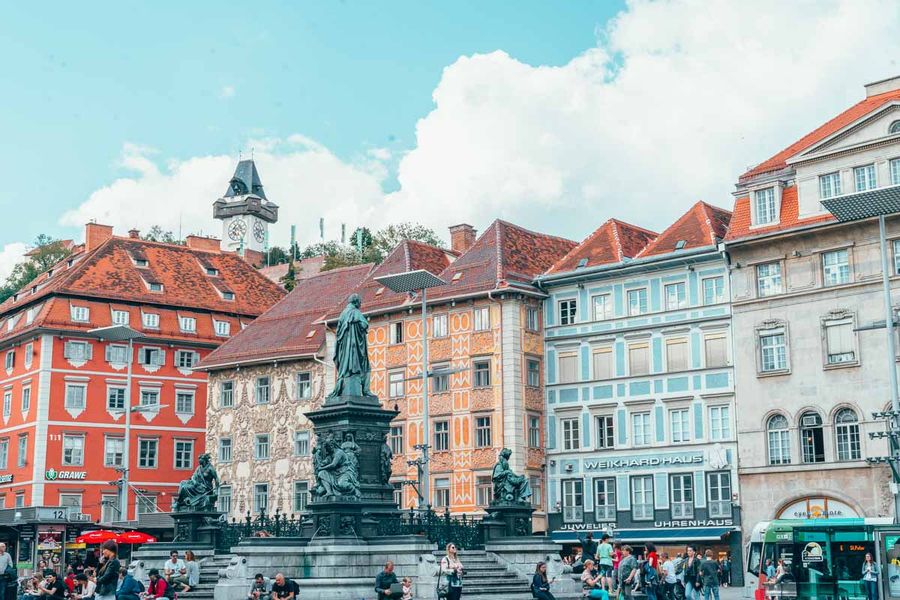
Graz
Nestled in the southeast of Austria, Graz is a city that effortlessly blends rich history, vibrant culture, and modern innovation. As…
Explore Graz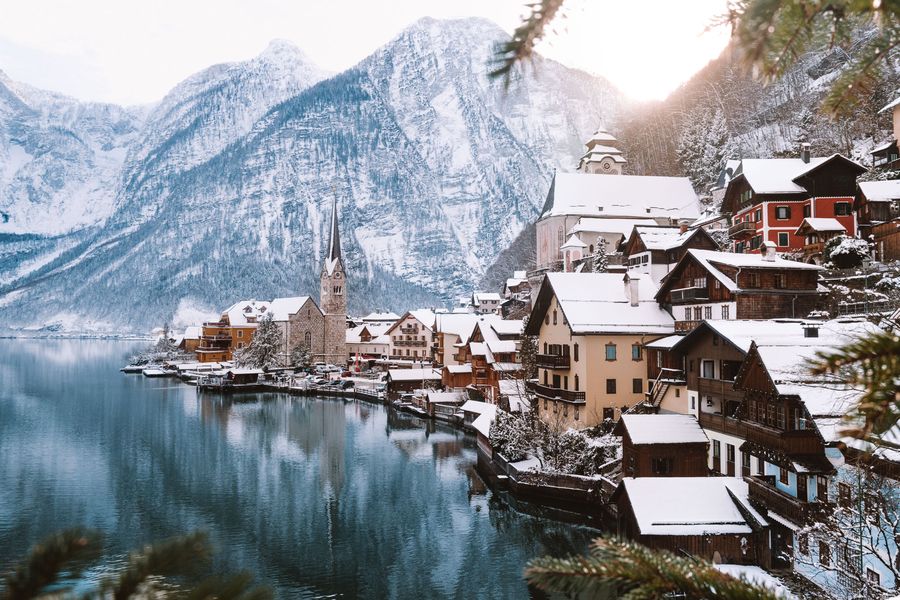
Hallstatt
Tucked between the serene waters of Lake Hallstatt and the towering Dachstein Alps, Hallstatt is one of Austria’s most picturesque and…
Explore HallstattA little context for your exploring.
These original VoyageOwl city stories are preserved from the archive. Historical claims and visitor details remain subject to editorial review. Check attraction opening hours, tickets and access before making plans.
A few good stories. A little room to wander.