
Funchal
Nestled between the mountains and the Atlantic Ocean, Funchal, the capital of the beautiful Portuguese island of Madeira, is a city that boasts a unique blend of natural…
What brings you
to Funchal?
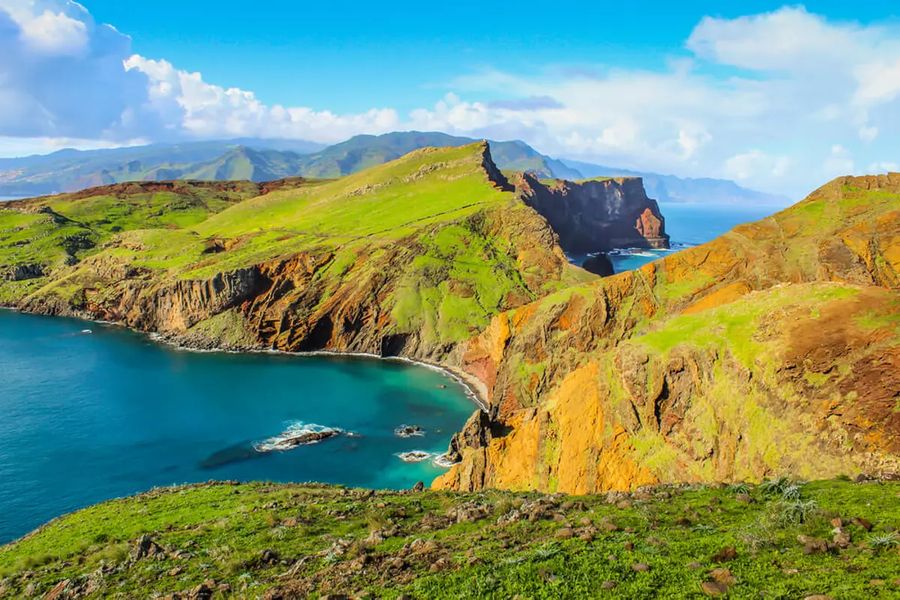
A few good places to begin.
Funchal’s Historic City Center
Funchal’s historic Old Town is a charming area filled with narrow cobblestone streets, traditional houses, and beautifully tiled facades. The Rua de Santa…
Funchal · Read the storyMadeira Wine and Blandy’s Wine Lodge
Funchal is synonymous with Madeira wine, a fortified wine that has been produced on the island for centuries. A visit to Blandy’s Wine Lodge, located in the…
Funchal · Read the storyMonte and the Famous Toboggan Rides
One of Funchal’s most iconic experiences is the traditional toboggan ride from the hillside town of Monte down to the city. The ride involves sitting in a…
Funchal · Read the storyMercado dos Lavradores (Farmers’ Market)
The Mercado dos Lavradores, or Farmers’ Market, is a feast for the senses. Located in a striking Art Deco building, this bustling market offers a colorful…
Funchal · Read the storyListen to Funchal
Take a listening break with the city’s audio story and full transcript.
Audio & transcriptThe story of Funchal
Get to know the city through its history, culture and local traditions.
Read at your own paceA few ways into Funchal.
Leave room to discover more.
Funchal’s Historic City Center
Funchal’s historic Old Town is a charming area filled with narrow cobblestone streets, traditional houses, and beautifully tiled facades. The Rua de Santa Maria is particularly famous for its vibrant street art, with doors painted by local and international artists,…
Discover the storyMadeira Wine and Blandy’s Wine Lodge
Funchal is synonymous with Madeira wine, a fortified wine that has been produced on the island for centuries. A visit to Blandy’s Wine Lodge, located in the heart of the city, is a must for…
Look a little closer 03A story worth stopping forMonte and the Famous Toboggan Rides
One of Funchal’s most iconic experiences is the traditional toboggan ride from the hillside town of Monte down to the city. The ride involves sitting in a wicker basket mounted on wooden…
Look a little closer 04A story worth stopping forMercado dos Lavradores (Farmers’ Market)
The Mercado dos Lavradores, or Farmers’ Market, is a feast for the senses. Located in a striking Art Deco building, this bustling market offers a colorful array of fresh fruits, vegetables,…
Look a little closer 05A story worth stopping forCable Car and Breathtaking Views
For panoramic views of Funchal and the surrounding landscape, a ride on the Funchal Cable Car is a must. The cable car departs from the Old Town and ascends to Monte, offering stunning…
Look a little closerThe story of Funchal.
Set the sceneA little background.
A little background.
Nestled between the mountains and the Atlantic Ocean, Funchal, the capital of the beautiful Portuguese island of Madeira, is a city that boasts a unique blend of natural beauty, rich history, and vibrant culture. Funchal has long been a favorite destination for travelers seeking an exotic yet accessible escape, with its subtropical climate, lush landscapes, and warm hospitality. Whether you’re strolling through its historic streets, admiring the stunning views, or tasting world-famous Madeira wine, Funchal offers an unforgettable experience.
Funchal’s history dates back to 1421, when João Gonçalves Zarco, a Portuguese explorer, founded the city. Named after the abundance of wild fennel, or “funcho” in Portuguese, Funchal quickly developed into an important trading port for the Portuguese empire. Its strategic location made it a key stopover for ships traveling between Europe and the New World during the Age of Exploration.
In the 17th and 18th centuries, Funchal became a prosperous city due to its thriving sugar and wine trade, which drew merchants from around the world. The city’s port continued to grow in importance, and by the 19th century, Funchal had become a popular destination for European aristocracy, drawn to the island’s mild climate and stunning scenery. Today, Funchal’s history is still visible in its architecture, landmarks, and vibrant cultural life, making it a must-visit for history lovers and modern travelers alike.
Top 5 Unique Characteristics of Funchal
Look a little closerFunchal’s Historic City Center
Funchal’s Historic City Center
Funchal’s historic Old Town is a charming area filled with narrow cobblestone streets, traditional houses, and beautifully tiled facades. The Rua de Santa Maria is particularly famous for its vibrant street art, with doors painted by local and international artists, transforming the area into an open-air gallery. Visitors can explore the Sé Cathedral, a 16th-century Gothic masterpiece with a stunning wooden ceiling made from local cedar. The Old Town is also home to numerous cafes, restaurants, and shops, offering a taste of Funchal’s history and modern-day vibrancy.
Look a little closerMadeira Wine and Blandy’s Wine Lodge
Madeira Wine and Blandy’s Wine Lodge
Funchal is synonymous with Madeira wine, a fortified wine that has been produced on the island for centuries. A visit to Blandy’s Wine Lodge, located in the heart of the city, is a must for wine enthusiasts. The lodge, established in 1811, offers tours where visitors can learn about the wine-making process, explore the wine cellars, and, of course, enjoy tastings of this world-renowned wine. Madeira wine has a unique flavor profile due to the island’s climate and aging process, making it a true reflection of Funchal’s history and terroir.
Look a little closerMonte and the Famous Toboggan Rides
Monte and the Famous Toboggan Rides
One of Funchal’s most iconic experiences is the traditional toboggan ride from the hillside town of Monte down to the city. The ride involves sitting in a wicker basket mounted on wooden runners, steered by two carreiros (drivers) dressed in white uniforms and straw hats. Originally a means of transport in the 19th century, the toboggan ride is now a thrilling tourist attraction that offers a unique way to see the city’s steep streets. Monte is also home to the beautiful Monte Palace Tropical Garden and the Church of Our Lady of Monte, where Emperor Charles I of Austria is buried.
Look a little closerMercado dos Lavradores (Farmers’ Market)
Mercado dos Lavradores (Farmers’ Market)
The Mercado dos Lavradores, or Farmers’ Market, is a feast for the senses. Located in a striking Art Deco building, this bustling market offers a colorful array of fresh fruits, vegetables, flowers, and local crafts. The market is also famous for its selection of fresh fish, particularly the espada (black scabbard fish), a local delicacy. Visiting the market provides a true taste of Madeira’s rich agricultural heritage, with vendors proudly showcasing the island’s diverse produce.
Look a little closerCable Car and Breathtaking Views
Cable Car and Breathtaking Views
For panoramic views of Funchal and the surrounding landscape, a ride on the Funchal Cable Car is a must. The cable car departs from the Old Town and ascends to Monte, offering stunning views of the city, the coastline, and the lush hillsides. It’s a relaxing and scenic way to get a bird’s-eye view of Funchal’s unique geography, with the ocean on one side and the green peaks of Madeira on the other.
Behind the postcardFunchal Today: A Modern, Dynamic City
Funchal Today: A Modern, Dynamic City
Today, Funchal is a dynamic city that blends its rich history with modern innovation. The city is known for its flourishing tourism industry, attracting visitors from around the world who come to enjoy its natural beauty, outdoor activities, and cultural experiences. Madeira’s mild climate makes it a year-round destination, and Funchal hosts numerous festivals, including the famous Madeira Flower Festival, which celebrates the island’s diverse flora with colorful parades and displays.
Funchal is also a gateway to the island’s stunning natural attractions, from the Levadas (irrigation channels) that offer scenic hiking trails to the volcanic formations of Cabo Girão, one of the highest sea cliffs in Europe.
Behind the postcardFun Facts About Funchal
Fun Facts About Funchal
Funchal was named after the wild fennel ("funcho") that once grew abundantly in the area.The city is home to Cristiano Ronaldo, one of the world’s most famous footballers, and there is a CR7 Museum dedicated to his career.Funchal’s harbor was historically used by explorers such as Christopher Columbus on their voyages to the New World.Madeira’s New Year’s Eve fireworks display, which takes place in Funchal, once held the Guinness World Record for the largest fireworks show in the world.The Botanical Garden of Madeira in Funchal is home to over 2,000 species of plants from around the world, making it a paradise for nature lovers.
With its perfect mix of history, culture, and natural beauty, Funchal is a city that offers something for every traveler. Whether you’re exploring its historic sites, indulging in its famous wines, or simply relaxing in its beautiful gardens, Funchal is a destination that will leave you enchanted.
The city,
in your headphones.
Take a seat, or take a walk. Discover Funchal one story at a time.
The stories of Funchal
Read the complete audio transcript
Welcome to VoyageOwl’s walking tour of **Funchal**, the vibrant capital of the **Madeira Archipelago** located off the northwest coast of Africa. Funchal is known for its stunning natural landscapes, year-round spring-like climate, and rich history dating back more than 500 years. Named after the wild fennel (**funcho** in Portuguese) that once grew in abundance here, Funchal is a city of striking contrasts, where rugged mountains meet the sparkling Atlantic Ocean, and where ancient traditions coexist with modern innovation.
Founded in the early **15th century** by Portuguese explorers, Funchal quickly became a key trading hub due to its strategic location in the **Atlantic**. Its natural harbor made it an ideal stop for ships traveling between Europe, Africa, and the Americas. Over the centuries, Funchal has seen visits from explorers, pirates, and noblemen, and it has played a critical role in the **Age of Discovery**. The city became famous for its export of sugar, wine, and, more recently, its unique **Madeira wine**, which was shipped to royal courts across Europe and even to the **American colonies**.
Today, Funchal is a bustling cosmopolitan city, known for its lush botanical gardens, its picturesque streets lined with **black and white mosaics**, and its world-class hotels and restaurants. The city’s historic core is filled with **colonial-era churches**, **fortresses**, and **mansions**, while its surrounding hills are dotted with traditional **quintas** (manor houses) and terraced vineyards that produce the famous Madeira wine. With its mix of natural beauty, history, and modern amenities, Funchal is a perfect destination for travelers looking to experience the best of **Portugal’s island life**.
This walking tour will take you through the heart of Funchal, exploring its historic landmarks, vibrant markets, and stunning vistas. From its colonial past to its role as a modern tourist destination, this tour will reveal the many layers of Funchal’s unique history and culture.
---
### 1. **Sé Catedral (Funchal Cathedral)**
Our tour begins at the **Sé Catedral**, or **Funchal Cathedral**, one of the most iconic and historically significant buildings in the city. Built between **1493 and 1514**, the **Sé** is a stunning example of **Manueline architecture**, a style that combines elements of Gothic and Renaissance design with nautical and maritime motifs. The cathedral was commissioned by **King Manuel I** during the height of Portugal’s maritime expansion, and it stands as a symbol of Funchal’s importance during the **Age of Discovery**.
The **Sé** features a beautiful exterior made of **local basalt stone**, giving it a striking contrast to the whitewashed buildings around it. The **roof**, made of **cedar wood** from the nearby **Laurisilva forest**, is one of the most remarkable features of the cathedral, adorned with intricate geometric patterns that reflect the craftsmanship of the time. Inside, the cathedral’s **high altar** is a masterpiece of **gilded woodwork** in the **Baroque style**, with detailed carvings that depict religious scenes.
One of the most interesting aspects of the cathedral is its **ceiling**, which is made of richly carved wood and is one of the few remaining examples of **Mudéjar** craftsmanship in Portugal. The influence of the **Moorish** style is evident in the geometric patterns and intricate designs that cover the ceiling, offering a unique blend of Christian and Islamic artistic traditions.
The **Sé Catedral** is a symbol of Funchal’s role as a key port city during Portugal’s maritime empire. Its Manueline architecture reflects the city’s prosperity during the **Age of Discovery**, while its religious significance remains central to the life of the island.
Take time to admire the interior of the cathedral, especially the intricate **ceiling** and the **Baroque high altar**. The **Sé** is still an active place of worship, so you might also experience a mass or other religious ceremonies during your visit.
---
### 2. **Mercado dos Lavradores (Farmers' Market)**
Leaving the cathedral, we make our way to the lively and colorful **Mercado dos Lavradores**, or **Farmers' Market**, located just a short walk away. Opened in **1940**, this **Art Deco** market is the beating heart of Funchal’s culinary and cultural life, offering visitors a chance to experience the vibrant flavors and scents of the island. The market’s architecture is notable for its **decorative tile panels** by **Jorge Rey Colaço**, which depict scenes of traditional Madeiran life.
The **Mercado dos Lavradores** is divided into different sections, each filled with an array of fresh produce, flowers, spices, fish, and local crafts. The **ground floor** is where you’ll find vendors selling exotic fruits unique to Madeira, such as **passion fruit**, **custard apples**, and **pitangas**. The vibrant colors of the fruits and vegetables, along with the sounds of merchants calling out to customers, create a lively and bustling atmosphere.
The **fish market**, located at the back of the building, is one of the most interesting parts of the market. Here, you can see the famous **black scabbardfish** (espada), a deep-sea fish that is a staple of Madeiran cuisine. The scabbardfish, with its long, slender body and dark skin, might look intimidating, but it’s a delicacy when prepared in the traditional Madeiran style.
The **Mercado dos Lavradores** reflects Funchal’s agricultural and fishing traditions, which have long been central to the island’s economy. The market has been a hub of local commerce for decades, and it remains a vital part of the community today.
Don’t hesitate to sample the exotic fruits offered by the vendors, and be sure to try **passion fruit**, which comes in a variety of flavors on Madeira. If you’re adventurous, order a meal of **black scabbardfish** at one of the nearby restaurants for an authentic taste of Madeiran cuisine.
---
### 3. **Zona Velha (Old Town)**
From the market, we continue our tour into the **Zona Velha**, or **Old Town**, the oldest and most charming part of Funchal. This area is known for its narrow cobblestone streets, traditional houses with red-tiled roofs, and colorful street art. The **Rua de Santa Maria**, the main street in the **Zona Velha**, is famous for its **Painted Doors Project**, an initiative that began in **2011** to revitalize the area by turning the doors of old houses into canvases for local artists.
As you walk along **Rua de Santa Maria**, you’ll encounter doors painted with vibrant scenes, ranging from abstract designs to portraits and landscapes, giving the area a creative and lively atmosphere. The **Zona Velha** is also home to a wide variety of restaurants, cafés, and bars, many of which offer traditional Madeiran dishes and wines.
One of the key landmarks in the **Zona Velha** is the **Igreja do Socorro**, a beautiful **Baroque church** built in the **18th century**. The church’s **white façade** and **bell tower** stand out against the colorful backdrop of the neighborhood, and its interior features intricate woodwork and religious art. The church offers a quiet place for reflection amidst the bustle of the **Zona Velha**.
The **Zona Velha** is the oldest part of Funchal and has been inhabited since the city’s founding in the **15th century**. It retains much of its historical charm, with traditional architecture and narrow streets that reflect its colonial past.
Take your time to explore the **Painted Doors Project** and stop by one of the cafés for a glass of **Madeira wine**. The **Zona Velha** is also a great place to try local specialties like **bolo do caco** (traditional Madeiran bread) or **espada com banana** (scabbardfish with banana).
---
### 4. **Fortaleza de São Tiago (São Tiago Fortress)**
At the eastern edge of the **Zona Velha**, we come to the **Fortaleza de São Tiago**, or **São Tiago Fortress**, a striking yellow fortress that has stood guard over Funchal’s harbor since the **17th century**. The fortress was built between **1614 and 1637** to protect the city from pirate attacks, which were a constant threat during this period. Its thick walls, bastions, and strategic location made it a key defensive structure for the city.
Over the centuries, the fortress has served various purposes, from a military fortification to a customs house and even a barracks. Today, it houses the **Contemporary Art Museum of Funchal**, where you can see works by Portuguese and international artists, as well as temporary exhibitions.
The **Fortaleza de São Tiago** offers stunning views over the Atlantic Ocean and Funchal’s harbor, making it a perfect spot to take in the city’s coastal beauty. The **terrace** is a great place to relax and enjoy the sea breeze while admiring the historic architecture of the fortress.
The **Fortaleza de São Tiago** reflects Funchal’s need for defense against pirate raids during the **16th and 17th centuries**. Its construction marked a key moment in the city’s history, as it became an important outpost in protecting Portuguese trade routes.
After exploring the fortress, take a walk along the nearby **promenade** for beautiful views of the ocean and the cliffs. The **museum** inside the fortress is also worth a visit if you’re interested in contemporary
art.
---
### 5. **Madeira Story Centre**
A short walk from the fortress brings us to the **Madeira Story Centre**, an interactive museum located in the heart of the **Zona Velha**. The **Madeira Story Centre** is the perfect place to dive deeper into the island’s history, from its volcanic origins to its discovery by Portuguese explorers and its role in the **Age of Discovery**.
The museum’s exhibits cover a wide range of topics, including the island’s geology, the lives of early settlers, the sugar trade, and the development of **Madeira wine**. One of the highlights of the museum is its detailed timeline of Madeira’s history, which allows visitors to explore the key events that have shaped the island over the centuries.
The **Madeira Story Centre** also includes a rooftop terrace with panoramic views of the **Zona Velha** and the surrounding mountains, offering a great perspective on the city’s layout and natural beauty.
The **Madeira Story Centre** provides a comprehensive overview of the island’s history, making it an essential stop for anyone interested in understanding Funchal’s past and its role in Portuguese exploration and trade.
The **Madeira Story Centre** is a family-friendly museum with interactive exhibits that make it enjoyable for visitors of all ages. After your visit, head to the rooftop terrace for a coffee while enjoying the view over the city.
---
### 6. **Jardim Botânico (Botanical Garden)**
Leaving the city center, we make our way to the stunning **Jardim Botânico da Madeira**, or **Madeira Botanical Garden**, located on the hillside overlooking Funchal. This garden, established in **1960**, is one of the most famous attractions on the island, known for its vast collection of exotic plants and flowers from all over the world.
The **Jardim Botânico** covers an area of over **35,000 square meters** and is home to more than **2,000 species of plants**, including tropical and subtropical species, succulents, orchids, and endemic plants from Madeira’s **Laurisilva forests**, which are a UNESCO World Heritage site. The garden is divided into different sections, each showcasing different types of flora, and offers stunning views of the city and the Atlantic Ocean from its terraces.
One of the highlights of the garden is the **ornamental flower beds**, arranged in geometric patterns that create a beautiful mosaic of colors. The **cactus garden**, with its collection of unusual succulents, is another must-see, as is the **bird park**, home to exotic species like parrots and toucans.
The **Jardim Botânico** reflects Madeira’s long tradition of horticulture and its unique climate, which allows a wide variety of plants to thrive. The garden is not only a place of beauty but also a center for the conservation of rare and endangered species.
Take your time exploring the various sections of the garden, and be sure to visit the **viewpoint** for one of the best panoramas of Funchal. The garden is also a great place to relax and enjoy the island’s natural beauty after a day of sightseeing.
---
### 7. **Monte and the Monte Palace Tropical Garden**
For our next stop, we head up into the hills above Funchal to the charming village of **Monte**, known for its cooler climate, beautiful gardens, and breathtaking views. To get there, you can take the **Funchal cable car**, which offers a scenic ride from the **Zona Velha** up to Monte, with spectacular views over the city and the bay.
Monte is home to the **Monte Palace Tropical Garden**, one of Madeira’s most impressive gardens, spread over **70,000 square meters**. The garden is a lush paradise filled with exotic plants, ornamental ponds, and sculptures from all over the world, including **Japanese and Chinese gardens**, African art, and azulejos (Portuguese tiles). The **Monte Palace Museum**, located within the garden, houses collections of African art and minerals from around the world.
Monte is also famous for its **Church of Our Lady of Monte**, where **Charles I of Austria**, the last emperor of the Austro-Hungarian Empire, is buried. The church, with its striking twin bell towers and panoramic views, is a pilgrimage site for visitors interested in history and religion.
Monte has been a retreat for Madeira’s elite since the **19th century**, and its tropical garden reflects the island’s long history of horticulture. The **Church of Our Lady of Monte** adds a historical layer, being the final resting place of an exiled European monarch.
After exploring the garden, take the famous **Monte toboggan ride** back down to Funchal. The traditional wicker toboggans, guided by skilled carreiros (sleigh drivers), offer a thrilling and unique way to descend the steep streets of Monte.
---
### 8. **Forte de São João Baptista do Pico (Pico Fortress)**
For our final stop, we visit the **Forte de São João Baptista do Pico**, also known as the **Pico Fortress**, perched high above Funchal on **Pico dos Frias**. Built in the **17th century** to protect the city from pirate attacks, the fortress offers some of the best panoramic views of Funchal and the surrounding landscape.
The fortress was strategically positioned to provide a vantage point over the harbor and the city, and its thick walls and bastions are a reminder of Madeira’s need for defense during its colonial past. Today, the **Pico Fortress** houses a small military museum and is a great place to explore Funchal’s military history while enjoying the breathtaking views.
The **Pico Fortress** played an important role in defending Funchal from pirate raids and foreign invaders during the **17th and 18th centuries**. Its location provides a unique perspective on the city’s strategic importance in the Atlantic.
The climb up to the **Pico Fortress** can be steep, but the views from the top are well worth the effort. The fortress is a peaceful spot to reflect on Funchal’s history while taking in the stunning scenery.
---
### Conclusion
Our walking tour of **Funchal** has taken you through centuries of history, from its colonial past as a key port during the **Age of Discovery** to its role as a modern tourist destination. Along the way, we’ve explored Funchal’s most iconic landmarks, including the **Sé Catedral**, the lively **Mercado dos Lavradores**, the historic **Zona Velha**, and the stunning **Monte Palace Tropical Garden**.
Funchal is a city where natural beauty and rich history meet, offering visitors a unique blend of culture, cuisine, and breathtaking landscapes. Whether you’re captivated by its gardens, its historic architecture, or its vibrant markets, Funchal is a city that invites exploration and discovery.
We hope this walking tour has given you a deeper appreciation for **Funchal’s** beauty, history, and cultural significance. **Boa viagem!** Enjoy the rest of your time exploring this magical island city in the heart of the **Atlantic**!
To listen to more amazing audio tours of cities around the world check out our other guides at voyageowl.com
Another place, another story.
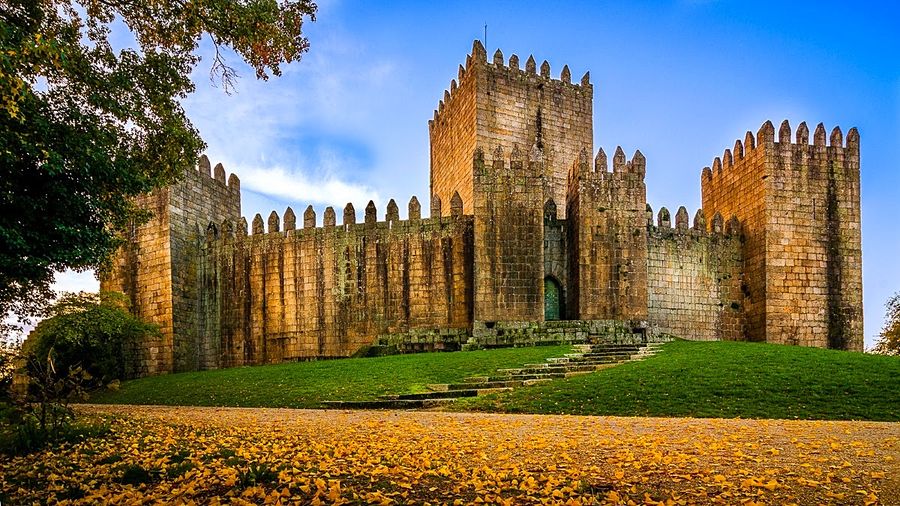
Guimarães
Guimarães, often referred to as the "Cradle of Portugal," is a city of immense historical significance and undeniable charm. Located…
Explore Guimarães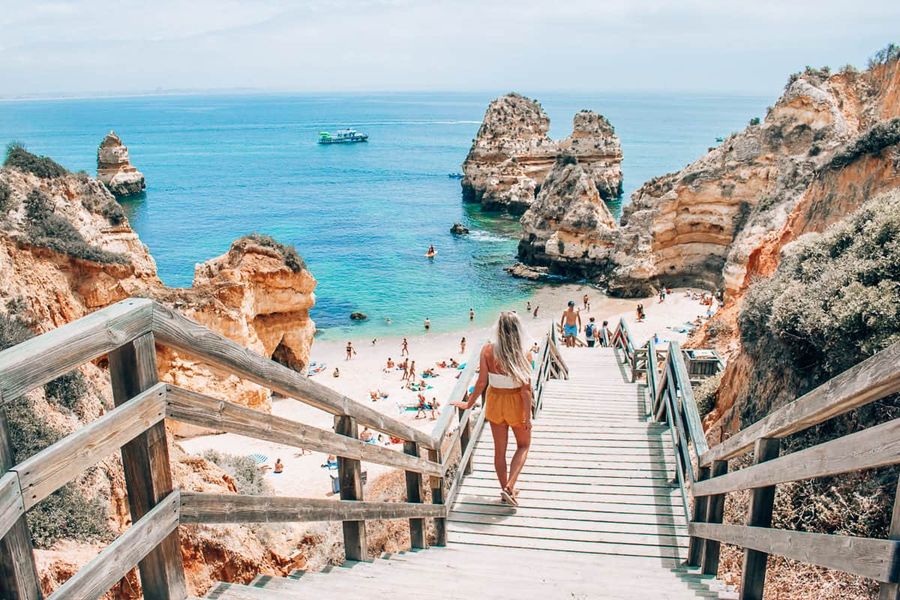
Lagos
Located on the stunning Algarve coast of Portugal, Lagos is a city where ancient history meets modern charm. Known for its picturesque…
Explore LagosA little context for your exploring.
These original VoyageOwl city stories are preserved from the archive. Historical claims and visitor details remain subject to editorial review. Check attraction opening hours, tickets and access before making plans.
A few good stories. A little room to wander.