
Girona
Girona, located in Catalonia, northern Spain, is a city with a rich history that dates back over 2,000 years. Known for its stunning medieval architecture, ancient city…
What brings you
to Girona?
A few good places to begin.
The Cathedral of Girona (Catedral de Girona)
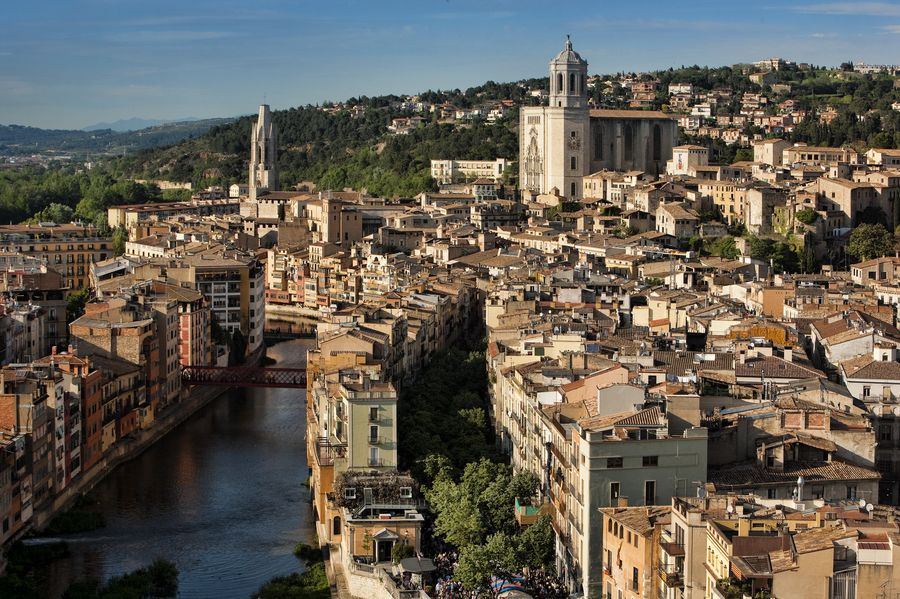
The Cathedral of Girona is one of the city’s most striking landmarks, dominating the skyline with its monumental Gothic nave—the widest Gothic nave in the…
Girona · Read the storyThe Jewish Quarter (El Call)
Girona’s Jewish Quarter is one of the best-preserved in Europe and offers a fascinating look into the city’s medieval past. The narrow, winding streets of El…
Girona · Read the storyThe Onyar River and Colorful Houses
Girona is famous for its colorful houses that line the Onyar River, creating one of the most iconic views of the city. These brightly painted facades, known as…
Girona · Read the storyThe City Walls (Passeig de la Muralla)
The Passeig de la Muralla is Girona’s ancient city wall that dates back to the Roman and medieval periods. Visitors can walk along the top of the walls, which…
Girona · Read the storyListen to Girona
Take a listening break with the city’s audio story and full transcript.
Audio & transcriptThe story of Girona
Get to know the city through its history, culture and local traditions.
Read at your own paceA few ways into Girona.
Leave room to discover more.
The Cathedral of Girona (Catedral de Girona)
The Cathedral of Girona is one of the city’s most striking landmarks, dominating the skyline with its monumental Gothic nave—the widest Gothic nave in the world. Built between the 11th and 18th centuries, the cathedral features a mix of Romanesque, Gothic, and Baroque…
Discover the storyThe Jewish Quarter (El Call)
Girona’s Jewish Quarter is one of the best-preserved in Europe and offers a fascinating look into the city’s medieval past. The narrow, winding streets of El Call are filled with history,…
Look a little closer 03A story worth stopping forThe Onyar River and Colorful Houses
Girona is famous for its colorful houses that line the Onyar River, creating one of the most iconic views of the city. These brightly painted facades, known as the Cases de l’Onyar, offer a…
Look a little closer 04A story worth stopping forThe City Walls (Passeig de la Muralla)
The Passeig de la Muralla is Girona’s ancient city wall that dates back to the Roman and medieval periods. Visitors can walk along the top of the walls, which stretch around much of the old…
Look a little closer 05A story worth stopping forGame of Thrones Filming Locations
Girona’s medieval charm has made it a popular filming location, most notably for Game of Thrones. Fans of the show will recognize Girona as the setting for the City of Braavos and parts of…
Look a little closerThe story of Girona.
Set the sceneA little background.
A little background.
Girona, located in Catalonia, northern Spain, is a city with a rich history that dates back over 2,000 years. Known for its stunning medieval architecture, ancient city walls, and vibrant cultural scene, Girona is a hidden gem that offers visitors an authentic Spanish experience away from the bustling crowds. Whether you’re wandering through its historic old town, crossing its colorful bridges, or exploring its Jewish heritage, Girona is a city that captivates with its beauty and timeless charm.
Girona’s strategic location has made it a focal point of history, with the city witnessing 25 sieges throughout its existence. Originally founded by the Romans in the 1st century BC as Gerunda, the city quickly became an important settlement along the Via Augusta, the ancient Roman road that connected Rome to Hispania. Girona’s well-preserved city walls still stand today, providing visitors with a fascinating glimpse into the city’s Roman past.
During the Middle Ages, Girona flourished under Visigothic and Moorish rule before being reconquered by the Christians in the 8th century. The city’s Jewish Quarter, known as the Call, became one of the most important Jewish communities in medieval Spain. Girona’s blend of Roman, Moorish, Jewish, and Christian influences is reflected in its architecture and culture, making it a truly unique destination.
Today, Girona is a modern city that embraces its historical roots while offering a lively cultural scene, world-class cuisine, and beautiful surroundings. Whether you’re drawn by its history or looking for a quiet escape, Girona has something to offer every traveler.
Top 5 Unique Characteristics of Girona
Look a little closerThe Cathedral of Girona (Catedral de Girona)
The Cathedral of Girona (Catedral de Girona)
The Cathedral of Girona is one of the city’s most striking landmarks, dominating the skyline with its monumental Gothic nave—the widest Gothic nave in the world. Built between the 11th and 18th centuries, the cathedral features a mix of Romanesque, Gothic, and Baroque styles. Visitors can climb the 90 steps leading to the cathedral’s entrance and admire its beautiful façade and stunning interior, which houses an impressive tapestry of the Creation from the 11th century.
Look a little closerThe Jewish Quarter (El Call)
The Jewish Quarter (El Call)
Girona’s Jewish Quarter is one of the best-preserved in Europe and offers a fascinating look into the city’s medieval past. The narrow, winding streets of El Call are filled with history, and visitors can explore the Jewish Museum, which chronicles the life of Girona’s Jewish community before their expulsion in 1492. Walking through the atmospheric streets of the Jewish Quarter is like stepping back in time, with its stone buildings and hidden courtyards offering a sense of the city’s historical depth.
Look a little closerThe Onyar River and Colorful Houses
The Onyar River and Colorful Houses
Girona is famous for its colorful houses that line the Onyar River, creating one of the most iconic views of the city. These brightly painted facades, known as the Cases de l’Onyar, offer a picture-perfect backdrop as you cross one of the city’s many bridges, including the Eiffel Bridge, designed by Gustave Eiffel in 1877 before he constructed the Eiffel Tower in Paris. The vibrant colors of the houses reflect beautifully in the river, creating a serene and photogenic scene.
Look a little closerThe City Walls (Passeig de la Muralla)
The City Walls (Passeig de la Muralla)
The Passeig de la Muralla is Girona’s ancient city wall that dates back to the Roman and medieval periods. Visitors can walk along the top of the walls, which stretch around much of the old city, offering stunning panoramic views of Girona’s skyline, the surrounding mountains, and the countryside. The wall is punctuated by towers and gates, making it one of the best places to experience the city’s long and fascinating history while enjoying breathtaking views.
Look a little closerGame of Thrones Filming Locations
Game of Thrones Filming Locations
Girona’s medieval charm has made it a popular filming location, most notably for Game of Thrones. Fans of the show will recognize Girona as the setting for the City of Braavos and parts of King’s Landing. Several scenes from Season 6 were filmed in the Jewish Quarter, the cathedral, and the Arab Baths, adding another layer of allure to the city. For fans of the series, a stroll through Girona is like walking through the world of Westeros.
Behind the postcardGirona Today: A Cultural Hub
Girona Today: A Cultural Hub
Girona is not only a city of historical importance but also a cultural hub. The city hosts several festivals throughout the year, including the Temps de Flors flower festival in May, which transforms the streets, courtyards, and monuments into a celebration of color and creativity. Girona’s gastronomy is another major attraction, with the city being home to El Celler de Can Roca, one of the world’s top-rated restaurants.
The city’s combination of historical significance and modern vibrancy makes it a perfect destination for travelers looking to experience the best of Spain’s past and present.
Behind the postcardFun Facts About Girona
Fun Facts About Girona
Girona’s Game of Thrones connection has boosted its popularity, attracting fans from around the world to explore its filming locations.Girona has been besieged 25 times throughout its history but has remained a resilient city with well-preserved medieval architecture.The Eiffel Bridge was designed by Gustave Eiffel, the same engineer behind the famous Eiffel Tower in Paris.Girona’s cathedral is home to the Tapestry of Creation, one of the most important Romanesque textiles in Europe.Girona is part of the Costa Brava, and within a short drive, visitors can enjoy some of Spain’s most beautiful beaches.
With its blend of history, culture, and charm, Girona is a city that offers something for everyone. Whether you’re drawn by its medieval past, colorful streets, or vibrant festivals, Girona is a destination that will leave you enchanted.
The city,
in your headphones.
Take a seat, or take a walk. Discover Girona one story at a time.
The stories of Girona
Read the complete audio transcript
Welcome to Voyage Owl’s walking tour of Girona, one of Catalonia’s most captivating and historic cities. Nestled in the northeastern corner of Catalonia, Girona is often overshadowed by its famous neighbors, Barcelona and the Costa Brava, but those who take the time to explore will be rewarded with one of Spain's most charming and well-preserved medieval cities.
Girona's roots stretch back over 2,000 years, with its founding by the Romans in the 1st century BC. Through the ages, the city has witnessed a fascinating tapestry of civilizations, from the Visigoths and Moors to the Carolingians and Catalan rulers. Each era has left its mark, creating a vibrant cultural and architectural legacy. You’ll find Roman ruins, medieval fortifications, and some of the best-preserved Jewish quarters in Europe, all within walking distance of each other.
One of Girona's most iconic features is the Onyar River, which divides the city in two, with its brightly colored riverside houses creating a stunning reflection in the water. This is a city that invites you to take your time—wander through its narrow cobbled streets, climb the ancient city walls, and get lost in its labyrinth of plazas and alleyways.
Girona has also become famous in recent years for its role in popular TV series like *Game of Thrones*, where its medieval streets and landmarks became the backdrop for scenes set in the mythical city of Braavos and King's Landing.
But Girona is not just a city for history lovers. It is also a vibrant, modern city with a strong cultural scene, bustling markets, and a culinary reputation that attracts food enthusiasts from around the world. Home to the Roca brothers' famed El Celler de Can Roca, consistently ranked as one of the best restaurants in the world, Girona is a paradise for those seeking an authentic Catalan dining experience.
As we begin our walking tour, prepare to immerse yourself in a journey through time, from Roman foundations to medieval marvels, with stops at stunning cathedrals, hidden gardens, and cultural gems. Along the way, you’ll also discover Girona's contemporary pulse, with its art galleries, cafes, and boutiques offering a perfect blend of the old and the new. Let’s dive into this enchanting city, where every corner has a story to tell.
---
### Stop 1: Plaça de la Independència – A Gathering Place with a Revolutionary Past
Our first stop is the Plaça de la Independència, a beautiful and bustling square located near the Onyar River, which bisects the city. This square, with its elegant arcades and neoclassical architecture, is a popular meeting point for locals and visitors alike. Today, it's lined with cafés, restaurants, and shops, but its name and history are tied to much more revolutionary events.
The name "Independència" honors the Spanish War of Independence against Napoleon’s forces in the early 19th century. Girona played a heroic role in this conflict, enduring several sieges between 1808 and 1809. The most famous of these is known as the Third Siege of Girona, during which the city resisted Napoleon’s troops for seven months. The people of Girona showed incredible resilience, defending their city against the most powerful army in Europe at the time.
As you sit in the square, perhaps enjoying a coffee or a glass of cava, imagine this space during those desperate times—filled not with tourists and diners, but with revolutionaries and defenders of the city. The statues in the center of the square honor those who fought and died in the war, their bronze figures forever reminding us of Girona's brave past.
The architecture surrounding the square reflects the neoclassical style that became popular in Spain in the 19th century. Notice the elegant, uniform arches that line the square. This design was intended to create a sense of harmony and order, contrasting sharply with the chaotic times during which it was built. If you’re visiting during the Temps de Flors (Girona’s annual flower festival in May), the square will be filled with stunning floral displays, adding a splash of color to this historic setting.
---
### Stop 2: The Onyar River and Its Iconic Bridges – A View from the Heart of Girona
From the Plaça de la Independència, let’s take a short stroll to one of Girona’s most iconic sights: the Onyar River and its colorful riverside houses. The Onyar cuts right through the center of Girona, dividing the old town (Barri Vell) from the newer parts of the city. But what makes this river truly special are the houses, their facades painted in bright hues of ochre, terracotta, and yellow, reflecting in the water below. It’s an image that feels almost timeless and one of Girona’s most photographed scenes.
The bridges that cross the Onyar each have their own history and charm. The most famous is the Pont de les Peixateries Velles, also known as the Eiffel Bridge. Yes, you heard that right—this bridge was designed by none other than Gustave Eiffel, the man behind the Eiffel Tower in Paris. Built in 1876, the iron structure may not be as grand as Eiffel's more famous work, but it adds a touch of industrial elegance to Girona’s medieval atmosphere. As you cross the bridge, take a moment to look downriver and enjoy the postcard-perfect view of Girona's skyline, with its cathedral looming in the distance.
The Pont de Pedra (Stone Bridge) is another one worth noting. Built in 1856, it’s the main bridge connecting the city center to the old town. This is a perfect spot for a quick photo or to simply pause and take in the beauty of the river and the colorful houses lining its banks. It’s here, at the confluence of history and beauty, that Girona feels both ancient and modern.
Girona's relationship with the Onyar River has not always been so serene. Over the centuries, the river has flooded numerous times, with devastating consequences for the city. But just like the people of Girona resisted the sieges of Napoleon, they’ve shown remarkable resilience in rebuilding and adapting to the river’s unpredictable nature.
---
### Stop 3: El Call – The Best-Preserved Jewish Quarter in Europe
Next, we’re going to dive into one of the most significant and evocative parts of Girona’s old town: El Call, the Jewish Quarter. This area is one of the best-preserved medieval Jewish quarters in all of Europe and offers a glimpse into a rich cultural heritage that thrived here for centuries.
The Jewish community in Girona dates back to at least the 9th century, and by the 12th century, it had become one of the most important Jewish centers in medieval Spain. El Call was home to rabbis, scholars, and merchants, and it was here that some of the most influential Jewish texts of the time were written. Walking through its narrow, winding streets, you can almost feel the echoes of history in the ancient stone walls.
One of the most notable figures from Girona’s Jewish community is Rabbi Moshe ben Nahman, also known as Nahmanides. He was a prominent 13th-century scholar and physician, and his writings on Jewish law and Kabbalah were highly influential throughout Europe and beyond. Today, the Museum of Jewish History, located in the heart of El Call, offers a fascinating look at the contributions of Girona’s Jewish community and the impact they had on both the city and the broader region.
As we wander through the labyrinth of streets, notice how the architecture of the houses reflects the needs of the time—small, cramped, and with narrow passageways designed to offer protection and privacy. The layout of El Call was dictated by both practical and cultural concerns, as Jewish residents faced restrictions on where they could live and how they could interact with the broader Christian community.
Sadly, the story of Girona’s Jewish community is also one of tragedy. In 1492, as part of the Spanish Inquisition, the Jews of Girona were expelled, and their quarter fell into disrepair. It wasn’t until much later, in the 20th century, that efforts were made to preserve and restore this vital part of Girona’s history.
Walking through El Call today, it’s easy to get lost in its quiet charm. The streets are narrow, with stone staircases winding their way through tiny courtyards and hidden corners. It feels like stepping back in time, a place where the past still lingers in every brick and alley.
---
### Stop 4: Girona Cathedral – Climbing the Steps of History
From the labyrinth of El Call, our next stop takes us up one of Girona’s most iconic landmarks: the towering Girona Cathedral. Situated at the highest point of the city, the cathedral dominates the skyline and can be seen from almost anywhere in Girona. The climb up the cathedral’s grand staircase, with its 90 stone steps, is as impressive as the building itself.
The cathedral is a stunning example of Catalan Gothic architecture, though its construction spans several centuries and includes elements of Romanesque and Baroque styles as well. Work on the cathedral began in the 11th century, and it wasn’t completed until the 18th century, which is why you’ll notice a mixture of architectural styles as you explore.
Before entering, take a moment to admire the façade. It’s one of the finest examples of Baroque architecture in Spain, with intricate carvings of biblical scenes, saints, and angels. The rose window above the entrance adds a touch of Gothic elegance, and the sheer size of the building is awe-inspiring. This façade is relatively modern compared to the rest of the cathedral, having been completed in the 18th century.
Once inside, you’ll find yourself in the largest Gothic nave in the world—22 meters wide and soaring to a height of 35 meters. The space is vast and overwhelming, with light filtering in through stained-glass windows that depict biblical stories and saints. Walking down the nave, you’ll feel a sense of grandeur and serenity, as if the cathedral is inviting you to pause and reflect on its centuries of history.
One of the highlights of the cathedral is the Tapestry of Creation, a Romanesque masterpiece that dates back to the 11th century. This intricate textile is one of the most important examples of medieval art in Spain, and it depicts the biblical story of creation in vivid detail. The tapestry’s rich colors and complex designs are a testament to the skill and artistry of the medieval weavers who created it.
Don’t forget to visit the cloister, one of the most peaceful and beautiful parts of the cathedral complex. The cloister dates back to the Romanesque period, and its arches and columns are adorned with detailed carvings that depict scenes from both the Old and New Testaments. It’s a perfect spot to take a break and soak in the atmosphere of Girona’s spiritual heart.
The climb to the top of the cathedral’s bell tower is well worth the effort. From here, you’ll have a panoramic view of the entire city, with its red-tiled roofs, winding streets, and the Onyar River cutting through the center. On a clear day, you can see the Pyrenees Mountains in the distance, adding a dramatic backdrop to the cityscape below. Standing at this vantage point, it’s easy to understand why the cathedral was built here. It was meant not only as a place of worship but as a symbol of power, dominance, and faith, watching over Girona from its lofty perch.
Before we leave the cathedral, take a moment to imagine the countless events that have unfolded within these walls—religious ceremonies, political intrigues, and moments of both celebration and sorrow. The Cathedral of Girona isn’t just an architectural marvel—it’s a living piece of history that has witnessed the ebb and flow of the city’s fortunes over the centuries.
---
### Stop 5: The Arab Baths – Echoes of Islamic Influence
Just a short walk from the cathedral lies another of Girona’s hidden gems: the Arab Baths (Banys Àrabs). Despite their name, these baths are not of Arab origin, but they were inspired by the Islamic hammam tradition that once spread across much of Spain during the period of Moorish rule. Built in the 12th century, these baths served as a public bathhouse and have been remarkably well-preserved, offering visitors a unique glimpse into medieval life in Girona.
As we step inside, you’ll notice that the baths are divided into several distinct rooms, each serving a specific purpose. The layout is typical of Roman-style baths, which were adapted by the Moors. The baths consist of a frigidarium (cold room), a tepidarium (warm room), and a caldarium (hot room). The design reflects the importance of cleanliness and hygiene in medieval society, as well as the social aspect of bathhouses, which were places not just for bathing but for relaxation and conversation.
The frigidarium, with its impressive central pool surrounded by columns and a skylight above, is the most striking part of the complex. The columns are topped with capitals that feature simple yet elegant carvings, and the light filtering through the skylight creates a serene atmosphere. It’s easy to imagine medieval citizens gathering here after a day of work, cooling off and discussing the latest news of the town.
The influence of Islamic architecture is evident in the design of the baths, particularly in the caldarium, where the domed ceilings and small, star-shaped windows recall the design elements of a Moorish hammam. This blend of architectural styles is a testament to Girona’s diverse cultural influences, which included periods of Roman, Visigothic, and Moorish rule, all of which left their mark on the city’s development.
Though the baths fell out of use by the 15th century and were later incorporated into a convent, they were rediscovered and restored in the 20th century. Today, they are one of Girona’s most fascinating historical sites, offering a rare look at medieval public life. As we explore the baths, you’ll feel a sense of timelessness, as if the walls themselves are whispering stories from centuries past.
---
### Stop 6: Passeig de la Muralla – A Walk Along the Medieval Walls
No visit to Girona is complete without a walk along the Passeig de la Muralla, the ancient city walls that date back to Roman times. The walls were originally built in the 1st century BC to defend the city, but they were expanded and reinforced during the medieval period, especially in the 14th and 15th centuries. Today, the Passeig de la Muralla offers some of the best views of Girona, providing a panoramic perspective of the city’s rooftops, the Onyar River, and the surrounding countryside.
As we begin our walk, you’ll notice that parts of the wall have been restored, while others retain their ancient, weathered stone, a reminder of the city’s long history of defense and survival. Walking along these walls feels like stepping back in time, with the sounds of modern life below seeming distant as you look out over the medieval city.
One of the most impressive features of the Passeig de la Muralla is the series of towers that punctuate the wall at regular intervals. These towers once served as lookout points and defensive positions, but today they offer unbeatable vantage points for sightseeing. Climbing to the top of these towers gives you a bird’s-eye view of Girona’s layout, from the narrow, winding streets of the Barri Vell to the grand Girona Cathedral looming on the horizon.
As we walk, you’ll encounter parts of the original Roman wall as well, with its distinctive square stones. The Romans chose Girona’s location carefully, recognizing its strategic importance as a crossroads between the Via Augusta (the Roman road that connected Spain to Italy) and the Pyrenees. Over the centuries, Girona’s walls have been breached and rebuilt, most notably during the Napoleonic sieges in the early 19th century. Despite these challenges, the walls have survived as a symbol of Girona’s resilience.
The walk along the Passeig de la Muralla isn’t just about history—it’s also a chance to enjoy the natural beauty that surrounds Girona. The lush greenery and rolling hills that stretch out beyond the city provide a stunning contrast to the ancient stone walls. On a sunny day, the Mediterranean light bathes the city in warmth, highlighting the golden hues of the old town’s buildings.
As we continue along the wall, you’ll also notice several gardens nestled between the fortifications. These peaceful, green spaces offer a perfect spot to pause and take in the views or reflect on the city’s long and storied past.
---
### Stop 7: Plaça de Sant Feliu and the Basilica of Sant Feliu – A Blend of Romanesque and Gothic
Our next stop brings us to the Plaça de Sant Feliu, a lively square that’s home to one of Girona’s most important religious landmarks: the Basilica of Sant Feliu. This church is older than the Girona Cathedral, and for centuries, it was the city’s primary place of worship. Its mix of Romanesque and Gothic styles reflects the long period over which it was built, from the 12th to the 14th century.
As we approach the basilica, you’ll notice its distinctive bell tower, which rises above the surrounding buildings and is one of the most recognizable features of Girona’s skyline. The tower’s pointed spire and Gothic windows make it a striking contrast to the older, more austere Romanesque parts of the church. The façade of Sant Feliu is simple yet elegant, with a rose window and a small porch that invites you to step inside.
Once inside, the basilica’s grandeur becomes apparent. The nave is tall and narrow, with elegant arches and beautiful stained-glass windows casting colorful light onto the stone floor. The basilica is dedicated to Saint Felix of Girona, an early Christian martyr who is believed to have been buried here. His tomb, along with several other early Christian sarcophagi, can be found inside the church, adding to its historical significance.
One of the highlights of the basilica is the Chapel of Sant Narcís, which houses the remains of Saint Narcís, another of Girona’s patron saints. According to local legend, Saint Narcís performed miracles to save the city from invaders. The most famous of these legends is the Miracle of the Flies: during a siege in the Middle Ages, invaders who tried to desecrate the saint’s tomb were attacked by swarms of flies, forcing them to flee the city. Whether or not you believe the story, it’s clear that Saint Narcís holds a special place in Girona’s heart.
The basilica’s crypt is another fascinating part of the building. It contains ancient sarcophagi dating back to Roman times, some of which are intricately carved with scenes from mythology and early Christian imagery. These tombs offer a tangible connection to Girona’s ancient past and remind us of the long history of faith and devotion in this city.
Outside the basilica, the Plaça de Sant Feliu is a great place to relax and people-watch. The square is filled with life, with locals going about their day and tourists exploring the old town. It’s also a popular spot for festivals and events, so you might just catch a local celebration while you’re here.
---
### Stop 8: Casa Masó – A Modernist Gem on the Onyar River
As we make our way back toward the river, our next stop is Casa Masó, a stunning example of Catalan Modernism and the birthplace of one of Girona’s most famous architects, Rafael Masó. Located along the Onyar River, this house is part of the row of colorful houses that line the riverbank, but its design sets it apart.
Rafael Masó was one of Catalonia’s leading Modernist architects, and his work is known for blending traditional Catalan elements with the innovative styles of the Modernist movement. Casa Masó is a perfect example of this fusion, with its clean lines, bright colors, and use of local materials. As we approach the house, you’ll notice the beautiful sgraffito (decorative plasterwork) on the façade, as well as the large windows that offer stunning views of the river.
Inside, the house has been preserved much as it was when Masó lived here, offering a glimpse into the life of a wealthy Girona family in the early 20th century. The interior is filled with Modernist furniture, ceramics, and textiles, many of which were designed by Masó himself. The attention to detail is remarkable, from the intricate wooden moldings to the carefully chosen color schemes that reflect the natural beauty of Girona.
One of the highlights of Casa Masó is the balcony overlooking the Onyar River. From here, you can take in the stunning view of Girona’s old town, with the cathedral and the Basilica of Sant Feliu rising in the background. It’s easy to see why Masó was inspired by the city’s architecture and landscape, and his love for Girona is evident in every aspect of the house’s design.
Casa Masó also serves as a museum dedicated to Masó’s life and work, with exhibits that showcase his architectural achievements and his contributions to the Noucentisme movement, a reaction against the excesses of Modernism that emphasized a return to order and classical values. As you explore the house, you’ll gain a deeper understanding of Girona’s cultural history and the role that architecture has played in shaping the city’s identity.
---
### Conclusion
As we conclude our walking tour of Girona, we’ve journeyed through centuries of history, from the Roman foundations of the Passeig de la Muralla to the medieval splendor of the Girona Cathedral and the Jewish Quarter, to the Modernist elegance of Casa Masó. Along the way, we’ve uncovered stories of faith, resilience, and creativity that have shaped this beautiful city.
Girona is a place where the past and present coexist in harmony, where ancient walls stand alongside modern art, and where every corner reveals a new layer of history. It’s a city that invites you to explore, to pause, and to reflect on the countless lives that have passed through its streets. Whether you’re captivated by its Gothic cathedrals, intrigued by its Jewish heritage, or simply enchanted by its riverside views, Girona offers an experience like no other.
As you continue to explore Girona on your own, I hope you’ll carry with you the sense of wonder and discovery that this city inspires. Thank you for walking with me through the history and beauty of Girona—I hope you leave with a deeper connection to this remarkable place.
To listen to more amazing audio tours of cities around the world check out our other guides at voyageowl.com.
Another place, another story.
Granada
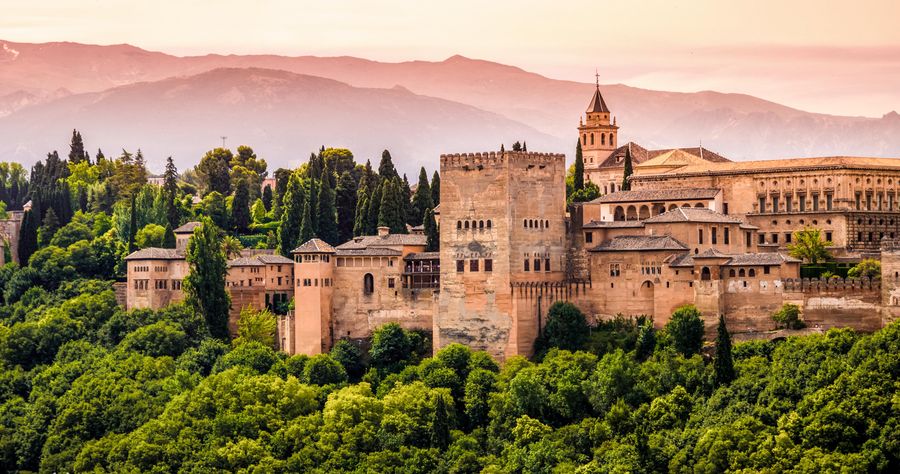
Nestled at the foot of the Sierra Nevada mountains in southern Spain, Granada is a city that seamlessly blends centuries of history…
Explore Granada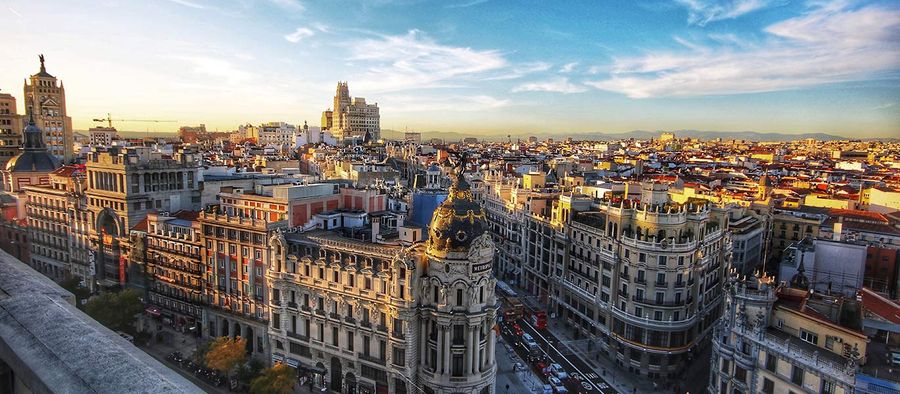
Madrid
Madrid, the capital of Spain, is a city where tradition meets modernity in a seamless blend of rich history, vibrant culture, and…
Explore MadridA little context for your exploring.
These original VoyageOwl city stories are preserved from the archive. Historical claims and visitor details remain subject to editorial review. Check attraction opening hours, tickets and access before making plans.
A few good stories. A little room to wander.