
Hallstatt
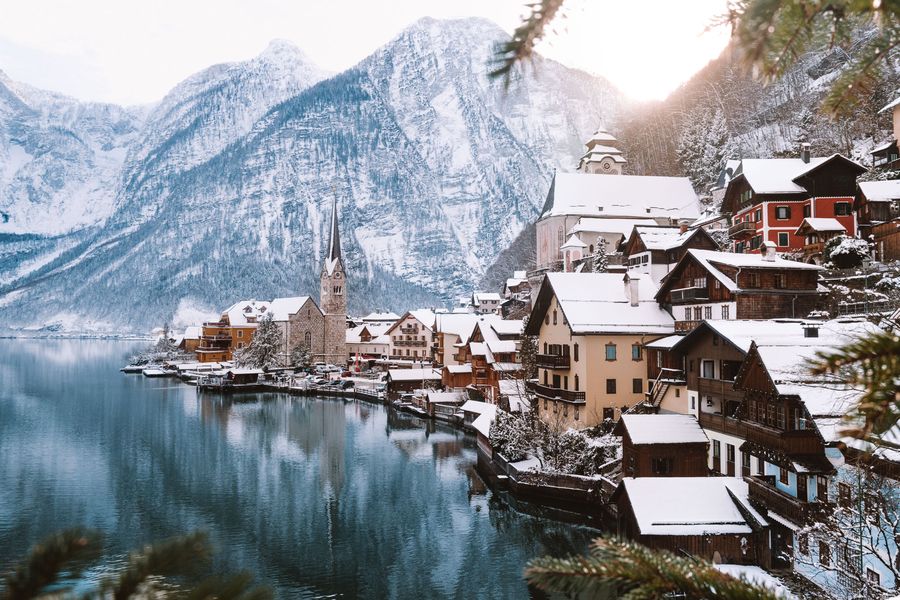
Tucked between the serene waters of Lake Hallstatt and the towering Dachstein Alps, Hallstatt is one of Austria’s most picturesque and historic villages. With its charming…
What brings you
to Hallstatt?
A few good places to begin.
The Salt Mines and Skywalk
Hallstatt is home to the world’s oldest salt mine, where visitors can take guided tours to learn about the ancient mining techniques that shaped the region’s…
Hallstatt · Read the storyLake Hallstatt and Boat Tours
Lake Hallstatt is one of the most beautiful alpine lakes in Austria, with crystal-clear waters reflecting the towering Dachstein peaks. A boat tour on the lake…
Hallstatt · Read the storyHallstatt’s Historic Old Town
Hallstatt’s Old Town is a well-preserved gem that feels as if time has stood still. The narrow, cobblestone streets are lined with charming, centuries-old…
Hallstatt · Read the storyThe Bone House (Beinhaus)
One of Hallstatt’s more unique and slightly eerie attractions is the Bone House at St. Michael’s Chapel. Due to limited burial space in the village, bones were…
Hallstatt · Read the storyListen to Hallstatt
Take a listening break with the city’s audio story and full transcript.
Audio & transcriptThe story of Hallstatt
Get to know the city through its history, culture and local traditions.
Read at your own paceA few ways into Hallstatt.
Leave room to discover more.
The Salt Mines and Skywalk
Hallstatt is home to the world’s oldest salt mine, where visitors can take guided tours to learn about the ancient mining techniques that shaped the region’s history. The Salzwelten Hallstatt offers a fascinating look at how salt was extracted from the mountains…
Discover the storyLake Hallstatt and Boat Tours
Lake Hallstatt is one of the most beautiful alpine lakes in Austria, with crystal-clear waters reflecting the towering Dachstein peaks. A boat tour on the lake is the best way to take in…
Look a little closer 03A story worth stopping forHallstatt’s Historic Old Town
Hallstatt’s Old Town is a well-preserved gem that feels as if time has stood still. The narrow, cobblestone streets are lined with charming, centuries-old houses adorned with flower-filled…
Look a little closer 04A story worth stopping forThe Bone House (Beinhaus)
One of Hallstatt’s more unique and slightly eerie attractions is the Bone House at St. Michael’s Chapel. Due to limited burial space in the village, bones were traditionally exhumed and…
Look a little closer 05A story worth stopping forDachstein Ice Caves and Five Fingers
Just a short cable car ride from Hallstatt is the Dachstein Ice Cave, a magical underground world of frozen waterfalls, icicles, and ice sculptures. Visitors can explore the glittering ice…
Look a little closerThe story of Hallstatt.
Set the sceneA little background.
A little background.
Tucked between the serene waters of Lake Hallstatt and the towering Dachstein Alps, Hallstatt is one of Austria’s most picturesque and historic villages. With its charming wooden houses, stunning natural backdrop, and rich history, Hallstatt is a UNESCO World Heritage site that has captivated travelers for centuries. Known for its ancient salt mines and breathtaking scenery, Hallstatt offers visitors a perfect blend of cultural heritage, natural beauty, and timeless charm. Whether you’re wandering through its narrow streets, taking in the views from a boat on the lake, or exploring its ancient history, Hallstatt is a destination that feels like stepping into a fairy tale.
Hallstatt’s history dates back over 7,000 years, making it one of the oldest continually inhabited settlements in Europe. The village owes its historical significance to the rich deposits of salt found in the surrounding mountains. Known as "white gold," salt was a precious commodity in ancient times, and Hallstatt became a major center for salt mining as early as the Bronze Age. The Hallstatt Culture, a term used by archaeologists, refers to the early Iron Age civilization that developed in the region between 800 and 400 BC.
The ancient salt mines of Hallstatt are still operational today, and they continue to draw visitors interested in learning about the area’s role in shaping European trade and culture. Throughout the Middle Ages, Hallstatt remained an important center for salt production, and the village’s well-preserved architecture reflects its prosperous past.
Top 5 Unique Characteristics of Hallstatt
Look a little closerThe Salt Mines and Skywalk
The Salt Mines and Skywalk
Hallstatt is home to the world’s oldest salt mine, where visitors can take guided tours to learn about the ancient mining techniques that shaped the region’s history. The Salzwelten Hallstatt offers a fascinating look at how salt was extracted from the mountains thousands of years ago. A highlight of the visit is a ride on the miners’ slide, a thrilling descent deep into the mountain. After exploring the mines, you can step out onto the Hallstatt Skywalk, a panoramic platform perched 360 meters above the village, offering breathtaking views of the lake and surrounding mountains.
Look a little closerLake Hallstatt and Boat Tours
Lake Hallstatt and Boat Tours
Lake Hallstatt is one of the most beautiful alpine lakes in Austria, with crystal-clear waters reflecting the towering Dachstein peaks. A boat tour on the lake is the best way to take in the full beauty of the region. Traditional wooden boats glide across the water, offering stunning views of the village’s iconic houses and church steeple. Whether you’re rowing or cruising, the peaceful waters of Hallstätter See provide a tranquil experience that immerses you in nature.
Look a little closerHallstatt’s Historic Old Town
Hallstatt’s Historic Old Town
Hallstatt’s Old Town is a well-preserved gem that feels as if time has stood still. The narrow, cobblestone streets are lined with charming, centuries-old houses adorned with flower-filled balconies. The village square, Marktplatz, is the heart of Hallstatt, surrounded by quaint cafes and shops. The Evangelical Church and the Catholic Church of Christ stand as landmarks of Hallstatt’s spiritual and architectural heritage. Walking through the Old Town is like stepping back in time, offering a glimpse into the village’s prosperous salt-trading past.
Look a little closerThe Bone House (Beinhaus)
The Bone House (Beinhaus)
One of Hallstatt’s more unique and slightly eerie attractions is the Bone House at St. Michael’s Chapel. Due to limited burial space in the village, bones were traditionally exhumed and placed in the Beinhaus. The skulls in the Bone House are beautifully painted and arranged with care, a custom that dates back to the 12th century. Visitors can view around 1,200 skulls, many of which are inscribed with names and dates, providing a fascinating insight into Hallstatt’s local customs and traditions.
Look a little closerDachstein Ice Caves and Five Fingers
Dachstein Ice Caves and Five Fingers
Just a short cable car ride from Hallstatt is the Dachstein Ice Cave, a magical underground world of frozen waterfalls, icicles, and ice sculptures. Visitors can explore the glittering ice chambers and learn about the geological formations that created this natural wonder. Nearby is the Five Fingers viewing platform, a dramatic structure that juts out over the edge of a cliff, offering panoramic views of the entire Hallstatt-Dachstein Salzkammergut region. Each of the five “fingers” provides a unique viewing experience, making it a must-visit for adventure seekers and nature lovers.
Behind the postcardHallstatt Today: A Jewel of Austria’s Alpine Landscape
Hallstatt Today: A Jewel of Austria’s Alpine Landscape
Today, Hallstatt is a world-famous destination that attracts visitors from across the globe, eager to experience its natural beauty and historical significance. The village’s peaceful atmosphere, combined with its stunning setting, makes it a perfect getaway for those looking to escape the hustle and bustle of modern life. Hallstatt’s popularity has grown in recent years, thanks in part to its Instagram-worthy views and fairy tale-like charm.
Despite its global fame, Hallstatt has maintained its traditional character and continues to thrive as a center for salt production and tourism. The village is also part of the Hallstatt-Dachstein Salzkammergut UNESCO World Heritage site, recognized for its outstanding natural and cultural value.
Behind the postcardFun Facts About Hallstatt
Fun Facts About Hallstatt
Hallstatt is often referred to as the “most beautiful lakeside village in the world” due to its stunning alpine scenery and picturesque architecture.A replica of Hallstatt was built in China, highlighting the village’s global appeal and cultural significance.The Hallstatt Salt Mine is the oldest salt mine in the world, with a history dating back over 7,000 years.The region’s Hallstatt Culture is named after the village and is one of the most important archaeological discoveries of the Iron Age.Hallstatt’s small population of just over 700 residents is outnumbered by the thousands of visitors who flock to the village each year.
With its rich history, enchanting scenery, and unique attractions, Hallstatt is a destination that offers something for everyone. Whether you’re exploring ancient salt mines, admiring panoramic mountain views, or simply relaxing by the lake, Hallstatt promises an unforgettable experience in the heart of Austria’s alpine paradise.
The city,
in your headphones.
Take a seat, or take a walk. Discover Hallstatt one story at a time.
The stories of Hallstatt
Read the complete audio transcript
Welcome to Voyage Owl’s walking tour of Hallstatt, a village so picturesque and steeped in history that it feels as though time has stood still here for millennia. Nestled between the dramatic peaks of the Dachstein Alps and the serene waters of Lake Hallstatt, this Austrian gem is often referred to as one of the most beautiful places in the world. It’s a town that has inspired travelers, poets, and artists for generations, and today, it draws visitors from every corner of the globe. But beyond its breathtaking beauty lies a rich and fascinating story, one that spans over 7,000 years.
Hallstatt is much more than just a pretty village—it’s a place of significant historical importance. In fact, it’s one of the oldest continuously inhabited settlements in Europe. People have been living and working here since prehistoric times, and the town’s legacy is closely tied to the valuable salt mines that lie beneath the mountains. Salt, often referred to as “white gold,” was one of the most sought-after commodities in the ancient world, and it was Hallstatt’s abundant supply that made the town a key player in early European trade. The discovery of ancient salt mines and burial sites in Hallstatt has led historians to name an entire prehistoric culture after the town: the Hallstatt Culture, which flourished during the Iron Age.
Today, Hallstatt is a UNESCO World Heritage Site, celebrated not only for its historical significance but also for its incredible natural beauty. The town is framed by towering mountains, verdant forests, and a crystal-clear lake, creating a stunning backdrop that looks as though it’s been lifted straight from a storybook. As you walk through Hallstatt’s narrow streets, with their quaint wooden houses and flower-filled balconies, you’ll feel as though you’ve stepped back in time. Yet, despite its ancient roots, Hallstatt is also a vibrant, living village, where traditions are kept alive, and the past is very much a part of everyday life.
This walking tour will take you on a journey through Hallstatt’s history, exploring its prehistoric beginnings, its role as a medieval salt-mining hub, and its transformation into one of Austria’s most beloved travel destinations. Along the way, you’ll uncover the stories of the people who have lived and worked in this village for millennia, from the ancient salt miners to the modern-day residents who continue to preserve its cultural heritage.
So, lace up your walking shoes, breathe in the fresh mountain air, and prepare to be enchanted by Hallstatt. Whether you’re here for the history, the breathtaking views, or simply to lose yourself in the magic of this Alpine village, Hallstatt is a place that will capture your heart and stay with you long after you’ve left. Let’s begin our journey!
---
### Stop 1: Marktplatz – The Heart of Hallstatt
We begin our tour at the Marktplatz, the main square and the heart of Hallstatt’s old town. As you stand here, take a moment to soak in the atmosphere: the square is framed by quaint, colorful Alpine houses, many of which have stood for centuries. The charming facades, with their wooden balconies overflowing with flowers, give the square a picture-perfect feel, but this place has long been a center of activity for the town’s residents.
At the center of the Marktplatz, you’ll find the Holy Trinity Statue, an elegant baroque monument erected in 1743. This statue is a symbol of the town’s deep-rooted Catholic faith, but it also serves as a reminder of the town’s resilience. The people of Hallstatt faced frequent challenges throughout history, from natural disasters to economic struggles, and their faith was a source of strength. During the Baroque period, it became common to erect such statues in towns across Europe, both as a sign of devotion and as a plea for protection.
The Marktplatz is the perfect place to begin your journey through Hallstatt because it’s where daily life has unfolded for centuries. From the Middle Ages to today, this square has been the site of local festivals, markets, and social gatherings. If you visit during the summer, you might be lucky enough to catch a folk music concert or a traditional market where local artisans sell their crafts.
Wander through the small shops surrounding the square, where you’ll find locally made souvenirs, from handcrafted wooden toys to delicate lace and ceramics. The Hallstatt salt, which has been mined in the region for thousands of years, is also a popular souvenir, packaged beautifully in local stores.
As you stroll through the Marktplatz, you can’t help but feel the timelessness of this place. It’s a town that has witnessed the ebb and flow of history while retaining its charm and authenticity. Whether it’s the bustling market days of the past or the peaceful, picturesque atmosphere of today, the Marktplatz has always been at the heart of Hallstatt life.
---
### Stop 2: The Hallstatt Salt Mine – A Prehistoric Legacy
From the Marktplatz, we’ll make our way up the mountain to one of Hallstatt’s most important historical sites: the Hallstatt Salt Mine. To get there, we’ll take the Salzwelten funicular, which whisks us up the steep mountainside, offering panoramic views of the town and lake below. As we ascend, take a moment to marvel at the landscape. The combination of Alpine peaks, dense forests, and the shimmering lake is breathtaking, and it’s easy to see why this place has been inhabited for thousands of years.
The Hallstatt Salt Mine is the oldest salt mine in the world, with a history dating back over 7,000 years. The town of Hallstatt owes much of its existence and wealth to the “white gold” that lies beneath the mountain. In prehistoric times, the people of this region realized the value of salt, not just as a preservative but as a highly valuable trade commodity. The salt mined here was traded across Europe, and it played a crucial role in establishing Hallstatt as a significant settlement in ancient times.
As we arrive at the entrance to the mine, you’ll notice the large wooden structures and pathways leading into the mountain. These are modern reconstructions, but they give you an idea of what the ancient miners might have experienced. Once inside, we’ll don traditional miner’s overalls and take a guided tour through the tunnels, learning about the mine’s fascinating history.
One of the highlights of the tour is the opportunity to slide down one of the long wooden miners’ slides, just like the workers did centuries ago! It’s not only fun but also gives you a real sense of what it was like to work in these mines.
As we delve deeper into the mine, you’ll learn about the incredible archaeological discoveries that have been made here. In the 19th century, miners unearthed well-preserved bodies, known as “salt men,” who had been buried in the mine thousands of years ago. The natural preservation caused by the salt kept their clothing, tools, and even hair intact. These discoveries provided invaluable insights into the lives of Hallstatt’s early inhabitants.
After the tour, we’ll visit the Hallstatt Museum in the town, where many of the artifacts found in the mines are displayed. The museum houses everything from prehistoric tools and pottery to the beautifully crafted jewelry of the Hallstatt culture, an ancient civilization named after this very town. As you wander through the exhibits, you’ll come to appreciate just how advanced these early people were, both in their craftsmanship and their trade networks.
The Hallstatt Salt Mine is a reminder that this tiny town has played a significant role in European history for thousands of years, long before it became a tourist destination. Salt wasn’t just a resource here—it was the lifeblood of the town, shaping its development and connecting it to the wider world.
---
### Stop 3: Skywalk Hallstatt – A View from the Top
After exploring the depths of the salt mine, it’s time to rise to new heights—literally—by visiting the Skywalk Hallstatt, one of the most spectacular viewpoints in Austria. The Skywalk is located just a short walk from the salt mine and offers a breathtaking panoramic view of the entire Hallstatt Valley, Lake Hallstatt, and the towering Dachstein Mountains in the distance.
As we approach the platform, you’ll notice that it juts out dramatically from the mountainside, seemingly suspended in mid-air. Stepping out onto the Skywalk, you’ll be greeted with a view that feels almost surreal. Far below, you can see the tiny, postcard-perfect village of Hallstatt, with its steeply pitched roofs and narrow streets winding down to the lake. Beyond the village, the calm, reflective waters of Lake Hallstatt stretch out, framed by the rugged beauty of the surrounding peaks.
The Skywalk is known as the “World Heritage View,” and it’s easy to see why. Hallstatt, together with the surrounding region of Salzkammergut, was designated a UNESCO World Heritage Site in 1997. This designation was not only due to Hallstatt’s natural beauty but also its cultural and historical significance, particularly its ancient salt mining tradition. Standing here, it’s hard to imagine a more fitting place to take in the grandeur of this unique landscape.
Take your time to enjoy the view and perhaps snap a few photos. The changing light throughout the day casts different moods over the landscape, with the morning mist lending an ethereal quality and the evening sun turning the lake into a shimmering mirror. If you’re lucky, you might spot some paragliders soaring over the valley—another popular way to take in the beauty of Hallstatt from above.
The Skywalk is also a perfect place to reflect on the town’s long history of resilience. Perched between the lake and the mountains, Hallstatt has always been a place shaped by its environment, from the ancient salt miners who lived in the shadow of these mountains to the modern-day residents who continue to preserve its heritage.
As we leave the Skywalk and make our way back down to the town, you’ll understand why Hallstatt is often described as one of the most beautiful places in the world. The natural and man-made elements here blend so perfectly that it feels like a scene from a painting—a place where time stands still.
---
### Stop 4: Hallstatt Ossuary – A Unique Bone Chapel
Our next stop takes us to one of Hallstatt’s most unusual and intriguing sites: the Hallstatt Ossuary, also known as the Beinhaus or Bone House. Located near Saint Michael’s Chapel, the ossuary is a small, humble building that holds a striking collection of over 1,200 skulls—each one carefully arranged and painted with intricate designs.
Now, I know what you’re thinking—why a bone house? The story of the ossuary is tied to the town’s geography. Hallstatt, nestled between the mountains and the lake, has always had limited space for its cemetery. In the past, when graves were needed for new burials, the bones of the deceased were exhumed and placed in the ossuary to make room. This practice was common throughout Europe in medieval times, but what makes Hallstatt’s ossuary unique is the tradition of painting the skulls.
Each skull is decorated with flowers, vines, and names, often accompanied by the date of death. The skulls were cleaned and bleached by the sun before being painted, and the designs are not only artistic but symbolic. The flowers represent life, renewal, and the cycle of nature, while the inscriptions were a way to honor the memory of the deceased. This practice began in the 18th century and continued up until the 20th century, with the most recent skull being added in 1995. Despite the macabre nature of the ossuary, it has a surprisingly peaceful and reverent atmosphere. The skulls, neatly arranged along the shelves, tell the story of Hallstatt’s long-standing tradition of remembrance.
The ossuary offers a fascinating glimpse into the relationship the people of Hallstatt have with death and memory. In a village with such limited space, they found a way to both respect the dead and make room for the living. The tradition of painting the skulls and placing them in the ossuary shows the care and reverence the community had for their ancestors. It’s a practice rooted in necessity but carried out with deep respect and artistry.
As you walk through the ossuary, take a moment to look at the intricate floral patterns and the beautifully hand-written names. Each skull represents not just a person, but a family, a lineage, and a connection to Hallstatt’s past. The ossuary is small, intimate, and yet filled with the stories of over a thousand individuals who once called this village home.
Leaving the ossuary, you might feel a sense of the continuity of life here in Hallstatt. Generations of families have lived, worked, and been laid to rest in this small town, and the ossuary stands as a quiet reminder of the cycle of life and death. It’s a unique site, unlike anything you’ll see elsewhere, and it adds another layer of understanding to the rich cultural tapestry of Hallstatt.
---
### Stop 5: Hallstätter See – The Lifeblood of the Town
After the quiet contemplation of the ossuary, it’s time to return to the heart of Hallstatt and explore its most defining natural feature: Hallstätter See, or Lake Hallstatt. The lake is a central part of life in Hallstatt, both historically and in the present day. Its crystal-clear waters reflect the surrounding mountains and the village itself, creating a scene that has inspired artists, poets, and travelers for centuries.
For thousands of years, Hallstätter See has been the lifeblood of the town. It provided not only fish and fresh water but also a vital transportation route. In the Iron Age, the Hallstatt culture (from which the town and a broader prehistoric period are named) used the lake as a way to transport the salt mined from the nearby mountains. Salt, often referred to as “white gold,” was the driving force behind the development and wealth of Hallstatt, and the lake played a key role in the town’s economic success.
Today, Hallstätter See remains a popular spot for both locals and visitors. If you’re visiting in the warmer months, you might consider renting a boat or a traditional pleasure ferry to experience the beauty of the lake from the water. Gliding across the surface of the lake, surrounded by towering mountains and with the charming village of Hallstatt at your back, you’ll get a sense of the serene beauty that has captivated travelers for generations.
For those who prefer to stay on land, there’s a scenic walking trail that winds along the shore of the lake, offering peaceful views and the chance to spot some of the local wildlife. The lake is home to several species of fish, including the prized Reinanke (a type of whitefish), which is often featured on local restaurant menus. Walking along the shore, you can imagine the generations of fishermen who have cast their nets into these waters, providing food for their families and the village.
Hallstätter See is also a UNESCO World Heritage site, not just for its beauty but for its archaeological significance. The lakebed has yielded numerous prehistoric artifacts, including tools, pottery, and wooden structures that were preserved by the water. These discoveries have given archaeologists valuable insights into the daily lives of the ancient Hallstatt people.
As you walk along the lake, take a moment to appreciate the seamless blend of natural beauty and human history. Hallstatt’s people have always been shaped by their environment, from the mountains that provided salt to the lake that provided sustenance and trade. Today, Hallstätter See continues to be a vital part of the town’s charm and allure, offering visitors a chance to connect with both the natural and cultural heritage of this remarkable place.
---
### Stop 6: Hallstatt Museum – Unraveling Millennia of History
No visit to Hallstatt would be complete without a stop at the Hallstatt Museum, a must-see for anyone interested in the rich and varied history of this region. Located in the heart of the village, the museum takes visitors on a journey through 7,000 years of Hallstatt’s history, from its prehistoric origins to its role as a modern-day UNESCO World Heritage site.
As we enter the museum, you’ll be greeted by exhibits that focus on the prehistoric Hallstatt culture, which flourished between 1200 and 500 BCE. The Iron Age artifacts on display are some of the most significant archaeological finds in Europe, and many were discovered right here in the nearby salt mines and burial sites. Among the highlights are beautifully crafted bronze and iron tools, ceramics, and jewelry that offer a glimpse into the daily lives and craftsmanship of Hallstatt’s ancient inhabitants.
One of the most fascinating exhibits is the reconstruction of a prehistoric burial discovered in the area. Hallstatt’s ancient burial grounds are unique in that they contained both rich grave goods and incredibly well-preserved human remains, thanks to the unique mineral properties of the region’s salt. Seeing these items up close allows you to connect with the people who lived here thousands of years ago, and it’s remarkable to think that this tiny village was once a thriving center of trade and culture.
The museum also provides insights into the salt mining industry, which has been at the heart of Hallstatt’s economy for millennia. You’ll see detailed models of the ancient mining techniques, as well as tools and equipment that were used to extract the valuable salt. It’s a reminder that while Hallstatt is now a tourist destination, its history is deeply tied to hard labor and the natural resources that sustained it.
As we move through the museum, you’ll also learn about the Roman and medieval periods, when Hallstatt continued to play an important role in regional trade. The village’s strategic location between the Alps and the Danube made it a key point of connection between northern and southern Europe.
One of the final sections of the museum focuses on Hallstatt’s more recent history, including its transformation into a tourist destination in the 19th and 20th centuries. The town’s stunning beauty attracted artists and writers from across Europe, and it quickly became a favorite destination for travelers looking to experience the idyllic landscapes of the Austrian Alps. Today, Hallstatt is recognized worldwide for its cultural and natural significance, and the museum helps visitors understand the long journey the town has taken to achieve this status.
Before we leave the museum, take a moment to browse the gift shop, where you can find books on Hallstatt’s history, replicas of the prehistoric artifacts, and locally crafted souvenirs that celebrate the town’s rich heritage.
---
### Stop 7: The Catholic Parish Church of Hallstatt and Its Tower
As we continue our journey through Hallstatt, our next stop is the Catholic Parish Church of Hallstatt, a stunning Gothic structure that dates back to the 12th century. The church is perched on a hill overlooking the village and lake, and its spire has become one of the most iconic images of Hallstatt, often featured in postcards and travel guides.
As we climb the steps leading up to the church, you’ll notice the stone façade, which has weathered centuries of history, standing as a testament to the faith of Hallstatt’s people. Inside, the church’s simple yet elegant interior offers a peaceful retreat from the hustle and bustle of the town below. The altar is beautifully adorned with religious iconography, and the stained-glass windows fill the space with soft, colorful light.
The church tower is particularly noteworthy, as it has stood for over 800 years, serving as both a place of worship and a landmark for travelers and sailors on Lake Hallstatt. The churchyard surrounding the parish church is equally interesting, as it contains several ancient graves, some dating back centuries. The churchyard offers a quiet place to reflect on the generations of Hallstatt residents who have worshipped here, many of whom were directly connected to the salt mining industry that built the town.
One of the unique features of the Catholic Parish Church is its proximity to the Hallstatt Ossuary, which we visited earlier. Together, these two sites represent the town’s deep spiritual connection to both life and death. The Catholic Parish Church has been a focal point for religious ceremonies, festivals, and community gatherings for hundreds of years, and it remains an active place of worship for Hallstatt’s Catholic residents.
As we leave the church, take a moment to admire the stunning view of Hallstatt village and Lake Hallstatt from this vantage point. The steeply pitched roofs of the houses, the clear blue waters of the lake, and the towering mountains create a breathtaking panorama that is as beautiful today as it was when the church was first built.
---
### Stop 8: Echern Valley – A Hidden Gem of Nature
Our final stop takes us just outside the village to the Echern Valley, a hidden gem of natural beauty that is often overlooked by visitors focused on Hallstatt’s more famous landmarks. The valley is a short walk or bike ride from the town center, and it offers a peaceful escape into the heart of the Austrian Alps.
The Echern Valley Glacier Garden, located at the entrance to the valley, is a natural wonder created by ancient glaciers that shaped the landscape millions of years ago. Here, you’ll find glacial potholes—deep, circular formations created by the movement of glaciers during the last ice age. These geological features are a reminder of the immense natural forces that have shaped this region, long before humans ever set foot here.
As we walk deeper into the valley, you’ll be surrounded by lush forests, towering cliffs, and the sound of rushing water from the nearby streams and waterfalls. The valley is home to several scenic hiking trails, ranging from easy walks to more challenging routes that lead up into the mountains. One of the most popular trails takes you to the Waldbachstrub Waterfall, a stunning cascade of water that tumbles down the rocks, creating a cool, misty atmosphere.
The Echern Valley is also rich in wildlife, and if you’re lucky, you might spot deer, eagles, or even a rare alpine salamander. The valley is a favorite spot for both locals and visitors who want to experience the unspoiled natural beauty of the region. In contrast to the busy streets of Hallstatt, the Echern Valley offers a chance to connect with nature and experience the tranquility of the mountains.
As we conclude our tour, the Echern Valley is the perfect place to reflect on the journey we’ve taken through Hallstatt’s history, culture, and natural wonders. From the ancient salt mines to the picturesque village and the breathtaking landscapes, Hallstatt is a place where time seems to stand still, offering visitors a chance to step back into a world shaped by both human ingenuity and the majesty of nature.
---
### Conclusion
Our walking tour of Hallstatt has taken us through 7,000 years of history, from the prehistoric salt mines to the modern-day UNESCO World Heritage site that it has become. We’ve explored the town’s charming streets, its towering mountains, and its serene lake, all while uncovering the stories that make Hallstatt one of the most fascinating destinations in the world.
As you continue to explore this beautiful village, remember that Hallstatt is more than just a postcard-perfect destination—it’s a place where history, culture, and nature come together in a unique and harmonious way. Whether you’re admiring the ancient artifacts in the museum, enjoying the view from the Skywalk, or simply relaxing by the lake, Hallstatt will leave you with memories that last a lifetime. Thank you for joining me on this journey, and I hope you’ve fallen in love with Hallstatt as much as I have.
To listen to more amazing audio tours of cities around the world check out our other guides at voyageowl.com.
Another place, another story.
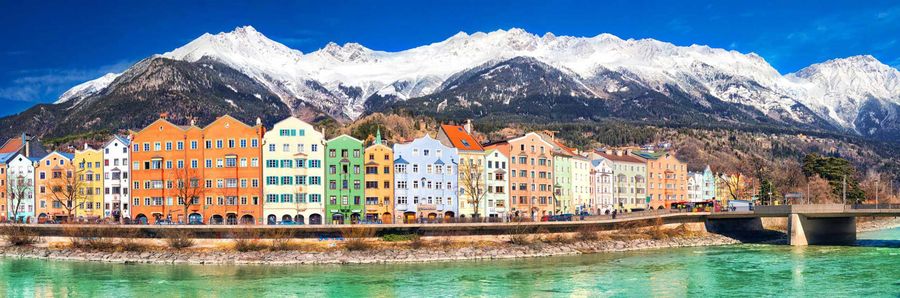
Innsbruck
Tucked within the majestic Austrian Alps, Innsbruck is a city where history, culture, and outdoor adventure converge. Known as the…
Explore Innsbruck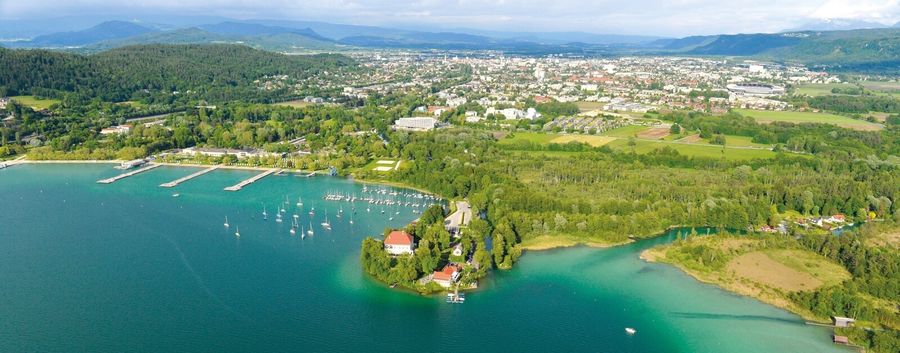
Klagenfurt
Nestled in the heart of Carinthia, Austria’s southernmost province, Klagenfurt is a charming city known for its picturesque setting,…
Explore KlagenfurtA little context for your exploring.
These original VoyageOwl city stories are preserved from the archive. Historical claims and visitor details remain subject to editorial review. Check attraction opening hours, tickets and access before making plans.
A few good stories. A little room to wander.