
Hamburg
Germany’s second-largest city, Hamburg, is a vibrant port city with a rich maritime history, stunning architecture, and a dynamic cultural scene. Known as the “Gateway to the…
What brings you
to Hamburg?
A few good places to begin.
A Historical Gem
Hamburg’s history stretches back to AD 808, when Charlemagne ordered the construction of a fortress to defend the area from Viking raids. Over the centuries,…
Hamburg · Read the storyThe Port of Hamburg
The Port of Hamburg, known as Germany’s “Gateway to the World,” is the heart and soul of the city. As Europe’s third-largest port, it’s a bustling hub of…
Hamburg · Read the storySpeicherstadt
The Speicherstadt is the world’s largest warehouse district and one of Hamburg’s most iconic areas. Built between 1883 and 1927, these towering red-brick…
Hamburg · Read the storyElbphilharmonie
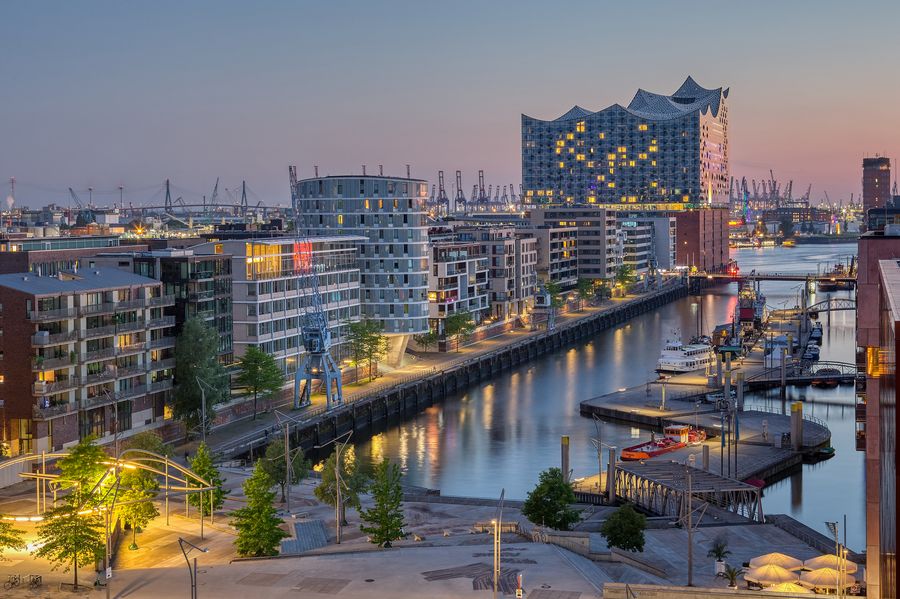
Hamburg’s Elbphilharmonie is one of the most striking pieces of modern architecture in Europe. Perched on top of a historic warehouse in the HafenCity…
Hamburg · Read the storyListen to Hamburg
Take a listening break with the city’s audio story and full transcript.
Audio & transcriptThe story of Hamburg
Get to know the city through its history, culture and local traditions.
Read at your own paceA few ways into Hamburg.
Leave room to discover more.
The Port of Hamburg
The Port of Hamburg, known as Germany’s “Gateway to the World,” is the heart and soul of the city. As Europe’s third-largest port, it’s a bustling hub of activity, handling millions of tons of cargo each year. Visitors can take boat tours through the port’s waterways…
Discover the storySpeicherstadt
The Speicherstadt is the world’s largest warehouse district and one of Hamburg’s most iconic areas. Built between 1883 and 1927, these towering red-brick warehouses were once used to store…
Look a little closer 03A story worth stopping forElbphilharmonie
Hamburg’s Elbphilharmonie is one of the most striking pieces of modern architecture in Europe. Perched on top of a historic warehouse in the HafenCity district, this futuristic glass…
Look a little closer 04A story worth stopping forThe Alster Lakes
The Alster Lakes—the Binnenalster and Außenalster—are two artificial lakes located in the heart of Hamburg. These scenic bodies of water offer a peaceful contrast to the busy city and are…
Look a little closer 05A story worth stopping forReeperbahn and St. Pauli
Hamburg’s famous Reeperbahn, located in the St. Pauli district, is the city’s entertainment and nightlife hub. Known as Europe’s most famous red-light district, the Reeperbahn is filled…
Look a little closerThe story of Hamburg.
Set the sceneA little background.
A little background.
Germany’s second-largest city, Hamburg, is a vibrant port city with a rich maritime history, stunning architecture, and a dynamic cultural scene. Known as the “Gateway to the World,” Hamburg has long been one of Europe’s most important trading hubs, thanks to its vast harbor and strategic location on the Elbe River. With its elegant blend of old-world charm and modern innovation, Hamburg offers travelers a unique experience that reflects both its historic significance and its forward-thinking spirit. From its picturesque canals to its thriving arts and music scene, Hamburg is a city full of surprises and unforgettable moments.
Behind the postcardA Historical Gem
A Historical Gem
Hamburg’s history stretches back to AD 808, when Charlemagne ordered the construction of a fortress to defend the area from Viking raids. Over the centuries, the city grew in importance, particularly during the Middle Ages when Hamburg became a key member of the Hanseatic League, a powerful confederation of trading cities in Northern Europe. This maritime heritage has left an indelible mark on the city, making it a crucial hub for global trade, culture, and diplomacy.
Despite suffering significant damage during World War II, Hamburg has rebuilt itself into a modern metropolis while preserving much of its historic charm. Its vast harbor, the Port of Hamburg, remains one of the busiest in Europe, further cementing the city’s role as a global trading center. Hamburg is also home to a wealth of cultural landmarks, museums, and green spaces, making it a destination that balances history and modernity in perfect harmony.
Top 5 Unique Characteristics of Hamburg
Look a little closerThe Port of Hamburg
The Port of Hamburg
The Port of Hamburg, known as Germany’s “Gateway to the World,” is the heart and soul of the city. As Europe’s third-largest port, it’s a bustling hub of activity, handling millions of tons of cargo each year. Visitors can take boat tours through the port’s waterways and explore the massive container ships and cranes up close. The port also hosts the Hafengeburtstag, the world’s largest port festival, every May, drawing in thousands of visitors with concerts, fireworks, and ship parades.
Look a little closerSpeicherstadt
Speicherstadt
The Speicherstadt is the world’s largest warehouse district and one of Hamburg’s most iconic areas. Built between 1883 and 1927, these towering red-brick warehouses were once used to store goods like coffee, tea, and spices. Today, the Speicherstadt is a UNESCO World Heritage Site, offering visitors a glimpse into Hamburg’s trading past. The area is also home to attractions like the Miniatur Wunderland, the world’s largest model railway, and the Hamburg Dungeon, an immersive experience that brings the city’s darker history to life.
Look a little closerElbphilharmonie
Elbphilharmonie
Hamburg’s Elbphilharmonie is one of the most striking pieces of modern architecture in Europe. Perched on top of a historic warehouse in the HafenCity district, this futuristic glass concert hall has quickly become a symbol of the city’s cultural and architectural innovation. Known for its state-of-the-art acoustics and breathtaking design, the Elbphilharmonie offers world-class performances in an unforgettable setting. Visitors can also take an elevator to the Plaza, a public viewing platform offering panoramic views of the city and harbor.
Look a little closerThe Alster Lakes
The Alster Lakes
The Alster Lakes—the Binnenalster and Außenalster—are two artificial lakes located in the heart of Hamburg. These scenic bodies of water offer a peaceful contrast to the busy city and are popular spots for sailing, paddleboarding, and picnicking. The lakes are surrounded by lush parks, elegant villas, and walking paths, making them perfect for a leisurely stroll or a boat tour. In the winter, when the lakes freeze over, locals enjoy ice skating and winter sports.
Look a little closerReeperbahn and St. Pauli
Reeperbahn and St. Pauli
Hamburg’s famous Reeperbahn, located in the St. Pauli district, is the city’s entertainment and nightlife hub. Known as Europe’s most famous red-light district, the Reeperbahn is filled with clubs, bars, theaters, and music venues, offering something for everyone. It’s also a historical hotspot for music fans, as it was here that The Beatles honed their craft in the early 1960s, playing at venues like the Star Club. Today, the Reeperbahn remains a lively area, attracting both locals and tourists with its vibrant energy and diverse cultural offerings.
Behind the postcardHamburg Today: A City of Innovation and Culture
Hamburg Today: A City of Innovation and Culture
Today, Hamburg is a thriving metropolis that combines its maritime heritage with a forward-thinking approach to urban development. The city’s ambitious HafenCity project is transforming former industrial areas into modern residential and commercial districts, while its green spaces and parks, such as the expansive Planten un Blomen, offer a welcome retreat from city life.
Hamburg’s cultural scene is also flourishing, with numerous theaters, galleries, and music venues hosting everything from classical performances to cutting-edge exhibitions. The city’s culinary scene is equally diverse, with a wide range of restaurants offering traditional Fischbrötchen (fish sandwiches) alongside international cuisine from around the world.
Behind the postcardFun Facts About Hamburg
Fun Facts About Hamburg
Hamburg has more bridges than Venice, Amsterdam, and London combined, with over 2,500 bridges crossing its canals and rivers.The Elbphilharmonie’s glass façade is made up of 1,100 curved glass panels, each uniquely shaped to create its wave-like structure.Hamburg’s Hafengeburtstag (Port Birthday) is celebrated every May, attracting over 1 million visitors to the world’s largest port festival.The Beatles played over 250 gigs in Hamburg before they became famous, shaping their early music career in the city’s clubs.Hamburg’s Town Hall (Rathaus) has more rooms than Buckingham Palace, with 647 rooms.
With its rich maritime history, cultural innovation, and stunning architecture, Hamburg is a city that offers a unique blend of old and new. Whether you’re exploring its historic port, marveling at modern masterpieces like the Elbphilharmonie, or enjoying the lively nightlife of the Reeperbahn, Hamburg promises a truly unforgettable experience.
The city,
in your headphones.
Take a seat, or take a walk. Discover Hamburg one story at a time.
The stories of Hamburg
Read the complete audio transcript
Welcome to Voyage Owl’s walking tour of Hamburg, a vibrant port city that has been at the heart of trade, culture, and history in Germany for over a millennium. Let’s set the scene for our adventure through Hamburg, a city that perfectly balances tradition and modernity. Often referred to as Germany’s "Gateway to the World," Hamburg is one of the most important port cities in Europe and has been a hub for international trade, culture, and innovation for over a thousand years. As you walk through its streets, you'll quickly realize that water plays an essential role in shaping the city's character. Hamburg is surrounded by rivers, canals, and two artificial lakes, making it feel like a city that’s always in dialogue with the sea.
But Hamburg is much more than just a port city. It's a place where history whispers from the spires of old churches, where medieval warehouses stand tall beside futuristic concert halls, and where cosmopolitan energy thrives in every corner. Hamburg was a founding member of the Hanseatic League, a powerful medieval trading confederation, and you can still see echoes of this prosperous past in its grand architecture and civic pride. This wealth and influence allowed the city to shape not just its own destiny, but that of Europe as a whole.
What truly sets Hamburg apart is its ability to rise from the ashes. The city has been repeatedly devastated by fires, floods, and wars, most notably during World War II, when much of it was destroyed by bombings. Yet, Hamburg always rebuilt, each time emerging stronger and more resilient than before. Walking through its neighborhoods, you’ll see this resilience firsthand as historic buildings sit comfortably beside cutting-edge modern structures, creating a unique architectural tapestry.
Hamburg is also a city of contradictions: one moment you can be immersed in the buzzing nightlife of St. Pauli, and the next, you’re strolling through the peaceful gardens of Planten un Blomen. It’s a place where gritty, working-class neighborhoods coexist with upscale shopping districts, and where a vibrant creative scene thrives in the shadows of centuries-old trade routes. Whether you’re wandering the winding streets of the Altstadt, taking in the futuristic brilliance of the Elbphilharmonie, or simply sipping coffee by the tranquil waters of the Alster, Hamburg will surprise and delight you at every turn.
On this walking tour, we’ll delve deep into the many layers of Hamburg’s history and culture. You’ll learn about the city’s role as a center of trade and commerce, its importance during the medieval Hanseatic period, and how it became one of Germany’s most forward-thinking and diverse cities. We’ll explore historic sites, modern landmarks, and even a few hidden gems, all while soaking in the atmosphere of this dynamic, maritime metropolis.
Whether you’re a first-time visitor or someone returning to rediscover Hamburg’s charms, this tour will guide you through the city’s most essential landmarks, each one offering a glimpse into what makes Hamburg such an unforgettable destination. Now, let’s step back in time—and forward into the future—on a journey through the streets, squares, and stories that define this remarkable city.
---
### Stop 1: Rathaus – Hamburg's Grand City Hall
Our tour starts at the heart of Hamburg, in front of the Rathaus, the city’s impressive town hall. This neo-Renaissance building is hard to miss with its stunningly intricate façade, topped by a soaring copper-covered tower that reaches 112 meters into the sky. Built between 1886 and 1897, the Rathaus is not only a symbol of Hamburg’s wealth and power but also a testament to the city’s resilience. The previous town hall was destroyed in the Great Fire of 1842, but the city rose from the ashes and constructed this new Rathaus, which remains one of the most beautiful buildings in Germany.
As you stand in the spacious Rathausmarkt, the grand square in front of the town hall, you’ll feel the city’s beating heart around you. The square is often bustling with activity—whether it’s local markets, concerts, or cultural events. During the winter, the square transforms into a magical Christmas market, with glittering lights, wooden stalls, and the scent of mulled wine filling the air.
Step closer to the Rathaus to appreciate the exquisite details on its façade. Notice the statues of German emperors, which line the building, and the intricate carvings that depict key moments in Hamburg’s history. If you have time, I highly recommend taking a tour inside the Rathaus, where you’ll be greeted by opulent interiors, including the grand Senate Hall and the intricately detailed Hall of the Hamburg Parliament.
The Rathaus is more than just a beautiful building—it’s the seat of Hamburg’s government, where the Senate of Hamburg and the Hamburg Parliament convene. This mix of history, politics, and architectural grandeur makes it the perfect starting point for our tour.
Locals are particularly proud of their Rathaus because it symbolizes Hamburg’s independence. Unlike many German cities, Hamburg was a Free Imperial City, meaning it had the autonomy to govern itself for much of its history. The elaborate design of the Rathaus reflects this spirit of independence and prosperity.
---
### Stop 2: Jungfernstieg – The Heart of Hamburg’s Shopping District
From the Rathaus, it’s just a short walk to Jungfernstieg, one of Hamburg’s most famous promenades. This bustling boulevard runs along the Binnenalster, one of the two artificial lakes in the center of Hamburg. As we stroll along the waterfront, you’ll notice that Jungfernstieg is home to high-end shops, elegant cafes, and impressive department stores. It’s a great place to stop for a coffee while taking in the views of the shimmering lake, which is dotted with swan boats and sailboats.
Jungfernstieg has a fascinating history. It was named after the tradition of local families taking their unmarried daughters, or "Jungfern" (virgins), for a promenade along the boulevard. Today, it remains a popular spot for locals to meet up, shop, or simply relax by the water. On a sunny day, the lakeside steps are packed with people enjoying the atmosphere and soaking in the sun.
As you walk along Jungfernstieg, be sure to take in the view across the Binnenalster, where you’ll see the iconic Alster Fountain, which shoots water high into the sky. The Binnenalster is one of the most picturesque parts of the city, and its proximity to both the commercial heart of Hamburg and the quiet green spaces makes it a perfect example of how the city blends business and leisure.
If you’re a fan of shopping, you’ll find some of Hamburg’s finest stores here, including the famous Alsterhaus department store. Even if shopping isn’t on your agenda, it’s worth stepping inside just to admire the beautiful interior. If you’re feeling a bit peckish, grab a seat at one of the cafés along Jungfernstieg and enjoy a traditional Franzbrötchen, a sweet, cinnamon-laced pastry that is a local specialty.
The Binnenalster was originally part of Hamburg’s medieval defenses, created by damming the Alster River in the 13th century. Over the centuries, it became a fashionable meeting point and is now one of the most popular areas for locals to gather, especially during festivals like Alstervergnügen, an annual summer event with music, food, and fireworks.
---
### Stop 3: St. Michael’s Church – A Towering Landmark
From the bustling Jungfernstieg, we’ll make our way to one of Hamburg’s most recognizable landmarks: St. Michael’s Church, or Michel as the locals affectionately call it. This imposing Baroque church, with its towering 132-meter-high spire, dominates the skyline and has been a symbol of the city for centuries. As you approach, you’ll be struck by the church’s grandeur, with its striking clock tower that can be seen from nearly every corner of the city.
St. Michael’s Church has a rich history that mirrors Hamburg’s resilience. The original church was built in the 17th century, but it burned down twice—once in 1750 and again in 1906. The current structure dates from 1912, making it the third incarnation of the church. It’s a testament to Hamburg’s ability to rebuild after tragedy, a recurring theme throughout the city’s history.
I highly recommend climbing the tower for panoramic views of the city. The climb is steep but well worth the effort. From the top, you’ll get breathtaking views of the harbor, the Elbphilharmonie, and the entire cityscape of Hamburg. It’s one of the best spots for photographers, especially around sunset when the city is bathed in golden light.
Inside the church, you’ll find a beautiful, light-filled interior with marble columns, gilded details, and a massive organ that dominates the space. St. Michael’s is also known for its acoustics, and if you’re lucky, you might catch a live organ concert, which is an unforgettable experience in such a grand setting.
Downstairs, you can visit the crypt, where notable figures from Hamburg’s past are buried. The crypt offers a fascinating glimpse into the city’s history, with displays and information about the people who helped shape Hamburg into the city it is today.
If you’re visiting on a Sunday, you might be lucky enough to hear the trumpeter who plays from the tower at noon. It’s a longstanding tradition that has been observed for centuries, and hearing the music echo across the city is a special treat.
---
### Stop 4: Speicherstadt – The World’s Largest Warehouse District
Next, we’ll make our way to the Speicherstadt, a UNESCO World Heritage Site and the largest warehouse district in the world. Built between 1883 and 1927, this vast complex of red-brick warehouses, crisscrossed by canals and bridges, is one of Hamburg’s most iconic areas. The Speicherstadt was originally built as a free port area, where goods from all over the world—tea, coffee, spices, carpets—were stored and traded without customs duties.
Walking through the Speicherstadt feels like stepping back in time. The warehouses, with their distinctive gabled roofs and ornate facades, rise above the water, creating a unique and atmospheric landscape. The area is particularly magical at night when the buildings are illuminated, their reflections shimmering in the canal waters below.
But Speicherstadt isn’t just a relic of the past—it’s a vibrant part of modern Hamburg. Many of the old warehouses have been converted into museums, shops, and cafés, making it a lively and engaging area to explore. If you’re a coffee lover, you’ll be interested to know that Speicherstadt was once the heart of Hamburg’s coffee trade, and you can still visit coffee roasters in the area to sample fresh brews from around the world.
One of the highlights of the Speicherstadt is the Miniatur Wunderland, the world’s largest model railway exhibition. It may sound like a niche attraction, but trust me, it’s a must-see for visitors of all ages. The exhibition features incredibly detailed miniature versions of cities, landscapes, and entire countries, complete with tiny trains, planes, and people. It’s one of the most popular attractions in Germany, and you could easily spend hours marveling at the craftsmanship and attention to detail.
As we continue walking through the Speicherstadt, you’ll notice how the district seamlessly blends into the modern HafenCity development, which is one of the largest urban redevelopment projects in Europe. HafenCity is the future of Hamburg, while Speicherstadt is its proud past, and together, these two districts form a fascinating juxtaposition of old and new. The area is constantly evolving, with modern architecture rising beside the historic red-brick warehouses. It’s a vibrant reminder that Hamburg is a city constantly reinventing itself while remaining deeply connected to its maritime roots.
For a unique experience, you can visit the Spice Museum, located in one of the old warehouses. It’s a small, interactive museum where you can learn about the spices that passed through Hamburg's port over the centuries. You can even smell and taste some of the spices that shaped the city’s history.
---
### Stop 5: Elbphilharmonie – The Crown Jewel of Modern Hamburg
Just a short walk from the Speicherstadt, we arrive at one of Hamburg’s most iconic modern landmarks—the Elbphilharmonie. This futuristic concert hall, perched at the tip of the Elbe River, is a masterpiece of contemporary architecture. Built on top of an old warehouse, the Elbphilharmonie rises like a glass wave over the harbor, blending Hamburg’s maritime heritage with cutting-edge design.
Completed in 2016 after nearly a decade of construction, the Elbphilharmonie has become a symbol of Hamburg’s cultural renaissance. Its concert hall is renowned for its acoustics, and the building itself is a work of art, with its undulating glass façade reflecting the river and the sky. Whether you’re a classical music fan or not, visiting the Elbphilharmonie is an absolute must.
Even if you don’t have tickets to a concert, you can still visit the Plaza, a public viewing platform that wraps around the building and offers 360-degree views of Hamburg. As you walk around the plaza, you’ll get a stunning perspective of the harbor, the city’s skyline, and the bustling activity on the Elbe River below. It’s one of the best places in the city to take in Hamburg’s unique blend of historic and modern architecture.
Inside the Elbphilharmonie, the concert halls are nothing short of breathtaking. The Grand Hall, with its striking white interior and curving walls, creates a sense of intimacy despite its large size. The acoustics are world-class, and attending a concert here is an unforgettable experience. If you’re lucky enough to visit during a performance, you’ll understand why the Elbphilharmonie is considered one of the best concert halls in the world.
If you want to avoid the crowds, try visiting the Elbphilharmonie in the early morning or late evening. The Plaza is open until midnight, and the view of the city at night is magical, with the lights of the harbor twinkling below.
---
### Stop 6: Landungsbrücken – Gateway to the Harbor
From the Elbphilharmonie, we make our way to the Landungsbrücken, the historic landing stages along the banks of the Elbe River. This area is a bustling hub of activity, with ferries, tour boats, and cruise ships coming and going throughout the day. The Landungsbrücken have been a gateway to Hamburg’s port for centuries, and today they remain one of the city’s most popular attractions.
As you stand on the pier, you can’t help but feel the energy of the harbor. Hamburg’s port is one of the largest in Europe, and it has been the lifeblood of the city since the Middle Ages. Even today, the port is a vital part of the global economy, handling millions of containers each year and connecting Hamburg to destinations all over the world.
From here, you can hop on one of the many harbor tours, which I highly recommend. These boat tours take you through the port, giving you an up-close look at the massive container ships, the historic Speicherstadt warehouses, and the ultra-modern HafenCity development. It’s a fascinating way to see the city from a different perspective and learn about its maritime history.
While you're at Landungsbrücken, make sure to check out the historic Rickmer Rickmers, a beautifully restored sailing ship that is now a museum. The ship, which dates back to 1896, offers a glimpse into Hamburg’s seafaring past. You can explore the decks, the captain’s quarters, and even the engine room, learning about life on board during the height of Hamburg’s maritime trade.
As you walk along the pier, you’ll also notice the Alter Elbtunnel, a historic tunnel that runs under the Elbe River. Opened in 1911, this tunnel was an engineering marvel in its time, allowing workers to cross the river to the shipyards on the other side. Today, it’s still in use, and you can walk or bike through the tunnel, taking in the beautifully tiled walls and the unique, slightly eerie atmosphere.
The Fish Market, located near Landungsbrücken, is a Hamburg institution. Every Sunday morning, locals and tourists alike flock to the market to buy fresh seafood, fruits, and flowers while enjoying live music and a lively atmosphere. It’s a great way to experience the local culture and sample some delicious seafood.
---
### Stop 7: St. Pauli and the Reeperbahn – Hamburg’s Wild Side
From the harbor, we head to St. Pauli, one of Hamburg’s most famous and notorious neighborhoods. St. Pauli is the city’s entertainment district, and at its heart is the Reeperbahn, a mile-long street known for its nightlife, bars, theaters, and clubs. The Reeperbahn has been called the "most sinful mile" in the world, and it’s a place where anything goes.
As we walk along the Reeperbahn, you’ll quickly see that it’s a vibrant, eclectic mix of glitzy clubs, dive bars, and neon lights. St. Pauli has long had a reputation as a rough-and-tumble part of town, and it was historically the haunt of sailors looking for a good time when they were off-duty. Today, the Reeperbahn is still a wild and energetic place, but it’s also a major center for music and culture.
One of the most famous venues here is the Indra Club, where The Beatles played some of their earliest gigs before they became world-famous. Hamburg was where the young band honed their skills, playing night after night in the clubs of St. Pauli, and the city still celebrates its connection to the Fab Four. As you walk down the Reeperbahn, you’ll notice plaques and signs marking spots where The Beatles performed.
But St. Pauli is more than just its nightlife. The neighborhood has a rebellious, countercultural spirit that’s reflected in its street art, its football club (FC St. Pauli), and its unique mix of residents. FC St. Pauli, in particular, is known for its fiercely loyal fanbase and its left-wing, anti-establishment ethos. The team’s skull-and-crossbones flag has become a symbol of the neighborhood, and even if you’re not a football fan, a visit to their home stadium, the Millerntor, is a great way to experience the local culture.
As we explore St. Pauli, you’ll also notice the Davidwache, Hamburg’s most famous police station, which has been keeping order in this lively neighborhood for over a century. Its distinctive brick façade is a reminder that, despite its wild reputation, St. Pauli has a long history as a functioning, and sometimes chaotic, part of Hamburg.
During World War II, much of Hamburg was heavily bombed, but St. Pauli’s underground bunkers provided refuge for thousands of residents. Some of these bunkers still exist today, and there are tours available that take you into these eerie, wartime relics beneath the city’s surface.
---
### Stop 8: Planten un Blomen – A Green Oasis in the Heart of Hamburg
After the excitement of St. Pauli, let’s take a more peaceful turn and head to Planten un Blomen, Hamburg’s beautiful city park. This sprawling green space is one of the most beloved parts of the city, offering a peaceful escape from the hustle and bustle. As we walk through the park, you’ll notice the incredible diversity of plants and flowers, as well as the beautifully manicured gardens and tranquil ponds.
Planten un Blomen is more than just a park—it’s a cultural hub. In the summer, the park hosts open-air concerts, theater performances, and the famous Wasserlichtkonzerte (water-light concerts), where fountains dance in time to music, illuminated by colorful lights. It’s a magical experience, especially on a warm summer evening.
One of the highlights of Planten un Blomen is the Japanese Garden, the largest of its kind in Europe. As you stroll through this peaceful garden, you’ll feel transported to another world, with its serene ponds, stone lanterns, and carefully arranged plants. It’s the perfect spot to relax and enjoy the natural beauty of Hamburg.
The park is also home to several playgrounds, an ice-skating rink in the winter, and the Tropengewächshäuser, a collection of tropical greenhouses where you can explore exotic plants from around the world. Whether you’re traveling with family or just looking for a quiet place to unwind, Planten un Blomen offers something for everyone.
If you’re visiting in the summer, don’t miss the Rosenhof, the park’s rose garden, which blooms with thousands of colorful roses. It’s one of the most beautiful spots in the park, and the scent of the roses fills the air.
---
### Stop 9: The Alster Lakes – Hamburg’s Serene Centerpiece
We’ll end our tour with a visit to one of the most picturesque parts of Hamburg—the Alster Lakes. These two connected lakes, the Binnenalster (Inner Alster) and the Außenalster (Outer Alster), are located right in the heart of the city and are surrounded by beautiful parks, elegant buildings, and tree-lined promenades.
As we walk along the shores of the Alster, you’ll see locals jogging, cycling, and rowing on the peaceful waters. The lakes are a central part of Hamburg life, offering a quiet retreat from the city while still being close to all the action. If you’re up for it, you can rent a paddleboat or canoe and spend some time on the water, taking in the city from a different perspective.
The Außenalster, in particular, is a favorite spot for locals to unwind. The wide, grassy banks are perfect for picnics, and the views across the water to the elegant villas and historic buildings on the other side are stunning. On a sunny day, there’s no better place to relax and enjoy the beauty of Hamburg.
The Alster Lakes were originally created in the 13th century when a dam was built on the Alster River to power a mill. Over time, the lakes became one of Hamburg’s most beloved recreational areas, and they’re now a symbol of the city’s close relationship with water.
---
### Conclusion
As we wrap up our walking tour of Hamburg, I hope you’ve come to see why this city is such a unique and fascinating place. From its historic roots as a Hanseatic trading hub to its modern role as a global cultural center, Hamburg is a city of contrasts—old and new, traditional and avant-garde, serene and vibrant.
Whether you’re exploring the grand Rathaus, strolling along the Jungfernstieg, or taking in the views from the Elbphilharmonie, Hamburg offers an incredible range of experiences that showcase its rich history and dynamic present. And as you walk through the city’s neighborhoods, from the lively Reeperbahn to the peaceful Alster Lakes, you’ll feel the pulse of a city that is constantly evolving while never forgetting its past.
Thank you for walking with me through this wonderful city, and I hope you leave with a deeper understanding of Hamburg’s history, culture, and undeniable charm.
To listen to more amazing audio tours of cities around the world check out our other guides at voyageowl.com.
Another place, another story.
Heidelberg
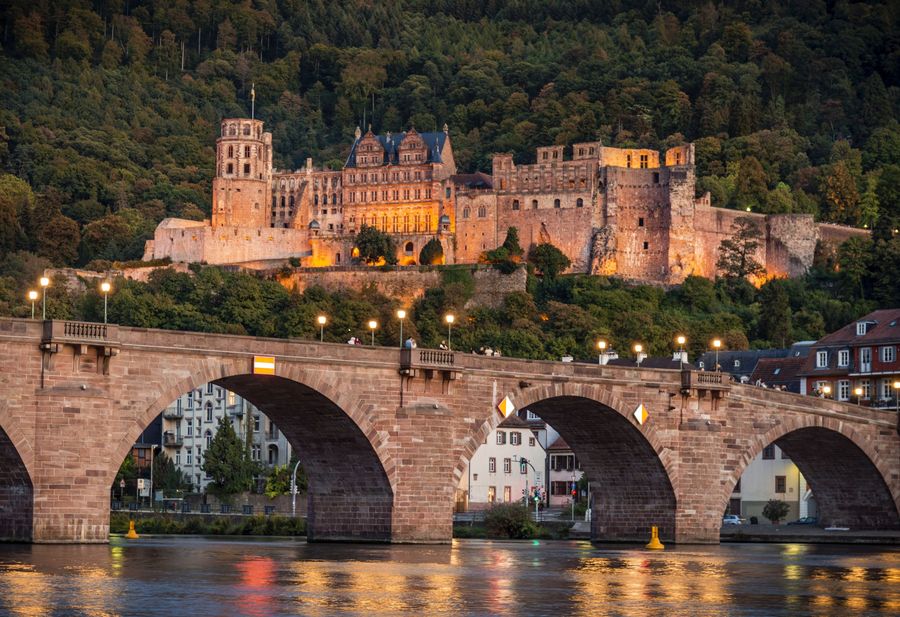
Heidelberg, nestled along the banks of the Neckar River and surrounded by lush, forested hills, is one of Germany’s most picturesque…
Explore Heidelberg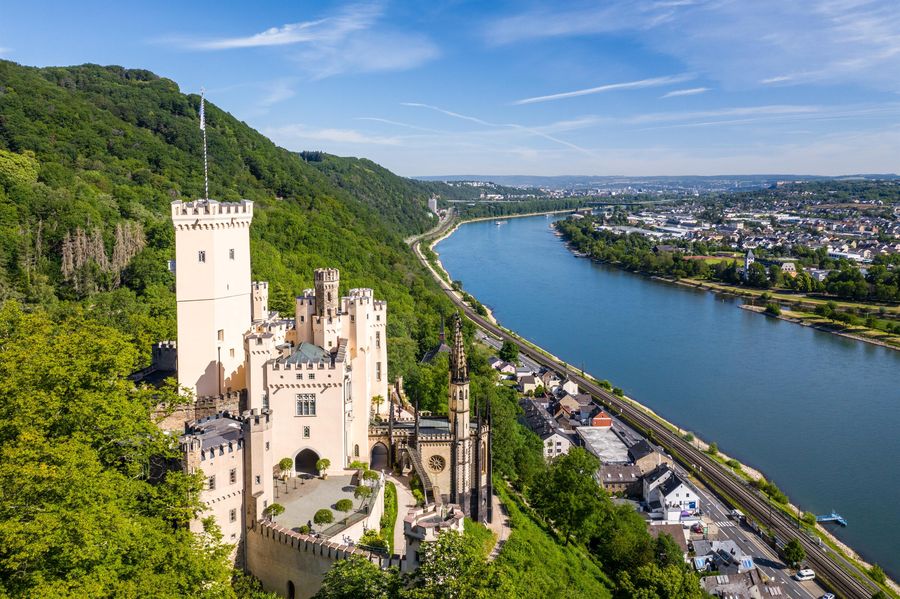
Koblenz
Koblenz, one of Germany’s oldest cities, is a place where history, culture, and natural beauty converge at the junction of two of…
Explore KoblenzA little context for your exploring.
These original VoyageOwl city stories are preserved from the archive. Historical claims and visitor details remain subject to editorial review. Check attraction opening hours, tickets and access before making plans.
A few good stories. A little room to wander.