 Voyage
Innsbruck
Tucked within the majestic Austrian Alps, Innsbruck is a city where history, culture, and outdoor adventure converge. Known as the Capital of the Alps, Innsbruck offers a unique blend of imperial history, charming…
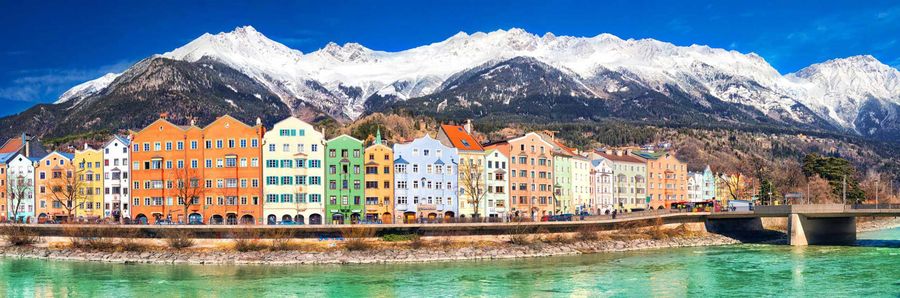
A few ways into Innsbruck.
Leave room to discover more.
The Golden Roof (Goldenes Dachl)
The Golden Roof is Innsbruck’s most famous landmark and a symbol of its imperial history. Built in 1500 by Emperor Maximilian I, the Goldenes Dachl is adorned with over 2,600 gilded copper tiles and was designed to mark the emperor’s wedding to Bianca Maria Sforza. The…
Discover the storyHofburg Imperial Palace
The Hofburg Palace in Innsbruck was one of the residences of the Habsburg dynasty, showcasing the grandeur of the empire’s wealth and influence. Originally built in the 15th century, the…
Look a little closer 03A story worth stopping forNordkette Mountain Range
One of Innsbruck’s greatest attractions is its proximity to the Nordkette mountain range, part of the Karwendel Alps. A visit to Nordkette is just a short cable car ride from the city…
Look a little closer 04A story worth stopping forBergisel Ski Jump and Olympic Legacy
Innsbruck’s connection to winter sports is world-renowned, and the Bergisel Ski Jump is a striking symbol of this heritage. The Olympic ski jump, designed by renowned architect Zaha Hadid,…
Look a little closer 05A story worth stopping forAmbras Castle
Just a short distance from Innsbruck’s city center is the impressive Ambras Castle, a Renaissance gem that was once the home of Archduke Ferdinand II. The castle is divided into an upper…
Look a little closerThe story of Innsbruck.
Set the sceneA little background.
A little background.
Tucked within the majestic Austrian Alps, Innsbruck is a city where history, culture, and outdoor adventure converge. Known as the Capital of the Alps, Innsbruck offers a unique blend of imperial history, charming old-world streets, and thrilling alpine experiences. Whether you're drawn to its rich past, its breathtaking natural surroundings, or its vibrant modern energy, Innsbruck has something for every traveler. From the legacy of the Habsburg dynasty to world-class winter sports, this city is a destination that enchants visitors all year round.
Behind the postcardA City Steeped in Historical Significance
A City Steeped in Historical Significance
Innsbruck’s story began in 1180, when it emerged as an important settlement along the trade routes between Italy and Germany. By the 15th century, it had grown into a major hub of commerce and governance, becoming the home of the powerful Habsburg dynasty. During this period, Innsbruck became a center of art, politics, and culture, with Emperor Maximilian I leaving a lasting legacy on the city. His influence can still be seen today in the grand imperial buildings and historical landmarks that define the city’s skyline.
Innsbruck’s importance continued through the centuries, especially during the Austro-Hungarian Empire. In the 20th century, Innsbruck’s fame grew with the rise of winter sports, hosting the Winter Olympics twice, in 1964 and 1976. Today, Innsbruck retains its imperial charm while also standing as a modern-day hub for adventure seekers and culture lovers alike.
Top 5 Unique Characteristics of Innsbruck
Look a little closerThe Golden Roof (Goldenes Dachl)
The Golden Roof (Goldenes Dachl)
The Golden Roof is Innsbruck’s most famous landmark and a symbol of its imperial history. Built in 1500 by Emperor Maximilian I, the Goldenes Dachl is adorned with over 2,600 gilded copper tiles and was designed to mark the emperor’s wedding to Bianca Maria Sforza. The balcony below the roof served as a royal viewing platform for festivals, tournaments, and public events in the medieval square below. Today, visitors can explore the Golden Roof Museum, which provides insights into Maximilian’s reign and Innsbruck’s rich history.
Look a little closerHofburg Imperial Palace
Hofburg Imperial Palace
The Hofburg Palace in Innsbruck was one of the residences of the Habsburg dynasty, showcasing the grandeur of the empire’s wealth and influence. Originally built in the 15th century, the palace was remodeled by Empress Maria Theresa in the 18th century, transforming it into a beautiful baroque and rococo masterpiece. Visitors can tour the lavish state apartments, ballrooms, and gardens, experiencing the opulence that once defined Habsburg life. The palace also houses exhibitions on Tyrolean history and culture, making it a must-see for history buffs.
Look a little closerNordkette Mountain Range
Nordkette Mountain Range
One of Innsbruck’s greatest attractions is its proximity to the Nordkette mountain range, part of the Karwendel Alps. A visit to Nordkette is just a short cable car ride from the city center, offering stunning panoramic views of Innsbruck and the surrounding peaks. During the winter, Nordkette becomes a skier’s paradise, while in the summer, it’s a top destination for hikers and climbers. The Hafelekarspitze, at an elevation of 2,334 meters, provides breathtaking views and a sense of awe at the rugged beauty of the Austrian Alps.
Look a little closerBergisel Ski Jump and Olympic Legacy
Bergisel Ski Jump and Olympic Legacy
Innsbruck’s connection to winter sports is world-renowned, and the Bergisel Ski Jump is a striking symbol of this heritage. The Olympic ski jump, designed by renowned architect Zaha Hadid, is a modern architectural marvel that overlooks the city. Visitors can take an elevator to the top of the tower to enjoy 360-degree views of Innsbruck and the Alps or watch world-class ski jumpers train. Innsbruck’s Olympic history is also celebrated at the Olympiaworld, where you can learn about the city’s role in hosting the Winter Olympics.
Look a little closerAmbras Castle
Ambras Castle
Just a short distance from Innsbruck’s city center is the impressive Ambras Castle, a Renaissance gem that was once the home of Archduke Ferdinand II. The castle is divided into an upper and lower section, housing an impressive collection of art, armor, and historical curiosities. One of the highlights is the Spanish Hall, a beautifully ornate room featuring intricate woodwork and frescoes, used for concerts and events today. The Chamber of Art and Curiosities is one of Europe’s oldest museums, featuring an eclectic mix of objects collected by the archduke, offering a fascinating glimpse into Renaissance culture.
Behind the postcardInnsbruck Today: Where Tradition Meets Adventure
Innsbruck Today: Where Tradition Meets Adventure
Today, Innsbruck is a vibrant city that blends its imperial past with modern urban life. As the capital of Tyrol, Innsbruck is a center for education, culture, and sport. The city is home to the University of Innsbruck, one of Austria’s most prestigious universities, which adds a youthful energy to the city. Innsbruck’s cultural scene is lively, with regular festivals, art exhibitions, and music performances throughout the year.
Innsbruck’s modern infrastructure and proximity to the Alps make it a year-round destination for outdoor enthusiasts. Whether skiing in winter, hiking in summer, or enjoying alpine views from one of the many cozy cafes, Innsbruck is a place where you can easily switch between city life and nature.
Behind the postcardFun Facts About Innsbruck
Fun Facts About Innsbruck
Innsbruck has hosted the Winter Olympics twice—once in 1964 and again in 1976—making it one of the few cities to hold this honor.The city’s name means "Bridge over the River Inn" ("Inns-bruck"), reflecting its strategic location along the river.Innsbruck is famous for its Christmas markets, with the market in the Old Town offering a magical holiday experience, complete with traditional crafts, mulled wine, and festive lights.The Hofkirche in Innsbruck houses the elaborate cenotaph of Emperor Maximilian I, guarded by life-sized bronze statues of his ancestors and heroes, known as the Schwarzen Mander (Black Men).Innsbruck is a year-round destination, known for both its winter sports and Alpine hiking trails, making it perfect for both snow lovers and nature enthusiasts.
With its blend of history, culture, and adventure, Innsbruck is a city that offers something for every traveler. Whether you’re exploring its imperial past, skiing its famous slopes, or simply soaking in the beauty of the Alps, Innsbruck promises a unique and unforgettable experience.
The city,
in your headphones.
Take a seat, or take a walk. Discover Innsbruck one story at a time.
The stories of Innsbruck
Read the complete audio transcript
Welcome to Voyage Owl’s walking tour of Innsbruck, the capital of the Tyrol region in western Austria, and a city that effortlessly blends history, nature, and culture. Nestled in the heart of the Austrian Alps, Innsbruck is a city where snow-capped mountains provide a breathtaking backdrop to centuries-old architecture, creating a landscape that feels almost like a living postcard. It’s a place where the past and present are in constant dialogue, and where the legacy of the Habsburg dynasty, the grandeur of Imperial Europe, and the modern energy of an alpine city all coexist in harmony.
Before we start exploring Innsbruck, let’s take a moment to understand the historical and cultural significance of this remarkable city. Innsbruck, which translates to “bridge over the Inn,” has been a key alpine crossroads for centuries, due to its strategic location along the Inn River and its proximity to important trade routes that connected northern and southern Europe. This pivotal position turned Innsbruck into a center of commerce, diplomacy, and culture, making it a city that has witnessed many historical turning points.
Though Innsbruck’s roots stretch back to the Roman Empire, it was during the Middle Ages and the Renaissance that the city truly began to flourish. The Habsburgs, one of Europe’s most powerful dynasties, chose Innsbruck as a seat of their empire during the 15th and 16th centuries, and it was here that Emperor Maximilian I built his imperial court. This period of prosperity left an indelible mark on the city’s architecture, art, and culture, much of which you can still see and feel as you walk through its narrow streets and open squares.
Innsbruck’s role as a political and cultural hub during the Habsburg era made it a magnet for artists, architects, and intellectuals. This golden age of imperial Austria is evident in the city’s most famous landmarks, from the Golden Roof (Goldenes Dachl) to the Hofburg Palace, which we’ll visit on our tour. But Innsbruck is more than just its imperial past—it’s a city that has managed to modernize without losing its historical charm. Today, it is a vibrant university town, a hub for winter sports, and the host of two Winter Olympic Games (1964 and 1976), blending its traditional alpine roots with a lively, youthful energy.
As we embark on this walking tour, we’ll discover how Innsbruck’s fascinating history is intertwined with its modern identity as a center for alpine tourism, education, and culture. We’ll explore its medieval heart, imperial landmarks, baroque churches, and charming alleyways, while also getting glimpses of the modern Innsbruck that continues to evolve with the times. Along the way, I’ll share fun facts, historical anecdotes, and tips to make the most of your visit.
So, lace up your walking shoes, grab a jacket (this is the Alps, after all!), and let’s begin our exploration of Innsbruck. We’ll start at one of the city’s most iconic landmarks, a symbol of Innsbruck’s rich imperial history: the Golden Roof.
---
### Stop 1: The Golden Roof (Goldenes Dachl)
Our walking tour begins at the heart of Innsbruck’s old town, at the foot of the city’s most famous landmark: the Golden Roof. As you approach the building, you’ll notice the gleaming, gold-plated tiles that cover its roof, glistening in the sunlight. The Golden Roof, built in the late 15th century, was commissioned by Emperor Maximilian I to celebrate his marriage to Bianca Maria Sforza, one of Europe’s most powerful dynastic unions.
This three-story balcony, adorned with 2,657 copper tiles, was not only a symbol of imperial grandeur but also a place from which the emperor could watch festivals, tournaments, and events held in the square below. It quickly became a representation of Habsburg power and wealth. Stand in front of the Golden Roof and try to picture the bustling medieval square, filled with knights in shining armor, nobles in elaborate gowns, and townsfolk cheering as the emperor observed from above.
Look closely at the building’s facade, and you’ll see beautiful frescoes and reliefs depicting scenes from Tyrolean history. One of the most notable reliefs shows Emperor Maximilian I with his two wives, Mary of Burgundy (his first wife, who passed away) and Bianca Maria Sforza. It’s a rather unusual display, as it was not common for rulers to publicly commemorate both wives together. This speaks to Maximilian’s deep affection for both women and his desire to honor their legacies.
The Golden Roof isn’t just famous for its beauty; it’s also a symbol of Innsbruck’s independence and prosperity. When it was completed in 1500, the structure marked the city’s growing importance as a center of commerce and culture within the Habsburg Empire.
Before we move on, take a moment to appreciate the charming Herzog-Friedrich-Straße, the narrow medieval street that leads up to the Golden Roof. The colorful, gabled houses that line the street have been meticulously preserved, offering a glimpse of what Innsbruck looked like centuries ago. Today, the street is filled with boutique shops, cafes, and restaurants, making it a great spot to wander and soak in the city’s atmosphere.
Now that we’ve explored the Golden Roof, let’s continue our walk through the old town and head toward another imperial treasure: the Hofburg Palace.
---
### Stop 2: Hofburg Palace
Just a few minutes’ walk from the Golden Roof, we arrive at the Hofburg Palace, one of the most important imperial residences in Austria, second only to the Hofburg in Vienna. This stunning palace, originally built in the 15th century, was transformed into a magnificent baroque residence during the reign of Empress Maria Theresa in the 18th century. Maria Theresa, one of the most influential rulers of the Habsburg Empire, left her mark on Innsbruck by commissioning the renovation of the Hofburg, which today remains a symbol of imperial opulence and grandeur.
As you step inside the Hofburg, you’ll be transported to the world of the Austrian imperial court. The palace is filled with lavish rooms, grand staircases, and intricately designed ceilings. The Giant’s Hall (Riesensaal) is perhaps the most impressive room in the palace, with its marble floors, crystal chandeliers, and portraits of Habsburg emperors and empresses. The hall was used for banquets, balls, and royal receptions, and it’s easy to imagine the glittering, candlelit gatherings that once took place here.
One of the most significant events in the palace’s history occurred in 1765, when Empress Maria Theresa hosted the wedding of her son, Leopold II, to the Spanish princess Maria Luisa of Spain. However, the wedding celebrations were overshadowed by tragedy when Maria Theresa’s husband, Emperor Francis I, passed away unexpectedly during the festivities. This tragic event deeply affected Maria Theresa, and she spent much of her later years in mourning.
If you’re a history enthusiast, make sure to visit the Imperial Apartments, where you can see the personal living quarters of the Habsburg family. These rooms offer an intimate glimpse into the daily lives of the Austrian royals, from their opulent furniture to their personal belongings.
As we leave the Hofburg Palace, take a moment to enjoy the beautiful Hofgarten, the palace’s expansive gardens. These gardens, designed in the 16th century, are a peaceful oasis in the heart of Innsbruck and the perfect place to take a break or enjoy a leisurely stroll.
Next, we’ll continue our journey by visiting the Innsbruck Cathedral, located just a short walk from the palace.
---
### Stop 3: Innsbruck Cathedral (St. James’ Cathedral)
A few minutes' walk from the Hofburg Palace brings us to the magnificent Innsbruck Cathedral (Dom zu St. Jakob), also known as St. James’ Cathedral. This stunning baroque church, built between 1717 and 1724, is one of the most beautiful and historically significant churches in Austria. As you approach the cathedral, you’ll be struck by its twin towers and grand facade, which dominate the skyline of Innsbruck’s old town.
The cathedral was designed by the renowned architect Johann Jakob Herkommer and is a masterpiece of baroque architecture, characterized by its ornate decoration, dramatic use of light and shadow, and elaborate frescoes. As you step inside, the grandeur of the interior will take your breath away. The high, vaulted ceilings are adorned with intricate stucco work and frescoes by the artist Cosmas Damian Asam, depicting scenes from the life of St. James and the Virgin Mary.
One of the most famous treasures of the cathedral is the Maria Hilf Altarpiece, a painting by the German Renaissance master Lucas Cranach the Elder. This beautiful painting, located behind the high altar, depicts the Virgin Mary holding the infant Jesus, and it has been a site of pilgrimage for centuries. The image of Maria Hilf (Mary of Help) became particularly important to the people of Tyrol during the Napoleonic Wars, when the region was under threat from French and Bavarian forces.
The cathedral also houses the tomb of Archduke Maximilian III, a key figure in Tyrolean history. Maximilian III, known as the “Grand Master of the Teutonic Order,” was a member of the Habsburg dynasty who played a crucial role in defending Tyrol during the 17th century. His tomb, located in the cathedral's crypt, is a remarkable work of art in itself, featuring intricate carvings and sculptures that pay tribute to his legacy. As you stand near his tomb, you can reflect on how much Innsbruck owes to the Habsburgs and their role in shaping the city's fortunes over the centuries.
Innsbruck Cathedral has a distinctive feature: its bell tower houses the largest free-swinging bell in Austria, known as the "Innsbruck Bell." It was cast in 1846 and weighs more than eight tons! When it rings out across the city, the deep, resonant sound can be heard for miles around, making it a powerful symbol of Innsbruck's spiritual and historical significance.
As you leave the cathedral, take a moment to enjoy the views of the surrounding mountains from the square outside. Innsbruck’s unique location, with the towering Nordkette mountain range framing the city, gives it a natural grandeur that is unmatched by most other European cities.
Now that we’ve explored the imperial and spiritual heart of Innsbruck, it’s time to dive into its more bustling and everyday side. Our next stop is a short walk away—the Maria-Theresien-Straße, Innsbruck’s main shopping street.
---
### Stop 4: Maria-Theresien-Straße
Named after Empress Maria Theresa, Maria-Theresien-Straße is Innsbruck’s central boulevard and one of the most vibrant streets in the city. As you stroll down this wide, bustling avenue, you’ll immediately feel the energy of modern Innsbruck, with its mix of historical buildings, trendy shops, cafes, and restaurants. The street is a perfect example of how Innsbruck blends its rich past with a dynamic present.
Maria-Theresien-Straße dates back to the Middle Ages but was transformed into a grand boulevard during the 18th and 19th centuries, when the city expanded under the influence of the Habsburgs. The street is lined with beautifully preserved baroque and neoclassical buildings, many of which house high-end boutiques, art galleries, and international brands.
As you walk along the street, you’ll notice the Annasäule (St. Anne’s Column), which stands in the middle of the boulevard. This marble column was erected in 1706 to commemorate the liberation of Tyrol from Bavarian forces during the War of the Spanish Succession. The column is topped with a statue of St. Anne, the patron saint of Tyrol, and is surrounded by statues of other saints important to the region. It’s a striking reminder of Tyrol’s resilience and the deep connection between the people and their faith.
Maria-Theresien-Straße is the perfect place to stop for a break and enjoy a traditional Austrian coffee or apple strudel at one of the many sidewalk cafes. You’ll also find a variety of shops selling local products like Tyrolean wool and handcrafted souvenirs, perfect for picking up a unique gift to remember your time in Innsbruck.
At the southern end of the street, you’ll come to Triumphpforte (the Triumphal Arch), one of Innsbruck’s most famous landmarks. The arch was built in 1765 by Empress Maria Theresa to celebrate the marriage of her son, Leopold II, but it also became a memorial for her late husband, Emperor Francis I, who died unexpectedly during the wedding celebrations. The dual purpose of the arch, celebrating both joy and sorrow, makes it a poignant and historically significant monument.
As we continue our tour, we’ll take a slight detour to explore one of the most charming parts of Innsbruck—the Hofgarten, the city’s imperial gardens.
---
### Stop 5: Hofgarten
A short walk from the bustle of Maria-Theresien-Straße brings us to the tranquil Hofgarten, Innsbruck’s historic imperial garden. Originally laid out in the 16th century, the Hofgarten has been a favorite retreat for the city’s residents and visitors for centuries. The garden was initially designed in the Renaissance style, with carefully manicured lawns, ornamental flowerbeds, and symmetrical pathways, but it was later transformed into a more natural English-style garden during the 19th century.
As you enter the Hofgarten, the hustle and bustle of the city seem to melt away, replaced by the peaceful sound of birds singing and the soft rustling of leaves in the breeze. This 10-hectare garden is the perfect spot for a leisurely stroll, a picnic, or simply sitting on a bench and enjoying the beauty of nature. The garden is home to over 5,000 species of plants and trees, many of which are centuries old, providing plenty of shaded areas to relax and unwind.
In the center of the garden, you’ll find a charming pavilion, which often hosts concerts and cultural events during the summer months. The pavilion, with its elegant design and open-air setting, is a reminder of the garden’s role as a place of entertainment for the imperial court during the Habsburg era. Imagine the noble families of Innsbruck, dressed in their finest attire, enjoying a summer concert or a garden party in this very spot.
The Hofgarten was also a favorite retreat of Emperor Maximilian I, who used the garden as a place to reflect and relax. Today, you can follow in his footsteps, finding your own peaceful corner to sit and soak in the beauty of the garden.
As we leave the Hofgarten, our next stop takes us to one of Innsbruck’s most iconic landmarks, a place that offers unparalleled views of the city and the Alps: the Nordkette Cable Car.
---
### Stop 6: The Nordkette Cable Car
Our next destination offers a different perspective on Innsbruck—this time from above. We’re heading to the Nordkette Cable Car, which takes you from the heart of the city up into the stunning Nordkette mountain range, part of the Karwendel Nature Park. The cable car is one of Innsbruck’s most famous attractions and provides an unforgettable alpine experience just minutes from the city center.
To get to the cable car station, we’ll walk north from the Hofgarten along Rennweg, crossing the Inn River, which has been Innsbruck’s lifeblood for centuries. The river’s turquoise waters, fed by the glaciers of the surrounding mountains, are a beautiful sight in themselves, and the bridges that span the Inn offer some of the best views of the city.
The Nordkette Cable Car was designed by the renowned architect Zaha Hadid and is a marvel of modern engineering. The sleek, futuristic design of the cable car stations stands in striking contrast to the medieval and baroque buildings of Innsbruck’s old town, but it’s a testament to the city’s commitment to blending tradition with innovation.
Once aboard the cable car, sit back and enjoy the ride as you ascend from the city to the alpine wilderness in just a few minutes. The views from the cable car are breathtaking, offering a bird’s-eye view of Innsbruck and the surrounding valley, with the towering peaks of the Alps rising above you. As the cityscape fades away, you’ll feel like you’re entering a different world—a world of rugged mountain beauty, where nature reigns supreme.
At the top, you’ll find yourself at Hafelekar, the highest point of the Nordkette, which sits at an elevation of over 2,200 meters (7,200 feet). From here, you can take in panoramic views of Innsbruck, the Inn Valley, and the majestic mountain ranges that surround the city. On a clear day, you can even see as far as Germany to the north and Italy to the south, making this one of the most awe-inspiring vantage points in the Alps.
If you’re feeling adventurous, take a hike along one of the many trails that wind through the Nordkette. The trails range from easy walks to more challenging alpine routes, so there’s something for everyone. In the winter, the Nordkette is also a popular spot for skiing and snowboarding, offering some of the steepest runs in Europe.
After soaking in the views and the fresh mountain air, we’ll take the cable car back down to the city, where our next stop awaits: the Tyrolean State Museum (Tiroler Landesmuseum Ferdinandeum), a treasure trove of art and history.
---
### Stop 7: The Tyrolean State Museum (Tiroler Landesmuseum Ferdinandeum)
Back in the city center, we’ll head to the Tyrolean State Museum, one of Innsbruck’s most important cultural institutions. The museum, founded in 1823, is named after Archduke Ferdinand II, a key figure in Tyrolean history who was known for his love of art and culture. The museum’s collection covers a wide range of topics, from Tyrolean history and archaeology to fine arts, music, and folklore.
As you enter the museum, you’ll be greeted by a fascinating array of exhibits that tell the story of Tyrol’s rich cultural heritage. The museum’s art collection is particularly impressive, featuring works by Austrian masters such as Albin Egger-Lienz and Franz Defregger, both of whom were inspired by the rugged beauty of the Tyrolean landscape and the lives of its people.
One of the highlights of the museum is its collection of Gothic art, which includes stunning religious sculptures, altarpieces, and stained glass from Tyrolean churches and monasteries. These works of art offer a glimpse into the spiritual life of medieval Tyrol and the region’s deep connection to the Catholic faith.
The museum also houses a fascinating archaeological collection, with artifacts dating back to the Bronze Age, providing insight into the ancient civilizations that once inhabited the Tyrolean Alps. From tools and weapons to jewelry and pottery, these artifacts reveal the ingenuity and craftsmanship of the people who lived in this rugged, mountainous region long before the rise of the Habsburgs.
The museum also features a collection of musical instruments, showcasing Tyrol’s rich musical heritage. The region has a long tradition of music-making, from folk music to classical compositions, and the museum’s collection includes everything from traditional alpine horns to early keyboard instruments.
---
### Stop 8: Tyrolean Imperial Tomb (Hofkirche)
Our next stop takes us back to the heart of Innsbruck, where we’ll visit the Tyrolean Imperial Tomb (Hofkirche), located in the Hofkirche, a striking Gothic church built in the 16th century. This tomb is one of the most significant historical monuments in Austria and is dedicated to Emperor Maximilian I, one of the most important rulers in the history of the Holy Roman Empire.
As you enter the Hofkirche, you’ll be immediately struck by the grandeur of the Cenotaph of Maximilian I, an elaborate monument that dominates the interior of the church. The cenotaph is surrounded by 28 life-size bronze statues, known as the Schwarze Mander (Black Men), representing members of Maximilian’s family, friends, and important historical figures. The statues are incredibly detailed, and as you walk among them, you’ll feel as though you’re standing in the presence of the emperor’s court.
Although Maximilian I’s tomb is located in Wiener Neustadt, the Hofkirche was built to honor his memory and serve as a lasting tribute to his legacy. The cenotaph itself is empty, but its intricate design, featuring marble reliefs depicting scenes from the emperor’s life, is a testament to Maximilian’s influence and the power of the Habsburg dynasty.
Emperor Maximilian I is often referred to as the "Last Knight" due to his romanticized image as a chivalric warrior and patron of the arts. His reign marked the transition from the medieval world to the early modern period, and he played a crucial role in shaping the political and cultural landscape of Europe during the late 15th and early 16th centuries.
As you explore the Hofkirche, take a moment to appreciate the architectural beauty of the church itself, with its soaring Gothic arches and beautiful stained glass windows. The Hofkirche is not only a place of historical significance but also a stunning example of Tyrolean religious architecture.
---
### Stop 9: Bergisel and the Olympic Ski Jump
Our next stop will take us to Bergisel, one of Innsbruck’s most famous landmarks and a place that perfectly encapsulates the city’s blend of history and alpine sports. Bergisel is a hill located just south of the city, and it offers spectacular views of Innsbruck and the surrounding mountains. But Bergisel is more than just a scenic viewpoint—it’s also a site of great historical importance and a key venue for winter sports.
Bergisel was the site of several battles during the Tyrolean Rebellion of 1809, when the people of Tyrol, led by the folk hero Andreas Hofer, rose up against the forces of Napoleon and Bavaria in a bid to preserve their independence. Today, a statue of Andreas Hofer stands atop Bergisel, commemorating his leadership and the bravery of the Tyrolean fighters who defended their homeland.
But Bergisel is perhaps best known as the site of the Olympic Ski Jump, which was first built for the 1964 Winter Olympics. The ski jump was later redesigned by renowned architect Zaha Hadid in 2002, and it has since become one of Innsbruck’s most iconic modern landmarks. The sleek, futuristic design of the ski jump stands in striking contrast to the historical monuments on Bergisel, symbolizing Innsbruck’s connection to both its past and its future.
If you’re up for it, take the elevator to the top of the ski jump tower, where you’ll find an observation deck offering panoramic views of the city and the surrounding Alps. It’s the perfect place to reflect on the incredible journey you’ve taken through Innsbruck’s history, from its imperial past to its modern-day status as a hub for alpine sports and culture.
For our next stop, we’ll head towards one of Innsbruck’s most unique and quirky landmarks, a place that celebrates the city’s love of both nature and fantasy: Swarovski Crystal Worlds.
### Stop 10: Swarovski Crystal Worlds
Our next stop takes us just outside the city to Swarovski Crystal Worlds (Swarovski Kristallwelten), located in Wattens, about a 20-minute drive from Innsbruck. Swarovski, the world-famous crystal company, was founded in Wattens in 1895, and the Crystal Worlds attraction was created in 1995 to celebrate the company’s 100th anniversary. This unique, otherworldly destination is a combination of art, nature, and crystal, offering visitors an immersive and magical experience.
As you approach Swarovski Crystal Worlds, you’ll be greeted by the iconic "Giant", a massive, grass-covered head with sparkling eyes and a waterfall flowing from its mouth. The Giant serves as the entrance to the attraction and sets the tone for the fantastical world that lies within.
Once inside, you’ll explore the Chambers of Wonder, a series of rooms created by renowned artists and designers from around the world. Each room is filled with dazzling crystal installations, ranging from the surreal and whimsical to the deeply artistic. Highlights include the Crystal Dome, a glittering space made up of 595 mirrors that create an illusion of infinite reflections, and the Silent Light room, which features a shimmering crystal tree that evokes the beauty of a snow-covered forest.
Swarovski Crystal Worlds also boasts a stunning garden, where you can wander through art installations, sculptures, and beautifully landscaped grounds. One of the most striking features of the garden is the Crystal Cloud, a floating installation made up of over 800,000 hand-mounted crystals that shimmer in the sunlight, creating a magical, dreamlike atmosphere.
Don’t forget to visit the Swarovski shop before you leave, where you can browse and purchase some of the company’s exquisite crystal jewelry, figurines, and home decor. It’s the perfect place to pick up a unique and sparkling souvenir to remember your time in Innsbruck.
---
### Conclusion
Our walking tour of Innsbruck has taken us through the city’s rich tapestry of history, culture, and natural beauty. From the imperial grandeur of the Hofburg Palace to the breathtaking views from the Nordkette and the modern marvel of the Olympic Ski Jump, Innsbruck is a city where the past and present come together in a way that few other places can match. Whether you’re here to explore its Habsburg legacy, enjoy its vibrant alpine culture, or simply take in the stunning mountain views, Innsbruck is a city that will leave a lasting impression on your heart.
Thank you for joining me on this journey through Innsbruck, and I hope you leave with a deeper appreciation for this extraordinary city at the heart of the Alps.
To listen to more amazing audio tours of cities around the world check out our other guides at voyageowl.com.
Another place, another story.
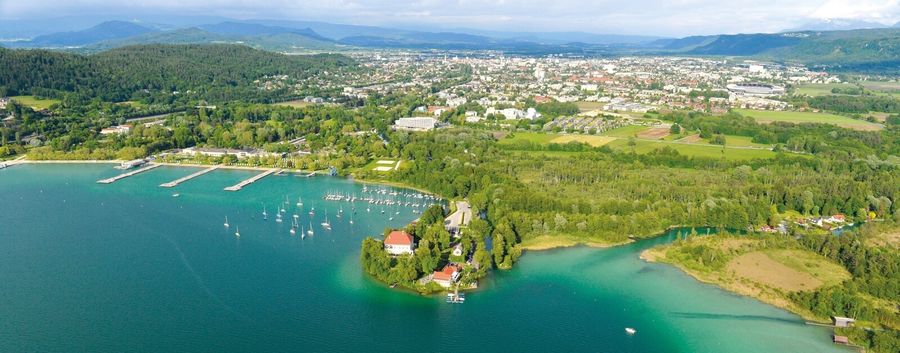
Klagenfurt
Nestled in the heart of Carinthia, Austria’s southernmost province, Klagenfurt is a charming city known for its picturesque setting,…
Explore Klagenfurt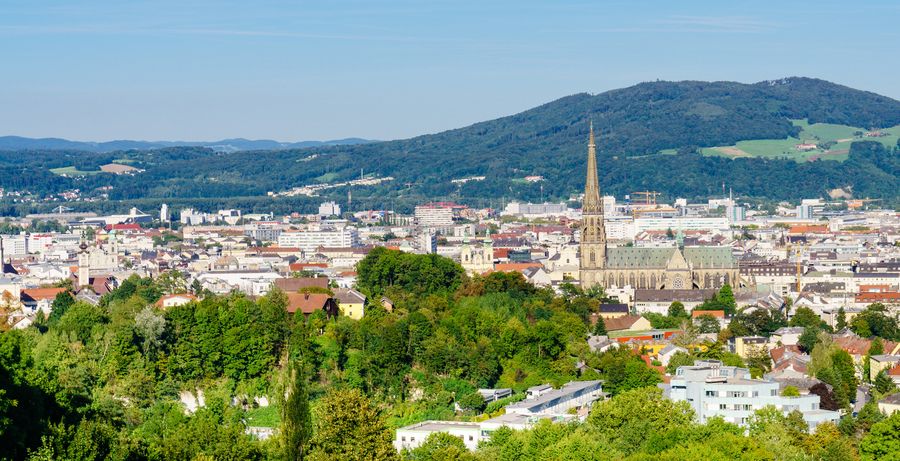
Linz
Linz, Austria’s third-largest city, is a vibrant and dynamic destination that combines a rich historical past with a modern,…
Explore LinzA little context for your exploring.
These original VoyageOwl city stories are preserved from the archive. Historical claims and visitor details remain subject to editorial review. Check attraction opening hours, tickets and access before making plans.
A few good stories. A little room to wander.