
Koblenz
Koblenz, one of Germany’s oldest cities, is a place where history, culture, and natural beauty converge at the junction of two of Europe’s most famous rivers—the Rhine and…
What brings you
to Koblenz?
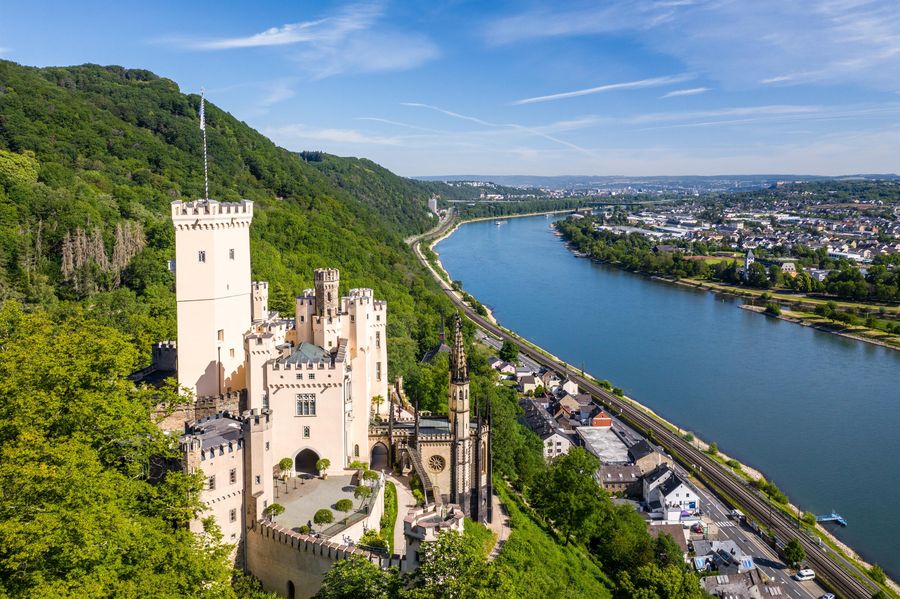
A few good places to begin.
Deutsches Eck (German Corner)
The Deutsches Eck is perhaps Koblenz’s most famous landmark, where the Rhine and Moselle rivers meet. At this symbolic location stands a monumental equestrian…
Koblenz · Read the storyEhrenbreitstein Fortress
Overlooking Koblenz from across the Rhine is the imposing Ehrenbreitstein Fortress, one of the largest preserved fortresses in Europe. Built between 1817 and…
Koblenz · Read the storyThe Romantic Rhine and Vineyards
Koblenz is situated in the heart of the Romantic Rhine, a UNESCO-listed stretch of the Rhine River renowned for its castles, vineyards, and charming villages.…
Koblenz · Read the storyThe Basilica of St. Castor (Basilika St. Kastor)
The Basilica of St. Castor is the oldest church in Koblenz, dating back to 836 AD. This Romanesque masterpiece has witnessed significant historical events,…
Koblenz · Read the storyListen to Koblenz
Take a listening break with the city’s audio story and full transcript.
Audio & transcriptThe story of Koblenz
Get to know the city through its history, culture and local traditions.
Read at your own paceA few ways into Koblenz.
Leave room to discover more.
Deutsches Eck (German Corner)
The Deutsches Eck is perhaps Koblenz’s most famous landmark, where the Rhine and Moselle rivers meet. At this symbolic location stands a monumental equestrian statue of Emperor Wilhelm I, erected in 1897 to commemorate the unification of Germany. Visitors can walk…
Discover the storyEhrenbreitstein Fortress
Overlooking Koblenz from across the Rhine is the imposing Ehrenbreitstein Fortress, one of the largest preserved fortresses in Europe. Built between 1817 and 1828, this massive structure…
Look a little closer 03A story worth stopping forThe Romantic Rhine and Vineyards
Koblenz is situated in the heart of the Romantic Rhine, a UNESCO-listed stretch of the Rhine River renowned for its castles, vineyards, and charming villages. Just a short boat ride from…
Look a little closer 04A story worth stopping forThe Basilica of St. Castor (Basilika St. Kastor)
The Basilica of St. Castor is the oldest church in Koblenz, dating back to 836 AD. This Romanesque masterpiece has witnessed significant historical events, including the signing of…
Look a little closer 05A story worth stopping forThe Electoral Palace (Kurfürstliches Schloss)
The Electoral Palace, built between 1777 and 1793, is a stunning example of neoclassical architecture and was once the residence of the Elector of Trier. The palace is surrounded by…
Look a little closerThe story of Koblenz.
Set the sceneA little background.
A little background.
Koblenz, one of Germany’s oldest cities, is a place where history, culture, and natural beauty converge at the junction of two of Europe’s most famous rivers—the Rhine and the Moselle. Situated in the heart of the Romantic Rhine region, Koblenz offers a captivating blend of ancient landmarks, stunning scenery, and modern-day charm. As a former Roman settlement, Koblenz boasts a rich history that stretches back over 2,000 years. With its unique position at the Deutsches Eck (German Corner), where the two rivers meet, Koblenz is a city that invites visitors to explore its historic past and enjoy its vibrant present.
Koblenz was founded by the Romans in 9 BC as a military outpost known as Confluentes, referring to its strategic location at the confluence of the Rhine and Moselle rivers. Over the centuries, Koblenz evolved into an important trading hub, benefiting from its river access and central location in Europe. The city has been shaped by its long history, from Roman fortifications to medieval castles, baroque architecture, and its role as a key strategic location during both World Wars.
Despite suffering heavy damage during World War II, Koblenz has been meticulously restored, preserving its rich historical heritage while embracing a modern, dynamic identity. Today, it stands as a gateway to the Upper Middle Rhine Valley, a UNESCO World Heritage Site known for its breathtaking landscapes, castles, and vineyards.
Top 5 Unique Characteristics of Koblenz
Look a little closerDeutsches Eck (German Corner)
Deutsches Eck (German Corner)
The Deutsches Eck is perhaps Koblenz’s most famous landmark, where the Rhine and Moselle rivers meet. At this symbolic location stands a monumental equestrian statue of Emperor Wilhelm I, erected in 1897 to commemorate the unification of Germany. Visitors can walk along the riverside promenade, admire panoramic views of the rivers, and take in the importance of this historic site. The Deutsches Eck is also the starting point for scenic boat cruises along the Romantic Rhine, offering a perfect way to explore the region’s natural beauty and castle-lined cliffs.
Look a little closerEhrenbreitstein Fortress
Ehrenbreitstein Fortress
Overlooking Koblenz from across the Rhine is the imposing Ehrenbreitstein Fortress, one of the largest preserved fortresses in Europe. Built between 1817 and 1828, this massive structure has guarded the confluence of the Rhine and Moselle for centuries. Visitors can reach the fortress by taking a scenic cable car ride across the Rhine, offering spectacular views of the city and surrounding landscape. Once at the fortress, you can explore its museums, exhibitions, and underground tunnels, learning about its military history and its role as a key defensive point throughout history.
Look a little closerThe Romantic Rhine and Vineyards
The Romantic Rhine and Vineyards
Koblenz is situated in the heart of the Romantic Rhine, a UNESCO-listed stretch of the Rhine River renowned for its castles, vineyards, and charming villages. Just a short boat ride from Koblenz, visitors can explore historic towns like Boppard, St. Goar, and the legendary Lorelei Rock, where folklore and natural beauty intertwine. The steep vineyards that line the river produce some of Germany’s finest wines, particularly Riesling, and wine lovers will delight in visiting local wineries and tasting rooms to sample the region’s best vintages.
Look a little closerThe Basilica of St. Castor (Basilika St. Kastor)
The Basilica of St. Castor (Basilika St. Kastor)
The Basilica of St. Castor is the oldest church in Koblenz, dating back to 836 AD. This Romanesque masterpiece has witnessed significant historical events, including the signing of important treaties during the medieval period. The basilica’s impressive architecture, including its twin towers and vaulted ceilings, offers a serene and spiritual atmosphere. It’s also located near the Deutsches Eck, making it an easy addition to your exploration of the city’s historical landmarks.
Look a little closerThe Electoral Palace (Kurfürstliches Schloss)
The Electoral Palace (Kurfürstliches Schloss)
The Electoral Palace, built between 1777 and 1793, is a stunning example of neoclassical architecture and was once the residence of the Elector of Trier. The palace is surrounded by beautifully landscaped gardens that extend to the Rhine River, offering a peaceful place for a stroll. While the palace itself is now used for administrative purposes, visitors can explore the grounds and enjoy the views of the river, as well as the adjacent Rheinpromenade, a favorite spot for locals and tourists alike.
Behind the postcardKoblenz Today: A Vibrant City with Modern Appeal
Koblenz Today: A Vibrant City with Modern Appeal
Today, Koblenz is a dynamic city that blends its rich history with a modern, vibrant atmosphere. The city’s pedestrian-friendly streets, riverfront promenades, and bustling marketplaces make it a delightful place to explore. The Koblenz Summer Festival and Rhine in Flames, an annual fireworks spectacle, draw visitors from all over the region, adding to the city’s lively cultural scene.
Koblenz’s strategic location also makes it an ideal base for exploring the wider Rhine Valley and the nearby Moselle wine region, both known for their scenic beauty and rich winemaking traditions.
Behind the postcardFun Facts About Koblenz
Fun Facts About Koblenz
The name Koblenz is derived from the Latin word “Confluentes,” meaning the confluence of two rivers, reflecting the city’s location at the junction of the Rhine and Moselle.Ehrenbreitstein Fortress is the second-largest preserved fortress in Europe.The Deutsches Eck was the site of a famous speech by Konrad Adenauer, the first Chancellor of West Germany, symbolizing Germany’s post-war recovery.Koblenz’s cable car, connecting the city to Ehrenbreitstein Fortress, is the longest in Germany, stretching over the Rhine.The Koblenz Wine Festival celebrates the city’s long tradition of winemaking, with wine tastings and local events held annually in the summer.
With its rich history, scenic beauty, and vibrant cultural life, Koblenz offers something for everyone. Whether you’re exploring ancient fortresses, enjoying a boat ride on the Rhine, or sipping wine in a riverside café, Koblenz is a city that will leave you with lasting memories.
The city,
in your headphones.
Take a seat, or take a walk. Discover Koblenz one story at a time.
The stories of Koblenz
Read the complete audio transcript
Welcome to Voyage Owl’s walking tour of Koblenz, a picturesque city located at the confluence of two majestic rivers—the Rhine and the Moselle. Known for its rich history, stunning landscapes, and vibrant culture, Koblenz is one of Germany's oldest cities, with roots that stretch back over 2,000 years. As you wander through its charming streets, you’ll discover a blend of historical significance and modern-day life, making it a captivating destination for tourists.
The history of Koblenz is both fascinating and complex. Founded by the Romans around 9 B.C. as Confluentes, meaning "where the rivers meet," the city quickly became an important military and trade center. Its strategic location made it a key point of control for the Romans as they expanded their empire along the Rhine, and it remained significant throughout the Middle Ages as various powers vied for control of the region. The Romans established a military fort here, which served as a base for further expansion into the surrounding areas.
Koblenz has seen its share of historical events, including battles, treaties, and even the influence of Napoleon, who used the city as a military outpost. Throughout the centuries, it has transformed from a Roman outpost to a bustling trade center, and then to a significant city in modern Germany. Today, it’s a vibrant city known for its beautiful parks, historic buildings, and lively cultural scene.
One of the most notable landmarks in Koblenz is the Deutsches Eck (German Corner), where the two rivers converge. Here, a massive equestrian statue of Emperor Wilhelm I stands proudly, symbolizing the unification of Germany in the late 19th century. This site is not only a reminder of the city's historical importance but also a testament to its role in the development of the nation.
As we embark on this walking tour, we’ll explore ten of Koblenz's most significant locations, each with its own unique story. From the impressive Koblenz Fortress to the enchanting Old Town, we’ll uncover the history, culture, and charm that make Koblenz a must-visit destination.
So, grab your walking shoes, and let’s begin our journey through the heart of this remarkable city!
---
### Stop 1: Deutsches Eck (German Corner)
Our tour begins at Deutsches Eck, one of Koblenz's most iconic landmarks. This picturesque point marks the confluence of the Rhine and Moselle rivers and has long been a site of historical significance. The name "Deutsches Eck" translates to "German Corner," and it was here that the unification of Germany was symbolically celebrated in the 19th century.
Standing prominently at the edge of the point is the impressive statue of Emperor Wilhelm I, unveiled in 1897 to commemorate the unification of Germany in 1871. The statue depicts Wilhelm on horseback, a figure of strength and authority that reflects the aspirations of a newly united Germany. The monument was erected during a time of great national pride, and it remains a powerful symbol of the country’s historical journey.
As you stand at Deutsches Eck, take a moment to enjoy the stunning views of the two rivers. The Rhine flows majestically to the north, while the Moselle gracefully winds its way to the west. The area surrounding Deutsches Eck is adorned with beautiful parks, walking paths, and benches, making it a perfect place to relax and soak in the scenery.
Historically, this site has been a crossroads of trade and culture for centuries. The rivers served as vital transportation routes for goods and people, linking various regions of Europe. Today, you can often see boats and ships passing by, a reminder of Koblenz’s long-standing relationship with water transport.
On weekends and holidays, Deutsches Eck often hosts events, markets, and festivals, bringing the community together to celebrate local culture. The vibrant atmosphere is infectious, and it's a great opportunity to sample local delicacies and meet friendly locals.
The statue of Wilhelm I was not just a celebration of unification but also served as a statement of German nationalism during a time when many German states were still independent. It was intended to foster a sense of unity among the German people.
---
### Stop 2: Koblenz Fortress (Festung Ehrenbreitstein)
Leaving Deutsches Eck, we’ll take a short walk or a quick cable car ride across the Rhine to Koblenz Fortress, also known as Festung Ehrenbreitstein. This impressive fortress towers over the city at a height of 118 meters (387 feet) and offers stunning panoramic views of Koblenz and the surrounding region.
The fortress has a long and storied history, dating back to the early 11th century when it was first built as a defensive structure. Its strategic location was chosen to oversee the confluence of the Rhine and Moselle rivers, allowing for effective control over the waterways. Throughout the centuries, the fortress was expanded and modified, particularly during the 17th and 18th centuries, when it was transformed into a formidable military stronghold by the Prussian military.
As you explore the fortress grounds, you’ll find a mix of ancient walls, towers, and modern exhibits that illustrate its historical significance. The fortress played a crucial role during various military conflicts, including the Napoleonic Wars and both World Wars. In fact, it served as a barracks and a military hospital during the latter conflicts, demonstrating its importance in the military history of Germany.
One of the key highlights of your visit is the Museum of Fortress History, which showcases the evolution of the fortress and its role in the defense of Koblenz. Here, you’ll find interactive exhibits, historical artifacts, and detailed displays that narrate the story of the fortress and its impact on the region.
Don’t forget to take in the breathtaking views from the fortress walls. The panorama includes the winding Rhine, the lush vineyards that line the hills, and the city of Koblenz itself. It’s a perfect spot for photography and a moment of reflection on the rich history that this fortress has witnessed.
Festung Ehrenbreitstein is one of the largest preserved fortifications in Europe, and it was designated a UNESCO World Heritage site in 2002. The fortress stands as a testament to the military architecture and engineering of its time.
---
### Stop 3: The Old Town (Altstadt)
After exploring the fortress, we’ll make our way back to the heart of Koblenz to the Old Town (Altstadt). This area is a delightful mix of history and charm, where cobblestone streets wind through beautifully restored buildings that date back to the Middle Ages.
The Old Town was once the bustling center of commerce and trade, filled with shops, markets, and taverns. Today, it retains its historical charm, with vibrant squares, local shops, and cozy cafés lining the streets. As you wander through the narrow alleys, you’ll encounter colorful facades, decorative signs, and charming courtyards that evoke a sense of nostalgia.
One of the main squares in the Old Town is St. Castor's Square, named after the St. Castor’s Basilica, which is a must-visit landmark in Koblenz. This basilica, built in the 9th century, is one of the oldest churches in the region and showcases Romanesque architecture. The church has a rich history, having served as the site for the coronation of several German kings and the celebration of many significant events throughout history.
As you enter St. Castor’s Basilica, you’ll be struck by the serene atmosphere and the beauty of its interior. The ornate altar, intricate wooden carvings, and beautiful stained glass windows create a sense of peace and tranquility. This sacred space has been a focal point for the community for centuries, and it remains an important place of worship today.
After exploring the basilica, take some time to relax in St. Castor's Square. The square is often filled with outdoor seating from nearby cafes and restaurants, making it a perfect spot to enjoy a local dish or a refreshing drink while people-watching.
The Old Town was heavily bombed during World War II, leading to significant destruction. However, efforts have been made to restore and preserve the historical buildings, and today, it stands as a vibrant reminder of Koblenz's rich heritage.
---
### Stop 4: The Liebfrauenkirche (Church of Our Lady)
Just a short stroll from the Old Town, you’ll find the Liebfrauenkirche (Church of Our Lady), a beautiful Gothic church that adds to the historical tapestry of Koblenz. The church was built between the 12th and 15th centuries and features a stunning façade with intricate detailing and tall spires that reach toward the sky.
As you enter the Liebfrauenkirche, you’ll be enveloped by a sense of peace. The interior is adorned with exquisite stained glass windows, depicting biblical scenes that create a kaleidoscope of colors as the sunlight filters through. The church’s architecture reflects the transition from Romanesque to Gothic styles, showcasing elegant arches, ribbed vaults, and detailed sculptures.
One of the highlights of the church is the high altar, which features beautiful artwork and carvings that narrate important stories from Christian history. The church has served as a place of worship for centuries and remains an active site for religious services, weddings, and cultural events.
The Liebfrauenkirche is not only a place of worship but also a symbol of the enduring faith of the community. It has withstood the test of time, remaining a cherished landmark for both locals and visitors.
The Liebfrauenkirche was almost completely destroyed during World War II, but the local community rallied to restore it, demonstrating the resilience and dedication of the people of Koblenz to preserving their cultural heritage.
---
### Stop 5: The Electoral Palace (Kurfürstliches Schloss)
Next, we’ll make our way to the Electoral Palace, known as Kurfürstliches Schloss, which is one of the most important historical buildings in Koblenz. Constructed in the 18th century, this magnificent palace was built as a residence for the Electors of Trier and served as a symbol of their power and influence in the region.
The palace is an architectural masterpiece, showcasing a blend of Baroque and Rococo styles. Its grand façade, adorned with ornate decorations and intricate sculptures, makes it a stunning sight. As you approach the palace, you’ll be struck by its imposing presence and the beautifully landscaped gardens that surround it.
Inside, the Electoral Palace features lavishly decorated rooms that transport you back to the opulence of the 18th century. The grand ballroom, with its crystal chandeliers and gilded details, is particularly breathtaking and is often used for concerts and formal events. The palace has been carefully restored, preserving its historical significance while adapting it for modern use.
The palace grounds are also worth exploring, with manicured gardens that invite visitors to take a leisurely stroll. The gardens are designed in the French style, complete with fountains, statues, and flower beds that bloom throughout the seasons.
The Electoral Palace played a significant role in the political history of the region. It was here that important decisions were made regarding the governance of the territories ruled by the Electors, and it served as a center for diplomacy and negotiation.
---
### Stop 6: The Moselle Promenade
From the Electoral Palace, we’ll head to the scenic Moselle Promenade, a beautiful walkway along the banks of the Moselle River. This promenade offers stunning views of the river and the surrounding vineyards, making it a perfect spot for a leisurely stroll.
The Moselle River is famous for its picturesque landscapes, characterized by rolling hills covered in vineyards and charming villages dotting the banks. As you walk along the promenade, you’ll see locals enjoying outdoor activities such as cycling, jogging, and picnicking by the water. The area is vibrant, especially during the warmer months when the sun illuminates the lush greenery.
The Moselle is also known for its excellent wine, particularly Riesling, and many vineyards are located in the surrounding hills. If you’re a wine enthusiast, consider stopping by one of the local wineries for a tasting. The friendly winemakers are often happy to share their knowledge and passion for the region’s wines.
Along the promenade, you’ll find charming cafes and restaurants where you can relax and enjoy a meal or a drink with a view. The Moselle Promenade is not just a scenic spot; it’s a gathering place where locals and visitors come together to appreciate the beauty of nature.
The Moselle River is one of the most important wine regions in Germany, and it is known for producing some of the finest white wines in the country. The region’s unique terroir, with its steep slopes and temperate climate, creates ideal conditions for grape growing.
---
### Stop 7: The Basilica of St. Castor (Basilika St. Kastor)
Next, we’ll stroll along the river to the Basilica of St. Castor. This remarkable church, located in the Old Town, is the oldest church in Koblenz, dating back to the early 9th century. The basilica was built in honor of St. Castor, a bishop and saint who played a significant role in the Christianization of the region.
As you enter the basilica, you’ll be struck by its Romanesque architecture, characterized by its rounded arches, thick walls, and intricate stone carvings. The church has undergone numerous renovations and restorations over the centuries, particularly after it was heavily damaged during World War II. However, much of its original beauty has been preserved, and it stands as a testament to the city’s rich religious heritage.
Inside, the basilica features a stunning high altar, exquisite frescoes, and beautiful stained glass windows that depict scenes from the life of St. Castor and other biblical narratives. The atmosphere is serene and peaceful, inviting visitors to take a moment for reflection and contemplation.
St. Castor's Basilica has served as a significant site for religious ceremonies, including the coronation of kings and emperors during the Holy Roman Empire. Its historical importance as a center of worship and community gatherings has solidified its place in the hearts of the people of Koblenz.
St. Castor’s Basilica is one of the few churches in Germany that has retained its original function since its construction, making it a living testament to the history of the region.
---
### Conclusion
Our walking tour of Koblenz has taken us through a journey of history, culture, and breathtaking natural beauty. From the vibrant Deutsches Eck with its iconic Dragon Fountain to the stunning views from Ehrenbreitstein Fortress, we’ve explored the many facets of this charming city. We’ve learned about the legends that shaped Koblenz, admired its stunning architecture, and discovered the vibrant arts scene that flourishes in the region.
Koblenz is not just a destination; it is a city that invites you to explore its history and connect with its people. Whether you are drawn by the majestic landscapes, the rich cultural heritage, or the warm hospitality of the locals, Koblenz has something for everyone.
I hope you’ve enjoyed this journey through the heart of Koblenz and that you leave with a deeper appreciation for the beauty and heritage of this remarkable city. There’s always more to discover, so take your time, explore further, and let the charm of Koblenz inspire you. Safe travels!
To listen to more amazing audio tours of cities around the world check out our other guides at voyageowl.com.
Another place, another story.
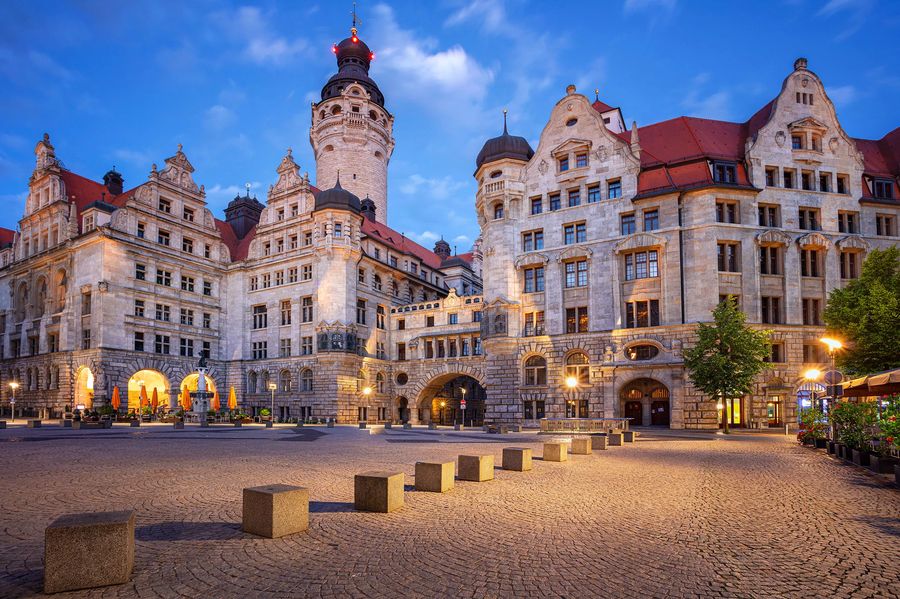
Leipzig
Leipzig, located in the heart of Saxony, is a city renowned for its rich history, cultural significance, and revolutionary spirit.…
Explore Leipzig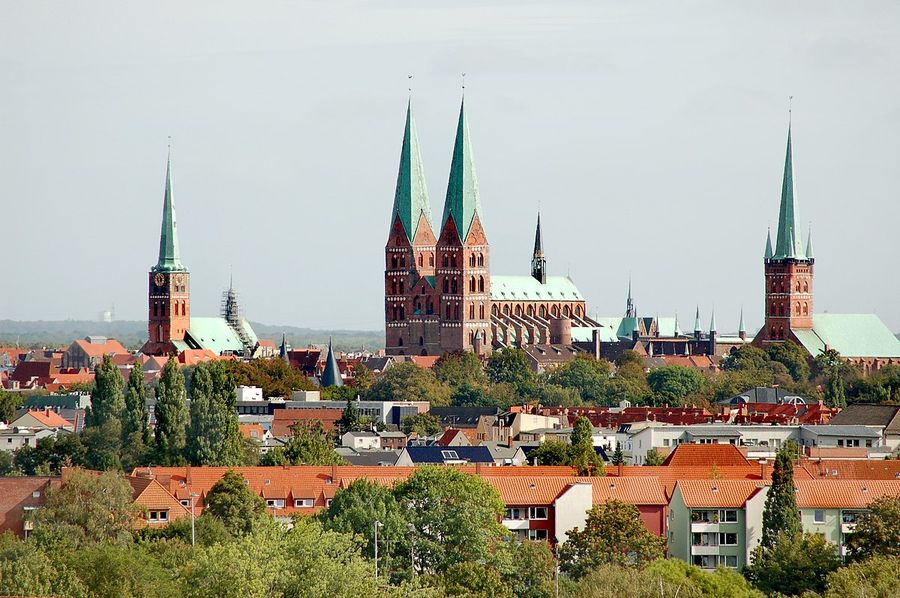
Lübeck
Lübeck, often referred to as the “Queen of the Hanseatic League”, is a city steeped in medieval history and maritime heritage. Located…
Explore LübeckA little context for your exploring.
These original VoyageOwl city stories are preserved from the archive. Historical claims and visitor details remain subject to editorial review. Check attraction opening hours, tickets and access before making plans.
A few good stories. A little room to wander.