 Voyage
Leiden
Leiden, a picturesque city in the western Netherlands, is a hidden gem filled with history, canals, and a vibrant academic atmosphere. Known as the birthplace of Rembrandt and home to the country’s oldest university,…
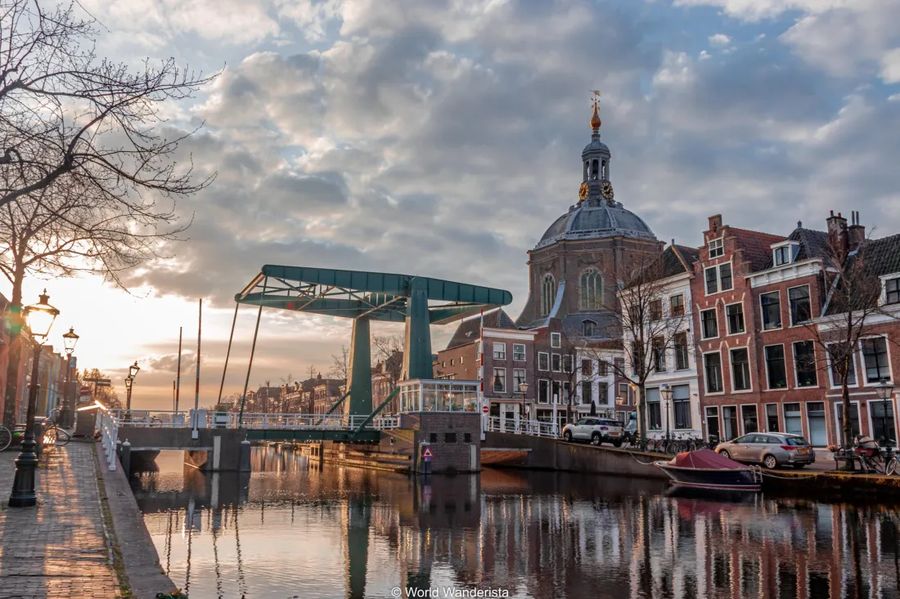
A few ways into Leiden.
Leave room to discover more.
Leiden University
Founded in 1575, Leiden University is the oldest university in the Netherlands and one of Europe’s most prestigious institutions. Over the centuries, it has been a hub for groundbreaking scientific discoveries and intellectual thought. Famous alumni include Albert…
Discover the storyThe Canals and Bridges
Leiden’s canals rival those of Amsterdam, and its network of waterways offers a peaceful and scenic way to explore the city. Unlike larger Dutch cities, Leiden’s canals are tranquil and…
Look a little closer 03A story worth stopping forMuseum Boerhaave
For science and history enthusiasts, Museum Boerhaave is a must-visit. Named after the famous Dutch physician Hermann Boerhaave, the museum chronicles the history of science and medicine in…
Look a little closer 04A story worth stopping forThe Burcht van Leiden (Leiden Castle)
Perched on a hill in the center of the city, the Burcht van Leiden is a medieval castle that offers stunning panoramic views of Leiden’s skyline. The 11th-century fortress is one of the…
Look a little closer 05A story worth stopping forThe National Museum of Antiquities (Rijksmuseum van Oudheden)
Leiden is home to the National Museum of Antiquities, one of the most important archaeological museums in the Netherlands. The museum boasts an impressive collection of artifacts from…
Look a little closerThe story of Leiden.
Set the sceneA little background.
A little background.
Leiden, a picturesque city in the western Netherlands, is a hidden gem filled with history, canals, and a vibrant academic atmosphere. Known as the birthplace of Rembrandt and home to the country’s oldest university, Leiden holds a special place in Dutch history and culture. With its charming old town, fascinating museums, and lively student life, Leiden offers a unique blend of historical significance and modern-day vibrancy. For visitors seeking an authentic Dutch experience without the crowds, Leiden is a must-see destination that promises a rich journey through time.
Leiden’s history stretches back to Roman times, but its most defining moment came during the Dutch Revolt against Spanish rule in the 16th century. In 1574, the city endured a grueling siege by the Spanish, which ended when the citizens flooded the city’s surroundings by breaking the dikes. As a reward for their bravery, William of Orange founded Leiden University in 1575, which remains one of the most prestigious institutions in the Netherlands. This act cemented Leiden’s status as a center for learning, scientific discovery, and intellectual freedom.
Leiden also played a key role in the Pilgrim Fathers' journey to the New World. Before embarking on the Mayflower, the Pilgrims lived in Leiden for several years, making the city an important chapter in the history of America’s founding. Today, Leiden’s rich heritage is visible in its historical buildings, peaceful canals, and world-class museums, making it a captivating destination for history lovers and curious travelers.
Top 5 Unique Characteristics of Leiden
Look a little closerLeiden University
Leiden University
Founded in 1575, Leiden University is the oldest university in the Netherlands and one of Europe’s most prestigious institutions. Over the centuries, it has been a hub for groundbreaking scientific discoveries and intellectual thought. Famous alumni include Albert Einstein, René Descartes, and the Dutch physician Hermann Boerhaave. Visitors can explore the university’s historic buildings and beautiful botanical gardens (Hortus Botanicus), which were established in 1590 and are the oldest in the Netherlands. The university’s contributions to science and philosophy make Leiden a city of knowledge and innovation.
Look a little closerThe Canals and Bridges
The Canals and Bridges
Leiden’s canals rival those of Amsterdam, and its network of waterways offers a peaceful and scenic way to explore the city. Unlike larger Dutch cities, Leiden’s canals are tranquil and less crowded, giving visitors a more intimate experience. The city boasts 88 bridges, many of which are centuries old, connecting charming streets lined with traditional Dutch houses. A boat tour or a leisurely walk along the canals is one of the best ways to experience Leiden’s beauty and discover hidden corners of this historic town.
Look a little closerMuseum Boerhaave
Museum Boerhaave
For science and history enthusiasts, Museum Boerhaave is a must-visit. Named after the famous Dutch physician Hermann Boerhaave, the museum chronicles the history of science and medicine in the Netherlands. With fascinating exhibits on early medical practices, anatomy, and groundbreaking discoveries, the museum showcases Leiden’s pivotal role in the development of modern science. It also houses historical scientific instruments and the world’s oldest preserved human body, making it one of the most interesting museums in the country.
Look a little closerThe Burcht van Leiden (Leiden Castle)
The Burcht van Leiden (Leiden Castle)
Perched on a hill in the center of the city, the Burcht van Leiden is a medieval castle that offers stunning panoramic views of Leiden’s skyline. The 11th-century fortress is one of the oldest structures in the city and provides a glimpse into Leiden’s medieval past. Although only the walls and tower remain, the castle is surrounded by beautiful gardens and offers a peaceful escape from the busy streets below. The Burcht is a popular spot for locals and tourists alike to enjoy a picnic or watch the sunset over the city.
Look a little closerThe National Museum of Antiquities (Rijksmuseum van Oudheden)
The National Museum of Antiquities (Rijksmuseum van Oudheden)
Leiden is home to the National Museum of Antiquities, one of the most important archaeological museums in the Netherlands. The museum boasts an impressive collection of artifacts from ancient Egypt, Greece, Rome, and the Near East. Highlights include a Temple of Taffeh, which was gifted by Egypt to the Netherlands, and an extensive collection of mummies, statues, and ancient tools. For history buffs, this museum is a treasure trove of ancient civilizations and offers an immersive journey through time.
Behind the postcardLeiden Today: A City of Learning and Culture
Leiden Today: A City of Learning and Culture
Today, Leiden is a bustling university town with a lively cultural scene. Its streets are filled with cafes, bookstores, and galleries that reflect the city’s intellectual and creative energy. The university’s influence keeps the city young, with students bringing a dynamic atmosphere to Leiden’s historic surroundings. Leiden is also known for its vibrant festivals, including the Leiden International Film Festival and the Leiden Ontzet (Relief of Leiden) in October, which commemorates the lifting of the Spanish siege with parades, fireworks, and traditional Dutch food.
Leiden’s proximity to larger cities like Amsterdam and The Hague makes it an easily accessible destination, but its charm lies in its peaceful and welcoming atmosphere. The city’s rich history, combined with its cultural vibrancy, makes it a unique and enriching experience for visitors of all ages.
Behind the postcardFun Facts About Leiden
Fun Facts About Leiden
Leiden is the birthplace of Rembrandt, one of the world’s most famous painters. His childhood home and several sites related to his life can still be visited today.The Pilgrims lived in Leiden for over a decade before their journey to the New World on the Mayflower.Leiden University was the first university in the world to grant Albert Einstein an honorary doctorate.The city’s famous Hortus Botanicus is where the first tulips in the Netherlands were planted, starting the Dutch fascination with tulips.Leiden Ontzet is a unique festival celebrating the city’s liberation from the Spanish siege in 1574, complete with herring and white bread feasts!
With its historical significance, academic legacy, and scenic beauty, Leiden is a city that invites exploration and discovery. Whether you’re wandering its peaceful canals, exploring its museums, or learning about its famous alumni, Leiden offers an enriching experience that beautifully captures the essence of Dutch history and culture.
The city,
in your headphones.
Take a seat, or take a walk. Discover Leiden one story at a time.
The stories of Leiden
Read the complete audio transcript
Welcome to Voyage Owl’s walking tour of Leiden, a charming city located in the heart of the Netherlands, renowned for its picturesque canals, historic architecture, and vibrant cultural scene. As the birthplace of the Dutch Golden Age and home to the country’s oldest university, Leiden is a city steeped in history and intellectual tradition. With its rich tapestry of art, science, and culture, Leiden offers visitors a delightful blend of old-world charm and modern innovation.
Founded in the early Middle Ages, Leiden's history stretches back over a thousand years. It gained prominence in the 16th century during the Eighty Years' War, when the city was the site of a courageous siege. The famous Leidens Ontzet (Relief of Leiden) in 1574 marked a turning point in the war, symbolizing Dutch resistance and leading to the eventual liberation from Spanish rule. This spirit of resilience and determination is woven into the fabric of the city’s identity.
Leiden is also famous for its university, Leiden University, established in 1575, which has attracted scholars and thinkers from around the world, fostering a tradition of research and innovation that continues to this day. This prestigious institution has produced numerous notable figures, including philosophers, scientists, and artists, all of whom have contributed significantly to their fields. The university's influence is felt throughout the city, with numerous museums, libraries, and cultural institutions contributing to Leiden's vibrant intellectual atmosphere.
Beyond academia, Leiden boasts a wealth of cultural attractions. The city is home to several world-class museums, including the National Museum of Antiquities and the Museum of the History of Science, which celebrate the city’s contributions to art, science, and history. Leiden's commitment to the arts is evident in its lively theater scene, galleries, and music venues, making it a dynamic center for creative expression.
Moreover, Leiden's charming canals, historic buildings, and lively streets create a picturesque backdrop for exploration. The city is often described as a hidden gem, offering a more intimate and authentic experience compared to some of the larger, more touristy cities in the Netherlands. Strolling through Leiden's streets feels like stepping back in time, with well-preserved architecture reflecting the city's rich heritage.
As we embark on this walking tour, we’ll explore ten significant locations throughout Leiden, each with its own fascinating story and historical significance. From the tranquil canals to the lively marketplaces, we’ll uncover the charm, culture, and history that make Leiden a must-visit destination.
So, put on your walking shoes, and let’s begin our journey through this remarkable city!
---
### Stop 1: The Burcht van Leiden
Our tour begins at the Burcht van Leiden, a historic hilltop fortress that offers a fantastic view of the city and the surrounding area. This medieval structure, dating back to the 11th century, is one of the oldest remaining fortifications in the Netherlands and holds a significant place in the history of Leiden and the region.
The Burcht was originally built as a wooden fortification by the Counts of Holland, intended to defend the city from invaders and assert their power in the area. Over time, the wooden structure was replaced with stone, and the fortress was expanded to include a defensive wall and towers, transforming it into a formidable stronghold. Its strategic location on a hill provided an advantageous vantage point, allowing the inhabitants to monitor the surrounding landscape and identify potential threats.
The Burcht van Leiden played a crucial role during the Eighty Years' War against Spanish rule in the 16th century. The siege of Leiden in 1574 is one of the most pivotal events in Dutch history, as the city endured a brutal blockade. Despite the hardships faced by the residents, including famine, they remained resolute. The Burcht served as a symbol of hope and resistance during this trying time.
After the siege, the Dutch rebel leader William of Orange decided to relieve the city by opening the dikes and flooding the surrounding area, allowing the citizens of Leiden to break the siege and eventually liberate themselves from Spanish control. This act of bravery and ingenuity marked a significant turning point in the war and led to the establishment of the Republic of the Seven United Netherlands. The triumph of Leiden during this period is celebrated annually on October 3rd, known as Leidens Ontzet, which commemorates the city's liberation.
Today, the Burcht stands not only as a historical monument but also as a reminder of the resilience and determination of the people of Leiden. As you climb to the top of the Burcht, you’ll be rewarded with panoramic views of the city’s rooftops, canals, and nearby landmarks. On a clear day, you can see as far as the Old Rijn river and the lush greenery beyond.
The Burcht has also served various purposes throughout its history, including being a place for gatherings and celebrations. The grounds surrounding the Burcht are ideal for a leisurely stroll, and you’ll find benches where you can relax and soak in the history of this ancient site.
As you explore the Burcht, consider the role it has played in Leiden’s history. This fortress is not just a relic of the past; it is a symbol of the city’s resilience and strength, echoing the spirit of the people who have called Leiden home for centuries.
---
### Stop 2: The National Museum of Antiquities (Rijksmuseum van Oudheden)
Leaving the Burcht, we’ll make our way to the National Museum of Antiquities. Located in a grand building near the city center, this museum is dedicated to showcasing artifacts from ancient civilizations, including Egypt, Greece, and Rome. As you step inside, you’ll be greeted by a rich collection of archaeological treasures that tell the story of humanity’s past.
The museum houses an impressive array of exhibits, including mummies, ancient pottery, and statues that offer a glimpse into the daily lives, beliefs, and practices of past cultures. One of the highlights is the collection of Egyptian artifacts, featuring beautifully preserved mummies and intricately decorated sarcophagi. The stories behind these artifacts are as captivating as the objects themselves, providing insights into the customs and beliefs of ancient Egyptians.
One fascinating exhibit focuses on the ancient Roman presence in the Netherlands, showcasing artifacts discovered in the region that illustrate the impact of Roman culture on local communities. You’ll find tools, weapons, and everyday items that reveal how life was lived during this time. The museum often features temporary exhibitions that delve deeper into specific themes or cultures, so be sure to check what’s on during your visit.
The museum’s architecture is also worth appreciating. Originally designed in the 19th century, the building boasts neoclassical elements and grand staircases that create an inviting atmosphere. Take your time to explore the various galleries, and don’t forget to stop by the museum shop, which offers unique souvenirs related to the exhibits.
As you leave the National Museum of Antiquities, take a moment to reflect on the interconnectedness of cultures throughout history. This museum serves as a reminder of the rich tapestry of human experience, inviting us to learn from the past as we shape our future.
---
### Stop 3: The Botanical Gardens of the University of Leiden
From the museum, we’ll take a leisurely stroll to the Botanical Gardens of the University of Leiden. Established in 1590, these gardens are among the oldest in Europe and offer a peaceful oasis in the heart of the city. As you enter the gardens, you’ll be enveloped by the fragrant scents of flowers and the soothing sounds of nature.
The Botanical Gardens are home to a diverse collection of plants from around the world, including tropical species, medicinal herbs, and native Dutch flora. The gardens were originally established for medicinal studies, and many of the plants are still used for research and educational purposes today. As you wander through the well-maintained paths, you’ll encounter themed gardens, greenhouses, and tranquil ponds.
One of the highlights of the Botanical Gardens is the Japanese Garden, which features traditional Japanese plants, stones, and water features, creating a serene and contemplative environment. This area is beautifully landscaped and often serves as a popular spot for relaxation and reflection.
As you explore the gardens, consider the role they play in the university’s research and education. The Botanical Gardens not only provide a stunning setting for students and faculty but also contribute to the understanding of biodiversity and conservation. The gardens often host events, workshops, and guided tours, inviting the community to engage with the natural world.
The Botanical Gardens are a perfect place to take a break from your tour, enjoy a quiet moment, and connect with nature. Whether you’re a plant enthusiast or simply seeking a peaceful escape, these gardens offer a wonderful experience.
---
### Stop 4: The Pieterskerk (St. Peter's Church)
After enjoying the tranquility of the Botanical Gardens, we’ll head to Pieterskerk, one of the most important historic churches in Leiden. This Gothic church, dating back to the 14th century, is a stunning example of medieval architecture, with its soaring arches, intricate stained glass windows, and beautifully crafted wooden ceiling.
As you enter the Pieterskerk, you’ll immediately feel the sense of history that permeates the space. The church has served as a place of worship for centuries and has witnessed many significant events in Leiden’s history. It was here that the famous Leiden University was founded in 1575, marking a pivotal moment in the city’s intellectual development.
The interior of the church is adorned with impressive artworks, including memorials dedicated to notable figures from Leiden’s past. You’ll find tombstones and plaques honoring local heroes, including the influential philosopher Baruch Spinoza. The church is also known for its exceptional organ, which has been played in concerts and services for generations.
Take your time to explore the various chapels and corners of the church, each telling a story of its own. The peaceful atmosphere invites contemplation, allowing you to connect with the history and spirituality of the space. If you’re lucky, you might catch a glimpse of a choir rehearsal or a performance, as the church frequently hosts concerts and cultural events.
As you leave Pieterskerk, consider how this church has been a cornerstone of community life in Leiden. It’s not just a place of worship; it’s a symbol of resilience, knowledge, and the enduring spirit of the city.
---
### Stop 5: The Old Observatory (Oude Sterrewacht)
Next, we’ll head to the Old Observatory, or Oude Sterrewacht, a historical site that played a significant role in the development of astronomy in the Netherlands. Established in the 17th century, this observatory is one of the oldest in the country and is a testament to Leiden’s long-standing commitment to scientific inquiry.
As you approach the observatory, you’ll be greeted by its charming architecture, which combines elements of the Renaissance and Baroque styles. The observatory was designed by renowned architect Hermanus van der Hem, and it features a dome that houses a historic telescope. The telescope, known as the Lemaire Telescope, is one of the oldest operational telescopes in Europe and has been used for astronomical observations for centuries.
Inside the observatory, you’ll find a small museum dedicated to the history of astronomy in Leiden. The exhibits showcase the contributions of local astronomers and scientists, including Johannes Kepler and Christiaan Huygens, who made significant advancements in the field. You’ll learn about their discoveries and the impact they had on our understanding of the universe.
The observatory also hosts public lectures, workshops, and stargazing events, allowing visitors to engage with the wonders of the cosmos. If you have the chance, consider attending one of these events to gain a deeper appreciation for the night sky and the science behind it.
As you explore the Old Observatory, take a moment to reflect on the importance of scientific discovery and the pursuit of knowledge. This site not only honors the legacy of astronomers who came before but also inspires future generations to look to the stars and explore the mysteries of the universe.
### Stop 6: The Molen de Put (Windmill)
Next, we’ll take a short walk to Molen de Put, a charming historic windmill located on the banks of the Old Rhine. Built in 1743, this traditional Dutch windmill is an iconic symbol of the Netherlands and represents the country’s rich history of milling and agriculture.
As you approach the windmill, you’ll be greeted by the sight of its towering structure, complete with its characteristic sails. Molen de Put was originally used to grind grain, and it played a crucial role in the local economy, serving farmers in the surrounding areas. The windmill has been beautifully preserved, and its operational sails continue to turn on windy days, a reminder of the ingenuity and craftsmanship of the past.
Take a moment to step inside the windmill, where you’ll find a cozy, informative exhibition about its history and the milling process. Knowledgeable volunteers often welcome visitors, sharing fascinating stories about the windmill’s operations and the importance of windmills in Dutch culture. You can learn about the various types of mills and their uses, from grinding flour to draining water from the low-lying fields.
If you’re feeling adventurous, ask if you can climb up to the upper levels of the windmill. From there, you’ll have a fantastic view of Leiden’s rooftops and the surrounding canals. It’s a perfect opportunity to capture some memorable photos and appreciate the city from a different perspective.
As you explore Molen de Put, take a moment to reflect on the significance of windmills in Dutch history. They have long been symbols of the country’s engineering prowess, playing a vital role in shaping the landscape and managing water. Molen de Put is not just a historical landmark; it’s a testament to the resilience and creativity of the Dutch people.
---
### Stop 7: The National Museum of Ethnology (Rijksmuseum voor Volkenkunde)
For our final stop, we’ll visit the National Museum of Ethnology, also known as the Rijksmuseum voor Volkenkunde. This museum is dedicated to showcasing the diverse cultures of the world through its extensive collection of ethnographic artifacts and exhibits.
As you enter the museum, you’ll be greeted by an impressive array of artifacts from various cultures and regions, including Asia, Africa, the Americas, and Oceania. The museum’s collection is vast and varied, offering insights into the customs, traditions, and lifestyles of different societies throughout history.
One of the highlights of the museum is the Indonesia Gallery, which features an extensive collection of artifacts and artworks from the Indonesian archipelago. You’ll find everything from traditional textiles and ceramics to intricate wood carvings and ceremonial objects, all of which tell the story of Indonesia’s rich cultural heritage.
The museum also hosts temporary exhibitions that focus on specific themes, cultures, or contemporary issues. These exhibitions often feature interactive elements that encourage visitors to engage with the material in meaningful ways.
As you explore the museum, take the time to appreciate the diversity of human experience represented in the exhibits. The National Museum of Ethnology serves as a reminder of the interconnectedness of cultures and the importance of understanding and appreciating our differences.
Before you leave, consider stopping by the museum café for a light meal or a refreshing drink. The café offers a relaxing atmosphere and is a perfect place to unwind after a day of exploration.
---
### Conclusion
Our walking tour of Leiden has taken us through a journey of discovery, showcasing the city’s rich history, vibrant culture, and stunning landscapes. From the serene beauty of the Burcht van Leiden to the enlightening experiences at the National Museum of Ethnology, each stop has revealed a unique facet of Leiden’s character.
As you leave this remarkable city, I hope you carry with you the memories of its charm, the warmth of its people, and the beauty of its surroundings. Leiden is a city that invites exploration and inspires connection, offering something for every visitor.
Thank you for joining me on this journey through Leiden, and I wish you safe travels and many more adventures in the future!
To listen to more amazing audio tours of cities around the world check out our other guides at voyageowl.com.
Another place, another story.
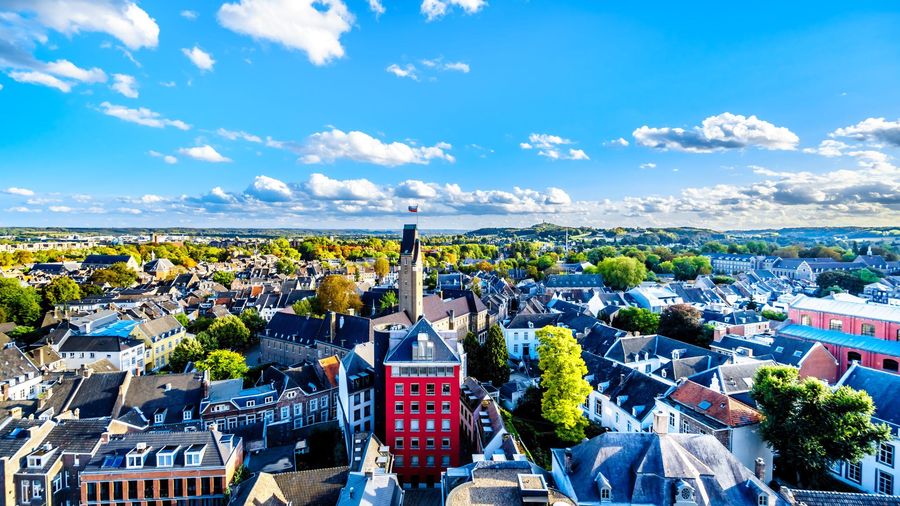
Maastricht
Maastricht, one of the oldest cities in the Netherlands, is a hidden gem brimming with history, culture, and charm. Located in the…
Explore Maastricht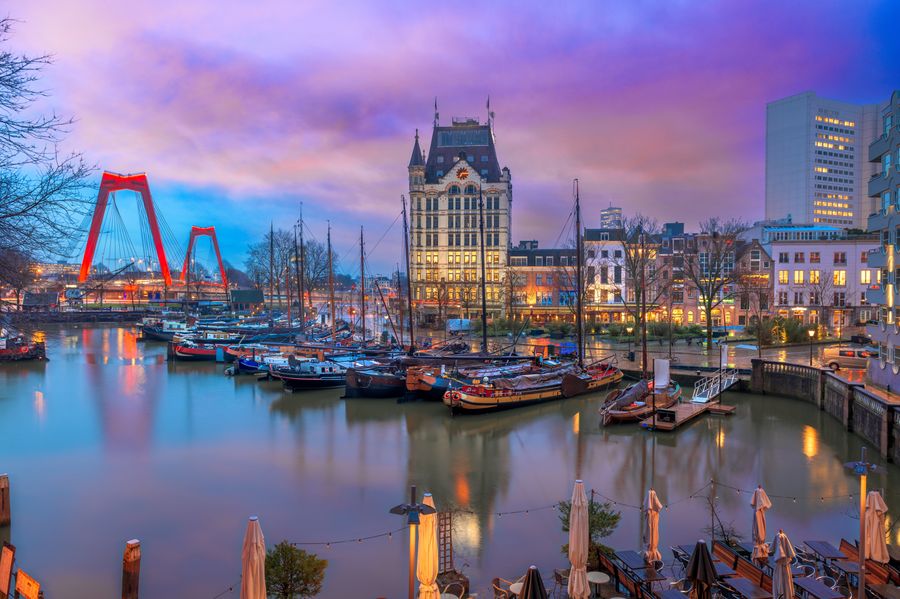
Rotterdam
Rotterdam, the Netherlands’ second-largest city, is a vibrant metropolis known for its cutting-edge architecture, bustling port, and…
Explore RotterdamA little context for your exploring.
These original VoyageOwl city stories are preserved from the archive. Historical claims and visitor details remain subject to editorial review. Check attraction opening hours, tickets and access before making plans.
A few good stories. A little room to wander.