
Mykonos
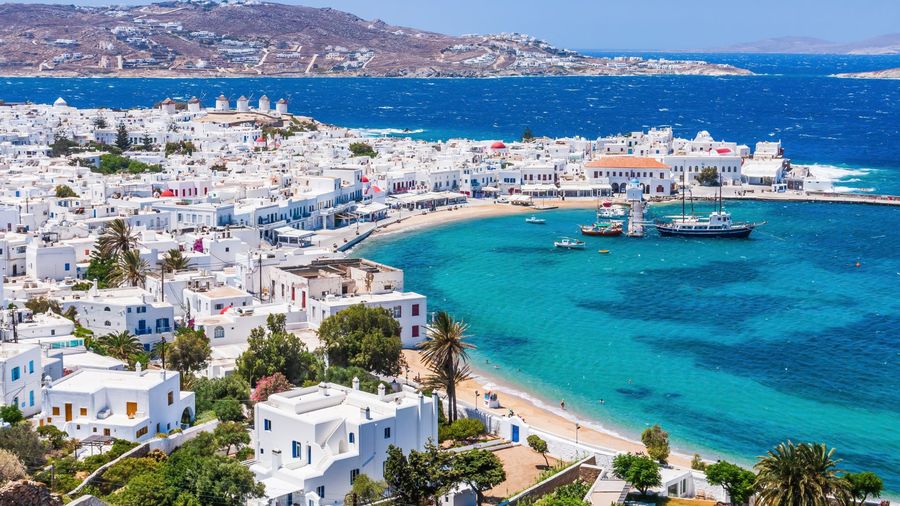
Mykonos, part of Greece’s stunning Cyclades islands, is famous for its picturesque whitewashed buildings, vibrant nightlife, and pristine beaches. Often dubbed the “Island of…
What brings you
to Mykonos?
A few good places to begin.
The Iconic Windmills
The Mykonos Windmills are one of the island’s most recognizable landmarks. Perched on a hill overlooking the town of Chora, these white, cylindrical windmills…
Mykonos · Read the storyLittle Venice
One of the most picturesque neighborhoods on the island, Little Venice is a charming area where colorful houses sit right at the edge of the water, with…
Mykonos · Read the storyDelos Island
A short boat ride from Mykonos, Delos is a UNESCO World Heritage site and one of the most important archaeological sites in Greece. In ancient times, Delos was…
Mykonos · Read the storyPristine Beaches and Watersports
Mykonos is famous for its crystal-clear waters and stunning beaches, each offering something unique. Paradise Beach and Super Paradise Beach are known for…
Mykonos · Read the storyListen to Mykonos
Take a listening break with the city’s audio story and full transcript.
Audio & transcriptThe story of Mykonos
Get to know the city through its history, culture and local traditions.
Read at your own paceA few ways into Mykonos.
Leave room to discover more.
The Iconic Windmills
The Mykonos Windmills are one of the island’s most recognizable landmarks. Perched on a hill overlooking the town of Chora, these white, cylindrical windmills date back to the 16th century when they were used to mill grain. Though they are no longer in operation, they…
Discover the storyLittle Venice
One of the most picturesque neighborhoods on the island, Little Venice is a charming area where colorful houses sit right at the edge of the water, with balconies overhanging the sea. This…
Look a little closer 03A story worth stopping forDelos Island
A short boat ride from Mykonos, Delos is a UNESCO World Heritage site and one of the most important archaeological sites in Greece. In ancient times, Delos was a major religious center, and…
Look a little closer 04A story worth stopping forPristine Beaches and Watersports
Mykonos is famous for its crystal-clear waters and stunning beaches, each offering something unique. Paradise Beach and Super Paradise Beach are known for their lively beach clubs and…
Look a little closer 05A story worth stopping forVibrant Nightlife
Mykonos is often called the Ibiza of Greece due to its world-famous nightlife. From glamorous beach clubs to trendy bars and late-night dance venues, the island comes alive after dark.…
Look a little closerThe story of Mykonos.
Set the sceneA little background.
A little background.
Mykonos, part of Greece’s stunning Cyclades islands, is famous for its picturesque whitewashed buildings, vibrant nightlife, and pristine beaches. Often dubbed the “Island of the Winds,” Mykonos is a favorite destination for travelers seeking a mix of luxury, culture, and fun. With its blend of ancient history, stunning natural beauty, and cosmopolitan charm, Mykonos offers an unforgettable experience for every type of traveler. From wandering through its iconic streets to dancing the night away at its famous beach clubs, Mykonos is more than just a party island—it’s a place where history and modernity collide.
Mykonos’ history is deeply intertwined with Greek mythology and ancient civilizations. According to myth, the island is named after Mykons, a local hero and the son of the god Apollo. Legend also has it that Hercules fought and defeated the Giants on this island, and the large rocks scattered across Mykonos are said to be the petrified remnants of these mythical creatures.
Mykonos gained prominence during the Hellenistic period due to its proximity to Delos, a neighboring island and one of the most important religious and trading centers in the ancient world. Delos, believed to be the birthplace of the gods Apollo and Artemis, became a hub of trade, and Mykonos thrived as a gateway to the sacred island. Today, visitors can take a short boat trip from Mykonos to explore the ruins of Delos, which offer insight into the ancient Greek civilization.
Top 5 Unique Characteristics of Mykonos
Look a little closerThe Iconic Windmills
The Iconic Windmills
The Mykonos Windmills are one of the island’s most recognizable landmarks. Perched on a hill overlooking the town of Chora, these white, cylindrical windmills date back to the 16th century when they were used to mill grain. Though they are no longer in operation, they serve as a symbol of Mykonos’ agricultural past and offer stunning panoramic views of the Aegean Sea. A walk up to the windmills at sunset is a must for any visitor, providing both a cultural experience and a breathtaking photo opportunity.
Look a little closerLittle Venice
Little Venice
One of the most picturesque neighborhoods on the island, Little Venice is a charming area where colorful houses sit right at the edge of the water, with balconies overhanging the sea. This area was once home to wealthy merchants and sea captains, and its beautiful architecture reflects the island’s maritime past. Today, Little Venice is filled with trendy bars, cafes, and restaurants, making it the perfect place to relax with a cocktail while enjoying the famous Mykonos sunset. The proximity to the sea and the unique atmosphere make it one of Mykonos’ most romantic spots.
Look a little closerDelos Island
Delos Island
A short boat ride from Mykonos, Delos is a UNESCO World Heritage site and one of the most important archaeological sites in Greece. In ancient times, Delos was a major religious center, and today, its ruins include temples, theaters, and houses adorned with intricate mosaics. Visitors to Delos can explore the Sanctuary of Apollo, the famous Terrace of the Lions, and the ancient marketplace. This excursion offers a fascinating look at ancient Greek culture and allows travelers to step back in time to explore one of the most sacred islands of antiquity.
Look a little closerPristine Beaches and Watersports
Pristine Beaches and Watersports
Mykonos is famous for its crystal-clear waters and stunning beaches, each offering something unique. Paradise Beach and Super Paradise Beach are known for their lively beach clubs and all-day parties, attracting international crowds and DJs. For a quieter experience, Elia Beach and Ornos Beach offer calm waters, golden sand, and a more relaxed atmosphere, perfect for sunbathing or swimming. Mykonos is also a top destination for watersports, with activities such as jet skiing, windsurfing, and snorkeling available at most beaches.
Look a little closerVibrant Nightlife
Vibrant Nightlife
Mykonos is often called the Ibiza of Greece due to its world-famous nightlife. From glamorous beach clubs to trendy bars and late-night dance venues, the island comes alive after dark. Iconic clubs like Cavo Paradiso and Scorpios draw international DJs and celebrities, making Mykonos a hotspot for partygoers from around the world. The nightlife in Mykonos Town (Chora) is equally vibrant, with narrow streets filled with cocktail bars, restaurants, and live music venues that cater to every taste.
Behind the postcardMykonos Today: A Blend of Luxury and Tradition
Mykonos Today: A Blend of Luxury and Tradition
While Mykonos is famous for its luxury hotels, beach clubs, and high-end shopping, it has also managed to retain its traditional Greek charm. The town of Chora, with its maze of whitewashed buildings, blue-domed churches, and cobblestone streets, remains a quintessential Cycladic village. Visitors can explore the town’s quaint alleys, visit the beautiful Panagia Paraportiani Church, or enjoy fresh seafood at a local taverna.
Mykonos has also become a popular destination for LGBTQ+ travelers, known for its inclusive atmosphere and welcoming spirit. The island hosts events like XLSIOR Mykonos, one of Europe’s largest LGBTQ+ festivals.
Behind the postcardFun Facts About Mykonos
Fun Facts About Mykonos
Petros the Pelican is the island’s unofficial mascot. The original pelican, found by a fisherman in the 1950s, became a beloved local character, and today, his legacy lives on with new pelicans roaming the town.Mykonos was a favorite destination of celebrities like Jackie Kennedy Onassis and has long been associated with glamour and luxury.The Panagia Paraportiani Church is one of the most photographed churches in Greece, known for its unique architectural style and stunning white facade.Mykonos’ traditional houses are painted white with blue accents to reflect the bright sunlight and match the colors of the sea and sky.
With its mix of ancient history, luxurious experiences, and unforgettable natural beauty, Mykonos is a destination that promises to enchant every visitor. Whether you're soaking in the sun on a pristine beach, exploring the ruins of Delos, or dancing the night away, Mykonos offers something magical for everyone.
The city,
in your headphones.
Take a seat, or take a walk. Discover Mykonos one story at a time.
The stories of Mykonos
Read the complete audio transcript
Welcome to Voyage Owl’s guided tour of Mykonos, one of Greece’s most iconic and beloved islands, where ancient history, vibrant culture, and modern luxury come together to create a destination unlike any other. Situated in the Cyclades group of islands in the Aegean Sea, Mykonos is famous for its stunning white-washed buildings, picturesque windmills, golden beaches, and electric nightlife. But beyond the allure of its cosmopolitan atmosphere, Mykonos has a deep and fascinating history that stretches back thousands of years.
Mykonos is a place of legend and myth. According to Greek mythology, the island was named after Mykons, a local hero and possible descendant of the god Apollo. The island’s jagged landscape and massive boulders are said to be the remains of the Giants that were defeated by Hercules in a legendary battle between the gods and titans. These mythical tales are woven into the fabric of the island’s identity, giving Mykonos an almost otherworldly allure.
Historically, Mykonos has always been a crossroads of cultures and civilizations. Its strategic location made it a key trading post for Phoenicians, Ionians, Romans, and Byzantines over the centuries. However, Mykonos’s fortunes were closely tied to the neighboring island of Delos, one of the most important religious and commercial centers of the ancient world. As the birthplace of the gods Apollo and Artemis, Delos attracted pilgrims and merchants from across the Mediterranean, and Mykonos served as a nearby support hub for the thriving port city. In fact, Delos’s proximity to Mykonos helped the island flourish as a trading center during the height of the Roman Empire.
However, like many Aegean islands, Mykonos has also endured its fair share of invasions, occupations, and piracy. During the Middle Ages, the island was ruled by the Venetians before falling into the hands of the Ottoman Empire. Mykonos was often a target for pirates due to its wealth from trade, and many of the island’s famous white-washed homes and labyrinthine streets were designed to confuse invaders and protect the local population.
Despite these challenges, Mykonos has always managed to reinvent itself. After gaining independence from the Ottoman Empire in the 19th century, the island became an important seafaring and trading hub once again. However, it wasn’t until the 1950s that Mykonos began to transform into the glamorous tourist destination it is today. With the rise of tourism, Mykonos attracted international visitors, artists, and celebrities, becoming a hotspot for the rich and famous. Figures like Jackie Kennedy Onassis, Sophia Loren, and Grace Kelly were enchanted by the island’s beauty, and their visits helped cement Mykonos’s reputation as a playground for the elite.
Today, Mykonos is synonymous with luxury and leisure, but it still retains its traditional charm and rich heritage. The island’s distinct Cycladic architecture, with its white-washed houses, blue-domed churches, and narrow alleyways, gives visitors a taste of authentic Greek island life. Its beaches are world-renowned, offering everything from tranquil, hidden coves to lively, upscale beach clubs. And at night, Mykonos truly comes alive, with its vibrant bars, clubs, and restaurants catering to both locals and international jet-setters.
But what truly sets Mykonos apart is its ability to seamlessly blend the old with the new. You can spend the day exploring ancient ruins on Delos, wandering through the quiet streets of Mykonos Town, or basking in the sun on one of the island’s many beaches. By night, you can enjoy world-class cuisine, dance until dawn, or simply take in the breathtaking beauty of a Mykonos sunset.
In this walking tour, we’ll journey through the highlights of Mykonos, uncovering the island’s rich history, mythology, and culture. From the iconic windmills to the ancient treasures housed in the Archaeological Museum, each stop offers a unique insight into the island’s past and present. Whether you’re a history enthusiast, a beach lover, or simply looking to soak up the island’s magical atmosphere, Mykonos promises to captivate you at every turn.
Let’s begin our exploration of this enchanting island in the heart of Mykonos Town (Chora), where the maze of white-washed streets offers a perfect introduction to the charm and beauty of this unforgettable island.
### Stop 1: Mykonos Town (Chora) – A Labyrinth of White-Washed Beauty
We begin our tour in the heart of Mykonos Town, a maze of narrow, winding streets lined with white-washed buildings, blue shutters, and blooming bougainvillea. This traditional Cycladic architecture is one of the defining features of Mykonos, and it was originally designed to confuse invading pirates, who found it difficult to navigate the labyrinthine streets. Today, these charming alleyways are home to boutique shops, art galleries, cafes, and restaurants.
As we wander through the town, you’ll notice the iconic cube-shaped houses with flat roofs, which are perfectly adapted to the island’s dry and windy climate. The white-washing of the buildings, with their contrasting bright blue doors and windows, is not just for aesthetic purposes—it helps to keep the houses cool during the hot summer months. The town’s layout, with its narrow streets and hidden corners, also provides shelter from the strong winds that blow across the island, known as the Meltemi.
One of the most famous landmarks in Mykonos Town is the Church of Panagia Paraportiani, located near the waterfront in the Kastro district. This stunning white-washed church is actually a complex of five smaller churches, built between the 15th and 17th centuries, with the main church, Panagia Paraportiani, being the most impressive. Its asymmetrical design and layers of white domes make it one of the most photographed churches in Greece.
As we walk through the town, take a moment to explore the charming squares and hidden courtyards. You’ll come across small chapels dedicated to local saints, as well as traditional Greek tavernas where you can enjoy a refreshing glass of ouzo or a plate of meze. The town’s energy is infectious, with locals and tourists mingling in the cafes, and the sound of laughter and music filling the air.
Next, we’ll make our way to one of Mykonos’s most famous landmarks: the Windmills of Mykonos.
### Stop 2: The Windmills of Mykonos – Guardians of the Island’s Past
No visit to Mykonos would be complete without stopping at the island’s famous windmills, which have become one of the island’s most recognizable symbols. Perched on a hill overlooking Mykonos Town and the Aegean Sea, the windmills offer panoramic views of the town’s white-washed buildings, the bustling harbor, and the sparkling blue waters beyond.
The Kato Mili windmills, located just south of Little Venice, are the most famous of the island’s windmills. These windmills were built by the Venetians in the 16th century, and for centuries they played a crucial role in the island’s economy. Mykonos was once a major grain-producing island, and the windmills were used to grind wheat into flour, which was then exported to other parts of Greece and beyond. The island’s strategic location along the trade routes of the Aegean made it an important hub for merchants and traders, and the windmills were central to this thriving economy.
The design of the windmills is simple but effective. They are cylindrical structures with conical thatched roofs, and their sails were designed to capture the strong winds that blow across the island, particularly the Meltemi winds. The energy generated by the windmills powered the grinding of the grain, which was then stored in the town’s warehouses before being shipped off.
Today, the windmills are no longer in operation, but they remain an important part of the island’s heritage and are a popular spot for visitors to take in the views and snap photos. As you stand next to these iconic structures, you’ll feel the powerful winds that once fueled Mykonos’s grain industry, and you’ll gain a deeper appreciation for the island’s resourcefulness.
From the windmills, we’ll head down to the waterfront to explore the charming district of Little Venice.
### Stop 3: Little Venice – The Heart of Mykonos’s Waterfront
Next, we’ll visit the picturesque district of Little Venice, a charming neighborhood where the buildings are built right up to the edge of the water, with their colorful balconies hanging over the sea. This area of Mykonos Town is known for its stunning sunsets, vibrant nightlife, and romantic atmosphere. Little Venice got its name because of its resemblance to the famous Italian city, with its waterfront houses and narrow canals.
In the 18th century, Little Venice was home to wealthy merchants and sea captains, who built their homes right on the water’s edge. These houses had access to the sea so that goods could be easily loaded and unloaded from ships. The district became a hub of maritime trade, and many of the houses still retain their original features, with brightly painted wooden balconies and doors.
Today, Little Venice is one of the most vibrant areas of Mykonos Town, filled with stylish bars, cafes, and restaurants. As you walk along the narrow streets, you’ll hear the sound of waves crashing against the walls of the buildings, and you’ll see locals and visitors alike enjoying a drink or a meal with a view of the sea. Little Venice is especially popular at sunset, when the sky turns shades of pink and orange, casting a magical glow over the town.
If you’re looking for a place to relax, this is the perfect spot to sit back with a glass of Mastika (a traditional Greek liqueur) and watch the sunset. The area comes alive at night, with live music, dancing, and the clinking of glasses as people celebrate the beauty of Mykonos.
After soaking in the atmosphere of Little Venice, we’ll continue our journey by visiting one of Mykonos’s most important cultural landmarks: the Archaeological Museum of Mykonos.
### Stop 4: Archaeological Museum of Mykonos – A Journey Through Time
For those interested in the ancient history of Mykonos and the surrounding islands, the Archaeological Museum of Mykonos is a must-visit. Located near the Old Port, this museum houses an impressive collection of artifacts from the Cycladic, Geometric, Archaic, Hellenistic, and Roman periods, offering a glimpse into the island’s rich cultural heritage.
The museum was founded in 1902 and was initially intended to house the findings from the nearby Rhenia, a sacred island connected to Delos. One of the museum’s most famous exhibits is the Pithos of Mykonos, a large ceramic jar dating back to the 7th century BC that depicts scenes from the Trojan War, including the Sack of Troy. This intricate piece of art provides valuable insight into the ancient myths and legends that were central to Greek culture.
The museum also contains a variety of sculptures, jewelry, vases, and grave steles, many of which were discovered in Mykonos and Delos. These artifacts help to tell the story of Mykonos’s role in the ancient world, particularly its close connection to Delos, the sacred island that was considered the birthplace of the gods Apollo and Artemis.
As you explore the museum, you’ll learn about the ancient maritime trade that flourished in the Cyclades, the religious significance of the islands, and the daily lives of the people who once inhabited this region. The museum offers a fascinating contrast to the modern, cosmopolitan side of Mykonos, reminding visitors of the island’s deep historical roots.
After exploring the museum, we’ll head to one of Mykonos’s most sacred sites: the Monastery of Panagia Tourliani.
### Stop 5: Monastery of Panagia Tourliani – Spiritual Center of Mykonos
Our next stop takes us away from the bustling town center to the peaceful village of Ano Mera, where we’ll visit the Monastery of Panagia Tourliani, a serene and spiritual haven located in the heart of the island. Founded in 1542 by two monks from the Monastery of Katapoliani on Paros, this beautiful monastery is dedicated to the Virgin Mary and is one of the most important religious sites on Mykonos.
As you approach the monastery, you’ll notice its striking white-washed facade, which contrasts beautifully with its elegant bell tower and the lush greenery that surrounds it. The monastery is a perfect example of Cycladic architecture, with its simple lines and bright white walls, and it exudes a sense of tranquility and reverence. The main church, or katholikon, features a stunning wood-carved iconostasis (altar screen) that was created by Italian artisans in the 18th century. This intricately carved screen is adorned with gold leaf and depicts scenes from the Old and New Testaments, as well as representations of saints and angels.
The monastery’s interior is equally impressive, with its vaulted ceilings, ornate chandeliers, and beautiful icons. The most famous icon in the church is the Panagia Tourliani, a revered depiction of the Virgin Mary that is said to have miraculous powers. Every year, on August 15th, the island celebrates the Feast of the Assumption, during which a procession is held to honor the Virgin Mary and the monastery fills with worshippers and visitors alike.
In addition to its religious significance, the Monastery of Panagia Tourliani is also home to a small museum, where you can view a collection of ecclesiastical relics, including vestments, manuscripts, and religious artifacts. The museum also contains Byzantine icons, offering visitors a glimpse into the rich spiritual heritage of Mykonos and the wider Cyclades.
After taking in the peaceful atmosphere of the monastery and its beautiful surroundings, we’ll continue our tour with a visit to one of the island’s most sacred ancient sites: Delos, the nearby island that was once the religious and political center of the Cyclades.
### Stop 6: Delos – The Birthplace of Gods
Just a short boat ride from Mykonos, the island of Delos is one of the most important archaeological sites in Greece and a UNESCO World Heritage Site. According to ancient Greek mythology, Apollo, the god of light and music, and his twin sister Artemis, the goddess of the hunt, were born on Delos, making it one of the holiest places in the ancient world. For centuries, Delos served as a major religious, political, and economic center, attracting pilgrims, merchants, and dignitaries from across the Mediterranean.
Delos is entirely uninhabited today, and visiting the island feels like stepping back in time. As you walk among the ruins, you’ll see the remains of ancient temples, marketplaces, homes, and public buildings that once made up this bustling city. One of the most iconic sights on Delos is the Terrace of the Lions, where stone lions stand guard along a sacred way leading to the Sanctuary of Apollo. These lions, dating back to the 7th century BC, symbolize the island’s close connection to the god Apollo and his role as its protector.
Another highlight of Delos is the Temple of Isis, dedicated to the Egyptian goddess, reflecting the island’s role as a crossroads of cultures. The House of Dionysus is another must-see, with its stunning mosaics depicting the god of wine riding a panther, a testament to the artistry and craftsmanship of ancient Delian residents.
Delos is not only significant for its religious history but also for its role in the Delian League, an alliance of Greek city-states led by Athens in the 5th century BC. The island’s strategic location made it a major trading hub, and its bustling marketplace was filled with goods from all over the ancient world. The ruins of the Agora, or marketplace, are still visible today, offering a glimpse into the commercial life of ancient Delos.
As you explore Delos, you’ll also be treated to stunning views of the Aegean Sea and the surrounding islands. The island’s peaceful atmosphere and ancient ruins make it a deeply spiritual and awe-inspiring place to visit.
After exploring Delos, we’ll return to Mykonos and head to one of the island’s most famous beaches: Super Paradise Beach.
### Stop 7: Super Paradise Beach – A Slice of Greek Island Heaven
After immersing ourselves in the ancient history of Delos, it’s time to unwind at one of Mykonos’s most famous beaches: Super Paradise Beach. Known for its crystal-clear turquoise waters, golden sands, and lively beach bars, Super Paradise Beach is a must-visit for anyone looking to experience the island’s laid-back, sun-soaked atmosphere.
Super Paradise Beach is located on the southern coast of Mykonos and is easily accessible by car, taxi, or boat. The beach is famous for its lively party scene, attracting a fun and diverse crowd of locals, tourists, and even celebrities. The beach is lined with chic beach clubs and bars, where you can sip cocktails, enjoy fresh seafood, and dance to the beats of international DJs. The vibrant atmosphere, combined with the natural beauty of the beach, makes it one of the most popular spots on the island.
But Super Paradise Beach isn’t just for partygoers. The calm, crystal-clear waters make it an ideal spot for swimming, snorkeling, and water sports. You can rent paddleboards, jet skis, or simply relax on a sun lounger and soak up the Mediterranean sun. The beach is also known for its inclusive and welcoming vibe, with a mix of people from all walks of life coming together to enjoy the beauty and energy of Mykonos.
If you’re looking for a more peaceful beach experience, you can head to the nearby Paradise Beach or Elia Beach, both of which offer a more relaxed atmosphere and equally stunning views of the Aegean Sea.
After a day of sun, sea, and sand, we’ll make our way to one of the island’s most enchanting places to catch the sunset: the Armenistis Lighthouse.
### Stop 8: Armenistis Lighthouse – Sunset with a View
Our final stop takes us to the Armenistis Lighthouse, located on the northwestern tip of Mykonos, offering breathtaking views of the Aegean Sea and the surrounding islands. Built in 1891, this historic lighthouse stands as a symbol of Mykonos’s maritime heritage, guiding ships safely through the often-treacherous waters around the island.
The Armenistis Lighthouse is perched on a hill overlooking the sea, and from here, you’ll have an unobstructed view of the horizon, making it one of the best spots on the island to watch the sunset. As the sun dips below the horizon, the sky turns shades of pink, orange, and gold, casting a warm glow over the island and the sea. It’s a magical and peaceful moment, offering a perfect end to a day of exploring Mykonos.
The lighthouse itself is a simple yet elegant structure, with its white-washed walls and tall tower standing against the rugged landscape. While the lighthouse is no longer in operation, it remains a beloved landmark on the island, and its remote location gives it a sense of timelessness and solitude.
As you watch the sunset from the Armenistis Lighthouse, you’ll be reminded of the deep connection Mykonos has to the sea and the island’s long history as a maritime hub. It’s a fitting conclusion to our tour of Mykonos, where the beauty of the island’s natural landscape is matched only by its rich cultural heritage.
### Conclusion: Mykonos – A Blend of Ancient History and Modern Glamour
As our walking tour of Mykonos comes to an end, I hope you’ve discovered that there’s much more to this island than just its famous beaches and nightlife. From the ancient ruins of Delos to the charming streets of Mykonos Town, the island offers a fascinating journey through time, blending its ancient Greek heritage with its modern-day allure.
Mykonos is a place where the past and present coexist in harmony, where you can explore ancient temples and windmills by day and dance under the stars by night. Whether you’re here for the history, the culture, or the stunning natural beauty, Mykonos is a destination that will captivate your heart and leave you with memories to last a lifetime.
Thank you for joining me on this tour of Mykonos, and I hope you enjoy the rest of your time on this magical island. Kalo taxidi—safe travels!
To listen to more amazing audio tours of cities around the world check out our other guides at voyageowl.com.
Another place, another story.
Nafplio
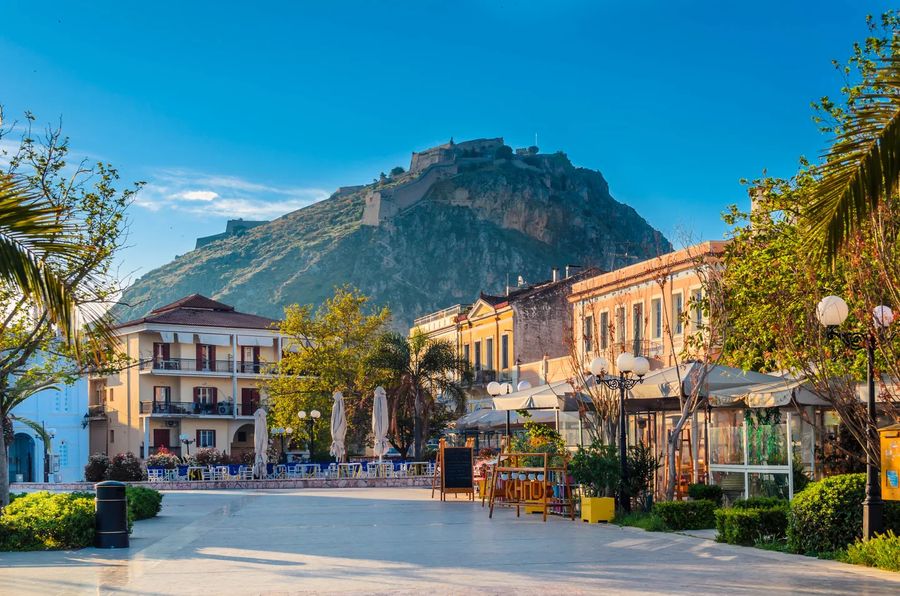
Perched on the Argolic Gulf in the Peloponnese, Nafplio is one of Greece’s most enchanting and historic cities. With its cobbled…
Explore Nafplio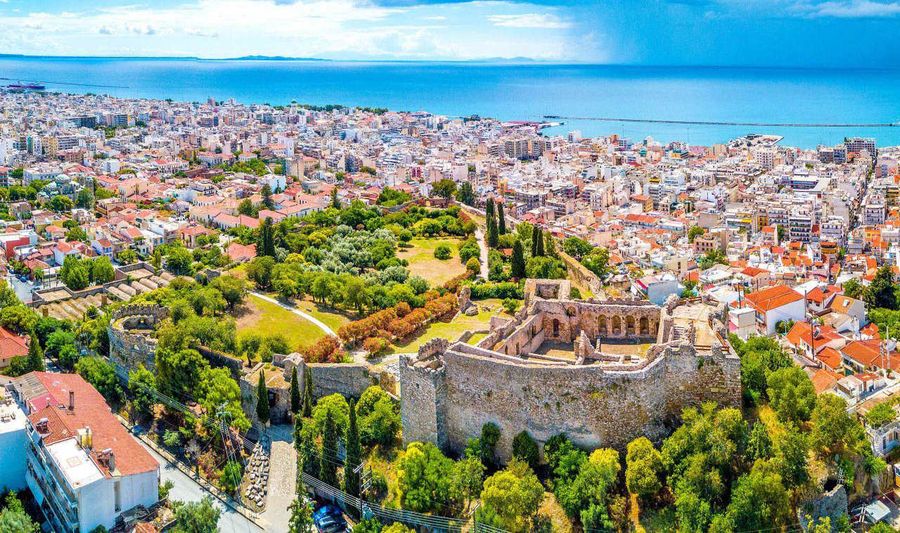
Patras
Patras, the third-largest city in Greece, is a dynamic destination known for its rich history, vibrant culture, and strategic…
Explore PatrasA little context for your exploring.
These original VoyageOwl city stories are preserved from the archive. Historical claims and visitor details remain subject to editorial review. Check attraction opening hours, tickets and access before making plans.
A few good stories. A little room to wander.