
Naples
Naples is a city like no other, brimming with energy, history, and passion. As one of the oldest continuously inhabited cities in the world, Naples has played a pivotal role…
What brings you
to Naples?
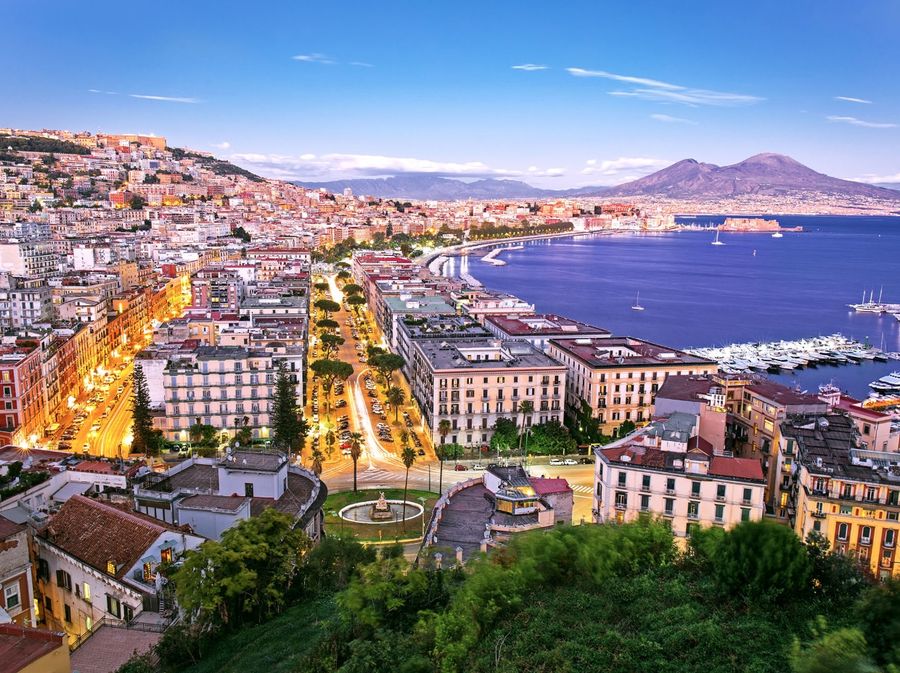
A few good places to begin.
A City Steeped in Historical Significance
Founded by the Greeks in the 8th century BC as Neapolis, meaning "new city," Naples has been a major center of Mediterranean culture for more than two…
Naples · Read the storyThe Historic Center
Naples is home to the largest historic city center in Europe, and it is a UNESCO World Heritage Site. Wandering through its narrow, winding streets feels like…
Naples · Read the storyPizza: The Birthplace of a Culinary Legend
Naples is the birthplace of the world’s most famous dish: pizza. The traditional Neapolitan pizza, with its simple ingredients of fresh dough, San Marzano…
Naples · Read the storyMount Vesuvius and Pompeii
Just a short distance from Naples looms the mighty Mount Vesuvius, the infamous volcano that destroyed the ancient cities of Pompeii and Herculaneum in 79 AD.…
Naples · Read the storyListen to Naples
Take a listening break with the city’s audio story and full transcript.
Audio & transcriptThe story of Naples
Get to know the city through its history, culture and local traditions.
Read at your own paceA few ways into Naples.
Leave room to discover more.
The Historic Center
Naples is home to the largest historic city center in Europe, and it is a UNESCO World Heritage Site. Wandering through its narrow, winding streets feels like stepping back in time. The area is filled with stunning churches, ancient ruins, and bustling markets. Key…
Discover the storyPizza: The Birthplace of a Culinary Legend
Naples is the birthplace of the world’s most famous dish: pizza. The traditional Neapolitan pizza, with its simple ingredients of fresh dough, San Marzano tomatoes, mozzarella, and basil,…
Look a little closer 03A story worth stopping forMount Vesuvius and Pompeii
Just a short distance from Naples looms the mighty Mount Vesuvius, the infamous volcano that destroyed the ancient cities of Pompeii and Herculaneum in 79 AD. Today, visitors can explore…
Look a little closer 04A story worth stopping forCastel dell’Ovo and Castel Nuovo
Naples is home to two iconic castles that are must-visit landmarks. Castel dell’Ovo (Egg Castle), located on the seafront, is the oldest castle in Naples, dating back to the 6th century BC.…
Look a little closer 05A story worth stopping forThe Underground City
Naples has a fascinating hidden world beneath its streets, known as the Naples Underground. This network of tunnels, caves, and catacombs dates back to the Greek and Roman eras and was used…
Look a little closerThe story of Naples.
Set the sceneA little background.
A little background.
Naples is a city like no other, brimming with energy, history, and passion. As one of the oldest continuously inhabited cities in the world, Naples has played a pivotal role in shaping the culture, art, and history of southern Italy. Known for its lively streets, mouthwatering cuisine, and proximity to ancient sites like Pompeii and Mount Vesuvius, Naples offers a truly authentic Italian experience. Whether you're wandering through its narrow alleyways, admiring its historical treasures, or indulging in a slice of the original Neapolitan pizza, Naples is a city that captivates and charms with its unique spirit.
Behind the postcardA City Steeped in Historical Significance
A City Steeped in Historical Significance
Founded by the Greeks in the 8th century BC as Neapolis, meaning "new city," Naples has been a major center of Mediterranean culture for more than two millennia. Its strategic location along the Bay of Naples made it a crucial port city, attracting Greeks, Romans, Normans, and Spaniards over the centuries. Each of these cultures has left its mark, creating the diverse and vibrant city that Naples is today.
During the Middle Ages, Naples was the capital of the Kingdom of Naples, and later, it became the capital of the Kingdom of the Two Sicilies, further cementing its importance as a political and cultural hub. The city's rich history can be seen in its architecture, from ancient ruins to grand palaces, churches, and fortresses. Despite the challenges it has faced, including war and natural disasters, Naples has remained a resilient city, fiercely proud of its heritage and traditions.
Top 5 Unique Characteristics of Naples
Look a little closerThe Historic Center
The Historic Center
Naples is home to the largest historic city center in Europe, and it is a UNESCO World Heritage Site. Wandering through its narrow, winding streets feels like stepping back in time. The area is filled with stunning churches, ancient ruins, and bustling markets. Key sights include Spaccanapoli, the long, straight street that cuts through the heart of the old town, and the Duomo di Napoli, a magnificent cathedral that houses the Chapel of San Gennaro, the city's patron saint. The historic center is the beating heart of Naples, offering a true glimpse into the city's past and present.
Look a little closerPizza: The Birthplace of a Culinary Legend
Pizza: The Birthplace of a Culinary Legend
Naples is the birthplace of the world’s most famous dish: pizza. The traditional Neapolitan pizza, with its simple ingredients of fresh dough, San Marzano tomatoes, mozzarella, and basil, was invented here. Pizzerias like Antica Pizzeria da Michele and Sorbillo are famous for serving up the best pizza in the world, made in the classic wood-fired ovens. No visit to Naples is complete without indulging in this iconic dish, and pizza lovers will feel right at home in this culinary capital.
Look a little closerMount Vesuvius and Pompeii
Mount Vesuvius and Pompeii
Just a short distance from Naples looms the mighty Mount Vesuvius, the infamous volcano that destroyed the ancient cities of Pompeii and Herculaneum in 79 AD. Today, visitors can explore the haunting ruins of Pompeii, where life was frozen in time under layers of volcanic ash. The city’s well-preserved streets, villas, and frescoes offer a rare glimpse into life during the Roman Empire. You can also hike up Mount Vesuvius for breathtaking views of the Bay of Naples and the surrounding countryside.
Look a little closerCastel dell’Ovo and Castel Nuovo
Castel dell’Ovo and Castel Nuovo
Naples is home to two iconic castles that are must-visit landmarks. Castel dell’Ovo (Egg Castle), located on the seafront, is the oldest castle in Naples, dating back to the 6th century BC. Legend has it that the Roman poet Virgil placed a magical egg in the foundations of the castle, and the city's fate depended on its safety. Meanwhile, Castel Nuovo, or the Maschio Angioino, is a medieval fortress that dominates Naples' skyline. Built in the 13th century, it was the residence of kings and is now a symbol of the city’s royal history.
Look a little closerThe Underground City
The Underground City
Naples has a fascinating hidden world beneath its streets, known as the Naples Underground. This network of tunnels, caves, and catacombs dates back to the Greek and Roman eras and was used for everything from aqueducts to air-raid shelters during World War II. A visit to the Catacombs of San Gennaro or a tour of Napoli Sotterranea allows you to explore this subterranean labyrinth and discover another layer of the city’s history.
Behind the postcardNaples Today: A Modern City with Timeless Charm
Naples Today: A Modern City with Timeless Charm
Today, Naples is a vibrant, bustling metropolis that continues to embrace its rich history while also being a modern, forward-looking city. It’s a center for art, music, and theater, home to the Teatro di San Carlo, one of the oldest and most prestigious opera houses in the world. Naples is also a city of passion, where football is a religion and street life buzzes with energy.
The city's culinary scene remains one of its greatest draws, with not only pizza but also dishes like sfogliatella (a sweet pastry) and ragù napoletano offering a true taste of local flavor. Naples may be chaotic and full of contrasts, but its authenticity and charm make it one of Italy’s most fascinating destinations.
Behind the postcardFun Facts About Naples
Fun Facts About Naples
Naples is home to San Carlo Theater, the oldest continuously active opera house in the world, opened in 1737.Pulcinella, the famous Italian commedia dell'arte character with the mask and hat, originated in Naples.Naples' Spaccanapoli is a street that divides the historic center into two distinct halves.Margherita pizza was named in honor of Queen Margherita of Savoy when she visited Naples in 1889.Naples has over 500 churches, earning it the nickname “the city of 500 domes.”
Whether you're drawn by its ancient ruins, lively streets, or mouthwatering food, Naples is a city that offers an authentic and unforgettable Italian experience. With its rich history, vibrant culture, and undeniable charm, Naples invites visitors to explore its past while enjoying its modern-day energy.
The city,
in your headphones.
Take a seat, or take a walk. Discover Naples one story at a time.
The stories of Naples
Read the complete audio transcript
Welcome to Voyage Owl’s walking tour of Naples, a city of vibrant contrasts, where the ancient and modern coexist in a whirlwind of energy, color, and sound. Known as Napoli in Italian, this bustling metropolis is the capital of the Campania region and one of the oldest continuously inhabited cities in the world. As you walk through its streets, you’ll feel the layers of history beneath your feet, from its Greek origins as Neapolis to its Roman heritage and the various empires that followed. Naples has been shaped by centuries of rulers, including the Byzantines, Normans, Spanish, and French, each leaving an indelible mark on the city’s character.
Naples is often described as the soul of southern Italy—a place where tradition meets innovation, where life is lived at full speed, and where every corner offers a new sensory experience. The city’s lively street markets, grand piazzas, and narrow alleys tell stories of both opulence and struggle, reflecting its complex history. It’s a place of stunning contrasts: the grandeur of its palaces and churches stands in stark contrast to the raw energy of its working-class neighborhoods, and the breathtaking views of the Bay of Naples are juxtaposed with the ever-present silhouette of Mount Vesuvius, a reminder of the city’s volcanic past.
Naples is also a city that has left a significant mark on global culture, from its contribution to art, architecture, and literature, to its culinary creations—most famously, pizza. The historic center of Naples, a UNESCO World Heritage Site, is one of the largest in Europe, a maze of ancient streets that have remained largely unchanged for centuries. It’s here that you’ll find some of the most important landmarks of Western civilization, including stunning churches, archaeological treasures, and world-renowned museums.
But what makes Naples truly unique is its spirit—a mix of chaos, creativity, and passion that makes it unlike any other city in Italy. Neapolitans are known for their resilience, hospitality, and deep connection to their city’s past and present. As we embark on this walking tour, you’ll see how Naples is more than just a city—it’s an experience. From grand piazzas to hidden chapels, bustling markets to ancient ruins, Naples offers an unforgettable journey into the heart of Italy’s southern culture.
Let’s begin our tour in the grand Piazza del Plebiscito, the beating heart of Naples’ historical and cultural life.
### Stop 1: Piazza del Plebiscito – Naples’ Grand Square
Our tour begins at Piazza del Plebiscito, one of the largest and most impressive squares in Naples. This grand open space is framed by two monumental buildings: the Royal Palace of Naples on one side and the neoclassical Basilica of San Francesco di Paola on the other. The piazza was originally laid out in the early 19th century during the reign of King Joachim Murat, Napoleon’s brother-in-law, who briefly ruled Naples as part of the Napoleonic Kingdom of Naples.
As you step into the piazza, you’ll notice its wide, open expanse, which contrasts with the narrow, winding streets typical of the city. The square is often used for concerts, political rallies, and public events, making it a lively gathering place for both locals and tourists. It’s also a popular spot for Neapolitan street performers, so don’t be surprised if you come across a talented musician or juggler putting on a show.
To the west of the square stands the Royal Palace of Naples (Palazzo Reale di Napoli), which served as the residence of the Spanish and Bourbon monarchs who ruled the Kingdom of Naples from the 16th to the 19th century. The palace’s grand facade, designed by Domenico Fontana in the 17th century, is adorned with statues of prominent rulers from Naples’ history, including Roger II, Frederick II, and Charles V. Inside, the palace is a testament to royal luxury, with lavishly decorated rooms, including the Throne Room, the Hall of Hercules, and the Ambassadors’ Hall, all of which showcase the opulence of the Bourbon monarchy.
Opposite the Royal Palace is the Basilica of San Francesco di Paola, one of the finest examples of neoclassical architecture in Italy. Modeled after the Pantheon in Rome, the basilica was commissioned by King Ferdinand I of the Two Sicilies in 1817 as a thank you to Saint Francis of Paola for helping him reclaim his throne after the fall of Napoleon. The church’s grand portico and massive dome dominate the piazza, and inside, you’ll find a stunning circular nave with beautiful marble columns and frescoes.
One of the most charming traditions associated with Piazza del Plebiscito is the “blindfolded challenge.” Local legend has it that if you start from the center of the square, put on a blindfold, and try to walk in a straight line between the two equestrian statues at the front of the basilica, you’ll never succeed. The challenge has become a fun activity for both tourists and locals, though very few manage to complete it successfully!
After exploring the grandeur of Piazza del Plebiscito, we’ll head towards the nearby Galleria Umberto I, one of Naples’ most elegant shopping arcades.
### Stop 2: Galleria Umberto I – A Symbol of Neapolitan Splendor
Just a short walk from Piazza del Plebiscito, you’ll find the stunning Galleria Umberto I, an architectural marvel that showcases Naples’ 19th-century grandeur. Built between 1887 and 1890, the Galleria was designed as part of a broader urban renewal project aimed at modernizing Naples after the devastating cholera epidemic of 1884. The arcade was intended to symbolize the city’s resurgence and to provide a space where Neapolitans could shop, socialize, and enjoy cultural activities.
As you step inside the Galleria, you’ll be struck by the sheer scale and beauty of the structure. The Galleria’s design is a perfect example of the Belle Époque style, with its soaring glass and iron dome, intricately patterned marble floors, and grand arches. The central octagonal space beneath the dome is particularly impressive, with the light filtering through the glass roof creating a dazzling effect. Around the base of the dome, you’ll notice mosaics representing the four continents, a reflection of Naples’ historical importance as a major Mediterranean port.
The Galleria is home to a mix of high-end shops, cafés, and cultural institutions, making it a lively spot for both locals and tourists. While many of the original luxury boutiques have been replaced by more contemporary stores, the Galleria’s old-world charm remains intact. Be sure to stop at one of the traditional Neapolitan pasticcerie (pastry shops) for a delicious sfogliatella or babà, two of the city’s most iconic pastries.
One of the Galleria’s most famous neighbors is the Teatro di San Carlo, the oldest continuously active opera house in the world, founded in 1737. The theater’s opulent interior and world-class performances have made it one of Europe’s most prestigious cultural institutions. If you have time, it’s well worth taking a guided tour of the theater to learn more about its rich history and to admire its stunning red-and-gold auditorium.
After taking in the elegance of Galleria Umberto I, we’ll continue our tour with a visit to one of Naples’ most important historical and artistic treasures: the Naples National Archaeological Museum.
### Stop 3: Naples National Archaeological Museum – A Treasure Trove of Ancient Artifacts
Our next stop is the Naples National Archaeological Museum (Museo Archeologico Nazionale di Napoli), one of the most important museums of its kind in the world. Housed in a grand 16th-century building that was originally constructed as a cavalry barracks, the museum boasts an extraordinary collection of ancient artifacts, including many treasures from the nearby ruins of Pompeii and Herculaneum.
The museum’s collection is vast, spanning the entire ancient Mediterranean world, with highlights from Greek, Roman, and Egyptian civilizations. As you wander through the museum’s halls, you’ll encounter sculptures, mosaics, frescoes, and everyday objects that offer a glimpse into life in ancient Rome. One of the museum’s most famous exhibits is the Farnese Collection, a stunning assemblage of classical sculptures collected by the Farnese family in the 16th century. Among the highlights are the imposing Farnese Hercules, a colossal marble statue that stands over 3 meters tall, and the Farnese Bull, the largest single sculpture from antiquity, depicting a dramatic scene from Greek mythology.
The museum also houses an impressive collection of artifacts from the ancient cities of Pompeii and Herculaneum, which were famously destroyed by the eruption of Mount Vesuvius in 79 AD. The Pompeii Collection includes beautifully preserved frescoes, mosaics, and everyday objects that provide a fascinating insight into daily life in a Roman city. One of the most intriguing sections of the museum is the Secret Cabinet, a room dedicated to ancient erotic art from Pompeii, which was kept hidden from public view until the 19th century due to its explicit content.
As you explore the museum, take a moment to admire the building itself, with its grand staircases, vaulted ceilings, and frescoed walls. The museum is a true treasure trove of ancient art and history, and it’s easy to lose yourself for hours in its vast collections.
After immersing ourselves in the ancient world, we’ll head back into the heart of Naples to explore one of the city’s most lively and historically significant streets: Spaccanapoli.
### Stop 4: Spaccanapoli – The Soul of Naples
From the grandeur of the Naples National Archaeological Museum, we’ll make our way to the narrow, bustling street known as Spaccanapoli. Literally meaning “Naples splitter,” Spaccanapoli is the ancient decumanus that runs straight through the heart of the historic center of Naples, effectively “splitting” the city in two. It is one of the most famous and vibrant streets in Naples, not only for its historical significance but also for the way it captures the essence of daily life in the city. This narrow, winding street is lined with churches, palazzos, artisan shops, cafés, and some of the best street food you’ll find in Italy. Walking down Spaccanapoli is like taking a journey through the layers of Naples’ past, with each corner revealing a new chapter in the city’s long and colorful history.
Spaccanapoli has existed since the time of the ancient Greeks and Romans, and today, it remains one of the main thoroughfares of the city’s historic center. As you stroll along the street, you’ll pass through different neighborhoods, each with its own distinct character. The energy of Spaccanapoli is palpable, with street vendors calling out their wares, motorbikes weaving through the crowds, and the scent of freshly baked pizza margherita and sfogliatella wafting through the air.
One of the first landmarks you’ll come across as you walk down Spaccanapoli is the Church of Gesù Nuovo, a striking example of Baroque architecture. The church’s unusual facade, covered in diamond-shaped stone blocks, was originally part of a Renaissance palace before being converted into a church in the late 16th century. Inside, the church is a masterpiece of Baroque art, with elaborately decorated chapels, frescoes, and marble altars. One of the most remarkable features of Gesù Nuovo is its connection to St. Giuseppe Moscati, a local physician and saint. Many visitors come to pray at his tomb, and you can see the many letters and offerings left by those seeking his intercession.
Just a short distance from Gesù Nuovo is another of Naples’ most famous churches, the Santa Chiara Monastery. Built in the early 14th century in a Gothic style, the church and its adjacent cloister are a peaceful oasis in the heart of the bustling city. The cloister is particularly beautiful, with its majolica-tiled columns and benches, all decorated with brightly colored floral and pastoral scenes. The monastery also houses a small museum where you can learn more about the history of the Franciscan order and see archaeological remains from ancient Roman baths that were discovered beneath the complex.
As you continue along Spaccanapoli, you’ll notice the many small shops and stalls selling everything from religious icons to traditional Neapolitan nativity figurines. This area is famous for its artisans who create presepi (nativity scenes), a beloved tradition in Naples. The most famous street for these crafts is Via San Gregorio Armeno, where you can see intricate handcrafted figures, from the Holy Family to more humorous or modern characters, such as football players or politicians.
After exploring the cultural and artistic treasures of Spaccanapoli, we’ll stop for a taste of one of Naples’ most iconic street foods: pizza. As the birthplace of pizza, Naples takes this culinary art form seriously, and no visit to the city is complete without sampling a pizza margherita or pizza marinara. There are countless pizzerias along Spaccanapoli, but one of the most famous is Sorbillo, a historic pizzeria that has been serving some of the best pizza in Naples for decades. Whether you choose to enjoy your pizza at a table or on the go, you’ll quickly understand why Naples is world-renowned for this simple yet perfect dish.
After enjoying your pizza, we’ll continue down Spaccanapoli towards one of the most remarkable landmarks in Naples: the Sansevero Chapel and its astonishing Veiled Christ sculpture.
### Stop 5: Sansevero Chapel and the Veiled Christ – A Masterpiece of Art and Mystery
As we reach the end of Spaccanapoli, we come to one of the most extraordinary and mysterious sites in Naples, the Sansevero Chapel (Cappella Sansevero). Tucked away in a quiet corner of the historic center, this small chapel is home to one of the most famous sculptures in the world, the Veiled Christ (Cristo Velato), created by Giuseppe Sanmartino in 1753. The chapel is a masterpiece of Baroque art, but it is also shrouded in mystery, as it was commissioned by Prince Raimondo di Sangro, an eccentric and brilliant figure known for his alchemical experiments and scientific pursuits.
The highlight of the Sansevero Chapel is undoubtedly the Veiled Christ, a marble sculpture that depicts Christ lying in repose, covered by an intricately detailed shroud that appears to be so delicate and translucent that it seems real. The craftsmanship is so extraordinary that many visitors are left wondering how it was even possible to create such an effect from marble. The sculpture has long been the subject of fascination, with legends suggesting that the veil was actually created through alchemical processes by the prince himself. While this is likely a myth, it adds to the aura of intrigue that surrounds the chapel.
In addition to the Veiled Christ, the Sansevero Chapel is home to other remarkable sculptures, including the Disillusion (Il Disinganno), a work that symbolizes human liberation from sin, and the Modesty (La Pudicizia), a statue representing purity and virtue. Both sculptures are as intricate and lifelike as the Veiled Christ, further demonstrating the incredible artistic talent that flourished in Naples during the 18th century.
Beneath the chapel, in the crypt, you’ll find one of the most bizarre and eerie exhibits in Naples: the anatomical machines. These macabre figures are two human skeletons, complete with preserved circulatory systems, which were allegedly created by Prince Raimondo di Sangro using unknown scientific techniques. The anatomical machines add to the chapel’s reputation as a place of mystery and wonder, and they provide a glimpse into the prince’s fascination with both science and the occult.
After visiting the Sansevero Chapel and marveling at its artistic and scientific treasures, we’ll continue our tour with a visit to the ancient and atmospheric Catacombs of San Gennaro, located just outside the historic center.
### Stop 6: Catacombs of San Gennaro – A Journey into the Underground
Our next stop takes us to the Catacombs of San Gennaro, one of the most fascinating and eerie sites in Naples. Located on the northern outskirts of the city, the catacombs are an ancient burial site that dates back to the 2nd century AD, when early Christians in Naples used the underground chambers for both religious services and burials. The catacombs are named after San Gennaro, the patron saint of Naples, whose relics were once housed here.
The Catacombs of San Gennaro are spread over two levels, with the upper level containing large basilica-like spaces where early Christians would gather to worship in secret. The lower level is where most of the burials took place, and as you walk through the narrow passages, you’ll see rows of burial niches carved into the walls, some of which still contain the remains of the deceased. The catacombs are also decorated with frescoes, some of which date back to the 3rd century, making them some of the oldest Christian art in Italy.
One of the most important features of the catacombs is the crypt of San Gennaro, where the saint’s relics were kept until they were moved to the Naples Cathedral in the 9th century. San Gennaro is deeply revered in Naples, and his name is invoked during the city’s annual blood miracle, when his preserved blood is said to liquefy in a miraculous event. The crypt remains a place of pilgrimage for the faithful, who come to pray to the saint and seek his protection.
As you explore the catacombs, you’ll gain a deeper understanding of the early Christian community in Naples and the role that the catacombs played in preserving their faith during times of persecution. The cool, dimly lit chambers offer a stark contrast to the bustling streets of the city above, providing a glimpse into a hidden world that has been preserved for nearly two millennia.
After our underground journey, we’ll return to the surface for our final stop: the Naples Cathedral, the spiritual heart of the city and the home of the famous blood miracle.
### Stop 7: Naples Cathedral (Duomo di San Gennaro) – The Spiritual Heart of the City
Our tour concludes at the Naples Cathedral (Duomo di San Gennaro), one of the most important religious sites in the city and the final resting place of San Gennaro, Naples’ beloved patron saint. The cathedral, which dates back to the late 13th century, is a stunning example of Gothic and Baroque architecture, with a richly decorated interior that reflects the deep religious devotion of the Neapolitans.
The cathedral is dedicated to the Assumption of the Virgin Mary, but it is most famous for the Chapel of San Gennaro, where the relics of the saint, including his skull and a vial of his blood, are kept. The blood of San Gennaro is the focus of one of Naples’ most important religious festivals, which takes place three times a year. During these ceremonies, the vial of the saint’s dried blood is brought out and placed before the faithful, who pray for the miracle of the liquefaction. When the blood liquefies, it is seen as a sign of San Gennaro’s protection over the city. If the miracle does not occur, it is considered an ill omen for Naples.
The interior of the cathedral is a masterpiece of religious art, with frescoes, sculptures, and marble altars that reflect the importance of faith in Neapolitan life. One of the most striking features is the crypt of San Gennaro, located beneath the main altar, where you can see the saint’s relics and pay your respects to the protector of the city.
As you explore the cathedral, you’ll also discover the Basilica of Santa Restituta, an ancient church that predates the cathedral and is incorporated into its structure. This early Christian basilica is one of the oldest churches in Naples, and it offers a fascinating glimpse into the city’s religious history, with its Roman columns and mosaics from the early Christian era.
After visiting the Naples Cathedral and experiencing the deep spiritual connection that the city has with San Gennaro, we’ll conclude our walking tour with a final stroll through the streets of Naples, taking in the sights, sounds, and energy of this extraordinary city.
### Conclusion: Naples – A City of History, Culture, and Passion
As our walking tour of Naples comes to an end, I hope you’ve gained a deeper appreciation for this city’s incredible history, rich culture, and unbreakable spirit. From the grandeur of Piazza del Plebiscito and the elegance of Galleria Umberto I to the ancient mysteries of the Catacombs of San Gennaro and the spiritual heart of the Naples Cathedral, Naples is a city that offers something for everyone. Whether you’re drawn to its ancient ruins, world-class art, or simply the chance to experience its famous pizza, Naples is a city that will leave a lasting impression on your heart and soul.
Thank you for joining me on this journey through Naples. I hope you’ve enjoyed discovering the treasures of this extraordinary city, and I wish you a buon viaggio as you continue to explore all that Naples and southern Italy have to offer!
To listen to more amazing audio tours of cities around the world check out our other guides at voyageowl.com.
Another place, another story.
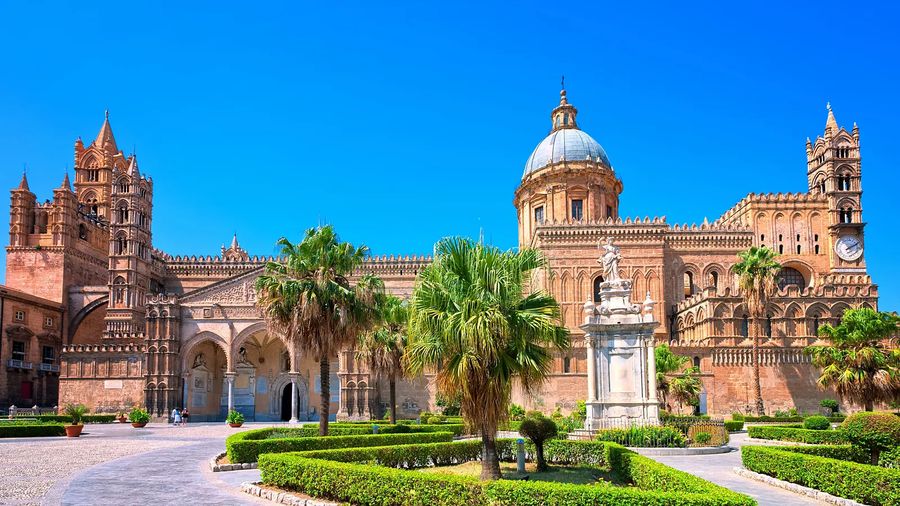
Palermo
Nestled on the northwestern coast of Sicily, Palermo is a city that has been shaped by centuries of diverse cultural influences, from…
Explore Palermo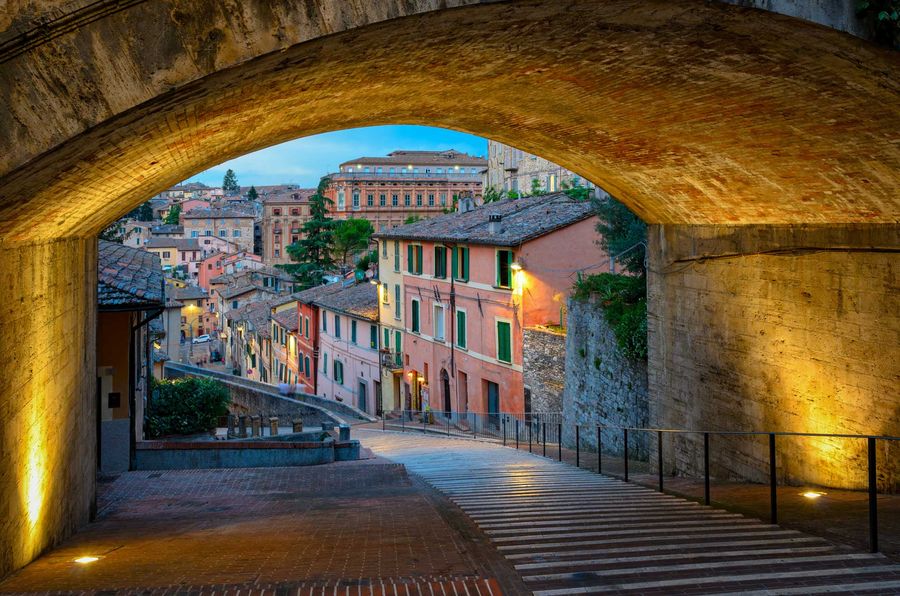
Perugia
Nestled atop a hill in the heart of Umbria, Perugia is a city that perfectly balances its rich medieval past with a vibrant modern…
Explore PerugiaA little context for your exploring.
These original VoyageOwl city stories are preserved from the archive. Historical claims and visitor details remain subject to editorial review. Check attraction opening hours, tickets and access before making plans.
A few good stories. A little room to wander.