
Newcastle upon Tyne
Newcastle upon Tyne, or simply Newcastle, is a vibrant city in the northeast of England known for its rich industrial heritage, striking architecture, and lively cultural…
What brings you
to Newcastle upon Tyne?
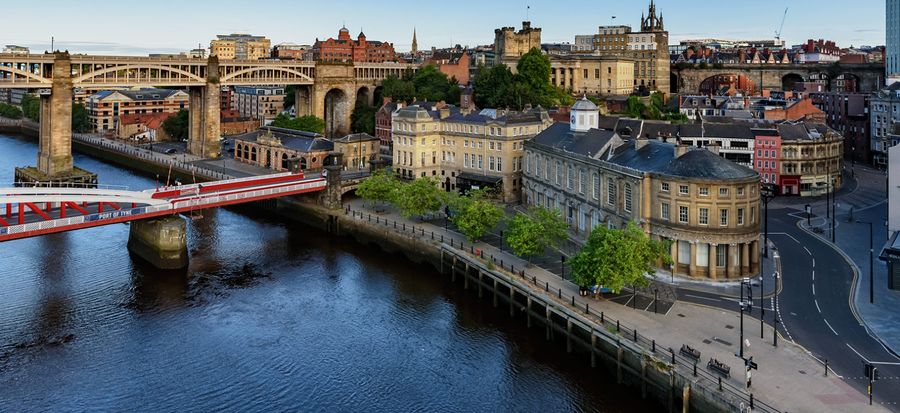
A few good places to begin.
The Tyne Bridge
One of Newcastle’s most iconic landmarks, the Tyne Bridge is a symbol of the city’s engineering prowess and industrial heritage. Opened in 1928, this stunning…
Newcastle upon Tyne · Read the storyNewcastle Castle
At the heart of the city stands Newcastle Castle, the medieval fortress that gave the city its name. Originally built to protect the city from Scottish…
Newcastle upon Tyne · Read the storyGrey Street and Grainger Town
Often hailed as one of the most beautiful streets in the UK, Grey Street is at the heart of Grainger Town, Newcastle’s historic Georgian quarter. The street is…
Newcastle upon Tyne · Read the storyThe Quayside and the Millennium Bridge
Newcastle’s Quayside is a lively waterfront area that showcases the city’s modern side while celebrating its industrial past. The Quayside is home to the…
Newcastle upon Tyne · Read the storyListen to Newcastle upon Tyne
Take a listening break with the city’s audio story and full transcript.
Audio & transcriptThe story of Newcastle upon Tyne
Get to know the city through its history, culture and local traditions.
Read at your own paceA few ways into Newcastle upon Tyne.
Leave room to discover more.
The Tyne Bridge
One of Newcastle’s most iconic landmarks, the Tyne Bridge is a symbol of the city’s engineering prowess and industrial heritage. Opened in 1928, this stunning arched bridge connects Newcastle with Gateshead and is often compared to the Sydney Harbour Bridge due to its…
Discover the storyNewcastle Castle
At the heart of the city stands Newcastle Castle, the medieval fortress that gave the city its name. Originally built to protect the city from Scottish invaders, the castle played a key…
Look a little closer 03A story worth stopping forGrey Street and Grainger Town
Often hailed as one of the most beautiful streets in the UK, Grey Street is at the heart of Grainger Town, Newcastle’s historic Georgian quarter. The street is lined with elegant…
Look a little closer 04A story worth stopping forThe Quayside and the Millennium Bridge
Newcastle’s Quayside is a lively waterfront area that showcases the city’s modern side while celebrating its industrial past. The Quayside is home to the Gateshead Millennium Bridge, a…
Look a little closer 05A story worth stopping forSt. Nicholas' Cathedral
St. Nicholas' Cathedral is a historic gem in Newcastle’s city center. Built in 1091 and later expanded in the 14th century, the cathedral features a stunning lantern spire, which has served…
Look a little closerThe story of Newcastle upon Tyne.
Set the sceneA little background.
A little background.
Newcastle upon Tyne, or simply Newcastle, is a vibrant city in the northeast of England known for its rich industrial heritage, striking architecture, and lively cultural scene. Nestled on the banks of the River Tyne, Newcastle has long been a hub of innovation and commerce, evolving from a Roman settlement to one of the UK’s most dynamic modern cities. With its famous Geordie spirit, a warm and welcoming vibe, and a perfect blend of history and contemporary culture, Newcastle is a city that offers something for everyone.
Newcastle’s history stretches back to Roman times, when it was known as Pons Aelius. The city’s name comes from the "New Castle" built in 1080 by William the Conqueror's son, Robert Curthose, to defend the area from Scottish invasion. During the Industrial Revolution, Newcastle became a powerhouse of coal mining, shipbuilding, and engineering, contributing significantly to Britain’s industrial might. The Tyne Bridge, completed in 1928, remains an iconic symbol of Newcastle’s industrial past and is a beloved landmark of the city.
Newcastle is also known for its innovation, being the birthplace of the Stephenson Rocket, one of the earliest steam locomotives, and the electric light bulb, developed by Joseph Swan in the city. Today, Newcastle continues to thrive as a cultural and economic hub, known for its universities, nightlife, and arts.
Top 5 Unique Characteristics of Newcastle
Look a little closerThe Tyne Bridge
The Tyne Bridge
One of Newcastle’s most iconic landmarks, the Tyne Bridge is a symbol of the city’s engineering prowess and industrial heritage. Opened in 1928, this stunning arched bridge connects Newcastle with Gateshead and is often compared to the Sydney Harbour Bridge due to its similar design (and it was completed first!). The Tyne Bridge is more than just a crossing; it’s an integral part of the city’s identity. A walk along the Quayside offers spectacular views of the bridge, especially at sunset, when the light reflects off the river.
Look a little closerNewcastle Castle
Newcastle Castle
At the heart of the city stands Newcastle Castle, the medieval fortress that gave the city its name. Originally built to protect the city from Scottish invaders, the castle played a key role in the region’s military history. Visitors can explore the Black Gate, climb the ancient stone stairs, and enjoy breathtaking views of the city from the top. Newcastle Castle is a fascinating reminder of the city’s medieval past and offers a glimpse into the daily life of the fortress in its prime.
Look a little closerGrey Street and Grainger Town
Grey Street and Grainger Town
Often hailed as one of the most beautiful streets in the UK, Grey Street is at the heart of Grainger Town, Newcastle’s historic Georgian quarter. The street is lined with elegant neoclassical architecture, including the magnificent Theatre Royal. Walking down Grey Street feels like stepping back in time, with its stunning buildings, cafes, and shops providing a charming atmosphere. The area is named after Richard Grainger, the visionary architect who transformed the city in the 19th century with his grand designs.
Look a little closerThe Quayside and the Millennium Bridge
The Quayside and the Millennium Bridge
Newcastle’s Quayside is a lively waterfront area that showcases the city’s modern side while celebrating its industrial past. The Quayside is home to the Gateshead Millennium Bridge, a sleek, tilting pedestrian bridge that connects Newcastle and Gateshead. Known as the “blinking eye bridge” because of its unique design, it’s a symbol of Newcastle’s innovation and a popular spot for both locals and tourists. The Quayside also hosts markets, events, and festivals throughout the year, making it one of the city’s most dynamic areas.
Look a little closerSt. Nicholas' Cathedral
St. Nicholas' Cathedral
St. Nicholas' Cathedral is a historic gem in Newcastle’s city center. Built in 1091 and later expanded in the 14th century, the cathedral features a stunning lantern spire, which has served as a navigational aid for ships on the Tyne for centuries. Inside, visitors can explore the beautiful stained glass windows, intricate wood carvings, and historic tombs. The cathedral’s serene atmosphere provides a peaceful retreat from the city’s bustling streets and is a testament to Newcastle’s rich ecclesiastical history.
Behind the postcardNewcastle Today: A City of Innovation and Culture
Newcastle Today: A City of Innovation and Culture
Today, Newcastle is a thriving modern city that balances its historical roots with cutting-edge innovation. The city is home to two prestigious universities, Newcastle University and Northumbria University, making it a center for education and research. The Newcastle Science City initiative has positioned the city as a leader in science and technology, contributing to its growing reputation as a hub for innovation.
Newcastle is also famous for its nightlife, with a range of bars, pubs, and clubs that have earned it a reputation as one of the best party cities in the UK. The city’s cultural scene is equally vibrant, with venues like the Sage Gateshead offering world-class music performances and the Baltic Centre for Contemporary Art showcasing cutting-edge exhibitions.
Behind the postcardFun Facts About Newcastle
Fun Facts About Newcastle
Newcastle is home to "Geordie," a distinctive regional dialect, and people from Newcastle are affectionately known as Geordies.Newcastle Brown Ale, one of the UK’s most famous beers, was first brewed in the city in 1927.The Stephenson Rocket, an early steam locomotive, was developed in Newcastle by George Stephenson and his son Robert.Newcastle has the largest concentration of Georgian buildings outside of Bath, thanks to the work of Richard Grainger.The Newcastle University Urban Sciences Building is one of the most sustainable buildings in the UK, a nod to the city’s commitment to green energy and innovation.
With its fascinating history, vibrant cultural scene, and welcoming atmosphere, Newcastle is a city that leaves a lasting impression on every visitor. Whether you're exploring its iconic bridges, delving into its industrial heritage, or enjoying its modern arts scene, Newcastle is a city that offers an unforgettable blend of past and present.
The city,
in your headphones.
Take a seat, or take a walk. Discover Newcastle upon Tyne one story at a time.
The stories of Newcastle upon Tyne
Read the complete audio transcript
Welcome to Voyage Owl’s walking tour of Newcastle upon Tyne, a city that blends ancient history with vibrant modern culture, all while maintaining its unique character and deep connection to its people—the Geordies. Perched on the northern bank of the River Tyne, Newcastle has evolved from a Roman fort into a bustling center of industry and culture in North East England. Today, it’s a city of contrasts: medieval fortresses stand beside modern architecture, and industrial heritage blends seamlessly with a lively arts scene and famous nightlife.
Newcastle’s origins date back to Roman Britain when the Romans established a settlement called Pons Aelius around AD 122 to defend the eastern end of Hadrian’s Wall, the northern frontier of the Roman Empire. Over the centuries, this strategic location became a fortified stronghold, playing a critical role in defending against invasions from the north. The city’s name comes from the "new castle" built by the Normans in 1080, and this formidable fortress still stands today, reminding visitors of the city’s long-standing military importance.
During the Industrial Revolution, Newcastle emerged as one of Britain’s industrial powerhouses. It was a key center for coal mining, shipbuilding, and engineering, with the River Tyne serving as a lifeline for trade and transportation. The city was known for its shipyards, which built some of the world’s most famous ships, and for its role in producing the coal that powered Britain’s industries and homes. This industrial heritage earned Newcastle a reputation for resilience and hard work, a spirit that is still alive in the city today.
Newcastle’s Geordie culture is as much a part of its identity as its history. The people of Newcastle are known for their warmth, friendliness, and pride in their city. Whether you’re enjoying a pint in one of the city’s many pubs, cheering alongside passionate fans at St. James’ Park, or exploring its thriving arts scene, you’ll quickly feel the energy and spirit that makes Newcastle such a special place. The city is also famous for its unique Geordie accent, a dialect that can be traced back to the Old English and Norse influences of its early settlers.
In recent years, Newcastle has reinvented itself as a cultural hub, with world-class theaters, galleries, and music venues. The Quayside has undergone a dramatic transformation, turning former industrial warehouses into trendy restaurants, bars, and art spaces. The iconic Tyne Bridge and modern marvels like the Gateshead Millennium Bridge symbolize the city’s ability to honor its past while embracing the future.
In this walking tour, we’ll explore Newcastle’s rich history and vibrant culture, taking in its most iconic landmarks, from the Tyne Bridge and Newcastle Castle to the stunning Grey Street and the lively Quayside. Along the way, you’ll discover stories of ancient Roman soldiers, Norman kings, industrial revolutionaries, and football legends—all of whom have left their mark on this remarkable city. So, let’s begin our journey in Newcastle, where the past meets the present and the Geordie spirit shines bright.
### Stop 1: The Tyne Bridge – The Symbol of Newcastle
We start our tour with one of the city’s most iconic landmarks: the Tyne Bridge. Spanning the River Tyne, this elegant steel arch bridge connects Newcastle upon Tyne with its neighboring town, Gateshead, and is one of the most famous symbols of both cities. Opened in 1928 by King George V, the Tyne Bridge was a marvel of engineering at the time and remains an important part of Newcastle’s identity today.
The design of the Tyne Bridge is often compared to that of the Sydney Harbour Bridge, and for good reason—the same engineering firm, Dorman Long, was responsible for building both structures. However, the Tyne Bridge was completed four years earlier, making it the elder sibling of its more famous Australian counterpart. As you stand on the bridge, you’ll have a stunning view of the Quayside below, as well as several other bridges that cross the river, including the sleek Millennium Bridge, which we’ll visit later on our tour.
The Tyne Bridge played a significant role in the development of Newcastle’s Quayside, which was once a bustling center of trade and commerce, particularly during the height of the coal industry. Coal from the surrounding Northumberland and Durham coalfields was transported down the River Tyne and exported to markets around the world, helping to fuel Britain’s Industrial Revolution. Today, the Quayside has been transformed into a vibrant area filled with bars, restaurants, and cultural venues, making it a popular spot for locals and tourists alike.
As you walk across the Tyne Bridge, take a moment to appreciate the stunning views of the city’s skyline, including the towering spire of St. Nicholas' Cathedral and the Baltic Centre for Contemporary Art on the Gateshead side of the river. The bridge is also a popular vantage point for the annual Great North Run, the world’s largest half marathon, which finishes just a short distance away at the Newcastle Quayside.
After crossing the Tyne Bridge and taking in the sights, we’ll head down to the historic Newcastle Castle, the fortress that gave the city its name and has stood guard over the Tyne for centuries.
### Stop 2: Newcastle Castle – The Fortress That Shaped a City
As we arrive at Newcastle Castle, we step back in time to the origins of the city. This imposing Norman fortress was built in 1080 by Robert Curthose, the eldest son of William the Conqueror, on the site of an earlier Roman fort called Pons Aelius. The castle was constructed to protect the area and assert Norman control over the north of England following the Norman Conquest. It is from this "new" castle that Newcastle gets its name.
Newcastle Castle consists of two main structures: the Castle Keep and the Black Gate, both of which have been meticulously preserved and offer a fascinating glimpse into the city’s medieval past. The Castle Keep, built between 1172 and 1177 under the reign of Henry II, is one of the finest surviving examples of a Norman keep in England. As you explore the keep, you’ll find yourself walking through ancient chambers, grand halls, and narrow passageways that once housed soldiers, prisoners, and royalty.
Climbing to the top of the Castle Keep offers a breathtaking panoramic view of Newcastle, the River Tyne, and the surrounding countryside. From this vantage point, it’s easy to see why this location was chosen for a defensive fortress—it provides a commanding view of the area and would have been nearly impossible to attack without being seen from miles away. The castle also played a key role in various battles and sieges throughout the medieval period, including during the Wars of Scottish Independence, when it was besieged by the forces of William Wallace in 1296.
The Black Gate, added to the castle’s defenses in the early 13th century, is an impressive fortified gatehouse that would have been the main entrance to the castle. Over the centuries, the Black Gate has been used for a variety of purposes, including as a prison and a family home. Today, it serves as a museum, where visitors can learn more about the history of the castle and its role in shaping the city of Newcastle.
As you explore Newcastle Castle, you’ll discover that it’s more than just a fortress—it’s a window into the city’s medieval past and a testament to its resilience through centuries of conflict and change. After our visit to the castle, we’ll continue our tour with a stroll along Grey Street, often hailed as one of the most beautiful streets in England.
### Stop 3: Grey Street – The Architectural Gem of Newcastle
Next, we make our way to Grey Street, a street that has often been referred to as the most beautiful in England. Lined with stunning Georgian architecture, Grey Street is a testament to Newcastle’s prosperity during the 19th century, when the city underwent significant development as a center of industry and commerce.
The street was named after Charles Grey, 2nd Earl Grey, the British Prime Minister best known for his role in passing the Reform Act of 1832, which expanded the electorate and paved the way for political reform in Britain. Grey is also remembered for the famous tea blend, Earl Grey tea, which is said to have been created for him.
As you walk down Grey Street, you’ll be struck by the elegant curve of the street and the grand facades of the neoclassical buildings that line it. Many of these buildings were designed by the renowned architect Richard Grainger and were part of the grand vision for Newcastle’s Grainger Town, a project that transformed the city’s center into a model of Georgian elegance. Grainger’s designs have stood the test of time, and today Grey Street is a popular destination for shopping, dining, and cultural experiences.
One of the most prominent landmarks on Grey Street is the Theatre Royal, an opulent Victorian-era theater that opened its doors in 1837. The theater is one of the finest examples of neo-classical architecture in the country and has hosted some of the world’s most famous actors, musicians, and performers. Today, the Theatre Royal remains a cultural hub in Newcastle, offering a wide range of performances, including plays, operas, ballets, and musicals.
At the top of Grey Street, you’ll find the Grey Monument, a towering column topped with a statue of Earl Grey. The monument was erected in 1838 to honor Grey’s contributions to political reform, and it has since become one of the city’s most recognizable landmarks. The column is 135 feet tall, and the statue of Grey stands proudly overlooking the city, a symbol of Newcastle’s rich political and cultural heritage.
After exploring Grey Street and admiring its architectural beauty, we’ll continue our journey to the Quayside, where the old meets the new in a vibrant and dynamic area that has been transformed into one of the city’s most popular destinations.
### Stop 4: The Quayside – Where History and Modernity Converge
From Grey Street, we head down to the Quayside, a bustling waterfront area that has long been at the heart of Newcastle’s trade and commerce. During the Industrial Revolution, the Quayside was a major hub for the coal and shipbuilding industries, with warehouses, wharfs, and factories lining the river. Today, the area has been revitalized and transformed into a lively destination for locals and visitors alike, with a wide array of restaurants, bars, art galleries, and cultural attractions.
As we walk along the Quayside, you’ll see how Newcastle’s industrial past has seamlessly blended with its modern development. Historic buildings, such as the Guildhall, once the administrative center of the city, stand alongside contemporary landmarks like the Sage Gateshead, a stunning glass and steel concert hall designed by the architect Norman Foster. The Sage is known for its world-class acoustics and hosts a wide range of performances, from classical concerts to contemporary music and events, making it a cultural centerpiece of the Quayside.
One of the most striking aspects of the Quayside is the collection of bridges that span the River Tyne, each representing a different era of engineering and architectural achievement. We’ve already crossed the Tyne Bridge, but the Gateshead Millennium Bridge, just downstream, is a modern marvel that deserves attention. Opened in 2001, this pedestrian and cyclist bridge is famous for its unique tilting design, earning it the nickname “Winking Eye Bridge” because of the way it looks when it tilts to allow ships to pass underneath. Watching the bridge tilt is a highlight for many visitors, and the area around it is particularly beautiful at night when both the bridge and the surrounding buildings are illuminated.
Further along the Quayside, you’ll find the Baltic Centre for Contemporary Art, housed in a converted flour mill that dates back to the 1950s. Since its opening in 2002, the Baltic has become one of the most important contemporary art galleries in the UK, hosting exhibitions by both established and emerging artists from around the world. The building itself is an impressive sight, with its industrial heritage preserved alongside cutting-edge architectural additions. The Baltic is free to enter, making it a must-visit for art lovers and anyone interested in exploring Newcastle’s cultural side.
The Quayside is also home to the weekly Quayside Market, held every Sunday, where you can browse a wide variety of local produce, handmade crafts, and unique souvenirs. The market has been a part of Newcastle’s history for centuries, though its modern incarnation offers a more artisanal selection of goods compared to its past as a bustling commercial hub for coal and goods imported via the Tyne.
As you stroll along the Quayside, take in the vibrant energy of this revitalized area, where the old docks and warehouses have been transformed into trendy restaurants, cafés, and bars. This fusion of the historic and the modern is what makes the Quayside so special—it’s a place where Newcastle’s industrial heritage is still palpable, yet its future as a cultural and economic powerhouse is clearly visible.
After enjoying the sights and sounds of the Quayside, we’ll move on to our next stop: the St. Nicholas' Cathedral, one of the oldest and most historically significant buildings in the city.
### Stop 5: St. Nicholas' Cathedral – The Spiritual Heart of Newcastle
Our next stop is St. Nicholas' Cathedral, a magnificent Gothic church that has stood at the heart of Newcastle for nearly 900 years. Dedicated to St. Nicholas, the patron saint of sailors and children, the cathedral has been a place of worship since its founding in 1091, shortly after the Norman Conquest. Over the centuries, it has been expanded and renovated, with much of the current structure dating from the 14th and 15th centuries.
One of the most striking features of St. Nicholas' Cathedral is its lantern tower, which was added in 1448. The tower is crowned by an elegant crown spire, making it one of the most distinctive landmarks in Newcastle’s skyline. The lantern tower was designed to act as a beacon for ships navigating the River Tyne, guiding sailors safely into the port at night. Today, it still serves as a symbol of the city’s maritime heritage and its connection to the sea.
As you enter the cathedral, you’ll be struck by the sense of history that permeates the space. The interior is filled with beautiful stained glass windows, intricate stone carvings, and memorials to prominent figures from Newcastle’s past. The East Window, in particular, is a stunning example of Victorian stained glass, depicting scenes from the life of Christ and the saints. The cathedral also houses several important relics, including a 15th-century font and a 16th-century wooden screen, both of which are masterpieces of Gothic craftsmanship.
St. Nicholas' Cathedral has played a central role in the religious and civic life of Newcastle for centuries. It was here that the city’s guilds would gather for important ceremonies, and many of Newcastle’s most famous citizens are buried within its walls. One notable figure is Henry Percy, the 4th Earl of Northumberland, who was buried in the cathedral after his death in 1489. Percy, also known as Hotspur, was a key figure in the Wars of the Roses and is immortalized as a character in Shakespeare’s Henry IV.
Today, St. Nicholas' Cathedral continues to serve as a place of worship and community for the people of Newcastle. It hosts regular services, as well as concerts, exhibitions, and other cultural events that make it a vibrant part of the city’s modern life.
After exploring the cathedral’s rich history and taking in its architectural beauty, we’ll head to Chinatown, one of Newcastle’s most colorful and dynamic districts.
### Stop 6: Newcastle’s Chinatown – A Taste of the Far East
As we leave the cathedral, we make our way to Chinatown, located in the western part of Newcastle’s city center. Established in the 1970s, Newcastle’s Chinatown is home to one of the largest Chinese communities in the north of England and is known for its vibrant streets, authentic restaurants, and colorful cultural events. The area is centered around Stowell Street, which is lined with traditional Chinese shops, supermarkets, and restaurants offering cuisine from across East Asia.
The first thing you’ll notice as you enter Chinatown is the striking Chinese Arch that stands at the entrance to the district. This ornate archway, built in 2004, was a gift from the people of Newcastle’s twin city, Taiyuan, in China. The arch is richly decorated with traditional Chinese symbols, including dragons, phoenixes, and lotus flowers, and serves as a gateway to the cultural experiences that lie beyond.
Chinatown is best known for its restaurants, where you can sample a wide range of authentic dishes, from dim sum and Peking duck to Szechuan hotpot and Cantonese noodles. Many of the establishments are family-owned and have been serving the local community for decades. The area comes alive during the annual Chinese New Year celebrations, when the streets are filled with colorful dragon dances, lantern displays, and fireworks, drawing visitors from across the region.
Beyond the food and festivities, Chinatown also reflects Newcastle’s long history of welcoming immigrants and embracing different cultures. The district is a testament to the city’s diversity and its ability to integrate different communities into the fabric of urban life, creating a dynamic and multicultural environment.
After sampling some of the delights of Chinatown, we’ll head to Leazes Park, one of Newcastle’s oldest and most beautiful green spaces.
### Stop 7: Leazes Park – Newcastle’s Urban Oasis
Our next stop is Leazes Park, a tranquil escape from the hustle and bustle of the city. Opened in 1873, Leazes Park is Newcastle’s oldest public park and has been a favorite spot for generations of locals looking to relax and enjoy nature. The park covers 30 acres and is located just a short walk from St. James’ Park, the home of Newcastle United Football Club.
As you enter the park, you’ll be greeted by wide, tree-lined paths that wind around a central lake, where you can often see ducks, swans, and other wildlife. The lake is a popular spot for boating in the summer months, and there are plenty of benches where you can sit and enjoy the peaceful surroundings. The park is also home to several ornamental gardens, including a Victorian-style flower garden and a bandstand, which hosts outdoor concerts during the summer.
Leazes Park has a long history of community involvement, and it has undergone several renovations over the years to restore its original beauty. Today, it remains a popular destination for picnics, walks, and family outings, offering a peaceful retreat in the heart of the city.
From Leazes Park, we’ll make our way to our final stop: St. James' Park, the iconic home of Newcastle United Football Club.
### Stop 8: St. James' Park – The Home of the Magpies
Our walking tour concludes at one of the most famous landmarks in Newcastle: St. James' Park, the home of Newcastle United Football Club. For over a century, this stadium has been the heart of the city’s football culture and a source of immense pride for the people of Newcastle.
St. James' Park is one of the oldest and largest football stadiums in the UK, with a seating capacity of over 52,000. The stadium’s towering stands dominate the skyline, and on match days, the atmosphere around St. James' Park is electric, with fans—known as Geordies—filling the streets in their black-and-white striped shirts, chanting songs in support of their beloved team.
Newcastle United, founded in 1892, has a long and storied history. The club has won numerous trophies over the years, including four league titles and six FA Cups, and has produced legendary players such as Alan Shearer, the club’s all-time leading goal scorer and one of the greatest strikers in the history of English football. Shearer’s legacy is immortalized in a statue outside the stadium, where fans often gather before games to pay tribute to their hero.
Even if you’re not a football fan, a visit to St. James' Park is a must for anyone who wants to experience the passion and pride that define Newcastle. The stadium offers guided tours, where you can explore the dressing rooms, walk through the players’ tunnel, and stand pitch-side, imagining the roar of the crowd on a match day.
### Conclusion: Newcastle – A City of History, Culture, and Passion
As our walking tour of Newcastle comes to an end, I hope you’ve gained a deeper appreciation for this vibrant and dynamic city. From the industrial heritage of the Quayside to the medieval history of Newcastle Castle, the architectural beauty of Grey Street, and the passionate culture of St. James' Park, Newcastle is a city that seamlessly blends the past with the present.
Newcastle’s history is rich, its culture is diverse, and its people are warm and welcoming. Whether you’re here to explore its historical landmarks, enjoy its lively cultural scene, or simply experience the famous Geordie hospitality, Newcastle is a city that will leave a lasting impression.
Thank you for joining me on this journey through Newcastle. Until we meet again—cheers, and ha’way the lads!
To listen to more amazing audio tours of cities around the world check out our other guides at voyageowl.com.
Another place, another story.
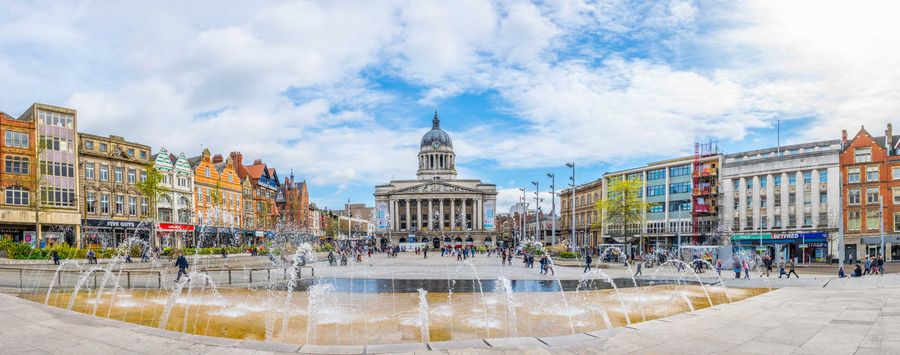
Nottingham
Nottingham, located in the heart of England, is a city where legend and history come together to create a rich and vibrant…
Explore Nottingham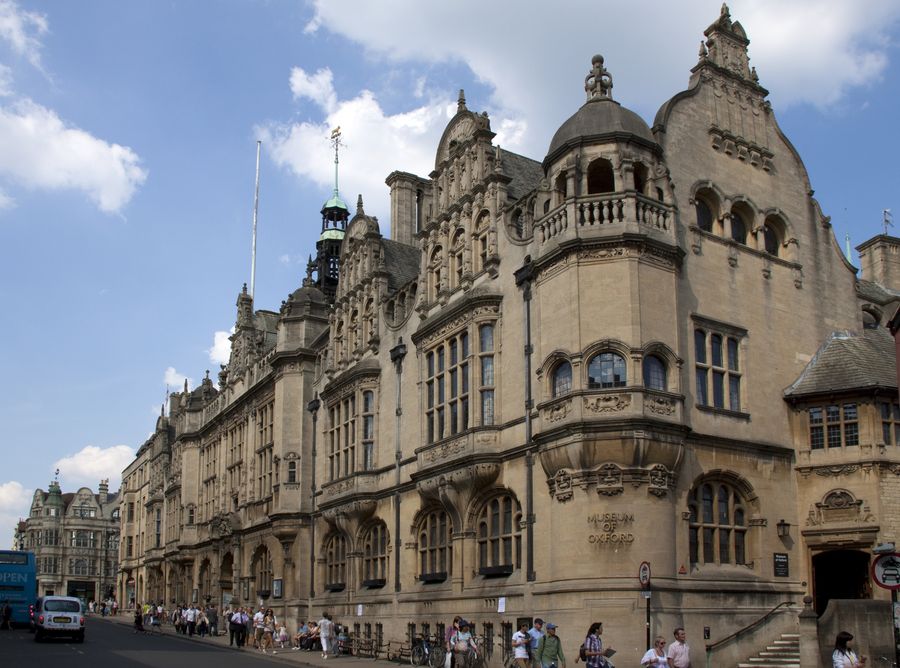
Oxford
Oxford, one of the most iconic cities in England, is a place where centuries of history and learning blend seamlessly with modern…
Explore OxfordA little context for your exploring.
These original VoyageOwl city stories are preserved from the archive. Historical claims and visitor details remain subject to editorial review. Check attraction opening hours, tickets and access before making plans.
A few good stories. A little room to wander.