
Nice
Located on the dazzling shores of the Mediterranean, Nice is a city that perfectly captures the essence of the French Riviera. With its stunning coastline, vibrant old town,…
What brings you
to Nice?
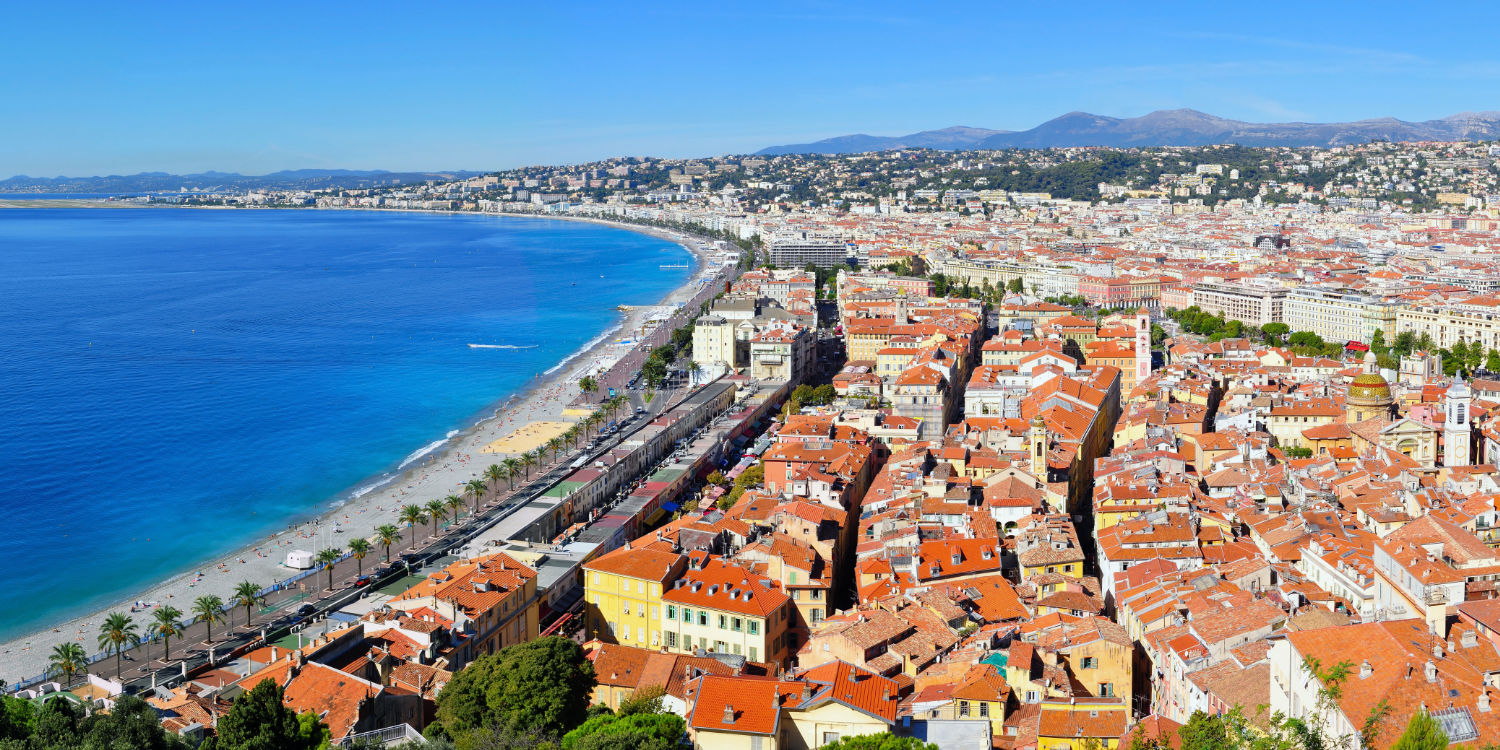
A few good places to begin.
A City Steeped in History: From Greek Beginnings to a French Gem
Nice’s history dates back to around 350 B.C. when it was founded by the Greeks and named Nikaia in honor of Nike, the goddess of victory. Over the centuries,…
Nice · Read the storyThe Promenade des Anglais
Perhaps the most iconic landmark in Nice, the Promenade des Anglais is a stunning walkway that stretches along the Baie des Anges (Bay of Angels). Named after…
Nice · Read the storyVieux Nice (Old Town)
Step back in time as you wander through the narrow, winding streets of Vieux Nice, the city’s historic old town. With its pastel-colored buildings, lively…
Nice · Read the storyCastle Hill (Colline du Château)
Although the castle that once stood on Castle Hill was destroyed in the 18th century, the hill remains one of the best spots to take in panoramic views of Nice…
Nice · Read the storyListen to Nice
Take a listening break with the city’s audio story and full transcript.
Audio & transcriptThe story of Nice
Get to know the city through its history, culture and local traditions.
Read at your own paceA few ways into Nice.
Leave room to discover more.
The Promenade des Anglais
Perhaps the most iconic landmark in Nice, the Promenade des Anglais is a stunning walkway that stretches along the Baie des Anges (Bay of Angels). Named after the English aristocrats who funded its construction in the 19th century, the promenade offers breathtaking…
Discover the storyVieux Nice (Old Town)
Step back in time as you wander through the narrow, winding streets of Vieux Nice, the city’s historic old town. With its pastel-colored buildings, lively markets, and charming squares,…
Look a little closer 03A story worth stopping forCastle Hill (Colline du Château)
Although the castle that once stood on Castle Hill was destroyed in the 18th century, the hill remains one of the best spots to take in panoramic views of Nice and the surrounding…
Look a little closer 04A story worth stopping forNice’s Art Scene and Museums
Nice has long been a haven for artists, and the city’s rich art scene is reflected in its world-class museums. The Musée Matisse, located in the artist’s former residence, houses a large…
Look a little closer 05A story worth stopping forThe Cuisine Niçoise
Nice is not only famous for its breathtaking views but also for its delicious food, with its cuisine reflecting both French and Italian influences. The city is home to several unique…
Look a little closerThe story of Nice.
Set the sceneA little background.
A little background.
Located on the dazzling shores of the Mediterranean, Nice is a city that perfectly captures the essence of the French Riviera. With its stunning coastline, vibrant old town, and deep-rooted history, Nice has long been a favorite destination for travelers seeking both relaxation and culture. From its origins as a Greek colony to its status as a glamorous resort town, Nice has evolved into one of the most alluring cities in Europe. Whether you’re strolling along the Promenade des Anglais, exploring the charming streets of Old Nice, or soaking in its rich history, Nice offers something for everyone.
Behind the postcardA City Steeped in History: From Greek Beginnings to a French Gem
A City Steeped in History: From Greek Beginnings to a French Gem
Nice’s history dates back to around 350 B.C. when it was founded by the Greeks and named Nikaia in honor of Nike, the goddess of victory. Over the centuries, Nice has been influenced by various cultures, from the Romans to the Italians, shaping it into the cosmopolitan city it is today. For much of its history, Nice was part of the Kingdom of Sardinia before being annexed by France in 1860. Its strategic location on the Mediterranean made it a key city for trade and defense, but it wasn’t until the 19th century, when European aristocrats began flocking to Nice for its pleasant climate, that the city transformed into a glamorous resort destination.
Today, Nice is not only known for its beauty but also for its historical significance, reflected in its architecture, art, and cultural landmarks.
Top 5 Unique Characteristics of Nice
Look a little closerThe Promenade des Anglais
The Promenade des Anglais
Perhaps the most iconic landmark in Nice, the Promenade des Anglais is a stunning walkway that stretches along the Baie des Anges (Bay of Angels). Named after the English aristocrats who funded its construction in the 19th century, the promenade offers breathtaking views of the Mediterranean and is a perfect place for a leisurely stroll, bike ride, or rollerblade. Lined with palm trees and grand hotels, including the famous Hotel Negresco, the Promenade des Anglais epitomizes the glamour and charm of Nice.
Look a little closerVieux Nice (Old Town)
Vieux Nice (Old Town)
Step back in time as you wander through the narrow, winding streets of Vieux Nice, the city’s historic old town. With its pastel-colored buildings, lively markets, and charming squares, Vieux Nice is a vibrant hub of activity. Visitors can explore the Cours Saleya market, famous for its fresh produce and flowers, or visit the beautiful Sainte-Réparate Cathedral, which stands at the heart of the old town. The blend of Italian and French influences is evident in the architecture and atmosphere, making it one of the most picturesque areas of Nice.
Look a little closerCastle Hill (Colline du Château)
Castle Hill (Colline du Château)
Although the castle that once stood on Castle Hill was destroyed in the 18th century, the hill remains one of the best spots to take in panoramic views of Nice and the surrounding coastline. Visitors can hike up to the top or take an elevator for a more leisurely ascent. In addition to the stunning vistas, Castle Hill features beautiful gardens, ancient ruins, and a picturesque waterfall. It’s the perfect place to relax and admire the beauty of the city below.
Look a little closerNice’s Art Scene and Museums
Nice’s Art Scene and Museums
Nice has long been a haven for artists, and the city’s rich art scene is reflected in its world-class museums. The Musée Matisse, located in the artist’s former residence, houses a large collection of his works and offers insight into his life and creative process. Similarly, the Musée Marc Chagall displays a stunning array of the artist’s biblical-themed paintings. The Musée d’Art Moderne et d’Art Contemporain (MAMAC) is also a must-visit for contemporary art lovers, showcasing works by modern masters like Yves Klein and Niki de Saint Phalle.
Look a little closerThe Cuisine Niçoise
The Cuisine Niçoise
Nice is not only famous for its breathtaking views but also for its delicious food, with its cuisine reflecting both French and Italian influences. The city is home to several unique dishes, such as salade niçoise, a refreshing salad with tuna, olives, and anchovies, and socca, a savory chickpea pancake. Visitors can also sample pissaladière, a local flatbread topped with caramelized onions, anchovies, and olives. The Cours Saleya market is a fantastic place to try these local specialties and experience the flavors of Nice.
Behind the postcardNice Today: A Cosmopolitan City with a Mediterranean Heart
Nice Today: A Cosmopolitan City with a Mediterranean Heart
Today, Nice is a dynamic city that seamlessly blends old-world charm with modern sophistication. As the gateway to the French Riviera, it attracts millions of visitors every year, drawn by its stunning beaches, cultural attractions, and lively atmosphere. The city hosts numerous events, such as the Nice Carnival, one of the oldest and most famous carnivals in the world, and the Nice Jazz Festival, which showcases world-renowned musicians.
Nice’s significance as a cultural hub continues to grow, with the city being recognized as a UNESCO World Heritage Site in 2021 for its “urban landscape of the Riviera,” cementing its status as a historic and vibrant destination.
Behind the postcardFun Facts About Nice
Fun Facts About Nice
The Promenade des Anglais was originally built to give the English aristocrats a pleasant place to walk during the winter months.Henri Matisse, one of the most famous painters of the 20th century, lived in Nice for much of his life and created some of his most iconic works here.Nice has 300 days of sunshine a year, making it one of the sunniest cities in France.The Nice Carnival dates back to 1294, making it one of the oldest in the world, and it is famous for its elaborate floats and vibrant parades.Socca, a local specialty made from chickpea flour, is a beloved street food in Nice, especially when eaten fresh from the oven.
Whether you’re exploring its historic streets, enjoying the Mediterranean sun, or indulging in its renowned cuisine, Nice offers a perfect blend of history, culture, and modern allure. It’s a city that captivates visitors with its beauty and charm, leaving an unforgettable impression.
The city,
in your headphones.
Take a seat, or take a walk. Discover Nice one story at a time.
The stories of Nice
Read the complete audio transcript
Welcome to Voyage Owl’s walking tour of Nice, the crown jewel of the French Riviera, known for its stunning Mediterranean coastline, vibrant art scene, and rich historical significance. Founded by the Greeks in 350 BC and later colonized by the Romans, Nice has a fascinating history that stretches back thousands of years. Over the centuries, the city has been shaped by its unique location between the Mediterranean Sea and the Alps, serving as a gateway to Italy and a crossroads of culture, art, and trade.
Nice’s strategic position along the Baie des Anges (Bay of Angels) made it a coveted territory for centuries, falling under the rule of the House of Savoy, France, and the Kingdom of Sardinia. Finally, in 1860, it was officially ceded to France under Napoleon III. Today, Nice is a blend of French and Italian influences, with its Italianate architecture, Baroque churches, and an array of art museums and galleries showcasing the works of renowned artists who were inspired by its stunning landscapes and light, including Henri Matisse and Marc Chagall.
Our walking tour will take you through the heart of Nice, from its charming Old Town, Vieux Nice, to the Promenade des Anglais, where you’ll discover the city’s history, culture, and beauty. As we explore, we’ll visit some of the city’s most iconic landmarks and learn about their significance in shaping the unique identity of Nice. Whether you’re a history enthusiast, an art lover, or simply captivated by the beauty of the French Riviera, this tour will offer you a glimpse into what makes Nice such a special place.
### Place Masséna
Our journey through Nice begins at the Place Masséna, the city’s grand central square that serves as a bridge between the Old Town (Vieux Nice) and the more modern parts of the city. The square was named after André Masséna, one of Napoleon’s most successful generals, who was born in Nice. While Place Masséna is now a vibrant and modern space, its roots are steeped in the rich historical transformation of the city, reflecting both its Italian and French influences.
The square, as we see it today, was constructed in the mid-19th century as part of the expansion of Nice under Charles-Félix, King of Sardinia, before the city was officially ceded to France in 1860. The striking red Italianate buildings that line the square with their iconic green shutters are a nod to Nice’s history as part of the Kingdom of Sardinia, which ruled over the city from the early 18th century until its annexation by France. The arcades, inspired by Italian architecture, were designed to create symmetry and balance, making Place Masséna a visual representation of the melding of French and Italian cultures that defines Nice.
The square is also known for the Fountain of the Sun (Fontaine du Soleil), which stands in the center and features a striking statue of Apollo, the Greek god of the sun. Surrounding Apollo are five bronze figures representing Mercury, Venus, Mars, Earth, and Saturn, connecting the city to its classical roots dating back to its founding by the Greeks in 350 BC. This fountain, designed by Alfred Janniot, celebrates the importance of the sun and the Mediterranean Sea in shaping the city’s identity.
Throughout history, Place Masséna has been a space for public gatherings, festivals, and markets. In the 19th century, Nice was becoming a popular destination for European aristocracy, particularly the English, who sought respite from the harsh northern winters. The Place Masséna was a stage for grand events, symbolizing the city’s rise to prominence as a winter resort. Today, the square hosts some of the most important cultural events in the city, including the annual Carnival of Nice, which has been celebrated here since the 19th century.
Place Masséna encapsulates the historical fusion of French and Italian cultures that shaped Nice and represents the city’s transformation into a fashionable resort in the 19th century. It is a space where the past and the present merge, with architecture that reflects the city’s dual heritage and public art that honors its classical roots.
After taking in the historical significance of Place Masséna, stroll around the square in the early evening when Jaume Plensa’s modern sculptures light up the area with vibrant colors. If you visit in February, don’t miss the Carnival de Nice festivities, which bring this historic square to life with parades and performances.
---
### Promenade des Anglais
From Place Masséna, we walk towards the Promenade des Anglais, the most famous stretch of seafront in Nice and arguably the French Riviera. This legendary promenade is a testament to the city’s transformation from a quiet coastal town into a glamorous international destination.
The Promenade des Anglais owes its name to the English aristocrats who began flocking to Nice in the early 19th century. In 1820, a particularly harsh winter in Northern Europe led to an influx of wealthy British visitors seeking the mild Mediterranean climate. Among them was Reverend Lewis Way, who is credited with proposing the construction of the walkway along the sea. Initially funded by the English, the promenade was a gift to the city and was designed to provide a place where people could enjoy the fresh air and beautiful views of the Baie des Anges (Bay of Angels). Over time, it became a symbol of luxury and leisure.
As we stroll along this iconic boulevard, it’s easy to imagine the aristocratic families of the Belle Époque—a period of peace and prosperity in the late 19th century—walking in their finest clothes, mingling with the high society that frequented the Riviera. During the Belle Époque, Nice solidified its reputation as a winter destination for European royalty and the elite, with luxury hotels and villas popping up along the promenade. One of the most famous of these is the Hotel Negresco, a Belle Époque landmark built in 1913 by Henri Negresco, a Romanian hotelier who wanted to create a palace for the European elite. Its distinctive pink dome, designed by Gustave Eiffel’s company, remains one of Nice’s most recognizable architectural features.
During World War II, Nice, like much of southern France, was occupied by the Germans. The beaches along the Promenade des Anglais became sites of strategic importance for both the Germans and Allied forces during the liberation of the city in 1944. The palm-lined promenade we walk today stands as a testament to the city’s resilience and recovery after the war, as it reestablished itself as a global tourist destination.
The Promenade des Anglais reflects Nice’s transformation into a glamorous resort city during the Belle Époque and serves as a symbol of the city’s international appeal. It was a product of the British aristocracy’s love for the Riviera and continues to be a beloved destination for visitors from around the world.
As you stroll along the promenade, stop at one of the iconic blue chairs facing the sea. These chairs, originally introduced in the 1950s, have become a symbol of Nice’s relaxed coastal lifestyle. They offer the perfect spot to take in the breathtaking views of the Mediterranean and the bustling life along the promenade.
---
### Castle Hill (Colline du Château)
Next, we head to Castle Hill (Colline du Château), a historically significant site that offers some of the most breathtaking views of Nice and its surroundings. Although no castle remains today, this hill was once the site of an important fortress that protected Nice for centuries. Today, Castle Hill is a serene public park that offers a glimpse into the city’s ancient history while providing panoramic views of the Baie des Anges, the Old Town, and the distant Alps.
Castle Hill was the location of the original Greek settlement of Nikaia, founded around 350 BC. The Greeks chose this site for its strategic location, overlooking the bay and providing a natural fortification against invasions. By the time the Romans arrived in the region, Castle Hill had become a vital defensive position. During the Middle Ages, the hill was fortified further, and a medieval castle was built to protect the city from foreign invaders.
For centuries, the castle stood as an imposing symbol of Nice’s power and importance in the region. However, in 1706, Louis XIV, known as the Sun King, ordered the castle’s destruction following the conquest of Nice by French forces. The fortress was dismantled, and much of its stone was repurposed for other construction projects. All that remains of the original fortifications today are a few scattered ruins, but the site retains its historical importance as the birthplace of Nice.
Today, Castle Hill is a lush public park where visitors can explore the remains of the medieval fortifications, a 19th-century artificial waterfall, and shaded pathways that wind through the trees. The park is also home to the ruins of Cathédrale Sainte-Marie, a medieval church that once stood within the castle walls.
The views from the top of Castle Hill are unparalleled. From here, you can see the entirety of the Old Town, Vieux Nice, with its red-tiled rooftops and narrow streets, as well as the sparkling Mediterranean stretching out towards the horizon. On a clear day, you can even see the Italian coast in the distance.
Castle Hill is the birthplace of Nice and the site of the city’s ancient Greek and Roman settlements. The castle that once stood here was a symbol of the city’s strategic importance and military power, and while it no longer remains, the hill continues to offer a connection to the city’s rich past.
While Castle Hill can be reached by climbing the steep steps from Vieux Nice, there’s also a convenient elevator if you prefer an easier ascent. Once at the top, take time to explore the park, enjoy the stunning views, and relax by the waterfall. The hill is also a great spot for a picnic, especially if you want to take in the views of Nice while enjoying some local treats from the Cours Saleya market.
---
### Vieux Nice (Old Town)
After descending from Castle Hill, we enter Vieux Nice, the city’s Old Town, a labyrinth of narrow, winding streets, vibrant markets, and colorful Baroque architecture that transports visitors back to the 17th century. Vieux Nice is the historic heart of the city, and it has retained much of its medieval and Renaissance charm, with its pastel-colored buildings, wrought-iron balconies, and shuttered windows.
The layout of Vieux Nice has remained largely unchanged for centuries, and as you walk through the narrow streets, you can feel the weight of history in every step. The Old Town was built during Nice’s time as part of the Kingdom of Sardinia, and the influence of Italian architecture and urban planning is evident throughout the district. The vibrant, ochre-colored buildings and narrow streets are reminiscent of Genoa or Turin, reflecting Nice’s close cultural ties with Italy.
At the heart of Vieux Nice is the Cours Saleya, a bustling marketplace that has been the city’s center of commerce for centuries. The market is a feast for the senses, with stalls selling everything from fresh flowers and produce to local delicacies like socca (a thin chickpea pancake) and pissaladière (an onion tart topped with anchovies and olives). The market is a great place to immerse yourself in the flavors and aromas of Provençal cuisine and to get a sense of Nice’s rich culinary traditions.
As we continue through Vieux Nice, we’ll pass several important historical landmarks, including the Cathédrale Sainte-Réparate, a 17th-century Baroque cathedral dedicated to the city’s patron saint. Legend has it that Saint Reparata, a young Christian martyr from Palestine, was saved by a divine miracle, and her remains were brought to Nice. The cathedral, with its ornate façade and tall bell tower, is a testament to the city’s devotion to Saint Reparata, and it remains one of the most important religious buildings in Nice.
Another highlight of Vieux Nice is the Palais Lascaris, a former aristocratic residence built in the 17th century for the powerful Lascaris-Vintimille family. The palace’s opulent interiors, with their frescoed ceilings, gilded stucco work, and period furnishings, offer a glimpse into the lives of Nice’s noble families during the Baroque period. Today, the Palais Lascaris houses a museum dedicated to antique musical instruments, making it a must-visit for history and music lovers alike.
Vieux Nice is the historical and cultural heart of the city, with its Baroque architecture, bustling markets, and ancient streets reflecting Nice’s past as part of the Kingdom of Sardinia. The district is a living reminder of the city’s rich Italian heritage and its importance as a center of trade and commerce.
Be sure to visit the Cours Saleya market in the morning, when it’s at its liveliest. It’s the perfect place to sample local specialties and pick up some fresh produce or a bouquet of flowers. Don’t miss the chance to explore the Palais Lascaris, which is one of the hidden gems of Vieux Nice and offers a fascinating look into the city’s aristocratic past.
---
### Stop: Place Rossetti
As we continue our exploration of Vieux Nice, we arrive at Place Rossetti, one of the most picturesque squares in the Old Town. This charming square is dominated by the Cathédrale Sainte-Réparate, whose Baroque façade and towering bell tower are emblematic of Nice’s Italian influence. The square is named after Giuseppe Garibaldi, a prominent figure in the unification of Italy who was born in Nice when it was still part of the Kingdom of Sardinia.
Place Rossetti is a lively, pedestrian-only square lined with cafés, gelato shops, and restaurants, making it a popular gathering place for locals and visitors alike. The square’s central fountain and palm trees give it a distinct Mediterranean atmosphere, and it’s the perfect spot to relax and enjoy a coffee or an ice cream while taking in the beautiful surroundings.
Place Rossetti also offers a wonderful opportunity to visit the Cathédrale Sainte-Réparate, which is dedicated to the city’s patron saint. Inside, the cathedral is a masterpiece of Baroque architecture, with its ornate altars, marble columns, and frescoed ceilings. The Chapel of the Holy Sacrament, located within the cathedral, is particularly stunning, with its golden stucco work and intricate wood carvings.
Place Rossetti is a quintessential part of Vieux Nice, reflecting the city’s Italian heritage and its devotion to Saint Reparata, the patron saint of Nice. The square is a lively meeting place for locals and visitors, and its Baroque architecture serves as a reminder of the city’s rich cultural and religious history.
Be sure to try a scoop of gelato from one of the local shops in Place Rossetti, where you’ll find a wide variety of flavors inspired by both Italian and Provençal cuisine. The square is especially magical in the late afternoon, when the light begins to soften, casting a warm glow over the buildings.
---
### Musée Matisse
After exploring the charming streets of Vieux Nice, we’ll make our way to the Musée Matisse, located in the Cimiez neighborhood. The museum is housed in a beautiful 17th-century Genoese villa, surrounded by olive groves, and is dedicated to the life and work of Henri Matisse, one of the most celebrated artists of the 20th century.
Matisse first came to Nice in 1917, and the light and colors of the French Riviera had a profound impact on his work. He lived in Nice for many years, producing some of his most famous paintings here, including his vibrant cut-outs and bold, colorful portraits. The museum’s collection spans Matisse’s entire career, from his early works influenced by Impressionism to his later, more experimental pieces.
One of the highlights of the Musée Matisse is its collection of Matisse’s famous cut-outs, which were created in the last decade of his life. These works, made by cutting shapes from colored paper and arranging them into abstract compositions, represent Matisse’s innovative approach to form and color. The museum also features sketches, sculptures, and personal items that offer insight into Matisse’s creative process.
Henri Matisse’s connection to Nice reflects the city’s role as a source of inspiration for some of the greatest artists of the 20th century. The Musée Matisse celebrates Matisse’s legacy and his deep connection to the French Riviera, offering a unique perspective on his artistic journey.
After visiting the museum, take a walk through the Jardin des Arènes de Cimiez, a peaceful park filled with ancient olive trees and Roman ruins. The park is a serene escape from the hustle and bustle of the city and offers a perfect place to reflect on Matisse’s art.
---
### Musée Marc Chagall
Just a short distance from the Musée Matisse is the Musée Marc Chagall, another must-visit for art lovers. The museum is dedicated to the works of Marc Chagall, a Russian-French artist known for his surreal, dreamlike paintings and vibrant use of color.
Chagall’s connection to Nice is profound. He spent the last years of his life on the French Riviera, where the beauty and light of the region greatly influenced his work. The Musée Marc Chagall was designed in collaboration with the artist himself and is home to one of the largest collections of his works, particularly his Biblical Message series, which consists of 17 large paintings depicting scenes from the Old Testament.
The museum’s modern architecture, set amidst tranquil gardens, provides the perfect backdrop for Chagall’s vivid and emotional works. The museum also features a concert hall with stunning Chagall-designed stained glass windows, where visitors can attend performances of classical music and other cultural events.
The Musée Marc Chagall reflects Nice’s role as a haven for artists in the 20th century and celebrates Chagall’s unique contribution to modern art. The museum’s focus on Chagall’s Biblical Message offers a glimpse into the spiritual and artistic journey of one of the most significant artists of the modern era.
After exploring the museum’s galleries, take a moment to relax in the beautiful gardens surrounding the museum. The peaceful setting is perfect for reflecting on Chagall’s art and his vision of love, peace, and spirituality.
---
### Conclusion
Voyage Owl’s walking tour of Nice has taken you on a journey through centuries of history, from its ancient Greek and Roman origins on Castle Hill to its transformation into a glamorous seaside resort during the Belle Époque. Along the way, you’ve explored the vibrant streets of Vieux Nice, admired the stunning views from Castle Hill, and delved into the artistic legacies of Henri Matisse and Marc Chagall.
Nice is a city where history, culture, and natural beauty converge, creating a unique and captivating destination. Whether you’re drawn to its artistic heritage, its Italianate architecture, or the stunning Mediterranean views, Nice offers something for everyone.
To listen to more amazing audio tours of cities around the world check out our other guides at voyageowl.com
Another place, another story.
Nîmes
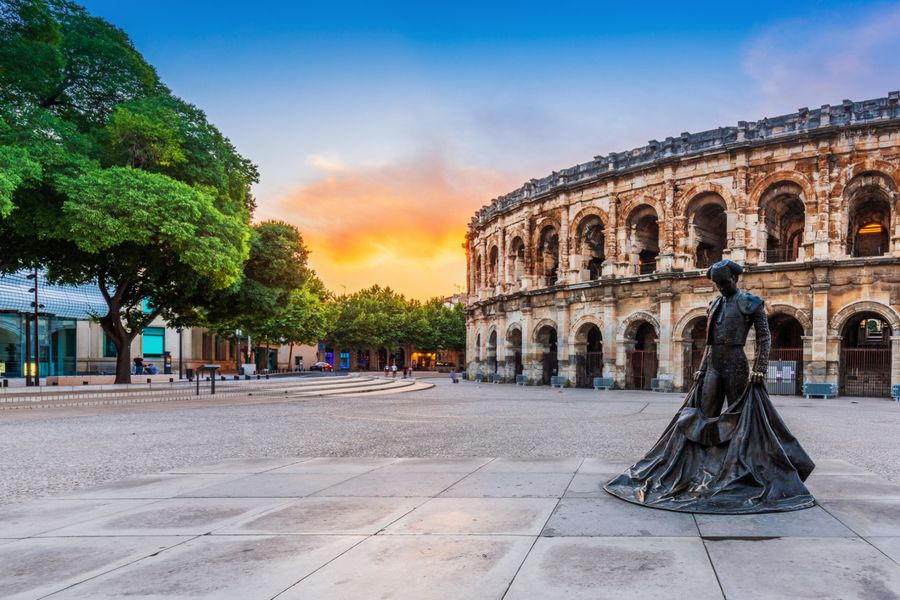
Nîmes, often referred to as the "French Rome", is a city in the south of France renowned for its exceptional Roman architecture and…
Explore Nîmes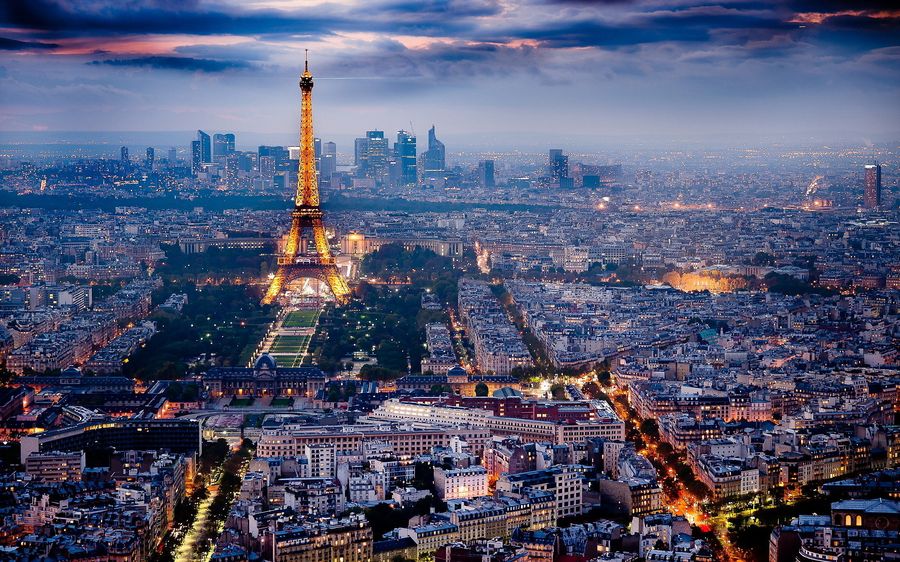
Paris
Paris, often called the City of Light, is one of the most enchanting cities in the world. Known for its rich history, stunning…
Explore ParisA little context for your exploring.
These original VoyageOwl city stories are preserved from the archive. Historical claims and visitor details remain subject to editorial review. Check attraction opening hours, tickets and access before making plans.
A few good stories. A little room to wander.