
Oxford
Oxford, one of the most iconic cities in England, is a place where centuries of history and learning blend seamlessly with modern life. Known worldwide for the prestigious…
What brings you
to Oxford?
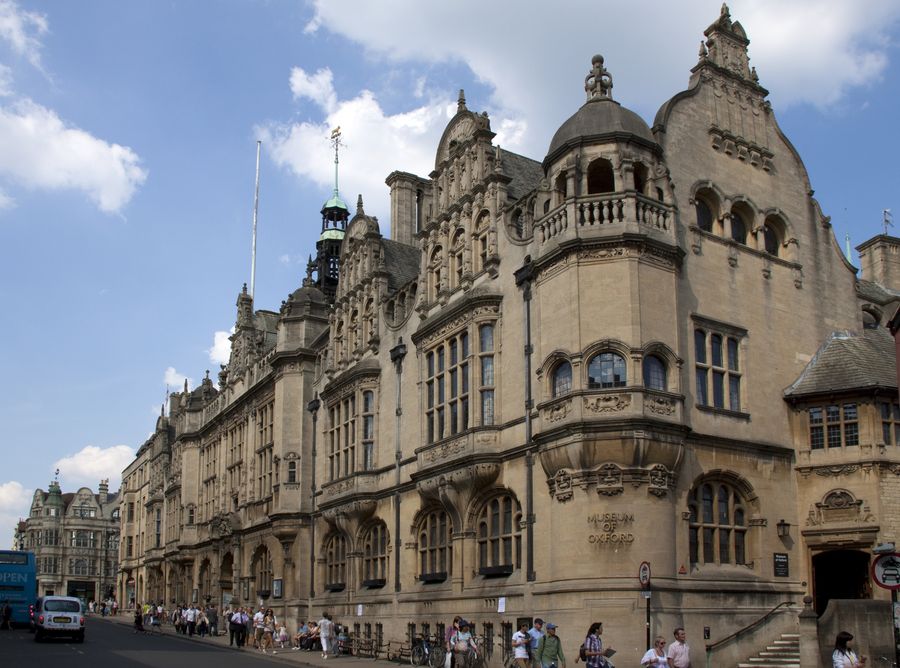
A few good places to begin.
The University of Oxford
The University of Oxford is the heartbeat of the city, with 38 colleges scattered throughout the city center. Each college is an architectural gem, with…
Oxford · Read the storyThe Bodleian Library
One of the oldest and most famous libraries in the world, the Bodleian Library is an absolute must-visit for history and literature lovers. Founded in 1602, it…
Oxford · Read the storyThe Radcliffe Camera
The Radcliffe Camera is one of Oxford’s most iconic buildings, instantly recognizable with its grand, circular dome. Built in 1737, it houses reading rooms for…
Oxford · Read the storyThe Oxford Covered Market
For a taste of Oxford’s local culture and history, a visit to the Oxford Covered Market is essential. Established in 1774, the market is a bustling hub of…
Oxford · Read the storyListen to Oxford
Take a listening break with the city’s audio story and full transcript.
Audio & transcriptThe story of Oxford
Get to know the city through its history, culture and local traditions.
Read at your own paceA few ways into Oxford.
Leave room to discover more.
The University of Oxford
The University of Oxford is the heartbeat of the city, with 38 colleges scattered throughout the city center. Each college is an architectural gem, with beautiful quads, gardens, and chapels that have witnessed centuries of intellectual and cultural development.…
Discover the storyThe Bodleian Library
One of the oldest and most famous libraries in the world, the Bodleian Library is an absolute must-visit for history and literature lovers. Founded in 1602, it holds millions of books and…
Look a little closer 03A story worth stopping forThe Radcliffe Camera
The Radcliffe Camera is one of Oxford’s most iconic buildings, instantly recognizable with its grand, circular dome. Built in 1737, it houses reading rooms for the Bodleian Library and is…
Look a little closer 04A story worth stopping forThe Oxford Covered Market
For a taste of Oxford’s local culture and history, a visit to the Oxford Covered Market is essential. Established in 1774, the market is a bustling hub of artisan shops, bakeries, and…
Look a little closer 05A story worth stopping forPunting on the River Thames (Isis)
A quintessential Oxford experience is punting along the River Thames, known locally as the Isis. A punt is a flat-bottomed boat that is propelled by pushing a pole against the riverbed, and…
Look a little closerThe story of Oxford.
Set the sceneA little background.
A little background.
Oxford, one of the most iconic cities in England, is a place where centuries of history and learning blend seamlessly with modern life. Known worldwide for the prestigious University of Oxford, the oldest university in the English-speaking world, the city is a stunning showcase of medieval architecture, rich culture, and intellectual legacy. Often called the “City of Dreaming Spires” because of its beautiful skyline of spires and towers, Oxford offers visitors a unique opportunity to step into a world where history comes alive through its ancient buildings, picturesque streets, and academic tradition.
Oxford’s origins date back to Saxon England in the 8th century, but it rose to prominence in the 12th century with the establishment of Oxford University. Over the centuries, the university has become one of the world’s leading institutions for education and research, producing some of the greatest minds in history, including Sir Isaac Newton, J.R.R. Tolkien, and Stephen Hawking. The university has been at the heart of significant events, from the English Reformation to scientific breakthroughs and literary achievements.
Beyond its academic roots, Oxford has played an important role in British politics and culture. Its Bodleian Library is one of the oldest libraries in Europe, and the city’s colleges and historic buildings have been featured in numerous films and TV series, including the Harry Potter movies and Inspector Morse. Today, Oxford is a vibrant, cosmopolitan city that continues to attract students, scholars, and visitors from around the world.
Top 5 Unique Characteristics of Oxford
Look a little closerThe University of Oxford
The University of Oxford
The University of Oxford is the heartbeat of the city, with 38 colleges scattered throughout the city center. Each college is an architectural gem, with beautiful quads, gardens, and chapels that have witnessed centuries of intellectual and cultural development. Visitors can explore famous colleges like Christ Church, known for its stunning Great Hall (which inspired the Hogwarts dining hall in Harry Potter), and Magdalen College, with its idyllic deer park and Magdalen Tower. The university’s influence on global thought and education makes it one of Oxford’s defining features.
Look a little closerThe Bodleian Library
The Bodleian Library
One of the oldest and most famous libraries in the world, the Bodleian Library is an absolute must-visit for history and literature lovers. Founded in 1602, it holds millions of books and manuscripts, including priceless historical documents. The Divinity School, part of the library, is an architectural masterpiece with its intricate stone-carved ceiling. The Bodleian is also a popular filming location, making it a familiar setting for movie fans. Visitors can take guided tours to explore its impressive reading rooms and medieval atmosphere.
Look a little closerThe Radcliffe Camera
The Radcliffe Camera
The Radcliffe Camera is one of Oxford’s most iconic buildings, instantly recognizable with its grand, circular dome. Built in 1737, it houses reading rooms for the Bodleian Library and is one of the best examples of Neoclassical architecture in the city. Located in Radcliffe Square, the Radcliffe Camera offers a striking image of Oxford’s architectural brilliance, and its photogenic beauty makes it a favorite spot for visitors.
Look a little closerThe Oxford Covered Market
The Oxford Covered Market
For a taste of Oxford’s local culture and history, a visit to the Oxford Covered Market is essential. Established in 1774, the market is a bustling hub of artisan shops, bakeries, and cafes. From traditional Oxford sausages to handmade crafts and fresh produce, the market has something for everyone. Its historic charm and vibrant atmosphere make it a perfect spot for leisurely exploration, and it provides a glimpse into the everyday life of the city.
Look a little closerPunting on the River Thames (Isis)
Punting on the River Thames (Isis)
A quintessential Oxford experience is punting along the River Thames, known locally as the Isis. A punt is a flat-bottomed boat that is propelled by pushing a pole against the riverbed, and it’s a serene way to enjoy the city’s scenic beauty. As you glide along the water, you’ll pass by university boathouses, lush meadows, and even some of the historic college grounds. Whether you’re a first-timer or an experienced punter, this peaceful activity is a perfect way to see Oxford from a different perspective.
Behind the postcardOxford Today: A Modern City with Global Influence
Oxford Today: A Modern City with Global Influence
Oxford may be steeped in history, but it is also a thriving modern city with global significance. The university remains a world leader in research, technology, and education, while the city itself is a cultural and technological hub. Oxford is home to leading science parks and technology startups, playing a pivotal role in the UK’s innovation landscape.
The city’s vibrant arts and cultural scene includes the annual Oxford Literary Festival, which draws famous authors and literary enthusiasts from around the world. Oxford also has a lively food scene, with everything from traditional British pubs to international cuisine available in its many restaurants and cafes.
Behind the postcardFun Facts About Oxford
Fun Facts About Oxford
Oxford University is the oldest university in the English-speaking world, with its first records dating back to 1096.Alice’s Adventures in Wonderland by Lewis Carroll was inspired by Alice Liddell, the daughter of the dean of Christ Church College.Oxford is known as the “City of Dreaming Spires” thanks to the poetic description by Matthew Arnold.Inspector Morse, the beloved British detective series, was filmed around Oxford, with many local landmarks featured in the show.The Ashmolean Museum, founded in 1683, is the oldest public museum in Britain and holds treasures from ancient Egypt, Greece, and Rome.
With its timeless architecture, academic legacy, and vibrant culture, Oxford is a city that offers an unforgettable experience for visitors. Whether you’re wandering through its historic colleges, exploring its beautiful parks, or soaking in its intellectual atmosphere, Oxford is a city that will leave you inspired and in awe of its centuries-old charm.
The city,
in your headphones.
Take a seat, or take a walk. Discover Oxford one story at a time.
The stories of Oxford
Read the complete audio transcript
Welcome to Voyage Owl’s walking tour of Oxford, a city renowned for its rich academic heritage, breathtaking architecture, and vibrant cultural scene. Often called the “City of Dreaming Spires,” a phrase coined by the poet Matthew Arnold, Oxford's skyline is adorned with the majestic towers and spires of its historic buildings, which seem to rise dreamily toward the heavens. These Gothic structures have stood for centuries as symbols of intellectual pursuit, artistic inspiration, and scholarly achievement.
Founded over 800 years ago, Oxford University is the oldest university in the English-speaking world and has been a hub of learning and discovery throughout the ages. Oxford’s colleges, libraries, and lecture halls have nurtured some of the most brilliant minds in history—thinkers, writers, scientists, and political leaders whose ideas have shaped the modern world. Oscar Wilde, J.R.R. Tolkien, C.S. Lewis, and Stephen Hawking are just a few of the legendary figures who walked these cobblestone streets and studied in Oxford’s hallowed halls.
But Oxford is more than just a university city. It’s a place where tradition meets modernity, where centuries-old rituals coexist with contemporary culture. From its charming bookshops, bustling markets, and lively cafes to its beautiful riverside walks and tranquil gardens, Oxford is a city that offers something for everyone. It’s a place where you can lose yourself in the pages of history while enjoying the dynamic energy of a thriving academic community.
As you explore Oxford’s winding streets and hidden corners, you’ll find that every building, college, and park tells a story. Whether it’s the medieval splendor of Christ Church College, the academic prestige of the Bodleian Library, or the picturesque serenity of the Oxford Botanic Garden, Oxford is a city that will capture your imagination and transport you through time.
Join me on this walking tour as we delve into Oxford’s fascinating history, discover its iconic landmarks, and uncover the secrets behind its dreaming spires. Let’s start our journey in the heart of the city: Radcliffe Square.
### Stop 1: Radcliffe Square – Oxford’s Architectural Heart
We begin our tour at Radcliffe Square, arguably the most iconic and picturesque square in all of Oxford. Surrounded by some of the city’s most famous buildings, the square is a place where time seems to stand still, and the architectural beauty transports you to another era.
The centerpiece of the square is the Radcliffe Camera, one of the most photographed buildings in Oxford and an iconic symbol of the university. Built between 1737 and 1749 by James Gibbs, this stunning circular library is a masterpiece of Neoclassical architecture. Its name, “Camera,” comes from the Latin word for "room" or "chamber." The library was commissioned by John Radcliffe, a wealthy physician who left money in his will to create a building that would serve as a reading room for scholars. The Radcliffe Camera’s graceful dome and elegant proportions are particularly striking, especially when seen against the backdrop of the surrounding college buildings.
While the Radcliffe Camera is now part of the Bodleian Library, one of the oldest libraries in Europe, it was originally an independent library for medical and scientific texts. Though visitors can’t explore the inside unless on a guided tour, the exterior alone is worth the visit. Stand in the square and imagine students from the past, like Oscar Wilde or C.S. Lewis, walking these very paths, surrounded by the same awe-inspiring views.
Adjacent to Radcliffe Square is the Bodleian Library, All Souls College, and the grand University Church of St Mary the Virgin. Before moving on, take a moment to explore the University Church of St Mary the Virgin. If you're feeling adventurous, climb the church tower for one of the best panoramic views of the city—an experience that will leave you spellbound by Oxford’s dreaming spires.
### Stop 2: Bodleian Library – Oxford’s Scholarly Treasure
Just a short walk from Radcliffe Square is the Bodleian Library, one of the most famous libraries in the world and a symbol of Oxford’s intellectual heritage. Founded in 1602 by Sir Thomas Bodley, the Bodleian has served as a center of learning for centuries and houses over 13 million items, including rare books, manuscripts, and maps. The library is not just a repository of knowledge; it’s a monument to scholarship, having served generations of Oxford students and scholars, including notable alumni such as John Locke, Indira Gandhi, and Stephen Hawking.
The Old Schools Quadrangle is a beautiful starting point for your visit, with its tall, stone walls and carved figures representing various academic disciplines. Surrounding you are the architectural reminders of Oxford’s long history of education. Walk through the Gate of Humility, and you are stepping into a place where intellectual giants have walked before you.
One of the true highlights of the Bodleian is the Divinity School, a magnificent hall built in the 15th century for lectures and oral exams in theology. Its fan-vaulted ceiling is considered one of the finest examples of Gothic architecture in England, and the hall itself has been used in numerous films, including serving as the infirmary in Harry Potter movies. Standing in this space, you can almost feel the weight of history and the countless debates that have taken place within these walls over the centuries.
If you have time, take a guided tour that includes Duke Humfrey’s Library, the oldest reading room in the Bodleian and one of the most beautiful libraries in the world. Dating back to the 15th century, this medieval library houses a collection of priceless manuscripts and is still used by students today.
Once you've explored the Bodleian, we'll head down the road to the grand Christ Church College, a place where history, royalty, and literature come together.
### Stop 3: Christ Church College – A College with Royal Ties
As we continue our tour, we arrive at Christ Church College, one of Oxford’s most prestigious and grandest colleges, famous not only for its academic excellence but also for its royal connections and literary significance. Founded in 1546 by King Henry VIII, Christ Church has played a pivotal role in the history of both Oxford University and England.
Christ Church is unique because it also serves as the cathedral of the Diocese of Oxford, making it both a college and a cathedral—a status that no other Oxford college holds. As you approach, you’ll walk under Tom Tower, an imposing gateway designed by Sir Christopher Wren. Above you is Great Tom, a bell that weighs over six tons and rings 101 times each evening to mark the original number of students at the college. The sound of the bell is a daily reminder of Christ Church’s centuries-old traditions.
Inside, you’ll find the Great Hall, one of the most iconic dining rooms in the world. The hall is not only the inspiration for Hogwarts’ Great Hall in the Harry Potter films but also a place steeped in history. Portraits of famous alumni, including John Locke and Lewis Carroll, line the walls. Lewis Carroll, the author of Alice’s Adventures in Wonderland, was a mathematics tutor at Christ Church, and many elements of his famous story were inspired by the people and places he encountered at the college. You can even visit Alice’s Shop, across the road, where Alice Liddell, the real-life inspiration for the fictional Alice, used to buy sweets.
Don't miss a visit to Christ Church Cathedral, which boasts stunning medieval stained-glass windows and one of the oldest surviving Norman stone structures in Oxford. The gardens and the Christ Church Meadow are also perfect for a peaceful walk along the River Thames, where you can take in the beauty of the college and its surroundings.
After soaking in the grandeur of Christ Church, we’ll move on to another gem of Oxford: Magdalen College.
### Stop 4: Magdalen College – A Sanctuary of Beauty and Learning
Our next stop is Magdalen College, one of the most beautiful and serene colleges in Oxford. Founded in 1458 by William of Waynflete, Magdalen College is an oasis of calm, set along the banks of the Cherwell River, with lush green lawns, tranquil gardens, and historic buildings that exude a sense of timeless beauty.
As you enter Magdalen through its impressive gate, you’ll be greeted by the sight of Magdalen Tower, a 144-foot tall structure that is one of the most recognizable landmarks in Oxford. Each year, on May 1st, the choir of Magdalen College climbs to the top of the tower to sing a hymn at dawn, a tradition that has been observed for over 500 years. The college’s Chapel, with its stunning stained-glass windows and intricate woodwork, is another must-see for visitors.
One of the college’s most enchanting features is its Deer Park, a large meadow where a herd of deer has been kept for centuries. Walking through this serene landscape, with the river meandering nearby and the deer grazing peacefully, it’s easy to see why Magdalen has been a place of inspiration for so many great minds. C.S. Lewis, author of The Chronicles of Narnia, was a fellow at Magdalen for nearly 30 years, and it’s said that the college’s tranquil beauty influenced much of his writing.
Magdalen College is also home to several impressive quads, including Cloister Quad, which dates back to the founding of the college, and New Building, a grand Palladian-style structure that adds to the architectural diversity of the college.
After exploring the peaceful grounds of Magdalen, we’ll continue our journey to the Ashmolean Museum, a treasure trove of art and history.
### Stop 5: Ashmolean Museum – A Treasure Trove of Art and Antiquities
No trip to Oxford would be complete without a visit to the Ashmolean Museum, the world’s first university museum and one of the finest museums in the UK. Founded in 1683, the Ashmolean is home to a vast collection of art and antiquities from around the world, spanning 5,000 years of human history.
As you enter the museum, you’ll be greeted by a stunning collection of artifacts from ancient Egypt, Greece, and Rome. The Egyptian galleries are particularly impressive and feature some of the most well-preserved relics from ancient Egypt outside of Cairo. Among the highlights are mummies, intricate funerary masks, and exquisite statues of Egyptian gods. The Ashmolean’s Greek and Roman collections are equally impressive, with artifacts ranging from stunning marble sculptures to delicate pottery and jewelry. These ancient objects offer a glimpse into the lives, beliefs, and art of civilizations that shaped much of the Western world.
The museum also boasts an incredible Renaissance art collection, with masterpieces by artists such as Raphael, Michelangelo, and Leonardo da Vinci. One of the standout works is Raphael’s "The Triumph of Galatea", a fresco-like painting that embodies the grace and dynamism of the Italian Renaissance. In addition to European art, the Ashmolean has rich collections of Asian art, including Chinese ceramics, Japanese prints, and Islamic metalwork, making it a truly global museum.
The museum’s Pre-Raphaelite collection is another highlight, featuring works by Dante Gabriel Rossetti, John Everett Millais, and William Holman Hunt. These painters, known for their vibrant use of color and attention to nature, were deeply influenced by medieval art and literature, much of which can be seen within the halls of Oxford’s colleges.
The Western Art galleries include portraits of notable Oxford scholars and patrons, while the numismatics collection is one of the most comprehensive in the world, showcasing coins from ancient Greece to modern times. If you’re a lover of textiles, the Western Islamic gallery houses a rich array of rugs, ceramics, and metalworks from the Islamic world, highlighting the cross-cultural exchanges that influenced European art and science.
Don’t miss the "Pompeii" room, which contains fascinating artifacts from the ill-fated Roman city, buried under volcanic ash in 79 AD. These artifacts give a sense of the everyday life in Pompeii, from utensils and furniture to frescos that once adorned Roman homes.
For those interested in modern art, the Ashmolean also houses works by Pablo Picasso, Edgar Degas, and Van Gogh, offering a fascinating juxtaposition of ancient and contemporary artistic traditions. The museum’s rotating exhibitions ensure that there is always something new to discover, whether it’s the art of the Italian Renaissance or a temporary exhibit on the Ming Dynasty.
After you’ve explored the Ashmolean’s many treasures, you can take a break at the museum’s rooftop café, where you can enjoy a cup of coffee or tea while taking in the views of Oxford’s beautiful skyline. Once you’ve had your fill of art and history, it’s time to continue our tour to one of Oxford’s most picturesque locations: the Oxford Botanic Garden.
### Stop 6: Oxford Botanic Garden – A Green Oasis in the Heart of the City
Our next stop is the Oxford Botanic Garden, the oldest botanic garden in the United Kingdom, founded in 1621 as a physic garden to grow medicinal plants. Situated along the banks of the River Cherwell, the garden is a peaceful and beautiful green space in the heart of Oxford. It’s a perfect place to escape the hustle and bustle of the city and enjoy the beauty of nature.
As you enter the garden through the Danby Gateway, designed by Nicholas Stone, you’ll be greeted by a collection of over 6,000 different plant species, representing nearly every corner of the globe. The garden is divided into several sections, including the Walled Garden, the Lower Garden, and the Glasshouses.
The Walled Garden is particularly notable for its historical significance, as it still contains many of the plants that were grown for medicinal purposes when the garden was first founded. You’ll find a wide variety of herbs and plants that were used in medieval medicine, such as foxglove and lavender, which were believed to cure everything from heart disease to headaches. The Walled Garden is also home to beautiful flowerbeds and rare plant species, all neatly arranged in geometric patterns that hark back to its early design as a physic garden.
The Glasshouses contain plants from more exotic climates, including tropical rainforests, deserts, and alpine regions. You can walk through the humid warmth of the Palm House, where tall banana plants and orchids grow in abundance, or explore the dry desert-like climate of the Arid House, home to a large collection of cacti and succulents.
One of the most peaceful areas of the Botanic Garden is the Water Garden, where you can sit by the river and watch as punts glide lazily along the Cherwell. The garden is not only a haven for plant lovers but also a place of inspiration for some of Oxford’s most famous writers. J.R.R. Tolkien and Lewis Carroll both found solace and creativity in the gardens, and it’s easy to see why as you stroll through the lush, tranquil setting.
The Herbaceous Border is one of the largest in England and is filled with a vibrant array of perennials and annuals that bloom throughout the seasons, ensuring that there’s always something colorful to see, whether it’s spring tulips or summer roses.
Before leaving, make sure to visit the Bobart Gate, named after Jacob Bobart, the garden’s first superintendent, who played a key role in establishing the garden’s impressive plant collection. After taking in the beauty and serenity of the Botanic Garden, we’ll make our way to our final stop: Pitt Rivers Museum, one of Oxford’s most intriguing and eclectic museums.
### Stop 7: Pitt Rivers Museum – A World of Curiosities
We end our walking tour at the Pitt Rivers Museum, a unique museum of anthropology and world archaeology, famous for its vast and eclectic collection of artifacts from cultures around the world. The museum was founded in 1884 when General Augustus Pitt Rivers donated his collection of archaeological and ethnographic objects to the University of Oxford. Today, the museum houses over 500,000 items, ranging from shrunken heads and ancient weapons to ceremonial masks and pottery.
Unlike most museums, where items are displayed in chronological order, the Pitt Rivers Museum organizes its exhibits thematically. This means that items from different cultures and time periods are displayed together based on their function. For example, you might find weapons from ancient Rome next to spears from 19th-century Africa, or masks from Papua New Guinea next to ceremonial robes from Japan. This unique display method encourages visitors to think about the commonalities and differences between cultures and how humans have used similar objects for different purposes throughout history.
One of the most famous exhibits in the museum is the collection of shrunken heads from South America, which were used in ancient rituals by the Shuar people. The heads are displayed alongside weapons and armor from indigenous cultures, offering a fascinating insight into the rituals and customs of societies from around the world.
The museum also has a large collection of ceremonial masks, including elaborately carved masks from the Pacific Islands, Africa, and South America. These masks were used in everything from religious ceremonies to performances and dances, and each one tells a story about the culture from which it originated.
Another must-see exhibit is the collection of musical instruments, which includes instruments from nearly every continent, ranging from ancient Greek lyres to African drums and Chinese zithers. You’ll also find a section dedicated to witchcraft and magic, where items such as magic wands, witches’ cauldrons, and amulets are displayed alongside detailed descriptions of their historical use in different cultures.
The museum’s upper galleries are filled with cases of tools, clothing, pottery, and textiles, offering a deep dive into the daily life of cultures from across the globe. Whether you’re interested in ancient weapons, intricate beadwork, or ceremonial artifacts, the Pitt Rivers Museum has something to capture your imagination.
### Conclusion: Oxford – A City Steeped in History and Inspiration
As our walking tour of Oxford comes to an end, I hope you’ve gained a deeper appreciation for this historic city and its rich cultural heritage. From the intellectual legacy of the Bodleian Library and the grandeur of Christ Church College to the peaceful beauty of the Botanic Garden and the eclectic treasures of the Pitt Rivers Museum, Oxford is a city that offers something for everyone.
Oxford’s blend of academic excellence, architectural beauty, and literary inspiration makes it a place where history comes alive. Whether you’re wandering through the halls of its ancient colleges, punting on the river, or exploring the city’s many museums, Oxford is a city that invites you to slow down and soak in its timeless charm.
Thank you for joining me on this journey through Oxford—I hope you leave with wonderful memories and a sense of the magic that makes this city so special. Farewell, and enjoy the rest of your time in the City of Dreaming Spires!
To listen to more amazing audio tours of cities around the world check out our other guides at voyageowl.com.
Another place, another story.

Portsmouth
Portsmouth, located on the south coast of England, is a city steeped in maritime history and brimming with modern-day vibrancy. Known…
Explore Portsmouth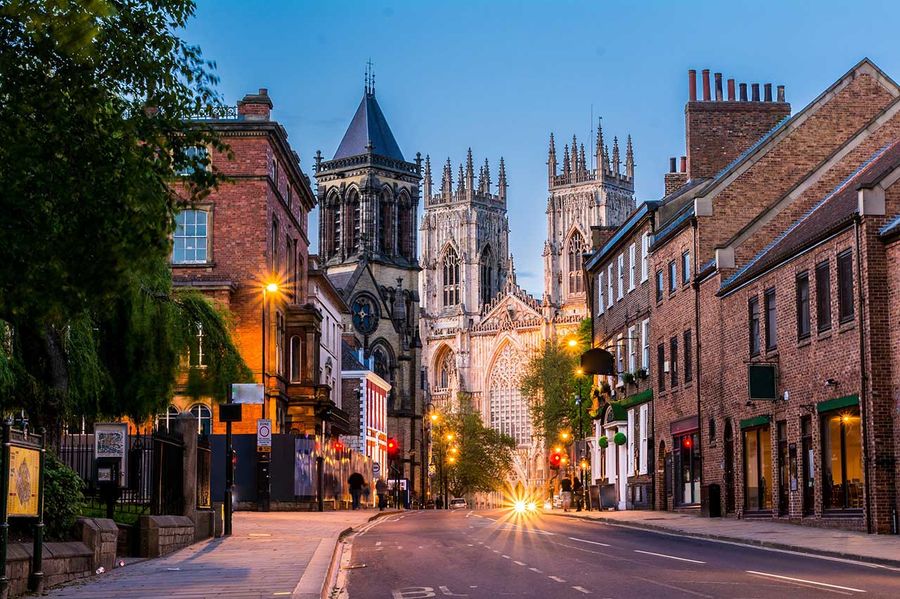
York
York, one of England’s most historic and picturesque cities, is a place where the past is not just remembered but lived. From its…
Explore YorkA little context for your exploring.
These original VoyageOwl city stories are preserved from the archive. Historical claims and visitor details remain subject to editorial review. Check attraction opening hours, tickets and access before making plans.
A few good stories. A little room to wander.