
Pamplona
Pamplona, the capital of Navarre in northern Spain, is a city best known for its world-famous Running of the Bulls during the San Fermín Festival. However, Pamplona offers…
What brings you
to Pamplona?
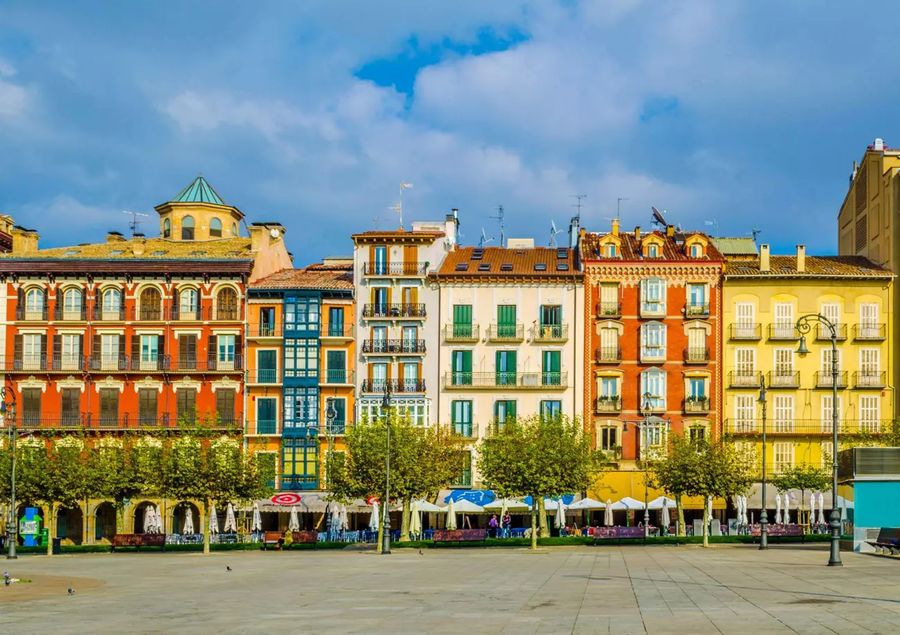
A few good places to begin.
The Running of the Bulls (Encierro)
The Running of the Bulls is Pamplona’s most iconic event, held every July as part of the San Fermín Festival. This adrenaline-fueled tradition involves…
Pamplona · Read the storyPamplona Cathedral (Catedral de Santa María la Real)
The Pamplona Cathedral is a must-visit landmark, combining Gothic and Neoclassical styles. Built in the 12th century, the cathedral houses the tombs of…
Pamplona · Read the storyPlaza del Castillo
The Plaza del Castillo is the heart of Pamplona’s social life and a central meeting point for locals and tourists alike. This large square is surrounded by…
Pamplona · Read the storyCitadel of Pamplona (La Ciudadela)
Pamplona’s impressive Citadel, built in the 16th century, is one of the best-preserved fortifications in Spain. Originally designed by King Philip II to…
Pamplona · Read the storyListen to Pamplona
Take a listening break with the city’s audio story and full transcript.
Audio & transcriptThe story of Pamplona
Get to know the city through its history, culture and local traditions.
Read at your own paceA few ways into Pamplona.
Leave room to discover more.
The Running of the Bulls (Encierro)
The Running of the Bulls is Pamplona’s most iconic event, held every July as part of the San Fermín Festival. This adrenaline-fueled tradition involves hundreds of participants running through the city’s narrow streets ahead of a group of bulls. The race takes place…
Discover the storyPamplona Cathedral (Catedral de Santa María la Real)
The Pamplona Cathedral is a must-visit landmark, combining Gothic and Neoclassical styles. Built in the 12th century, the cathedral houses the tombs of Navarrese royalty, including King…
Look a little closer 03A story worth stopping forPlaza del Castillo
The Plaza del Castillo is the heart of Pamplona’s social life and a central meeting point for locals and tourists alike. This large square is surrounded by historic buildings, cafes, and…
Look a little closer 04A story worth stopping forCitadel of Pamplona (La Ciudadela)
Pamplona’s impressive Citadel, built in the 16th century, is one of the best-preserved fortifications in Spain. Originally designed by King Philip II to protect the city from invasion, the…
Look a little closer 05A story worth stopping forThe Camino de Santiago
Pamplona is an important stop along the Camino de Santiago, one of the most famous pilgrimage routes in the world. Pilgrims from all over the globe pass through the city on their way to…
Look a little closerThe story of Pamplona.
Set the sceneA little background.
A little background.
Pamplona, the capital of Navarre in northern Spain, is a city best known for its world-famous Running of the Bulls during the San Fermín Festival. However, Pamplona offers much more than this iconic event. With its rich history, stunning architecture, and peaceful parks, Pamplona is a city where tradition and modernity come together seamlessly. Founded by the Romans and later an important center during the Kingdom of Navarre, Pamplona boasts a fascinating history that has shaped its unique culture. Whether you’re strolling along the medieval streets or participating in its vibrant festivals, Pamplona is a destination that promises excitement and charm.
Pamplona was originally founded by the Romans as Pompaelo in the 1st century BC. Its strategic location made it an important settlement along the Roman roads. Over the centuries, Pamplona grew in significance, particularly during the Middle Ages, when it became the capital of the Kingdom of Navarre. During this period, the city flourished as a religious, cultural, and political center. In the 9th century, Pamplona’s Cathedral was built, becoming a symbol of the city’s importance in Christian Spain.
Pamplona’s history is also tied to the Camino de Santiago, the famous pilgrimage route to Santiago de Compostela. As a major stop along the way, Pamplona has welcomed pilgrims for centuries, adding to its cultural diversity.
In modern times, Pamplona is best known for the San Fermín Festival and the Running of the Bulls, an event that has gained international fame, particularly after being popularized by Ernest Hemingway in his novel "The Sun Also Rises". While San Fermín draws crowds from around the world, Pamplona’s historical charm and cultural depth make it a destination worth visiting year-round.
Top 5 Unique Characteristics of Pamplona
Look a little closerThe Running of the Bulls (Encierro)
The Running of the Bulls (Encierro)
The Running of the Bulls is Pamplona’s most iconic event, held every July as part of the San Fermín Festival. This adrenaline-fueled tradition involves hundreds of participants running through the city’s narrow streets ahead of a group of bulls. The race takes place over 875 meters, culminating in the Plaza de Toros (bullring). The event dates back to the 14th century and has become a symbol of Pamplona’s vibrant spirit. Whether you’re participating or watching from the sidelines, the Running of the Bulls is an unforgettable experience that showcases Pamplona’s adventurous side.
Look a little closerPamplona Cathedral (Catedral de Santa María la Real)
Pamplona Cathedral (Catedral de Santa María la Real)
The Pamplona Cathedral is a must-visit landmark, combining Gothic and Neoclassical styles. Built in the 12th century, the cathedral houses the tombs of Navarrese royalty, including King Charles III. Its peaceful cloisters are considered some of the most beautiful in Spain, offering a serene escape from the bustling city. Visitors can also explore the Diocesan Museum, located within the cathedral, to learn more about the religious and cultural history of Pamplona.
Look a little closerPlaza del Castillo
Plaza del Castillo
The Plaza del Castillo is the heart of Pamplona’s social life and a central meeting point for locals and tourists alike. This large square is surrounded by historic buildings, cafes, and restaurants, making it the perfect place to relax and enjoy traditional Navarrese cuisine. The plaza has been a gathering place since the 14th century and has hosted markets, bullfights, and public events. Today, it’s a lively spot to enjoy a drink, sample local pintxos (small bites), or simply soak in the atmosphere.
Look a little closerCitadel of Pamplona (La Ciudadela)
Citadel of Pamplona (La Ciudadela)
Pamplona’s impressive Citadel, built in the 16th century, is one of the best-preserved fortifications in Spain. Originally designed by King Philip II to protect the city from invasion, the pentagon-shaped fortress is now a public park and cultural space. Visitors can wander through its expansive grounds, explore the bastions, and enjoy outdoor art installations and exhibitions. The Ciudadela is a peaceful retreat from the city and a symbol of Pamplona’s military history.
Look a little closerThe Camino de Santiago
The Camino de Santiago
Pamplona is an important stop along the Camino de Santiago, one of the most famous pilgrimage routes in the world. Pilgrims from all over the globe pass through the city on their way to Santiago de Compostela, contributing to Pamplona’s diverse cultural fabric. The Puente de la Magdalena, a medieval bridge, is one of the key points where pilgrims enter the city. Following the Camino through Pamplona offers a unique way to experience the city’s historical and spiritual significance.
Behind the postcardPamplona Today: A Modern City with a Rich Tradition
Pamplona Today: A Modern City with a Rich Tradition
While Pamplona is known for its medieval history and traditions, it is also a modern, forward-thinking city. Pamplona is a leader in green urban planning and sustainability, with extensive parks and a strong commitment to environmental initiatives. The city’s streets are lined with charming cafes, lively tapas bars, and vibrant markets, where visitors can enjoy the best of Navarre’s food and wine.
Pamplona’s cultural scene is also thriving, with art galleries, theaters, and museums offering a wide range of events and exhibitions. Whether you’re visiting for the famous San Fermín Festival or to explore the city’s quieter historical side, Pamplona promises a diverse and engaging experience.
Behind the postcardFun Facts About Pamplona
Fun Facts About Pamplona
The San Fermín Festival attracts over a million visitors each year and dates back to the 13th century.Ernest Hemingway was a frequent visitor to Pamplona, and his statue can be found near the bullring, where he often watched the bullfights.Pamplona was one of the first cities in Spain to create extensive green spaces, with more than 12 square meters of parkland per resident.The Pamplona Citadel is now used as a space for cultural events, art exhibitions, and concerts.The city’s Old Quarter is filled with charming narrow streets, perfect for exploring on foot and discovering hidden gems.
With its rich history, vibrant festivals, and modern amenities, Pamplona is a city that offers something for every traveler. Whether you’re drawn by the thrill of the Running of the Bulls or the peaceful beauty of its historic landmarks, Pamplona is a destination that promises to leave a lasting impression.
The city,
in your headphones.
Take a seat, or take a walk. Discover Pamplona one story at a time.
The stories of Pamplona
Read the complete audio transcript
Welcome to Voyage Owl’s walking tour of Pamplona, the vibrant capital of Navarre in northern Spain, where centuries of history blend seamlessly with the lively pulse of modern culture. Known worldwide for the San Fermín Festival and the heart-pounding Running of the Bulls, Pamplona is much more than a city that wakes up for one week in July. It’s a city where tradition, history, and modern life are in constant dialogue, creating a destination that fascinates with its rich cultural tapestry, stunning architecture, and energetic spirit. Nestled near the Pyrenees and with a population of around 200,000, Pamplona has a long history that stretches back to Roman times when it was known as Pompaelo, a key settlement on the ancient Via Augusta.
Pamplona’s strategic location has made it a crossroads of cultures and an important military stronghold throughout history. The city played a significant role in the Reconquista and became the capital of the Kingdom of Navarre during the Middle Ages. Throughout its history, Pamplona has been shaped by Romans, Moors, Franks, and Spaniards, all of whom left their mark on its architecture, culture, and customs. The city is also an important stop on the Camino de Santiago, the famous pilgrimage route that draws thousands of pilgrims from around the world each year.
Today, Pamplona is a city of contrasts, where ancient fortifications stand alongside bustling modern streets and traditional Spanish squares. It’s a city that thrives on festivals, from the grandiose San Fermín to local celebrations, and offers a rich culinary tradition, with pintxos and rioja wine being as much a part of the city's identity as its history. This walking tour will take you on a journey through Pamplona’s most iconic landmarks, giving you a deep dive into its past, its culture, and the unique spirit that makes this city so special.
Let’s begin our tour at the city’s beating heart, Plaza del Castillo.
### Stop 1: Plaza del Castillo – The Living Room of Pamplona
Our first stop is Plaza del Castillo, the most iconic square in Pamplona and often referred to as the “living room” of the city. For centuries, this square has been the central gathering place for locals and visitors alike. Situated in the heart of Pamplona’s old town, Plaza del Castillo is surrounded by elegant arcades and neoclassical buildings that date back to the 18th century, making it a space where history, architecture, and social life converge.
The square has witnessed numerous historical events over the centuries, from royal celebrations to military parades and political demonstrations. In medieval times, Plaza del Castillo was the site of public markets, tournaments, and executions, reflecting its importance as a public space for the city’s residents. Over time, it evolved into a place of leisure and entertainment, and today, it remains a favorite spot for both Pamplonans and tourists.
One of the most famous spots in Plaza del Castillo is the Café Iruña, established in 1888. This café is a beloved institution, not only for its ornate interior and charming terrace but also for its connection to Ernest Hemingway. The American author first visited Pamplona in the early 1920s and fell in love with the city, returning many times and immortalizing it in his novel "The Sun Also Rises". Hemingway would often sit at Café Iruña, sipping on coffee or wine, and writing about the vibrant life of Pamplona. You can even find a life-sized statue of Hemingway inside the café, a tribute to the author who helped put Pamplona on the international map.
The kiosko, the elegant bandstand in the center of the square, adds to the plaza’s charm. Built in 1943, it has become a symbol of Pamplona, where concerts and performances are held throughout the year, particularly during the lively San Fermín Festival. Surrounded by beautiful buildings, cafés, and restaurants, the Plaza del Castillo is where locals come to unwind, chat, and watch the world go by. It is also the starting point for many of the city’s grand parades and celebrations, particularly during the San Fermín Festival.
As you stand in Plaza del Castillo, you’re at the heart of Pamplona’s social and cultural life, a place that has been the setting for centuries of history, festivities, and daily life. After enjoying the vibrant atmosphere of the square, we’ll head towards our next stop: the majestic Pamplona Cathedral.
### Stop 2: Pamplona Cathedral – A Gothic Masterpiece with Layers of History
From the bustling Plaza del Castillo, we’ll make our way to one of Pamplona’s most significant landmarks, the Pamplona Cathedral. Officially known as the Cathedral of Santa María la Real, this stunning Gothic structure has been the spiritual center of Pamplona for centuries. Built between the 14th and 15th centuries, the cathedral’s origins go back even further, to the Romanesque church that once stood here and the earlier Visigothic place of worship. The cathedral we see today is a remarkable blend of Gothic architecture with a neoclassical facade added in the late 18th century.
The cathedral is best known for its breathtaking Gothic cloister, considered one of the most beautiful in all of Spain. As you enter the cloister, you’ll be transported back to medieval times. The delicate stone tracery of the arches, the intricately carved capitals, and the peaceful atmosphere make the cloister a true masterpiece of medieval architecture. The cloister is not only a place of spiritual reflection but also a historical treasure trove, with tombs and monuments to the city’s most prominent figures.
Inside the cathedral, you’ll be struck by the grandeur of the nave, with its high vaulted ceilings and stained-glass windows that cast a kaleidoscope of colors across the stone walls. The altar is an intricate example of Baroque artistry, adorned with gold leaf and statues of saints. One of the most important features of the cathedral is the tomb of Carlos III of Navarre and his wife, Eleanor of Castile. Their alabaster effigies lie in the Royal Chapel, a testament to their role in shaping the history of Navarre during the 14th century.
The cathedral also houses a museum that displays a rich collection of religious art, including gilded altarpieces, sculptures, and ancient manuscripts. One of the most notable artifacts is a reliquary believed to contain a fragment of the True Cross, making the cathedral an important pilgrimage site for centuries.
As you explore the cathedral, you’ll discover that it is much more than just a religious site. Its layers of history, from Romanesque to Gothic to Baroque, tell the story of Pamplona’s evolution over the centuries. It has been a place of worship, a royal burial site, and a key stop on the Camino de Santiago, drawing pilgrims from all over Europe. The cathedral’s beauty and historical significance make it one of the most important landmarks in northern Spain.
After taking in the awe-inspiring sights of the cathedral, we’ll head toward Calle Estafeta, one of the most famous streets in Pamplona and a key part of the city’s identity.
### Stop 3: Calle Estafeta – The Legendary Street of the Running of the Bulls
Leaving the serene atmosphere of the Pamplona Cathedral, we now dive into the vibrant and legendary Calle Estafeta, one of the most iconic streets in Spain. This narrow, winding street is synonymous with Pamplona’s most famous tradition: the Running of the Bulls. Every July, during the San Fermín Festival, Calle Estafeta transforms into the scene of one of the most thrilling and dangerous events in the world, as thousands of runners dash ahead of the bulls charging through the streets.
The Encierro (Running of the Bulls) starts every morning at 8 a.m., when the bulls are released from the Corralillo on Calle Santo Domingo and make their way through the streets of Pamplona toward the Plaza de Toros. Calle Estafeta is one of the longest and most challenging sections of the run, with its narrow, curving layout making it particularly dangerous for runners. The bulls, often disoriented by the twists and turns, can slip or charge unpredictably, adding to the adrenaline of the event.
However, Calle Estafeta is much more than just the backdrop for the Running of the Bulls. For the rest of the year, it is a lively and bustling street lined with tapas bars, restaurants, and boutiques. As you walk along Calle Estafeta, you’ll see locals and visitors enjoying pintxos (small snacks) and rioja wine at the many bars that line the street. Some of the most famous dishes you’ll find here include jamón ibérico, txistorra (a type of Navarrese sausage), and bacalao (salted cod). The street is also dotted with balconies, which during the festival are prime viewing spots for those wanting to watch the encierro without risking their lives.
Calle Estafeta has a long and storied history. Its name, “Estafeta,” comes from the royal postmen (estafetas) who used the street to deliver messages and goods between the medieval kingdoms. Over the centuries, the street has retained its medieval charm, with narrow alleys and traditional Spanish balconies hanging above, making it a quintessential part of Pamplona’s old town.
At the end of Calle Estafeta, you’ll arrive at the Plaza de Toros, Pamplona’s famous bullring, where the bulls from the encierro meet their final fate. But before we dive into the traditions of bullfighting, take a moment to enjoy the energy of this iconic street, imagining the thrill of the Running of the Bulls and the history that has unfolded here over the centuries.
Next, we’ll continue our journey toward the Plaza de Toros, one of the city’s most important cultural landmarks.
### Stop 4: Plaza de Toros – Pamplona’s Bullring and Cultural Icon
Our next stop is the Plaza de Toros de Pamplona, one of the most famous bullrings in Spain and a central part of the city’s identity. Built in 1922, this bullring is the second-largest in Spain, with a capacity of 19,000 spectators, and it plays a key role during the San Fermín Festival, when it hosts the bullfights (corridas) that take place after each day’s encierro.
The bullring is not only a venue for bullfighting but also a cultural and historical landmark. Its neoclassical facade and arched galleries give it an imposing yet elegant appearance, and the inside is equally impressive, with its vast arena and tiered seating. The Plaza de Toros is a symbol of Pamplona’s deep connection to bullfighting, a tradition that has been part of the city’s culture for centuries.
Bullfighting has always been a controversial topic, and it’s worth noting that while the sport remains popular in Pamplona during San Fermín, attitudes toward it are changing, and the debate over its future continues. However, for many people, the bullring represents more than just bullfighting—it’s a symbol of tradition, celebration, and the communal spirit that comes alive during the festival.
You can take a guided tour of the bullring museum, which offers fascinating insights into the history of bullfighting in Pamplona. The museum features exhibits on the San Fermín Festival, famous bullfighters (toreros), and the rituals surrounding the encierro. One of the highlights of the museum is the Ernest Hemingway exhibit, which explores the connection between Ernest Hemingway and Pamplona’s bullfighting tradition. Hemingway, an avid fan of the sport, visited Pamplona multiple times and documented his experiences in his novel "The Sun Also Rises" (1926). His vivid descriptions of the city, the festival, and the bullfights helped to put Pamplona on the international map and attract visitors from around the world.
The bullring museum also provides a deeper understanding of the rituals and traditions associated with bullfighting. From the elegant costumes of the matadors to the detailed explanations of the different phases of a bullfight, the exhibits offer a glimpse into the world of the corrida and its cultural significance in Pamplona and Spain as a whole.
After exploring the bullring, you’ll have the opportunity to stand in the arena itself, where the drama of the San Fermín Festival unfolds each July. As you stand on the sandy floor, it’s easy to imagine the thrill of the encierro and the excitement of the crowds during the festival. Even for those who don’t follow bullfighting, the Plaza de Toros is a fascinating symbol of Pamplona’s identity, offering a unique window into the city’s traditions.
Once we’ve explored the bullring and its museum, we’ll continue our tour by visiting one of Pamplona’s most important historical landmarks: the Citadel of Pamplona, a testament to the city’s military past.
### Stop 5: Citadel of Pamplona – A Fortress of History and Resilience
Our next stop takes us to the Citadel of Pamplona, a massive fortress built during the 16th century to defend the city against foreign invasions. The citadel is a striking example of Renaissance military architecture and was commissioned by King Philip II of Spain in 1571 after the annexation of the Kingdom of Navarre. Its purpose was to protect Pamplona from French and other invading forces, and its construction transformed the city into one of the most heavily fortified towns in Europe.
The citadel’s design is based on the star-shaped fortresses that were popular in Europe at the time, with its five-pointed shape allowing for a more effective defense. The thick walls, bastions, and moat made it nearly impossible for attackers to breach the fortress, and it remained a crucial part of Pamplona’s defense system for centuries. The citadel was expanded and reinforced over the years, with later additions made by King Charles III in the 18th century.
Today, the Citadel of Pamplona is no longer used for military purposes, but it has been beautifully preserved and repurposed as a public park and cultural space. The lush green lawns, walking paths, and large open spaces within the fortress walls make it a popular spot for locals to relax, exercise, and enjoy the outdoors. The citadel also hosts art exhibitions, concerts, and cultural events throughout the year, adding to its role as a vibrant part of Pamplona’s modern-day community.
As you explore the citadel, you’ll come across several well-preserved bastions, including the San Felipe Bastion and the Victoria Bastion, which offer panoramic views of Pamplona and the surrounding countryside. The fortifications are still intact, and you can walk along the ramparts, imagining the soldiers who once stood guard here, protecting the city from invasion.
The citadel is also home to several art galleries and cultural centers, where you can see contemporary art exhibitions and learn more about the history of the fortress. The contrast between the ancient military architecture and the modern art installations creates a unique and thought-provoking atmosphere.
After wandering through the peaceful grounds of the citadel, we’ll continue our tour by visiting Parque de la Taconera, Pamplona’s oldest and most picturesque park.
### Stop 6: Parque de la Taconera – Pamplona’s Oldest Park and Hidden Gem
Nestled just outside the city walls, Parque de la Taconera is one of Pamplona’s most beautiful and tranquil spots. Established in the early 19th century, it is the city’s oldest park and a perfect place to take a leisurely stroll amid lush greenery, blooming flower beds, and tree-lined pathways. The park’s layout is inspired by French-style gardens, with elegant statues, fountains, and carefully manicured lawns creating a serene and harmonious atmosphere.
One of the most charming features of Parque de la Taconera is its wildlife enclosure, where you can see peacocks, deer, ducks, and swans roaming freely within the park’s walls. The animals live in a semi-natural habitat within the park’s moat, and their presence adds a touch of magic to the already enchanting setting. The sight of colorful peacocks wandering among the flowers is a favorite among both locals and visitors.
The park also offers spectacular views of the city walls and the mountains beyond Pamplona, providing a peaceful escape from the hustle and bustle of the old town. As you walk through the park, you’ll come across several historic monuments, including statues of famous figures from Navarre’s history, such as King Sancho the Strong and Queen Blanca of Navarre.
At the northern end of the park, you’ll find the Gate of Taconera, one of the few remaining parts of Pamplona’s old city walls. The gate once served as the main entrance to the city, and its baroque design reflects Pamplona’s importance as a military and cultural center during the 17th century. Today, the gate stands as a reminder of the city’s fortified past and its strategic role in defending the Kingdom of Navarre.
After a relaxing walk through Parque de la Taconera, we’ll make our way to the nearby Town Hall, one of Pamplona’s most important buildings, both historically and culturally.
### Stop 7: Pamplona Town Hall – A Symbol of Tradition and Celebration
Our next stop is the Pamplona Town Hall (Ayuntamiento de Pamplona), located in the heart of the city’s old town. The Town Hall is not only a beautiful example of baroque architecture, but it is also the place where one of Pamplona’s most important traditions takes place: the Chupinazo. Every year on July 6th, thousands of people gather in front of the Town Hall to watch as a rocket (the chupinazo) is fired from the balcony, marking the official start of the San Fermín Festival.
The Town Hall was built in the 18th century on the site of an earlier medieval building and has been the seat of Pamplona’s municipal government for centuries. Its baroque facade, adorned with columns, statues, and the city’s coat of arms, reflects the grandeur and importance of the building in Pamplona’s civic life.
One of the most interesting aspects of the Town Hall is its multi-layered history. Beneath the building’s foundations are the remains of the Roman forum of the ancient city of Pompaelo, the Roman name for Pamplona. Excavations have revealed artifacts and structures dating back to the 1st century AD, providing a glimpse into the city’s ancient past.
The interior of the Town Hall is equally impressive, with its grand staircase, elegant council chambers, and historical artifacts on display. You can take a guided tour to learn more about the building’s history and its role in Pamplona’s government, as well as see the room where the city’s mayor holds important meetings.
After visiting the Town Hall, we’ll end our tour with a stroll along Paseo Sarasate, one of Pamplona’s most beautiful and lively streets, known for its stunning architecture and vibrant atmosphere.
### Stop 8: Paseo de Sarasate – Pamplona’s Elegant Boulevard
Our final stop is the Paseo de Sarasate, an elegant tree-lined boulevard that stretches through the center of Pamplona. Named after the famous violinist and composer Pablo Sarasate, who was born in Pamplona, this boulevard is a popular spot for locals to take a leisurely stroll, enjoy a coffee at a sidewalk café, or admire the city’s impressive architecture.
As you walk along the Paseo de Sarasate, you’ll pass by some of Pamplona’s most important buildings, including the Parliament of Navarre and the Palacio de la Diputación Foral de Navarra, both of which reflect the city’s political and historical significance. The boulevard is also home to several impressive monuments, including the Monument to the Fueros, a symbol of Navarre’s historical rights and independence.
The Paseo de Sarasate is also a cultural hub, hosting outdoor concerts, festivals, and art exhibitions throughout the year. It’s the perfect place to relax and take in the vibrant energy of Pamplona, whether you’re watching street performers, browsing local markets, or simply enjoying the lively atmosphere.
### Conclusion
As we come to the end of our tour, I hope you’ve enjoyed this journey through Pamplona’s history, culture, and traditions. From the excitement of the Running of the Bulls to the serene beauty of Parque de la Taconera, Pamplona offers a rich tapestry of experiences that will leave a lasting impression. Whether you’re here for the San Fermín Festival or simply exploring the city’s historical treasures, Pamplona is a place where the past and present come together in perfect harmony.
Thank you for joining me on this walking tour of Pamplona, and I hope you enjoy the rest of your time in this fascinating city.
To listen to more amazing audio tours of cities around the world check out our other guides at voyageowl.com.
Another place, another story.
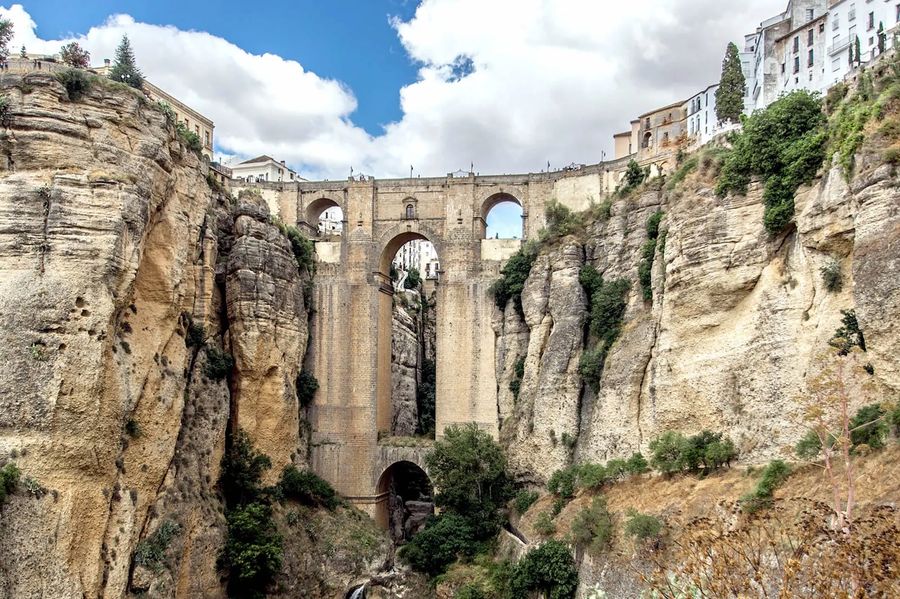
Ronda
Perched dramatically on a plateau surrounded by rugged cliffs, Ronda is one of Andalusia’s most picturesque and historically…
Explore Ronda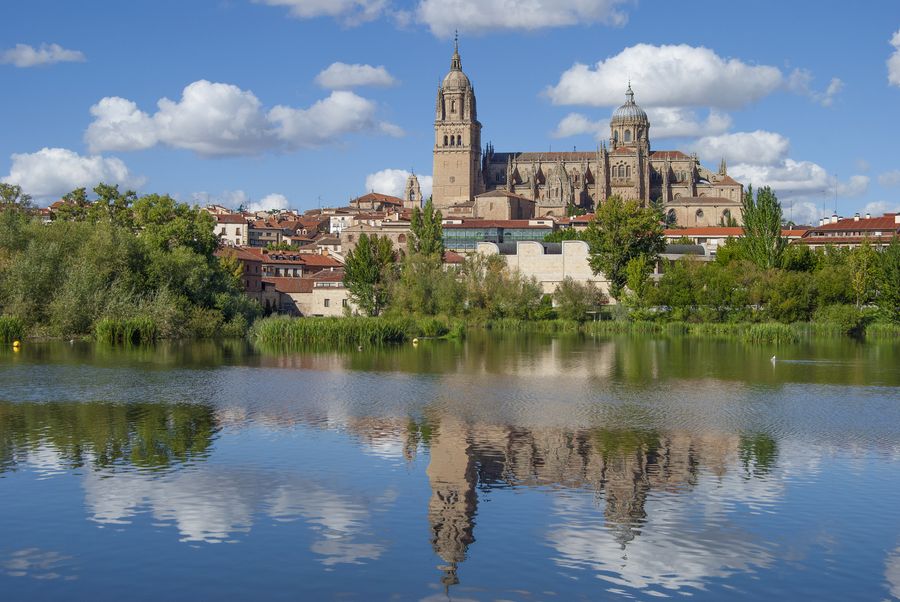
Salamanca
Salamanca, a picturesque city in northwestern Spain, is often called the Golden City for the warm glow of its sandstone buildings,…
Explore SalamancaA little context for your exploring.
These original VoyageOwl city stories are preserved from the archive. Historical claims and visitor details remain subject to editorial review. Check attraction opening hours, tickets and access before making plans.
A few good stories. A little room to wander.