
Reims
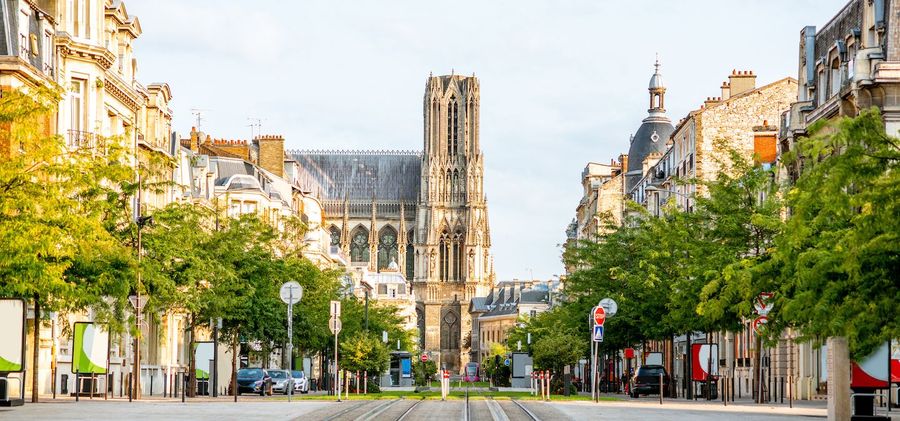
Nestled in the heart of the Champagne region, Reims is a city that beautifully blends history, culture, and a world-renowned sparkling beverage. Known as the City of Kings,…
What brings you
to Reims?
A few good places to begin.
A City Steeped in Historical Significance
Reims has been a key player in French history for over 1,500 years. Founded by the Gauls and later occupied by the Romans, the city became a significant…
Reims · Read the storyNotre-Dame de Reims Cathedral
The Notre-Dame de Reims is one of the most famous Gothic cathedrals in the world and a UNESCO World Heritage Site. This stunning architectural masterpiece has…
Reims · Read the storyPalace of Tau
Adjacent to the cathedral is the Palace of Tau, a former residence of the archbishops of Reims and another UNESCO-listed site. The palace served as the…
Reims · Read the storySaint-Remi Basilica
The Saint-Remi Basilica is a stunning Romanesque-Gothic church that dates back to the 11th century. It is dedicated to Saint Remi, the bishop who baptized…
Reims · Read the storyListen to Reims
Take a listening break with the city’s audio story and full transcript.
Audio & transcriptThe story of Reims
Get to know the city through its history, culture and local traditions.
Read at your own paceA few ways into Reims.
Leave room to discover more.
Notre-Dame de Reims Cathedral
The Notre-Dame de Reims is one of the most famous Gothic cathedrals in the world and a UNESCO World Heritage Site. This stunning architectural masterpiece has been the coronation site for 33 French kings, from Louis the Pious in 816 to Charles X in 1825. Known for its…
Discover the storyPalace of Tau
Adjacent to the cathedral is the Palace of Tau, a former residence of the archbishops of Reims and another UNESCO-listed site. The palace served as the preparation site for royal…
Look a little closer 03A story worth stopping forSaint-Remi Basilica
The Saint-Remi Basilica is a stunning Romanesque-Gothic church that dates back to the 11th century. It is dedicated to Saint Remi, the bishop who baptized Clovis I and played a pivotal role…
Look a little closer 04A story worth stopping forThe Champagne Houses
Reims is world-famous for being at the heart of the Champagne region, and it’s home to some of the most prestigious Champagne houses, including Veuve Clicquot, Taittinger, Pommery, and…
Look a little closer 05A story worth stopping forThe Surrender Museum (Musée de la Reddition)
Reims played a key role in modern history as the place where World War II officially ended in Europe. The Musée de la Reddition, or Surrender Museum, is located in the building where the…
Look a little closerThe story of Reims.
Set the sceneA little background.
A little background.
Nestled in the heart of the Champagne region, Reims is a city that beautifully blends history, culture, and a world-renowned sparkling beverage. Known as the City of Kings, Reims played a crucial role in the history of France, serving as the coronation site for nearly all of its monarchs. Today, Reims is celebrated for its majestic cathedrals, rich history, and as the epicenter of Champagne production. Whether you're exploring its stunning architecture or enjoying a glass of the world’s finest Champagne, Reims offers a unique and captivating experience.
Behind the postcardA City Steeped in Historical Significance
A City Steeped in Historical Significance
Reims has been a key player in French history for over 1,500 years. Founded by the Gauls and later occupied by the Romans, the city became a significant religious and political center during the medieval era. Its most defining moment came in 496 A.D., when Clovis I, the first King of the Franks, was baptized in Reims by Saint Remi, marking the city’s rise to prominence as the place where French kings were crowned. For centuries, almost all French monarchs were crowned at the Notre-Dame de Reims Cathedral, making the city a symbol of royal power and religious tradition.
In addition to its royal connections, Reims played a pivotal role in both World Wars. During World War I, the city was heavily bombed, leading to the destruction of many of its historic buildings. However, the post-war reconstruction efforts gave Reims a new life, blending its medieval heritage with modern touches. In World War II, Reims was the site where the German surrender was signed in 1945, bringing an end to the conflict in Europe.
Top 5 Unique Characteristics of Reims
Look a little closerNotre-Dame de Reims Cathedral
Notre-Dame de Reims Cathedral
The Notre-Dame de Reims is one of the most famous Gothic cathedrals in the world and a UNESCO World Heritage Site. This stunning architectural masterpiece has been the coronation site for 33 French kings, from Louis the Pious in 816 to Charles X in 1825. Known for its intricate sculptures, beautiful stained glass windows, and towering spires, the cathedral is a symbol of French history and religious significance. Don’t miss the spectacular Smiling Angel statue, which has become one of the city's most beloved symbols.
Look a little closerPalace of Tau
Palace of Tau
Adjacent to the cathedral is the Palace of Tau, a former residence of the archbishops of Reims and another UNESCO-listed site. The palace served as the preparation site for royal coronations, where kings would dress and feast before the ceremony. Today, it houses the Museum of the Work of Notre-Dame, featuring treasures from the cathedral, including the coronation regalia of French kings and tapestries that illustrate the city's royal past.
Look a little closerSaint-Remi Basilica
Saint-Remi Basilica
The Saint-Remi Basilica is a stunning Romanesque-Gothic church that dates back to the 11th century. It is dedicated to Saint Remi, the bishop who baptized Clovis I and played a pivotal role in the city’s religious significance. The basilica, also a UNESCO World Heritage Site, is known for its serene interior, remarkable stone carvings, and the tomb of Saint Remi himself. It offers visitors a peaceful retreat and a deeper understanding of Reims’ religious heritage.
Look a little closerThe Champagne Houses
The Champagne Houses
Reims is world-famous for being at the heart of the Champagne region, and it’s home to some of the most prestigious Champagne houses, including Veuve Clicquot, Taittinger, Pommery, and Ruinart. Visitors can explore the underground cellars, or crayères, which were originally ancient Roman chalk quarries and now serve as the perfect place to age Champagne. A visit to these Champagne houses offers a glimpse into the traditional methods of Champagne production and, of course, the opportunity to enjoy tastings of this iconic beverage.
Look a little closerThe Surrender Museum (Musée de la Reddition)
The Surrender Museum (Musée de la Reddition)
Reims played a key role in modern history as the place where World War II officially ended in Europe. The Musée de la Reddition, or Surrender Museum, is located in the building where the German forces signed the surrender documents on May 7, 1945. The museum preserves the original war room, complete with maps and furniture from the day of the signing. It offers a unique and poignant look into Reims’ role in shaping world history.
Behind the postcardReims Today: A City of Heritage and Champagne
Reims Today: A City of Heritage and Champagne
Today, Reims is not only a city of historical importance but also a thriving modern destination that attracts visitors from around the world. Its role as the capital of the Champagne region has made it a must-visit for wine enthusiasts, offering a unique blend of cultural and gastronomic experiences. Beyond its Champagne heritage, Reims has a vibrant arts scene, with numerous festivals, theaters, and galleries contributing to the city's lively atmosphere.
The city’s post-war reconstruction efforts have given it a modern edge, with elegant Art Deco buildings standing alongside its Gothic and Romanesque masterpieces. Whether you're interested in its royal history, religious significance, or culinary delights, Reims offers a captivating mix of past and present.
Behind the postcardFun Facts About Reims
Fun Facts About Reims
The Notre-Dame de Reims Cathedral is decorated with over 2,300 statues, including the famous Smiling Angel.Clovis I, the first King of the Franks, was baptized in Reims, marking the beginning of the tradition of crowning French kings in the city.Reims is home to Veuve Clicquot, one of the world’s most famous Champagne brands, founded by Barbe-Nicole Clicquot in 1772.The underground Champagne cellars in Reims stretch over 200 kilometers, many of them former Roman chalk quarries.The city has three UNESCO World Heritage Sites: Notre-Dame Cathedral, Saint-Remi Basilica, and the Palace of Tau.
Whether you’re raising a glass of Champagne in the cellars or standing in awe of the majestic Notre-Dame Cathedral, Reims is a city that offers a unique journey through French history, culture, and tradition. From royal coronations to modern-day celebrations, Reims is a sparkling gem waiting to be discovered.
The city,
in your headphones.
Take a seat, or take a walk. Discover Reims one story at a time.
The stories of Reims
Read the complete audio transcript
Welcome to Voyage Owl’s walking tour of Reims, a city of immense historical significance, known for its role in French royal history, its stunning Gothic cathedral, and its world-renowned champagne. Located in the Champagne region of northeastern France, Reims is often called the "City of Kings" because it was the traditional site of the coronation of French monarchs for nearly a thousand years. Beyond its royal history, Reims is also a city of art, culture, and exquisite wine, particularly its famed Champagne, which has been produced here since the 17th century.
Reims' history stretches back over two millennia, to its origins as Durocortorum, a prominent city in the Roman Empire. It was in Reims that Clovis, the first King of the Franks, was baptized by Saint Remi in 496 AD, marking the beginning of the long tradition of French kings being crowned here. Reims suffered greatly during both World Wars, particularly in World War I, when much of the city was destroyed, including its cathedral. However, it has since been lovingly restored and remains one of France's most important cities, both historically and culturally.
This walking tour will take you through the heart of Reims, exploring its royal past, its architectural treasures, and its role as the center of Champagne production. Let’s begin our journey through this regal and fascinating city.
---
### 1. Cathédrale Notre-Dame de Reims (Reims Cathedral)
Our tour begins at the majestic Cathédrale Notre-Dame de Reims, one of the most famous Gothic cathedrals in the world and a UNESCO World Heritage site. Built between 1211 and 1275, Reims Cathedral was the coronation site for nearly all of France’s kings, from Louis VIII in 1223 to Charles X in 1825. Its soaring towers, intricate facade, and beautiful stained-glass windows make it one of the most stunning examples of Gothic architecture in France.
The cathedral’s west facade is adorned with over 2,300 statues, including the famous Smiling Angel, which has become a symbol of the city. Inside, the cathedral’s towering nave, which rises to a height of 38 meters, creates a sense of awe and grandeur. One of the highlights of the interior is the stunning rose window, which depicts the Virgin Mary surrounded by biblical figures.
In addition to its architectural beauty, Reims Cathedral is steeped in history. It was here that Joan of Arc accompanied Charles VII to his coronation in 1429 after the Siege of Orléans, solidifying her place in French history. The cathedral was heavily damaged during World War I, but it was meticulously restored and remains one of the most visited monuments in France.
The Cathédrale Notre-Dame de Reims was the traditional site for the coronation of French kings, making it a symbol of royal power and religious significance in France. Its association with figures like Joan of Arc and its role in the Hundred Years' War further solidify its importance in French history.
Take your time exploring the interior of the cathedral, and don’t miss the chance to see the Marc Chagall stained-glass windows in the apse, which were added in 1974. Be sure to look up at the Smiling Angel on the facade, a beloved symbol of Reims.
---
### 2. Palais du Tau (Tau Palace)
Just a few steps from the cathedral is the Palais du Tau, the former residence of the archbishops of Reims and the place where French kings would prepare for their coronation. The Palais du Tau is now a museum dedicated to the history of the coronations at Reims, as well as the cathedral’s treasures.
The Palais du Tau is named after its T-shaped layout ("tau" is the Greek letter for T) and was originally built in the 7th century, though it was extensively rebuilt in the 17th century in a Baroque style. The palace was where French kings would stay the night before their coronation, and after the ceremony in the cathedral, a lavish banquet would be held here in the Salle du Tau, a grand hall decorated with statues and tapestries.
The museum’s collection includes treasures from Reims Cathedral, including the original statues and sculptures from the cathedral’s facade, religious artifacts, and the tapestries that once adorned the walls of the cathedral. One of the most important items in the collection is the Holy Ampulla, which was used to anoint the kings during their coronation.
The Palais du Tau was the center of royal coronations in France for centuries. Its collection of treasures and artifacts offers a fascinating glimpse into the grandeur and pageantry of these historic events.
Don’t miss the impressive Salle du Tau, where the coronation banquets were held. The Palais du Tau also offers excellent views of the Cathédrale Notre-Dame, so be sure to bring your camera.
---
### 3. Basilique Saint-Remi (Saint Remi Basilica)
From the Palais du Tau, we make our way to the Basilique Saint-Remi, located about a 15-minute walk from the cathedral. This beautiful Romanesque and Gothic basilica is dedicated to Saint Remi, the Bishop of Reims who baptized Clovis, the first King of the Franks, in 496 AD. This event is considered one of the most important moments in French history, as it marked the conversion of the Frankish kingdom to Christianity.
The basilica was originally built in the 11th century and was one of the most important pilgrimage sites in medieval France. Its Romanesque nave, Gothic choir, and stained-glass windows make it a stunning example of medieval architecture, and its calm, peaceful interior contrasts with the grandeur of the Cathédrale Notre-Dame. The tomb of Saint Remi is located in the basilica, and his relics are housed in a golden shrine in the choir.
Next to the basilica is the Musée Saint-Remi, housed in the former Abbey of Saint Remi, which was once one of the most powerful monasteries in France. The museum offers exhibits on the history of Reims, including its Roman past, and houses a collection of medieval artifacts.
The Basilique Saint-Remi is closely tied to the history of French royalty, as it was here that Clovis was baptized. Its association with Saint Remi and its role as a pilgrimage site make it one of the most important religious buildings in France.
Be sure to visit the tomb of Saint Remi inside the basilica, and take a moment to appreciate the beauty of the Romanesque nave. The Musée Saint-Remi is also worth a visit, especially for those interested in Reims’ Roman history.
---
### 4. Porte Mars (Mars Gate)
From the Basilique Saint-Remi, we head to one of Reims' most remarkable Roman monuments: the Porte Mars, or Mars Gate, located in the northern part of the city. The Porte Mars is a triumphal arch that dates back to the 3rd century AD, when Reims was known as Durocortorum, one of the largest cities in Roman Gaul. It was named after Mars, the Roman god of war, and was originally part of the city’s walls, serving as the main gate into the Roman city.
The Porte Mars is one of the largest remaining Roman triumphal arches in the world, standing over 32 meters long. Its three arches are decorated with intricate reliefs depicting scenes from Roman mythology, military victories, and daily life in Roman Reims. Despite the passage of time, much of the original detail of the carvings remains visible, offering a fascinating glimpse into the city’s ancient past.
The Porte Mars is a reminder of Reims’ importance during the Roman Empire and is one of the most significant Roman monuments in northern France.
While much of the surrounding area has changed, the Porte Mars is a beautiful and imposing reminder of Reims’ ancient past. Be sure to take a closer look at the reliefs on the arch to appreciate the detail of the Roman carvings.
---
### 5. Place Drouet-d’Erlon
After exploring Reims’ ancient Roman past, we head to Place Drouet-d’Erlon, one of the liveliest and most popular squares in the city. This bustling square is lined with cafés, restaurants, and shops, making it the perfect place to take a break and enjoy a coffee or a meal. In the center of the square stands the Fontaine Subé, a beautiful fountain topped with a gilded statue of the Winged Victory.
The Place Drouet-d’Erlon is named after Jean-Baptiste Drouet, Comte d'Erlon, a marshal in Napoleon’s army, and the square has long been a gathering place for both locals and visitors. It’s a great spot to relax and people-watch, especially on a sunny day when the outdoor terraces are filled with people enjoying the atmosphere of the city.
The Place Drouet-d’Erlon is a central part of modern Reims and reflects the city’s vibrant café culture. Its importance as a public gathering space dates back to the 19th century.
Take a break at one of the many cafés in the square and enjoy a glass of Champagne or a traditional French pastry. The Fontaine Subé is a great photo spot, especially in the evening when the square is beautifully lit.
---
### 6. Chapelle Foujita (Foujita Chapel)
Our next stop takes us to a lesser-known but fascinating site in Reims: the Chapelle Foujita, a small chapel designed by Tsuguharu Foujita, a famous Japanese-French painter and one of the leading figures of the École de Paris art movement in the early 20th century. Foujita converted to Catholicism in 1959 and, as an expression of his newfound faith, designed and decorated this beautiful chapel.
Built in 1966, the Chapelle Foujita is an intimate space adorned with Foujita’s stunning frescoes, which depict scenes from the New Testament and combine elements of traditional Japanese art with Christian iconography. The chapel’s simple exterior contrasts with the richness of its interior, where Foujita’s unique artistic style is on full display.
The Chapelle Foujita is a testament to the artistic and spiritual legacy of Tsuguharu Foujita, whose work bridged Eastern and Western artistic traditions. The chapel reflects the multicultural nature of modern Reims and its openness to artistic innovation.
The Chapelle Foujita is a hidden gem in Reims and well worth a visit for art lovers. The chapel is small, so plan to spend a quiet moment inside, reflecting on the beautiful frescoes and the unique artistic vision of Foujita.
---
### 7. Champagne Houses and Cellars
No visit to Reims would be complete without exploring its most famous export: Champagne. The city is home to some of the most prestigious Champagne houses in the world, including Veuve Clicquot, Ruinart, Pommery, Taittinger, and Mumm. Many of these Champagne houses offer guided tours of their cellars, where you can learn about the history and production of this sparkling wine, followed by a tasting.
The Champagne houses are often located above ancient chalk cellars, or crayères, which date back to the Roman period and were used for centuries as storage spaces. These underground caves provide the perfect conditions for aging Champagne, and exploring them is like stepping back in time. Some of the cellars are adorned with sculptures and artworks, adding to the sense of history and grandeur.
Reims is the heart of the Champagne region, and its Champagne houses are a vital part of the city’s cultural and economic heritage. The tradition of Champagne production in Reims dates back to the 17th century, and the city’s chalk cellars are a UNESCO World Heritage site.
Be sure to book a guided tour of one of the famous Champagne houses in advance, as tours can fill up quickly, especially during the summer months. Each house offers a slightly different experience, so choose one that matches your interest, whether it’s history, architecture, or a specific Champagne brand.
---
### 8. Musée des Beaux-Arts (Museum of Fine Arts)
Our final stop is the Musée des Beaux-Arts, located in a former 18th-century abbey near the Place Royale. The Musée des Beaux-Arts houses an impressive collection of paintings, sculptures, and decorative arts, ranging from the Renaissance to the 20th century. The museum’s collection includes works by Leonardo da Vinci, Corot, Monet, and Renoir, as well as a significant collection of Flemish and Dutch paintings.
One of the highlights of the museum is its collection of 18th-century French art, including works by Fragonard and Boucher, which reflect the refinement and elegance of the Ancien Régime. The museum also features a section dedicated to modern and contemporary art, including works by Picasso and Chagall.
The Musée des Beaux-Arts reflects Reims’ rich cultural heritage and its role as a center of art and learning. Its collection spans several centuries and offers a comprehensive overview of European art history.
Plan to spend at least an hour exploring the museum’s impressive collection. If you’re an art lover, don’t miss the section dedicated to Flemish and Dutch paintings, which is one of the highlights of the museum.
---
### Conclusion
Our walking tour of Reims has taken you through centuries of history, from its Roman roots to its role as the coronation city of French kings and its transformation into the heart of Champagne production. Along the way, we’ve explored some of the city’s most iconic landmarks, including the Cathédrale Notre-Dame, the Palais du Tau, and the Basilique Saint-Remi, as well as its vibrant modern culture and art.
Reims is a city where history, religion, and luxury come together in a unique blend of tradition and modernity. Whether you’re here to explore its royal past, taste the finest Champagne, or admire its art and architecture, Reims offers something for everyone.
We hope this walking tour has given you a deeper appreciation for Reims’ beauty, history, and cultural significance. Bon voyage! Enjoy the rest of your time exploring this regal city in the heart of the Champagne region!
To listen to more amazing audio tours of cities around the world check out our other guides at voyageowl.com
Another place, another story.
Rouen
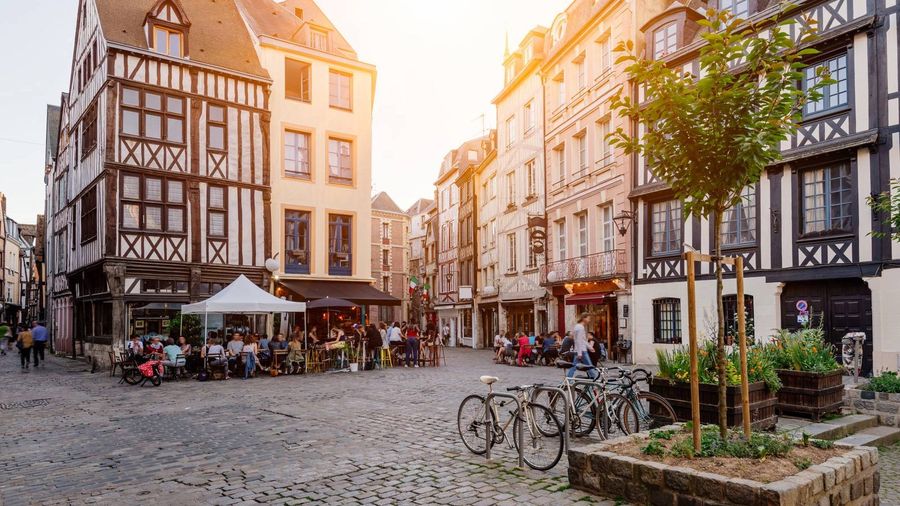
Situated on the banks of the Seine River in the heart of Normandy, Rouen is a city that exudes historical significance and charm.…
Explore Rouen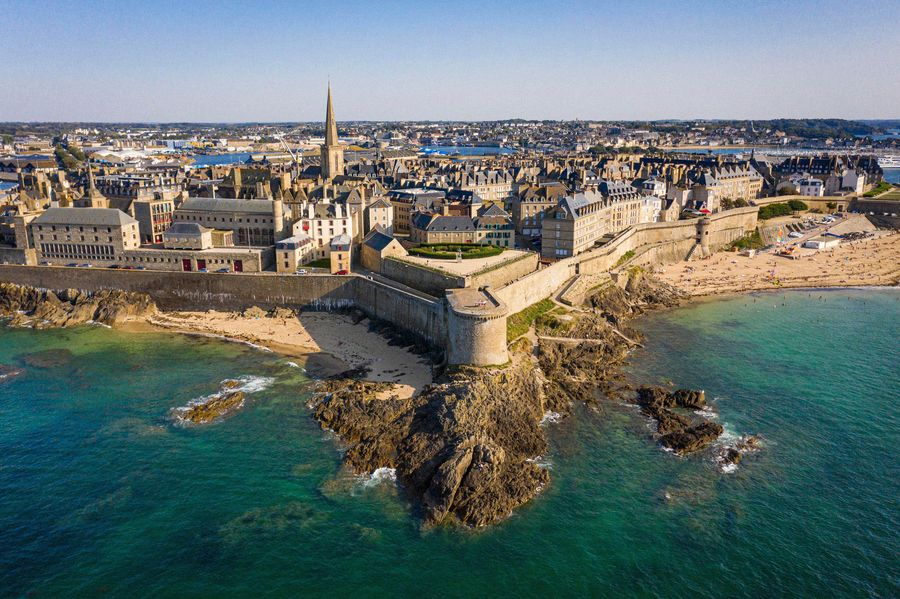
Saint-Malo
Perched on the northern coast of Brittany, Saint-Malo is a stunning port city known for its dramatic history, impressive…
Explore Saint-MaloA little context for your exploring.
These original VoyageOwl city stories are preserved from the archive. Historical claims and visitor details remain subject to editorial review. Check attraction opening hours, tickets and access before making plans.
A few good stories. A little room to wander.