
Salzburg
Nestled in the foothills of the Austrian Alps and straddling the banks of the Salzach River, Salzburg is one of Europe’s most picturesque cities. Known for its stunning…
What brings you
to Salzburg?
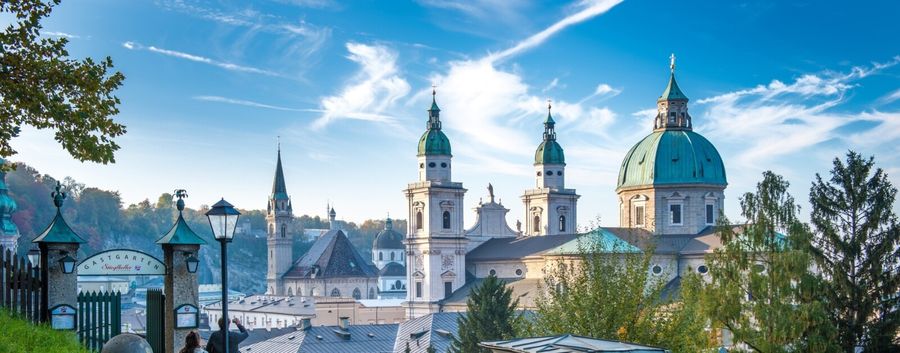
A few good places to begin.
A City Steeped in Historical Significance
Salzburg’s history dates back to Roman times, when it was a small settlement known as Iuvavum. The city’s name comes from the German word for salt, “salz,”…
Salzburg · Read the storyHohensalzburg Fortress
Perched high above the city on Festungsberg, the Hohensalzburg Fortress is one of the largest and best-preserved medieval castles in Europe. Built in 1077, the…
Salzburg · Read the storyMozart’s Birthplace and Legacy
Salzburg is synonymous with Mozart, one of the greatest composers in history. The house where he was born, Mozart’s Geburtshaus, is now a museum dedicated to…
Salzburg · Read the storyMirabell Palace and Gardens
A visit to Mirabell Palace and Gardens offers a peaceful retreat in the heart of Salzburg. Built in 1606 by Prince-Archbishop Wolf Dietrich for his beloved,…
Salzburg · Read the storyListen to Salzburg
Take a listening break with the city’s audio story and full transcript.
Audio & transcriptThe story of Salzburg
Get to know the city through its history, culture and local traditions.
Read at your own paceA few ways into Salzburg.
Leave room to discover more.
Hohensalzburg Fortress
Perched high above the city on Festungsberg, the Hohensalzburg Fortress is one of the largest and best-preserved medieval castles in Europe. Built in 1077, the fortress has stood the test of time, serving as a symbol of Salzburg’s power and resilience. Visitors can…
Discover the storyMozart’s Birthplace and Legacy
Salzburg is synonymous with Mozart, one of the greatest composers in history. The house where he was born, Mozart’s Geburtshaus, is now a museum dedicated to his life and work, showcasing…
Look a little closer 03A story worth stopping forMirabell Palace and Gardens
A visit to Mirabell Palace and Gardens offers a peaceful retreat in the heart of Salzburg. Built in 1606 by Prince-Archbishop Wolf Dietrich for his beloved, the palace is a stunning example…
Look a little closer 04A story worth stopping forSalzburg’s Baroque Architecture
Salzburg’s historical center is a baroque masterpiece, shaped largely by Italian architects during the reign of the prince-archbishops. The city’s cathedrals, palaces, and squares reflect…
Look a little closer 05A story worth stopping forThe Sound of Music
Salzburg is famous not only for its history but also as the setting for the classic film The Sound of Music. Fans of the film can take tours that visit iconic locations such as Nonnberg…
Look a little closerThe story of Salzburg.
Set the sceneA little background.
A little background.
Nestled in the foothills of the Austrian Alps and straddling the banks of the Salzach River, Salzburg is one of Europe’s most picturesque cities. Known for its stunning baroque architecture, rich musical heritage, and breathtaking alpine backdrop, Salzburg is a city that enchants visitors with its charm and historical significance. Famous as the birthplace of Wolfgang Amadeus Mozart and the filming location for The Sound of Music, Salzburg offers a perfect blend of culture, history, and natural beauty that captivates travelers from around the globe.
Behind the postcardA City Steeped in Historical Significance
A City Steeped in Historical Significance
Salzburg’s history dates back to Roman times, when it was a small settlement known as Iuvavum. The city’s name comes from the German word for salt, “salz,” reflecting the area’s rich salt mining history. For centuries, Salzburg was ruled by prince-archbishops who transformed it into a cultural and spiritual center. By the 17th century, Salzburg was flourishing, with its baroque architecture earning it the nickname "the Rome of the North."
One of the city’s most famous residents, Wolfgang Amadeus Mozart, was born here in 1756, and Salzburg continues to celebrate his legacy with concerts, festivals, and museums. In modern times, the city’s historic old town, Altstadt, is a UNESCO World Heritage site, drawing visitors who are eager to explore its cobblestone streets, ornate churches, and impressive palaces.
Top 5 Unique Characteristics of Salzburg
Look a little closerHohensalzburg Fortress
Hohensalzburg Fortress
Perched high above the city on Festungsberg, the Hohensalzburg Fortress is one of the largest and best-preserved medieval castles in Europe. Built in 1077, the fortress has stood the test of time, serving as a symbol of Salzburg’s power and resilience. Visitors can take a funicular to the top and explore the fortress’s historical exhibits, state rooms, and stunning views of the city and surrounding mountains. The Golden Hall and Golden Chamber are must-sees, reflecting the wealth and grandeur of the prince-archbishops who once ruled here.
Look a little closerMozart’s Birthplace and Legacy
Mozart’s Birthplace and Legacy
Salzburg is synonymous with Mozart, one of the greatest composers in history. The house where he was born, Mozart’s Geburtshaus, is now a museum dedicated to his life and work, showcasing original manuscripts, instruments, and letters. Additionally, the Mozarteum Foundation hosts concerts and festivals celebrating his music, including the world-renowned Salzburg Festival. Mozart’s influence is felt throughout the city, from statues in public squares to concerts held in the very halls where he once performed.
Look a little closerMirabell Palace and Gardens
Mirabell Palace and Gardens
A visit to Mirabell Palace and Gardens offers a peaceful retreat in the heart of Salzburg. Built in 1606 by Prince-Archbishop Wolf Dietrich for his beloved, the palace is a stunning example of baroque architecture. The Mirabell Gardens, with their geometric flower beds, mythological statues, and the iconic Pegasus Fountain, are known for their role in The Sound of Music, where Maria and the children sing “Do-Re-Mi.” Today, the palace is a popular venue for weddings and concerts, and the gardens offer one of the best views of Hohensalzburg Fortress.
Look a little closerSalzburg’s Baroque Architecture
Salzburg’s Baroque Architecture
Salzburg’s historical center is a baroque masterpiece, shaped largely by Italian architects during the reign of the prince-archbishops. The city’s cathedrals, palaces, and squares reflect the grandeur of this era. The Salzburg Cathedral (Dom) is a prime example, with its twin towers, massive dome, and richly decorated interior. The cathedral’s baptismal font is where Mozart was baptized, adding to its historical significance. Walking through the Altstadt, visitors will be mesmerized by the ornate facades, narrow streets, and elegant squares that define Salzburg’s unique charm.
Look a little closerThe Sound of Music
The Sound of Music
Salzburg is famous not only for its history but also as the setting for the classic film The Sound of Music. Fans of the film can take tours that visit iconic locations such as Nonnberg Abbey, Leopoldskron Palace, and the gazebo at Hellbrunn Palace. The film’s legacy is an integral part of the city’s identity, and visitors from around the world come to relive their favorite moments while exploring the beautiful landscapes and historical sites featured in the movie.
Behind the postcardSalzburg Today: A Cultural and Musical Hub
Salzburg Today: A Cultural and Musical Hub
Today, Salzburg remains a vibrant city where history and modernity coexist. The city’s cultural calendar is filled with music festivals, art exhibitions, and events that draw visitors year-round. The Salzburg Festival, held every summer, is one of the world’s most prestigious classical music festivals, attracting top performers and audiences from around the globe. The city is also known for its Christmas markets, which transform the old town into a winter wonderland every December.
Salzburg’s thriving culinary scene adds to its appeal, with traditional Austrian dishes like wiener schnitzel and apple strudel served in local restaurants. The city’s charming cafes, such as the historic Café Tomaselli, invite visitors to relax and enjoy the slower pace of life that Salzburg offers.
Behind the postcardFun Facts About Salzburg
Fun Facts About Salzburg
Salzburg is the birthplace of Mozart, and his music can be heard in concert halls, churches, and on the streets throughout the city.The famous Stiegl Brewery in Salzburg is one of Austria’s oldest and largest breweries, offering tours and tastings.The Salzburg Festival, founded in 1920, is one of the most important classical music and opera festivals in the world.The Sound of Music tours are among the most popular activities in Salzburg, attracting fans of the film from all over the world.The city’s name, "Salzburg," means "Salt Castle," reflecting the region’s wealth from salt mining.
With its baroque beauty, musical heritage, and stunning natural surroundings, Salzburg is a city that delights every visitor. Whether you’re exploring its rich history, attending a concert, or strolling through its gardens, Salzburg is a destination that promises both cultural and scenic wonders.
The city,
in your headphones.
Take a seat, or take a walk. Discover Salzburg one story at a time.
The stories of Salzburg
Read the complete audio transcript
Welcome to Voyage Owl’s walking tour of Salzburg, a city that enchants visitors with its mix of history, culture, and natural beauty. Often called the “Rome of the North” for its breathtaking Baroque architecture, Salzburg offers a magical experience that weaves together its musical heritage, stunning landscapes, and centuries of religious and political power. It’s a place where the past lives on in every cobblestone street, where the mighty Hohensalzburg Fortress watches over the city like a sentinel from the Middle Ages, and where the melodies of Mozart still echo through the narrow alleyways of the Altstadt (Old Town).
Salzburg has always been a city of crossroads—both geographically and culturally. Nestled at the foot of the Alps, on the banks of the Salzach River, it sits near the borders of Germany and Italy, making it a key hub for trade and travel throughout history. The city’s origins date back to the Roman Empire, when it was known as Iuvavum, but it was during the Middle Ages that Salzburg became truly significant, emerging as a powerful religious and cultural center ruled by the prince-archbishops. These ecclesiastical rulers amassed immense wealth, which they used to transform Salzburg into the stunning Baroque masterpiece that it remains today.
Salzburg is perhaps most famous for being the birthplace of Wolfgang Amadeus Mozart, one of the greatest composers in history. This musical genius left an indelible mark on the city, and you can feel his presence in every concert hall, museum, and street performance. Salzburg’s love affair with music continues to this day, with world-renowned festivals like the Salzburg Festival, which draws artists and music lovers from around the globe.
Yet, Salzburg is more than just its cultural and historical offerings. Its picturesque setting, framed by towering mountains, lush valleys, and pristine lakes, makes it a paradise for nature lovers. Whether you’re looking to hike the nearby Untersberg Mountain, take a boat ride on Lake Wolfgang, or simply enjoy a leisurely stroll along the Salzach River, Salzburg is a city where you can connect with nature and history at the same time.
This walking tour will take you through the heart of Salzburg, exploring its most iconic landmarks and hidden gems. We’ll uncover the city’s fascinating past, delve into its rich musical legacy, and discover why Salzburg is a city that captures the imagination of all who visit. Whether you’re here for the music, the history, or the breathtaking views, Salzburg will leave you enchanted.
Let’s begin our journey in one of the city’s most beautiful and historic locations: Mirabell Palace and Gardens.
### Stop 1: Mirabell Palace and Gardens – A Baroque Dream with a Touch of Movie Magic
Our first stop on this walking tour is the stunning Mirabell Palace and its world-famous gardens, a true testament to Salzburg’s Baroque splendor. The palace itself dates back to 1606, when it was built by Prince-Archbishop Wolf Dietrich von Raitenau as a private residence for his beloved mistress, Salome Alt. The couple’s love story may have ended in tragedy—Wolf Dietrich was eventually deposed and imprisoned, and Salome was forced into exile—but their legacy lives on in this beautiful palace, which remains one of the most elegant landmarks in the city.
As you step into the Mirabell Gardens, you’re immediately transported to a world of baroque artistry and design. The perfectly manicured flower beds, the dramatic fountains, and the statues of mythological figures create a landscape that feels like something out of a fairy tale. Designed by Johann Bernhard Fischer von Erlach in the late 17th century, the gardens have been meticulously maintained over the centuries, and they offer visitors a peaceful retreat from the hustle and bustle of the city.
The gardens are divided into several distinct sections, each with its own unique character. The Grand Parterre, the central part of the gardens, is where you’ll find the famous Pegasus Fountain, which features a statue of the mythical winged horse, Pegasus. This fountain is not only a beautiful work of art but also a popular photo spot for fans of The Sound of Music, who will recognize it from the iconic “Do-Re-Mi” scene filmed here. It’s easy to imagine Julie Andrews and the Von Trapp children skipping through the gardens as you stroll through this scenic setting.
In fact, Mirabell Gardens is one of the key locations for fans of The Sound of Music. As you explore the gardens, you might find yourself humming along to the famous tunes, remembering the scenes where Maria and the children sang and danced their way through Salzburg. While the movie helped put these gardens on the global map, the beauty of the space transcends its cinematic fame.
Another highlight of the gardens is the Dwarf Garden (Zwerglgarten), a quirky and whimsical area that features a collection of life-sized statues of dwarfs with exaggerated facial expressions. These amusing figures were originally commissioned by Wolf Dietrich as part of the garden’s decoration, and while many were lost over the years, a few have been lovingly restored. The Dwarf Garden adds a playful element to the otherwise formal Baroque surroundings and is a favorite spot for families and children.
As you wander through the gardens, be sure to take in the breathtaking view of the Hohensalzburg Fortress, perched high on the Festungsberg hill. This fortress, one of the largest and best-preserved medieval castles in Europe, dominates the skyline and offers a dramatic backdrop to the elegance of the palace grounds.
Inside Mirabell Palace itself, you’ll find the Marble Hall, one of the most beautiful and historically significant rooms in Salzburg. This grand, opulently decorated space was once used for royal banquets and concerts, and today it remains one of the most sought-after wedding venues in Europe. With its glittering chandeliers, ornate stucco work, and stunning views of the gardens, the Marble Hall is the perfect setting for concerts, and if you’re lucky, you may be able to catch a Salzburg Palace Concert during your visit. These concerts often feature the music of Mozart and other classical composers, making for a magical evening in one of the most elegant settings imaginable.
Mirabell Palace and Gardens represent the perfect blend of history, beauty, and cultural significance. Whether you’re here to admire the Baroque architecture, stroll through the colorful flower beds, or relive your favorite moments from The Sound of Music, Mirabell offers something for everyone. Before we move on, take a moment to savor the tranquility of the gardens and snap a few photos—this is one of Salzburg’s most photogenic spots!
From the serene elegance of Mirabell Gardens, we’ll now head across the river to the bustling heart of Salzburg’s Altstadt, where our next adventure awaits.
### Stop 2: Getreidegasse – A Historic Shopping Street with Mozartian Charm
A short walk across the Makartsteg, a pedestrian bridge known for its panoramic views and romantic “love locks”, brings us into Salzburg’s Altstadt and to one of the city’s most famous streets: Getreidegasse. This narrow, bustling lane has been the commercial heart of Salzburg for centuries, and it’s easy to see why it remains one of the city’s top attractions today.
Lined with historic buildings, charming signs, and shopfronts, Getreidegasse is more than just a shopping destination—it’s a living history lesson. Many of the buildings along the street date back to the Middle Ages, and their ornate wrought-iron guild signs are a nod to a time when tradesmen displayed their wares with pride. Look closely, and you’ll spot signs for everything from shoemakers to blacksmiths, now mingling with modern shops and international brands.
But Getreidegasse is most famous for being the birthplace of Salzburg’s most beloved son: Wolfgang Amadeus Mozart. At No. 9 Getreidegasse, you’ll find Mozart’s Birthplace (Mozarts Geburtshaus), a museum dedicated to the early life and works of the composer. Mozart was born in this house on January 27, 1756, and lived here until the age of 17. The museum features original instruments, portraits, letters, and personal items from Mozart’s life, offering a glimpse into the world of the musical prodigy who would go on to become one of the greatest composers in history.
As you explore Getreidegasse, take some time to pop into the various shops and boutiques, many of which sell traditional Austrian handicrafts, clothing, and, of course, Mozart-themed souvenirs. For something sweet, stop by one of the many confectionery shops to pick up a Mozartkugel—a delicious chocolate and marzipan treat named in honor of the composer.
Getreidegasse is also home to several cozy cafes and restaurants, where you can take a break and enjoy a cup of coffee or a traditional Austrian pastry. Don’t rush through this street—its charm lies in the details, from the beautifully painted facades of the buildings to the hidden courtyards and alleyways that lead you into quieter corners of the Altstadt.
### Stop 3: Mozartplatz – A Tribute to the Master of Music
From Getreidegasse, we make our way to Mozartplatz, a charming square in the heart of the old town dedicated to Salzburg’s most famous composer. Dominating the square is the impressive Mozart Monument, a bronze statue of the composer that was unveiled in 1842, 51 years after his death. The statue, sculpted by Ludwig Schwanthaler, captures Mozart in a thoughtful pose, as if contemplating one of his many musical masterpieces.
Mozartplatz is a lively area, often filled with street musicians, artists, and visitors from all over the world paying tribute to the great composer. It’s a wonderful place to sit and soak in the atmosphere while enjoying a coffee at one of the nearby cafes. The square is also a popular spot for taking photos, with the statue of Mozart framed by the beautiful baroque facades of the surrounding buildings.
While you’re here, be sure to visit the nearby Salzburg Museum, located in the Neue Residenz (New Residence) just a stone’s throw from Mozartplatz. The museum offers a fascinating look into the history of Salzburg, with exhibits covering everything from the city’s Roman origins to its time as a princely archbishopric and its role in the modern world. There’s also a section dedicated to the life and legacy of Mozart, featuring artifacts and memorabilia that provide a deeper understanding of his impact on Salzburg and the world of music.
If you’re visiting during the holiday season, Mozartplatz transforms into a winter wonderland as part of Salzburg’s famous Christkindlmarkt. The square is filled with festive stalls selling everything from handmade ornaments to mulled wine and gingerbread, and the atmosphere is magical, especially when the snow begins to fall.
As you leave Mozartplatz, we’ll head to one of Salzburg’s most important religious landmarks, the Salzburg Cathedral.
### Stop 4: Salzburg Cathedral (Dom zu Salzburg) – A Baroque Masterpiece
No visit to Salzburg is complete without seeing the magnificent Salzburg Cathedral (Dom zu Salzburg), one of the city’s most iconic landmarks. Located just off Mozartplatz, the cathedral’s towering twin spires and grand dome dominate the skyline of the Altstadt. Built in the early 17th century, the cathedral is a stunning example of Baroque architecture, and it has played a central role in the religious and cultural life of Salzburg for centuries.
As you approach the cathedral, you’ll be greeted by its imposing facade, adorned with statues of saints and bishops. The Salzburg Cathedral’s facade is a grand example of Baroque elegance, with its three monumental bronze doors symbolizing faith, hope, and charity. Above the doors, you’ll see statues of St. Rupert and St. Virgil, two patron saints of Salzburg, and on top of the facade, a Latin inscription dedicates the church to God, in gratitude for Salzburg’s religious prosperity. This impressive exterior sets the stage for what lies inside—prepare to be wowed by the beauty and history within.
As you step through the grand entrance into the cathedral, you’ll be struck by the soaring heights of the nave, which is over 70 meters long. The bright, whitewashed interior is in stark contrast to the often darker medieval churches, giving the space a sense of lightness and airiness. This open, airy feel is emphasized by the cathedral's central dome, which allows sunlight to filter in and bathe the ornate stucco decorations, frescoes, and marble altars in a warm glow.
The cathedral’s main altar is a masterpiece in itself, with its richly gilded design and towering columns that draw the eye upward. The altar is adorned with sculptures of saints, angels, and biblical scenes, reflecting the religious significance of the building. The frescoes that decorate the ceilings were painted by Donato Mascagni and Ignazio Solari in the 17th century, and they depict scenes from the life of Jesus Christ, adding to the grandeur and spiritual atmosphere of the space.
One of the most interesting historical facts about the Salzburg Cathedral is that Wolfgang Amadeus Mozart was baptized here on January 28, 1756, just a day after his birth. The baptismal font, a bronze basin dating back to the 14th century, still stands in the cathedral today, and you can visit the very spot where Mozart began his journey in life. As Salzburg’s most famous son, Mozart would later go on to compose many of his early works for the cathedral, where he served as court organist.
Speaking of organs, Salzburg Cathedral boasts five impressive organs, including the main organ situated above the main entrance. These organs, particularly the large one, are used during services and special concerts, and the acoustics in the cathedral are spectacular. If you’re lucky enough to visit during a service or an organ recital, you’ll hear how the building comes alive with music, as the sound reverberates through the vast space.
The crypt, located beneath the main altar, is another intriguing part of the cathedral. It’s a quiet, somewhat eerie space where some of Salzburg’s archbishops are entombed. The crypt’s ancient walls and floors offer a stark contrast to the grandeur above, serving as a solemn reminder of the church’s long history.
After spending some time exploring the cathedral’s interior, take a moment to appreciate the square outside, known as Domplatz. The open space is framed by the cathedral on one side and the New Residenz on the other, and it’s often used for public events, concerts, and festivals. In December, it transforms into one of the most enchanting parts of Salzburg’s Christmas market, with twinkling lights, festive stalls, and the scent of mulled wine filling the air.
### Stop 5: Residenzplatz and the Residenz – The Heart of Salzburg’s Power
Just next to Salzburg Cathedral is Residenzplatz, one of the largest and most important squares in the city’s old town. This grand square has been the center of Salzburg’s political and religious power for centuries, and it’s surrounded by some of the city’s most important buildings, including the Alte Residenz (Old Residence), the Neue Residenz (New Residence), and the Residenz Fountain.
The focal point of Residenzplatz is the Residenz Fountain (Residenzbrunnen), an enormous baroque masterpiece crafted from marble between 1656 and 1661 by Italian sculptor Tommaso di Garona. This fountain, with its dramatic sculptures of horses, sea gods, and dolphins, is the largest baroque fountain outside of Italy, and it’s a stunning example of the artistic influence that Italy had on Salzburg during the baroque era. On a sunny day, the water sparkles as it cascades from the fountain, and the sight of this monumental work against the backdrop of Salzburg’s historic buildings is one you won’t forget.
Flanking Residenzplatz is the Alte Residenz, the former palace of Salzburg’s prince-archbishops. Built in the 16th century, this impressive building was the seat of power for centuries, and today it houses the Residenzgalerie, a museum featuring works by European masters like Rembrandt, Rubens, and Brueghel. As you explore the opulent rooms of the palace, you’ll get a sense of the wealth and influence of Salzburg’s ruling class. The richly decorated state rooms, with their glittering chandeliers, gilded walls, and intricate frescoes, give you a glimpse into the luxurious life of Salzburg’s archbishops, who not only controlled the city’s religious life but also wielded significant political power.
On the opposite side of Residenzplatz is the Neue Residenz, which today houses the Salzburg Museum and the famous Glockenspiel. The Glockenspiel is a carillon made up of 35 bells, and it has been charming the citizens of Salzburg with its melodies since 1702. If you’re lucky enough to visit at the right time (usually at 7:00 AM, 11:00 AM, and 6:00 PM), you’ll hear the bells chime out famous classical tunes, adding to the magical atmosphere of the square.
Inside the Salzburg Museum, you’ll find fascinating exhibits that chronicle the city’s history, from its Roman roots to its baroque heyday and beyond. The museum also features artifacts related to Mozart and the Salzburg Festival, making it a great stop for those interested in learning more about the cultural and musical heritage of the city.
Residenzplatz is also a lively spot for festivals and events throughout the year. During the Salzburg Festival, the square is often used for outdoor performances, while in winter, it becomes one of the city’s most picturesque Christmas market locations, with wooden stalls offering traditional crafts, food, and drinks.
### Stop 6: Hohensalzburg Fortress – A Medieval Stronghold Above the City
From the grandeur of Residenzplatz, it’s time to make our way up to one of Salzburg’s most famous and imposing landmarks: Hohensalzburg Fortress. Perched high above the city on Festungsberg, this medieval fortress is one of the largest and best-preserved in Europe. The fortress was originally built in 1077 by Archbishop Gebhard, and over the centuries, it was expanded and strengthened, transforming into the impressive structure you see today.
To reach the fortress, you have two options: you can take a leisurely walk up the hill, which offers some stunning views of the city as you ascend, or you can hop on the Festungsbahn, a funicular that will whisk you to the top in just a few minutes. Either way, the journey to the top is well worth the effort, as the fortress offers some of the best panoramic views of Salzburg and the surrounding mountains.
Once you arrive at the top, take a moment to admire the view—the city sprawls out below, with the Salzach River winding its way through the heart of Salzburg, and the peaks of the Alps rising in the distance. It’s easy to see why the archbishops chose this spot to build their stronghold—its strategic location made it nearly impregnable.
Inside the fortress, you’ll find a wealth of history to explore. The Fortress Museum offers a fascinating look at the history of Hohensalzburg and its role in defending Salzburg from invaders. You’ll learn about the fortress’s various expansions over the centuries and see artifacts ranging from medieval weapons to the elegant furnishings of the prince-archbishops’ private quarters. The Golden Hall, with its richly gilded ceiling and walls, is a highlight, reflecting the power and wealth of the rulers who once lived here.
Be sure to visit the torture chambers and the salt storage rooms, both of which offer a glimpse into the grittier side of fortress life. You can also climb to the top of the Reckturm (a lookout tower) for even more stunning views of Salzburg and the surrounding countryside.
One of the most interesting aspects of the fortress is that it was never actually taken by force—despite numerous attempts over the centuries, the fortress withstood sieges and attacks, making it one of the most secure strongholds in Europe. It wasn’t until 1805, during the Napoleonic Wars, that the fortress was peacefully surrendered to French troops.
Hohensalzburg Fortress is also a cultural hotspot today, hosting concerts, exhibitions, and even theater performances throughout the year. During the Salzburg Festival, the fortress becomes a venue for classical music performances, adding to its already rich cultural significance.
After exploring the fortress, take some time to enjoy a snack or a drink at one of the cafes located on the terrace, where you can soak in the views and reflect on Salzburg’s fascinating history.
### Stop 7: St. Peter’s Abbey and Cemetery – A Place of Peace and History
As we descend from the heights of Hohensalzburg Fortress, we make our way to one of the most peaceful and serene spots in Salzburg: St. Peter’s Abbey and its beautiful cemetery. Founded in 696 AD by Saint Rupert, the Abbey is one of the oldest monasteries in the German-speaking world, and it has been a center of religious life in Salzburg for over a millennium.
The Abbey Church itself is a masterpiece of Romanesque and Rococo architecture, with its richly decorated altars and stunning frescoes. As you step inside, you’ll be struck by the sense of calm that pervades the space, offering a welcome respite from the bustling streets of the old town. Be sure to visit the chapel of St. Rupert, where the saint’s relics are housed.
Adjacent to the abbey is the Petersfriedhof, or St. Peter’s Cemetery, one of the most beautiful and atmospheric burial grounds in Europe. The cemetery is famous for its elegant wrought-iron headstones, well-tended flowerbeds, and peaceful atmosphere. It’s also the final resting place of many notable Salzburg residents, including Johann Michael Haydn, the younger brother of Joseph Haydn, and Nannerl Mozart, Wolfgang Amadeus Mozart’s sister.
As you wander through the cemetery, you’ll also notice the catacombs carved into the rock face of the Mönchsberg. These early Christian burial sites date back to the Middle Ages, and you can climb the narrow stone steps to explore the small chapels and caves that were once used by hermits and monks.
For fans of The Sound of Music, St. Peter’s Cemetery is particularly famous as the inspiration for the scene where the Von Trapp family hides from the Nazis. Although the movie was not filmed here, the cemetery’s beautiful arcades and peaceful atmosphere evoke the same sense of tranquility and refuge portrayed in the film.
### Stop 8: Nonnberg Abbey – A Real-Life Connection to The Sound of Music
No visit to Salzburg would be complete without a stop at Nonnberg Abbey, the oldest continually operating nunnery in the world, founded in 714 AD by Saint Rupert. Perched on the slopes of the Festungsberg, just below Hohensalzburg Fortress, Nonnberg Abbey is not only a place of great historical and religious significance but also a must-see for Sound of Music fans.
In the movie, Nonnberg Abbey is where Maria von Trapp (played by Julie Andrews) begins her journey as a postulant before leaving to become governess to the Von Trapp children. While the abbey’s exterior was used in the film, the interior scenes were filmed in a studio. However, the real-life Maria von Trapp did live here as a novice nun before she left to marry Georg von Trapp.
As you approach the abbey, you’ll notice its simple yet elegant design. The Romanesque abbey church, with its tall spire and beautiful interior, is a peaceful and contemplative space. Inside, you’ll find medieval frescoes and intricate wood carvings that highlight the abbey’s long history as a center of faith and learning.
The abbey is still home to an active community of nuns, and visitors are welcome to explore the church and grounds, though certain areas are off-limits to the public. From the abbey, you’ll also get some lovely views of the old town and the Salzach River below.
### Conclusion: Salzburg – A City of Timeless Beauty and Endless Inspiration
As our walking tour of Salzburg comes to an end, I hope you’ve fallen in love with this magical city. From the baroque splendor of Mirabell Palace to the medieval might of Hohensalzburg Fortress, and from the musical legacy of Mozart to the peaceful serenity of St. Peter’s Cemetery, Salzburg is a city that weaves together history, culture, and natural beauty in a way that few other cities can match.
Salzburg’s charm lies in its ability to transport you through time, whether you’re walking through its cobbled streets, listening to the strains of classical music that seem to float on the breeze, or gazing out over the rooftops from a fortress high above the city. It’s a place where every corner holds a story, and where the past and present blend seamlessly into one unforgettable experience.
So, whether you’re here to explore Salzburg’s rich history, immerse yourself in its musical heritage, or simply soak in the breathtaking scenery, one thing is for certain: Salzburg will leave a lasting impression on your heart and mind. Enjoy your time in this magical city, and don’t forget to take a piece of Salzburg with you, whether it’s a Mozartkugel, a photograph, or a memory of the beautiful sound of music echoing through the hills.
To listen to more amazing audio tours of cities around the world check out our other guides at voyageowl.com.
Another place, another story.
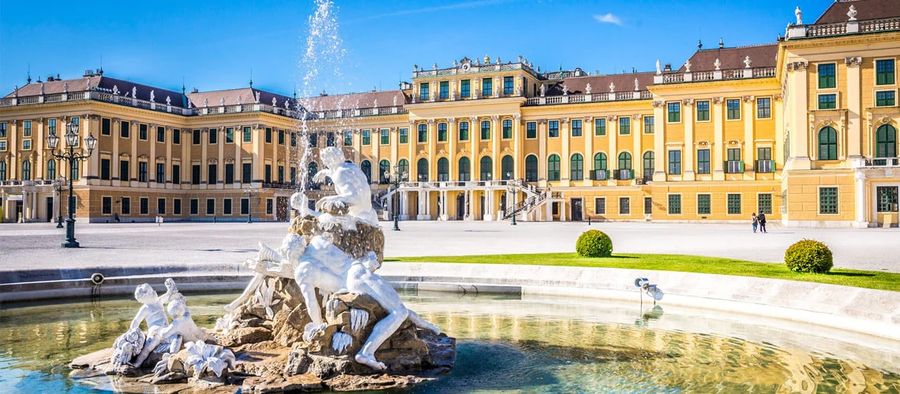
Vienna
Vienna, the capital of Austria, is a city that exudes grandeur and elegance, with its imperial palaces, world-class museums, and rich…
Explore Vienna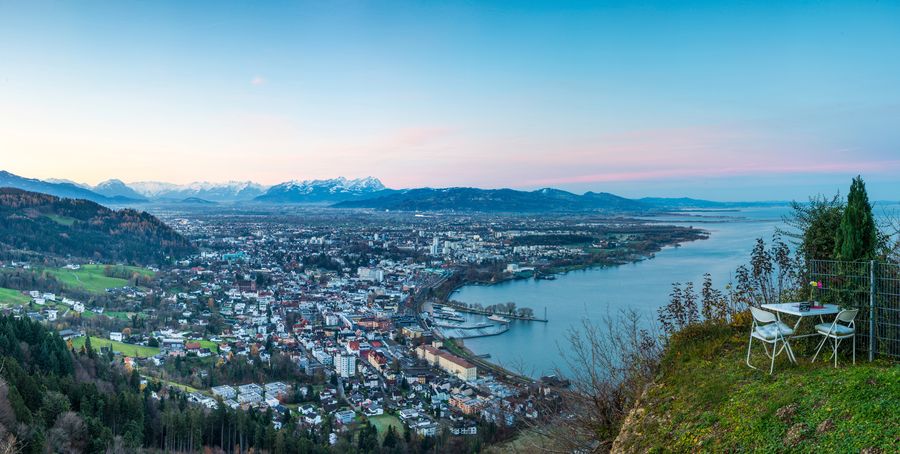
Bregenz
Nestled between the shimmering waters of Lake Constance and the towering peaks of the Pfänder Mountain, Bregenz is a charming city…
Explore BregenzA little context for your exploring.
These original VoyageOwl city stories are preserved from the archive. Historical claims and visitor details remain subject to editorial review. Check attraction opening hours, tickets and access before making plans.
A few good stories. A little room to wander.