
Santorini
Known for its whitewashed buildings, blue-domed churches, and stunning sunsets, Santorini is one of the most iconic destinations in the world. Located in the southern Aegean…
What brings you
to Santorini?
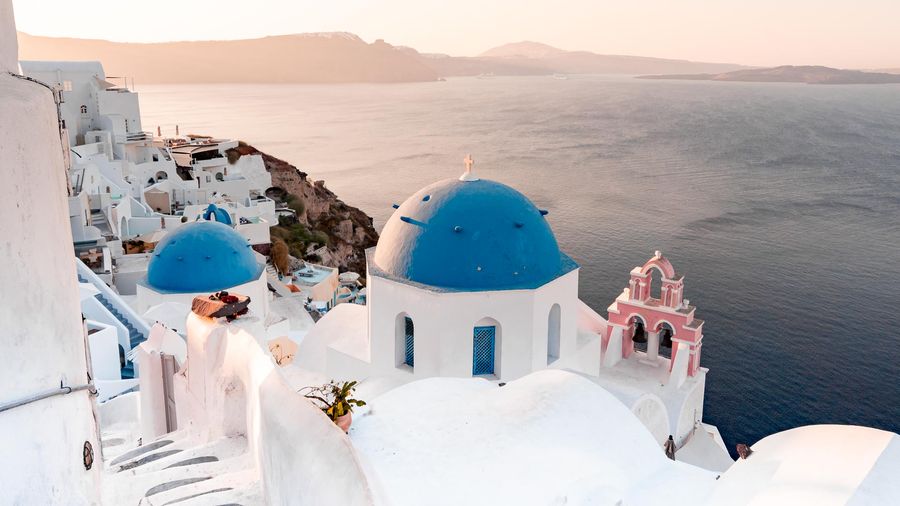
A few good places to begin.
A Historical Gem
Santorini’s history is as fascinating as its landscape. Once known as Thera, the island was the site of one of the largest volcanic eruptions in history,…
Santorini · Read the storyThe Caldera and Fira
Santorini’s caldera is one of its most defining features. Formed by the massive volcanic eruption, the caldera is a large, submerged volcanic crater surrounded…
Santorini · Read the storyOia and the Sunset
Perhaps the most famous village in Santorini, Oia is renowned for its stunning sunsets, which draw thousands of visitors every evening. Built on the northern…
Santorini · Read the storyAncient Akrotiri
Known as the Pompeii of the Aegean, the ancient city of Akrotiri offers a fascinating glimpse into Minoan civilization. This Bronze Age settlement was buried…
Santorini · Read the storyListen to Santorini
Take a listening break with the city’s audio story and full transcript.
Audio & transcriptThe story of Santorini
Get to know the city through its history, culture and local traditions.
Read at your own paceA few ways into Santorini.
Leave room to discover more.
The Caldera and Fira
Santorini’s caldera is one of its most defining features. Formed by the massive volcanic eruption, the caldera is a large, submerged volcanic crater surrounded by steep cliffs. Perched on these cliffs is the island’s capital, Fira, with its iconic white buildings…
Discover the storyOia and the Sunset
Perhaps the most famous village in Santorini, Oia is renowned for its stunning sunsets, which draw thousands of visitors every evening. Built on the northern tip of the island, Oia is a…
Look a little closer 03A story worth stopping forAncient Akrotiri
Known as the Pompeii of the Aegean, the ancient city of Akrotiri offers a fascinating glimpse into Minoan civilization. This Bronze Age settlement was buried under volcanic ash for…
Look a little closer 04A story worth stopping forSantorini’s Unique Beaches
Santorini’s volcanic history is reflected in its beaches, which are unlike any other in Greece. The island’s shores are lined with dramatic cliffs and sands in shades of black, red, and…
Look a little closer 05A story worth stopping forSantorini Wine and Vineyards
Santorini is famous for its Assyrtiko wine, a crisp, mineral-rich white wine produced from grapes grown in the island’s unique volcanic soil. The island’s winemaking tradition dates back to…
Look a little closerThe story of Santorini.
Set the sceneA little background.
A little background.
Known for its whitewashed buildings, blue-domed churches, and stunning sunsets, Santorini is one of the most iconic destinations in the world. Located in the southern Aegean Sea, this crescent-shaped island is part of the Cyclades and offers a blend of breathtaking natural beauty, rich history, and vibrant culture. Whether you’re strolling through its picturesque villages, relaxing on unique beaches, or exploring its ancient ruins, Santorini promises a magical experience that lingers in the hearts of visitors long after they leave.
Behind the postcardA Historical Gem
A Historical Gem
Santorini’s history is as fascinating as its landscape. Once known as Thera, the island was the site of one of the largest volcanic eruptions in history, around 1600 BC. This catastrophic event, known as the Minoan eruption, shaped the island’s iconic caldera and led to the destruction of the ancient Minoan settlement of Akrotiri. Often compared to Pompeii, Akrotiri was buried under volcanic ash, preserving it for centuries and offering a rare glimpse into ancient Minoan civilization.
Santorini’s volcanic origins are integral to its history and identity. The island’s rich volcanic soil also contributes to its unique agricultural products, including Assyrtiko wine, and influences the stunning landscapes that draw visitors from around the globe.
Top 5 Unique Characteristics of Santorini
Look a little closerThe Caldera and Fira
The Caldera and Fira
Santorini’s caldera is one of its most defining features. Formed by the massive volcanic eruption, the caldera is a large, submerged volcanic crater surrounded by steep cliffs. Perched on these cliffs is the island’s capital, Fira, with its iconic white buildings overlooking the blue waters of the Aegean. Visitors can enjoy breathtaking views of the caldera, especially during sunset, and explore the narrow streets filled with cafes, boutiques, and galleries. Fira is the heartbeat of Santorini, offering a perfect mix of history, culture, and modern amenities.
Look a little closerOia and the Sunset
Oia and the Sunset
Perhaps the most famous village in Santorini, Oia is renowned for its stunning sunsets, which draw thousands of visitors every evening. Built on the northern tip of the island, Oia is a maze of narrow streets, blue-domed churches, and charming homes built into the cliffs. Watching the sun dip below the horizon, casting a golden glow over the caldera and the Aegean, is one of Santorini’s most unforgettable experiences. The beauty of Oia has inspired countless photographs, making it one of the most picturesque locations in Greece.
Look a little closerAncient Akrotiri
Ancient Akrotiri
Known as the Pompeii of the Aegean, the ancient city of Akrotiri offers a fascinating glimpse into Minoan civilization. This Bronze Age settlement was buried under volcanic ash for centuries, preserving its advanced architecture, colorful frescoes, and intricate pottery. Visitors can explore the excavated ruins of houses, streets, and public buildings, giving insight into life on Santorini before the eruption. The well-preserved state of Akrotiri makes it one of the most important archaeological sites in Greece.
Look a little closerSantorini’s Unique Beaches
Santorini’s Unique Beaches
Santorini’s volcanic history is reflected in its beaches, which are unlike any other in Greece. The island’s shores are lined with dramatic cliffs and sands in shades of black, red, and white. Red Beach, near Akrotiri, is famous for its striking red cliffs and dark volcanic sand, while Perissa and Kamari offer long stretches of black sand beaches with crystal-clear waters. These beaches provide a unique and memorable experience for sunbathers and swimmers alike, adding to Santorini’s allure as a top beach destination.
Look a little closerSantorini Wine and Vineyards
Santorini Wine and Vineyards
Santorini is famous for its Assyrtiko wine, a crisp, mineral-rich white wine produced from grapes grown in the island’s unique volcanic soil. The island’s winemaking tradition dates back to ancient times, and its wines are renowned for their distinct flavors. Visitors can tour Santorini’s vineyards and wineries, many of which are located on the island’s picturesque slopes, offering tastings with spectacular views. The volcanic soil, strong winds, and warm climate give Santorini’s wines a special character that wine lovers can’t miss.
Behind the postcardSantorini Today: A Global Destination
Santorini Today: A Global Destination
Today, Santorini is one of the most sought-after travel destinations in the world, known for its luxury resorts, romantic atmosphere, and iconic views. The island’s combination of history, culture, and natural beauty makes it a top choice for honeymooners, adventurers, and anyone seeking a picturesque escape. Santorini’s villages, like Fira, Oia, and Imerovigli, offer a blend of traditional Greek charm and modern luxury, with cliffside hotels, infinity pools, and fine dining restaurants that cater to every traveler’s desires.
The island’s culinary scene is equally enticing, with local tavernas serving up traditional dishes such as tomatokeftedes (tomato fritters), fava (split pea puree), and fresh seafood, often accompanied by a glass of local wine.
Behind the postcardFun Facts About Santorini
Fun Facts About Santorini
Santorini is part of an active volcanic complex, and its last eruption occurred in the 1950s.The island’s distinctive blue-domed churches are not just beautiful—they symbolize heaven in Greek Orthodox tradition.Santorini’s Assyrtiko grapevines are grown in unique basket-shaped formations to protect them from the island’s strong winds.Ancient Akrotiri was one of the most advanced settlements of the Bronze Age, with a complex urban layout, multi-story buildings, and an advanced drainage system.The island’s traditional cave houses (called “yposkafa”) are built into the volcanic rock, offering natural insulation from the hot sun and cool winds.
With its timeless beauty, rich history, and unique landscapes, Santorini offers a dreamlike escape that enchants every visitor. Whether you're wandering through its ancient ruins, watching the sun set over the caldera, or savoring its world-famous wine, Santorini promises an unforgettable experience at every turn.
The city,
in your headphones.
Take a seat, or take a walk. Discover Santorini one story at a time.
The stories of Santorini
Read the complete audio transcript
Welcome to Voyage Owl’s audio tour of Santorini, one of the most iconic and breathtaking islands in the world. With its stunning cliffs, pristine whitewashed houses with blue domes, and incredible sunsets, Santorini has become synonymous with paradise for travelers seeking beauty, history, and adventure. Whether you're a history buff, a photography enthusiast, or someone who just wants to bask in the sun while sipping on a glass of local wine, Santorini has something for everyone.
Santorini, officially known as Thira, is the largest island of a small, circular archipelago in the southern Aegean Sea. It’s part of the Cyclades group of islands, and its crescent shape is a reminder of one of the most powerful volcanic eruptions in recorded history—an event that shaped not only the geography of the island but also its culture and mythos. The Minoan eruption, which took place around 1600 BC, left behind a massive caldera and is thought by some to have inspired the legend of Atlantis.
Today, Santorini is known for its dramatic landscapes, its rich archaeological heritage, and its charming villages perched on cliffs that rise from the caldera. As we embark on this walking tour, you’ll discover the island’s fascinating history, its myths, and the many reasons why it continues to enchant visitors from all corners of the globe.
So, let’s begin our journey across this magical island, where each step takes you deeper into its past and closer to its natural wonders. We’ll explore the narrow streets of its picture-perfect villages, learn about its ancient civilizations, and indulge in some of its most famous culinary delights. Grab your sun hat, comfortable shoes, and plenty of enthusiasm—it’s time to explore Santorini!
### Stop 1: Fira – The Island’s Vibrant Capital
Our tour begins in Fira, the bustling capital of Santorini, perched on the edge of the caldera with sweeping views of the deep blue Aegean Sea. As you arrive in Fira, you’ll immediately be struck by the contrast between the bright white houses and the vivid blue domes that seem to blend seamlessly with the sky and sea. The town is a maze of narrow cobblestone streets, filled with shops, cafes, restaurants, and bars that cater to both tourists and locals.
Fira is not only the commercial and cultural hub of the island but also a gateway to Santorini’s rich history. Before we dive into the past, let’s take a moment to explore the town itself. Wander through the streets and admire the traditional Cycladic architecture, with its cubic houses, blue shutters, and flower-filled courtyards. You’ll find plenty of boutiques selling handmade jewelry, local crafts, and, of course, bottles of the island’s famous Assyrtiko wine—a crisp, mineral-rich white wine that’s unique to Santorini’s volcanic soil.
As you explore Fira, don’t miss the chance to visit the Archaeological Museum of Thera, which showcases artifacts from the island’s long history. The museum contains a fascinating collection of pottery, sculptures, and frescoes from the Cycladic and Minoan periods, offering a glimpse into the daily lives of the island’s ancient inhabitants.
For those interested in the more recent past, the Museum of Prehistoric Thera is another must-visit. It’s home to some of the most impressive finds from Akrotiri, a Bronze Age settlement buried by the volcanic eruption that shaped Santorini. The exhibits here include beautifully preserved frescoes, tools, and pottery that highlight the sophistication of the Minoan civilization.
After a morning of exploring Fira’s cultural treasures, it’s time to take in the island’s most famous view: the caldera. Head to one of the cliffside cafes or restaurants, where you can enjoy a refreshing drink while gazing out over the caldera and the small volcanic islands of Nea Kameni and Palea Kameni in the distance. This view is particularly stunning at sunset when the sky turns shades of pink, orange, and purple, reflecting off the calm waters of the Aegean.
Before we leave Fira, it’s worth mentioning the town’s exciting nightlife. If you’re in the mood for some evening fun, Fira has plenty of bars and clubs where you can dance the night away or simply enjoy a cocktail with a view. But for now, we’re off to explore another of Santorini’s beautiful villages: Oia.
### Stop 2: Oia – The Most Photogenic Village in Greece
Next, we’ll head to Oia, located on the northern tip of the island and famous for its postcard-perfect views, blue-domed churches, and its role as one of the best places to watch the sunset on Santorini. Oia is perhaps the most photographed village in Greece, and once you arrive, you’ll quickly see why. The village is a labyrinth of narrow alleyways, each offering a different perspective of the dazzling Aegean Sea and the dramatic cliffs below.
Oia was once a prosperous seafaring town, and many of its grand old captain’s houses still stand, now converted into boutique hotels, luxury homes, and art galleries. One of the most charming aspects of Oia is how seamlessly it blends old-world charm with modern luxury. As you wander through the village, you’ll find an eclectic mix of traditional homes, designer shops, and cozy cafes, all perched precariously on the edge of the caldera.
While in Oia, make sure to visit the Byzantine Castle Ruins. Although the castle itself is mostly in ruins, the spot offers one of the most breathtaking panoramic views of the island. This is where people gather every evening to witness the world-famous Santorini sunset—an unforgettable sight as the sun dips below the horizon, casting a golden glow over the sea and the whitewashed buildings.
For a deeper dive into Oia’s maritime history, visit the Maritime Museum, which is housed in a traditional captain’s mansion. The museum offers an intriguing look at Santorini’s seafaring past, with exhibits on naval equipment, old photographs, and models of ships that once sailed the Aegean.
After exploring Oia, take a break at one of the many cliffside cafes or tavernas. This is the perfect place to sample some local specialties, such as fava (a delicious split pea puree), tomatokeftedes (fried tomato balls), and of course, a glass of chilled Assyrtiko wine. The food here is as memorable as the views, and you’ll want to savor every bite.
If you’re up for a bit of adventure, Oia also offers access to Ammoudi Bay, a small fishing port located at the base of the caldera. You can walk down the 300 steps from Oia to reach Ammoudi, where you’ll find several charming seafood tavernas right by the water. It’s also a popular spot for swimming, and if you’re feeling brave, you can jump from the rocks into the crystal-clear waters of the bay.
### Stop 3: Akrotiri – The Pompeii of the Aegean
From the modern-day beauty of Oia, we’ll now travel back in time to explore the ancient history of Santorini at the Akrotiri Archaeological Site. Often referred to as the Pompeii of the Aegean, Akrotiri was a thriving Bronze Age settlement that was buried under volcanic ash during the catastrophic eruption of 1600 BC. This eruption not only changed the landscape of the island but also preserved Akrotiri in a way that offers a unique glimpse into the lives of its ancient inhabitants.
Excavations at Akrotiri began in 1967, and what archaeologists uncovered was nothing short of astonishing. The volcanic ash preserved entire buildings, streets, and artifacts in remarkable detail. Unlike Pompeii, however, no human remains have been found at Akrotiri, suggesting that the inhabitants had time to evacuate before the eruption. This discovery has led some scholars to speculate that Akrotiri might have been the inspiration for the legend of Atlantis, the lost civilization described by Plato.
As you explore the site, you’ll walk along the streets of this ancient city, peering into well-preserved homes, shops, and public buildings. The most famous finds from Akrotiri are the vibrant frescoes that adorned the walls of many buildings. These frescoes, depicting scenes of daily life, nature, and religious ceremonies, provide valuable insights into the culture and beliefs of the Minoan civilization that once thrived here.
One of the highlights of the Akrotiri site is the House of the Ladies, where you can admire frescoes of women dressed in elaborate clothing, offering a glimpse into the fashion and social customs of the time. Another fascinating structure is the House of the Admiral, which features intricate wall paintings and evidence of the maritime trade that was central to Akrotiri’s economy.
For those fascinated by ancient history and archaeology, a visit to Akrotiri is a must. It’s a rare opportunity to step back in time and experience a city that was frozen in time by one of the most powerful volcanic eruptions in history.
### Stop 4: Red Beach – A Geological Wonder
After exploring the ancient ruins of Akrotiri, it’s time to relax and enjoy one of Santorini’s most unique natural wonders: Red Beach. Located just a short distance from the archaeological site, Red Beach is famous for its striking red cliffs that contrast dramatically with the deep blue waters of the Aegean. The beach is a geological marvel, created by the same volcanic forces that shaped much of Santorini’s landscape.
To reach the beach, you’ll need to take a short hike down a rocky path, but the effort is well worth it. As you descend, you’ll be greeted by the sight of towering red and black volcanic cliffs that create a stunning backdrop for the beach’s dark, pebbly sand. The color contrast between the fiery red cliffs, the deep blue of the sea, and the brilliant white of the occasional boat passing by is simply breathtaking.
Red Beach is a great place to relax, sunbathe, and take a dip in the crystal-clear waters. While it’s not the largest beach on Santorini, its unique appearance makes it one of the island’s most popular and Instagram-worthy spots. The beach gets quite busy during the summer months, so if you’re looking for a quieter experience, it’s best to visit early in the morning or later in the afternoon.
If you’re feeling adventurous, snorkeling around Red Beach is highly recommended. The volcanic rock formations extend into the water, creating interesting underwater landscapes and attracting a variety of marine life. Be sure to bring your snorkeling gear or rent some from one of the local vendors, and explore the colorful fish and rocky caves beneath the surface.
After a relaxing swim, grab a bite to eat at one of the nearby beachside tavernas, where you can enjoy fresh seafood, including grilled octopus and fried calamari, all while taking in the incredible views. This is the perfect place to recharge before continuing our exploration of Santorini.
### Stop 5: Pyrgos – A Hidden Gem in the Hills
From the volcanic beauty of Red Beach, we’ll now venture inland to the charming village of Pyrgos, a hidden gem located in the hills of Santorini. Pyrgos was once the island’s capital, and today it’s one of the best-preserved traditional villages on the island, offering a peaceful retreat from the busier tourist spots.
As you arrive in Pyrgos, you’ll immediately notice the difference in atmosphere compared to the coastal villages. Pyrgos feels like a step back in time, with its narrow, winding streets, stone houses, and quaint churches. The village is built in a circular layout, with the remains of a medieval castle (Kasteli) perched on the hilltop, offering panoramic views of the island.
One of the highlights of Pyrgos is simply wandering through its labyrinth of alleys and discovering its hidden corners. You’ll find art galleries, boutique shops, and cozy cafes tucked away in the village’s quiet streets, making Pyrgos the perfect place for a leisurely afternoon stroll. The lack of large crowds here gives the village a more authentic, relaxed vibe, allowing you to experience a different side of Santorini.
For history buffs, the Kasteli Fortress at the top of the village is a must-see. While much of the fortress is in ruins, the views from the top are spectacular. On a clear day, you can see the entire island, from the caldera to the surrounding villages and vineyards. The fortress was once a key defensive position for the island, and its strategic location made it difficult for invaders to breach.
Speaking of vineyards, Pyrgos is also located near some of Santorini’s best wineries. The island’s volcanic soil is ideal for growing Assyrtiko grapes, and the local wine scene is thriving. Consider taking a short trip to one of the nearby wineries, where you can tour the vineyards, learn about the unique wine-making process, and, of course, enjoy a tasting of Santorini’s famous wines.
Before you leave Pyrgos, stop by one of the village’s traditional tavernas for a meal of Santorinian fava, a local specialty made from yellow split peas, or a dish of moussaka, a layered casserole of eggplant, potatoes, and minced meat. With its serene atmosphere, historic charm, and delicious food, Pyrgos is a true hidden gem on Santorini.
### Stop 6: Megalochori – A Village of Tradition and Charm
Continuing our exploration of Santorini’s inland villages, we make our way to Megalochori, another beautifully preserved village that offers a glimpse into the island’s past. Megalochori is a quiet, traditional village with a history dating back to the 17th century, and it’s known for its elegant mansions, historic churches, and charming squares.
One of the first things you’ll notice as you stroll through Megalochori is the sense of tranquility that pervades the village. Unlike the busier tourist hotspots, Megalochori retains an old-world charm, with whitewashed houses, winding alleys, and bougainvillea-covered courtyards. The village’s narrow streets are perfect for exploring on foot, and you’ll often find yourself wandering past beautiful arched doorways, hidden gardens, and tiny chapels.
Megalochori has a long history of winemaking, and many of the village’s grand houses once belonged to wealthy merchants and landowners involved in the wine trade. Today, several of these houses have been transformed into boutique hotels, while others remain private residences. As you explore the village, keep an eye out for the Bell Tower of Panagia Church, one of the most photographed landmarks in Megalochori, with its classic Cycladic architecture and bright white facade.
While in Megalochori, be sure to visit the Symposion by La Ponta, a unique cultural center housed in a former winery. Here, you can learn about the history of traditional Greek music and instruments, including the bagpipes and lyra, and even take part in a musical workshop. The center also hosts live performances and events that celebrate Santorini’s cultural heritage.
For a taste of Megalochori’s wine-making tradition, stop by one of the local wineries for a tour and tasting. The village is surrounded by vineyards, and many wineries offer guided tours that explain the island’s unique volcanic terroir and the traditional methods used to produce Santorini’s wines. After your tour, enjoy a glass of Vinsanto, a sweet dessert wine that has been made on the island for centuries, and toast to the beauty and history of Santorini.
### Stop 7: Ancient Thera – Exploring the Ruins of a Lost City
Our next stop takes us high above the sea to the ancient ruins of Ancient Thera, a city that was once the heart of the island’s political and religious life. Perched on a ridge of Mesa Vouno mountain, nearly 400 meters above sea level, Ancient Thera offers not only a fascinating glimpse into the island’s past but also some of the most spectacular views in all of Santorini.
The city of Ancient Thera was founded in the 9th century BC by Dorian colonists and was inhabited until the early Christian period. The ruins, which include temples, public buildings, houses, and cemeteries, are spread out over a vast area, and as you walk through the site, you’ll get a sense of what life was like in this once-thriving city.
Highlights of Ancient Thera include the Sanctuary of Apollo Karneios, dedicated to the island’s patron god, and the Theater, which would have seated around 1,500 spectators and offered stunning views of the surrounding sea and islands. The city’s streets are lined with the remains of houses, shops, and public baths, giving visitors a vivid picture of daily life in Ancient Thera.
One of the most remarkable features of Ancient Thera is its location. The city was built on a narrow ridge between two peaks, with steep cliffs dropping off on either side. This strategic position made it easy to defend against invaders, while also providing unparalleled views of the Aegean Sea. As you explore the ruins, take a moment to enjoy the panoramic vistas that stretch out in every direction—it’s easy to see why the ancient inhabitants of Thera chose this spot to build their city.
The hike up to Ancient Thera is moderately challenging, but the journey is part of the experience. Along the way, you’ll pass by beautiful wildflowers, rocky outcrops, and stunning views of the coast below. If hiking isn’t your style, you can also drive up the winding road to the site’s entrance, but either way, the effort is worth it.
Visiting Ancient Thera is a journey back in time, and it’s a reminder of Santorini’s long and storied history. The city may be in ruins, but its legacy lives on in the remnants of its temples, streets, and monuments.
### Stop 8: Perissa Beach – Relaxing by the Black Sands
After the adventure of exploring Ancient Thera, it’s time to unwind and enjoy some of Santorini’s famous beaches. Our next stop is Perissa Beach, one of the most popular beaches on the island, known for its striking black volcanic sand and crystal-clear waters.
Perissa Beach stretches for over 7 kilometers, offering plenty of space for sunbathing, swimming, and beachside relaxation. The contrast between the black sand and the turquoise sea is unique to Santorini, and it’s a reminder of the island’s volcanic origins. The beach is well-organized, with sunbeds and umbrellas available for rent, as well as a variety of beach bars and restaurants where you can grab a refreshing drink or a light meal.
The waters at Perissa are calm and ideal for swimming, making it a great spot for families or those looking for a relaxing day by the sea. If you’re feeling adventurous, you can also try some water sports, such as jet skiing or paddleboarding, which are available at several spots along the beach.
As the sun begins to set, Perissa Beach takes on a magical quality, with the black sand glowing in the golden light of the late afternoon. It’s the perfect place to end a day of exploring Santorini, sipping on a cocktail as you watch the sun dip below the horizon.
### Conclusion: Santorini – A Timeless Island of Beauty and History
As our walking tour of Santorini comes to an end, I hope you’ve discovered the many facets of this incredible island. From the vibrant streets of Fira to the ancient ruins of Akrotiri and the tranquil villages of Pyrgos and Megalochori, Santorini is a place where history, culture, and natural beauty come together in perfect harmony.
Whether you’ve been captivated by the island’s stunning landscapes, its fascinating archaeological sites, or its charming villages, Santorini is a destination that leaves a lasting impression. Its dramatic cliffs, blue-domed churches, and world-famous sunsets have made it one of the most beloved islands in the world, and it’s easy to see why.
As you leave Santorini, take with you the memories of its ancient history, its vibrant culture, and the warmth of its people. Whether you’re coming for a short visit or planning a longer stay, Santorini is a place that invites exploration, relaxation, and endless discovery.
So, until your next visit, farewell from Santorini—the jewel of the Aegean Sea.
To listen to more amazing audio tours of cities around the world check out our other guides at voyageowl.com.
Another place, another story.
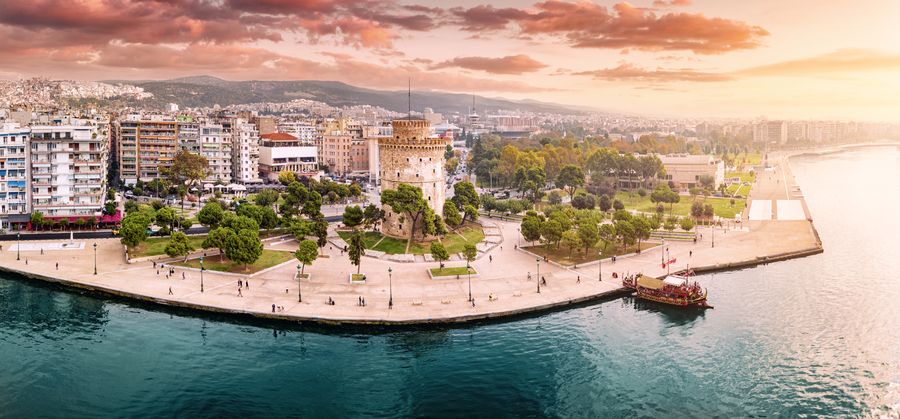
Thessaloniki
Located along the Thermaic Gulf in northern Greece, Thessaloniki is a dynamic city that effortlessly blends ancient history with…
Explore Thessaloniki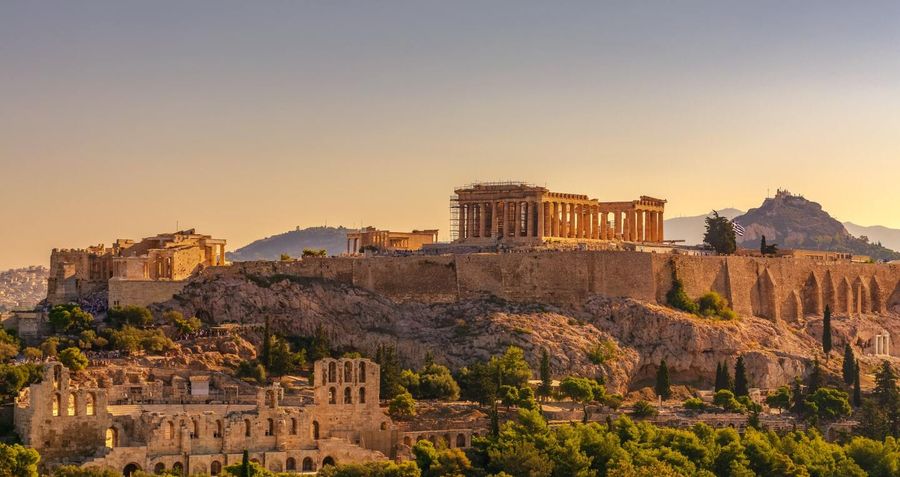
Athens
Athens, the capital of Greece, is a city where ancient history meets modern vibrancy. With its iconic monuments, centuries-old ruins,…
Explore AthensA little context for your exploring.
These original VoyageOwl city stories are preserved from the archive. Historical claims and visitor details remain subject to editorial review. Check attraction opening hours, tickets and access before making plans.
A few good stories. A little room to wander.