
Siena
Nestled among the rolling hills of Tuscany, Siena is a city that exudes charm, history, and culture. Known for its stunning medieval architecture, rich artistic heritage, and…
What brings you
to Siena?
A few good places to begin.
A City Steeped in Historical Significance
Siena’s origins date back to Etruscan times, but it truly rose to prominence during the Middle Ages. By the 12th century, it had become a flourishing…
Siena · Read the storyPiazza del Campo
The Piazza del Campo is the heart of Siena and one of the most beautiful medieval squares in Europe. Its unique shell-shaped design and sloping ground make it…
Siena · Read the storyThe Palio di Siena
The Palio di Siena is more than just a horse race—it’s a centuries-old tradition that represents the heart and soul of the city. Held twice a year in July and…
Siena · Read the storySiena Cathedral (Duomo di Siena)
The Siena Cathedral, or Duomo di Siena, is one of Italy’s most striking Gothic churches. Its black-and-white striped marble façade is stunning, while the…
Siena · Read the storyListen to Siena
Take a listening break with the city’s audio story and full transcript.
Audio & transcriptThe story of Siena
Get to know the city through its history, culture and local traditions.
Read at your own paceA few ways into Siena.
Leave room to discover more.
Piazza del Campo
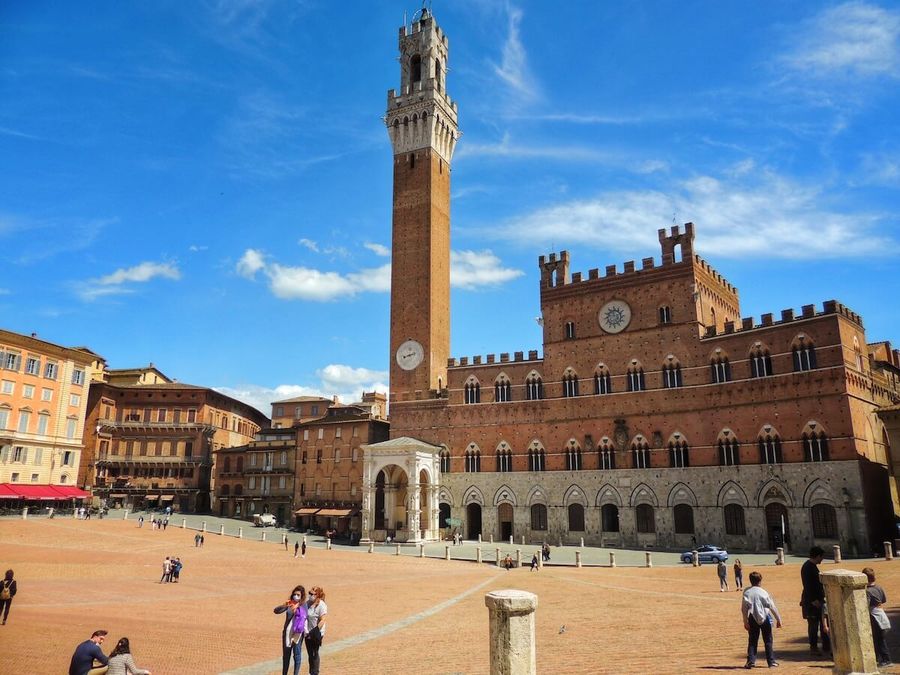
The Piazza del Campo is the heart of Siena and one of the most beautiful medieval squares in Europe. Its unique shell-shaped design and sloping ground make it a striking sight, surrounded by elegant Gothic buildings. The square is dominated by the Torre del Mangia, a…
Discover the storyThe Palio di Siena
The Palio di Siena is more than just a horse race—it’s a centuries-old tradition that represents the heart and soul of the city. Held twice a year in July and August, the Palio pits Siena’s…
Look a little closer 03A story worth stopping forSiena Cathedral (Duomo di Siena)
The Siena Cathedral, or Duomo di Siena, is one of Italy’s most striking Gothic churches. Its black-and-white striped marble façade is stunning, while the interior is adorned with intricate…
Look a little closer 04A story worth stopping forThe Contrade of Siena
Siena’s 17 contrade are more than just districts—they are the beating heart of the city’s social and cultural life. Each contrada has its own emblem, colors, traditions, and history, and…
Look a little closer 05A story worth stopping forThe Historic Streets and Medieval Atmosphere
One of the most unique aspects of Siena is its remarkably well-preserved medieval streets. As you wander through the narrow, winding alleys of the city, you’ll feel as though you’ve stepped…
Look a little closerThe story of Siena.
Set the sceneA little background.
A little background.
Nestled among the rolling hills of Tuscany, Siena is a city that exudes charm, history, and culture. Known for its stunning medieval architecture, rich artistic heritage, and vibrant traditions, Siena is one of Italy’s most captivating cities. Once a powerful rival to Florence, Siena has preserved its medieval character over the centuries, offering visitors a unique glimpse into the past. From its breathtaking Piazza del Campo to the world-famous Palio horse race, Siena is a city that will enchant and inspire anyone who visits.
Behind the postcardA City Steeped in Historical Significance
A City Steeped in Historical Significance
Siena’s origins date back to Etruscan times, but it truly rose to prominence during the Middle Ages. By the 12th century, it had become a flourishing city-state, and its wealth and power grew as a major center of banking and trade. During this period, Siena developed into a cultural and artistic powerhouse, with its citizens commissioning the construction of magnificent palaces, churches, and public squares that still stand today.
One of Siena’s defining moments came in 1260, when its army triumphed over the Florentines in the Battle of Montaperti, cementing its place as a major power in Tuscany. However, the city’s decline began in the late 14th century, following the devastating Black Death and ongoing conflicts with Florence, which eventually absorbed Siena into its territory.
Despite these challenges, Siena has preserved its rich medieval heritage, and today, it is a UNESCO World Heritage Site renowned for its historic beauty and traditions.
Top 5 Unique Characteristics of Siena
Look a little closerPiazza del Campo
Piazza del Campo
The Piazza del Campo is the heart of Siena and one of the most beautiful medieval squares in Europe. Its unique shell-shaped design and sloping ground make it a striking sight, surrounded by elegant Gothic buildings. The square is dominated by the Torre del Mangia, a towering bell tower that offers stunning views of the city and the Tuscan countryside. The Palazzo Pubblico, Siena’s historic town hall, also faces the piazza and houses the Civic Museum, which contains works of art from the city’s golden age. The square is the center of life in Siena and hosts the world-famous Palio di Siena horse race.
Look a little closerThe Palio di Siena
The Palio di Siena
The Palio di Siena is more than just a horse race—it’s a centuries-old tradition that represents the heart and soul of the city. Held twice a year in July and August, the Palio pits Siena’s 17 contrade (districts) against each other in a thrilling race around the Piazza del Campo. The race lasts just 90 seconds, but the excitement and passion that build in the lead-up are palpable throughout the city. The Palio is a true spectacle of color, tradition, and fierce local pride, making it one of the most unique cultural events in the world.
Look a little closerSiena Cathedral (Duomo di Siena)
Siena Cathedral (Duomo di Siena)
The Siena Cathedral, or Duomo di Siena, is one of Italy’s most striking Gothic churches. Its black-and-white striped marble façade is stunning, while the interior is adorned with intricate carvings, mosaics, and sculptures by famous artists such as Michelangelo and Donatello. The cathedral also houses the famous Piccolomini Library, with beautifully preserved frescoes by Pinturicchio. One of the most remarkable features is the mosaic floor, a series of intricate marble inlays that depict biblical scenes and allegories, making it one of the most beautiful floors in Italy.
Look a little closerThe Contrade of Siena
The Contrade of Siena
Siena’s 17 contrade are more than just districts—they are the beating heart of the city’s social and cultural life. Each contrada has its own emblem, colors, traditions, and history, and they are fiercely competitive, particularly when it comes to the Palio. These neighborhoods host their own festivals, events, and celebrations throughout the year, and being part of a contrada is a source of great pride for the Sienese. Visitors can explore the individual contrade, many of which have museums showcasing their Palio victories, flags, and other historical treasures.
Look a little closerThe Historic Streets and Medieval Atmosphere
The Historic Streets and Medieval Atmosphere
One of the most unique aspects of Siena is its remarkably well-preserved medieval streets. As you wander through the narrow, winding alleys of the city, you’ll feel as though you’ve stepped back in time. The city’s buildings retain their Gothic and Romanesque features, and every corner reveals a new architectural treasure, from charming courtyards to beautiful old churches. Unlike many other Italian cities, Siena has retained its medieval atmosphere, offering visitors an authentic glimpse into its storied past.
Behind the postcardSiena Today: A Modern City with Timeless Traditions
Siena Today: A Modern City with Timeless Traditions
Today, Siena is a vibrant city that seamlessly blends its historical significance with modern life. The city is home to a thriving university, one of the oldest in Europe, which keeps the atmosphere youthful and lively. Siena’s culinary scene is also exceptional, with traditional Tuscan dishes like pici pasta, ribollita, and panforte (a local dessert) featured in its many restaurants and trattorias.
Visitors are drawn not only to Siena’s historical landmarks but also to its unique traditions, festivals, and cultural life, which remain an integral part of daily life. Whether you’re admiring the art in its museums or participating in the excitement of the Palio, Siena offers an immersive experience that connects the past with the present.
Behind the postcardFun Facts About Siena
Fun Facts About Siena
The Piazza del Campo is designed to represent the cloak of the Virgin Mary, to whom the city is dedicated.The Palio di Siena dates back to the 17th century, although horse races in Siena have been held since medieval times.Siena is home to one of the oldest banks in the world, Monte dei Paschi di Siena, founded in 1472.Each contrada has its own animal symbol, such as the Eagle, Owl, or Dragon, representing its heritage.The Sienese dialect of Italian is unique and preserves some archaic features from medieval Tuscan.
With its deep-rooted traditions, breathtaking architecture, and vibrant local culture, Siena offers an unforgettable experience for all who visit. Whether you’re exploring its historic streets, cheering at the Palio, or savoring Tuscan cuisine, Siena’s timeless charm will leave a lasting impression.
The city,
in your headphones.
Take a seat, or take a walk. Discover Siena one story at a time.
The stories of Siena
Read the complete audio transcript
Welcome to Voyage Owl’s walking tour of Siena, a city where time seems to stand still. Nestled in the rolling hills of Tuscany, Siena is a city brimming with medieval charm, rich history, and cultural treasures that have enchanted visitors for centuries. Known for its stunning Gothic architecture, narrow winding streets, and the world-famous Palio di Siena horse race, Siena offers an experience like no other in Italy. This is a city where you can wander through ancient alleyways, marvel at towering cathedrals, and sip espresso in one of the most beautiful piazzas in the world, all while soaking in the atmosphere of a place that has changed little since the Middle Ages.
Siena’s story dates back to 900 BC, when the Etruscans settled in the region. However, it was during the Middle Ages that the city truly flourished, becoming a wealthy and powerful city-state that rivaled Florence in both culture and commerce. The Sienese Republic reached its height in the 13th and 14th centuries, a time when the city was filled with merchants, bankers, and artists. Siena was known for its thriving wool trade and banking institutions, which helped fund the construction of many of the city’s most iconic buildings.
The Sienese people are fiercely proud of their city and its traditions, most notably the Palio di Siena, a thrilling horse race that takes place twice a year in the city’s central square. The race is more than just a sporting event; it’s a deeply rooted cultural tradition that dates back to medieval times and reflects the intense rivalry between Siena’s contrade, or districts. Siena is divided into 17 contrade, each with its own distinct identity, mascot, and colors, and the Palio is the ultimate expression of this local pride.
Today, Siena is a UNESCO World Heritage Site, recognized for its extraordinary preservation of medieval architecture and urban planning. The city’s winding streets, steep hills, and historic buildings create a stunning backdrop for visitors, and Siena’s unique character makes it a must-see destination for anyone traveling to Tuscany.
On this walking tour, we’ll explore the highlights of Siena’s old town, from the breathtaking Piazza del Campo to the towering Siena Cathedral. Along the way, we’ll uncover the fascinating stories behind Siena’s most famous landmarks, discover hidden gems, and soak in the city’s vibrant atmosphere. Whether you’re a history buff, an art lover, or simply looking to experience the magic of Tuscany, this tour will show you why Siena is one of the most beloved cities in Italy.
### Stop 1: Piazza del Campo – Siena’s Grand Stage
We begin our tour at the heart of Siena: the stunning Piazza del Campo. Often referred to simply as Il Campo, this unique, shell-shaped square is one of the most beautiful and famous piazzas in Italy. Piazza del Campo is the social, political, and cultural center of Siena, and it has been the gathering place for Sienese citizens since it was paved in the 13th century. Its distinctive sloping design, which resembles a fan or a shell, was deliberately chosen to funnel water into the square’s center, where the Fonte Gaia, a beautiful marble fountain, stands.
The square is surrounded by a harmonious ensemble of medieval buildings, many of which were once the palazzi of wealthy Sienese families. The most striking building in the square is the Palazzo Pubblico, Siena’s town hall. The Palazzo Pubblico, with its iconic Torre del Mangia rising above, dominates the square and is one of the finest examples of Gothic civic architecture in Italy. The 102-meter-tall Torre del Mangia was completed in 1348 and remains one of the tallest towers in Italy. If you’re up for a challenge, you can climb its 400+ steps for a panoramic view of the city and the surrounding Tuscan countryside. Trust me, the view is worth the effort!
Piazza del Campo is not just a picturesque square; it’s also home to one of the most thrilling events in Italy: the Palio di Siena. Held twice a year, on July 2 and August 16, the Palio is a bareback horse race that has been run here since at least the 17th century, though its roots go back even further. The race is a fast-paced, adrenaline-filled spectacle, where 10 of the 17 contrade (districts) compete for the coveted Drappellone, a large painted banner that serves as the race’s prize. The Palio is a fierce competition, and the excitement in the square during the race is electric. Even if you’re not visiting during the Palio, the stories of this race, its rivalries, and the passion it stirs are deeply woven into the fabric of Siena.
As you walk around the square, be sure to admire the Fonte Gaia, a beautifully carved marble fountain that has been a central feature of Piazza del Campo since 1419. The fountain’s name, which translates to “Fountain of Joy,” reflects the happiness it brought to the city when it was first built as part of Siena’s advanced public water system. The current fountain is a replica of the original, which was created by the sculptor Jacopo della Quercia. His original work is now preserved in the Santa Maria della Scala Museum to protect it from the elements.
Before we move on, take a moment to sit at one of the cafes that line the piazza. Order a cappuccino, relax, and watch the world go by. Piazza del Campo is one of the best places in Italy to people-watch, and the view of the medieval buildings and the lively atmosphere of the square will transport you back in time.
### Stop 2: Palazzo Pubblico – Siena’s Seat of Power
Our next stop is the Palazzo Pubblico, Siena’s historic town hall and one of the city’s most important civic buildings. Construction on the Palazzo Pubblico began in 1297, during the height of Siena’s prosperity as a powerful city-state. The building was designed to reflect the grandeur and authority of the Sienese Republic, and its Gothic architecture is a testament to the wealth and influence that Siena wielded during the Middle Ages.
The Palazzo Pubblico is not only an architectural gem but also home to the Civic Museum (Museo Civico), which houses some of Siena’s most important works of art. As you enter the museum, you’ll be transported into the world of medieval Siena, where art and politics were closely intertwined. The walls of the Sala del Consiglio, the council chamber where the city’s government once met, are adorned with frescoes that reflect Siena’s political ideals and its vision of good governance.
One of the most famous works in the museum is Ambrogio Lorenzetti’s fresco cycle, the Allegory of Good and Bad Government, located in the Sala dei Nove (Hall of the Nine). Painted between 1338 and 1339, this extraordinary work of art is not only a stunning example of Gothic painting but also a political statement. The fresco depicts the effects of good and bad governance on both the city and the countryside. On one side, we see a prosperous city and peaceful countryside, where trade, agriculture, and culture thrive under the rule of a just government. On the opposite side, a city in chaos and a landscape of war and destruction reflect the consequences of tyranny and corruption. Lorenzetti’s fresco is a powerful reminder of the importance of good leadership, and its message remains relevant even today.
In addition to Lorenzetti’s frescoes, the museum also features works by Simone Martini and other prominent Sienese artists of the Trecento. Martini’s fresco of Guidoriccio da Fogliano, a Sienese military leader, is one of the most iconic images of medieval chivalry, capturing the spirit of Siena’s warrior ethos.
Before you leave the Palazzo Pubblico, be sure to explore the courtyard, which is a peaceful oasis in the heart of the city. The courtyard is surrounded by Gothic arches and offers a lovely view of the Torre del Mangia towering above. It’s a perfect spot to take a breather and reflect on the history and artistry that fills this magnificent building.
### Stop 3: Siena Cathedral (Duomo di Siena) – A Gothic Masterpiece
Just a short walk from Piazza del Campo, we arrive at the Siena Cathedral (Duomo di Siena), one of the most stunning examples of Italian Gothic architecture in the world. The cathedral, dedicated to the Assumption of the Virgin Mary, is a breathtaking work of art, both inside and out. Its striking black-and-white striped facade is a symbol of Siena’s pride and ambition, while the cathedral’s interior is a treasure trove of art and history.
The construction of the Siena Cathedral began in 1196, and over the next two centuries, it grew into one of the most beautiful and ornate cathedrals in Italy. The exterior, designed by Giovanni Pisano, is a masterpiece of Gothic design, with intricate sculptures, marble inlays, and a rose window that casts colorful light into the interior of the church. The black-and-white marble stripes that adorn the facade are a nod to Siena’s coat of arms, and they also reflect the city’s rivalry with Florence, whose cathedral is known for its pink, green, and white marble.
As you step inside the cathedral, you’ll be greeted by the awe-inspiring striped columns that line the nave, creating a sense of grandeur and rhythm that draws your eye upward toward the vaulted ceiling. The alternating black and white stripes of the columns are a recurring motif throughout the cathedral, symbolizing the colors of Siena’s coat of arms. The Siena Cathedral’s interior is a breathtaking display of Gothic artistry, with every corner filled with intricate details and works of art that reflect the city’s deep devotion to both faith and beauty.
One of the first things you’ll notice as you walk through the cathedral is the mosaic floor, which is often considered one of the most elaborate and beautiful floors in the world. The floor is made up of 56 intricate panels, each depicting biblical scenes, allegories, and symbols, crafted using inlaid marble. These panels were created by different artists over a span of 200 years, and their detail and artistry are simply astounding. The most famous panels include the Sibyls, prophets from ancient mythology, and scenes from the Old Testament such as the Sacrifice of Isaac.
As you continue to explore the interior, be sure to visit the Piccolomini Library, a stunning room within the cathedral that houses a collection of beautifully illuminated manuscripts. The library is named after Pope Pius II (born Enea Silvio Piccolomini in Siena), and its walls are adorned with frescoes by the Renaissance artist Pinturicchio, depicting scenes from the pope’s life. The vibrant colors of the frescoes, along with the detailed manuscript illuminations on display, make this library a feast for the eyes and a must-see for art lovers.
Another highlight of the cathedral is the Bernini Chapel, which contains works by the famous sculptor Gian Lorenzo Bernini, one of the most prominent figures of the Italian Baroque period. The chapel’s ornate design and Bernini’s exquisite sculptures make it a fitting tribute to the artistic legacy of Siena.
Before you leave, make sure to visit the cathedral’s baptistery, located below the main church. The baptistery is home to the stunning Baptismal Font, which was designed by some of the greatest artists of the Italian Renaissance, including Donatello, Ghiberti, and Jacopo della Quercia. The font is a six-sided basin made of marble and bronze, adorned with reliefs that depict scenes from the life of John the Baptist. The craftsmanship of the font is extraordinary, and it’s considered one of the finest examples of Renaissance sculpture in Italy.
If you’re feeling adventurous, don’t miss the opportunity to climb to the top of the Facciatone, the unfinished facade of what was supposed to be a much larger cathedral. The views from the top are absolutely stunning, offering a panoramic view of Siena’s rooftops, the Tuscan countryside, and the city’s medieval streets below. It’s the perfect way to end your visit to the Siena Cathedral, taking in the beauty of the city from above.
### Stop 4: Santa Maria della Scala – From Hospital to Museum
Just across the square from the Siena Cathedral is Santa Maria della Scala, one of the oldest hospitals in Europe and now a fascinating museum complex. Founded in the 9th century, Santa Maria della Scala served as a hospital for pilgrims, the sick, and the poor for nearly a thousand years. Its location along the Via Francigena, a major medieval pilgrimage route, made it a key stop for travelers on their way to Rome. Today, Santa Maria della Scala has been transformed into a museum that offers a unique glimpse into Siena’s medieval and Renaissance past.
As you explore the museum, you’ll walk through the hospital’s ancient halls, some of which are adorned with beautiful frescoes that depict scenes of charity and care. One of the highlights is the Pellegrinaio, or Pilgrims’ Hall, which was used to house travelers and patients. The walls of the hall are covered with frescoes that tell the story of the hospital’s founding and its role in caring for the needy. The frescoes, painted by Domenico di Bartolo and other Sienese artists in the 15th century, provide a fascinating look at daily life in medieval Siena and the values of charity and compassion that were central to the city’s identity.
In addition to its role as a hospital, Santa Maria della Scala was also an important center of art and culture. The complex includes chapels and oratories filled with religious art, including works by Lorenzo di Pietro, known as Vecchietta, and Giovanni di Paolo, two of Siena’s most renowned painters. The museum also houses a collection of Etruscan artifacts, offering a glimpse into the ancient history of the region long before Siena became a medieval powerhouse.
One of the most intriguing parts of Santa Maria della Scala is its underground tunnels and vaults, which were once used to store supplies and house patients. As you wander through these dimly lit passageways, you’ll get a sense of the scale and complexity of the hospital’s operations during its heyday. The tunnels also house exhibits on Siena’s water systems and the Fonte Gaia, providing insight into how the city managed its precious resources.
Before you leave Santa Maria della Scala, be sure to visit the museum’s rooftop terrace, which offers stunning views of the Siena Cathedral and the surrounding city. It’s a peaceful spot to pause and take in the beauty of Siena from above, surrounded by centuries of history.
### Stop 5: The Baptistery of San Giovanni – A Renaissance Treasure
Our next stop takes us to the Baptistery of San Giovanni, located just below the Siena Cathedral. The baptistery, built in the early 14th century, is another masterpiece of Gothic architecture and is dedicated to St. John the Baptist, the patron saint of the city. The exterior of the baptistery is decorated with alternating layers of black and white marble, mirroring the design of the cathedral above.
As you step inside, you’ll be greeted by one of the most stunning examples of Renaissance sculpture in Italy: the Baptismal Font, which was designed by a team of renowned artists, including Donatello, Lorenzo Ghiberti, and Jacopo della Quercia. The font is a six-sided basin made of marble and bronze, and each side is adorned with reliefs that depict scenes from the life of John the Baptist, including his birth, his preaching, and his baptism of Jesus. The level of detail in these reliefs is extraordinary, and they offer a perfect example of the artistic skill and innovation of the early Renaissance.
The baptistery’s ceiling is covered with beautiful frescoes that depict religious scenes, angels, and saints, adding to the sense of reverence and grandeur within the space. The frescoes, painted by Lorenzo di Pietro, add vibrant color and life to the interior, complementing the marble and bronze works below.
After exploring the baptistery, take a moment to step outside and admire the views of the city from the baptistery’s terrace. From here, you can see the Piazza del Duomo below and the medieval streets of Siena stretching out into the distance. It’s a perfect spot to take in the city’s Gothic splendor before continuing your exploration.
### Stop 6: San Domenico Basilica – The Church of St. Catherine
A short walk from the cathedral brings us to the Basilica of San Domenico, a large and imposing Gothic church that holds a special place in the hearts of Sienese citizens. Built in the 13th century, San Domenico is dedicated to St. Catherine of Siena, one of the city’s most beloved saints and a figure of great importance in the Catholic Church.
St. Catherine was born in Siena in 1347 and is remembered for her deep religious devotion and her role as a mediator between the papacy and the Italian city-states during the 14th century. She is one of the few women to have been named a Doctor of the Church, and her influence extends far beyond Siena.
The basilica itself is a beautiful example of Italian Gothic architecture, with its red-brick facade and simple, austere design. As you step inside, you’ll find several chapels dedicated to St. Catherine, including the Cappella di Santa Caterina, which houses some of her most important relics. The most famous relic is St. Catherine’s head, which is enshrined in a silver reliquary above the altar. While it might seem a bit morbid to modern visitors, the relics of saints were highly venerated in the Middle Ages, and St. Catherine’s remains continue to be an important symbol of faith for the people of Siena.
The basilica also contains several important frescoes and paintings that depict scenes from St. Catherine’s life, including her mystical visions and her efforts to bring peace to a divided Italy. These works, created by Sienese artists, reflect the city’s deep admiration for St. Catherine and its pride in her legacy.
Before you leave, take a moment to admire the views of Siena from the basilica’s terrace. The basilica is located on a hill, and from here, you’ll have a stunning view of the Siena Cathedral and the city’s red-tiled rooftops. It’s a peaceful and contemplative spot, perfect for reflecting on the spiritual and artistic heritage of Siena.
### Stop 7: The Contrade – Discovering Siena’s Unique Neighborhoods
As we continue our tour, it’s time to explore one of the most unique aspects of Siena: its contrade. Siena is divided into 17 contrade, or districts, each with its own distinct identity, mascot, and colors. The contrade are more than just neighborhoods; they are the heart and soul of the city, each with a deep sense of community, history, and pride. The contrade play an integral role in the life of every Sienese citizen, and their importance becomes especially visible during the annual Palio di Siena, the famous horse race held in Piazza del Campo.
Each contrada has its own mascot, such as the Giraffe, Goose, Eagle, or Tortoise, and these symbols can be seen throughout the city, displayed on flags, banners, and even on buildings. The rivalry between the contrade is friendly yet fierce, particularly when it comes to the Palio. The race is not just about winning a trophy—it’s about the honor of the contrada, and the intense competition between them is palpable throughout the year.
To get a real sense of Siena’s contrade culture, take some time to wander through the different districts. As you explore, you’ll see each contrada’s distinct colors and symbols adorning the streets, especially if you’re visiting close to the Palio. Some contrade have small museums, known as musei di contrada, where you can learn more about the history of the neighborhood, see the ceremonial costumes worn during the Palio, and view the drappelloni—the silk banners awarded to the winning contrada in the race.
One of the best ways to experience the contrade is to visit during the preparations for the Palio, when the excitement builds, and the streets come alive with parades, flag-waving, and traditional songs. Each contrada has its own rituals and celebrations, and you may even be lucky enough to witness a contrada dinner, where the entire neighborhood gathers for a communal meal to celebrate their shared heritage and prepare for the upcoming race.
As you explore the contrade, don’t be shy about asking locals about their district’s history. The Sienese people are incredibly proud of their contrade and are often more than happy to share stories of past Palios, victories, and rivalries. This deep sense of belonging and community is what makes Siena so special, and it’s something you’ll feel as you walk through its streets.
### Stop 8: The Medicea Fortress – A Place of History and Relaxation
Our next stop takes us just outside the historic center of Siena to the Fortezza Medicea, a fortress built in the 16th century by Cosimo I de’ Medici, the powerful ruler of Florence. The fortress was constructed after Florence’s victory over Siena in the 1555 Battle of Marciano, marking the end of the independent Sienese Republic and the city’s absorption into the Grand Duchy of Tuscany.
The fortress was originally designed to maintain control over Siena and prevent any uprisings, but today, it’s a peaceful and green space where locals and visitors alike come to relax, take a stroll, or enjoy a glass of wine from the nearby Enoteca Italiana, which is housed within the fortress walls.
The Medicean Fortress is a great place to unwind after exploring the city’s bustling streets. Its wide, tree-lined walkways offer stunning views of Siena’s old town, as well as the surrounding Tuscan countryside. From the top of the fortress walls, you can look out over the city’s medieval towers, churches, and the Siena Cathedral, while also getting a glimpse of the rolling hills that make this region so famous.
Inside the fortress, you’ll find the Enoteca Italiana, a national wine cellar that celebrates the best of Italian winemaking. The Enoteca offers tastings of wines from all over Italy, but since we’re in Tuscany, it’s the perfect opportunity to try some of the region’s famous wines, such as Chianti, Brunello di Montalcino, and Vernaccia di San Gimignano. Wine lovers will delight in the selection, and it’s a great way to sample some of the local flavors that have made Tuscany a world-renowned wine region.
If you visit in the summer, the fortress often hosts outdoor concerts, cultural events, and food festivals, adding a lively atmosphere to this historical site. It’s a wonderful spot to experience a more modern side of Siena while still surrounded by centuries of history.
### Stop 9: San Francesco Basilica – Gothic Splendor and the Relics of Siena’s Past
Our next stop takes us to the Basilica of San Francesco, a Gothic masterpiece that has long been an important center of religious life in Siena. Built between the 13th and 14th centuries, the basilica is dedicated to St. Francis of Assisi and reflects the influence of the Franciscan Order in the city.
The basilica’s austere, red-brick exterior contrasts with the ornate Gothic style found in other Sienese churches, but its simplicity is part of its charm. The interior, however, holds many treasures, including stunning frescoes, ancient relics, and important works of art.
One of the most fascinating aspects of the Basilica of San Francesco is its connection to Siena’s medieval banking history. In the Cappella delle Volte, you’ll find frescoes that depict scenes related to Siena’s early banking practices, including the management of money and trade. These frescoes provide a unique glimpse into the city’s economic history and the role that faith and commerce played in shaping Siena’s development.
The basilica is also home to the Relics of the Holy Hosts, which have been kept in the church since 1730. According to local tradition, a group of consecrated hosts was stolen from the basilica but later miraculously recovered. The relics remain one of Siena’s most important religious artifacts, and many pilgrims visit the basilica to venerate them.
After visiting the basilica, take a moment to stroll through the peaceful Piazza San Francesco, which offers a quiet escape from the busier parts of the city. The piazza is a lovely spot to sit and enjoy the tranquility of this historic corner of Siena.
### Stop 10: Orto de’ Pecci – A Hidden Garden Oasis
For our final stop, we’ll visit one of Siena’s best-kept secrets: the Orto de’ Pecci, a charming garden nestled just a short walk from the city’s bustling center. This hidden gem is located in a valley just below the Piazza del Mercato, and it offers a peaceful retreat from the medieval streets of the city.
The Orto de’ Pecci has a long history as a communal garden, dating back to medieval times when it was used to grow vegetables for the city’s residents. Today, it remains a functioning garden, with rows of vegetables, herbs, and fruit trees that are tended to by local farmers. The garden is also home to a small petting zoo with donkeys, goats, and rabbits, making it a fun stop for families with children.
As you explore the garden, you’ll be treated to stunning views of Siena’s skyline, with the towers and rooftops of the old town rising above you. The Torre del Mangia and the Siena Cathedral are both visible from the garden, creating a picture-perfect backdrop for your visit.
The Orto de’ Pecci is a great place to relax, have a picnic, or enjoy a leisurely lunch at the on-site restaurant, which serves traditional Tuscan dishes made with fresh, locally sourced ingredients. It’s a peaceful spot to reflect on your journey through Siena and soak in the beauty of the surrounding landscape.
The garden is often less crowded than other parts of the city, so it’s the perfect place to escape the hustle and bustle and enjoy a moment of tranquility. Whether you’re a nature lover, a history enthusiast, or simply looking for a peaceful spot to unwind, the Orto de’ Pecci is a hidden gem that’s not to be missed.
### Conclusion: Siena – A Timeless Journey Through History and Culture
As our walking tour of Siena comes to a close, I hope you’ve discovered the magic and charm that make this city such a special place. From the grandeur of Piazza del Campo to the quiet beauty of the Orto de’ Pecci, Siena is a city that offers something for every traveler. Its rich history, stunning architecture, and deep-rooted traditions create a tapestry of experiences that make it one of the most enchanting destinations in Italy.
Whether you’re marveling at the art and architecture of the Siena Cathedral, wandering through the narrow streets of the contrade, or sipping wine in the Medicean Fortress, Siena invites you to step back in time and experience the vibrant culture that has defined the city for centuries.
Siena is more than just a city—it’s a living museum, a celebration of history, art, and tradition. As you continue your journey through Tuscany, I encourage you to take a piece of Siena’s spirit with you, whether it’s the memory of a stunning view, a taste of its famous panforte (a traditional Sienese fruitcake), or the stories of its medieval past.
Thank you for joining me on this walking tour of Siena, and I hope you leave with a deeper appreciation for this beautiful city and its timeless charm. Whether it’s your first visit or your fiftieth, Siena will always have something new to discover.
To listen to more amazing audio tours of cities around the world check out our other guides at voyageowl.com.
Another place, another story.
Turin
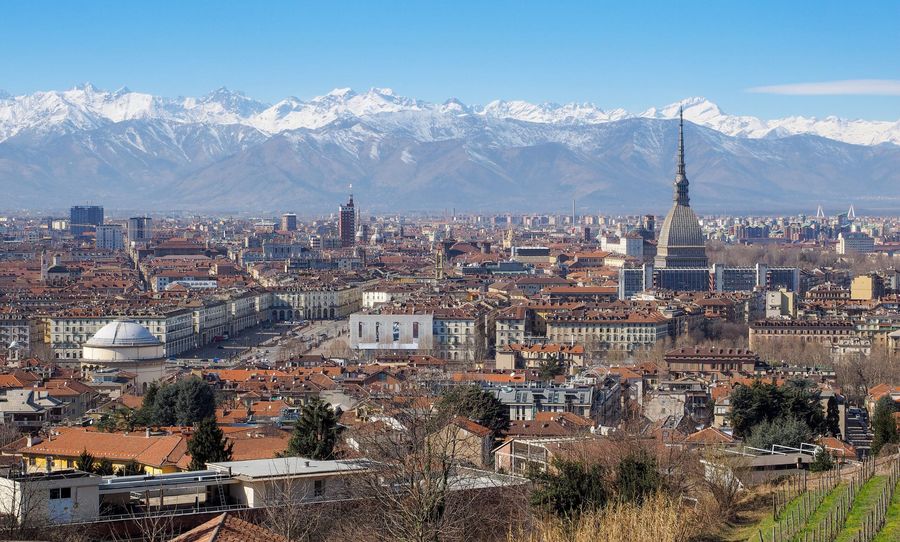
Turin, or Torino in Italian, is a city steeped in history, culture, and elegance. Located in the Piedmont region of northern Italy,…
Explore Turin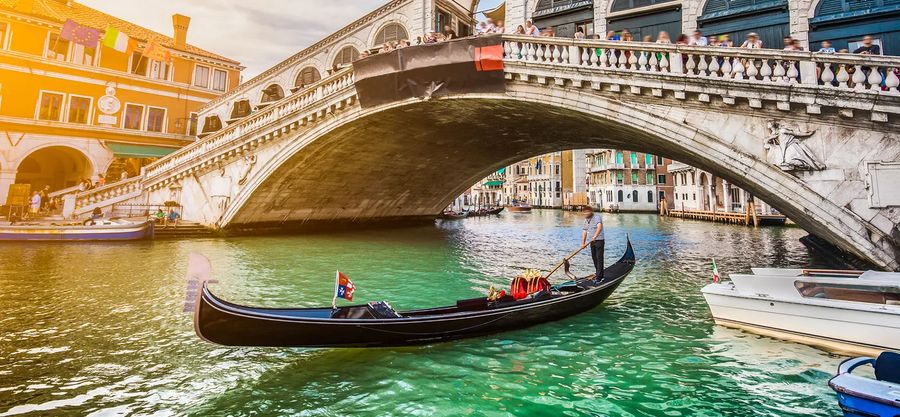
Venice
Venice, often referred to as La Serenissima (the most serene), is one of the world’s most magical cities. Famous for its network of…
Explore VeniceA little context for your exploring.
These original VoyageOwl city stories are preserved from the archive. Historical claims and visitor details remain subject to editorial review. Check attraction opening hours, tickets and access before making plans.
A few good stories. A little room to wander.