
St. Moritz
High in the stunning Engadin Valley, surrounded by pristine lakes and towering peaks, lies St. Moritz—one of the world’s most glamorous and exclusive mountain resorts. Known…
What brings you
to St. Moritz?
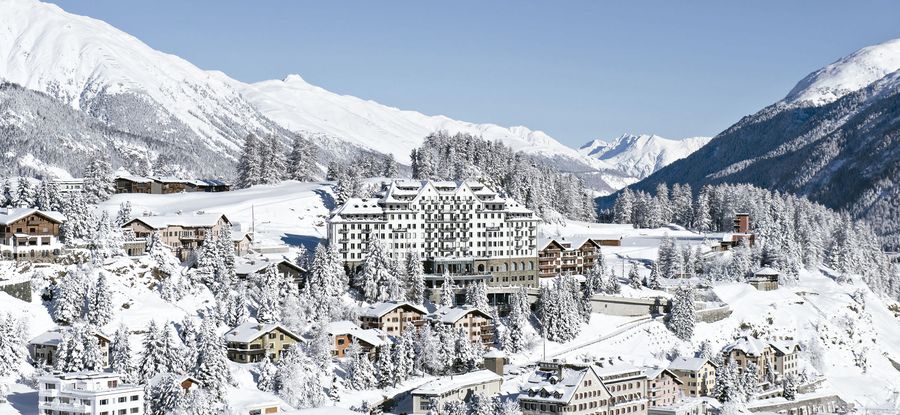
A few good places to begin.
Olympic Legacy and Winter Sports
St. Moritz is a cradle of winter sports, having hosted the Winter Olympics twice, as well as numerous world championships in sports like skiing, bobsleigh, and…
St. Moritz · Read the storyThe St. Moritz "Champagne Climate"
St. Moritz is known for its so-called “champagne climate,” a term used to describe its unique weather conditions. With more than 300 days of sunshine each…
St. Moritz · Read the storyThe Engadin Lakes and Summer Activities
While St. Moritz is world-famous for winter sports, it’s also a magical summer destination. The area is home to a chain of lakes, including Lake St. Moritz,…
St. Moritz · Read the storyLuxury and High-End Shopping
As a symbol of elegance and exclusivity, St. Moritz is a shopping paradise for those seeking luxury brands and designer boutiques. Via Serlas, often called the…
St. Moritz · Read the storyListen to St. Moritz
Take a listening break with the city’s audio story and full transcript.
Audio & transcriptThe story of St. Moritz
Get to know the city through its history, culture and local traditions.
Read at your own paceA few ways into St. Moritz.
Leave room to discover more.
Olympic Legacy and Winter Sports
St. Moritz is a cradle of winter sports, having hosted the Winter Olympics twice, as well as numerous world championships in sports like skiing, bobsleigh, and ice skating. The famous Cresta Run, a natural ice skeleton track, remains a top draw for adrenaline junkies.…
Discover the storyThe St. Moritz "Champagne Climate"
St. Moritz is known for its so-called “champagne climate,” a term used to describe its unique weather conditions. With more than 300 days of sunshine each year, the dry, crisp mountain air…
Look a little closer 03A story worth stopping forThe Engadin Lakes and Summer Activities
While St. Moritz is world-famous for winter sports, it’s also a magical summer destination. The area is home to a chain of lakes, including Lake St. Moritz, which transforms into a hotspot…
Look a little closer 04A story worth stopping forLuxury and High-End Shopping
As a symbol of elegance and exclusivity, St. Moritz is a shopping paradise for those seeking luxury brands and designer boutiques. Via Serlas, often called the world’s highest shopping…
Look a little closer 05A story worth stopping forCultural Events and Festivals
St. Moritz hosts an impressive array of cultural events and festivals, adding vibrancy to its serene setting. Among the most famous is the White Turf horse races held every February on the…
Look a little closerThe story of St. Moritz.
Set the sceneA little background.
A little background.
High in the stunning Engadin Valley, surrounded by pristine lakes and towering peaks, lies St. Moritz—one of the world’s most glamorous and exclusive mountain resorts. Known for its luxurious lifestyle, world-class ski slopes, and rich history, St. Moritz has long been a playground for the international jet set. But beyond its glitz and glam, St. Moritz boasts a fascinating history and an abundance of outdoor activities that attract both adventure seekers and those in search of Alpine serenity.
St. Moritz’s story began over 3,000 years ago, when it was first recognized for its healing mineral springs. The area became a spa destination as early as the Middle Ages, and by the 19th century, its reputation as a health resort attracted visitors from across Europe. In 1864, a local hotelier, Johannes Badrutt, made a bold wager with his summer guests: return in winter, and if they didn’t enjoy the snowy beauty of the region, their stay would be free. That gamble paid off, giving birth to the concept of winter tourism.
By the early 20th century, St. Moritz had cemented itself as a premier winter resort, hosting two Winter Olympics—in 1928 and 1948—and developing into a center for high-society gatherings, sports, and luxurious alpine living. Today, St. Moritz is synonymous with elegance, attracting royalty, celebrities, and world-class athletes.
Top 5 Unique Characteristics of St. Moritz
Look a little closerOlympic Legacy and Winter Sports
Olympic Legacy and Winter Sports
St. Moritz is a cradle of winter sports, having hosted the Winter Olympics twice, as well as numerous world championships in sports like skiing, bobsleigh, and ice skating. The famous Cresta Run, a natural ice skeleton track, remains a top draw for adrenaline junkies. Additionally, the resort’s 350 kilometers of ski slopes, groomed to perfection, make it one of the best ski destinations in the world. St. Moritz’s high-altitude location ensures fantastic snow conditions and sunshine throughout the winter, providing an idyllic playground for skiing, snowboarding, and more.
Look a little closerThe St. Moritz "Champagne Climate"
The St. Moritz "Champagne Climate"
St. Moritz is known for its so-called “champagne climate,” a term used to describe its unique weather conditions. With more than 300 days of sunshine each year, the dry, crisp mountain air and bright blue skies are a refreshing feature of the region. This rare climate not only draws winter sports enthusiasts but also makes summer equally enjoyable, with perfect conditions for hiking, biking, and watersports on the nearby lakes.
Look a little closerThe Engadin Lakes and Summer Activities
The Engadin Lakes and Summer Activities
While St. Moritz is world-famous for winter sports, it’s also a magical summer destination. The area is home to a chain of lakes, including Lake St. Moritz, which transforms into a hotspot for sailing, windsurfing, and swimming during the warmer months. The surrounding Engadin Valley offers a network of scenic hiking trails and mountain biking routes, perfect for outdoor enthusiasts. From the serene lakeside walks to more challenging hikes that lead to panoramic mountain vistas, the summer landscapes of St. Moritz are nothing short of spectacular.
Look a little closerLuxury and High-End Shopping
Luxury and High-End Shopping
As a symbol of elegance and exclusivity, St. Moritz is a shopping paradise for those seeking luxury brands and designer boutiques. Via Serlas, often called the world’s highest shopping street, offers everything from Swiss watches and jewelry to the latest fashion from top designers. Along with luxury shopping, visitors can enjoy Michelin-starred dining, five-star hotels, and renowned spas, adding a layer of indulgence to their alpine escape. Whether you're after gourmet meals, luxury accommodations, or the finest winter apparel, St. Moritz is the epitome of refined living.
Look a little closerCultural Events and Festivals
Cultural Events and Festivals
St. Moritz hosts an impressive array of cultural events and festivals, adding vibrancy to its serene setting. Among the most famous is the White Turf horse races held every February on the frozen surface of Lake St. Moritz, drawing an international crowd. The Snow Polo World Cup is another prestigious event, combining the excitement of polo with the unique conditions of a frozen lake. During the summer, the Festival da Jazz transforms the town into a lively music destination, with intimate concerts held in venues ranging from outdoor stages to cozy mountain lodges.
Behind the postcardSt. Moritz Today: Where Elegance Meets Adventure
St. Moritz Today: Where Elegance Meets Adventure
Today, St. Moritz continues to be one of the world’s top luxury destinations, attracting a blend of outdoor enthusiasts, high-society travelers, and culture lovers. Its unparalleled combination of natural beauty, top-tier sports facilities, and luxury lifestyle make it a year-round destination for the discerning traveler. Beyond the winter sports and luxury, St. Moritz offers wellness retreats, high-altitude training, and eco-friendly tourism initiatives, ensuring that its natural beauty is preserved for future generations.
Visitors can enjoy a mix of adrenaline-pumping activities and serene relaxation, from skiing and paragliding to soaking in world-class spas and savoring fine dining experiences.
Behind the postcardFun Facts About St. Moritz
Fun Facts About St. Moritz
St. Moritz hosted the first electric light in Switzerland in 1878 and had Europe’s first ski school in 1929.The frozen Lake St. Moritz is not just for walking or skating—it hosts unique events like snow polo, cricket, and the famous White Turf horse races.The term “champagne climate” was coined in St. Moritz, referring to the town’s sparkling weather and crisp air.The St. Moritz bob run is the world’s only natural ice bobsleigh track, built entirely by hand each winter.The region is home to the Bernina Express, a scenic train route that’s a UNESCO World Heritage site and offers jaw-dropping views of the Alps.
Whether you’re drawn to St. Moritz for its opulent lifestyle, thrilling sports, or breathtaking landscapes, this Alpine jewel offers an unforgettable blend of adventure and luxury. From its historical significance to its modern-day glamour, St. Moritz remains one of Switzerland’s most iconic destinations.
The city,
in your headphones.
Take a seat, or take a walk. Discover St. Moritz one story at a time.
The stories of St. Moritz
Read the complete audio transcript
Welcome to Voyage Owl’s walking tour of St. Moritz, one of the most glamorous and famous ski resorts in the world, nestled in the heart of the Swiss Alps. St. Moritz is a place where natural beauty meets luxury, and where winter sports, high-end shopping, and fine dining all come together in a perfect Alpine package. This chic mountain town, located in the Engadine Valley, is synonymous with elegance and exclusivity, having been a magnet for royalty, celebrities, and jet-setters for well over a century.
But St. Moritz is more than just a playground for the rich and famous. Its history stretches back more than 3,000 years, with roots as a spa town that attracted visitors to its healing mineral springs. Today, it’s famous not only for its posh atmosphere but also for its world-class ski slopes, being the birthplace of Alpine winter tourism, and for hosting the Winter Olympics twice, in 1928 and 1948. Beyond winter sports, St. Moritz offers year-round activities, from summer hiking and sailing to art festivals and culinary delights.
The town itself is a charming blend of old-world Alpine architecture and modern luxury. As you stroll through its streets, you’ll see five-star hotels, designer boutiques, and cozy Swiss chalets all nestled against a backdrop of snow-capped peaks and glittering lakes. Whether you’re here to hit the slopes, soak up the culture, or simply enjoy the stunning scenery, St. Moritz offers an experience like no other.
This walking tour will take you through the best of St. Moritz, exploring its history, iconic landmarks, and hidden gems. You’ll discover how a small Swiss village became one of the most famous and exclusive winter resorts in the world. So, grab your walking shoes (or maybe your ski boots!), and let’s start our journey through this fascinating Alpine town.
### Stop 1: Lake St. Moritz – The Heart of the Town
We’ll begin our tour at Lake St. Moritz, the shimmering centerpiece of this mountain town. Set against the stunning backdrop of the Swiss Alps, the lake offers picture-perfect views year-round. In the summer, its calm waters reflect the surrounding mountains, creating a peaceful, almost surreal atmosphere. But it’s in winter that Lake St. Moritz truly transforms, freezing over completely and becoming the stage for some of the town’s most famous events.
One of the most exciting winter activities on the lake is White Turf, a series of horse races held on the frozen surface of the lake every February. White Turf is no ordinary horse race—it’s a glamorous event where spectators don their finest fur coats and sip champagne as they watch thoroughbreds race across the ice. The event dates back to 1907 and has become a symbol of St. Moritz’s unique blend of sport and luxury. Another exhilarating event held on the frozen lake is skijoring, where skiers are pulled behind galloping horses—a tradition that’s as thrilling to watch as it is to participate in.
In the warmer months, Lake St. Moritz offers a more tranquil experience. You’ll see sailboats gliding across the water, kayakers paddling along the shore, and walkers enjoying the scenic paths that circle the lake. The lakefront promenade is a perfect spot to start your exploration of St. Moritz, with benches where you can sit and take in the panoramic views or simply enjoy the fresh mountain air.
Legend has it that Johannes Badrutt, the pioneer of winter tourism in St. Moritz, made a wager with his British summer guests in the 1860s. He promised them that they could enjoy sunny, snow-filled winters in St. Moritz without freezing, and if they didn’t, he’d cover their travel costs. His gamble paid off—those guests returned year after year, and winter tourism was born. Standing by the lake, you can imagine those early tourists marveling at the crisp winter days, just as people still do today.
### Stop 2: Badrutt’s Palace Hotel – A Symbol of Elegance and Luxury
From the lake, we’ll take a short walk up to Badrutt’s Palace Hotel, one of the most iconic landmarks in St. Moritz and a symbol of the town’s longstanding reputation for luxury and exclusivity. Built in 1896 by Caspar Badrutt, the son of Johannes Badrutt, the hotel has hosted royalty, celebrities, and the world’s elite for over a century. Stepping inside Badrutt’s Palace feels like stepping back in time, to an era when opulent hotels were the playgrounds of kings and queens.
The hotel’s striking neo-Gothic architecture, with its distinctive towers and turrets, stands out against the Alpine landscape. As you enter the lobby, you’re greeted by plush carpets, glittering chandeliers, and impeccable service that has made Badrutt’s Palace a favorite among the rich and famous. Over the years, the hotel has hosted an impressive roster of celebrities, including Charlie Chaplin, Audrey Hepburn, and Alfred Hitchcock (who was a frequent guest and even claimed to have gotten inspiration for some of his films while staying here).
But beyond its glamorous guest list, Badrutt’s Palace is also steeped in history. It was one of the first hotels in the world to introduce electric lighting, and its famous Chesa Veglia restaurant, housed in a 17th-century farmhouse, offers a delightful blend of Swiss tradition and international cuisine.
One of the hotel’s most iconic features is its terrace, which offers stunning views of Lake St. Moritz and the surrounding mountains. In winter, guests sip hot chocolate while watching skiers glide down the nearby slopes, and in summer, the terrace is the perfect spot for an alfresco lunch. Even if you’re not staying at the hotel, it’s worth stopping by for a coffee or a cocktail at the Palace Bar, where you can soak up the elegance and history of this legendary establishment.
### Stop 3: Chesa Futura – A Glimpse into St. Moritz’s Architectural Future
As we leave the grandeur of Badrutt’s Palace behind, we’ll take a short walk to one of St. Moritz’s most striking modern buildings: Chesa Futura. Designed by the renowned British architect Norman Foster, Chesa Futura is a bold and futuristic departure from the traditional Alpine architecture that dominates St. Moritz.
Completed in 2004, Chesa Futura is a residential building that looks like something out of a science fiction movie. Its round, bulbous shape, clad entirely in larch wood shingles, stands out against the surrounding mountains. Foster designed the building to blend modern design with traditional materials, and the result is a structure that feels both cutting-edge and deeply rooted in its environment.
The name Chesa Futura means "house of the future," and the building is a testament to the innovative spirit of St. Moritz. The wood shingles, which will weather naturally over time, are meant to reflect the changing landscape, while the large, curved windows offer panoramic views of the Engadine Valley. The building’s environmentally friendly design also incorporates energy-efficient heating and cooling systems, making it a model of sustainable architecture in the Alps.
While Chesa Futura is a private residence, its unique design has made it a popular stop for architecture enthusiasts. As you admire the building, take a moment to reflect on how St. Moritz, while steeped in tradition, is always looking forward—embracing the future while respecting its past.
### Stop 4: Segantini Museum – A Tribute to the Artist of the Alps
Our next stop is the Segantini Museum, a must-visit for art lovers and anyone interested in the rich cultural heritage of St. Moritz. Dedicated to the Italian painter Giovanni Segantini, the museum offers a fascinating look at the life and work of an artist who is closely associated with the Swiss Alps.
Segantini, born in 1858 in Italy, spent the last years of his life in the Engadine Valley, where he created some of his most famous works. His large-scale Alpine landscapes, painted in the Divisionist style (similar to Pointillism), are celebrated for their vibrant colors and their ability to capture the beauty and grandeur of the mountains. Segantini was deeply inspired by the light and atmosphere of the Alps, and his paintings often reflect the harsh yet beautiful contrasts of the mountain environment—snow-covered peaks bathed in golden sunlight or dark storm clouds looming over green meadows.
The Segantini Museum, which opened in 1908, is itself a work of art. The building, designed in the neoclassical style, is perched on a hill overlooking Lake St. Moritz, offering spectacular views of the surrounding mountains. Inside, the museum houses the largest collection of Segantini’s work, including his famous Alpine Triptych—three massive canvases that depict the cycle of life and death in the mountains.
As you explore the museum, you’ll gain insight into Segantini’s life and his deep connection to the Alps. The museum also offers rotating exhibitions that highlight other artists influenced by the region, making it a cultural hub in the heart of St. Moritz. After visiting the museum, take a walk along the nearby hiking trails, where you’ll find yourself surrounded by the same landscapes that inspired Segantini’s masterpieces.
### Stop 5: St. Moritz-Celerina Olympic Bobrun – A Thrill Ride Through History
No visit to St. Moritz would be complete without a stop at the St. Moritz-Celerina Olympic Bobrun, the world’s oldest and still operational natural ice bobsleigh track. The St. Moritz-Celerina Olympic Bobrun is one of the most thrilling and historically significant attractions in St. Moritz. Built in 1904, it remains the world’s only natural ice bobsleigh track, created entirely from snow and water every winter. The track stretches for 1.72 kilometers from St. Moritz down to the neighboring village of Celerina, winding through the Alpine landscape at breakneck speeds.
For bobsleigh enthusiasts and adrenaline junkies, this is a must-visit site. The track has hosted numerous international competitions, including events in the Winter Olympics of 1928 and 1948, and continues to be a central part of the St. Moritz sports scene today. The track’s layout remains nearly identical to its original design, a testament to the engineering marvel that it was—and still is.
What makes the St. Moritz-Celerina Olympic Bobrun unique is that it’s not just a track for professionals. If you’re feeling adventurous, you can book a guest ride and experience the thrill of bobsleighing first-hand. Accompanied by professional drivers and brakemen, you'll hurtle down the icy track at speeds of up to 130 kilometers per hour, feeling the g-forces pull at your body as you fly around the track’s famous curves, including the dramatic Horseshoe curve. It's an exhilarating experience and one that few places in the world can offer.
Even if you don’t take a ride, visiting the Bobrun during the winter season is an exciting way to witness the athletes in action. The track hosts World Cup races, where you can watch professional bobsleigh and skeleton teams competing at top speeds, all while surrounded by the spectacular winter scenery of St. Moritz.
The history of the Bobrun is just as fascinating as the sport itself. The track has always been a natural ice track, meaning it’s built entirely from scratch each winter using natural snow and ice. The process is a time-honored tradition in St. Moritz, with skilled ice-makers working for weeks to shape the perfect track. The sport of bobsleighing itself has deep roots in St. Moritz, having been introduced in the late 19th century by British visitors who enjoyed tobogganing down the snowy hills. Today, the Bobrun remains a symbol of St. Moritz’s pioneering role in winter sports tourism.
### Stop 6: Chantarella Funicular – A Scenic Ride to Corviglia’s Ski Paradise
From the Bobrun, we’ll make our way to the Chantarella Funicular, one of the most scenic and iconic ways to access St. Moritz’s famous Corviglia ski area. The funicular departs from St. Moritz Dorf and takes you up to Chantarella and then further up to Corviglia, the starting point for some of the best skiing and snowboarding in the Alps.
The Corviglia ski area is legendary, offering over 350 kilometers of ski runs and breathtaking panoramic views from the top of Piz Nair at 3,057 meters. It’s no wonder that Corviglia has been a favorite of ski enthusiasts since the early 20th century, with slopes catering to everyone from beginners to seasoned pros. St. Moritz has hosted multiple Alpine Skiing World Championships, and its well-groomed pistes, reliable snow conditions, and stunning scenery make it one of the top ski destinations in the world.
The Chantarella Funicular itself is a delightful experience. As you ascend the mountain, you’ll be treated to sweeping views of Lake St. Moritz, the town, and the surrounding peaks. In the winter, the landscape is blanketed in snow, creating a postcard-perfect scene, while in the summer, the green valleys and blue skies make for an equally stunning panorama.
At the top, the Corviglia offers more than just skiing. In the summer, it’s a popular hiking destination, with trails that lead through alpine meadows and offer stunning views of the Engadine Valley. The area is also famous for its mountain restaurants, where you can enjoy traditional Swiss dishes like fondue and raclette while soaking in the breathtaking views. One of the most famous is El Paradiso, a stylish mountain hut known for its gourmet cuisine and chic atmosphere—perfect for a leisurely lunch after a morning on the slopes.
For those less inclined to hit the slopes, the Piz Nair Funicular takes you even higher, offering a thrilling ride to the summit of Piz Nair, where you can enjoy 360-degree views of the surrounding Alps. Whether you’re skiing, snowboarding, hiking, or simply enjoying the fresh mountain air, the Corviglia area is a must-visit in St. Moritz.
### Stop 7: Kulm Hotel – Where Winter Tourism Began
Next on our tour, we head to the Kulm Hotel, another iconic landmark in St. Moritz and the birthplace of winter tourism as we know it. The hotel’s history is closely tied to that of St. Moritz itself, having been founded by Johannes Badrutt in 1856. It was here, at the Kulm Hotel, that Badrutt made his famous wager with his British summer guests, promising them that they could enjoy a sunny, snow-covered winter in St. Moritz without freezing. When they returned and experienced the glorious winter conditions, St. Moritz’s reputation as a winter resort was born, and winter tourism in the Alps took off.
The Kulm Hotel has long been a symbol of elegance and sophistication. Its grand, neo-Renaissance architecture, luxurious interiors, and impeccable service have made it a favorite among royalty, celebrities, and wealthy travelers for over 160 years. The hotel is known for blending old-world charm with modern luxury, offering everything from opulent suites with mountain views to a world-class spa and Michelin-starred dining.
One of the most unique features of the Kulm Hotel is its ice rink, which was one of the first in the Alps. In the winter, guests can enjoy ice skating with views of the surrounding mountains, while the hotel’s bobsleigh track was an early precursor to the Olympic Bobrun. The Kulm Hotel is also home to Dracula Club, a legendary private nightclub founded by Gunter Sachs, the famous playboy and photographer, which has hosted some of the most exclusive parties in St. Moritz.
Even if you’re not staying at the Kulm Hotel, it’s worth stopping by for a drink or a meal at one of its elegant restaurants. The Sunny Bar, the oldest sports bar in the Alps, offers a cozy spot to relax with a hot drink or cocktail, while The K by Tim Raue is a Michelin-starred restaurant offering contemporary Asian-inspired cuisine.
The hotel’s history is also closely linked to the development of winter sports in the region. In addition to skiing and ice skating, the Kulm Hotel was instrumental in introducing curling, skeleton, and cresta run to St. Moritz. It’s a place where tradition and innovation come together, and a visit to the Kulm Hotel offers a glimpse into the early days of Alpine tourism and the lifestyle that helped make St. Moritz famous.
### Stop 8: Via Serlas – St. Moritz’s Luxury Shopping Street
No tour of St. Moritz would be complete without a visit to Via Serlas, the town’s answer to Fifth Avenue or Champs-Élysées. This elegant street is lined with designer boutiques, luxury jewelry stores, and high-end fashion houses, making it the perfect place for some window shopping—or, if you’re feeling indulgent, a little retail therapy.
St. Moritz is known for its wealthy clientele, and Via Serlas is where the world’s elite come to shop. Here, you’ll find flagship stores for brands like Gucci, Louis Vuitton, Prada, and Chanel, all housed in beautiful, Alpine-style buildings that blend seamlessly into the town’s aesthetic. Whether you’re looking for a new ski outfit, a statement piece of jewelry, or the latest couture, Via Serlas has it all.
Even if shopping isn’t on your agenda, Via Serlas is a lovely street to stroll down. The architecture is charming, with many of the buildings reflecting the traditional Engadine style, characterized by thick walls, deep-set windows, and intricate sgraffito decorations. The street’s proximity to the town’s historic center also makes it a convenient place to explore after a day of sightseeing.
For those in need of a break from shopping, there are plenty of chic cafes and restaurants where you can sit and people-watch while enjoying a coffee or a glass of champagne. Hanselmann’s, one of the most famous cafes in St. Moritz, has been serving delicious pastries and Swiss chocolates since 1894. Their Engadine nut tart is a must-try—rich, buttery, and filled with caramelized walnuts, it’s the perfect treat to enjoy with a view of the mountains.
### Stop 9: Leaning Tower of St. Moritz – A Quirky Historical Landmark
As we make our way through the heart of St. Moritz Dorf, we’ll come across one of the town’s most unusual landmarks: the Leaning Tower of St. Moritz. No, this isn’t a misplaced piece of Italy—it’s St. Moritz’s very own leaning tower, and it’s been standing (albeit at an angle) since the 12th century.
The tower was originally part of the St. Mauritius Church, which was demolished in 1893, leaving the tower as a solitary reminder of the town’s medieval past. The church itself was one of the oldest in the region, and the tower’s slight tilt has earned it a reputation as a quirky and beloved local landmark.
Standing at 33 meters tall, the Leaning Tower of St. Moritz leans at a noticeable angle of 5.5 degrees, making it almost as impressive (though less famous) as the Leaning Tower of Pisa. Over the centuries, several attempts have been made to stabilize the tower, and it has survived multiple renovations and restorations. Today, it’s one of the town’s most photographed spots, offering a whimsical counterpoint to the sleek, modern glamour of St. Moritz.
While the tower itself is not open to visitors, it’s worth stopping by to admire the structure and snap a photo. The surrounding square is often bustling with activity, and the nearby Chesa Veglia restaurant is a great place to stop for a meal after exploring the town.
### Conclusion: St. Moritz – A Timeless Blend of History, Glamour, and Adventure
As our walking tour of St. Moritz comes to an end, I hope you’ve enjoyed exploring this fascinating Alpine town, where history and modern luxury come together in perfect harmony. From the tranquil beauty of Lake St. Moritz to the grandeur of Badrutt’s Palace Hotel, the artistic treasures of the Segantini Museum, and the exhilarating thrills of the Olympic Bobrun, St. Moritz offers something for everyone.
This small but glamorous town has played a pivotal role in the development of Alpine tourism and continues to be one of the most sought-after destinations for travelers from around the world. Whether you’re here to ski the legendary slopes of Corviglia, soak in the culture and history, or simply enjoy the stunning natural beauty of the Swiss Alps, St. Moritz is a place that will leave a lasting impression.
So, whether it’s your first visit or your hundredth, St. Moritz invites you to experience its magic again and again.
To listen to more amazing audio tours of cities around the world check out our other guides at voyageowl.com.
Another place, another story.
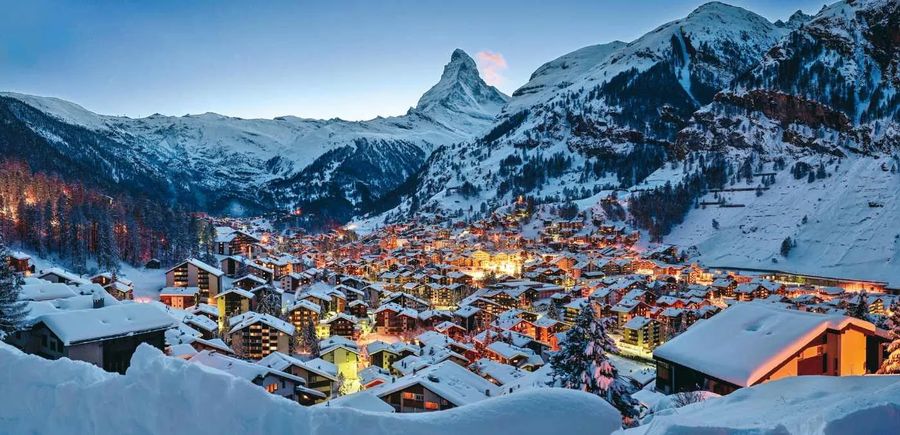
Zermatt
Nestled at the foot of the Matterhorn, one of the world’s most iconic mountains, Zermatt is a picture-perfect Alpine village renowned…
Explore Zermatt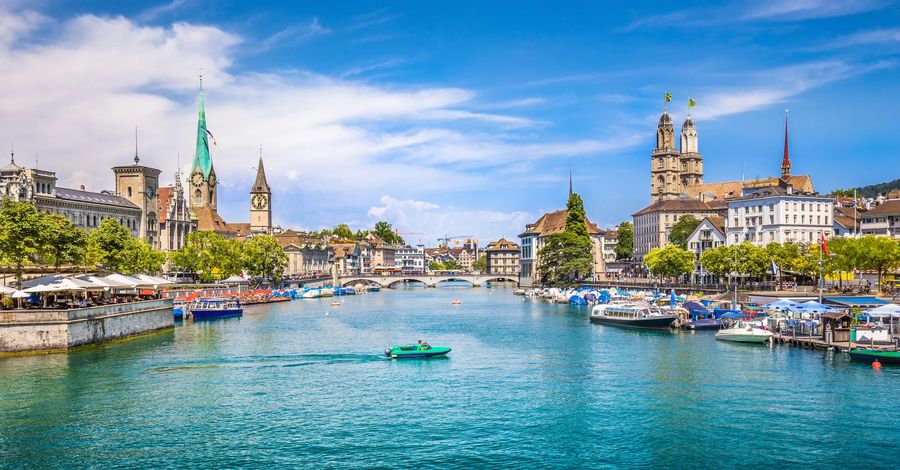
Zurich
Zurich, Switzerland’s largest city, is a fascinating blend of rich history and cutting-edge modernity. Situated on the northern tip of…
Explore ZurichA little context for your exploring.
These original VoyageOwl city stories are preserved from the archive. Historical claims and visitor details remain subject to editorial review. Check attraction opening hours, tickets and access before making plans.
A few good stories. A little room to wander.