
Thessaloniki
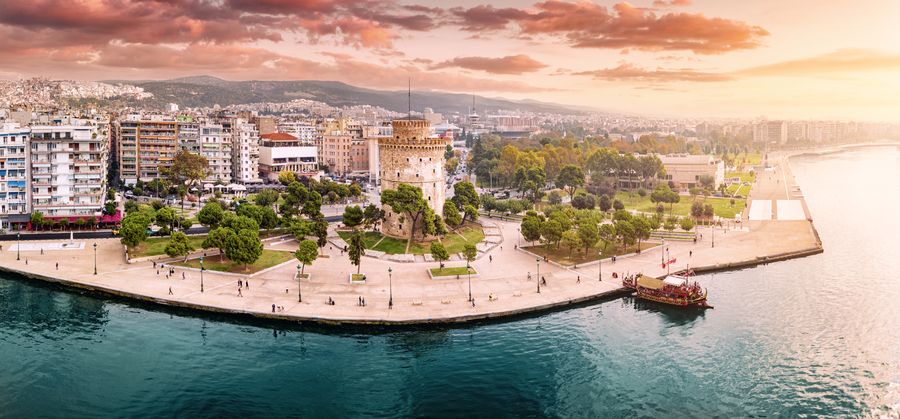
Located along the Thermaic Gulf in northern Greece, Thessaloniki is a dynamic city that effortlessly blends ancient history with modern urban life. As Greece’s second-largest…
What brings you
to Thessaloniki?
A few good places to begin.
The White Tower
The White Tower is Thessaloniki’s most iconic landmark and a symbol of the city. Originally built by the Ottomans in the 15th century, this cylindrical tower…
Thessaloniki · Read the storyRotunda of Galerius
One of Thessaloniki’s most fascinating historical sites is the Rotunda, a massive circular building originally constructed by the Roman Emperor Galerius in the…
Thessaloniki · Read the storyAno Poli (Upper Town)
The Ano Poli, or Upper Town, is one of the most picturesque neighborhoods in Thessaloniki. With its narrow, winding streets, traditional Ottoman-style houses,…
Thessaloniki · Read the storyArchaeological Museum of Thessaloniki
For history enthusiasts, the Archaeological Museum of Thessaloniki is a treasure trove of ancient artifacts from Macedonia and beyond. The museum’s extensive…
Thessaloniki · Read the storyListen to Thessaloniki
Take a listening break with the city’s audio story and full transcript.
Audio & transcriptThe story of Thessaloniki
Get to know the city through its history, culture and local traditions.
Read at your own paceA few ways into Thessaloniki.
Leave room to discover more.
The White Tower
The White Tower is Thessaloniki’s most iconic landmark and a symbol of the city. Originally built by the Ottomans in the 15th century, this cylindrical tower was once part of the city’s defensive walls and has served various purposes, from a prison to a fortress.…
Discover the storyRotunda of Galerius
One of Thessaloniki’s most fascinating historical sites is the Rotunda, a massive circular building originally constructed by the Roman Emperor Galerius in the 4th century as a mausoleum or…
Look a little closer 03A story worth stopping forAno Poli (Upper Town)
The Ano Poli, or Upper Town, is one of the most picturesque neighborhoods in Thessaloniki. With its narrow, winding streets, traditional Ottoman-style houses, and stunning views of the city…
Look a little closer 04A story worth stopping forArchaeological Museum of Thessaloniki
For history enthusiasts, the Archaeological Museum of Thessaloniki is a treasure trove of ancient artifacts from Macedonia and beyond. The museum’s extensive collection includes sculptures,…
Look a little closer 05A story worth stopping forLadadika District
Thessaloniki’s Ladadika district is a lively area known for its vibrant nightlife, traditional tavernas, and trendy bars. Once a bustling market area where merchants traded olive oil (hence…
Look a little closerThe story of Thessaloniki.
Set the sceneA little background.
A little background.
Located along the Thermaic Gulf in northern Greece, Thessaloniki is a dynamic city that effortlessly blends ancient history with modern urban life. As Greece’s second-largest city and the capital of the Macedonia region, Thessaloniki has a rich and storied past, serving as a crossroads of cultures for over 2,300 years. Known for its bustling waterfront, diverse heritage, and vibrant cultural scene, Thessaloniki offers visitors an unforgettable experience where history, tradition, and contemporary charm come together.
Founded in 315 BC by Cassander of Macedon, Thessaloniki has played a crucial role throughout Greek history. It was named after Thessalonike, the half-sister of Alexander the Great, and quickly grew into an important economic and cultural center during both the Hellenistic and Roman periods. The city’s location made it a key port and trading hub for the Byzantine Empire and later, the Ottoman Empire, leaving a lasting impact on its architecture and culture.
Thessaloniki has been home to diverse communities, including Greeks, Romans, Byzantines, Jews, and Ottomans, creating a unique cultural mosaic that continues to define the city today. From its ancient monuments to its lively streets, Thessaloniki is a city where the past and present coexist harmoniously.
Top 5 Unique Characteristics of Thessaloniki
Look a little closerThe White Tower
The White Tower
The White Tower is Thessaloniki’s most iconic landmark and a symbol of the city. Originally built by the Ottomans in the 15th century, this cylindrical tower was once part of the city’s defensive walls and has served various purposes, from a prison to a fortress. Today, the White Tower houses a museum that tells the story of Thessaloniki’s history, while offering panoramic views of the city and the Aegean Sea from its top. A stroll along the waterfront near the White Tower is a must for any visitor, providing a perfect mix of history and modern leisure.
Look a little closerRotunda of Galerius
Rotunda of Galerius
One of Thessaloniki’s most fascinating historical sites is the Rotunda, a massive circular building originally constructed by the Roman Emperor Galerius in the 4th century as a mausoleum or temple. Over the centuries, it was converted into a Christian church and later a mosque under Ottoman rule. The Rotunda is now a UNESCO World Heritage site, and its grand dome, adorned with beautiful mosaics, provides a glimpse into the city’s religious and architectural heritage. It’s also part of the Galerius Complex, which includes the nearby Arch of Galerius, another prominent Roman-era monument.
Look a little closerAno Poli (Upper Town)
Ano Poli (Upper Town)
The Ano Poli, or Upper Town, is one of the most picturesque neighborhoods in Thessaloniki. With its narrow, winding streets, traditional Ottoman-style houses, and stunning views of the city and sea, Ano Poli feels like a journey back in time. This part of the city survived the devastating fire of 1917 and retains its old-world charm. Visitors can explore its Byzantine churches, enjoy the vibrant street art, and relax in cozy cafes. The Eptapyrgio Fortress, located at the top of Ano Poli, offers sweeping views of Thessaloniki and is a favorite spot for sunset watching.
Look a little closerArchaeological Museum of Thessaloniki
Archaeological Museum of Thessaloniki
For history enthusiasts, the Archaeological Museum of Thessaloniki is a treasure trove of ancient artifacts from Macedonia and beyond. The museum’s extensive collection includes sculptures, jewelry, and everyday objects from the Archaic, Classical, and Hellenistic periods. Highlights include the famous Vergina Gold, which dates back to the royal tombs of Macedon, and the magnificent Derveni Krater, a large bronze vessel from the 4th century BC. The museum provides an in-depth look at the region’s rich cultural heritage and is a must-see for anyone visiting the city.
Look a little closerLadadika District
Ladadika District
Thessaloniki’s Ladadika district is a lively area known for its vibrant nightlife, traditional tavernas, and trendy bars. Once a bustling market area where merchants traded olive oil (hence the name "Ladadika"), the district has transformed into one of the city’s most popular entertainment hubs. With its colorful buildings, cobblestone streets, and a mix of old and new establishments, Ladadika offers a unique atmosphere where visitors can experience the best of Thessaloniki’s dining and nightlife scene. Whether you're enjoying meze at a local taverna or dancing the night away at a bar, Ladadika is the place to be after dark.
Behind the postcardThessaloniki Today: A Cultural and Culinary Capital
Thessaloniki Today: A Cultural and Culinary Capital
Today, Thessaloniki is a thriving, modern city that celebrates its ancient roots while embracing a vibrant, youthful energy. The city is known for its street festivals, art galleries, and a burgeoning culinary scene that reflects its multicultural history. Thessaloniki’s food culture is legendary, with its unique blend of flavors inspired by Greek, Ottoman, and Jewish traditions. Visitors can indulge in bougatsa (a sweet or savory pastry), enjoy fresh seafood by the waterfront, or explore the city’s many modern restaurants and cafes.
Thessaloniki’s annual International Film Festival is a major cultural event, attracting filmmakers and cinephiles from around the world. Additionally, its reputation as a university city gives it a lively, youthful atmosphere, with students adding to the vibrant street life and nightlife.
Behind the postcardFun Facts About Thessaloniki
Fun Facts About Thessaloniki
Thessaloniki is named after Thessalonike, the half-sister of Alexander the Great and wife of Cassander, the city’s founder.The city is home to one of the largest and oldest Jewish communities in Europe, which flourished during the Ottoman Empire and was known as the "Mother of Israel."Thessaloniki’s bougatsa is famous across Greece, and the city is known for having the best versions of this pastry.Thessaloniki has been continuously inhabited for over 2,300 years, making it one of Europe’s oldest cities.The city was named European Youth Capital in 2014 and is known for its youthful and creative energy.
With its blend of ancient history, rich culture, and lively modern atmosphere, Thessaloniki is a city that offers something for every traveler. Whether you’re exploring Roman ruins, enjoying its buzzing nightlife, or simply relaxing by the sea, Thessaloniki promises a unique and unforgettable experience in Greece’s northern gem.
The city,
in your headphones.
Take a seat, or take a walk. Discover Thessaloniki one story at a time.
The stories of Thessaloniki
Read the complete audio transcript
Welcome to Voyage Owls’ walking tour of Thessaloniki, Greece’s second-largest city and the cultural heart of the Macedonia region. Located on the shores of the Thermaic Gulf, Thessaloniki has been a bustling port and a crossroads of civilizations for over two millennia. Its rich history spans from its founding in 315 BCE by Cassander of Macedon to its days as a major Roman, Byzantine, and Ottoman hub. This is a city where ancient ruins stand next to modern cafés, where Byzantine churches share space with Ottoman bathhouses, and where the sunset over the Aegean Sea casts a golden glow on its vibrant streets.
Thessaloniki’s history is palpable in every corner. The city’s location along the Via Egnatia, the ancient Roman road that connected the Adriatic Sea to the Bosphorus, made it a crucial gateway between East and West. As you walk through its streets, you’ll see remnants of its time as a Roman provincial capital, its prominence in the Byzantine Empire, and its cosmopolitan character during the Ottoman period. Thessaloniki was also a major center of Jewish life, often called the "Jerusalem of the Balkans," and the city’s Jewish heritage is evident in its architecture and culture.
But Thessaloniki is not just about history. It’s a modern, dynamic city known for its lively atmosphere, vibrant nightlife, and outstanding culinary scene. Thessaloniki’s students and artists bring an energy to the city that blends beautifully with its historical backdrop. The city’s waterfront promenade, which stretches for several kilometers along the Aegean, is one of the most popular spots for locals and visitors alike. Whether you’re enjoying a leisurely stroll, sipping coffee at a seafront café, or watching the sunset behind the White Tower, Thessaloniki’s charm is undeniable.
This walking tour will take you on a journey through Thessaloniki’s rich past, while also showcasing the city’s contemporary spirit. We’ll explore Roman ruins, Byzantine churches, Ottoman monuments, and bustling markets, as well as some of the city’s best spots for food and drinks. Whether you’re a history buff, a foodie, or simply looking to soak in the Mediterranean vibe, Thessaloniki has something for everyone.
So, let’s get started! Lace up your walking shoes, grab your camera, and let’s explore the wonders of Thessaloniki together.
### Stop 1: The White Tower – Thessaloniki’s Most Iconic Landmark
Our tour begins at one of Thessaloniki’s most famous and recognizable landmarks: the White Tower. Located along the waterfront promenade known as the Nea Paralia, the White Tower has become a symbol of the city. But behind its pristine exterior lies a fascinating and sometimes dark history.
The tower was built by the Ottomans in the late 15th century on the site of an older Byzantine tower, and it originally served as part of the city’s fortifications. It was known as the "Tower of Blood" or the "Red Tower" due to its grim history as a prison and execution site during the Ottoman period. The tower was reportedly the scene of numerous public executions, and its walls were said to have been stained with the blood of the condemned. In 1912, when Thessaloniki was liberated during the Balkan Wars, the tower was symbolically whitewashed, earning it its current name.
Today, the White Tower is no longer a symbol of oppression but one of Thessaloniki’s most beloved landmarks. It houses a museum dedicated to the city’s history, where you can explore exhibits that trace Thessaloniki’s development from its founding to the present day. The museum offers fascinating insights into the city’s multi-layered past, from its days as a major Roman city to its role in the Byzantine Empire and its transformation during the Ottoman period.
If you’re up for it, climb the tower’s spiral staircase to the top, where you’ll be rewarded with breathtaking panoramic views of the city and the Aegean Sea. From here, you can take in the entire expanse of Thessaloniki’s waterfront and see how the city stretches out to the foothills of Mount Chortiatis.
Once you’ve taken in the view, let’s stroll along the Nea Paralia, Thessaloniki’s popular seaside promenade. This area is a favorite spot for locals to walk, jog, or enjoy a coffee at one of the many outdoor cafés. The promenade stretches for several kilometers along the waterfront and is dotted with sculptures and art installations, including the famous Zongolopoulos Umbrellas, a modern sculpture that has become one of the most Instagrammable spots in the city.
### Stop 2: The Rotunda and Arch of Galerius – A Glimpse of Roman Thessaloniki
After a leisurely stroll along the waterfront, we head inland to the Rotunda and the Arch of Galerius, two of the most significant remnants of Roman Thessaloniki. These ancient monuments are part of a larger complex built by the Roman emperor Galerius in the early 4th century CE when Thessaloniki served as one of the Roman Empire’s provincial capitals.
The Arch of Galerius, also known as the Kamara, was built to commemorate Galerius’ military victories over the Persians. As you walk under the arch, take a close look at the intricate relief carvings that depict scenes of battle, victory, and imperial grandeur. These carvings offer a glimpse into the power and might of the Roman Empire at its height. The Kamara has been a meeting point for locals for centuries, and today, it remains a popular spot for students and tourists alike to gather and soak in the ancient atmosphere.
Just a short walk from the Kamara is the Rotunda, one of Thessaloniki’s most impressive ancient structures. The Rotunda was originally built as a mausoleum for Galerius, but it was later converted into a Christian church during the Byzantine era and eventually into a mosque during the Ottoman period. This multi-purpose use over the centuries reflects Thessaloniki’s diverse religious and cultural history.
The Rotunda’s interior is truly awe-inspiring, with its soaring dome and stunning mosaics. The Byzantine mosaics, which depict scenes of saints and angels, are some of the finest in the world and have survived centuries of earthquakes and other natural disasters. The Rotunda’s combination of Roman, Byzantine, and Ottoman influences makes it a symbol of Thessaloniki’s layered history and its role as a meeting point of civilizations.
Before we move on, take a moment to appreciate the peaceful garden that surrounds the Rotunda. It’s a quiet oasis in the heart of the city, where you can sit and reflect on the centuries of history that have unfolded in this very spot.
### Stop 3: The Byzantine Walls – Defenders of the City
Leaving the Roman remnants behind, we make our way up to the Byzantine Walls, which once encircled Thessaloniki and protected it from invaders for centuries. Built during the 4th century CE by the Byzantine emperor Theodosius I, these massive walls were designed to fortify Thessaloniki against the numerous threats it faced, from Goths and Avars to Ottomans and Normans.
As you walk along the walls, you’ll notice the impressive height and thickness of the fortifications. In some places, the walls rise to over 8 meters high and 4 meters thick. These defenses were crucial in helping Thessaloniki withstand numerous sieges and invasions throughout its long history. The most famous of these was the siege of 904 CE, when the city was attacked by Arab pirates. Although part of the city was sacked, the walls held firm, and Thessaloniki survived.
The walls offer stunning views over the city and the sea, and if you’re feeling adventurous, you can climb up to the Heptapyrgion, also known as the Yedi Kule. This fortress, located at the highest point of the walls, was used as a military prison during the Ottoman period and into the early 20th century. While it has a dark history, today the fortress is a popular spot for photographers and visitors who come to enjoy the panoramic views of Thessaloniki and the surrounding landscape.
As you explore the walls, keep an eye out for the various Byzantine watchtowers that dot the fortifications. These towers were once manned by soldiers who kept a lookout for approaching enemies. Today, they offer a glimpse into the city’s military past and its role as a major stronghold in the Byzantine Empire.
### Stop 4: Ano Poli – Thessaloniki’s Old Town
After exploring the Byzantine Walls, we descend into Ano Poli (Upper Town), Thessaloniki’s old quarter and one of the most charming and picturesque areas of the city. Ano Poli is a maze of narrow, winding streets, traditional Macedonian houses, and beautiful Byzantine churches. This part of the city survived the devastating Great Fire of 1917, which destroyed much of Thessaloniki’s center, and as a result, it retains much of its old-world charm.
As you wander through Ano Poli, you’ll feel like you’ve stepped back in time. The streets are lined with colorful houses with wooden balconies and terracotta roofs, many of which date back to the Ottoman period. The area is also home to some of Thessaloniki’s most important Byzantine churches, including the Church of Saint Nicholas Orphanos and the Church of Osios David.
The Church of Saint Nicholas Orphanos is one of the best-preserved examples of Byzantine architecture in Thessaloniki. Dating back to the 14th century, this small, unassuming church is famous for its beautiful frescoes, which depict various scenes from the life of Christ and the saints. The frescoes are incredibly well-preserved, offering a rare glimpse into the religious art of the Byzantine era. As you step inside, the cool, dark interior provides a peaceful atmosphere, perfect for a moment of reflection or simply appreciating the artistry of the frescoes.
Nearby, the Church of Osios David, also known as the Latomou Monastery, is another must-visit in Ano Poli. This church, which dates back to the 5th century, is renowned for its stunning mosaic of Christ in Glory, one of the finest examples of early Byzantine art in Greece. The mosaic, which survived the iconoclastic period of the 8th and 9th centuries, depicts Christ holding a scroll, surrounded by symbols of the four Evangelists. The church itself is small and intimate, making the discovery of this ancient art all the more special.
As you continue wandering through the narrow streets of Ano Poli, you’ll come across hidden courtyards, small cafés, and local tavernas where you can stop for a break. The area is much quieter and less commercial than the city center, making it a perfect place to explore at a leisurely pace. Be sure to try a glass of tsipouro (a strong Greek spirit) or sample a traditional bougatsa (a sweet or savory pastry filled with custard, cheese, or minced meat), two local favorites that capture the essence of Thessaloniki’s rich culinary tradition.
Ano Poli also offers some of the best views in the city. From various vantage points, you can look out over Thessaloniki’s rooftops and see the shimmering Thermaic Gulf in the distance. It’s particularly magical at sunset, when the sky turns shades of pink and orange, and the city below begins to twinkle with lights.
### Stop 5: The Church of Saint Demetrios – Thessaloniki’s Patron Saint
No visit to Thessaloniki would be complete without paying homage to the city’s patron saint, Saint Demetrios, at the Church of Saint Demetrios (Hagios Demetrios). This magnificent church, located near the Roman Forum, is the most important religious site in Thessaloniki and one of the most significant in all of Greece.
Saint Demetrios was a Christian martyr who lived during the early 4th century and was a Roman soldier stationed in Thessaloniki. According to legend, he was martyred for his faith during the reign of Emperor Galerius, and his relics were said to have miraculous powers, protecting the city from invaders and plagues over the centuries. The original church was built in his honor in the 5th century, and it has been rebuilt several times, most recently after a devastating fire in 1917.
As you step inside the church, you’ll be struck by its size and grandeur. The interior is decorated with beautiful Byzantine mosaics and frescoes, many of which date back to the 7th century. One of the highlights of the church is the crypt, which is believed to be the site where Saint Demetrios was imprisoned and eventually martyred. The crypt is a fascinating place to explore, with its dimly lit stone corridors and ancient artifacts that give you a sense of the deep history of this sacred site.
Every year, on October 26th, Thessaloniki celebrates the Feast of Saint Demetrios with religious services, processions, and cultural events. The city’s devotion to its patron saint is deeply felt, and during the feast day, the church becomes a focal point of celebration and prayer.
Whether you’re religious or not, the Church of Saint Demetrios is a powerful reminder of Thessaloniki’s spiritual and historical importance. It’s a place where history, faith, and tradition converge, offering visitors a glimpse into the city’s soul.
### Stop 6: The Roman Forum – Ancient Ruins in the Heart of the City
Just a short walk from the Church of Saint Demetrios lies the Roman Forum (also known as the Ancient Agora), a sprawling archaeological site that transports you back to the days when Thessaloniki was a major city in the Roman Empire. Discovered by accident during construction work in the 1960s, the Roman Forum is one of the city’s most significant ancient sites.
The forum was the social, political, and commercial heart of Roman Thessaloniki, and it was here that citizens gathered to conduct business, watch theatrical performances, and participate in public life. The ruins you see today date back to the 1st and 2nd centuries CE, and they include a large public square, remnants of buildings, and an impressive underground crypt that was once used as a storage area and later as a Christian worship site during times of persecution.
As you explore the forum, you’ll come across the remains of the odeon, a small Roman theater where performances and public events were held. The theater is still used today for concerts and cultural events, making it one of the few places in the world where you can experience ancient and modern performances in the same venue.
The Roman baths, located on the southern side of the forum, are another fascinating part of the site. These baths were once used by the city’s elite for relaxation and socializing, and you can still see the intricate mosaic floors and the remains of the hypocaust system that heated the water.
Visiting the Roman Forum offers a glimpse into Thessaloniki’s Roman past, a time when the city was a major urban center in the eastern Mediterranean. It’s incredible to think that beneath the modern streets of Thessaloniki lie the remnants of an ancient city, waiting to be discovered.
### Stop 7: Modiano and Kapani Markets – Thessaloniki’s Bustling Bazaars
After exploring Thessaloniki’s ancient and Byzantine past, it’s time to experience the city’s vibrant present with a visit to its bustling Modiano and Kapani markets. These markets, located in the heart of the city, are a sensory overload of sights, sounds, and smells, offering a true taste of Thessaloniki’s everyday life.
Modiano Market, built in the 1920s by Eli Modiano, a member of Thessaloniki’s prominent Jewish community, is housed in a beautiful glass-covered arcade that retains its old-world charm. Here, you’ll find vendors selling everything from fresh fruits and vegetables to meat, fish, and spices. The market is a paradise for food lovers, and it’s the perfect place to sample some of Thessaloniki’s famous local delicacies.
Try a plate of mezedes, a selection of small dishes that includes everything from grilled octopus and fried zucchini to tzatziki and feta cheese drizzled with olive oil. Or grab a souvlaki (skewered meat) from one of the many street vendors for a quick, delicious snack on the go. If you have a sweet tooth, don’t miss the chance to try loukoumades, small fried dough balls drizzled with honey and sprinkled with cinnamon—an irresistible Greek dessert.
Next to Modiano is Kapani Market, one of Thessaloniki’s oldest markets. This lively bazaar dates back to the Ottoman period and is known for its vibrant atmosphere and wide range of goods. Here, you can find everything from fresh produce to clothing, household items, and traditional Greek products like olive oil, herbs, and spices.
Wandering through the narrow alleys of Kapani, you’ll feel the energy of the city as locals haggle with vendors, shop for their daily groceries, and enjoy a coffee or ouzo at one of the many small cafés tucked between the stalls. The market is a melting pot of cultures, with influences from Greece, Turkey, and the Balkans all blending together in a colorful, chaotic atmosphere.
### Stop 8: Aristotelous Square – The Heart of Modern Thessaloniki
We end our walking tour at Aristotelous Square, the beating heart of modern Thessaloniki. Designed by French architect Ernest Hébrard after the Great Fire of 1917, Aristotelous Square is one of the largest and most impressive public squares in Greece. Its grand neoclassical buildings, wide avenues, and open spaces make it a focal point for both locals and visitors.
The square is named after the ancient Greek philosopher Aristotle, who was born in the nearby town of Stageira. At the northern end of the square, you’ll find a statue of Aristotle, where students often gather, hoping to soak up some of the philosopher’s wisdom. The square itself is a bustling hub of activity, with cafés, restaurants, and shops lining its edges.
Aristotelous Square is also a popular spot for events and festivals, from open-air concerts to political rallies. During the winter months, the square is transformed into a festive wonderland with twinkling lights, Christmas markets, and an ice skating rink.
As you stroll through the square, take a moment to admire the view of the sea and the Thermaic Gulf. The square opens up directly onto the waterfront, and the sight of the blue sea stretching out toward the horizon is the perfect way to end our tour of Thessaloniki.
### Conclusion: Thessaloniki – A City of Layers and Stories
As our walking tour of Thessaloniki comes to a close, I hope you’ve gained a deeper appreciation for the city’s rich history, vibrant culture, and undeniable charm. Thessaloniki is a city of layers, where ancient ruins coexist with modern boulevards, and where every corner holds a story waiting to be discovered.
From its Roman and Byzantine past to its Ottoman heritage and vibrant contemporary life, Thessaloniki is a city that defies easy categorization. It’s a place where the past and present are constantly in dialogue, where the spirit of the ancient world is never far from the pulse of modern life.
Whether you’re exploring the ancient ruins of the Rotunda, climbing the Byzantine Walls, or enjoying a sunset stroll along the Nea Paralia, Thessaloniki offers a unique blend of history, culture, and Mediterranean beauty. It’s a city that invites you to slow down, savor the moment, and experience the joy of discovery at every turn.
Thank you for joining me on this journey through Thessaloniki’s streets, squares, and monuments. I hope this tour has inspired you to dive deeper into the city’s fascinating history and to enjoy its lively, modern atmosphere. Whether you’re here for a day or a week, Thessaloniki will leave a lasting impression on your heart—and maybe even make you want to come back for more.
To listen to more amazing audio tours of cities around the world check out our other guides at voyageowl.com.
Another place, another story.
Athens
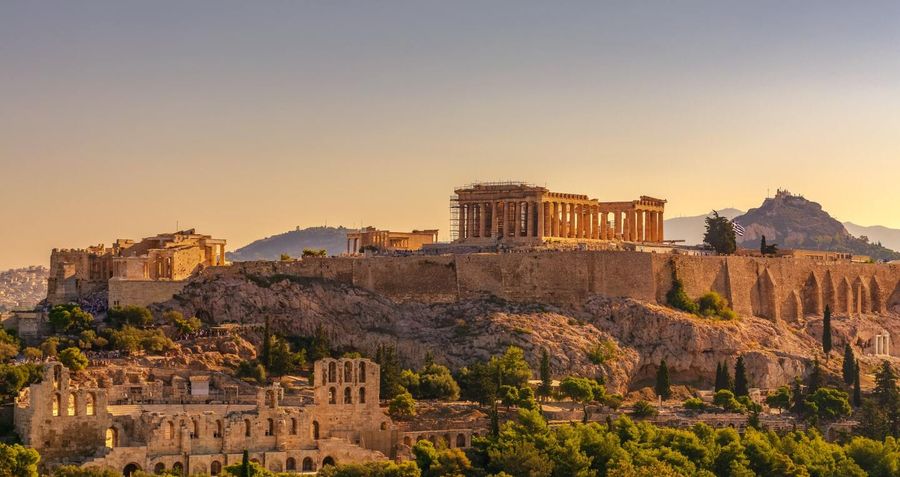
Athens, the capital of Greece, is a city where ancient history meets modern vibrancy. With its iconic monuments, centuries-old ruins,…
Explore Athens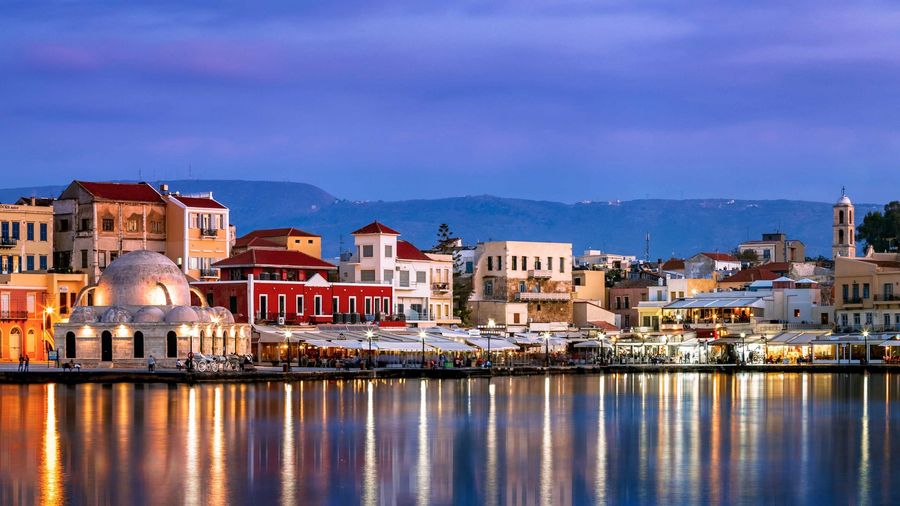
Chania
Nestled on the northwest coast of Crete, Chania is a captivating city where rich history, vibrant culture, and stunning natural beauty…
Explore ChaniaA little context for your exploring.
These original VoyageOwl city stories are preserved from the archive. Historical claims and visitor details remain subject to editorial review. Check attraction opening hours, tickets and access before making plans.
A few good stories. A little room to wander.