
Turin
Turin, or Torino in Italian, is a city steeped in history, culture, and elegance. Located in the Piedmont region of northern Italy, Turin has been the site of royal power,…
What brings you
to Turin?
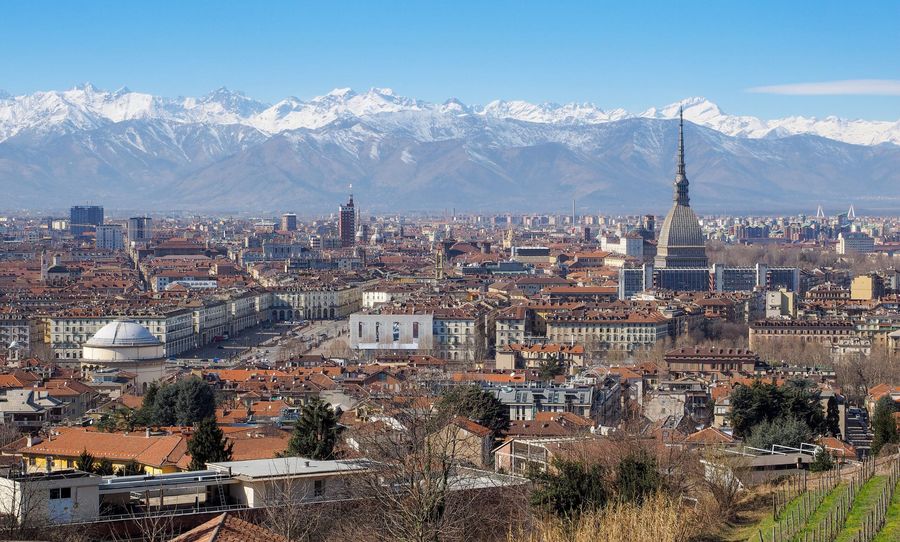
A few good places to begin.
A City Steeped in Historical Significance
Turin’s history stretches back to Roman times, when it was known as Augusta Taurinorum. Over the centuries, the city grew in importance, eventually becoming…
Turin · Read the storyThe Mole Antonelliana
The Mole Antonelliana is the most iconic landmark in Turin and one of Italy’s most recognizable buildings. Originally designed as a synagogue in the 19th…
Turin · Read the storyPiazza Castello and Palazzo Reale
At the heart of Turin lies the majestic Piazza Castello, the city’s central square. It is surrounded by important historical buildings, including the Palazzo…
Turin · Read the storyThe Egyptian Museum
Turin is home to the Museo Egizio, the second-largest Egyptian museum in the world, after Cairo. Founded in 1824, it houses one of the most extensive…
Turin · Read the storyListen to Turin
Take a listening break with the city’s audio story and full transcript.
Audio & transcriptThe story of Turin
Get to know the city through its history, culture and local traditions.
Read at your own paceA few ways into Turin.
Leave room to discover more.
The Mole Antonelliana
The Mole Antonelliana is the most iconic landmark in Turin and one of Italy’s most recognizable buildings. Originally designed as a synagogue in the 19th century, it now houses the National Museum of Cinema, one of the best film museums in the world. Visitors can take…
Discover the storyPiazza Castello and Palazzo Reale
At the heart of Turin lies the majestic Piazza Castello, the city’s central square. It is surrounded by important historical buildings, including the Palazzo Reale (Royal Palace), which was…
Look a little closer 03A story worth stopping forThe Egyptian Museum
Turin is home to the Museo Egizio, the second-largest Egyptian museum in the world, after Cairo. Founded in 1824, it houses one of the most extensive collections of Egyptian artifacts…
Look a little closer 04A story worth stopping forTurin’s Café Culture
Turin is known for its elegant café culture, with historic cafés that have been serving residents and visitors since the 18th century. The city’s most famous drink is the bicerin, a…
Look a little closer 05A story worth stopping forTurin’s Chocolate Legacy
Turin is the birthplace of gianduja, a chocolate made with hazelnuts, and the city is a haven for chocolate lovers. The iconic gianduiotto, a creamy hazelnut chocolate, was first created in…
Look a little closerThe story of Turin.
Set the sceneA little background.
A little background.
Turin, or Torino in Italian, is a city steeped in history, culture, and elegance. Located in the Piedmont region of northern Italy, Turin has been the site of royal power, industrial innovation, and cultural refinement for centuries. Known for its grand boulevards, stunning baroque architecture, and world-famous chocolate, Turin has long been a hidden gem, often overshadowed by more famous Italian cities like Rome or Florence. However, with its regal charm, fascinating history, and thriving modern culture, Turin is a must-visit destination for travelers seeking a unique Italian experience.
Behind the postcardA City Steeped in Historical Significance
A City Steeped in Historical Significance
Turin’s history stretches back to Roman times, when it was known as Augusta Taurinorum. Over the centuries, the city grew in importance, eventually becoming the seat of the House of Savoy, one of Europe’s oldest royal families. As the capital of the Kingdom of Sardinia, Turin played a key role in the unification of Italy in the 19th century, serving as the first capital of a unified Italy from 1861 to 1865.
The city’s influence didn’t stop with politics. Turin was also at the forefront of Italy’s industrial revolution, becoming home to major automotive companies such as FIAT. Today, Turin remains a vital center for industry, innovation, and education, with its prestigious universities attracting students from across the globe. Despite its modern advancements, Turin has preserved its regal atmosphere, making it a city that beautifully balances tradition and innovation.
Top 5 Unique Characteristics of Turin
Look a little closerThe Mole Antonelliana
The Mole Antonelliana
The Mole Antonelliana is the most iconic landmark in Turin and one of Italy’s most recognizable buildings. Originally designed as a synagogue in the 19th century, it now houses the National Museum of Cinema, one of the best film museums in the world. Visitors can take an elevator ride to the top of the Mole for breathtaking panoramic views of the city and the surrounding Alps. The building’s distinctive spire, which rises to 167 meters, dominates Turin’s skyline and has become a symbol of the city.
Look a little closerPiazza Castello and Palazzo Reale
Piazza Castello and Palazzo Reale
At the heart of Turin lies the majestic Piazza Castello, the city’s central square. It is surrounded by important historical buildings, including the Palazzo Reale (Royal Palace), which was once the residence of the House of Savoy. The palace’s opulent interiors, stunning gardens, and art collections offer visitors a glimpse into the royal life of Italy’s former ruling family. The nearby Palazzo Madama, a blend of medieval and baroque architecture, adds to the grandeur of the square, which is the perfect starting point for exploring Turin’s rich heritage.
Look a little closerThe Egyptian Museum
The Egyptian Museum
Turin is home to the Museo Egizio, the second-largest Egyptian museum in the world, after Cairo. Founded in 1824, it houses one of the most extensive collections of Egyptian artifacts outside of Egypt, including statues, sarcophagi, and mummies. The museum is a must-visit for history buffs and those fascinated by ancient civilizations. Its collection spans over 4,000 years of Egyptian history, offering visitors a unique and immersive experience in the heart of Turin.
Look a little closerTurin’s Café Culture
Turin’s Café Culture
Turin is known for its elegant café culture, with historic cafés that have been serving residents and visitors since the 18th century. The city’s most famous drink is the bicerin, a traditional beverage made with layers of espresso, chocolate, and cream, best enjoyed at Caffè Al Bicerin, one of Turin’s oldest and most charming cafés. Other iconic cafés, like Caffè Torino and Caffè San Carlo, offer a luxurious glimpse into the city’s refined social life, where locals gather to enjoy coffee, pastries, and conversation.
Look a little closerTurin’s Chocolate Legacy
Turin’s Chocolate Legacy
Turin is the birthplace of gianduja, a chocolate made with hazelnuts, and the city is a haven for chocolate lovers. The iconic gianduiotto, a creamy hazelnut chocolate, was first created in Turin in the 19th century, and the city continues to be a hub for artisanal chocolate production. Every year, Turin hosts Cioccolatò, a festival dedicated to chocolate, where visitors can taste the finest confections and learn about the city’s sweet legacy. Don’t miss a visit to one of the many chocolatiers for a taste of Turin’s world-renowned treats.
Behind the postcardTurin Today: A Modern Hub of Industry and Innovation
Turin Today: A Modern Hub of Industry and Innovation
While Turin honors its royal past, it is also a city of modernity and innovation. Known as Italy’s motor city, Turin is home to major automotive companies like FIAT, making it a key player in Europe’s industrial landscape. The city also hosts important international events, including the Turin Film Festival and Salone del Gusto, a major food festival celebrating Italian and global gastronomy.
Turin’s thriving arts scene, renowned universities, and cutting-edge design culture ensure that the city remains dynamic and forward-looking, while its architectural beauty and historic charm make it a treasure trove for tourists.
Behind the postcardFun Facts About Turin
Fun Facts About Turin
The Mole Antonelliana appears on Italy’s 2-cent euro coin.Turin is home to the Shroud of Turin, one of the most famous religious relics in the world, believed by many to be the burial cloth of Jesus Christ.The first chocolate bar was created in Turin, making the city a pioneer in the world of chocolate production.The Juventus Football Club, one of Italy’s most successful soccer teams, is based in Turin, making the city a hub for sports enthusiasts.Turin hosted the 2006 Winter Olympics, which brought international attention to the city’s beautiful alpine surroundings.
With its royal palaces, stunning architecture, world-class museums, and delicious chocolate, Turin is a city that offers something for everyone. Whether you’re drawn by its rich history, vibrant culture, or modern innovations, Turin promises a truly unforgettable experience.
The city,
in your headphones.
Take a seat, or take a walk. Discover Turin one story at a time.
The stories of Turin
Read the complete audio transcript
Welcome to Voyage Owls’ walking tour of Turin (Torino in Italian), the elegant and historically rich capital of the Piedmont region in Italy’s northwest. Often overshadowed by Italy’s more famous cities like Rome, Florence, and Venice, Turin is a hidden gem waiting to be discovered. This city is a delightful blend of Baroque architecture, royal palaces, world-class museums, and a thriving culinary scene that offers a more refined yet equally captivating Italian experience.
Nestled at the foot of the Alps and bisected by the Po River, Turin boasts a spectacular setting, with snow-capped mountains often visible in the distance. The city has a grand historical narrative, having been the first capital of a united Italy in the mid-19th century. Turin’s royal past is palpable in its architecture, parks, and even its cafés, many of which date back centuries. But it’s also a city that embraces innovation, having been the cradle of Italy’s automotive industry and the birthplace of Fiat.
Turin is also renowned for its cultural treasures. It’s home to the Shroud of Turin, one of Christianity’s most enigmatic relics, housed in the magnificent Turin Cathedral. You’ll also find the Museo Egizio, one of the largest collections of Egyptian artifacts outside of Cairo, and the National Cinema Museum, located in the city’s most recognizable landmark, the Mole Antonelliana.
But beyond the historic grandeur, Turin has a modern vibrancy, offering stylish shops, cutting-edge galleries, and a reputation for crafting exquisite chocolate and bicerin (a traditional coffee-chocolate drink). Whether you’re here for the art, history, food, or just to soak up the atmosphere of one of Italy’s most sophisticated cities, this walking tour will take you through the heart of Turin’s most captivating sights and stories.
### Stop 1: Piazza Castello – The Regal Heart of Turin
Our walking tour begins in the heart of Turin, at Piazza Castello—a grand square that has served as the city’s political, social, and cultural epicenter for centuries. As soon as you step into Piazza Castello, you’re immersed in Turin’s regal atmosphere, with its elegant, expansive space framed by a stunning collection of palaces and historic buildings. It’s here that you’ll feel the city’s royal past come to life, and you’ll get a true sense of Turin’s importance as the former capital of the House of Savoy and the first capital of a united Italy.
Piazza Castello is unlike most Italian squares; its atmosphere is distinctly royal and refined, with broad avenues and open spaces designed to impress. One of the first things you’ll notice is the porticos that line the square. These elegant arcades, adorned with arches and columns, provide a covered walkway for pedestrians. They are not only a practical solution for avoiding the elements, but they also lend the square an air of timeless sophistication. Turin is known for its covered walkways, which stretch for over 18 kilometers across the city, and Piazza Castello’s porticos are some of the finest examples.
### Stop 2: Palazzo Madama – A Palace of Contrasts
Dominating the center of the square is the striking Palazzo Madama, a building that perfectly encapsulates Turin’s layered history. As you approach Palazzo Madama, you’ll notice that the palace seems to be split into two distinct architectural styles. One side reveals its medieval origins, with two towering brick towers that date back to the 13th century. These towers were once part of the city’s original fortifications and served as a defense point for the city when Turin was a strategic military center during the Middle Ages.
On the other side of Palazzo Madama, you’ll encounter a magnificent Baroque facade, a later addition designed by the renowned architect Filippo Juvarra in the 18th century. This side of the building exudes grandeur and elegance, with its sweeping staircase, grand columns, and intricate stone carvings. The contrast between the medieval fortress and the Baroque palace is a striking visual representation of Turin’s evolution from a defensive stronghold to a seat of royal power.
Palazzo Madama’s name comes from the Madame Royale, the widows of the House of Savoy who lived here in the 17th and 18th centuries. The most famous of these was Marie Jeanne of Savoy, who played a significant role in shaping the politics of the region. Today, Palazzo Madama houses the Civic Museum of Ancient Art, where you can explore a fascinating collection of art, ceramics, and medieval artifacts that provide insight into Turin’s artistic and cultural heritage. Inside, you’ll find everything from medieval frescoes and tapestries to Renaissance paintings and decorative arts.
One of the most impressive features of Palazzo Madama is its grand staircase, designed by Juvarra. As you ascend the marble steps, you’ll feel like you’ve stepped into a royal residence, with the ornate banisters, gilded details, and sweeping views of the palace’s interiors offering a glimpse into the life of Turin’s aristocracy.
Fun Fact: The two massive towers of Palazzo Madama were once connected by a drawbridge, making it one of the most fortified areas of medieval Turin. The square in front of Palazzo Madama was used for jousting tournaments and other public festivities, providing entertainment for the nobility and the city’s inhabitants.
### Stop 3: Palazzo Reale – The Royal Palace of Turin
Just across from Palazzo Madama, you’ll find another jewel of Piazza Castello: the Palazzo Reale (Royal Palace). Built in the 17th century, Palazzo Reale was the official residence of the House of Savoy, one of the oldest royal families in Europe. The palace is a symbol of Turin’s status as the capital of the Kingdom of Sardinia, and later, the capital of the newly unified Italy in the 19th century.
Palazzo Reale is a masterpiece of Baroque architecture, with its stately exterior giving way to lavishly decorated interiors. As you step inside, you’ll be greeted by rooms filled with ornate chandeliers, frescoed ceilings, gilded mirrors, and intricate tapestries. Each room in the palace is designed to impress, from the grand Throne Room, where the King of Italy once held court, to the Royal Apartments, where the royal family lived in opulent splendor.
One of the highlights of Palazzo Reale is the Royal Armoury, a fascinating collection of ancient weapons, armor, and ceremonial swords. The Royal Armoury is one of the finest in Europe and includes pieces that date back to the Middle Ages. The displays range from beautifully decorated suits of armor worn by knights to weapons used in royal ceremonies, offering a glimpse into the military history of the House of Savoy.
The palace also features beautiful gardens, known as the Giardini Reali, which were designed by Juvarra. These gardens are a peaceful retreat from the bustling square, with perfectly manicured lawns, fountains, and sculptures that reflect the grandeur of the palace itself. Strolling through the Giardini Reali, you’ll feel like you’ve stepped into a royal estate, with the quiet paths and carefully arranged flower beds offering a serene escape in the heart of the city.
Fun Fact: The House of Savoy was instrumental in the unification of Italy in the 19th century, and it was from Palazzo Reale that King Victor Emmanuel II declared Turin the first capital of a unified Italy in 1861. Although the capital was later moved to Florence and eventually Rome, Turin remains a city of great historical significance to Italy.
### Stop 4: Cafés & Theatre Culture
Piazza Castello is not just a place for history and architecture; it’s also home to some of Turin’s most historic and iconic cafés. Turin has a rich café culture that dates back to the 18th century, and many of the city’s most famous cafés are located around Piazza Castello. These establishments were once gathering places for intellectuals, artists, and politicians, and today they continue to serve as meeting spots for locals and visitors alike.
One of the most famous cafés in the area is Caffè San Carlo, located just off the square. Opened in 1822, this elegant café is known for its beautiful interiors, with gilded mirrors, marble tables, and chandeliers that transport you back to the golden age of Turin’s café culture. Here, you can sit and enjoy a bicerin, the iconic Turinese drink made from espresso, chocolate, and cream. Bicerin has been a favorite of Turin’s residents for centuries, and there’s no better place to savor it than in one of the city’s historic cafés.
Another historic café worth visiting is Caffè Torino, located under the porticos of Piazza Castello. Established in 1903, this café has been serving locals and tourists for over a century, and its grand, Belle Époque interior offers a refined setting for enjoying a coffee or a pastry. Look down as you enter, and you’ll notice a brass bull embedded in the floor—locals say that stepping on the bull’s "delicate parts" will bring you good luck!
Turin’s cafés are not just places to grab a quick coffee; they are institutions that have played a role in the city’s cultural life for centuries. Sitting at one of these grand cafés, you’ll feel like you’re part of a long tradition of café culture that has been central to Turin’s identity.
Turin’s café culture played an important role in the city’s political and cultural life during the Risorgimento (the movement for Italian unification). Many of the key figures in the unification effort, including Cavour and Mazzini, would meet in these cafés to discuss politics and strategy.
Piazza Castello is not only surrounded by palaces and cafés; it’s also home to the Teatro Regio, one of Italy’s most prestigious opera houses. Originally opened in 1740, the Teatro Regio was designed by Juvarra, and it quickly became one of the cultural centers of Turin. However, a devastating fire destroyed much of the original building in 1936, and it wasn’t until the 1970s that the theater was fully restored.
Today, the Teatro Regio is known for its stunning modern design, with a sleek and contemporary exterior that contrasts with the historic buildings around it. Inside, the theater is renowned for its acoustics and elegant design, making it one of the best venues for opera in Italy. The Teatro Regio hosts a variety of performances throughout the year, including opera, ballet, and concerts, and it’s worth checking the schedule to see if there’s a performance during your visit.
The square itself is often a hub of activity, hosting cultural events, outdoor concerts, and festivals throughout the year. Whether it’s a Christmas market in the winter, a classical music concert in the summer, or an art installation, Piazza Castello is a vibrant space that reflects the cultural richness of Turin.
### Stop 5: The Cathedral of Saint John the Baptist and the Shroud of Turin
Just a short walk from Piazza Castello brings us to the Cathedral of Saint John the Baptist (Cattedrale di San Giovanni Battista), Turin’s stunning Renaissance cathedral and the resting place of one of Christianity’s most famous relics: the Shroud of Turin. The cathedral, built between 1491 and 1498, is the city’s most important place of worship, and its relatively simple exterior belies the immense spiritual significance of what lies inside.
The Shroud of Turin, a linen cloth that many believe to be the burial shroud of Jesus Christ, has been the subject of debate, devotion, and scientific scrutiny for centuries. The cloth bears the faint image of a man’s face and body, and while some believe it to be the image of Christ, others question its authenticity. The Shroud is rarely displayed, but when it is, millions of pilgrims flock to the cathedral to catch a glimpse of it. When not on display, it is kept in a specially designed chapel inside the cathedral, protected by strict security and climate control measures.
While you may not be able to see the Shroud up close during your visit, the Shroud Museum offers a fascinating look at the history, science, and controversies surrounding this mysterious relic. The museum provides a deep dive into the fabric’s history, including the various tests it has undergone to determine its age and authenticity.
Beyond the Shroud, the Cathedral of Saint John the Baptist is a beautiful example of Renaissance architecture, with elegant columns and a serene atmosphere. It’s a peaceful place to sit for a moment, away from the hustle and bustle of the city outside.
The Chapel of the Holy Shroud, where the relic is kept, was designed by the famous Baroque architect Guarino Guarini and has been recognized as a masterpiece of religious architecture. The chapel was severely damaged in a fire in 1997 but has since been meticulously restored.
### Stop 6: Piazza San Carlo – Turin’s Living Room
From the cathedral, we head to Piazza San Carlo, often referred to as “Turin’s living room” for its elegant, welcoming atmosphere. Lined with porticoed arcades and framed by twin Baroque churches, this square is one of the most beautiful and harmonious in all of Italy.
At the center of the square stands the Equestrian Statue of Emanuele Filiberto, the Duke of Savoy, who is depicted sheathing his sword after the Battle of Saint-Quentin in 1557. Emanuele Filiberto played a crucial role in the history of Turin, moving the capital of the Duchy of Savoy from Chambéry to Turin in the 16th century, a decision that would shape the city’s future.
The two churches at the southern end of the square, San Carlo Borromeo and Santa Cristina, mirror each other and provide a stunning backdrop to this bustling public space. Inside these churches, you’ll find beautiful Baroque interiors, adorned with frescoes, marble, and gilded details that speak to Turin’s religious and artistic heritage.
Piazza San Carlo is also home to some of Turin’s most historic cafés, including Caffè Torino and Caffè San Carlo. These cafés have been serving patrons since the 19th century, and they are the perfect place to experience Turin’s sophisticated café culture. Try the bicerin or indulge in a gianduiotto, a type of chocolate that Turin is famous for. The tradition of fine chocolate-making in Turin dates back to the 1800s, when the Gianduja chocolate, made with hazelnuts and cocoa, was first created.
This square is not just a place for tourists but also a favorite spot for locals to meet friends, shop, or simply enjoy the ambiance of one of Turin’s most iconic spaces. During holidays and festivals, Piazza San Carlo transforms into a lively hub of activity, with market stalls, street performers, and music filling the air.
Piazza San Carlo is sometimes called the “Salon of Turin” because of its welcoming, open atmosphere, where people come to relax and socialize. In the winter, the square is often adorned with beautiful holiday lights, making it an even more magical place to visit.
### Stop 7: Mole Antonelliana and the National Cinema Museum
No visit to Turin is complete without seeing its most iconic landmark, the Mole Antonelliana. Towering over the city at a height of 167 meters, the Mole is a symbol of Turin and one of the most unusual architectural structures in Italy. Originally conceived as a synagogue, it was later converted into a monument to national unity, and today it houses the National Cinema Museum.
Designed by Alessandro Antonelli in the late 19th century, the Mole Antonelliana’s soaring spire is visible from nearly anywhere in the city, making it one of the best points of reference for navigation. Its design, a blend of neoclassical and futuristic styles, makes it stand out among Turin’s more traditional architecture.
Inside the Mole is the National Cinema Museum, one of the most engaging and entertaining museums in Italy. Spread across multiple floors, the museum offers an immersive journey through the history of film, from its earliest days to the digital age. Visitors can explore the evolution of cinema technology, see original film equipment, costumes, and props, and even step inside iconic film sets. The museum’s collection includes everything from early silent films to memorabilia from Hollywood blockbusters.
One of the highlights of the museum is the opportunity to take an elevator ride to the top of the Mole Antonelliana’s spire. The panoramic glass elevator takes you up to the observation deck, where you can enjoy spectacular views of Turin and the surrounding Alps. On a clear day, the view is truly breathtaking, with the snow-capped mountains providing a stunning backdrop to the city’s red-roofed buildings.
The Mole Antonelliana was originally intended to be a synagogue, but due to its soaring height and mounting construction costs, it was never used for its original purpose. Today, it holds the Guinness World Record for the tallest museum in the world!
### Stop 8: Museo Egizio – The Egyptian Treasures of Turin
From the futuristic heights of the Mole Antonelliana, we now travel back in time to ancient Egypt with a visit to the Museo Egizio (Egyptian Museum), one of the largest collections of Egyptian artifacts outside of Cairo. Located on Via Accademia delle Scienze, this museum is a true treasure trove for history lovers, offering a deep dive into the world of the Pharaohs, mummies, and ancient gods.
The Museo Egizio was founded in 1824, and its collection has since grown to include over 30,000 artifacts, spanning thousands of years of Egyptian history. The museum’s displays include intricately preserved mummies, beautifully decorated sarcophagi, and everyday objects from ancient Egyptian life, such as pottery, jewelry, and tools.
One of the museum’s most famous exhibits is the Tomb of Kha and Merit, an extraordinary find that remains almost entirely intact. The tomb was discovered in 1906 and offers a rare glimpse into the lives of an Egyptian architect and his wife. The artifacts inside the tomb include furniture, food, and personal items, all of which have been remarkably well-preserved for over 3,000 years.
The museum also features stunning statues, including a colossal statue of Ramses II, which greets visitors upon entering the main hall. The museum’s expert curators have done an excellent job of presenting the collection in a way that is both educational and engaging, making it a must-visit for anyone with an interest in ancient history.
The Museo Egizio was one of the first museums in the world dedicated entirely to ancient Egypt, and its collection is second only to the Egyptian Museum in Cairo. Even Jean-François Champollion, the French scholar who deciphered the Rosetta Stone, visited the museum in the 1820s and was astounded by its treasures.
### Stop 9: Parco del Valentino and the Borgo Medievale
After exploring Turin’s historical and cultural gems, it’s time to take a relaxing stroll through the city’s most beloved green space, the Parco del Valentino. This sprawling riverside park stretches along the Po River and offers a serene escape from the city’s bustling streets. With its manicured gardens, tree-lined paths, and stunning views of the river, Parco del Valentino is the perfect place to unwind and enjoy a leisurely walk.
One of the park’s most charming attractions is the Borgo Medievale, a replica of a medieval village that was built for the 1884 Turin International Exhibition. Although it’s not an authentic historical site, the Borgo Medievale is a delightful step back in time, with its cobblestone streets, turrets, and drawbridge creating the atmosphere of a medieval Piedmontese town.
As you wander through the village, you’ll find artisans’ workshops, where local craftspeople sell handmade goods, as well as a small museum that explains the history and construction of the Borgo Medievale. It’s a fun and whimsical stop on the tour, offering a glimpse of what life might have been like in medieval Turin.
For those interested in more natural beauty, the Orto Botanico (Botanical Garden) is located within Parco del Valentino and is home to a variety of plant species from around the world. The garden, which was founded in 1729, is a peaceful spot to explore, with its exotic plants, tranquil ponds, and beautifully maintained flower beds.
Parco del Valentino is also home to the Castello del Valentino, a stunning French-style château that was once a royal residence for the House of Savoy. Today, it’s part of the Polytechnic University of Turin and is a UNESCO World Heritage Site, recognized for its historical and architectural significance.
### Stop 10: Eataly and the Lingotto Building – A Feast for Foodies
Our next stop is a paradise for food lovers: Eataly, a vast food emporium located in the historic Lingotto building. Turin is known as the capital of Piedmontese cuisine, and Eataly offers a chance to experience the region’s culinary delights all under one roof. Whether you’re looking to taste freshly made pasta, indulge in artisanal cheeses, or sip on Piedmont’s famous wines, Eataly has it all.
Eataly was founded in 2007 by Oscar Farinetti, and the Turin location is the flagship store. Inside, you’ll find a bustling marketplace filled with stalls selling everything from fresh produce to cured meats, as well as several restaurants where you can sit down for a meal. Don’t miss the chance to try agnolotti (a type of filled pasta), bagna càuda (a warm anchovy and garlic dip), or a glass of Barolo, one of the region’s most famous wines.
The Lingotto building itself is a fascinating piece of Turin’s industrial history. Once the Fiat factory, it was the largest car factory in the world when it was completed in 1923. The factory famously had a test track on its roof, where newly manufactured cars would be driven for a final spin before being sent to market. Today, the building has been transformed into a multi-use complex that includes Eataly, a shopping mall, a hotel, and the Pinacoteca Giovanni e Marella Agnelli, an art gallery that houses works by Matisse, Canaletto, and Modigliani.
The roof test track of the Lingotto building, featured in the classic film The Italian Job, is still intact and can be visited today. It’s an incredible experience to stand on the roof of this architectural marvel and imagine the days when Fiat cars were being tested on the very spot where you’re standing.
### Stop 11: Via Roma and Piazza Vittorio Veneto – Shopping and Evening Strolls
Our final stop takes us to Via Roma, one of Turin’s most famous shopping streets, which leads from Piazza San Carlo all the way to the stunning Piazza Vittorio Veneto. This grand boulevard is lined with designer boutiques, luxury brands, and stylish cafés, making it the perfect place for a bit of shopping or an evening passeggiata (stroll).
As you walk down Via Roma, take in the elegant architecture of the porticoed arcades, which provide a shaded walkway even on the hottest summer days. This street is a testament to Turin’s sophisticated, orderly urban design, with its wide boulevards and perfectly aligned buildings.
At the end of Via Roma, you’ll arrive at Piazza Vittorio Veneto, one of the largest squares in Europe. With the Po River flowing just beyond and the Gran Madre di Dio church standing proudly across the river, Piazza Vittorio Veneto is the perfect spot to relax and soak in the beauty of Turin. The square is surrounded by cafés and bars, making it a popular spot for aperitivo, Turin’s beloved pre-dinner ritual of drinks and small bites.
Turin is famous for its aperitivo culture, and vermouth was invented here in the 18th century. Be sure to try a classic Negroni or a Vermouth di Torino as you enjoy the vibrant atmosphere of Piazza Vittorio Veneto.
### Conclusion: Turin – A City of Elegance, History, and Innovation
As our walking tour of Turin comes to an end, I hope you’ve discovered why this city is such a special place. From its royal palaces and historic squares to its world-class museums and vibrant food scene, Turin is a city that offers something for everyone. Whether you’re fascinated by its regal past, its role in shaping modern Italy, or simply want to enjoy its culinary delights, Turin has a way of leaving a lasting impression.
Turin may not be as famous as some of Italy’s other cities, but that’s part of its charm. It’s a city that invites you to explore its elegant streets, uncover its hidden treasures, and experience its rich cultural heritage. So, take your time, enjoy a glass of Barolo, and let Turin work its magic on you.
To listen to more amazing audio tours of cities around the world check out our other guides at voyageowl.com.
Another place, another story.
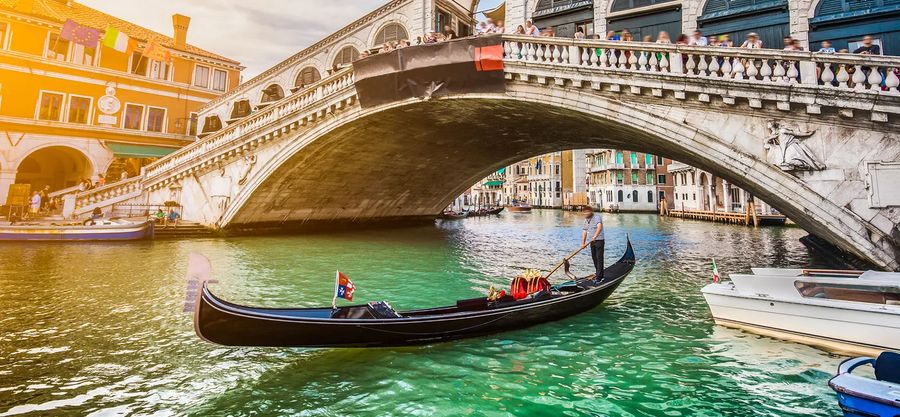
Venice
Venice, often referred to as La Serenissima (the most serene), is one of the world’s most magical cities. Famous for its network of…
Explore Venice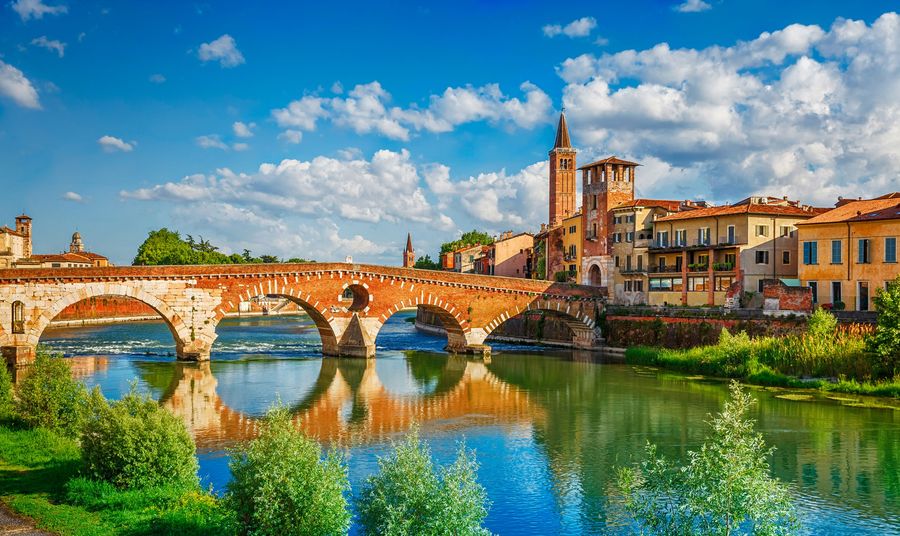
Verona
Verona, often called the City of Love, is a place where history, culture, and romance blend seamlessly. Famous as the setting for…
Explore VeronaA little context for your exploring.
These original VoyageOwl city stories are preserved from the archive. Historical claims and visitor details remain subject to editorial review. Check attraction opening hours, tickets and access before making plans.
A few good stories. A little room to wander.