
Utrecht
Utrecht, often overshadowed by its larger neighbors like Amsterdam, is a city that effortlessly blends history, culture, and modernity. Located in the heart of the…
What brings you
to Utrecht?
A few good places to begin.
The Dom Tower
Utrecht’s most iconic landmark is the Dom Tower, the tallest church tower in the Netherlands, standing at 112 meters. The tower is part of the St. Martin’s…
Utrecht · Read the storyThe Canal System with Wharf Cellars
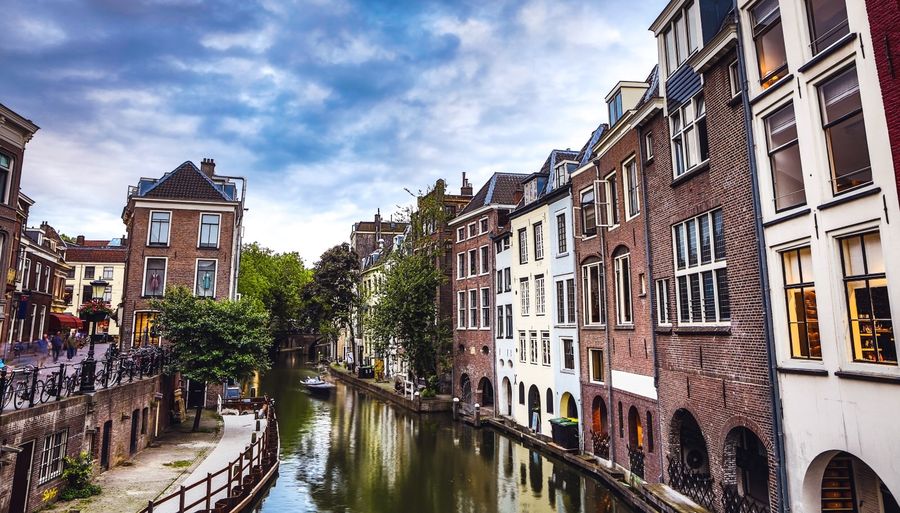
Unlike Amsterdam’s more famous canals, Utrecht’s canals have a unique feature: wharf cellars. These centuries-old cellars, built directly on the water level,…
Utrecht · Read the storyUtrecht University and Student Life
Founded in 1636, Utrecht University is one of the oldest and most prestigious universities in the Netherlands. The university’s presence gives the city a…
Utrecht · Read the storyRietveld Schröder House
For those interested in modern architecture, the Rietveld Schröder House is a must-visit. Designed by Gerrit Rietveld in 1924, this UNESCO World Heritage site…
Utrecht · Read the storyListen to Utrecht
Take a listening break with the city’s audio story and full transcript.
Audio & transcriptThe story of Utrecht
Get to know the city through its history, culture and local traditions.
Read at your own paceA few ways into Utrecht.
Leave room to discover more.
The Dom Tower
Utrecht’s most iconic landmark is the Dom Tower, the tallest church tower in the Netherlands, standing at 112 meters. The tower is part of the St. Martin’s Cathedral, which was built in the 14th century. Visitors can climb the 465 steps to the top for breathtaking…
Discover the storyThe Canal System with Wharf Cellars
Unlike Amsterdam’s more famous canals, Utrecht’s canals have a unique feature: wharf cellars. These centuries-old cellars, built directly on the water level, were originally used for…
Look a little closer 03A story worth stopping forUtrecht University and Student Life
Founded in 1636, Utrecht University is one of the oldest and most prestigious universities in the Netherlands. The university’s presence gives the city a youthful and energetic vibe, with…
Look a little closer 04A story worth stopping forRietveld Schröder House
For those interested in modern architecture, the Rietveld Schröder House is a must-visit. Designed by Gerrit Rietveld in 1924, this UNESCO World Heritage site is an icon of the De Stijl…
Look a little closer 05A story worth stopping forMuseum Quarter
Utrecht is home to a cluster of exceptional museums, collectively known as the Museum Quarter. Highlights include the Centraal Museum, which offers a deep dive into Dutch art, history, and…
Look a little closerThe story of Utrecht.
Set the sceneA little background.
A little background.
Utrecht, often overshadowed by its larger neighbors like Amsterdam, is a city that effortlessly blends history, culture, and modernity. Located in the heart of the Netherlands, Utrecht is known for its charming canals, medieval architecture, and vibrant student population. As one of the oldest cities in the country, Utrecht has played a crucial role in shaping Dutch history, while today it thrives as a lively university town with a creative energy that makes it an irresistible destination for visitors. Whether you’re wandering through its cobbled streets, exploring historical landmarks, or enjoying the local cafe culture, Utrecht is a city that invites you to slow down and soak in its rich atmosphere.
Utrecht’s history dates back to 47 AD, when the Romans established a military camp called Trajectum along the banks of the Rhine River. By the Middle Ages, Utrecht had become the religious center of the Netherlands, with the construction of numerous churches and the famous Dom Tower. The city was an important hub of power and influence, especially under the rule of the Prince-Bishops of Utrecht. For centuries, it served as the ecclesiastical heart of the Netherlands, playing a central role in the country’s political and religious affairs.
Utrecht’s rich history is reflected in its well-preserved medieval city center, which still boasts stunning architecture from the Middle Ages. Despite its deep historical roots, Utrecht has evolved into a forward-thinking, dynamic city, seamlessly blending its past with the energy of a modern metropolis.
Top 5 Unique Characteristics of Utrecht
Look a little closerThe Dom Tower
The Dom Tower
Utrecht’s most iconic landmark is the Dom Tower, the tallest church tower in the Netherlands, standing at 112 meters. The tower is part of the St. Martin’s Cathedral, which was built in the 14th century. Visitors can climb the 465 steps to the top for breathtaking panoramic views of the city. The tower originally connected to the cathedral, but a storm in the 17th century caused the nave to collapse, leaving the Dom Tower as a standalone structure. Today, the Dom Tower is a symbol of Utrecht’s medieval heritage and offers a unique glimpse into the city’s rich history.
Look a little closerThe Canal System with Wharf Cellars
The Canal System with Wharf Cellars
Unlike Amsterdam’s more famous canals, Utrecht’s canals have a unique feature: wharf cellars. These centuries-old cellars, built directly on the water level, were originally used for storage and trade. Today, they have been transformed into charming cafes, restaurants, and shops, giving Utrecht’s canals a distinctive and lively atmosphere. The canals, lined with trees and historic buildings, offer visitors the perfect setting for a leisurely boat ride or a scenic walk. Utrecht’s canals are especially beautiful in the spring and summer, when the greenery and flowers add to their charm.
Look a little closerUtrecht University and Student Life
Utrecht University and Student Life
Founded in 1636, Utrecht University is one of the oldest and most prestigious universities in the Netherlands. The university’s presence gives the city a youthful and energetic vibe, with students from around the world contributing to Utrecht’s cosmopolitan atmosphere. The university’s historic buildings, such as the Academiegebouw, are architectural gems that add to the city’s cultural landscape. Utrecht’s vibrant student population ensures a lively calendar of events, from festivals and concerts to pop-up markets and creative exhibitions.
Look a little closerRietveld Schröder House
Rietveld Schröder House
For those interested in modern architecture, the Rietveld Schröder House is a must-visit. Designed by Gerrit Rietveld in 1924, this UNESCO World Heritage site is an icon of the De Stijl movement. The house is celebrated for its innovative use of space, geometry, and color, reflecting the avant-garde ideas of the early 20th century. The Rietveld Schröder House stands as a testament to Utrecht’s contribution to modern art and design, making it a fascinating stop for architecture enthusiasts.
Look a little closerMuseum Quarter
Museum Quarter
Utrecht is home to a cluster of exceptional museums, collectively known as the Museum Quarter. Highlights include the Centraal Museum, which offers a deep dive into Dutch art, history, and fashion, and the Museum Speelklok, where visitors can explore the world of musical clocks, organs, and self-playing instruments. Another popular spot is the Railway Museum, located in a historic train station, which brings to life the history of railways in the Netherlands. Utrecht’s museums cater to all ages and interests, making the Museum Quarter a perfect place to spend an afternoon.
Behind the postcardUtrecht Today: A Modern City with Historical Charm
Utrecht Today: A Modern City with Historical Charm
Today, Utrecht is a thriving city that balances its historical roots with modern innovation. It’s known for its creative and entrepreneurial spirit, with a focus on sustainability and urban development. The city’s pedestrian-friendly center and extensive cycling paths make it one of the most bike-friendly cities in the Netherlands. Utrecht’s blend of history, vibrant nightlife, and cutting-edge developments make it a dynamic city that attracts both tourists and residents alike.
Utrecht is also a hub for cultural events and festivals, including the International Film Festival Utrecht, which showcases a wide range of independent and international films, and the Festival Oude Muziek, celebrating early music.
Behind the postcardFun Facts About Utrecht
Fun Facts About Utrecht
Utrecht’s Dom Tower is still the tallest church tower in the Netherlands.Utrecht has the largest number of bicycles per capita in the Netherlands, making cycling the most popular mode of transportation.The Rietveld Schröder House is considered one of the most important examples of modern architecture and is a UNESCO World Heritage site.Utrecht’s canals are unique for their wharf cellars, which are now home to cafes, restaurants, and shops directly on the water.Utrecht’s medieval city center is the largest in the Netherlands, with many historical buildings preserved over the centuries.
With its combination of historical significance, vibrant student life, and cutting-edge modern design, Utrecht is a city that offers something for everyone. Whether you're exploring its ancient landmarks, enjoying a canal-side meal, or immersing yourself in its cultural scene, Utrecht promises a warm and unforgettable experience.
The city,
in your headphones.
Take a seat, or take a walk. Discover Utrecht one story at a time.
The stories of Utrecht
Read the complete audio transcript
Welcome to Voyage Owls’ walking tour of Utrecht, one of the most charming and vibrant cities in the Netherlands. Known for its p
icturesque canals, medieval architecture, and a deep-rooted history that dates back to Roman times, Utrecht is often described as the beating heart of the country. Located in the geographic center of the Netherlands, Utrecht has been a hub of culture, commerce, and education for centuries, and today it blends its rich past with the modern energy of a lively university town.
Utrecht might not be as famous as Amsterdam, but it has all the charm of its more well-known counterpart—minus the crowds. Here, the historic city center is lined with quaint cafes, boutique shops, and museums, all set against the backdrop of the city’s iconic canals. Utrecht’s canals are unique, featuring wharf cellars that sit below street level, creating picturesque walkways right next to the water. The city’s medieval skyline is dominated by the towering Dom Tower, the tallest church tower in the Netherlands, which provides sweeping views of the city and beyond.
This walking tour will take you through the highlights of Utrecht, revealing its fascinating history and charming modern-day atmosphere. Along the way, you’ll discover stories of emperors, medieval bishops, artists, and modern-day innovators. From ancient fortresses to cozy canal-side cafes, Utrecht offers a delightful mix of history, culture, and a touch of the magical Dutch spirit. Whether you’re a history buff, a culture lover, or just someone looking to soak up the atmosphere, Utrecht has something special in store for you.
So, grab your walking shoes, and let’s begin our journey through one of the most beautiful and vibrant cities in the Netherlands!
### Stop 1: Domplein – The Historical Heart of Utrecht
Our tour begins at Domplein, the historic square that serves as the literal and figurative heart of Utrecht. This is where the city’s story begins, and as we stand here, we are surrounded by centuries of history. Domplein is home to some of Utrecht’s most significant landmarks, including the Dom Tower, the Dom Church, and the remains of the Roman Castellum, which dates back to around 47 AD.
Let’s start with the Dom Tower, the most iconic landmark in Utrecht. Standing at 112 meters, it’s the tallest church tower in the Netherlands, and it’s impossible to miss. The tower was built between 1321 and 1382, and it was originally part of the Cathedral of Saint Martin. Unfortunately, in 1674, a massive storm destroyed the nave of the cathedral, separating the tower from the church. Today, the Dom Tower stands alone, a proud symbol of the city.
If you’re up for a bit of exercise, you can climb the 465 steps to the top of the Dom Tower. It’s a bit of a workout, but the panoramic views from the top are well worth the effort. On a clear day, you can see as far as Amsterdam, Rotterdam, and even Germany. As you ascend the tower, you’ll pass by its bells, including the massive Salvator Bell, which weighs over 8,000 kilograms.
Back down at ground level, we turn our attention to the Dom Church (Domkerk), also known as the Cathedral of Saint Martin. Originally founded in 695 AD by Saint Willibrord, the church became the seat of the Bishop of Utrecht and was later rebuilt in the Gothic style. While the church’s nave was destroyed, the remaining parts of the church are still awe-inspiring, with their towering stained-glass windows, intricate stonework, and peaceful cloister garden.
One of the most interesting things to do at Domplein is to visit DOMunder, an underground archaeological site that allows visitors to explore the remains of the ancient Roman Castellum. The Castellum was a Roman fort built to defend the northern borders of the Roman Empire, and it marks the beginning of Utrecht’s long history. With the help of interactive displays and audio guides, you’ll get a glimpse into what life was like in Roman Utrecht, and how the city evolved over the centuries.
Domplein is the perfect starting point for our journey through Utrecht, as it encapsulates the city’s rich history and offers a stunning introduction to its medieval architecture. But there’s so much more to explore, so let’s head to our next stop.
### Stop 2: The Oudegracht – Utrecht’s Famous Canal
Leaving Domplein behind, we stroll toward one of the most picturesque spots in Utrecht: the Oudegracht, or Old Canal. Utrecht’s canals are unlike any others in the Netherlands, and the Oudegracht is the most famous of them all. What makes Utrecht’s canals unique is their wharf system—a two-level design with the street on the upper level and terraces and cellars on the lower level, right at the water’s edge.
The Oudegracht was originally part of a medieval moat that surrounded the city, but over time it was expanded and transformed into a commercial waterway. The wharf cellars were once used for storage by merchants who could easily unload goods directly from their boats. Today, many of these cellars have been converted into cozy cafes, restaurants, and shops, making the Oudegracht one of the most charming areas in the city to explore.
As we walk along the canal, take in the sight of the beautiful 17th-century merchant houses that line the water’s edge. Many of these houses feature classic Dutch gables and have been immaculately preserved. The atmosphere here is laid-back and friendly, and you’ll often see locals and tourists alike relaxing at the canal-side cafes, enjoying the view of boats gliding by.
A great way to experience the Oudegracht is by taking a canal boat tour. These tours provide a unique perspective of the city, allowing you to float beneath the ancient bridges and past some of Utrecht’s most famous landmarks. You can even rent your own pedal boat for a more hands-on experience.
Oudegracht isn’t just a canal—it also represents the main route of Utrecht’s waterways, stretching over two kilometers from the city’s southern edge to the northern part of the city. The canal’s unique two-tiered structure is a feature you won’t find anywhere else in the world, making it one of Utrecht’s most fascinating attractions.
Whether you’re enjoying a leisurely stroll, sipping coffee at a canal-side cafe, or gliding along in a boat, the Oudegracht is one of those places where you can truly feel the magic of Utrecht’s history blending with its modern-day charm.
### Stop 3: Museum Catharijneconvent – The World of Religious Art
From the canals, we make our way to Museum Catharijneconvent, a hidden gem that offers a deep dive into the world of religious art and culture. Housed in a former medieval monastery, the museum is home to the largest collection of Christian art in the Netherlands. The building itself is beautiful, with its historic cloisters and peaceful courtyards, making it the perfect setting for the art it contains.
The museum’s collection spans over 1,200 years of history, featuring everything from medieval manuscripts and golden reliquaries to Renaissance paintings and modern religious artworks. As you wander through the exhibits, you’ll encounter stunning pieces of art that reflect the deep spiritual history of the Netherlands. One of the highlights is the 14th-century altarpieces, which are intricately detailed and offer a glimpse into the religious life of medieval Utrecht.
But Museum Catharijneconvent isn’t just about old art—it’s also about connecting the past with the present. The museum often hosts temporary exhibitions that explore contemporary religious issues, such as the intersection of religion and science, and the role of religion in modern society.
Don’t miss the treasury, where you can see some of the most precious and historically significant items in the museum’s collection, including ornate chalices, crucifixes, and relics that were once used in churches across the Netherlands. It’s a fascinating look at how art and religion have been intertwined in Dutch culture for centuries.
While the museum’s focus is on religious art, you don’t need to be religious to appreciate the beauty and craftsmanship of the pieces on display. Museum Catharijneconvent offers a peaceful and enriching experience, and it’s the perfect place to reflect on the history and cultural significance of faith in Utrecht.
### Stop 4: The University Quarter – Intellectual and Artistic Hub
Utrecht is home to one of the oldest and most prestigious universities in the Netherlands, and the University Quarter is a vibrant area that showcases the city’s long tradition of education and intellectualism. Founded in 1636, Utrecht University has been at the forefront of academic research for centuries and continues to be a leader in fields such as science, law, and the humanities.
The Academiegebouw, located on Domplein, is the university’s ceremonial building and one of the most beautiful landmarks in the city. Built in the late 19th century, the Academiegebouw features a stunning combination of neo-Renaissance and Gothic architectural elements, with its grand halls and intricate detailing. This is where the university holds its most important ceremonies, including graduation events and honorary degree presentations.
One of the most famous alumni of Utrecht University is René Descartes, the French philosopher, mathematician, and scientist. Descartes spent several years teaching and writing in Utrecht during the 17th century, and his legacy is still celebrated here. His famous statement “Cogito, ergo sum” (“I think, therefore I am”) echoes throughout the city’s intellectual tradition.
As you wander through the narrow streets of the University Quarter, you’ll encounter a mix of historic buildings, charming bookshops, and lively cafes filled with students discussing everything from philosophy to physics. The area has a youthful and energetic atmosphere, and it’s the perfect place to stop for a coffee or a quick bite.
If you’re interested in learning more about the university’s history, consider visiting the Utrecht University Museum, which features exhibits on the history of science and the university’s role in shaping modern education. The museum also has a beautiful botanical garden, where you can take a peaceful stroll among the plants and trees.
The University Quarter is a great place to experience the intellectual and creative energy that defines Utrecht. Whether you’re a student or just curious about the city’s academic heritage, this area is full of inspiration and discovery.
### Stop 5: The Railway Museum – A Journey Through Time
For something a little different, let’s take a short walk to the Railway Museum (Spoorwegmuseum), located just outside the city center. This museum is a must-visit for train enthusiasts, history buffs, and families alike. Housed in a beautifully restored 19th-century railway station, the museum offers a fascinating look at the history of trains and rail travel in the Netherlands.
The Railway Museum takes you on a journey through time, from the early days of steam engines to the modern high-speed trains that crisscross the country today. One of the highlights is the collection of historic locomotives, including the impressive Arend, the first steam locomotive to run in the Netherlands in 1839. You can even step inside some of the old carriages to get a feel for what rail travel was like in the past.
The museum is incredibly interactive, with exhibits that appeal to both kids and adults. You can explore a mock-up of a royal train, complete with plush interiors fit for a king, or take a ride on a miniature railway through the museum grounds. There’s also a thrilling train simulator that lets you experience what it’s like to drive a modern train at top speed.
One of the most immersive experiences at the museum is the Great Discovery, a theatrical ride that takes you back to the early days of train travel. Using a combination of animatronics, special effects, and storytelling, the ride brings to life the excitement and wonder of the Industrial Revolution.
The Railway Museum is a great way to step back in time and experience the history of transportation in the Netherlands. Whether you’re a train enthusiast or just looking for a fun and educational experience, this museum is sure to delight visitors of all ages.
### Stop 6: The Neude Square – A Vibrant Social Hub
From the Railway Museum, we make our way to Neude Square, one of the liveliest and most popular spots in Utrecht. This large, open square is surrounded by cafes, bars, and restaurants, making it a favorite gathering place for both locals and visitors. Whether you’re looking to grab a coffee, enjoy a meal, or simply people-watch, Neude is the perfect spot to soak up the city’s vibrant atmosphere.
In the summer months, Neude comes alive with outdoor seating, and it’s the ideal place to relax and enjoy the sunshine. The square often hosts events such as food festivals, open-air concerts, and markets, adding to its festive and welcoming vibe. During the winter, Neude transforms into a magical winter wonderland, complete with a Christmas market and ice skating rink.
One of the standout buildings on the square is the former post office, an imposing structure built in the 1920s in the Amsterdam School style of architecture. The building’s bold geometric lines and decorative brickwork make it a striking example of early 20th-century design. Today, the post office has been repurposed as a cultural venue, hosting exhibitions, performances, and other events throughout the year.
Neude is also a great place to grab a traditional Dutch snack. Be sure to try a bitterbal, a deep-fried meatball filled with a savory ragout, often served with mustard for dipping. It’s the perfect accompaniment to a cold beer or a glass of wine at one of the square’s many outdoor terraces.
As we relax in Neude Square, you’ll get a sense of Utrecht’s laid-back, friendly atmosphere. The city may be steeped in history, but it’s also a place where people come together to enjoy the simple pleasures of life—good food, good company, and the beauty of a summer evening.
### Stop 7: The Rietveld Schröder House – A Masterpiece of Modern Architecture
For our next stop, we’re heading just a little outside the city center to visit one of the most unique and innovative buildings in Utrecht: the Rietveld Schröder House. Designed in 1924 by the famous Dutch architect Gerrit Rietveld, this house is considered a masterpiece of the De Stijl movement and is now a UNESCO World Heritage Site.
The Rietveld Schröder House was commissioned by Truus Schröder, a progressive woman who wanted a modern and functional home for herself and her children. Rietveld’s design broke away from traditional architectural conventions, using clean lines, open spaces, and an innovative use of color to create a home that felt ahead of its time.
One of the most striking features of the house is its flexible interior. Many of the walls can be moved or removed, allowing the space to be easily adapted to the needs of its inhabitants. This design concept was revolutionary in the early 20th century and remains a key example of modernist architecture.
The house’s exterior is characterized by its geometric forms and bold use of primary colors—red, blue, and yellow—along with black, white, and gray. These colors were hallmarks of the De Stijl movement, which sought to create harmony through abstraction and simplicity.
Today, the Rietveld Schröder House is a museum, and visitors can take guided tours to learn more about the building’s history and its place in the world of modern architecture. As you walk through the house, you’ll get a sense of how innovative and forward-thinking Rietveld was in his approach to design.
Whether you’re an architecture enthusiast or just curious about one of Utrecht’s most famous landmarks, the Rietveld Schröder House offers a fascinating glimpse into the world of modernist design and its lasting impact on architecture.
### Stop 8: Griftpark – A Green Oasis in the City
After exploring the city’s architectural marvels, it’s time to relax and unwind in Griftpark, one of Utrecht’s most popular green spaces. Located just a short walk from the city center, Griftpark offers a peaceful escape from the hustle and bustle, with plenty of open space to enjoy a picnic, take a leisurely stroll, or simply bask in the sunshine.
Griftpark was once an industrial site, but it was transformed into a park in the late 1990s, and today it’s a favorite spot for locals to gather and enjoy the outdoors. The park features beautiful landscaped gardens, ponds, and walking paths, as well as a large playground for children. It’s a great place to visit if you’re traveling with family or if you just want to take a break from sightseeing.
One of the highlights of Griftpark is its eco-friendly focus. The park was designed with sustainability in mind, and it features a variety of environmental initiatives, including natural water filtration systems and an abundance of native plants and wildlife.
At the heart of the park is The Griftsteede, a city farm where you can meet and greet the resident animals, including goats, chickens, and rabbits. It’s a fun and educational spot for visitors of all ages, and it’s a reminder of Utrecht’s connection to nature and the environment.
If you’re feeling hungry after all that walking, Griftpark is home to a wonderful cafe called The Griftpark Pavilion, where you can enjoy a delicious meal or a refreshing drink while taking in views of the park. It’s the perfect place to sit back, relax, and reflect on the day’s adventures.
### Conclusion: Utrecht – A City That Captures the Heart
As our walking tour comes to an end, I hope you’ve fallen in love with Utrecht as much as I have. From its stunning medieval architecture to its picturesque canals and its vibrant, modern-day culture, Utrecht is a city that seamlessly blends the old with the new. Whether you’re admiring the towering Dom Tower, sipping coffee along the Oudegracht, or exploring the city’s world-class museums and parks, Utrecht offers something for everyone.
This city may be smaller and less famous than Amsterdam, but its charm, beauty, and rich history make it one of the Netherlands’ true gems. Utrecht is a place where you can slow down, take in the sights, and enjoy the simple pleasures of Dutch life. Whether you’re here for a day or a week, there’s always more to explore, more to discover, and more to fall in love with.
Thank you for joining me on this journey through Utrecht. I hope you leave with wonderful memories, new discoveries, and perhaps a little piece of this beautiful city in your heart.
To listen to more amazing audio tours of cities around the world check out our other guides at voyageowl.com.
Another place, another story.
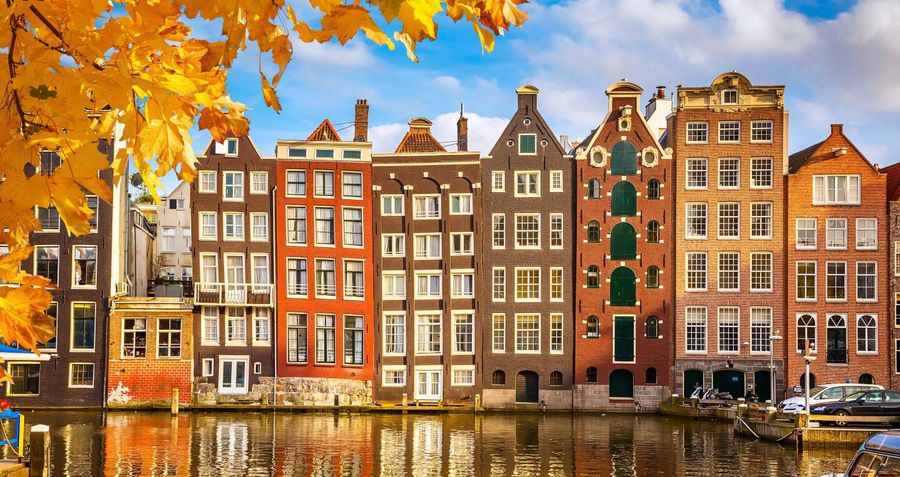
Amsterdam
Amsterdam, the capital of the Netherlands, is one of Europe’s most enchanting cities, famous for its stunning canals, rich history,…
Explore Amsterdam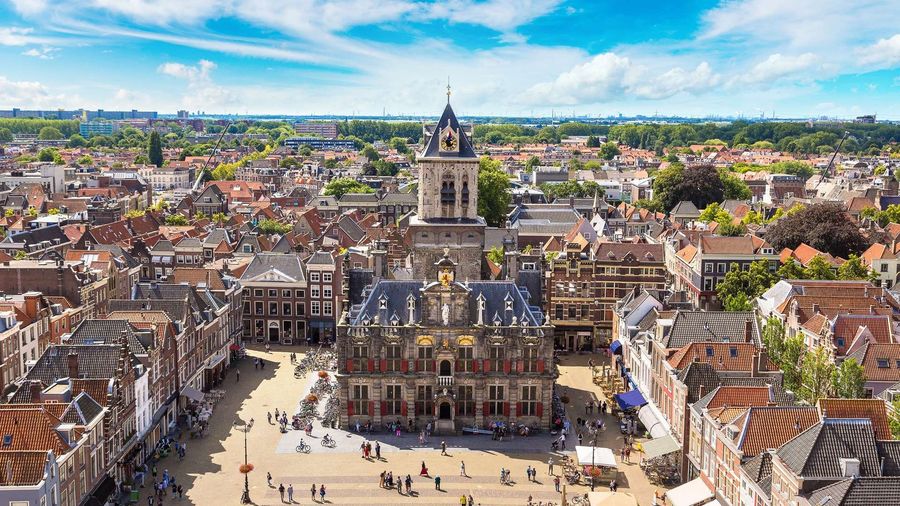
Delft
Nestled between The Hague and Rotterdam, Delft is a picturesque city in the Netherlands that enchants visitors with its rich history,…
Explore DelftA little context for your exploring.
These original VoyageOwl city stories are preserved from the archive. Historical claims and visitor details remain subject to editorial review. Check attraction opening hours, tickets and access before making plans.
A few good stories. A little room to wander.