
Valencia
Valencia, Spain’s third-largest city, is a vibrant blend of history, modern innovation, and Mediterranean beauty. With its stunning architecture, rich cultural heritage, and…
What brings you
to Valencia?
A few good places to begin.
A City Steeped in History
Valencia’s history stretches back to its founding by the Romans in 138 B.C., making it one of Spain’s oldest cities. Over the centuries, it has been shaped by…
Valencia · Read the storyThe City of Arts and Sciences
One of Valencia’s most iconic landmarks is the City of Arts and Sciences (Ciudad de las Artes y las Ciencias), a stunning complex of futuristic buildings…
Valencia · Read the storyLa Lonja de la Seda (The Silk Exchange)
A UNESCO World Heritage Site, La Lonja de la Seda is one of the most important Gothic buildings in Europe and a symbol of Valencia’s economic power during the…
Valencia · Read the storyValencia’s Beaches and Surfing Culture
Valencia is blessed with beautiful sandy beaches, making it a perfect destination for both sun-seekers and surfers. Malvarrosa Beach is the city’s most famous…
Valencia · Read the storyListen to Valencia
Take a listening break with the city’s audio story and full transcript.
Audio & transcriptThe story of Valencia
Get to know the city through its history, culture and local traditions.
Read at your own paceA few ways into Valencia.
Leave room to discover more.
The City of Arts and Sciences
One of Valencia’s most iconic landmarks is the City of Arts and Sciences (Ciudad de las Artes y las Ciencias), a stunning complex of futuristic buildings designed by architect Santiago Calatrava. The complex includes an interactive science museum, an opera house, and…
Discover the storyLa Lonja de la Seda (The Silk Exchange)
A UNESCO World Heritage Site, La Lonja de la Seda is one of the most important Gothic buildings in Europe and a symbol of Valencia’s economic power during the 15th and 16th centuries. This…
Look a little closer 03A story worth stopping forValencia’s Beaches and Surfing Culture
Valencia is blessed with beautiful sandy beaches, making it a perfect destination for both sun-seekers and surfers. Malvarrosa Beach is the city’s most famous stretch of sand, offering the…
Look a little closer 04A story worth stopping forThe Turia Gardens (Jardín del Turia)
Once the riverbed of the Turia River, the Turia Gardens are now one of Europe’s largest urban parks. This 9-kilometer green space winds through the heart of Valencia, offering a lush escape…
Look a little closer 05A story worth stopping forValencia’s Culinary Scene and Paella
Valencia is the birthplace of paella, Spain’s most famous dish, and its culinary scene is as rich and diverse as its history. Traditional paella valenciana is made with chicken, rabbit, and…
Look a little closerThe story of Valencia.
Set the sceneA little background.
A little background.
Valencia, Spain’s third-largest city, is a vibrant blend of history, modern innovation, and Mediterranean beauty. With its stunning architecture, rich cultural heritage, and world-renowned cuisine, Valencia offers an unforgettable travel experience. From its ancient streets to its futuristic City of Arts and Sciences, the city’s unique character shines through every corner. Add to this Valencia’s golden beaches and thriving surfing scene, and you’ve got a destination that has something for everyone.
Behind the postcardA City Steeped in History
A City Steeped in History
Valencia’s history stretches back to its founding by the Romans in 138 B.C., making it one of Spain’s oldest cities. Over the centuries, it has been shaped by diverse influences, from Visigothic rule to the Moorish occupation in the 8th century. During this period, Valencia flourished as a major Mediterranean trading hub and developed a rich cultural and architectural legacy, much of which can still be seen today.
In 1238, King James I of Aragon reconquered the city, and Valencia entered a golden age during the late Middle Ages. The Silk Exchange (La Lonja de la Seda), built in the 15th century, is a testament to the city’s prosperity during this time, when it became one of Europe’s key trading centers. Today, Valencia is a city that honors its past while embracing the future, as seen in its impressive mix of Gothic, Baroque, and modern architecture.
Top 5 Unique Characteristics of Valencia
Look a little closerThe City of Arts and Sciences
The City of Arts and Sciences
One of Valencia’s most iconic landmarks is the City of Arts and Sciences (Ciudad de las Artes y las Ciencias), a stunning complex of futuristic buildings designed by architect Santiago Calatrava. The complex includes an interactive science museum, an opera house, and the largest oceanographic aquarium in Europe. Its sleek, modern design contrasts beautifully with the historic architecture of the old city and symbolizes Valencia’s commitment to innovation. The Hemisfèric, with its eye-shaped structure, hosts IMAX screenings and planetarium shows, making it a must-visit for science and architecture enthusiasts alike.
Look a little closerLa Lonja de la Seda (The Silk Exchange)
La Lonja de la Seda (The Silk Exchange)
A UNESCO World Heritage Site, La Lonja de la Seda is one of the most important Gothic buildings in Europe and a symbol of Valencia’s economic power during the 15th and 16th centuries. This stunning structure was used for trading silk, and its grandiose hall, spiral columns, and intricate carvings reflect the wealth and influence of the city during the height of its silk trade. Visitors can wander through the impressive halls and marvel at the craftsmanship that has stood the test of time.
Look a little closerValencia’s Beaches and Surfing Culture
Valencia’s Beaches and Surfing Culture
Valencia is blessed with beautiful sandy beaches, making it a perfect destination for both sun-seekers and surfers. Malvarrosa Beach is the city’s most famous stretch of sand, offering the perfect spot for lounging, beach volleyball, and seaside dining. However, for surfers, El Saler Beach and Playa de Patacona are where the action is. These beaches boast ideal conditions for surfing, with steady waves that attract both locals and tourists year-round. Several surf schools offer lessons for beginners, making it a great place to catch your first wave or hone your skills. The beachside bars (chiringuitos) are great spots to relax after a surf session and take in the beautiful Mediterranean sunset.
Look a little closerThe Turia Gardens (Jardín del Turia)
The Turia Gardens (Jardín del Turia)
Once the riverbed of the Turia River, the Turia Gardens are now one of Europe’s largest urban parks. This 9-kilometer green space winds through the heart of Valencia, offering a lush escape from the city’s hustle and bustle. Ideal for walking, cycling, or picnicking, the park is home to playgrounds, fountains, and sports facilities. Along the way, you’ll pass notable landmarks like the Palau de la Música and the Gulliver Park, where a giant sculpture of Gulliver serves as a playground for children. The park also connects to the City of Arts and Sciences, offering a scenic route through Valencia’s modern and natural attractions.
Look a little closerValencia’s Culinary Scene and Paella
Valencia’s Culinary Scene and Paella
Valencia is the birthplace of paella, Spain’s most famous dish, and its culinary scene is as rich and diverse as its history. Traditional paella valenciana is made with chicken, rabbit, and saffron, cooked over an open flame. You can savor authentic paella at restaurants across the city, especially in the El Palmar neighborhood near the Albufera Natural Park, where rice is grown locally. Beyond paella, Valencia is known for its horchata (a refreshing drink made from tiger nuts) and fartons (sweet pastries), perfect for an afternoon treat.
Behind the postcardValencia Today: A City Embracing the Future
Valencia Today: A City Embracing the Future
Today, Valencia stands as a symbol of Spain’s ability to balance heritage with innovation. The city has become a center for science, technology, and the arts, while its historical treasures remain well-preserved. Valencia’s Las Fallas festival, an annual celebration that includes fireworks, music, and the burning of giant papier-mâché sculptures, is recognized by UNESCO as an Intangible Cultural Heritage of Humanity. This dynamic event is a perfect reflection of the city’s lively spirit and cultural pride.
In addition to its vibrant cultural scene, Valencia is a leader in sustainability and urban innovation. The city’s public transportation system, combined with extensive cycling lanes and eco-friendly initiatives, makes it one of the most sustainable cities in Spain.
Behind the postcardFun Facts About Valencia
Fun Facts About Valencia
Valencia is home to the Holy Grail—at least, according to legend. The chalice believed to be the Holy Grail is kept in Valencia Cathedral.The Turia River was rerouted in 1957 after a devastating flood, and its former riverbed was transformed into the city’s beloved Turia Gardens.Valencia’s Las Fallas festival features gigantic sculptures, some towering over 30 feet, which are burned in spectacular bonfires on the festival’s final night.The famous Valencia oranges are not only delicious but are also a key export, and the city is surrounded by orange groves.The City of Arts and Sciences has been featured in movies and TV shows, including the blockbuster film "Tomorrowland."
From its world-famous paella and stunning modern architecture to its golden beaches and historic charm, Valencia is a city that offers something for every traveler. Whether you’re exploring its ancient streets, catching waves on the Mediterranean, or immersing yourself in its cultural festivals, Valencia is a destination that will leave you enchanted and eager to return.
The city,
in your headphones.
Take a seat, or take a walk. Discover Valencia one story at a time.
The stories of Valencia
Read the complete audio transcript
Welcome to Voyage Owl’s walking tour of Valencia, Spain's third-largest city and one of its most vibrant cultural and historical hubs. Located on the southeastern coast of the Iberian Peninsula, along the shores of the Mediterranean Sea, Valencia is a city that has seen thousands of years of history, from its foundation by the Romans to its development into a bustling modern metropolis. Known for its stunning architecture, rich cultural heritage, and delicious cuisine—most notably as the birthplace of paella—Valencia is a city that seamlessly blends the old with the new.
Founded by the Romans in 138 BC, Valencia has been shaped by the many civilizations that passed through it over the centuries, including the Visigoths, Moors, and Christians. The city flourished during the Moorish period, from the 8th to the 13th centuries, when it became a center of learning, agriculture, and trade. Following the Reconquista in 1238, when the Christians reclaimed the city from Moorish rule, Valencia continued to grow as a vital economic and political hub in the Crown of Aragon. By the 15th century, known as the Golden Age of Valencia, the city was a key player in Mediterranean trade, its port bustling with ships from across Europe and North Africa.
Valencia’s architecture is a testament to this rich and varied history, with Gothic, Renaissance, Baroque, and modernist buildings standing side by side. Today, the city is also known for its contemporary innovations, most notably the stunning City of Arts and Sciences, designed by the renowned architect Santiago Calatrava. Beyond its architectural wonders, Valencia is home to vibrant festivals, such as the famous Las Fallas, a UNESCO-recognized cultural event that combines art, tradition, and pyrotechnics. Valencia's historic charm, innovative spirit, and passion for good food and celebrations make it a must-visit destination for travelers looking to experience the heart and soul of Spain.
This walking tour will take you through Valencia’s most iconic landmarks, from its ancient Roman roots to its contemporary marvels, exploring the city’s fascinating history, architectural beauty, and rich cultural traditions. Along the way, we’ll discover the influences that have shaped Valencia into the modern, dynamic city it is today.
---
### Plaza del Ayuntamiento (City Hall Square)
Our tour begins at the Plaza del Ayuntamiento, the heart of Valencia’s civic life and one of the city’s most bustling and iconic squares. Surrounded by elegant early 20th-century architecture, the square is a focal point of the city’s administrative and commercial life. The Plaza del Ayuntamiento is home to the Valencia City Hall (Ayuntamiento), an impressive Neoclassical building that dominates the square with its clock tower and ornate façade. Built in 1931, the City Hall is a symbol of Valencia’s modern transformation in the early 20th century and serves as the seat of the city’s local government.
The square itself is a lively space filled with flowers, fountains, and palm trees, providing a beautiful setting for both locals and tourists to relax and take in the surroundings. It’s also the site of major events in Valencia’s social calendar, including the city’s Las Fallas festival in March. During Las Fallas, giant papier-mâché statues, called ninots, are placed around the square before being set ablaze in spectacular bonfires, marking the culmination of the festival in a dazzling display of fire and celebration.
The Plaza del Ayuntamiento is also home to several other important buildings, including the Post and Telegraph Building, with its Art Nouveau design and iconic dome. The square’s central location makes it a perfect starting point for exploring the city, as it’s within walking distance of many of Valencia’s key attractions.
The Plaza del Ayuntamiento reflects Valencia’s role as a modern administrative and cultural center. The square is at the heart of many of the city’s most important celebrations and events, particularly during the Las Fallas festival.
Take a stroll around the square to admire the impressive architecture and soak in the atmosphere. If you visit during Las Fallas, this square is a central hub for the festivities, so be sure to experience the excitement firsthand.
---
### La Lonja de la Seda (Silk Exchange)
From the Plaza del Ayuntamiento, we head to one of Valencia’s most significant historical landmarks, the La Lonja de la Seda (Silk Exchange), a UNESCO World Heritage Site and a stunning example of Gothic architecture. Built between 1482 and 1533, La Lonja was originally constructed as a center for Valencia’s booming silk trade, which was one of the most important industries in the city during the 15th century, the Golden Age of Valencia. The building is a testament to the city’s economic prosperity and importance as a major trading hub in the Mediterranean.
The Silk Exchange consists of three main sections: the Contract Hall, the Consulado del Mar, and the Orange Garden. The Contract Hall is perhaps the most impressive, with its soaring vaulted ceilings, slender columns, and intricate stonework that create a grand and awe-inspiring space where merchants once negotiated their trade deals. The Consulado del Mar, a later addition, served as the maritime tribunal for disputes related to sea trade. The Orange Garden, with its rows of fragrant orange trees, offers a peaceful contrast to the grandeur of the interior and is a lovely spot to pause and reflect.
La Lonja’s exterior is equally remarkable, with its battlements and gargoyles adding a sense of strength and grandeur to the building. The intricate carvings that decorate the façade depict scenes from daily life, as well as fantastical creatures, reflecting the artistry of the Valencian Gothic style.
La Lonja de la Seda is a symbol of Valencia’s economic power and prosperity during the 15th century. It was the heart of the city’s silk trade and a major center of commerce in the Mediterranean world. Its architecture is a masterpiece of Valencian Gothic design and reflects the wealth and cultural sophistication of the city during its Golden Age.
Be sure to take your time exploring the Contract Hall and the Orange Garden. The building often hosts exhibitions, so check if any are taking place during your visit. The interplay of light and shadow inside the hall creates a magical atmosphere, especially in the late afternoon.
---
### Valencia Cathedral and El Micalet (The Miguelete Tower)
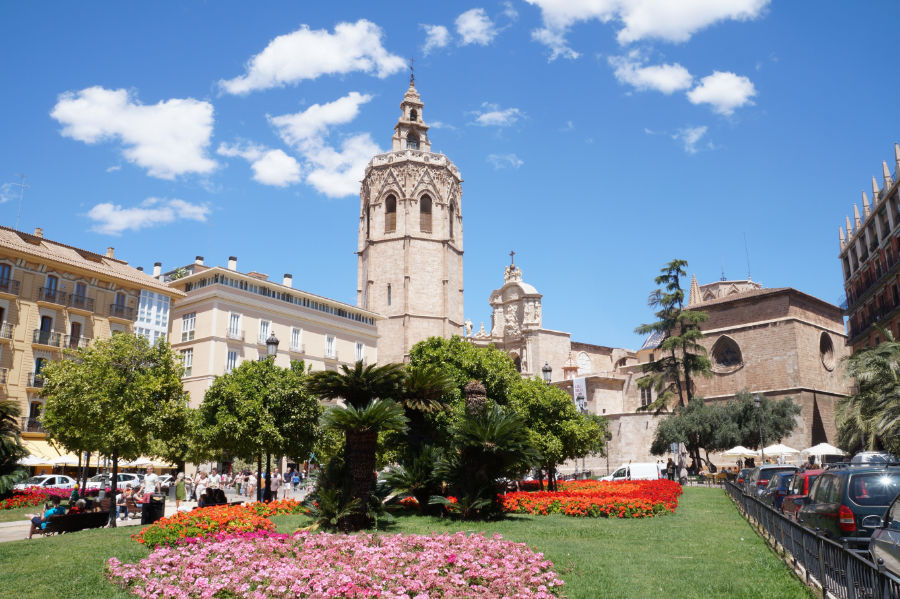
A short walk from La Lonja de la Seda brings us to the magnificent Valencia Cathedral, one of the city’s most important religious and historical landmarks. The cathedral, officially known as the Metropolitan Cathedral–Basilica of the Assumption of Our Lady of Valencia, was built on the site of a former Visigothic cathedral, which was later converted into a mosque during the Moorish occupation. Construction of the current cathedral began in 1238, shortly after the city was reclaimed by Christian forces during the Reconquista, and it incorporates a fascinating mix of architectural styles, including Romanesque, Gothic, Renaissance, Baroque, and Neoclassical elements.
One of the most intriguing features of the Valencia Cathedral is its connection to the Holy Grail. The cathedral houses what is believed by many to be the Santo Cáliz, or the Holy Chalice, used by Jesus Christ during the Last Supper. This relic has been the subject of much debate and veneration over the centuries, and many visitors come to the cathedral specifically to see it. The Chapel of the Holy Chalice, located inside the cathedral, is a beautifully adorned space where the chalice is displayed.
Adjacent to the cathedral is the Miguelete Tower (El Micalet), an iconic octagonal Gothic bell tower that has become one of the most recognizable symbols of Valencia. The tower was built between 1381 and 1429, and if you’re up for a climb, you can ascend the 207 steps to the top for panoramic views of the city and beyond. The tower’s name, Miguelete, comes from the Saint Michael bell, which was installed in 1418 and is still rung on special occasions.
The Valencia Cathedral reflects the city’s long and complex history, from its origins as a Roman temple to its transformation into a Christian cathedral after the Reconquista. Its housing of the Holy Grail adds an air of mystery and spiritual significance, making it a key religious site in Spain.
Don’t miss the chance to see the Holy Grail in the Chapel of the Holy Chalice. For the adventurous, climbing to the top of El Micalet is well worth the effort for the stunning views of Valencia’s historic center.
---
### Plaza de la Virgen
Leaving the Valencia Cathedral, we find ourselves in the picturesque Plaza de la Virgen, one of the most beautiful squares in Valencia and a hub of local life and activity. Surrounded by some of the city’s most important buildings, including the cathedral, the Basilica of the Virgin of the Forsaken (Basílica de la Virgen de los Desamparados), and the Palacio de la Generalidad, the Plaza de la Virgen is a perfect spot to pause and take in the history and culture of the city.
At the center of the square is the Neptune Fountain, a striking sculpture that depicts the Turia River in human form, surrounded by allegorical figures representing its tributaries. The fountain is a reminder of the importance of the Turia River to the city’s development, particularly in terms of agriculture and irrigation. Today, the riverbed has been transformed into the Turia Gardens, a beautiful green space that winds through the city, but its historical significance lives on in monuments like the Neptune Fountain.
The Basilica of the Virgin of the Forsaken, which stands on one side of the square, is dedicated to the Virgen de los Desamparados, the patron saint of Valencia. Built between 1652 and 1667, the basilica is one of the most important religious buildings in the city and a place of pilgrimage for locals and visitors alike. Inside, you’ll find the statue of the Virgen de los Desamparados, which is venerated during important religious festivals, particularly during the Feast of the Virgin in May.
The Plaza de la Virgen has been the heart of Valencia since Roman times, when it was the site of the Forum. Today, it remains a central meeting place, surrounded by buildings that reflect the city’s religious and civic history.
The Plaza de la Virgen is a great place to sit at one of the many outdoor cafés and watch the world go by. If you’re visiting in May, try to catch the Feast of the Virgin, when the square becomes the center of religious celebrations in Valencia.
---
### Mercado Central (Central Market)
From the Plaza de la Virgen, we head to the Mercado Central, one of the largest and most vibrant markets in Europe. Housed in a stunning Modernist building that was completed in 1928, the Mercado Central is not only a place to shop for fresh produce but also an architectural marvel in its own right. The building’s iron, glass, and ceramic tiles create a light-filled space where locals and visitors come to browse, taste, and experience the flavors of Valencia.
The Mercado Central is a bustling hive of activity, with over 1,200 stalls selling everything from fresh seafood and meats to fruits, vegetables, spices, and traditional Valencian products like jamón ibérico, oranges, and horchata. The market is a great place to experience the sights, sounds, and smells of Valencian cuisine, and many of the vendors are happy to let you sample their products.
One of the highlights of the market is its dome, which is adorned with beautiful stained glass that fills the space with natural light. As you wander through the market, take a moment to look up and appreciate the craftsmanship that went into creating this masterpiece of Modernist architecture.
The Mercado Central reflects Valencia’s long-standing tradition of trade and commerce. The market has been an essential part of daily life in the city for centuries, and its modern design is a testament to the city’s embrace of both tradition and innovation.
Be sure to sample some of the local delicacies, such as fresh seafood or Valencian oranges. If you have a sweet tooth, don’t miss the chance to try some turrón (nougat) or a glass of refreshing horchata, a traditional Valencian drink made from tiger nuts.
---
### Turia Gardens (Jardín del Turia)
After visiting the bustling Mercado Central, we head to the tranquil Turia Gardens, a lush green space that winds through the city along the former bed of the Turia River. The river was diverted in the 1950s after a catastrophic flood devastated Valencia, and the old riverbed was transformed into a beautiful public park that is now one of the city’s most popular recreational areas.
Stretching for nearly 9 kilometers, the Turia Gardens are a green oasis in the heart of the city, offering a place for locals and visitors to walk, jog, cycle, or simply relax. The gardens are dotted with fountains, sculptures, playgrounds, and sports fields, making it a favorite spot for families and outdoor enthusiasts. The Turia Gardens also provide access to several important landmarks, including the City of Arts and Sciences and the Bioparc, a modern zoo known for its innovative design.
The transformation of the Turia Riverbed into a park is a testament to Valencia’s forward-thinking urban planning and commitment to creating a livable, green city. The gardens offer a perfect contrast to the bustling urban life of the city, providing a peaceful space where nature and history meet.
The creation of the Turia Gardens is a remarkable example of urban regeneration, transforming a flood-prone riverbed into one of the largest urban parks in Europe. The gardens reflect Valencia’s resilience and its ability to turn adversity into opportunity.
The Turia Gardens are a great place to rent a bike and explore the park’s many paths and hidden corners. If you’re traveling with children, the Gulliver Park, with its giant playground shaped like Gulliver from Gulliver’s Travels, is a must-visit.
---
### City of Arts and Sciences (Ciutat de les Arts i les Ciències)
No tour of Valencia would be complete without a visit to the City of Arts and Sciences, one of the most striking examples of modern architecture in Spain and a symbol of Valencia’s embrace of innovation and culture. Designed by renowned Spanish architect Santiago Calatrava, this futuristic complex, which was inaugurated in 1998, has become one of the most iconic landmarks in the city and a major cultural and scientific center.
The City of Arts and Sciences is made up of several impressive buildings, each with its unique architectural style and purpose. The Hemisfèric, shaped like a giant eye, houses an IMAX cinema and a planetarium. The Museo de las Ciencias Príncipe Felipe is a vast interactive science museum that covers everything from space exploration to biology. The Palau de les Arts Reina Sofía, a stunning opera house and performing arts center, is one of the most visually striking buildings in the complex, with its flowing, organic lines. Finally, the L’Oceanogràfic is Europe’s largest aquarium, home to thousands of marine species from around the world.
The complex is surrounded by reflective pools and walkways, creating a serene and otherworldly atmosphere. The City of Arts and Sciences is not just a center of education and culture but also a place to admire the cutting-edge architecture that has come to define 21st-century Valencia.
The City of Arts and Sciences is a symbol of Valencia’s modernization and its commitment to becoming a cultural and scientific hub in Europe. The complex reflects the city’s vision of the future while honoring its tradition of artistic and scientific achievement.
Set aside a few hours to explore the various attractions within the complex. Whether you’re interested in science, architecture, or marine life, there’s something for everyone at the City of Arts and Sciences. Be sure to take a stroll around the reflective pools at dusk when the buildings are illuminated in the evening light.
---
### Plaza de Toros and Estación del Norte
Our final stop takes us to two of Valencia’s most important landmarks: the Plaza de Toros and the Estación del Norte. The Plaza de Toros, Valencia’s historic bullring, is a stunning example of Neoclassical architecture, inspired by the Roman Colosseum. Built between 1850 and 1860, the Plaza de Toros has been the site of numerous bullfights, a tradition deeply rooted in Spanish culture. Today, it continues to host bullfighting events, as well as concerts and other cultural activities.
Adjacent to the Plaza de Toros is the Estación del Norte, Valencia’s main railway station and a masterpiece of Art Nouveau architecture. Built between 1906 and 1917, the station is known for its ornate façade, decorated with colorful ceramic tiles depicting traditional Valencian motifs, including oranges and flowers. The interior of the station is equally impressive, with stained glass windows and intricate mosaics that celebrate the city’s rich cultural heritage.
The Plaza de Toros and Estación del Norte are important symbols of Valencia’s cultural and architectural heritage. The bullring reflects Spain’s long tradition of bullfighting, while the train station is a testament to the city’s embrace of modernity in the early 20th century.
Even if you’re not attending a bullfight, the Plaza de Toros is worth visiting for its architectural beauty. The Estación del Norte is a functioning train station, so be sure to admire the stunning Art Nouveau details if you’re passing through.
---
###
Our walking tour of Valencia has taken you through centuries of history, from its Roman and Moorish roots to its transformation into a modern, vibrant city. Along the way, we’ve explored Valencia’s most iconic landmarks, including the stunning Valencia Cathedral, the bustling Mercado Central, the peaceful Turia Gardens, and the futuristic City of Arts and Sciences.
Valencia is a city where the past meets the future, where Gothic cathedrals stand alongside Modernist markets and contemporary architecture. Whether you’re captivated by its rich history, its innovative spirit, or its world-renowned cuisine, Valencia offers something for everyone.
To listen to more amazing audio tours of cities around the world check out our other guides at voyageowl.com
Another place, another story.
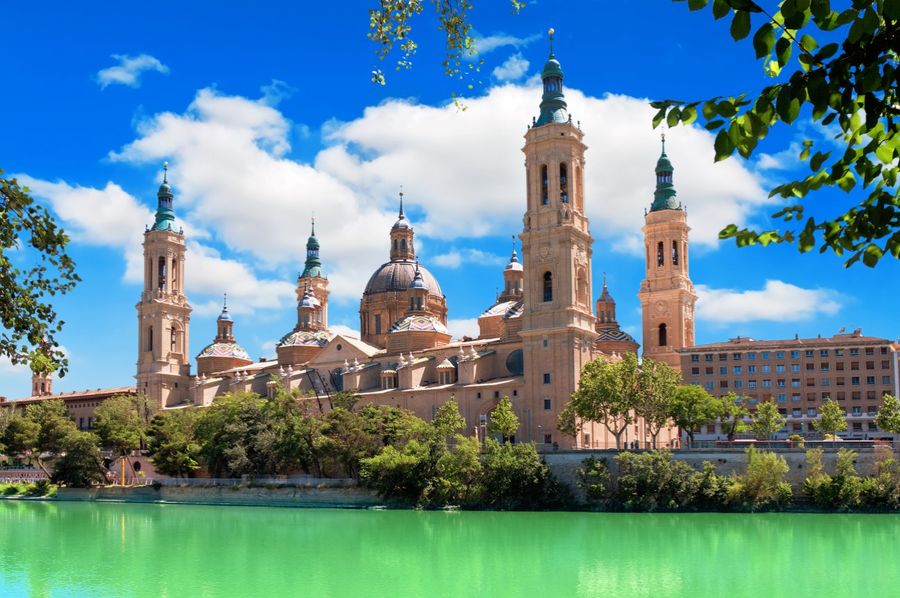
Zaragoza
Nestled on the banks of the Ebro River, Zaragoza is a vibrant city with a rich history that spans over 2,000 years. As the capital of…
Explore Zaragoza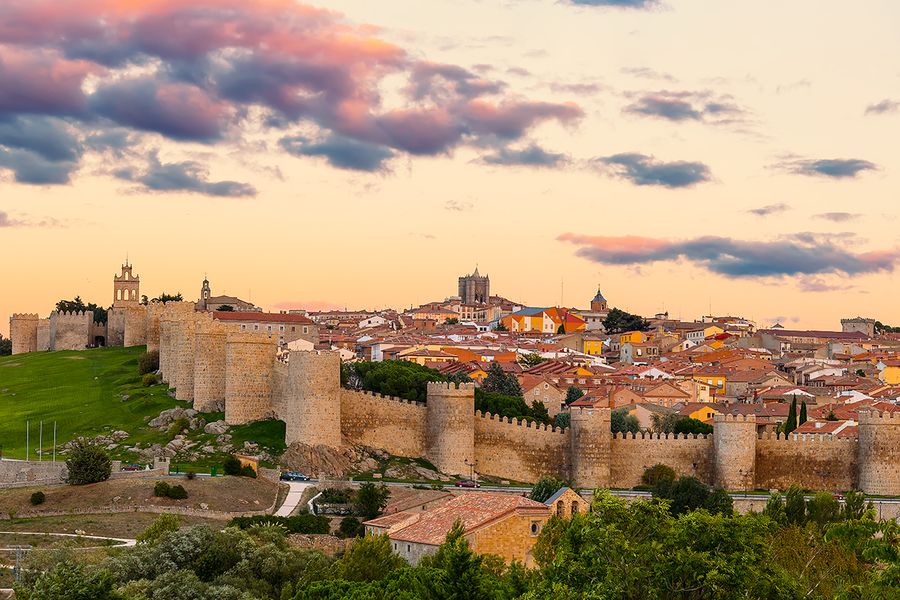
Ávila
Perched high on a plateau in Castile and León, Ávila is one of Spain’s most captivating cities, renowned for its impeccably preserved…
Explore ÁvilaA little context for your exploring.
These original VoyageOwl city stories are preserved from the archive. Historical claims and visitor details remain subject to editorial review. Check attraction opening hours, tickets and access before making plans.
A few good stories. A little room to wander.