 Voyage
Your Cascais month
Milder exploring. Keep a rain plan.
21°Caverage high
80mmmonthly rain
11hdaylight on 2026-10-15
A seaside town worth slowing down for.
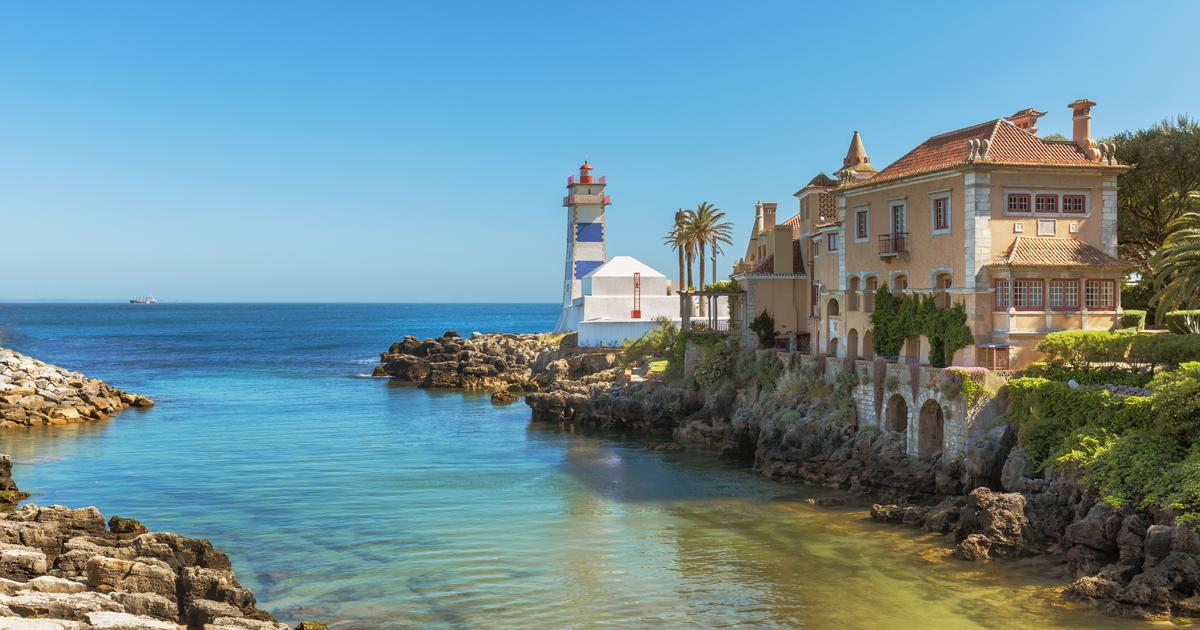
Milder exploring. Keep a rain plan.
Connect the town square, citadel and the exterior of the Castro Guimarães museum.
Our journey begins in the Cascais town center, the heart of this coastal gem. Cascais' historic core is a delightful blend of cobblestone streets,…
Read this chapter 02A story worth stopping forAfter enjoying the town center, our next stop is the Museu Condes de Castro Guimarães, located just a short walk from the main square, near the coastline.…
Read this chapter 03A story worth stopping forFrom the museum, we’ll continue along the coast to one of Cascais’ most dramatic natural landmarks, the Boca do Inferno (Hell’s Mouth). This rugged cliff…
Read this chapterFirst plan the airport-to-Lisbon leg, then a CP journey from Cais do Sodré to Cascais. Allow for the city transfer between the airport and railway. Check CP disruption notices: replacement buses can affect the Cascais line.
Explore arrival options Find a base for your plansBoca do Inferno, Guincho and Cabo da Roca need their own distance and transport checks.
Compare areasA free field guide for looking closely, drawing what you notice and making up a few stories along the way.
Explore Cascais with kidsFind a pattern in the town-square paving.
Draw the shape of the citadel walls.
Invent a story about a tower by the sea.
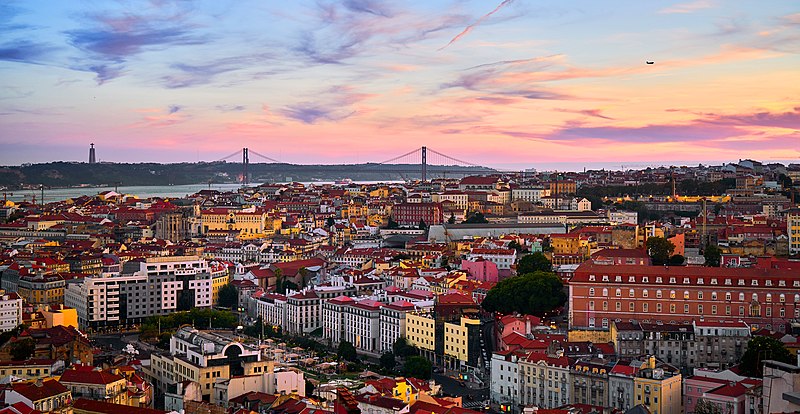
Lisbon, Portugal's vibrant capital, is a city that seamlessly blends old-world charm with modern-day dynamism. Perched on the…
Explore Lisbon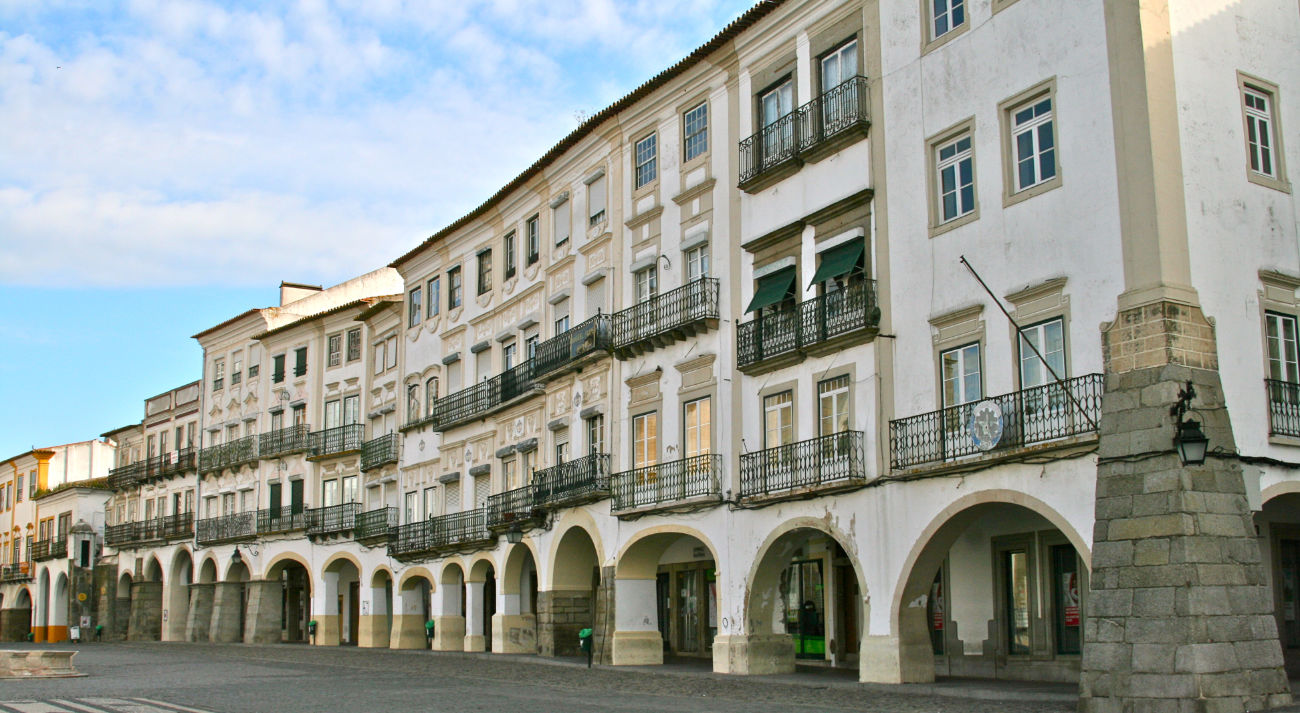
Tucked away in the heart of Portugal’s Alentejo region, Évora is a city steeped in history, charm, and unique architectural…
Explore ÉvoraTake a seat, or take a walk. Discover Cascais one story at a time.
Welcome to Voyage Owl’s tour of Cascais, a charming coastal town located just 30 kilometers west of Lisbon. Known for its stunning beaches, historic sites, and relaxed atmosphere, Cascais has transformed from a sleepy fishing village into one of Portugal’s most popular destinations. Cascais holds a rich and vibrant history, having served as a retreat for Portuguese royalty in the 19th century and a haven for European exiles during World War II. Today, the town combines its royal past with a modern, cosmopolitan vibe, offering visitors everything from elegant seaside villas and gardens to contemporary art galleries and vibrant nightlife.
This walking tour will guide you through Cascais’ most iconic landmarks, from its historic town center to its breathtaking coastline and majestic palaces. Along the way, we’ll explore the town’s fascinating history, from its origins as a fishing village to its status as a royal retreat, while also pointing out some of the more modern attractions that make Cascais a thriving cultural and leisure destination today. Get ready to discover Cascais’ beauty, charm, and unique mix of past and present.
Our journey begins in the Cascais town center, the heart of this coastal gem. Cascais' historic core is a delightful blend of cobblestone streets, whitewashed buildings, and charming squares, with a mix of boutique shops, cafés, and restaurants. This is where the town’s fishing heritage meets its modern identity as a tourist hotspot, and the ambiance is lively yet laid-back, making it the perfect starting point for our tour.
Cascais’ history dates back to at least the 12th century, when it was a small fishing village. Over the centuries, its fortunes grew, particularly in the 19th century, when it became a favored retreat for the Portuguese royal family. In 1870, King Luís I made Cascais his official summer residence, and the town was transformed into a glamorous destination for aristocrats and foreign dignitaries.
As you walk through the town center, you’ll notice the distinctive black-and-white mosaic pavements known as calçada portuguesa, which are common throughout Portugal. These mosaics often depict maritime motifs, a nod to Cascais’ deep connection to the sea.
In the town’s central square, Praça 5 de Outubro, you’ll find the Câmara Municipal de Cascais, Town Hall, a beautiful building with a Manueline-style façade adorned with azulejos, hand-painted ceramic tiles. Take a moment to admire the intricate tilework that tells stories of Portuguese history and folklore. The square is also home to the Igreja de Nossa Senhora dos Navegantes, a lovely 18th-century church that reflects Cascais’ strong ties to its fishing roots, as it is dedicated to Our Lady of Navigators.
Before we dive deeper into the history of Cascais, treat yourself to some local flavors. Stop by Santini, an iconic gelato shop that has been serving some of the best ice cream in Portugal since 1949. With a wide variety of flavors to choose from, it’s the perfect way to start your walking tour, especially on a sunny day.
After enjoying the town center, our next stop is the Museu Condes de Castro Guimarães, located just a short walk from the main square, near the coastline. This museum is housed in a stunning, neo-Gothic mansion surrounded by lush gardens, which once belonged to the wealthy aristocrat Count Manuel de Castro Guimarães. The mansion, built in 1900, is a prime example of the romantic architectural style that was popular among the European elite during this time.
The Condes de Castro Guimarães Museum not only offers a glimpse into the life of the Portuguese aristocracy but also showcases a fascinating collection of art, manuscripts, and artifacts. The museum’s most famous piece is the Illuminated Manuscript of the Chronicles of D. Afonso Henriques, which dates back to the 16th century and tells the story of the first king of Portugal.
The mansion itself is a work of art, with its grand towers, crenellations, and elaborate tilework. The interior is equally impressive, with richly decorated rooms that feature Portuguese azulejos, carved wooden ceilings, and ornate furnishings. One of the most striking rooms is the Great Hall, which is adorned with hand-painted murals depicting the history of Portugal’s Age of Discovery.
Stepping out into the gardens, you’ll find a peaceful retreat with beautiful views of the Atlantic Ocean. The museum is located next to a small cove, Cascais Bay, where fishing boats once docked. The gardens are also home to the Palácio dos Condes de Castro Guimarães, an elegant building that was once the summer residence of the Portuguese royal family.
This museum reflects the town’s transition from a fishing village to a playground for the elite, showcasing the opulent lifestyle that attracted European royalty to Cascais in the late 19th and early 20th centuries.
After visiting the museum, take a stroll along the Cascais waterfront. The promenade offers stunning views of the sea, and there are plenty of cafés where you can enjoy a coffee or a glass of local wine while taking in the scenery.
From the museum, we’ll continue along the coast to one of Cascais’ most dramatic natural landmarks, the Boca do Inferno (Hell’s Mouth). This rugged cliff formation is famous for its striking rock arch and the powerful waves that crash against the cliffs, creating a dramatic spectacle, especially during stormy weather.
The name Boca do Inferno comes from the roaring sound of the waves, which, when crashing against the cliffs, resemble the furious mouth of a beast. This natural feature has been carved over millennia by the relentless force of the sea, and today, it’s one of Cascais’ most popular attractions for its breathtaking views of the Atlantic Ocean and the wild beauty of the coastline.
Historically, Boca do Inferno has always attracted attention. In the late 19th and early 20th centuries, it was a favorite spot for aristocrats and tourists who were drawn to its raw power and beauty. It even became the subject of folklore and local legends, with some stories claiming it was a portal to the underworld.
Boca do Inferno is also significant because it represents the powerful natural forces that have shaped Cascais and the Portuguese coastline for centuries. This rugged, windswept beauty is one of the reasons why Cascais has long been a retreat for nature lovers, artists, and adventurers.
If you’re visiting during lunchtime, Boca do Inferno is close to some excellent seafood restaurants. One option is Mar do Inferno, a family-run restaurant known for its fresh seafood and incredible ocean views. Enjoy a plate of grilled fish or ameijoas à bulhão pato, clams in garlic sauce, while listening to the crashing waves.
Our next stop takes us to a more modern cultural highlight: the Casa das Histórias Paula Rego, a museum dedicated to the works of one of Portugal’s most famous contemporary artists, Paula Rego. Located in a striking red-brick building designed by architect Eduardo Souto de Moura, the museum is as much a work of art as the pieces it houses.
Paula Rego is known for her powerful, often unsettling paintings and drawings, which explore themes of power, gender, and Portuguese folklore. Her work draws heavily on storytelling, with influences ranging from fairy tales and mythology to the politics of her homeland. The museum’s collection includes paintings, drawings, and lithographs that span Rego’s long and influential career.
The building itself is designed to evoke both traditional and contemporary elements, with its sharp lines and pyramidal towers reflecting a blend of modernist architecture and Portugal’s historic aesthetic. Walking through the galleries, you’ll get a sense of Rego’s distinctive voice and her impact on the global art scene.
The Casa das Histórias Paula Rego is not only a testament to one of Portugal’s most important living artists but also a reflection of Cascais’ role as a center for creativity and innovation. The town has long attracted artists, writers, and musicians, who are drawn to its natural beauty and relaxed lifestyle.
After exploring the museum, take a leisurely walk through the Parque Marechal Carmona, a peaceful park nearby that offers a relaxing escape from the bustle of the town center. The park is home to beautiful gardens, lakes, and even some peacocks roaming the grounds. It’s the perfect spot for a quiet picnic or a relaxing afternoon stroll.
From the Casa das Histórias Paula Rego, we’ll head back toward the coastline, making our way to the Marina de Cascais and the historic Cidadela de Cascais (Citadel of Cascais). This area combines the town’s maritime heritage with its modern reputation as a luxury destination.
The Marina de Cascais is a popular spot for sailing enthusiasts, and it’s often filled with yachts and boats from around the world. Cascais has a long tradition of sailing and watersports, and today the marina is a hub for international regattas and other maritime events.
Just next to the marina, you’ll find the Cidadela de Cascais, a 16th-century fortress that once protected the town from pirate attacks and invasions. The citadel was part of a larger network of coastal defenses that were crucial to safeguarding Portugal’s strategic position on the Atlantic. Over the centuries, the citadel has been expanded and modified, reflecting the changing military needs of the region.
In the 19th century, King Luís I transformed part of the citadel into the Palácio da Cidadela, his official summer residence. Today, the citadel is a fascinating blend of history and modernity, with its ancient walls housing a luxury hotel, restaurants, and even contemporary art exhibitions.
Walking through the citadel, you’ll get a sense of Cascais’ evolution from a strategic military outpost to a royal retreat and finally to a modern luxury destination. The Palácio da Cidadela, with its beautiful gardens and historic rooms, is open to visitors and offers a glimpse into the royal life of Portugal’s 19th-century monarchy.
After exploring the citadel, enjoy a meal at one of the marina’s many seafood restaurants, or simply relax with a drink while watching the sunset over the Atlantic. The marina area is also a great place to enjoy some shopping, with a variety of boutiques selling everything from nautical-themed gifts to designer clothing.
No visit to Cascais would be complete without a stop at one of its most famous natural attractions: Praia do Guincho, Guincho Beach. Located just a few kilometers outside the town center, Guincho Beach is known for its wild beauty, with golden sand dunes and powerful waves that crash against the shore. It’s one of the most stunning beaches in Portugal and a favorite spot for surfers, windsurfers, and kiteboarders.
Guincho’s location at the foot of the Serra de Sintra gives it a remote, untamed feel, even though it’s only a short drive from Cascais. The beach is part of the Sintra-Cascais Natural Park, a protected area that offers incredible views of the Atlantic Ocean and the surrounding cliffs.
Historically, Guincho has been important for its strategic location, guarding the approach to Lisbon from the sea. Today, however, it’s best known as a paradise for watersports enthusiasts and nature lovers. The strong winds and waves make it one of the best surfing spots in the country, and international surfing competitions are often held here.
If you’re not into watersports, don’t worry—Guincho Beach is also the perfect place for a relaxing day in the sun or a scenic walk along the shore. The beach’s wild beauty and dramatic landscape make it a must-see destination for anyone visiting Cascais.
Guincho can get windy, especially in the afternoon, so if you’re planning to sunbathe, consider going earlier in the day. There are also a few restaurants and beach bars nearby, such as Bar do Guincho, where you can enjoy fresh seafood with a view of the waves.
To conclude our tour, we’ll take a short trip to Cabo da Roca, the westernmost point of mainland Europe. This windswept cliff offers some of the most breathtaking views in Portugal, with dramatic drop-offs into the Atlantic Ocean and a lighthouse standing sentinel over the rugged landscape.
Cabo da Roca was once thought to be the edge of the world, and its remote, desolate beauty makes it easy to understand why. The cliffs, which rise nearly 150 meters above the sea, offer panoramic views of the coastline stretching to the north and south.
A stone marker at Cabo da Roca reads, in Portuguese, "Where the land ends and the sea begins," a quote from Portugal’s famous poet Luís de Camões. The site has long been a symbol of Portugal’s seafaring heritage and its connection to exploration and discovery.
Cabo da Roca is a fitting end tour tour of Cascais, as it symbolizes both the natural beauty and historical significance of this part of Portugal. As you stand on the cliffs, looking out over the Atlantic, it’s easy to imagine the explorers of the past setting sail from these very shores, venturing into the unknown.
Bring a jacket, as it can be quite windy and chilly at Cabo da Roca, even during the summer months. If you’re feeling adventurous, there are several hiking trails that lead from the cape along the coast, offering even more spectacular views of the surrounding cliffs and beaches.
Our walking tour of Cascais has taken us through centuries of history, from its humble beginnings as a fishing village to its transformation into a royal retreat and modern luxury destination. Along the way, we’ve explored stunning palaces, rugged coastlines, and cultural landmarks that showcase Cascais’ unique blend of history, art, and natural beauty.
Whether you’re here to relax on the beach, dive into the town’s rich history, or enjoy its vibrant modern culture, Cascais offers something for every traveler. Its picturesque streets, elegant villas, and breathtaking views of the Atlantic make it one of the most enchanting destinations in Portugal.
We hope you’ve enjoyed this walking tour of Cascais and that it has given you a deeper appreciation for the town’s beauty and heritage. As you continue to explore, take your time to wander through its streets, discover hidden gems, and soak up the laid-back charm of this coastal paradise. Boa viagem!
To listen to more amazing audio tours of cities around the world check out our other guides at voyageowl.com
Original archived stories. Historical and visitor details remain subject to editorial review.
Cascais, a coastal town just 30 kilometers west of Lisbon, offers an incredible blend of natural beauty and rich history. Once a small fishing village, Cascais grew into a royal retreat in the 19th century, welcoming aristocrats from across Europe. Its beautiful beaches, historic sites, and modern charm make it a must-visit destination for anyone traveling to Portugal.
Cascais is home to a number of iconic landmarks that reflect its royal heritage and strategic importance. Start your exploration in the town center, where cobblestone streets lead you through charming squares lined with cafes and boutiques. The Praça 5 de Outubro and the Town Hall are wonderful places to begin your journey, while nearby, the 15th-century Fortaleza da Cidadela offers insight into the town’s military past.
The Museu Condes de Castro Guimarães provides a glimpse into aristocratic life in Cascais, showcasing beautiful gardens, grand towers, and collections of art and manuscripts that reveal the town's transition from fishing village to royal playground.
Cascais is surrounded by breathtaking natural landscapes, from its golden beaches to the wild cliffs of Boca do Inferno (Hell’s Mouth). This dramatic coastal feature, with its crashing waves and striking rock formations, is a must-see for visitors looking to experience the raw power of the Atlantic Ocean.
Guincho Beach, located just outside of Cascais, is a favorite destination for surfers and nature lovers alike. The beach’s wide dunes and powerful waves make it one of the most scenic spots in the region, perfect for a relaxing day in the sun or a thrilling adventure on the water.
While Cascais boasts a rich historical legacy, it also embraces modern culture and leisure. The Casa das Histórias Paula Rego is a contemporary art museum dedicated to the works of Portuguese artist Paula Rego, housed in an architectural masterpiece designed by Eduardo Souto de Moura. The town also hosts a variety of festivals, including the Festa do Mar, celebrating its fishing traditions and maritime heritage.
Whether you're visiting for its beaches, history, or vibrant arts scene, Cascais offers something for every traveler. Be sure to take in the town’s beautiful seaside promenades, stop by local seafood restaurants, and enjoy the laid-back atmosphere that makes Cascais one of Portugal’s premier destinations.
Cascais was a favorite summer retreat for European royalty during the 19th century.The town is home to one of the largest natural harbors on the Portuguese coast, making it a vital maritime hub.Boca do Inferno is said to have inspired many local legends due to the roaring sound of the waves crashing against its cliffs.
A few good sources. A little room to wander.