
Your Colmar month
Milder exploring. Keep a rain plan.
16°Caverage high
78mmmonthly rain
10hdaylight on 2026-10-15
Timbered houses, small canals and Alsatian stories.
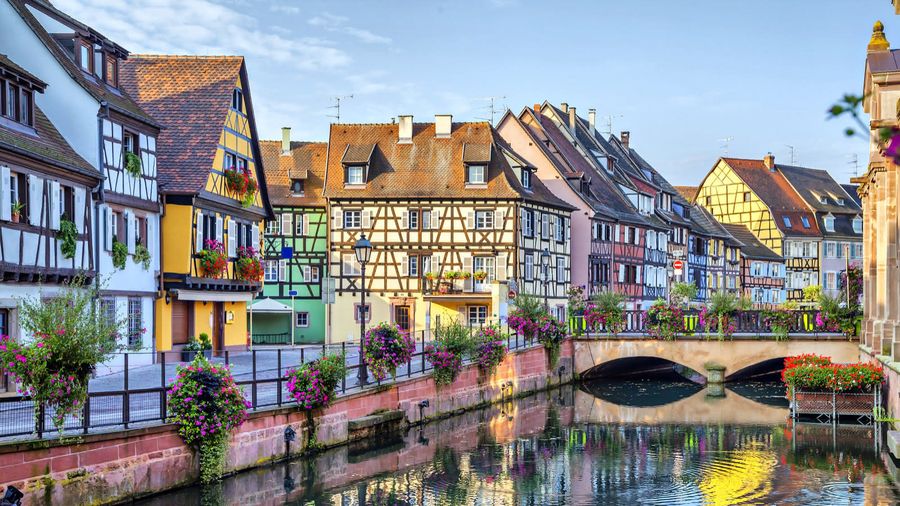
Start at Colmar railway station and explore the old town and Little Venice with a 90-minute or two-hour plan, an official map and original audio stories.
8 stops · Self-guidedExplore the cathedral square, Maison Pfister and the former customs house.
Colmar · Route guideGet to know The cathedral quarter, Little Venice, The museum streets and choose a base for your visit.
Colmar · Neighborhood guideEuroAirport describes bus 11 from the French sector to Saint-Louis station, followed by trains toward Colmar. Check the full connection for your arrival date.
Colmar · Arrival guideFind family activities, a printable field guide and ideas for a shared adventure.
Colmar · Family guideTake a listening break with the city’s audio story and full transcript.
Audio & transcriptExplore the cathedral square, Maison Pfister and the former customs house.
Our tour begins at the Place de la Cathédrale, one of the main squares in the historic center of Colmar. Despite its name, the town doesn’t have a…
Read this chapter 02A story worth stopping forFrom Place de la Cathédrale, we continue to one of Colmar’s most iconic buildings, the Maison Pfister. Located just a short walk away, this stunning…
Read this chapter 03A story worth stopping forNext, we head to the Musée Unterlinden, one of the most important museums in France, housed in a former Dominican convent. The museum’s star attraction is…
Read this chapterMilder exploring. Keep a rain plan.
EuroAirport describes bus 11 from the French sector to Saint-Louis station, followed by trains toward Colmar. Check the full connection for your arrival date.
Explore arrival options Find a base for your plansThe wine route is a regional excursion, not another stop on an old-town walk.
Compare areasA free field guide for looking closely, drawing what you notice and making up a few stories along the way.
Explore Colmar with kidsSketch a roof shape near the cathedral.
Find two different patterns on Maison Pfister.
Look for a date on a building near the old customs house.
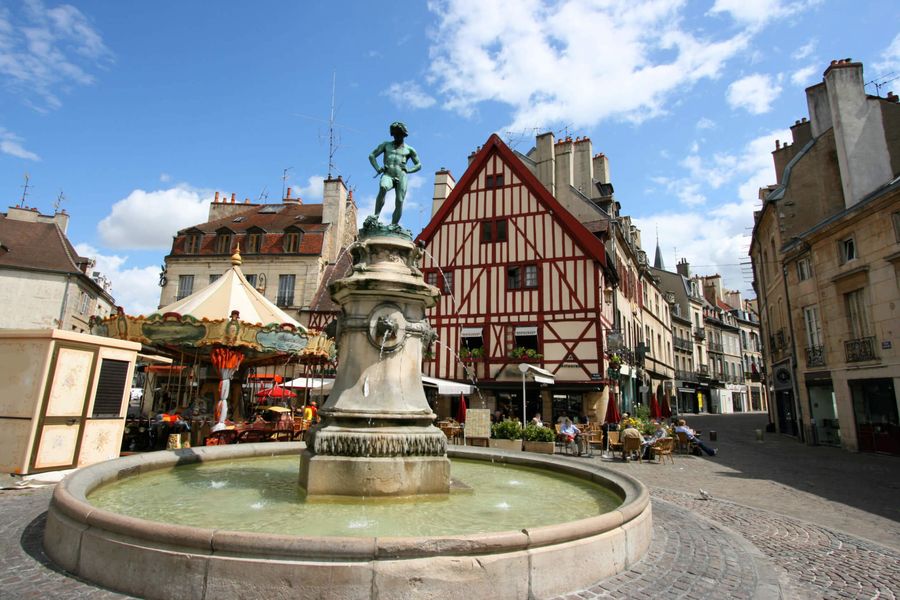
Located in the heart of the Burgundy region, Dijon is a city that offers a rich blend of history, culture, and world-renowned…
Explore Dijon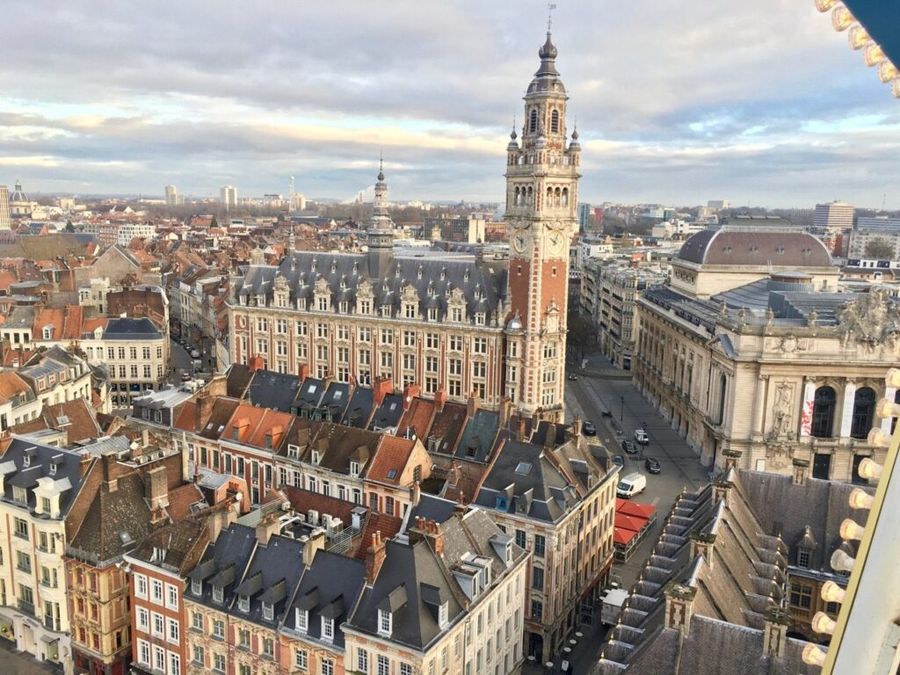
Located in the heart of Hauts-de-France, near the borders of Belgium, Lille is a city that beautifully blends its rich history…
Explore LilleTake a seat, or take a walk. Discover Colmar one story at a time.
Welcome to Voyage Owl’s walking tour of Colmar, a city that feels like a storybook come to life, with its charming half-timbered houses, picturesque canals, and vibrant floral displays. Nestled in the heart of the Alsace region of northeastern France, Colmar is often described as one of the most beautiful towns in Europe. With its well-preserved medieval architecture, rich history, and a perfect blend of French and German influences, Colmar is a delightful destination for anyone looking to experience the essence of Alsace.
Founded in the 9th century, Colmar has a long and fascinating history, shaped by its strategic location between France and Germany. The town was part of the Holy Roman Empire, the Duchy of Burgundy, and the German Empire before permanently becoming part of France in the 17th century under the Treaty of Westphalia. Colmar’s unique blend of French and German culture is evident in its architecture, cuisine, and traditions. It’s also the capital of the Alsace Wine Route, famous for its Riesling, Gewürztraminer, and other world-class wines.
This walking tour will take you through the heart of Colmar, exploring its medieval streets, stunning architecture, and cultural treasures, as well as offering a taste of its renowned wines and cuisine. Let’s begin our journey through this enchanting Alsatian town.
---
### 1. Place de la Cathédrale (Cathedral Square)
Our tour begins at the Place de la Cathédrale, one of the main squares in the historic center of Colmar. Despite its name, the town doesn’t have a cathedral, but it is home to the impressive Église Saint-Martin (Saint Martin’s Church), a stunning example of Gothic architecture. Built between the 13th and 14th centuries, this church dominates the square with its grand facade, pointed arches, and intricate stone carvings.
As you enter the church, you’ll be struck by the beauty of its soaring nave and the soft light filtering through its stained-glass windows. The interior is adorned with impressive sculptures and altarpieces, reflecting the wealth and importance of Colmar during the Middle Ages. The roof tiles, typical of Alsace, feature colorful geometric patterns that add to the charm of the building.
The Place de la Cathédrale is surrounded by a mix of medieval and Renaissance buildings, including the Maison Adolph, the oldest house in Colmar, dating back to the 14th century. Its half-timbered structure and Gothic windows are a perfect introduction to the unique architecture of the town.
Église Saint-Martin is one of the finest examples of Gothic architecture in Alsace and reflects Colmar’s importance as a religious and cultural center during the Middle Ages. The square is a central point in the town’s historic district and offers a glimpse into its architectural evolution over the centuries.
Be sure to step inside Église Saint-Martin to admire the stained-glass windows and the peaceful atmosphere of the church. Take a few moments to walk around Place de la Cathédrale and appreciate the intricate details of the surrounding buildings, which showcase Colmar’s blend of Gothic and Renaissance styles.
---
### 2. Maison Pfister
From Place de la Cathédrale, we continue to one of Colmar’s most iconic buildings, the Maison Pfister. Located just a short walk away, this stunning Renaissance house was built in 1537 for a wealthy merchant named Ludwig Scherer. Despite its medieval appearance, the Maison Pfister is actually a masterpiece of Renaissance architecture, with its wooden galleries, octagonal turret, and frescoes depicting religious and secular scenes.
The Maison Pfister is an excellent example of Colmar’s unique architectural style, which combines German and Alsatian influences. The house’s half-timbered structure and carved wooden details reflect traditional Alsatian craftsmanship, while its elegant proportions and rich decoration are characteristic of the Renaissance.
The Maison Pfister is one of the most famous examples of Renaissance architecture in Alsace and reflects the prosperity of Colmar during the 16th century. Its blend of medieval and Renaissance elements makes it a symbol of the town’s rich cultural heritage.
Take your time admiring the exterior of the Maison Pfister, especially the intricate frescoes and wooden carvings. The house is privately owned, so you can’t go inside, but the exterior alone is worth a visit for its beauty and historical significance.
---
### 3. Musée Unterlinden (Unterlinden Museum)
Next, we head to the Musée Unterlinden, one of the most important museums in France, housed in a former Dominican convent. The museum’s star attraction is the Isenheim Altarpiece, a stunning work of German Renaissance art created by Matthias Grünewald between 1512 and 1516. This masterpiece of religious art is famous for its vivid depiction of the Crucifixion and the Resurrection, as well as its intricate details and emotional intensity.
In addition to the Isenheim Altarpiece, the Musée Unterlinden houses an extensive collection of medieval, Renaissance, and modern art, including works by Lucas Cranach the Elder, Hans Holbein, Pablo Picasso, and Fernand Léger. The museum’s recent expansion, designed by architects Herzog & de Meuron, has seamlessly integrated modern architecture with the historic convent, creating a beautiful space to explore art and history.
The Musée Unterlinden is home to one of the most important collections of medieval and Renaissance art in France. The Isenheim Altarpiece, in particular, is a masterpiece of religious art and has attracted visitors from around the world for centuries.
Plan to spend at least an hour or two exploring the Musée Unterlinden. The Isenheim Altarpiece is a must-see, but don’t miss the museum’s other collections, which span centuries of European art. The museum also has a lovely garden and café, perfect for a relaxing break.
---
### 4. La Petite Venise (Little Venice)
No visit to Colmar would be complete without a stroll through La Petite Venise, the town’s most picturesque and romantic neighborhood. This charming district, located along the Lauch River, is named for its resemblance to Venice, with its colorful half-timbered houses lining the canals and narrow streets.
As you wander through La Petite Venise, you’ll feel as though you’ve stepped into a fairy tale. The beautifully preserved houses, many of which date back to the 16th and 17th centuries, are adorned with vibrant flowers in the summer months, creating a postcard-perfect scene. The area is particularly beautiful in the early morning or late afternoon when the light reflects off the water, casting a golden glow on the buildings.
You can also take a boat tour along the canal, offering a different perspective of the town’s architecture and giving you the chance to see some of the hidden corners of La Petite Venise.
La Petite Venise is one of the best-preserved medieval districts in Colmar and reflects the town’s long history as a center of trade and commerce. The canals were once used to transport goods, and the area was home to fishermen, tanners, and other artisans.
Take a leisurely walk through La Petite Venise, and be sure to bring your camera—the neighborhood is one of the most photographed spots in Alsace. If you have time, consider taking a boat tour for a unique perspective of the town. The area is also home to several cozy restaurants and cafés, perfect for a relaxing meal by the water.
---
### 5. Koïfhus (Old Customs House)
Our next stop is the Koïfhus, or Old Customs House, one of the most important historic buildings in Colmar. Built in 1480, the Koïfhus was the economic and political center of the town during the Middle Ages. It served as a customs house, where merchants from across Europe came to trade goods, and it also housed the town’s administrative offices.
The Koïfhus is a beautiful example of medieval civic architecture, with its sloping roof, arched windows, and imposing presence. The building’s location at the crossroads of two major trade routes made it a hub of activity in Colmar for centuries. Today, the Koïfhus hosts exhibitions and events, and its ground floor is often used for markets and fairs.
The upper floors of the Koïfhus are open to visitors and offer a fascinating look at the history of the building and its role in Colmar’s economic and political life. From the windows, you can enjoy stunning views of the surrounding medieval streets.
The Koïfhus played a central role in Colmar’s medieval economy and reflects the town’s importance as a center of trade. Its location at the crossroads of major trade routes made it a key building in the town’s development.
If you’re visiting Colmar during a festival or market, be sure to stop by the Koïfhus, as it often hosts special events. The building itself is worth exploring, and the views from the upper floors offer a beautiful perspective of the town’s medieval streets.
---
### 6. Maison des Têtes (House of Heads)
A short walk from the Koïfhus brings us to one of the most unusual and striking buildings in Colmar: the Maison des Têtes. Built in 1609 for a wealthy merchant, this Renaissance-style house is named for the 106 carved heads (têtes) that decorate its facade. The heads, each with a different expression, add a playful and somewhat mysterious touch to the building, making it one of the most photographed landmarks in the town.
The Maison des Têtes was designed by the architect Hans Burger, and its elaborate decoration reflects the wealth and status of its original owner. The building’s distinctive gable and intricate stonework make it a masterpiece of Alsatian Renaissance architecture. Today, the Maison des Têtes is home to a luxury hotel and a gourmet restaurant, offering visitors a chance to experience the history and elegance of the building firsthand.
The Maison des Têtes is a prime example of Alsatian Renaissance architecture and reflects the prosperity of Colmar’s merchant class in the early 17th century. Its unique facade makes it one of the most famous buildings in the town.
While you can’t explore the interior unless you’re a guest at the hotel, the exterior of the Maison des Têtes is worth a visit for its intricate carvings and architectural details. Be sure to count the 106 heads—each one is different!
---
### 7. Dominican Church (Église des Dominicains)
Next, we visit the Dominican Church, or Église des Dominicains, a beautiful Gothic church that dates back to the 13th century. The church’s simple yet elegant design reflects the austerity of the Dominican order, but inside, you’ll find one of Colmar’s most treasured art pieces: the Madonna of the Rose Garden, a stunning altarpiece painted by Martin Schongauer, one of the most famous German painters of the 15th century.
The church’s high vaulted ceilings and large stained-glass windows create a serene atmosphere, perfect for quiet reflection. The Madonna of the Rose Garden, which depicts the Virgin Mary surrounded by a rose garden, is considered one of Schongauer’s masterpieces and is a must-see for art lovers.
The Dominican Church reflects the spiritual and artistic heritage of Colmar. The Madonna of the Rose Garden is one of the most important works of art in Alsace and has drawn visitors to the church for centuries.
Be sure to spend some time admiring the Madonna of the Rose Garden, which is considered one of the finest examples of Gothic religious art. The church is also a peaceful spot to escape the bustle of the town and enjoy a moment of quiet reflection.
---
### 8. Alsace Wine Route and Wine Tasting
No trip to Colmar would be complete without experiencing its world-famous wines. Colmar is the capital of the Alsace Wine Route, and the surrounding vineyards produce some of the best white wines in the world, including Riesling, Gewürztraminer, Pinot Gris, and Sylvaner. The region’s unique climate and terroir make its wines distinctive, with a perfect balance of acidity and fruit.
Many wine cellars in Colmar offer wine tastings, where you can sample the local varieties and learn about the winemaking traditions of Alsace. One of the best places to start is at the Maison des Vins d’Alsace, located in the town center, where you can taste a variety of wines from different vineyards in the region. You can also venture just outside the town to visit some of the nearby wine estates, where you’ll have the opportunity to tour the vineyards and cellars and meet the winemakers.
Alsace has a long history of winemaking, dating back to the Roman period. The region’s wines are known for their high quality and distinctive flavors, and Colmar has played a central role in promoting the wines of Alsace to the world.
Don’t miss the chance to sample some of the local wines at one of the wine cellars in town. If you have time, consider taking a short trip along the Alsace Wine Route to visit a vineyard and learn more about the winemaking process.
---
### Conclusion
Our walking tour of Colmar has taken you through centuries of history, from its medieval origins to its role as a center of art, culture, and winemaking in the Alsace region. Along the way, we’ve explored the town’s most iconic landmarks, including the Église Saint-Martin, the Musée Unterlinden, and the picturesque streets of La Petite Venise. Colmar’s unique blend of French and German influences, combined with its stunning architecture and vibrant culture, makes it one of the most charming towns in France.
Whether you’re here to admire its architectural beauty, enjoy its world-class wines, or simply stroll through its storybook streets, Colmar offers something for everyone. We hope this walking tour has given you a deeper appreciation for Colmar’s beauty, history, and cultural significance. Bon voyage! Enjoy the rest of your time exploring this enchanting town in the heart of Alsace!
To listen to more amazing audio tours of cities around the world check out our other guides at voyageowl.com
Original archived stories. Historical and visitor details remain subject to editorial review.
Nestled in the scenic region of Alsace, Colmar is a city that seems straight out of a storybook. With its colorful half-timbered houses, winding cobblestone streets, and picturesque canals, Colmar offers visitors a perfect blend of medieval charm and modern-day allure. Known for its well-preserved architecture, rich cultural history, and world-famous wines, Colmar is a must-visit destination for anyone exploring the Alsace region. Whether you’re strolling through its enchanting old town or savoring a glass of local wine, Colmar is a city that captivates with every step.
Founded in the 9th century, Colmar has long been an important center of commerce, culture, and politics. Throughout the Middle Ages, it flourished as a prosperous town due to its strategic location on key trade routes between France and Germany. Its architecture, which blends German and French influences, is a testament to the city’s complex past, having changed hands between the two countries multiple times over the centuries.
Colmar played a significant role during the Protestant Reformation in the 16th century, and during both World Wars, the city saw significant conflict and occupation. Despite these challenges, Colmar has preserved its medieval character and is considered one of the best-preserved towns in Alsace. Today, it stands as a symbol of French-German unity and cooperation, offering visitors a chance to explore a city rich in history and beauty.
Perhaps the most famous and picturesque area of Colmar is La Petite Venise, a charming district filled with colorful, half-timbered houses that line the canals of the Lauch River. Walking along the canals, visitors can enjoy stunning views of the houses with their window boxes bursting with flowers. The best way to experience the magic of La Petite Venise is to take a boat ride along the tranquil waters, allowing you to admire the fairytale-like scenery from a unique perspective. It’s no wonder this area is one of the most photographed spots in the city!
Housed in a 13th-century Dominican convent, the Unterlinden Museum is one of Colmar’s cultural jewels. The museum is home to the world-famous Isenheim Altarpiece, a masterpiece of German Renaissance art created by Matthias Grünewald. The museum’s collection also includes a vast array of art spanning from the Middle Ages to modern times, including works by Pablo Picasso and Georges Rouault. The stunning blend of medieval architecture and world-class art makes the Unterlinden Museum a must-see for art lovers visiting Colmar.
Colmar is often referred to as the Capital of Alsace Wines, and it is the perfect starting point for exploring the Alsace Wine Route. The region is famous for its white wines, particularly Riesling, Gewürztraminer, and Pinot Gris. Visitors can explore local vineyards and wine cellars, where they can sample some of the best wines in France. Each year, the city hosts the Foire aux Vins d’Alsace (Alsace Wine Fair), a celebration of the region’s wine heritage that includes tastings, concerts, and other cultural events.
A stunning example of Gothic architecture, St. Martin’s Church is one of the most important historical landmarks in Colmar. Construction began in the 13th century, and its towering spires dominate the city’s skyline. Inside, visitors can admire beautiful stained-glass windows and intricate woodwork, as well as the tomb of Jean Roesselmann, a local hero who fought for Colmar’s independence. The church’s grandeur and historical significance make it a key stop for anyone interested in the city’s religious and architectural heritage.
Colmar is known for having one of the most magical Christmas markets in all of France. Each year, from late November to December, the city transforms into a winter wonderland, with twinkling lights, festive decorations, and charming wooden stalls selling holiday treats, handcrafted gifts, and mulled wine. The Christmas markets are spread across five different squares in the old town, each offering a unique atmosphere. The market at Place de la Cathédrale, set against the backdrop of St. Martin’s Church, is especially enchanting. Colmar’s Christmas markets attract visitors from all over the world, and they are a perfect way to experience the city’s festive spirit.
Today, Colmar thrives as both a historical gem and a modern cultural hub. Its well-preserved old town, vibrant cultural scene, and renowned wine industry make it a popular destination for travelers from around the globe. The city’s year-round festivals, including its wine fairs and Christmas markets, keep its streets lively and bustling. Colmar’s commitment to preserving its heritage while embracing modernity ensures that it remains one of the most enchanting cities in France.
Frédéric Auguste Bartholdi, the sculptor who designed the Statue of Liberty, was born in Colmar. His childhood home is now the Bartholdi Museum, dedicated to his life and work.Colmar is considered one of the sunniest cities in France, thanks to its location near the Vosges Mountains, which shield it from rain.The Isenheim Altarpiece, housed in the Unterlinden Museum, is considered one of the most important works of German Renaissance art.Colmar’s Old Town served as the inspiration for Disney’s Beauty and the Beast, with its colorful houses and winding streets.The Alsace Wine Route passes through Colmar, making it a key destination for wine lovers exploring the region’s famous vineyards.
Whether you’re admiring its medieval architecture, sipping a glass of Riesling, or wandering through its flower-lined canals, Colmar offers an unforgettable experience that captures the heart of Alsace. Its combination of history, culture, and natural beauty makes it a city that will leave a lasting impression on all who visit.
A few good sources. A little room to wander.