
Saint Thomas
Saint Thomas, the bustling hub of the U.S. Virgin Islands, is a vibrant destination that boasts stunning beaches, historical landmarks, and a unique blend of cultures. This…
What brings you
to Saint Thomas?
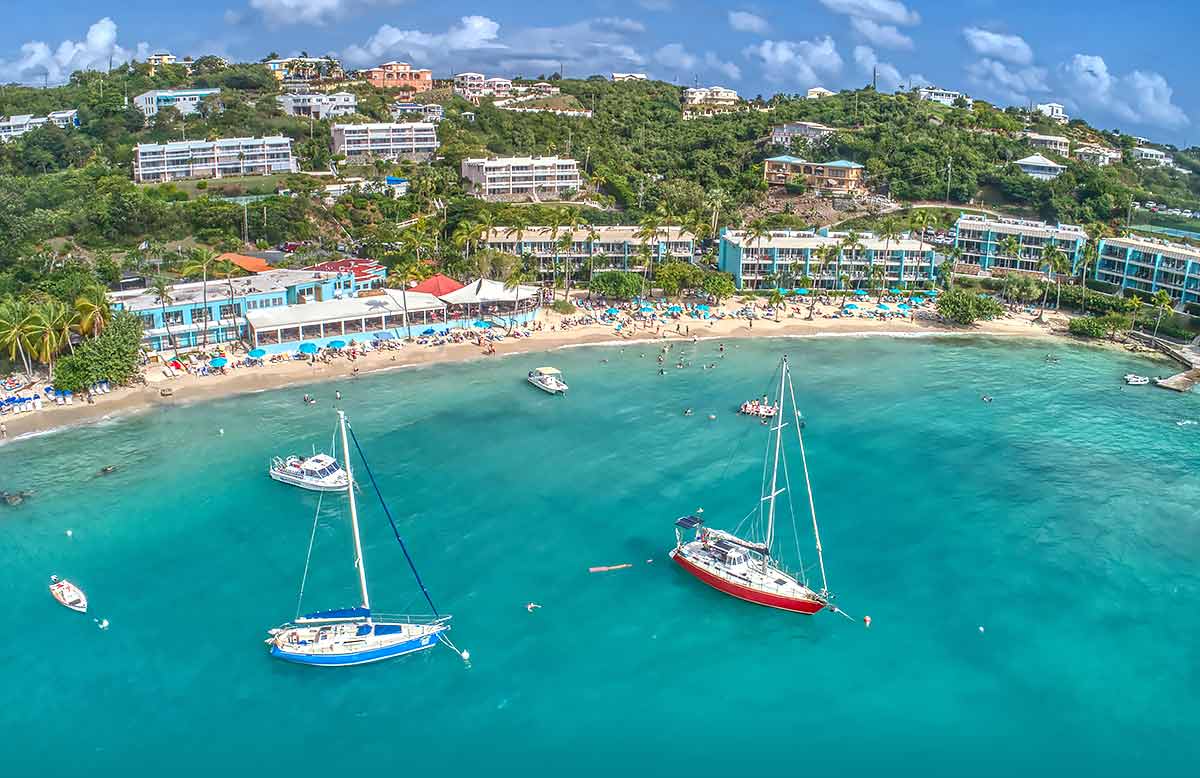
A few good places to begin.
A Storied Past: From Pirate Hideouts to Modern Tourism
Saint Thomas’ history is as colorful as its turquoise waters. First inhabited by the Ciboney, Arawak, and Carib peoples, the island was later colonized by…
Saint Thomas · Read the storyCharlotte Amalie: A Historic Capital
Charlotte Amalie, the capital of the U.S. Virgin Islands, is a city rich in history and culture. Named after a Danish queen, the city’s charming streets are…
Saint Thomas · Read the storyMagens Bay: A World-Class Beach
One of the most famous beaches in the Caribbean, Magens Bay is a pristine stretch of white sand framed by lush hills and crystal-clear waters. Ranked among the…
Saint Thomas · Read the storyCoral World Ocean Park
For visitors interested in marine life, Coral World Ocean Park offers an interactive experience with the Caribbean’s underwater wonders. The park features a…
Saint Thomas · Read the storyListen to Saint Thomas
Take a listening break with the city’s audio story and full transcript.
Audio & transcriptThe story of Saint Thomas
Get to know the city through its history, culture and local traditions.
Read at your own paceA few ways into Saint Thomas.
Leave room to discover more.
Charlotte Amalie: A Historic Capital
Charlotte Amalie, the capital of the U.S. Virgin Islands, is a city rich in history and culture. Named after a Danish queen, the city’s charming streets are lined with pastel-colored buildings, many of which date back to the 17th and 18th centuries. Visitors can…
Discover the storyMagens Bay: A World-Class Beach
One of the most famous beaches in the Caribbean, Magens Bay is a pristine stretch of white sand framed by lush hills and crystal-clear waters. Ranked among the top beaches in the world,…
Look a little closer 03A story worth stopping forCoral World Ocean Park
For visitors interested in marine life, Coral World Ocean Park offers an interactive experience with the Caribbean’s underwater wonders. The park features a variety of exhibits, including a…
Look a little closer 04A story worth stopping forDrake’s Seat: A Scenic Viewpoint
Named after the famous English sea captain Sir Francis Drake, Drake’s Seat offers one of the most breathtaking panoramic views of Saint Thomas and the surrounding islands. According to…
Look a little closer 05A story worth stopping forThe 99 Steps
One of the most charming remnants of Saint Thomas’ Danish colonial past, the 99 Steps (though actually 103 steps) are a historic stairway built in the 1700s to help residents navigate the…
Look a little closerThe story of Saint Thomas.
Set the sceneA little background.
A little background.
Saint Thomas, the bustling hub of the U.S. Virgin Islands, is a vibrant destination that boasts stunning beaches, historical landmarks, and a unique blend of cultures. This Caribbean gem, with its rich history and modern attractions, offers visitors the perfect mix of adventure, relaxation, and exploration. Whether you’re diving into its colonial past, shopping in the capital of Charlotte Amalie, or lounging on a world-famous beach, Saint Thomas is a destination that invites you to discover its many layers.
Behind the postcardA Storied Past: From Pirate Hideouts to Modern Tourism
A Storied Past: From Pirate Hideouts to Modern Tourism
Saint Thomas’ history is as colorful as its turquoise waters. First inhabited by the Ciboney, Arawak, and Carib peoples, the island was later colonized by Europeans in the 17th century. The Danish West India Company established Saint Thomas as a major trading post in 1671, turning the island into a bustling port for goods, including sugar and rum. During the 18th century, it became a popular stop for pirates like Blackbeard and Captain Kidd, drawn by its strategic location in the Caribbean.
In 1917, the United States purchased the island from Denmark for $25 million, recognizing its strategic importance during World War I. Today, Saint Thomas is a U.S. territory, and its fascinating past is reflected in the historic buildings, cobblestone streets, and forts that dot the landscape.
Top 5 Unique Characteristics of Saint Thomas
Look a little closerCharlotte Amalie: A Historic Capital
Charlotte Amalie: A Historic Capital
Charlotte Amalie, the capital of the U.S. Virgin Islands, is a city rich in history and culture. Named after a Danish queen, the city’s charming streets are lined with pastel-colored buildings, many of which date back to the 17th and 18th centuries. Visitors can explore historical landmarks like Fort Christian, the oldest standing structure in the Virgin Islands, and Blackbeard’s Castle, a lookout tower once used by the infamous pirate. The city is also known for its duty-free shopping, offering everything from luxury goods to local crafts.
Look a little closerMagens Bay: A World-Class Beach
Magens Bay: A World-Class Beach
One of the most famous beaches in the Caribbean, Magens Bay is a pristine stretch of white sand framed by lush hills and crystal-clear waters. Ranked among the top beaches in the world, this mile-long paradise is perfect for swimming, kayaking, or simply lounging under the sun. The calm waters and picturesque setting make it a must-visit for anyone traveling to Saint Thomas.
Look a little closerCoral World Ocean Park
Coral World Ocean Park
For visitors interested in marine life, Coral World Ocean Park offers an interactive experience with the Caribbean’s underwater wonders. The park features a variety of exhibits, including a coral reef observatory, sea turtle pool, and touch tanks where guests can get up close with starfish, sea cucumbers, and stingrays. It’s an educational and fun experience for families and anyone curious about the rich biodiversity of the Caribbean Sea.
Look a little closerDrake’s Seat: A Scenic Viewpoint
Drake’s Seat: A Scenic Viewpoint
Named after the famous English sea captain Sir Francis Drake, Drake’s Seat offers one of the most breathtaking panoramic views of Saint Thomas and the surrounding islands. According to legend, Drake himself used this vantage point to watch for enemy ships passing through the Virgin Islands. Today, it’s a popular spot for visitors looking to capture stunning photos of Magens Bay and the endless blue of the Caribbean Sea.
Look a little closerThe 99 Steps
The 99 Steps
One of the most charming remnants of Saint Thomas’ Danish colonial past, the 99 Steps (though actually 103 steps) are a historic stairway built in the 1700s to help residents navigate the island’s steep hills. Constructed from ballast bricks brought over by Danish ships, these steps lead to some of the best views of Charlotte Amalie and the harbor below. Walking the 99 Steps is like taking a journey back in time while enjoying the island’s unique architecture and tropical flora.
Behind the postcardSaint Thomas Today: A Gateway to the U.S. Virgin Islands
Saint Thomas Today: A Gateway to the U.S. Virgin Islands
Today, Saint Thomas is a major gateway for tourists visiting the U.S. Virgin Islands. As a bustling cruise ship port, the island welcomes millions of visitors each year, who come to experience its natural beauty, rich history, and vibrant culture. The island has become a hub for outdoor activities, offering everything from snorkeling and scuba diving to sailing and hiking.
The influence of American culture is evident in Saint Thomas, but the island retains its own unique Caribbean identity. Local festivals like Carnival celebrate the island’s African and European heritage, with vibrant parades, music, and delicious food. The island’s mix of modern amenities and historic charm make it a must-visit destination for travelers seeking both adventure and relaxation.
Behind the postcardFun Facts About Saint Thomas
Fun Facts About Saint Thomas
Charlotte Amalie’s natural harbor is one of the most beautiful in the Caribbean and was once a major center for pirates in the 17th century.Saint Thomas was purchased by the United States from Denmark in 1917 for $25 million in gold, ensuring American control of a strategic Caribbean port.The island has the highest per capita number of churches in the world, a testament to its strong religious heritage.Magens Bay, one of the most famous beaches in the Caribbean, is known for its heart shape when viewed from above.The U.S. Virgin Islands, including Saint Thomas, drive on the left side of the road, despite being a U.S. territory.
Whether you’re exploring its rich history, relaxing on its world-class beaches, or taking in its stunning views, Saint Thomas offers an unforgettable Caribbean experience that combines the best of past and present.
The city,
in your headphones.
Take a seat, or take a walk. Discover Saint Thomas one story at a time.
The stories of Saint Thomas
Read the complete audio transcript
Welcome to Voyage Owl’s audio tour St. Thomas, the jewel of the U.S. Virgin Islands and a tropical paradise where history, culture, and breathtaking scenery converge. With its vibrant capital Charlotte Amalie, stunning beaches, and significant historical landmarks, St. Thomas offers visitors a perfect blend of Caribbean charm and fascinating historical depth. As one of the busiest and most popular islands in the Caribbean, St. Thomas is a major destination for cruise ships and travelers looking for an exotic getaway.
In this walking tour, we will explore the highlights of Charlotte Amalie, once a bustling center of Caribbean trade and piracy. We’ll delve into the island’s rich colonial history, from Danish rule to its transition into a U.S. territory, while also discovering some of the island’s best modern attractions. Whether you’re interested in history, beaches, or shopping, St. Thomas has something for everyone. So put on your walking shoes, grab your sunscreen, and let’s explore the best of St. Thomas.
Our tour begins along the Charlotte Amalie Waterfront, one of the most scenic and historic parts of the island. The Waterfront, known as Veterans Drive, stretches along the harbor, offering beautiful views of the Caribbean Sea and the many yachts and sailboats moored in the bay. This is where cruise ships dock, bringing thousands of visitors to the island each day, so it’s a lively hub of activity, especially during the high season.
The Waterfront is the perfect place to start your journey through Charlotte Amalie, as it encapsulates the island’s historic importance as a major trading port. In the 17th century, the harbor was a vital stop for ships traveling between Europe and the Americas, and it became notorious for harboring pirates and privateers. Names like Blackbeard and Bluebeard are often associated with St. Thomas, and the island’s history is steeped in tales of treasure and adventure.
Take a moment to admire the view of the harbor and imagine what it must have been like during the height of Caribbean piracy. Today, the area is much more peaceful, with colorful colonial buildings lining the streets and a variety of shops, restaurants, and bars catering to both locals and visitors.
Start your tour with a local drink—perhaps a Bushwacker, a popular cocktail in the Virgin Islands made with rum, coconut cream, and chocolate liqueur. You’ll find plenty of places along the Waterfront where you can sit back, enjoy the view, and watch the boats come and go.
From the Waterfront, we’ll make our way to Emancipation Garden, one of the most significant historical landmarks in St. Thomas. This peaceful park is located in the heart of Charlotte Amalie and commemorates the abolition of slavery in the Danish West Indies (now the U.S. Virgin Islands) on July 3, 1848. The park features a beautiful gazebo, which is often used for concerts and local events, and a statue of King Christian IX, the Danish king who ruled when slavery was abolished.
The Emancipation Garden is a place of reflection and remembrance, honoring the island’s African heritage and the struggles of the enslaved people who lived here. It serves as a reminder of the island’s difficult past and its journey toward freedom and equality.
Adjacent to the garden is Fort Christian, one of the most important historical structures on St. Thomas. Built by the Danish in 1671, Fort Christian is the oldest standing structure in the U.S. Virgin Islands and was originally constructed to defend the island from pirates and European rivals. The fort, with its distinctive red brick walls, served as a government building, courthouse, and even a jail over the centuries.
Today, Fort Christian houses a museum that showcases the history of St. Thomas, from its pre-Columbian days through Danish colonization, piracy, and the island’s eventual transfer to the United States in 1917. Inside the fort, you’ll find exhibits on the indigenous Taíno people, the Danish colonial period, and the island’s strategic role during the Napoleonic Wars.
Be sure to take a guided tour of Fort Christian, as the knowledgeable guides can offer fascinating insights into the fort’s architecture, history, and the many layers of St. Thomas’ past. After exploring the fort, you can relax in Emancipation Garden, where there are often vendors selling local crafts and souvenirs.
Just a short walk from Fort Christian is the Government House, a beautiful colonial mansion that serves as the official residence of the Governor of the U.S. Virgin Islands. Built in the mid-19th century, this stately building is an excellent example of Danish colonial architecture, with its whitewashed walls, grand staircases, and louvered shutters.
The Government House is not only a symbol of political authority but also a window into the island’s past. During the Danish colonial period, it served as the residence of Danish governors, and after the island became a U.S. territory, it continued to play an important role in local government.
Visitors are welcome to tour the public areas of the Government House, which are often decorated with local art and photographs of notable events in the island’s history. From the balcony, you’ll enjoy panoramic views of Charlotte Amalie and the harbor below, making it one of the best vantage points in the city.
The Government House is also home to a small gallery featuring local Caribbean artists. If you’re an art lover, be sure to check it out while you’re here. The nearby streets are filled with local galleries and shops selling artwork, crafts, and handmade jewelry, so it’s a great area to explore if you’re interested in St. Thomas’ vibrant art scene.
Our next stop takes us to one of the most famous landmarks in Charlotte Amalie: the 99 Steps. These historic stone steps, which actually number 103 despite their name, were built by the Danes in the 18th century to make it easier to navigate the steep hills of the town. The steps are made from ballast bricks that were brought over from Europe on Danish ships, and they have become one of the island’s most iconic features.
The 99 Steps lead up to some of the most scenic spots in Charlotte Amalie, offering fantastic views of the town, the harbor, and the surrounding hills. As you ascend the steps, you’ll pass by beautiful old colonial homes, many of which have been converted into guesthouses or private residences. The tropical flowers and vines that line the steps add to the charm, making this one of the most picturesque parts of the city.
At the top of the 99 Steps, you’ll find Blackbeard’s Castle, a historic watchtower that dates back to 1679. While it’s often associated with the infamous pirate Blackbeard, there’s little evidence to suggest he ever actually used it as a base. However, the castle remains a popular attraction, offering spectacular views of the island and an opportunity to learn more about the pirates who once roamed the Caribbean.
Climbing the 99 Steps can be a bit of a workout, especially in the tropical heat, so be sure to wear comfortable shoes and bring some water. Once you reach the top, reward yourself with a refreshing drink at one of the nearby cafés or enjoy the view from Blackbeard’s Castle.
Perched atop the hill, Blackbeard’s Castle is a must-see for anyone interested in the pirate lore that surrounds St. Thomas. Originally built as a lookout tower by the Danish to protect the harbor, the tower offers panoramic views of the Caribbean Sea and the town below. It is one of five National Historic Landmarks in the U.S. Virgin Islands and has been wonderfully preserved over the centuries.
Though the association with Blackbeard may be more legend than fact, the castle has nonetheless become a symbol of the island’s pirate past. During the 17th century, St. Thomas was a haven for pirates, who took advantage of its strategic location in the Caribbean Sea. Pirates like Edward Teach, better known as Blackbeard, and Jean Hamlin were said to have frequented the island, and their exploits have become part of the island’s rich folklore.
The grounds surrounding Blackbeard’s Castle are home to several historic structures, including beautifully restored 17th-century manor houses, lush gardens, and even a few statues of famous pirates. You can explore the tower itself, climb to the top for breathtaking views, and take a guided tour to learn more about the legends and historical events that shaped the island.
Blackbeard’s Castle is also part of a larger walking tour that includes several other historic sites, such as Haagensen House, a beautifully restored 19th-century mansion filled with period furnishings and art. If you’re interested in history, this combined tour is a great way to see several important landmarks in one go.
Next on our tour is the St. Thomas Synagogue, one of the most important historical and cultural landmarks on the island. Located in Charlotte Amalie, this synagogue is the second oldest synagogue in the Western Hemisphere and the oldest continuously used synagogue in the United States. Built in 1833, the St. Thomas Synagogue has served the island’s Jewish community for nearly two centuries.
What makes the synagogue particularly unique is its sand floor, a tradition that dates back to the Spanish Inquisition, when Jews were forced to practice their religion in secret. The sand was used to muffle the sound of prayers, allowing them to worship without fear of persecution. This tradition was carried to St. Thomas by Sephardic Jews who settled here in the 17th century, and it remains one of the most distinctive features of the synagogue today.
The St. Thomas Synagogue is not only a place of worship but also a testament to the island’s long history of religious tolerance and diversity. It has welcomed Jewish, Christian, and other communities over the years, reflecting the multicultural nature of St. Thomas.
Inside, the synagogue is simple yet beautiful, with wooden pews, chandeliers, and the ark that houses the Torah scrolls. The synagogue is open to visitors, and there’s also a small museum that offers more information about the history of the Jewish community on St. Thomas.
Be sure to check out the Jewish Museum next to the synagogue, which offers exhibits on the history of Judaism in the Caribbean, including artifacts, documents, and photographs that tell the story of the island’s Jewish community. It’s a fascinating stop that adds depth to your understanding of St. Thomas’ cultural heritage.
After visiting the synagogue, we’ll head to Market Square, another iconic part of Charlotte Amalie that offers a glimpse into the island’s vibrant local culture. Historically, Market Square was the center of commerce in Charlotte Amalie, and it was here that enslaved people were bought and sold during the Danish colonial period. Today, the square is a bustling market where local vendors sell fresh produce, handmade crafts, and traditional Caribbean foods.
Market Square is one of the largest open-air markets in the Caribbean, and it has been in continuous operation since the 18th century. It’s the perfect place to experience the flavors and colors of St. Thomas, with stalls offering everything from tropical fruits and spices to locally made jewelry and artwork.
The market is also a great spot to sample some local Caribbean dishes. Look for stalls selling johnnycakes, conch fritters, and saltfish, which are staples of the local diet. The market is especially lively in the mornings, so if you’re interested in seeing it at its busiest, this is the best time to visit.
If you’re looking to take home a taste of St. Thomas, pick up some local spices like allspice or nutmeg, or try some maubi, a traditional Caribbean drink made from tree bark and spices. It’s a great spot to find unique souvenirs and gifts to bring back from your trip.
No visit to St. Thomas would be complete without a stop at the island’s most famous beach, Magens Bay. This beautiful crescent-shaped bay is consistently ranked as one of the top beaches in the world, thanks to its soft white sand, crystal-clear waters, and lush green hills that surround the bay.
Magens Bay is the perfect place to relax and unwind after a day of sightseeing. The calm, sheltered waters make it an ideal spot for swimming, kayaking, and paddleboarding, and the long stretch of beach provides plenty of space for sunbathing or enjoying a picnic under the shade of the palm trees.
The beach is part of a protected park, and there’s a small entrance fee to help maintain its pristine condition. You’ll find all the amenities you need here, including restrooms, showers, and a beach bar where you can grab a cold drink or a snack.
Historically, Magens Bay has been a place of natural beauty and tranquility, and it’s said to have been a favorite spot of Captain Kidd, the infamous pirate. While the legend may be apocryphal, the beach’s serene atmosphere and stunning views make it easy to understand why it’s one of the most beloved spots on the island.
If you’re feeling adventurous, there are several hiking trails near Magens Bay that offer incredible views of the bay and the surrounding area. One popular trail leads to Drake’s Seat, a lookout point named after the English explorer Sir Francis Drake, who is said to have used this vantage point to spy on enemy ships passing through the Caribbean.
Our walking tour of St. Thomas has taken us through centuries of history, from its Danish colonial past to its role as a key port in the Caribbean. Along the way, we’ve explored the island’s pirate lore, its diverse religious and cultural heritage, and its modern attractions, all while enjoying the stunning natural beauty of the U.S. Virgin Islands.
Whether you’re here for a day or an extended stay, St. Thomas offers something for every traveler, from historic landmarks and world-class shopping to some of the most beautiful beaches in the Caribbean. We hope this tour has given you a deeper appreciation for the island’s rich history and vibrant culture.
To listen to more amazing audio tours of cities and around the world check out our other guides at voyageowl.com
Another place, another story.
San Diego
San Diego, California’s second-largest city, is a captivating destination known for its stunning coastline, rich history, and…
Explore San Diego
San Francisco Bay Area
The San Francisco Bay Area, often simply called "The Bay Area," is one of the most iconic regions in the world, known for its stunning…
Explore San Francisco Bay AreaA little context for your exploring.
These original VoyageOwl city stories are preserved from the archive. Historical claims and visitor details remain subject to editorial review. Check attraction opening hours, tickets and access before making plans.
A few good stories. A little room to wander.