Monaco: More French or More Italian?
From the VoyageOwl archive. Stories are being updated; opening times, prices, and accessibility should be checked with the venue. About our guides
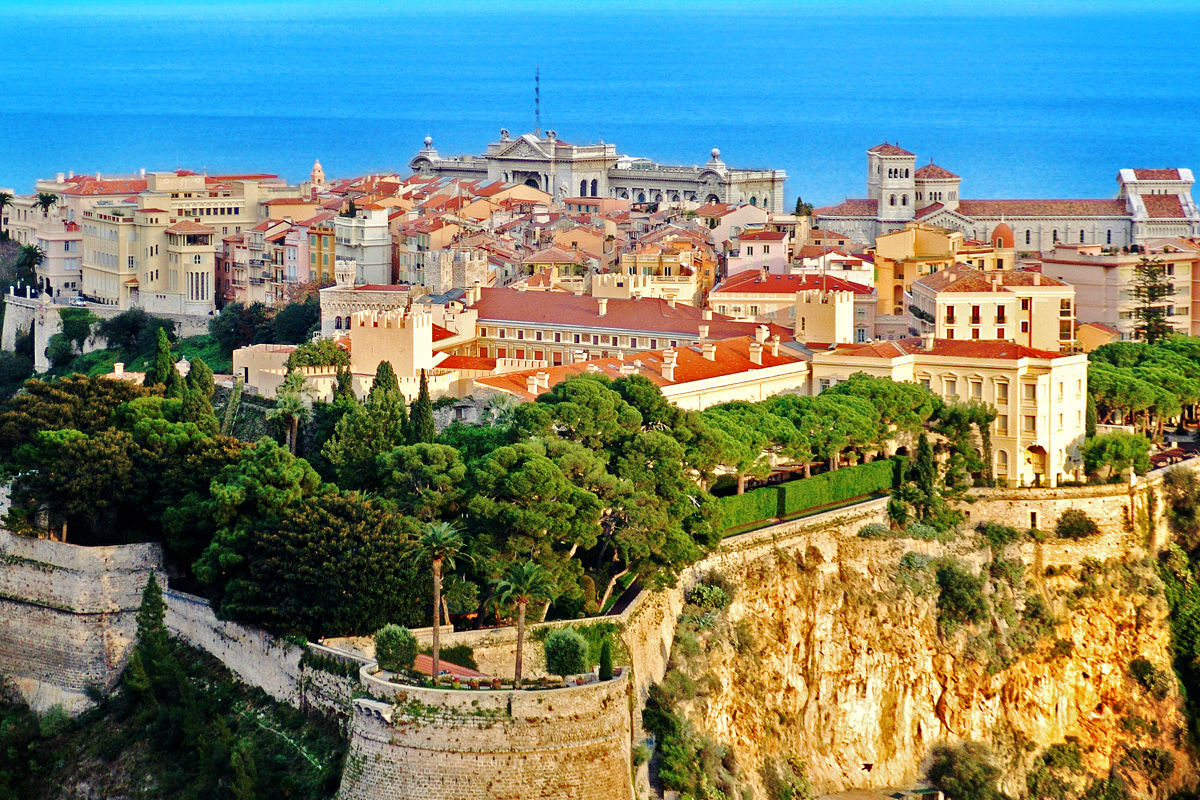
Monaco, the glittering gem of the French Riviera, often feels like a world unto itself—an ultra-luxurious microstate famous for its wealth, glamour, and picturesque Mediterranean coastline. Nestled between France and Italy, this tiny principality often raises the question: Is Monaco more French or more Italian?
While Monaco shares borders with France and has deep historical and cultural connections to Italy, the answer isn’t as straightforward as it may seem. Monaco is a blend of both influences, shaped by centuries of history, proximity to both nations, and its own unique identity. In this blog, we’ll explore how Monaco reflects elements of both French and Italian cultures, and how it has maintained its distinct character.
Monaco’s Geographical and Political Connection to France
Let’s begin with geography. Monaco is located on the southern coast of France, just 10 kilometers from the Italian border, but it is France that envelopes Monaco on three sides. This proximity has naturally led to strong political and cultural ties between Monaco and France. In fact, Monaco is considered a French-speaking country, and the majority of its residents are French nationals, further reinforcing its Francophone identity.
Since 1861, Monaco’s sovereignty has been closely intertwined with France through a series of treaties that ensure the principality’s political independence while recognizing France’s role in its defense and diplomatic representation. Monaco even uses the euro as its currency, despite not being a member of the European Union, a privilege extended through its special relationship with France.
In everyday life, French culture is prevalent. The official language is French, and Monaco’s cuisine, fashion, and customs are heavily influenced by French traditions. From the haute cuisine served in Monaco’s Michelin-starred restaurants to the chic style seen on the streets of Monte Carlo, Monaco certainly feels very French in its day-to-day lifestyle.
Fun Fact: Many of Monaco’s businesses and residents pay taxes in France, as French nationals who live in Monaco do not benefit from Monaco’s famed tax-free status unless they have been residents since before 1957.
The Italian Connection: A Historical and Cultural Influence
Despite its strong French connection, Monaco’s ties to Italy run deep, especially when looking at the principality’s historical roots. Monaco’s ruling family, the House of Grimaldi, is of Italian descent, originating from Genoa. In 1297, Francesco Grimaldi, an Italian nobleman, famously disguised himself as a monk to seize the fortress of Monaco, marking the beginning of the Grimaldi family’s rule, which continues to this day.
This Italian heritage is evident in many aspects of Monaco’s culture. For example, the Monégasque language, a dialect of Ligurian (spoken in the Italian region of Liguria), is still taught in schools and spoken by a small percentage of the population, especially older generations. While it’s not the dominant language today, it’s a reminder of Monaco’s Italian origins.
Monaco’s proximity to Italy also means that Italian culture has permeated daily life. Italian cuisine is hugely popular in Monaco, and you’ll find an abundance of trattorias serving pasta, pizza, and seafood with Italian flair. Italian fashion houses, such as Prada and Gucci, have a strong presence in Monaco, reflecting the influence of Italian style on Monégasque life. Additionally, many Italians live in or visit Monaco, contributing to the multicultural fabric of the city.
Fun Fact: Monaco is just a short drive from the Italian region of Liguria, and day trips to Italian cities like Ventimiglia and Sanremo are popular among locals and tourists alike.
Monaco’s Unique Identity: The Monégasque Culture
While Monaco may be geographically, politically, and culturally influenced by France and Italy, it has its own distinct identity. The people of Monaco, known as Monégasques, are proud of their heritage and strive to maintain a sense of independence despite the overwhelming presence of French and Italian influences.
Monaco’s unique culture is a fusion of French, Italian, and local traditions, resulting in a lifestyle that is hard to pin down as being exclusively French or Italian. For example, Monaco celebrates both French and Italian holidays, but also has its own distinct celebrations, such as Monaco National Day (or La Fête du Prince) on November 19th. The event marks the reign of the current prince and is a day of national pride, showcasing traditional Monégasque customs and local culture.
The Monégasque language, though spoken by a small fraction of the population, is still a vital part of the principality’s identity. Schools in Monaco teach Monégasque to ensure that younger generations stay connected to their roots, and signs in the old town of Monaco are often written in both French and Monégasque.
Additionally, Monaco’s legal and administrative systems are entirely its own. While French law influences some areas, the principality maintains its own set of laws, particularly regarding its unique tax structure, monarchy, and political institutions.
The Cosmopolitan Nature of Monaco
In modern times, Monaco has become a melting pot of international cultures. With around 39,000 residents, only a small percentage (roughly 9,000) are Monégasque citizens. The rest of the population is made up of French, Italian, British, Russian, and other nationalities. This international community means that Monaco feels neither wholly French nor Italian, but more like a cosmopolitan hub where different cultures blend seamlessly.
Monaco’s international flavor is reflected in its diverse dining scene, where you can find not only French and Italian cuisine, but also world-class Japanese, Middle Eastern, and American restaurants. The principality’s openness to foreign cultures extends to its cultural events as well, with a vibrant calendar that includes art exhibitions, international sporting events like the Monaco Grand Prix, and performances by globally renowned artists at the Monte Carlo Opera House.
This international atmosphere ensures that Monaco is a truly global city, where French, Italian, and a multitude of other cultures coexist.
French or Italian? Monaco’s Answer: Both and Neither
So, is Monaco more French or more Italian? The answer is both—and neither. While Monaco shares a strong affinity with both France and Italy, it has crafted its own unique identity that blends elements of both cultures while maintaining its independence. French is the dominant language and culture in many ways, but Monaco’s Italian roots run deep, especially through its royal family and historical influences.
Monaco is a fascinating mix of both worlds, where the elegance of French Riviera life meets the warmth and charm of Italian culture. But more than anything, Monaco is fiercely Monégasque—an independent principality that has carved out its own place on the world stage, a place that is as unique as it is glamorous.
Keep the story going
Explore the original VoyageOwl collection, and tell us if a detail needs updating.
Suggest a correction