Monaco and the Preservation of Marine Animals
From the VoyageOwl archive. Stories are being updated; opening times, prices, and accessibility should be checked with the venue. About our guides
Monaco, often synonymous with wealth, luxury, and the glamour of the French Riviera, is also a leader in the fight for environmental sustainability and marine conservation. Although this tiny principality covers just over two square kilometers, it has leveraged its unique position, political influence, and resources to champion significant initiatives for preserving marine life and addressing climate change.
Under the leadership of Prince Albert II, Monaco has made bold strides toward environmental preservation, playing an outsized role in global conservation efforts. From the Oceanographic Museum’s deep commitment to marine science to the government’s drive for renewable energy, Monaco is proving that even the smallest nations can have a significant impact on the planet’s future.
A Legacy of Marine Conservation: The Oceanographic Museum
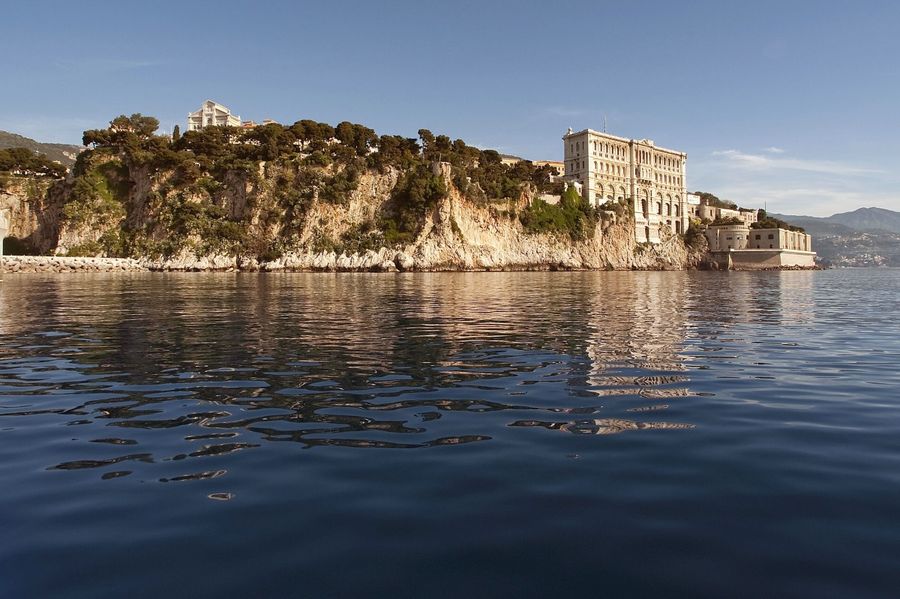
Monaco’s commitment to marine conservation dates back over a century, when Prince Albert I, known as the "Navigator Prince," founded the Oceanographic Museum of Monaco in 1910. Perched dramatically on a cliff overlooking the Mediterranean, the museum has long been a symbol of Monaco’s dedication to understanding and protecting the world’s oceans.
The museum is not just a cultural and tourist attraction; it is an international center for marine research and education. It houses a wealth of scientific exhibits, including detailed displays on oceanography, marine ecosystems, and species conservation. The museum’s aquariums host over 6,000 marine species, from coral reefs to sharks, many of which are part of breeding and rehabilitation programs aimed at protecting endangered species.
Through its research and educational outreach programs, the Oceanographic Institute (the scientific arm of the museum) has become a global voice for ocean preservation. It focuses on raising awareness about critical issues such as overfishing, pollution, and the effects of climate change on marine environments. The museum also collaborates with scientific institutions and NGOs worldwide to advance marine research and advocate for stronger protections for the world’s oceans.
Fun Fact: One of the museum’s most popular exhibitions is the "Monaco Blue Initiative", an annual forum where scientists, policymakers, and business leaders come together to discuss the future of ocean conservation and sustainable practices.
The Prince Albert II Foundation: A Global Leader in Environmental Advocacy
Following in the footsteps of his great-great-grandfather, Prince Albert II has been a passionate advocate for environmental sustainability. In 2006, he established the Prince Albert II of Monaco Foundation, which focuses on three main areas: combating climate change, safeguarding biodiversity, and managing water resources. The foundation works internationally, supporting projects that address critical environmental issues while advancing scientific research and public education.
One of the foundation’s major focuses is marine conservation, particularly the protection of endangered species and habitats. This includes efforts to protect coral reefs, which are vital to marine ecosystems but are under threat from climate change, pollution, and destructive fishing practices. The foundation also works to promote the establishment of Marine Protected Areas (MPAs), helping to safeguard critical habitats from human exploitation.
In addition to marine preservation, the foundation is heavily involved in the global fight against climate change. Prince Albert II has been a vocal advocate for stronger international agreements on climate action, playing an active role in forums such as the United Nations Climate Change Conference (COP). Under his leadership, Monaco has committed to ambitious climate goals, including reducing its carbon emissions by 50% by 2030 and achieving carbon neutrality by 2050.
Key Initiative: The Monaco Explorations project, launched in 2017, revives the tradition of scientific exploration that began with Prince Albert I. Using a research vessel, the initiative undertakes scientific missions around the world, focusing on marine biodiversity, the health of coral reefs, and the effects of climate change on the oceans.
Monaco’s Marine Protected Areas: Safeguarding the Mediterranean
Monaco is not only a global advocate for marine protection but also a leader in establishing Marine Protected Areas (MPAs) within its own waters. Although the principality’s coastline is just over four kilometers long, its commitment to ocean conservation is profound.
The most significant of these is the Larvotto Marine Reserve, a protected area off Monaco’s coastline that is home to a diverse array of marine species, including seagrass meadows, which are vital for the health of the Mediterranean ecosystem. These seagrass meadows act as carbon sinks, absorbing large amounts of carbon dioxide, while also providing a habitat for marine life. The protection of this area is crucial for maintaining biodiversity and mitigating the effects of climate change.
In 2020, Monaco joined the Global Ocean Alliance and committed to protecting 30% of the world’s oceans by 2030—a significant target that reflects the principality’s leadership in ocean conservation. By working with international partners, Monaco aims to help create a global network of protected marine areas, ensuring that vital ecosystems are preserved for future generations.
Fun Fact: The Mediterranean Monk Seal, one of the world’s most endangered marine mammals, finds refuge in protected areas along Monaco’s coast, thanks to the principality’s conservation efforts.
Addressing Climate Change: Monaco’s Green Energy Initiatives
While marine preservation is central to Monaco’s environmental agenda, the principality is also committed to combating climate change through innovative energy solutions and sustainable urban planning. Given its small size and dense population, Monaco faces unique challenges when it comes to reducing its carbon footprint. However, it has set ambitious goals and is making significant progress in transforming its energy system.
Monaco’s National Pact for Energy Transition, launched in 2018, lays out a clear strategy for achieving carbon neutrality by 2050. The key pillars of this strategy include increasing the use of renewable energy, improving energy efficiency, and promoting sustainable mobility.
Solar Power: Monaco has embraced solar energy as a crucial part of its energy mix, with solar panels now installed on public buildings, residential areas, and even yachts. The principality’s abundant sunshine makes it an ideal location for solar power, and Monaco aims to significantly expand its use of renewable energy over the coming years.Energy-Efficient Buildings: With space at a premium, Monaco is investing in green architecture to ensure that its buildings are as energy-efficient as possible. New developments, such as the Tour Odéon, incorporate cutting-edge technology for energy efficiency, while older buildings are being retrofitted with systems to reduce energy consumption.Sustainable Mobility: Monaco is promoting the use of electric vehicles (EVs) by offering incentives for residents to switch to EVs and installing charging stations throughout the city. Public transportation, such as the city’s electric buses, is also being expanded as part of Monaco’s drive to reduce emissions.
Fun Fact: Monaco’s harbor has become a model of sustainability, with the Monaco Port Authority investing in eco-friendly infrastructure, including electric charging stations for yachts and boats, and systems to reduce water pollution.
Plastic-Free Monaco: Tackling Marine Pollution
Monaco’s dedication to marine conservation doesn’t stop at the borders of its waters. The principality has made significant strides in reducing plastic pollution, which poses a major threat to the world’s oceans and marine life.
In 2016, Monaco became one of the first countries to ban single-use plastic bags, followed by a ban on plastic straws, cutlery, and plates in 2020. These measures are part of Monaco’s broader efforts to reduce plastic waste, both on land and at sea. Through public awareness campaigns and partnerships with local businesses, Monaco is working to create a more sustainable, plastic-free future.
Key Initiative: The BeMed (Beyond Plastic Med) initiative, supported by the Prince Albert II Foundation, works to combat plastic pollution in the Mediterranean by funding local projects, promoting policy changes, and encouraging sustainable alternatives to plastic.
Raising Global Awareness: Monaco’s Environmental Diplomacy
Monaco’s influence in environmental matters extends far beyond its borders. As a member of the United Nations and a participant in key international forums, Monaco uses its diplomatic platform to advocate for stronger global action on marine conservation and climate change. Prince Albert II has been a vocal supporter of the Paris Agreement and continues to push for more ambitious international climate goals.
Monaco’s environmental diplomacy also includes partnerships with other countries and organizations to promote sustainable development, particularly in regions where marine ecosystems are under threat. By sharing its expertise and resources, Monaco is helping to drive a global movement toward a more sustainable and resilient future.
Monaco’s Vision for a Sustainable Future
While Monaco may be known for its wealth and opulence, it is also a beacon of environmental leadership. Under the guidance of Prince Albert II, the principality has embraced its role as a global advocate for marine conservation and climate action, demonstrating that even the smallest nations can have a significant impact on the world stage.
Through initiatives like the Prince Albert II Foundation, the Oceanographic Museum, and its commitment to renewable energy, Monaco is at the forefront of the fight to preserve marine life and combat climate change. As the world faces increasing environmental challenges, Monaco’s dedication to sustainability offers a powerful example of how wealth and influence can be used for the greater good.
By continuing to invest in marine protection, renewable energy, and plastic reduction, Monaco is charting a path toward a more sustainable future—one where the health of the planet is just as important as its prosperity.
Keep the story going
Explore the original VoyageOwl collection, and tell us if a detail needs updating.
Suggest a correction