 Voyage
Interlaken
Interlaken, nestled between Lake Thun and Lake Brienz in the heart of the Bernese Oberland, is a destination like no other. Surrounded by the majestic Eiger, Mönch, and Jungfrau mountains, this charming Swiss town has…
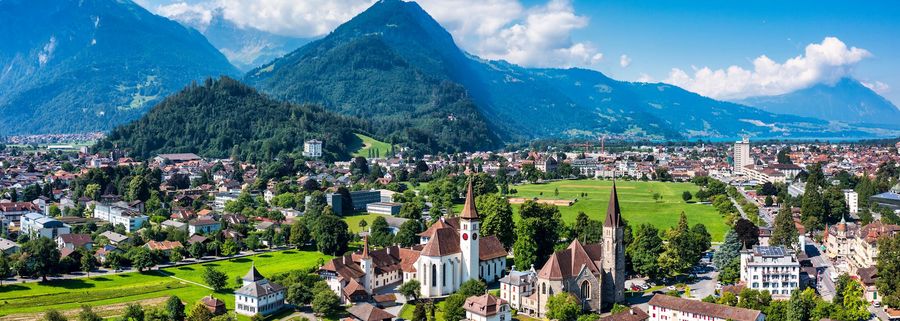
A few ways into Interlaken.
Leave room to discover more.
Jungfraujoch – Top of Europe
One of the most iconic experiences in Interlaken is the journey to the Jungfraujoch, known as the Top of Europe. At an elevation of 3,454 meters, Jungfraujoch is the highest railway station in Europe, offering breathtaking views of the Aletsch Glacier, a UNESCO World…
Discover the storyHarder Kulm – Interlaken’s Viewpoint
For a panoramic view of Interlaken and its two lakes, a visit to Harder Kulm is a must. A short funicular ride takes visitors up to the viewpoint at 1,322 meters above sea level, where a…
Look a little closer 03A story worth stopping forAdventure Sports Capital of Switzerland
Interlaken is known as the adventure sports capital of Switzerland, offering a wide range of thrilling activities. From paragliding over the lakes to skydiving with views of the Alps,…
Look a little closer 04A story worth stopping forLakes Thun and Brienz
Interlaken’s two stunning lakes, Lake Thun and Lake Brienz, offer a variety of water activities and picturesque views. Lake Brienz is known for its crystal-clear turquoise waters, perfect…
Look a little closer 05A story worth stopping forHohematte Park
At the heart of Interlaken lies the vast Hohematte Park, a sprawling green space that offers stunning views of the Jungfrau mountain. Once the site of a monastery, the park now serves as a…
Look a little closerThe story of Interlaken.
Set the sceneA little background.
A little background.
Interlaken, nestled between Lake Thun and Lake Brienz in the heart of the Bernese Oberland, is a destination like no other. Surrounded by the majestic Eiger, Mönch, and Jungfrau mountains, this charming Swiss town has long been a magnet for nature lovers and adventure seekers. With its scenic landscapes, historical significance, and adrenaline-pumping activities, Interlaken offers a perfect blend of natural beauty and exhilarating experiences. Whether you're exploring the lakes, hiking the mountains, or soaking in the town’s history, Interlaken promises an unforgettable Swiss adventure.
Interlaken’s origins date back to the 12th century, when it was known as "Aarmühle", a small settlement around a mill by the Aare River. Its name was later changed to Interlaken, meaning “between lakes,” due to its unique location between Lake Thun and Lake Brienz. The town became a center of spirituality and learning when Augustinian monks established an abbey here in 1133, known as Augustinian Monastery of Interlaken. Over the centuries, Interlaken grew in importance, attracting pilgrims and traders.
By the 19th century, Interlaken had become a popular destination for European aristocrats and artists, who were captivated by the stunning landscapes. Famous writers such as Lord Byron, Johann Wolfgang von Goethe, and Felix Mendelssohn were drawn to the town’s beauty. With the rise of tourism in the late 19th century, Interlaken transformed into a gateway to the Alps, becoming a hub for visitors looking to explore the nearby mountains.
Top 5 Unique Characteristics of Interlaken
Look a little closerJungfraujoch – Top of Europe
Jungfraujoch – Top of Europe
One of the most iconic experiences in Interlaken is the journey to the Jungfraujoch, known as the Top of Europe. At an elevation of 3,454 meters, Jungfraujoch is the highest railway station in Europe, offering breathtaking views of the Aletsch Glacier, a UNESCO World Heritage site, and the surrounding Alpine peaks. Visitors can take the Jungfrau Railway from Interlaken, passing through scenic mountain landscapes before reaching the summit, where they can explore an ice palace, enjoy panoramic views, and even go skiing or sledding year-round.
Look a little closerHarder Kulm – Interlaken’s Viewpoint
Harder Kulm – Interlaken’s Viewpoint
For a panoramic view of Interlaken and its two lakes, a visit to Harder Kulm is a must. A short funicular ride takes visitors up to the viewpoint at 1,322 meters above sea level, where a restaurant and viewing platform offer stunning vistas of the Eiger, Mönch, and Jungfrau mountains, as well as the sparkling lakes below. Harder Kulm is the perfect spot to relax, enjoy a meal, or take photos of the incredible surroundings.
Look a little closerAdventure Sports Capital of Switzerland
Adventure Sports Capital of Switzerland
Interlaken is known as the adventure sports capital of Switzerland, offering a wide range of thrilling activities. From paragliding over the lakes to skydiving with views of the Alps, Interlaken is a dream destination for adrenaline junkies. Visitors can also go white-water rafting, canyoning, or bungee jumping in the surrounding mountains and rivers. During the winter, skiing and snowboarding in nearby resorts like Grindelwald and Wengen are popular activities. For those looking for a gentler adventure, hiking, biking, and boat tours provide a more relaxed way to explore the region’s natural beauty.
Look a little closerLakes Thun and Brienz
Lakes Thun and Brienz
Interlaken’s two stunning lakes, Lake Thun and Lake Brienz, offer a variety of water activities and picturesque views. Lake Brienz is known for its crystal-clear turquoise waters, perfect for kayaking, paddleboarding, or taking a boat cruise. Lake Thun, with its serene beauty, is ideal for sailing, fishing, and picnicking along the shores. Both lakes are surrounded by charming villages, and boat tours allow visitors to explore the lakeside castles, including Schloss Oberhofen and Schloss Spiez, offering a glimpse into the region’s history.
Look a little closerHohematte Park
Hohematte Park
At the heart of Interlaken lies the vast Hohematte Park, a sprawling green space that offers stunning views of the Jungfrau mountain. Once the site of a monastery, the park now serves as a place for both relaxation and activity. Hohematte is famous for its paragliders who land in the park’s open fields, providing a spectacle for onlookers. The park is also a popular spot for festivals, open-air concerts, and picnics, making it the perfect place to unwind and soak in the beauty of the Alps.
Behind the postcardInterlaken Today: A Modern Hub for Tourism and Adventure
Interlaken Today: A Modern Hub for Tourism and Adventure
Today, Interlaken is one of Switzerland’s top tourist destinations, known for its combination of stunning natural landscapes and outdoor activities. The town serves as a gateway to the Bernese Oberland and the Jungfrau region, with excellent transport links that make it easy for visitors to explore the surrounding mountains, valleys, and lakes. Its central location makes Interlaken an ideal base for both summer and winter adventures.
Interlaken’s picturesque setting and year-round activities draw visitors from all over the world. From luxury hotels to cozy chalets, the town offers a range of accommodations to suit every traveler’s needs. Interlaken is also home to a thriving food scene, with traditional Swiss restaurants serving up specialties like fondue and raclette, alongside international cuisine.
Behind the postcardFun Facts About Interlaken
Fun Facts About Interlaken
Johann Wolfgang von Goethe once visited Interlaken, and his descriptions of the region’s beauty helped put the town on the map for travelers.Harder Kulm is known as "the local mountain" and is easily accessible from Interlaken’s town center via a funicular that’s over 100 years old.The turquoise color of Lake Brienz comes from glacial sediments known as rock flour that are suspended in the water.Paragliding is one of the most popular activities in Interlaken, with dozens of flights taking off every day, offering incredible views of the town and mountains.Interlaken has been a popular tourist destination since the 19th century, attracting European aristocrats, artists, and writers.
With its unparalleled access to the Swiss Alps, a wealth of adventure activities, and rich history, Interlaken is a destination that truly has it all. Whether you're seeking thrills, exploring nature, or simply enjoying the serenity of the lakes, Interlaken is a place where adventure meets tranquility.
The city,
in your headphones.
Take a seat, or take a walk. Discover Interlaken one story at a time.
The stories of Interlaken
Read the complete audio transcript
Welcome to Voyage Owl’s walking tour of Interlaken, the postcard-perfect town nestled between two pristine lakes and surrounded by towering mountains that seem to stretch endlessly into the sky. Interlaken is much more than just a gateway to the Swiss Alps—it is a destination rich with history, cultural significance, and natural beauty that enchants visitors from all over the world. From its humble beginnings as a monastic settlement to its evolution into one of Europe’s premier travel destinations, Interlaken’s story is one of transformation and timeless beauty.
Situated between Lake Thun and Lake Brienz, Interlaken is famed for its breathtaking alpine scenery and outdoor adventure opportunities. But beyond the picture-perfect landscapes, there’s an intriguing history to uncover, one that spans centuries of religious devotion, aristocratic tourism, and modern adventure sports. Today, Interlaken seamlessly blends the tranquility of the past with the vibrancy of contemporary life, making it an ideal place to explore both history and nature.
On this walking tour, we’ll explore ten of the most significant stops around Interlaken, taking in its stunning landscapes, exploring its cultural history, and learning about the town’s transformation into a world-class travel destination. Along the way, we’ll pause to admire iconic landmarks like the Höheweg Promenade, delve into the spiritual past at Interlaken Monastery, and marvel at the awe-inspiring views from Harder Kulm. This is more than just a walk through a scenic town—it’s a journey through time and culture, set against one of the most beautiful backdrops in the world.
So, lace up your walking shoes, grab your camera, and let’s begin our tour of Interlaken.
---
### Stop 1: Höheweg Promenade
Our journey starts at the famous Höheweg Promenade, the vibrant heart of Interlaken. As you set foot on this long, tree-lined boulevard, you’ll immediately feel the essence of the town’s allure. The Höheweg Promenade stretches for nearly a kilometer between Interlaken West and Interlaken East, and it offers one of the best places to take in the majestic Jungfrau mountain range that looms in the distance. On a clear day, you can’t miss the snow-capped peaks of the Eiger, Mönch, and Jungfrau that frame the skyline—a truly breathtaking sight that has captivated travelers for centuries.
The promenade itself is a mix of luxury and charm, with upscale hotels, quaint cafes, and boutique shops lining the avenue. As you walk along, take note of the beautifully manicured gardens and flowerbeds that provide bursts of color against the backdrop of the mountains. These gardens, filled with seasonal flowers, reflect Interlaken’s commitment to maintaining its status as a premier tourist destination.
One of the highlights of the Höheweg is the grand Victoria-Jungfrau Grand Hotel & Spa, an iconic symbol of Interlaken’s luxurious past. Established in 1865, this hotel has hosted European royalty, dignitaries, and celebrities, from Queen Victoria to Mark Twain. The hotel’s opulent facade, elegant rooms, and lush gardens made it one of the most prestigious addresses in Europe. As you pass by, imagine the Victorian-era visitors who flocked to Interlaken for the fresh alpine air and the promise of health and relaxation. The hotel’s legacy is still alive today, with its world-class spa and fine dining restaurants drawing visitors from across the globe.
As you stroll along the promenade, be sure to pause and enjoy the view of the Jungfrau. The Höheweg offers one of the best vantage points in town to admire this towering peak. It’s easy to see why Interlaken has long been considered one of the most beautiful towns in Switzerland.
---
### Stop 2: The Kursaal and its Gardens
As you continue along the Höheweg Promenade, you’ll come to the Kursaal, an elegant Belle Époque-style building that has been a cultural and entertainment center for Interlaken since 1859. The Kursaal was originally constructed to provide the town’s wealthy visitors with a space for social gatherings, concerts, and theatrical performances. In the 19th century, Interlaken became a magnet for Europe’s aristocracy and upper class, who came seeking the fresh mountain air and scenic beauty. The Kursaal played a pivotal role in making Interlaken the social hub it is today.
Take a moment to admire the Kursaal’s architecture. The building’s stately columns, wide windows, and grand entrance are characteristic of the grand entertainment palaces that were built during the Belle Époque period, a time of artistic flourishing and societal indulgence across Europe. Inside, the Kursaal continues to host cultural events, concerts, and even the occasional casino night.
The Kursaal Gardens, however, offer a more tranquil experience. These beautifully landscaped gardens are a quiet escape from the busy streets, and they provide an ideal place to relax after your walk along the promenade. The gardens are meticulously kept, with colorful flower beds that change with the seasons, perfectly trimmed hedges, and bubbling fountains that add to the serene atmosphere.
One of the highlights of the Kursaal Gardens is the famous flower clock, a large, functioning clock made entirely of flowers. It’s a delightful and whimsical feature, and it reflects the Swiss attention to detail and precision. Be sure to stop and take a photo of this charming piece of horticultural art.
As you wander through the gardens, you’ll also have a clear view of the Jungfrau mountain. This juxtaposition of man-made beauty and natural grandeur is a perfect metaphor for Interlaken itself—a place where the sophistication of European culture blends seamlessly with the raw beauty of the Swiss Alps.
---
### Stop 3: Interlaken Monastery and Castle
Leaving the gardens behind, we now move towards a part of Interlaken that dates back much further than its 19th-century tourism boom—the Interlaken Monastery and Castle. This site is one of the most historic locations in the town, with roots stretching back to the 12th century. Originally founded in 1133, the Augustinian Monastery of Interlaken was an important spiritual center in the region and played a crucial role in the early development of the town.
The monastery was a place of religious devotion and learning, and it was here that monks engaged in agriculture, education, and religious instruction. The influence of the monastery extended throughout the Bernese Oberland region, as it provided shelter for travelers and pilgrims making their way through the Alps. The site’s religious significance made it a focal point of the area’s spiritual life for several centuries.
While much of the original monastery has been lost over time, parts of the structure remain, including the monastic church and the castle. The monastic church, which was rebuilt in the 14th century, is a fine example of Gothic architecture, with its pointed arches, ribbed vaults, and detailed stone carvings. Step inside, and you’ll find a peaceful, contemplative space, with remnants of medieval frescoes and religious artifacts that speak to the building’s long history.
The adjacent castle was built in the 13th century and was originally the residence of the monastery’s abbots. Today, the castle is used as a government building, but its medieval architecture still evokes a sense of history and grandeur. The castle’s thick stone walls and simple, fortified design are typical of Swiss medieval architecture, and as you walk through the grounds, you can almost imagine the monks and nobles who once lived and worked here.
The Interlaken Monastery and Castle are a reminder of the town’s spiritual and historical roots, long before it became a popular tourist destination. Standing in the shadow of these ancient buildings, surrounded by the beauty of the Swiss countryside, it’s easy to appreciate the enduring legacy of this special place.
---
### Stop 4: The Aare River and Unterseen Old Town
Our next stop takes us across the serene Aare River, a waterway that connects Lake Thun to Lake Brienz and flows right through the heart of Interlaken. The river is fed by the glacial meltwaters of the surrounding mountains, and its clear, turquoise waters are as beautiful as they are vital to the region’s ecosystem.
As you walk along the riverbank, take a moment to enjoy the peaceful sound of the flowing water and the gentle sway of the trees that line the path. The Aare River has always been a central feature of life in Interlaken, providing water for agriculture, transport, and even power for the town’s early industries.
Crossing one of the charming bridges that span the river, we make our way to Unterseen, a historic town located just across the river from Interlaken. While Interlaken is known for its modern hotels and bustling tourist scene, Unterseen offers a glimpse into the region’s past, with its narrow streets, traditional Swiss chalets, and medieval architecture.
The town of Unterseen was founded in the 13th century and quickly became an important trading center. As you wander through the cobblestone streets, you’ll feel as though you’ve stepped back in time. The old town square is particularly picturesque, with its central fountain, quaint cafes, and centuries-old buildings that have retained their original character.
One of the main landmarks in Unterseen is the Unterseen Church, a simple but beautiful building that dates back to the 15th century. The church’s plain exterior belies the rich history within its walls, and inside, you’ll find a peaceful space that has served the local community for centuries. The interior is modest but serene, with wooden pews, a small altar, and stained-glass windows that let in soft, filtered light. It’s a place for quiet reflection and a reminder of the deep spiritual history that runs through the region.
As you explore Unterseen, take note of the traditional Swiss architecture that characterizes the town. Many of the chalets date back to the 16th and 17th centuries, with their steeply pitched roofs, wooden facades, and intricate carvings. These homes, with their balconies draped in colorful flowers, are a perfect example of Swiss craftsmanship and add to the charm of this historic town.
---
### Stop 5: The Harderbahn and Harder Kulm
After experiencing the tranquil charm of Unterseen, it’s time to seek out one of Interlaken’s most famous views—Harder Kulm, known as the "Top of Interlaken." The best way to reach this incredible vantage point is via the Harderbahn, a funicular railway that takes you from the base of the mountain to the summit, 1,322 meters (4,337 feet) above sea level.
The Harderbahn funicular was first opened in 1908, and it has been carrying visitors up the mountain ever since. The journey itself is an adventure, as the funicular climbs steeply through dense forests, offering spectacular views of the town and the surrounding lakes. As you ascend, you’ll catch glimpses of the shimmering waters of Lake Thun and Lake Brienz, framed by the towering peaks of the Bernese Alps.
Once you reach the summit of Harder Kulm, you’ll be treated to one of the most breathtaking views in all of Switzerland. From this vantage point, you can see both lakes stretching out into the distance, with the majestic peaks of the Eiger, Mönch, and Jungfrau dominating the skyline. The view is simply awe-inspiring, and it’s easy to see why Harder Kulm is such a popular destination for both locals and tourists.
At the top of the mountain, there’s a charming panorama restaurant where you can enjoy a traditional Swiss meal or simply relax with a coffee while taking in the views. The restaurant’s terrace is the perfect place to sit and admire the beauty of the surrounding landscape. If you’re feeling adventurous, there are also several hiking trails that start from Harder Kulm, offering opportunities to explore the alpine meadows and forests.
One of the highlights of Harder Kulm is the Two Lakes Bridge, a viewing platform that juts out over the edge of the mountain, offering a clear view of both Lake Thun and Lake Brienz. The platform even has a glass floor, allowing you to look straight down at the valley below—a thrilling experience for those with a head for heights.
Whether you choose to hike or simply enjoy the views, Harder Kulm is a must-visit destination for anyone coming to Interlaken. The views from the top are unparalleled, and they offer a perfect way to appreciate the natural beauty of the region.
---
### Stop 6: Lake Brienz and the Brienzersee Cruise
After descending from Harder Kulm, we’ll head towards Lake Brienz, one of the two lakes that give Interlaken its name. Lake Brienz is known for its stunning turquoise waters, which are fed by the glacial meltwaters from the surrounding mountains. The lake’s vibrant color is a result of the fine particles of sediment suspended in the water, which reflect the light and give the lake its distinctive hue.
One of the best ways to experience the beauty of Lake Brienz is by taking a Brienzersee Cruise, a scenic boat ride that offers stunning views of the lake and the surrounding landscape. The boat departs from Interlaken Ost and travels across the lake, passing by charming villages, towering cliffs, and lush forests. As you glide across the water, you’ll be able to admire the dramatic contrast between the deep blue of the lake and the green of the forests that line its shores.
One of the highlights of the cruise is the sight of the Giessbach Falls, a spectacular waterfall that cascades down the mountainside into the lake. The falls are over 500 meters high, and their powerful flow creates a misty spray that adds to the magic of the scene. If you’re feeling adventurous, you can disembark at the Giessbach Grandhotel, a historic hotel located near the base of the falls, and take a short hike up to the falls themselves.
The cruise also takes you to the town of Brienz, a picturesque village located on the eastern shore of the lake. Brienz is famous for its traditional woodcarving, and the village is home to many artisan workshops where you can see master woodcarvers at work. The village’s narrow streets, wooden chalets, and flower-filled window boxes give it a timeless charm, and it’s a great place to explore if you have time.
Whether you choose to disembark and explore Brienz or simply enjoy the round-trip cruise, Lake Brienz offers a peaceful and scenic way to experience the natural beauty of the region.
---
### Stop 7: The Höhematte Park
Returning to the town center, we’ll now visit Höhematte Park, one of Interlaken’s most important public spaces. Höhematte is a large, open green space located just off the Höheweg Promenade, and it offers stunning views of the Jungfrau massif. On a sunny day, the park is filled with people picnicking, playing games, or simply relaxing on the grass.
But Höhematte is more than just a park—it’s a symbol of Interlaken’s commitment to preserving its natural beauty. In the 19th century, this land was privately owned and used for farming, but in 1860, a group of local citizens came together to purchase the land and preserve it as a public park. Their goal was to ensure that everyone, locals and visitors alike, could enjoy the beauty of the town’s open spaces.
One of the most exciting sights in Höhematte is the constant stream of paragliders landing in the park. Interlaken is one of the top destinations in Europe for paragliding, and the sight of colorful parachutes descending from the sky is a regular occurrence here. Paragliders launch from nearby mountains and soar above the town, taking in the breathtaking views before gently landing in the open space of Höhematte.
If you’re feeling adventurous, you might even consider trying paragliding yourself. Several companies in town offer tandem paragliding experiences, allowing you to fly with an experienced guide. It’s a thrilling way to see the Swiss Alps from a whole new perspective, and the views from above are truly unforgettable.
---
### Stop 8: St. Beatus Caves
Next, we’ll venture a bit outside the town to visit the St. Beatus Caves, a natural wonder located on the northern shore of Lake Thun. These caves are not only a geological marvel but also the subject of local legend. According to the story, St. Beatus, a monk from Ireland, arrived in the area in the 6th century and drove a dragon out of the caves, making them safe for human habitation.
The St. Beatus Caves are a stunning network of limestone caverns, with underground waterfalls, stalactites, and stalagmites creating a magical, otherworldly atmosphere. As you walk through the caves, you’ll hear the sound of rushing water echoing through the chambers, and the cool, damp air will give you a sense of the ancient geological forces that shaped this underground world.
The caves are well-lit and easy to explore, with walkways and informative signs guiding you through the different sections. You’ll pass through vast caverns and narrow passageways, each one more impressive than the last. The underground waterfalls are particularly striking, as they cascade down through the rock formations, creating a misty, ethereal scene.
There’s also a museum near the entrance to the caves, where you can learn more about the geology and history of the area, as well as the legend of St. Beatus. The museum provides fascinating insights into the natural forces that shaped the caves, as well as the cultural significance of the site.
After exploring the caves, you can enjoy a meal at the restaurant located on the cliffside, offering stunning views of Lake Thun and the surrounding mountains. The restaurant’s terrace is the perfect place to relax and take in the beauty of the Swiss landscape.
---
### Stop 9: Lake Thun and the Schadau Castle
Our next stop brings us to Lake Thun, the larger of the two lakes that border Interlaken. While Lake Brienz is known for its striking turquoise waters, Lake Thun offers a more serene, pastoral beauty. The lake is surrounded by rolling hills, vineyards, and charming villages, making it a perfect place to relax and enjoy the peaceful Swiss countryside.
One of the highlights of Lake Thun is the Schadau Castle, a beautiful 19th-century mansion located on the lake’s southern shore. The castle was built in the mid-1800s by a wealthy Swiss banker, and its architecture is a mix of Gothic and Renaissance styles. The castle’s stately turrets, elegant windows, and grand halls give it an air of nobility, and it has become one of the most famous landmarks in the region.
Today, Schadau Castle is home to a gourmet restaurant and offers guided tours that allow visitors to explore its opulent interiors. As you wander through the castle’s grand rooms, you’ll see antique furniture, intricate woodwork, and stunning chandeliers that reflect the wealth and status of its original owner.
The Schadau Park surrounding the castle is another highlight of this stop. The park’s beautifully landscaped gardens are filled with colorful flowers, peaceful walking paths, and scenic spots for picnicking. The views from the park are breathtaking, with the calm waters of Lake Thun reflecting the surrounding mountains and the castle itself.
As you stroll through the park, take a moment to appreciate the tranquility of this special place. Lake Thun and Schadau Castle offer a peaceful escape from the bustling town of Interlaken, and they are a perfect example of Switzerland’s natural and cultural beauty.
---
### Stop 10: The Schynige Platte Railway
For our final stop, we’ll embark on a journey aboard the historic Schynige Platte Railway, a cogwheel train that takes you up to the Schynige Platte, a mountain ridge offering some of the best panoramic views in the region. The Schynige Platte Railway dates back to 1893 and is one of the oldest mountain railways in Switzerland, making the ride itself a trip back in time.
As the train climbs steadily up the mountain, you’ll pass through lush alpine meadows, dense forests, and rocky cliffs. The views become more and more dramatic as you ascend, with the Eiger, Mönch, and Jungfrau mountains dominating the skyline. The journey takes about an hour, but the time flies by as you marvel at the breathtaking scenery unfolding before you.
When you reach the top of the Schynige Platte, at an altitude of over 2,000 meters (6,500 feet), you’ll be rewarded with stunning panoramic views of both Lake Thun and Lake Brienz, as well as the surrounding peaks. The Schynige Platte is a hiker’s paradise, with several well-marked trails that offer opportunities to explore the alpine landscape.
One of the highlights of this stop is the Alpine Garden, a botanical garden that features over 600 species of alpine plants. Many of the plants on display are unique to the region, and the garden provides a fascinating glimpse into the flora that thrives in the harsh alpine environment. The garden is beautifully maintained, with informative signs that explain the characteristics of each species.
After exploring the garden and taking in the views, you can relax at the panorama restaurant near the summit. The restaurant offers traditional Swiss dishes and has a large outdoor terrace where you can enjoy your meal while admiring the stunning views of the Swiss Alps.
The Schynige Platte Railway and the panoramic views from the summit provide a fitting end to our walking tour of Interlaken. This stop encapsulates the essence of what makes Interlaken so special—the perfect blend of natural beauty, outdoor adventure, and cultural history.
---
### Conclusion
Our walking tour of Interlaken has taken us on a journey through some of the most beautiful and historically significant sites in this incredible region. From the grandeur of the Höheweg Promenade to the peaceful shores of Lake Thun, from the dramatic heights of Harder Kulm to the serene beauty of Schadau Castle, we’ve explored the many facets of Interlaken’s charm.
Interlaken is a town where history, culture, and nature come together in perfect harmony. Whether you’re here to marvel at the towering peaks of the Swiss Alps, enjoy the tranquility of the lakes, or immerse yourself in the region’s rich history, Interlaken offers something for everyone.
I hope you’ve enjoyed this journey through one of Switzerland’s most beloved destinations and that you leave with a deeper appreciation for the beauty, history, and spirit of Interlaken. There is always more to discover, so take your time, explore further, and let the magic of the Swiss Alps inspire you.
To listen to more amazing audio tours of cities around the world check out our other guides at voyageowl.com.
Another place, another story.
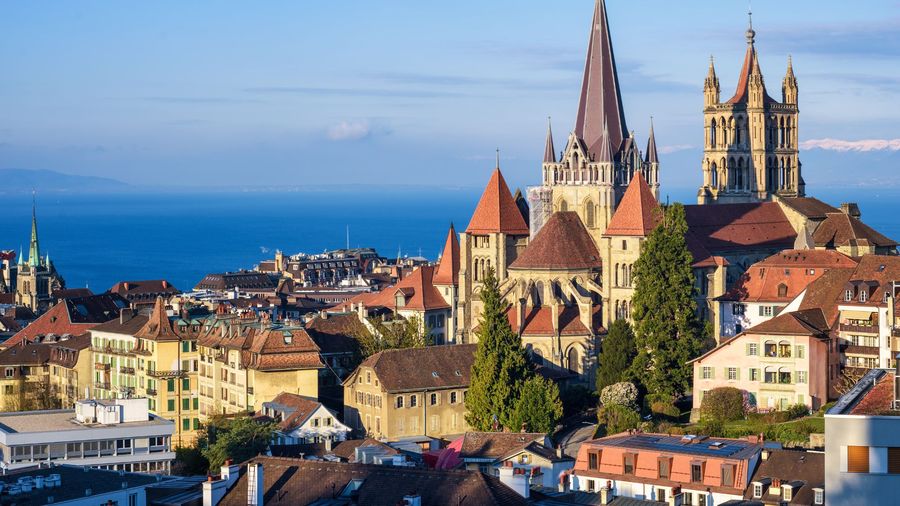
Lausanne
Perched on the northern shores of Lake Geneva, with the snow-capped Alps providing a breathtaking backdrop, Lausanne is one of…
Explore Lausanne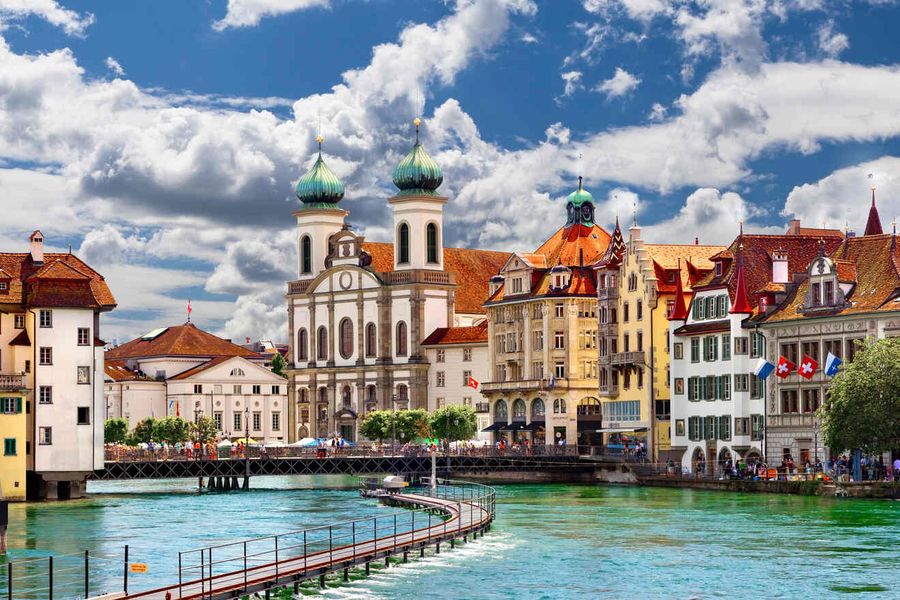
Lucerne
Nestled between the stunning Swiss Alps and the tranquil shores of Lake Lucerne, Lucerne is a city that perfectly captures the beauty…
Explore LucerneA little context for your exploring.
These original VoyageOwl city stories are preserved from the archive. Historical claims and visitor details remain subject to editorial review. Check attraction opening hours, tickets and access before making plans.
A few good stories. A little room to wander.