 Voyage
Klagenfurt
Nestled in the heart of Carinthia, Austria’s southernmost province, Klagenfurt is a charming city known for its picturesque setting, rich history, and vibrant culture. Situated on the eastern shore of the stunning Lake…
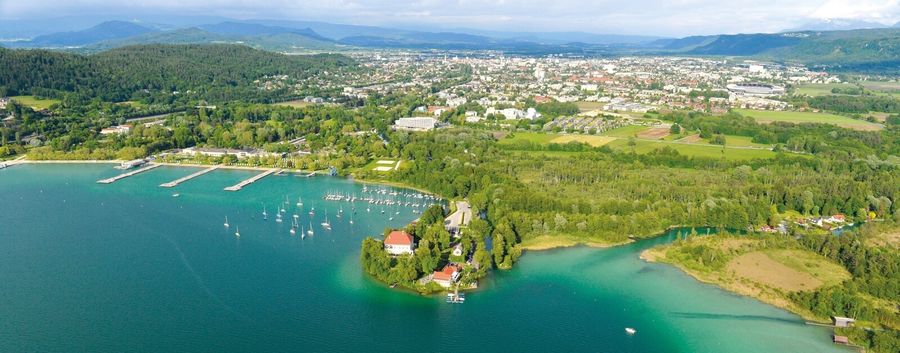
A few ways into Klagenfurt.
Leave room to discover more.
The Dragon Fountain (Lindwurmbrunnen)
At the heart of Klagenfurt’s Neuer Platz is the iconic Dragon Fountain, or Lindwurmbrunnen, which has become the symbol of the city. According to local legend, Klagenfurt was once terrorized by a fearsome dragon, or Lindwurm, until brave knights captured and defeated…
Discover the storyLake Wörthersee
Just a short walk from Klagenfurt’s city center is the sparkling Lake Wörthersee, one of Austria’s most beautiful lakes. Known for its crystal-clear waters and mild Mediterranean climate,…
Look a little closer 03A story worth stopping forMinimundus – The World in Miniature
One of Klagenfurt’s most unique attractions is Minimundus, an outdoor park where visitors can see miniature replicas of famous landmarks from around the world. From the Eiffel Tower and Taj…
Look a little closer 04A story worth stopping forOld Town (Altstadt)
Klagenfurt’s Old Town is a beautifully preserved area filled with Renaissance and baroque architecture, lively squares, and quaint cafes. The Alter Platz, or Old Square, is the historic…
Look a little closer 05A story worth stopping forHochosterwitz Castle
A short drive from Klagenfurt, Hochosterwitz Castle is one of Austria’s most impressive medieval fortresses. Perched on a steep hill, this fairy tale castle offers breathtaking views of the…
Look a little closerThe story of Klagenfurt.
Set the sceneA little background.
A little background.
Nestled in the heart of Carinthia, Austria’s southernmost province, Klagenfurt is a charming city known for its picturesque setting, rich history, and vibrant culture. Situated on the eastern shore of the stunning Lake Wörthersee, Klagenfurt is a destination that captivates visitors with its blend of historical landmarks, natural beauty, and lively urban life. Whether you’re wandering through its beautiful old town, relaxing by the lake, or diving into its centuries-old history, Klagenfurt offers a unique mix of experiences that make it one of Austria’s hidden gems.
Klagenfurt’s history dates back to the 12th century, when it was founded by the Duke of Carinthia. Originally built as a fortification to protect against invading forces, Klagenfurt grew in importance as a trading post along key medieval routes between the Adriatic and Central Europe. The city saw significant growth in the 16th century when it was rebuilt after a devastating fire. During this period, Italian architects were invited to redesign the city, giving it its beautiful Renaissance-style buildings that still stand today.
Throughout the centuries, Klagenfurt became a center for political, cultural, and economic activity in Carinthia, serving as the capital of the region. Today, it remains a vibrant city that balances its historical significance with a modern outlook, offering visitors both cultural depth and contemporary attractions.
Top 5 Unique Characteristics of Klagenfurt
Look a little closerThe Dragon Fountain (Lindwurmbrunnen)
The Dragon Fountain (Lindwurmbrunnen)
At the heart of Klagenfurt’s Neuer Platz is the iconic Dragon Fountain, or Lindwurmbrunnen, which has become the symbol of the city. According to local legend, Klagenfurt was once terrorized by a fearsome dragon, or Lindwurm, until brave knights captured and defeated the beast. The fountain, built in 1583, features a striking sculpture of the dragon, with a knight poised to strike. This impressive Renaissance fountain is one of the city’s most famous landmarks and a testament to its rich mythological past.
Look a little closerLake Wörthersee
Lake Wörthersee
Just a short walk from Klagenfurt’s city center is the sparkling Lake Wörthersee, one of Austria’s most beautiful lakes. Known for its crystal-clear waters and mild Mediterranean climate, the lake is a haven for outdoor enthusiasts. In the summer months, visitors can swim, sail, or take a leisurely boat tour on the lake. The shores of Lake Wörthersee are dotted with charming villages, luxury villas, and scenic walking paths, making it a perfect place to relax and take in the natural beauty of Carinthia.
Look a little closerMinimundus – The World in Miniature
Minimundus – The World in Miniature
One of Klagenfurt’s most unique attractions is Minimundus, an outdoor park where visitors can see miniature replicas of famous landmarks from around the world. From the Eiffel Tower and Taj Mahal to the Statue of Liberty and Sydney Opera House, Minimundus features meticulously crafted models that transport visitors to iconic sites from every corner of the globe. This family-friendly attraction offers a fun and educational way to explore the world without leaving Austria, making it a must-see for visitors of all ages.
Look a little closerOld Town (Altstadt)
Old Town (Altstadt)
Klagenfurt’s Old Town is a beautifully preserved area filled with Renaissance and baroque architecture, lively squares, and quaint cafes. The Alter Platz, or Old Square, is the historic heart of the city, where visitors can stroll past pastel-colored buildings, elegant arcades, and the Old Town Hall (Altes Rathaus). Many of the buildings date back to the city’s Renaissance reconstruction, giving the area a timeless charm. The Landhaus, a striking building with twin towers, is home to the Carinthian Parliament and is another highlight of Klagenfurt’s architectural heritage.
Look a little closerHochosterwitz Castle
Hochosterwitz Castle
A short drive from Klagenfurt, Hochosterwitz Castle is one of Austria’s most impressive medieval fortresses. Perched on a steep hill, this fairy tale castle offers breathtaking views of the surrounding countryside and is a must-visit for history enthusiasts. The castle, with its 14 fortified gates, has never been conquered and remains a symbol of Carinthia’s rich medieval past. Visitors can explore its towers, courtyards, and museum, which houses a collection of historical artifacts, armor, and art.
Behind the postcardKlagenfurt Today: A City of Culture and Nature
Klagenfurt Today: A City of Culture and Nature
Today, Klagenfurt is a thriving city that perfectly balances the tranquility of nature with the energy of urban life. As the capital of Carinthia, Klagenfurt is home to a vibrant cultural scene, with theaters, galleries, and music festivals attracting both locals and tourists. The city hosts numerous events throughout the year, including the famous Ironman Austria Triathlon, which takes place on the shores of Lake Wörthersee, and the Klagenfurt Literature Festival, one of the most prestigious literary events in the German-speaking world.
Klagenfurt’s university also adds to the city’s youthful and dynamic atmosphere, drawing students and researchers from across Austria and beyond. The city’s green spaces, including the Botanical Garden and the Europapark, provide peaceful retreats for relaxation and outdoor activities.
Behind the postcardFun Facts About Klagenfurt
Fun Facts About Klagenfurt
The Dragon Fountain (Lindwurmbrunnen) has been the city’s symbol for over 400 years, representing the mythical dragon said to have once inhabited the region.Klagenfurt is known for its Mediterranean climate, with warm summers and mild winters, making Lake Wörthersee a popular destination for sun-seekers.The Minimundus park has over 150 miniature models of famous landmarks from around the world, all built to a 1:25 scale.Klagenfurt was the birthplace of Robert Musil, one of Austria’s most famous writers, best known for his novel "The Man Without Qualities."Hochosterwitz Castle is considered one of the most well-preserved medieval castles in Europe and has inspired many legends and stories.
With its stunning lakeside location, rich historical heritage, and lively cultural scene, Klagenfurt is a destination that promises something for every traveler. Whether you’re exploring ancient castles, relaxing by Lake Wörthersee, or immersing yourself in the city’s vibrant atmosphere, Klagenfurt offers a unique and unforgettable Austrian experience.
The city,
in your headphones.
Take a seat, or take a walk. Discover Klagenfurt one story at a time.
The stories of Klagenfurt
Read the complete audio transcript
Welcome to Voyage Owl’s walking tour of Klagenfurt, the charming capital of Carinthia in Austria, where history meets stunning landscapes and a vibrant cultural scene. Nestled by the shores of Lake Wörthersee, one of Austria's largest and most beautiful lakes, Klagenfurt is renowned for its picturesque settings, delightful architecture, and lively atmosphere. Its origins trace back to the Middle Ages, evolving into a center of commerce and culture, and today it attracts visitors from across the globe.
The city was founded in the 12th century, originally as a settlement along trade routes that facilitated commerce between the eastern and western regions of Europe. Its strategic location contributed to its development as a key trading hub, particularly during the 14th century when it was granted the status of a market town. Over the centuries, Klagenfurt has witnessed significant events, including the Habsburg monarchy’s rule, the Napoleonic Wars, and the rise of nationalism. Each of these moments has shaped the city’s identity, making it a fascinating place to explore.
Klagenfurt is also a city of legends, perhaps most famously known for the tale of the dragon that gave rise to its emblem and folklore. This mythical creature is said to have been defeated by a knight, and the story remains an integral part of the city’s cultural fabric. You’ll find references to this dragon throughout Klagenfurt, from sculptures to street names, as it symbolizes the city’s resilience and spirit.
As we embark on this walking tour, we’ll explore ten of Klagenfurt's most significant locations, each with a rich historical narrative. We’ll stroll through the vibrant Neuer Platz, admire the Dragon Fountain, and delve into the rich cultural offerings at the Museum of Modern Art. Along the way, we’ll uncover the legends, historical events, and charming character that make Klagenfurt a captivating destination.
So, put on your walking shoes, grab your camera, and let’s begin our journey through the heart of Carinthia!
---
### Stop 1: Neuer Platz and the Dragon Fountain
Our journey begins at Neuer Platz, the vibrant heart of Klagenfurt, which has long been a central gathering place for locals and visitors alike. This square has a lively atmosphere, bustling with people enjoying the nearby shops, cafes, and the beauty of the surrounding architecture. Historically, Neuer Platz has served various functions, from a marketplace in medieval times to a venue for festivals and celebrations.
At the center of Neuer Platz stands the iconic Dragon Fountain (*Dragenbrunnen*), a stunning monument that has become a symbol of Klagenfurt. Completed in 1590, the fountain features a striking bronze dragon perched atop a pedestal, surrounded by intricately carved figures representing the four elements—earth, air, fire, and water. According to local legend, the dragon represents the town's foundation myth. It is said that Klagenfurt was founded after a dragon was slain in the nearby Lend Canal, paving the way for settlers to inhabit the area.
The fountain was designed by the sculptor Ulrich Sauter and is adorned with intricate details, including the dragon’s fierce expression and the flowing water that adds to its allure. The dragon is not just a whimsical decoration; it embodies the spirit of Klagenfurt, signifying strength and resilience. The dragon has become a beloved symbol of the city, often seen in souvenirs and local art.
Surrounding Neuer Platz, you’ll find a variety of cafes where you can enjoy a traditional Austrian coffee or a slice of Sachertorte, a rich chocolate cake that is a staple in Austrian cuisine. This is a perfect opportunity to immerse yourself in local culture and enjoy the lively ambiance of the square.
As you take in the sights and sounds of Neuer Platz, consider the role it has played in the city’s history. It has served as a site for public announcements, gatherings, and celebrations, connecting the past with the present in a vibrant social space.
The Dragon Fountain is featured in various local events and celebrations, including the annual Klagenfurt Dragon Festival, where the legend of the dragon is celebrated through performances, art, and community activities.
---
### Stop 2: The Landhaus
A short walk from Neuer Platz brings us to the Landhaus, an impressive building that serves as the seat of the Carinthian provincial government. Originally constructed in the 16th century, the Landhaus showcases Renaissance architecture and features an elegant courtyard that’s open to the public.
As you approach the Landhaus, admire its striking facade, adorned with intricate frescoes and decorative elements. The building was initially built as a residence for the Carinthian nobility, but it soon became the center of local governance. Over the centuries, it has witnessed many significant events, making it a cornerstone of Klagenfurt's political history.
The Landhaus has played a crucial role in the political landscape of Carinthia, particularly during the Habsburg Monarchy when it served as the administrative center of the province. It was here that important decisions were made, laws were enacted, and the governance of the region was conducted. During times of political upheaval, such as the Napoleonic Wars and the rise of nationalism in the 19th century, the Landhaus became a focal point for political discussions and local activism.
One of the highlights of the Landhaus is the Assembly Hall, which is adorned with impressive frescoes that depict historical and allegorical scenes related to the governance of the region. This room has hosted countless sessions of the Carinthian Diet and remains integral to the local government’s activities.
Visitors can explore the courtyard and admire the building’s intricate details, including its decorative stonework and statues. The Landhaus not only serves as a political hub but also stands as a testament to Klagenfurt’s historical significance as a center of power in Carinthia.
The Landhaus was home to the Carinthian Diet, the regional parliament, and played a crucial role in the political landscape of Austria during the 19th century. It is still used for important governmental functions today.
---
### Stop 3: The Cathedral of Klagenfurt (Dom zu Klagenfurt)
From the Landhaus, we’ll make our way to the Cathedral of Klagenfurt, known as Dom zu Klagenfurt. This magnificent church, dedicated to St. Peter and St. Paul, is a centerpiece of the city and a reflection of its rich religious heritage. The cathedral was constructed between 1598 and 1787 and showcases stunning Baroque architecture, characterized by its elegant dome and ornate facade.
The history of the cathedral is deeply intertwined with the development of Klagenfurt as a significant religious center. Originally, a wooden church stood on this site in the early Middle Ages, and as the town grew, so did the need for a more substantial place of worship. The cathedral, with its magnificent altar and intricate interior design, was completed under the guidance of Johann Michael Stein, a notable architect of the time.
Inside, you’ll find beautifully crafted altarpieces, intricate stucco work, and a stunning organ that adds to the cathedral’s atmosphere. The soaring ceilings and colorful stained glass windows create a sense of awe and serenity, inviting visitors to reflect and contemplate.
One notable feature of Dom zu Klagenfurt is its impressive bell tower, which stands at 72 meters tall and can be seen from various points throughout the city. Climbing to the top of the tower offers breathtaking views of Klagenfurt and the surrounding landscapes, making it a rewarding experience for those willing to make the ascent.
The dome of the cathedral is not only architecturally significant but also serves as a landmark for travelers approaching Klagenfurt. The cathedral’s impressive height and prominent location have made it a guiding point for centuries.
---
### Stop 4: The Old City and Historical Buildings
Leaving the cathedral behind, we’ll venture into the Old City, where the rich history of Klagenfurt comes to life. As you stroll through the narrow, winding streets, you’ll encounter a variety of historic buildings that showcase different architectural styles, from Gothic to Renaissance to Baroque.
One of the most notable buildings in the Old City is the Stadttheater Klagenfurt, the city’s opera house and one of the oldest theaters in Austria. Opened in 1910, the theater features an elegant facade with grand columns and ornate decorations. It is a cultural hub, hosting operas, ballets, and theatrical performances throughout the year. This venue has played a pivotal role in promoting the performing arts in the region and remains a cherished institution for both residents and visitors.
As you continue your exploration, keep an eye out for the Glockenspiel, a charming clock tower that chimes every hour and features mechanical figurines that perform a short show. The Glockenspiel is a delightful reminder of Klagenfurt’s commitment to preserving its traditions and adds to the whimsical character of the Old City.
The Alter Platz, the historic square that once served as the city’s marketplace, is another highlight of the Old City. This square has been the center of social and economic life in Klagenfurt since medieval times, where merchants would gather to sell their goods. Today, it remains a vibrant space filled with cafes and shops, where locals gather to enjoy a coffee or a meal.
As you wander through the Old City, take a moment to appreciate the little details—decorative facades, colorful shutters, and cobblestone streets that tell the story of Klagenfurt’s past. Each corner holds a new surprise, and you’ll feel the history echoing around you.
---
### Stop 5: The Museum of Modern Art (MMKK)
Continuing our journey, we’ll make our way to the Museum of Modern Art (MMKK), located near the city center. This contemporary art museum showcases a diverse range of works from local and international artists, making it an essential stop for art enthusiasts and culture lovers alike.
The MMKK was established in 2002 and is housed in a modern building that contrasts beautifully with the historical architecture of the surrounding area. Its mission is to promote contemporary art and encourage dialogue about art in society. As you enter, you’ll be greeted by rotating exhibitions that feature everything from painting and sculpture to video art and installations.
The museum frequently hosts workshops, talks, and events that engage the community and foster creativity. One of the highlights of the MMKK is its collection of works by Austrian and international artists, often focusing on themes relevant to contemporary life. The museum is dedicated to making contemporary art accessible to everyone and serves as a vibrant cultural hub in Klagenfurt.
After exploring the museum, consider visiting the museum café, where you can enjoy a light snack or a coffee while reflecting on the art you’ve seen. The café often features art displays of its own, making it a perfect place to unwind.
The MMKK was established in 2002 and has quickly become one of the leading contemporary art institutions in Austria, showcasing the dynamic art scene in the region.
---
### Stop 6: Wörthersee and its Scenic Promenade
From the museum, we’ll head towards Lake Wörthersee, one of Austria’s most beautiful lakes and a popular recreational destination. The lake, known for its striking turquoise waters, is surrounded by lush forests and rolling hills, making it a perfect spot for outdoor activities and relaxation.
As you approach the lake, take a moment to breathe in the fresh mountain air and admire the stunning scenery. Wörthersee is renowned not only for its beauty but also for its cultural significance. The lake has been a favored retreat for nobility and celebrities since the 19th century, attracting visitors with its idyllic landscapes and mild climate.
One of the best ways to experience Lake Wörthersee is by walking along its scenic promenade. The promenade stretches for several kilometers along the lake’s edge, offering beautiful views of the water and the surrounding landscape. Along the way, you’ll find parks, beaches, and plenty of opportunities for leisure activities such as swimming, sailing, and cycling.
If you’re feeling adventurous, consider renting a bike or a paddleboat to explore the lake at your own pace. There are several rental shops along the promenade, and the lake’s calm waters make it an ideal spot for beginners. You can also relax on the beach and enjoy a swim in the crystal-clear waters, especially refreshing on a warm day.
Lake Wörthersee is famous for its annual events, including the Wörthersee Music Festival and the Wörthersee Classic Car Rally, attracting visitors and locals alike to enjoy music and classic automobiles against the stunning lakeside backdrop.
---
### Stop 7: St. Egid’s Church (Pfarrkirche St. Egid)
Leaving the lake behind, we’ll head to St. Egid’s Church, one of Klagenfurt’s most important religious sites. This Gothic-style church was completed in the early 15th century and is known for its stunning architecture and beautiful stained glass windows. The church is dedicated to St. Egidius, the patron saint of beggars, and its serene atmosphere makes it a perfect place for reflection.
As you enter the church, you’ll be greeted by a sense of peace and tranquility. The interior features intricate wooden pews, a grand altar, and beautiful artwork that tells the story of the church’s history. The church’s stained glass windows are particularly striking, allowing colorful light to filter into the sanctuary.
One notable feature of St. Egid’s Church is its impressive bell tower, which stands at 65 meters (213 feet) tall and can be seen from various points throughout the city. Climbing the tower provides a stunning view of Klagenfurt and the surrounding landscape, making it a rewarding experience for those who are willing to make the ascent.
St. Egid’s Church was originally built as a parish church for the town’s inhabitants. Over the centuries, it has witnessed numerous historical events, including the Reformation and the Counter-Reformation, which shaped the religious landscape of Klagenfurt.
---
### Conclusion
Our walking tour of Klagenfurt has taken us through a journey of history, culture, and breathtaking natural beauty. From the vibrant Neuer Platz with its iconic Dragon Fountain to the serene shores of Lake Wörthersee, we’ve explored the many facets of this charming city. We’ve learned about the legends that shaped Klagenfurt, admired its stunning architecture, and discovered the vibrant arts scene that flourishes in the region.
Klagenfurt is not just a destination; it is a city that invites you to explore its history and connect with its people. Whether you are drawn by the majestic landscapes, the rich cultural heritage, or the warm hospitality of the locals, Klagenfurt has something for everyone.
I hope you’ve enjoyed this journey through the heart of Carinthia and that you leave with a deeper appreciation for the beauty and heritage of Klagenfurt. There’s always more to discover, so take your time, explore further, and let the charm of this wonderful city inspire you. Safe travels!
To listen to more amazing audio tours of cities around the world check out our other guides at voyageowl.com.
Another place, another story.
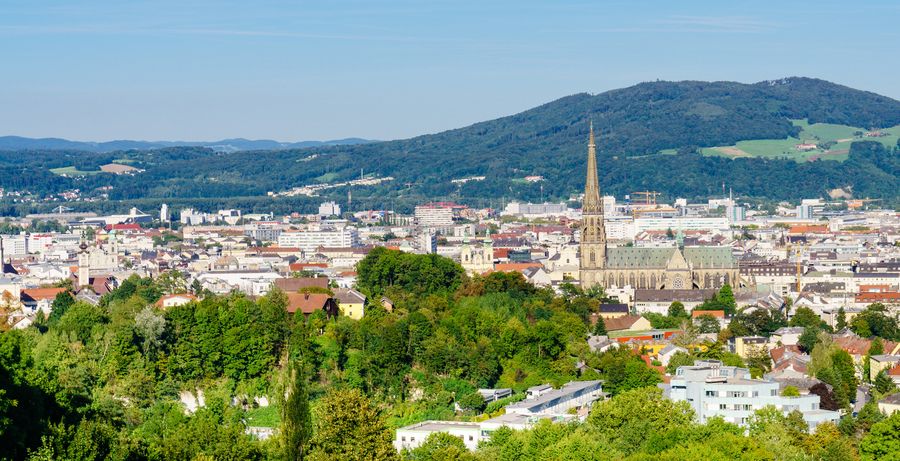
Linz
Linz, Austria’s third-largest city, is a vibrant and dynamic destination that combines a rich historical past with a modern,…
Explore Linz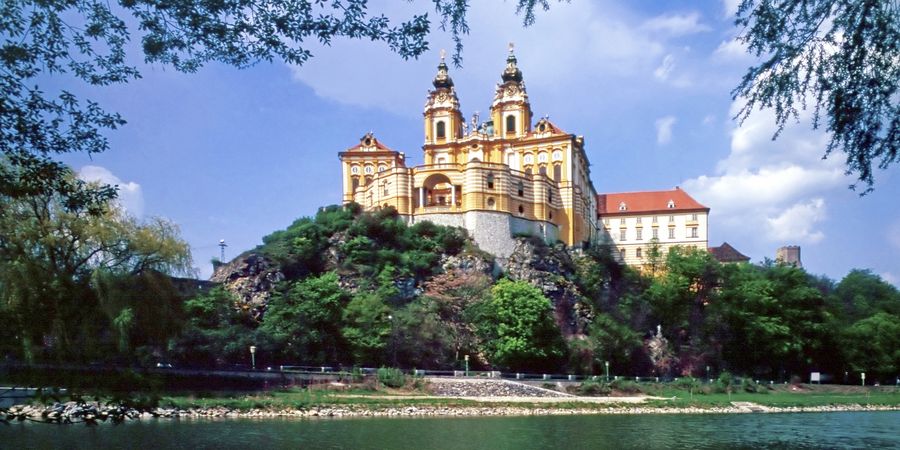
Melk
Nestled along the picturesque banks of the Danube River, Melk is a charming Austrian town known for its rich history, stunning…
Explore MelkA little context for your exploring.
These original VoyageOwl city stories are preserved from the archive. Historical claims and visitor details remain subject to editorial review. Check attraction opening hours, tickets and access before making plans.
A few good stories. A little room to wander.