
Basel
Situated on the banks of the Rhine River where Switzerland, Germany, and France meet, Basel is a city that blends a rich history with a vibrant modern-day culture. Known for…
What brings you
to Basel?
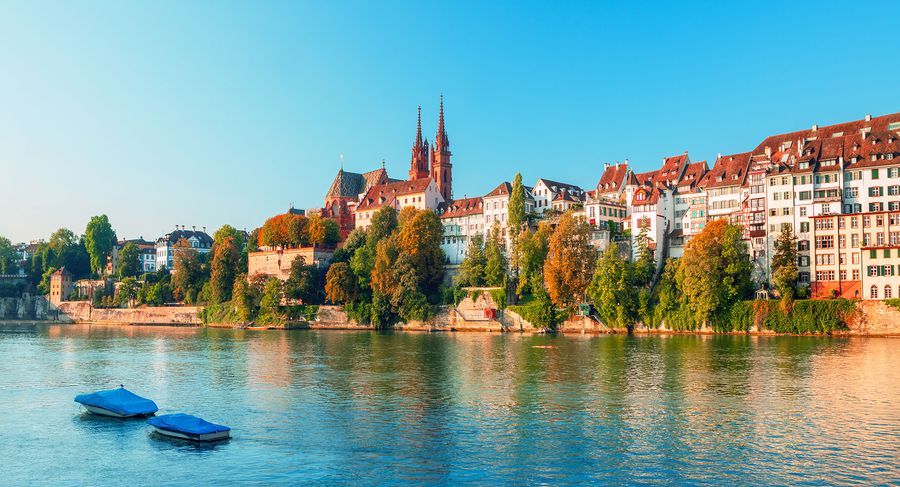
A few good places to begin.
A Historical Gem
Basel’s history stretches back to Roman times, when it was a key outpost known as Basilia. Over the centuries, it grew into an important center for trade and…
Basel · Read the storyBasel’s Old Town (Altstadt)
Basel’s Altstadt is one of the most beautiful and well-preserved medieval towns in Switzerland. Strolling through its cobblestone streets, you’ll encounter…
Basel · Read the storyArt and Museums
Basel is home to over 40 museums, making it one of the most culturally rich cities in Europe. The Kunstmuseum Basel is the oldest public art collection in the…
Basel · Read the storyThe Rhine River
The Rhine River is the lifeblood of Basel, and it’s a central part of the city’s identity. The river not only provides stunning views but also offers plenty of…
Basel · Read the storyListen to Basel
Take a listening break with the city’s audio story and full transcript.
Audio & transcriptThe story of Basel
Get to know the city through its history, culture and local traditions.
Read at your own paceA few ways into Basel.
Leave room to discover more.
Basel’s Old Town (Altstadt)
Basel’s Altstadt is one of the most beautiful and well-preserved medieval towns in Switzerland. Strolling through its cobblestone streets, you’ll encounter centuries-old buildings, narrow alleyways, and charming squares. One of the highlights is Marktplatz, the main…
Discover the storyArt and Museums
Basel is home to over 40 museums, making it one of the most culturally rich cities in Europe. The Kunstmuseum Basel is the oldest public art collection in the world, with an impressive…
Look a little closer 03A story worth stopping forThe Rhine River
The Rhine River is the lifeblood of Basel, and it’s a central part of the city’s identity. The river not only provides stunning views but also offers plenty of opportunities for relaxation…
Look a little closer 04A story worth stopping forBasel Carnival (Fasnacht)
One of the most famous events in Basel is the annual Basel Fasnacht, Switzerland’s largest and most vibrant carnival. Held in late February or early March, Fasnacht transforms the city into…
Look a little closer 05A story worth stopping forPharmaceutical Industry and Modern Innovation
In addition to its cultural and historical significance, Basel is a leading city in the pharmaceutical industry. It’s home to two of the world’s largest pharmaceutical companies, Novartis…
Look a little closerThe story of Basel.
Set the sceneA little background.
A little background.
Situated on the banks of the Rhine River where Switzerland, Germany, and France meet, Basel is a city that blends a rich history with a vibrant modern-day culture. Known for its world-class museums, cutting-edge architecture, and historic old town, Basel is often referred to as Switzerland’s cultural capital. This dynamic city has played a pivotal role in European history while continuing to shape the worlds of art, science, and trade. Whether you’re wandering through its medieval streets or exploring its famous art galleries, Basel offers an unforgettable mix of the old and new.
Behind the postcardA Historical Gem
A Historical Gem
Basel’s history stretches back to Roman times, when it was a key outpost known as Basilia. Over the centuries, it grew into an important center for trade and learning, especially during the Middle Ages. In 1460, Basel became home to Switzerland’s first university, which helped establish the city as a hub for intellectual and cultural development. Basel’s strategic location along the Rhine made it a key player in European commerce, and by the 16th century, the city was flourishing as a center for humanism and the Reformation.
In 1501, Basel joined the Swiss Confederation, solidifying its role in Swiss history. Today, Basel remains a cultural powerhouse, known for its contributions to the arts, science, and industry. The city’s annual Art Basel fair is one of the most prestigious contemporary art events in the world, drawing artists, collectors, and enthusiasts from every corner of the globe.
Top 5 Unique Characteristics of Basel
Look a little closerBasel’s Old Town (Altstadt)
Basel’s Old Town (Altstadt)
Basel’s Altstadt is one of the most beautiful and well-preserved medieval towns in Switzerland. Strolling through its cobblestone streets, you’ll encounter centuries-old buildings, narrow alleyways, and charming squares. One of the highlights is Marktplatz, the main square, dominated by the vibrant red Basel Town Hall (Rathaus), with its striking facade adorned with intricate frescoes. The Basel Minster, a stunning Gothic cathedral dating back to the 12th century, is another must-see. Its twin towers and sandstone facade are iconic landmarks, and climbing the towers offers breathtaking views of the city and the Rhine.
Look a little closerArt and Museums
Art and Museums
Basel is home to over 40 museums, making it one of the most culturally rich cities in Europe. The Kunstmuseum Basel is the oldest public art collection in the world, with an impressive collection of works ranging from the Renaissance to contemporary art. The Fondation Beyeler is another highlight, featuring modern masterpieces from artists like Picasso, Monet, and Warhol. Every June, Basel hosts the internationally renowned Art Basel fair, where the world’s top galleries come together to showcase contemporary and modern art, making the city a magnet for art lovers.
Look a little closerThe Rhine River
The Rhine River
The Rhine River is the lifeblood of Basel, and it’s a central part of the city’s identity. The river not only provides stunning views but also offers plenty of opportunities for relaxation and recreation. During the summer months, locals and visitors alike float down the Rhine using special waterproof bags called Wickelfisch, creating a uniquely Basel experience. The riverbanks are lined with parks, cafes, and bars, making it a perfect place to enjoy the sunshine and watch the boats go by. The city’s historic Middle Bridge (Mittlere Brücke), which dates back to 1226, connects the two sides of Basel and is a symbol of the city’s rich past.
Look a little closerBasel Carnival (Fasnacht)
Basel Carnival (Fasnacht)
One of the most famous events in Basel is the annual Basel Fasnacht, Switzerland’s largest and most vibrant carnival. Held in late February or early March, Fasnacht transforms the city into a spectacle of color, music, and tradition. The festivities kick off at 4 a.m. with the Morgestraich, when all the city lights are turned off, and illuminated lanterns and marching bands parade through the streets. The carnival lasts for three days, and it’s a lively celebration of Basel’s unique culture, filled with costumes, confetti, and an atmosphere unlike any other.
Look a little closerPharmaceutical Industry and Modern Innovation
Pharmaceutical Industry and Modern Innovation
In addition to its cultural and historical significance, Basel is a leading city in the pharmaceutical industry. It’s home to two of the world’s largest pharmaceutical companies, Novartis and Roche, making it a hub for scientific research and medical innovation. The city’s influence in this field stretches across the globe, and its contribution to healthcare and biotech is a key part of its modern-day importance. Basel’s cutting-edge architecture, including buildings designed by renowned architects like Herzog & de Meuron, reflects its forward-thinking spirit.
Behind the postcardBasel Today: A City of Art, Science, and Culture
Basel Today: A City of Art, Science, and Culture
Today, Basel is a thriving city that seamlessly blends its historical roots with its position as a global center for art, science, and industry. Its well-preserved medieval old town, alongside its modern museums and cutting-edge architecture, creates a unique urban landscape that attracts visitors from around the world. Basel’s cultural scene is second to none, with a packed calendar of events, exhibitions, and festivals that keep the city buzzing throughout the year.
The city’s cosmopolitan vibe is enhanced by its proximity to France and Germany, making it a crossroads of cultures and languages. Whether you’re a history buff, an art enthusiast, or simply someone looking to explore a vibrant city by the river, Basel offers something for everyone.
Behind the postcardFun Facts About Basel
Fun Facts About Basel
Basel’s University, founded in 1460, is Switzerland’s oldest and has produced famous alumni like Erasmus of Rotterdam and Friedrich Nietzsche.Art Basel, the city’s annual contemporary art fair, is one of the most prestigious in the world and has expanded to include events in Miami and Hong Kong.Basel is known for its Wickelfisch tradition, where locals float down the Rhine in waterproof bags that double as storage for their belongings.The Tinguely Fountain, designed by Swiss artist Jean Tinguely, is a whimsical mechanical fountain located outside the Basel Theater.Basel is home to the largest zoo in Switzerland, the Zoo Basel, which opened in 1874.
With its rich history, world-class cultural scene, and riverside charm, Basel is a city that invites exploration and discovery at every turn. Whether you’re admiring its art, floating down the Rhine, or enjoying its lively festivals, Basel promises an experience that is both dynamic and unforgettable.
The city,
in your headphones.
Take a seat, or take a walk. Discover Basel one story at a time.
The stories of Basel
Read the complete audio transcript
Welcome to Voyage Owl’s walking tour of Basel, one of the most historically and culturally significant cities in Switzerland. Situated along the banks of the Rhine River and nestled at the tri-border of Switzerland, Germany, and France, Basel is a city where the past and present intertwine. Basel's history dates back over two millennia, having been a vital center of trade, religion, and learning since its founding by the Romans in 44 BC. Over the centuries, Basel has grown from a Roman outpost into a major hub for trade, culture, and education. Its vibrant past has left a profound mark on its architectural landscape, making it one of the most interesting cities to explore in Europe.
The city is renowned not only for its historic buildings and old-world charm but also for being a modern cultural capital, home to world-famous art museums, avant-garde architecture, and prestigious international fairs such as Art Basel. Throughout this tour, you’ll explore the iconic landmarks that define Basel’s history while discovering how this city continues to evolve as a leader in culture and innovation.
Let’s begin our journey in the city’s civic heart, Marktplatz, where Basel’s centuries-old marketplace has been bustling with activity since the Middle Ages.
### 1. Marktplatz: The Historical Heart of Basel
We begin our tour in Marktplatz, which has been the focal point of public life in Basel for centuries. This square has served as the city’s marketplace since the Middle Ages, making it a crucial hub for trade and commerce. Today, it still maintains its vibrant atmosphere, with local vendors selling fresh produce, flowers, and artisanal goods on market days, just as they did hundreds of years ago.
Dominating the square is the Rathaus, or Basel Town Hall, a striking red sandstone building adorned with intricate frescoes and gold accents. The Rathaus dates back to the early 16th century, though a governmental seat existed on this site as far back as the 14th century. The building’s flamboyant Renaissance style reflects the growing power and prosperity of Basel during this time.
The Rathaus is also historically significant as a site of civic and religious importance. During the 16th century, Basel played a key role in the Protestant Reformation, aligning itself with Protestant reformers such as Johannes Oecolampadius and Erasmus of Rotterdam, who lived and worked in Basel. This shift not only changed the city’s religious identity but also helped establish Basel as a center for humanism and scholarship. The Council of Basel, one of the largest church councils of the Middle Ages, was held in the city between 1431 and 1449, further solidifying its place in European religious history.
Take a moment to appreciate the beautifully painted frescoes on the Rathaus' façade, which depict allegorical figures representing justice, wisdom, and power, values central to the city’s governance. The tower that rises from the building is a symbol of Basel’s civic pride and authority, and it continues to be one of the most recognizable landmarks in the city.
As we leave Marktplatz, imagine how this area might have looked in the Middle Ages, bustling with traders, merchants, and city officials conducting business. From here, we’ll head towards Basel Minster, an architectural masterpiece that has dominated the city’s skyline for nearly 1,000 years.
### 2. Basel Minster: A Gothic Masterpiece on the Rhine
Our next stop is Basel Minster, one of the most important religious and historical buildings in Basel. Originally built as a Catholic cathedral and later becoming a Protestant church during the Reformation, the Minster stands as a symbol of Basel’s religious, political, and cultural evolution.
The history of the Basel Minster dates back to the 9th century when a Carolingian church was built on this site. The current structure, however, was largely constructed between 1019 and 1500, blending Romanesque and Gothic architectural styles. The Minster was commissioned by Henry II, Holy Roman Emperor, in 1019, making it one of the oldest religious buildings in Switzerland. Throughout its long history, it has survived fires, wars, and even an earthquake in 1356, which severely damaged the original structure. Much of what you see today, including its twin spires and ornate façade, was built in the centuries following this devastating event.
The Minster’s architecture is both majestic and symbolic. The twin towers, named St. George and St. Martin, represent the unity of church and state, and their soaring heights dominate the Basel skyline. The Gothic features, including the rose window and intricately carved portals, reflect the religious fervor and artistic sophistication of the medieval period.
Inside, the Minster is equally awe-inspiring. The cathedral’s high vaulted ceilings and stone columns create a sense of grandeur, while the stained glass windows cast a kaleidoscope of colors across the stone floors. The crypt houses the tombs of several bishops and notable figures from Basel’s medieval history, making it a place of pilgrimage and remembrance.
One of the most historically significant features of the Basel Minster is the Gallus Gate, a masterpiece of medieval stone carving that dates back to the 12th century. The gate is adorned with detailed sculptures depicting biblical scenes, saints, and symbols of Christian faith, showcasing the skill of the artisans who worked on the cathedral during the Romanesque period.
For those seeking a panoramic view of the city, climbing the towers of the Minster is a must. From the top, you can take in breathtaking views of Basel’s old town, the Rhine River, and even the distant peaks of the Black Forest in Germany and the Vosges Mountains in France.
Behind the Minster, the Pfalz offers a tranquil terrace overlooking the Rhine. Historically, this was a place where bishops and nobles would gather to take in the views of the river, a vital artery for trade and communication. Today, it’s a peaceful spot to rest and enjoy the scenic beauty of Basel and the surrounding landscape.
From the Minster, we’ll make our way to the Mittlere Brücke, Basel’s oldest bridge, which has played a central role in the city’s history as a major trade hub.
### 3. Mittlere Brücke: Basel’s Oldest Gateway Across the Rhine
Our journey now takes us to the Mittlere Brücke, the oldest bridge in Basel and one of the most historically significant in Europe. Built in 1226, this bridge was the first to span the Rhine between Lake Constance and the North Sea, making it a vital crossing for trade routes across Europe.
The Mittlere Brücke has long been more than just a physical connection between Grossbasel and Kleinbasel; it has been a symbol of Basel’s strategic importance in trade, commerce, and politics. During the Middle Ages, Basel’s position on the Rhine made it a key stop for merchants traveling between Italy, France, and northern Europe. Goods such as textiles, wine, and spices flowed through Basel’s markets, enriching the city and helping to fund its impressive architectural and cultural developments.
The bridge also played an important role in the Council of Basel, one of the largest and longest-lasting church councils in history. Held between 1431 and 1449, this council aimed to address issues of church reform and unity and attracted scholars, theologians, and political leaders from across Europe. The bridge was used by many of these delegates to cross into the city, further cementing Basel’s role as a center of European intellectual and religious life.
As you walk across the Mittlere Brücke, take in the sweeping views of the Rhine River and both sides of the city. To the south, you’ll see the medieval buildings of Grossbasel, with the Minster rising proudly above the skyline. To the north, Kleinbasel presents a more industrial yet vibrant character, reflecting the area’s working-class roots. The bridge itself is a powerful symbol of how Basel has evolved over the centuries, bridging not just the physical divide between the two sides of the river but also the city’s medieval past and modern future.
Historically, the Mittlere Brücke was a key site for festivals, processions, and even conflicts. The original wooden bridge was fortified with gates and towers to protect the city from invaders, but it also became a venue for celebrations. It has been rebuilt and renovated several times over the centuries, most notably in 1905 when it was reconstructed in stone.
Today, the bridge is a popular spot for both locals and tourists to stroll, take in the sights, and enjoy the energy of the Rhine. On summer evenings, you might catch street musicians performing or locals enjoying an ice cream by the water’s edge. Basel’s culture of communal life by the river is as vibrant as ever.
As we cross into Kleinbasel, we’ll head towards Spalenberg, one of Basel’s oldest and most charming medieval neighborhoods.
### 4. Spalenberg: A Walk Through Medieval Basel
Entering the Spalenberg district is like stepping back in time. This area is one of the best-preserved medieval neighborhoods in Basel, and its narrow cobblestone streets, steep alleyways, and historic houses transport you to the days when Basel was a bustling medieval trade center.
Spalenberg was historically home to many of Basel’s craftsmen and traders, and its proximity to the Spalentor, one of the city’s old gates, made it a strategic location for commerce. The Spalentor, built in the 14th century, is one of the finest examples of medieval fortifications in Switzerland. As you approach the Spalentor, take note of its impressive structure. Once part of the city’s defensive walls, the gate was used to control access into and out of the city, and it played a key role in defending Basel during times of conflict.
Walking through Spalenberg, you’ll encounter charming streets like Nadelberg and Heuberg, each lined with beautifully restored medieval houses. Many of these homes belonged to wealthy merchants and guild members, and their ornate facades reflect the prosperity of the area during the 15th and 16th centuries.
Spalenberg’s winding streets are named after the various guilds and craftspeople who lived and worked here. For example, Schneidergasse is named after the tailors who once plied their trade in this area. The guilds were incredibly powerful in medieval Basel, controlling trade, setting prices, and organizing apprenticeships. These guilds helped shape the social and economic fabric of the city, and their influence is still felt today in Basel’s strong tradition of craftsmanship and industry.
As you explore the neighborhood, be sure to look up at the half-timbered houses and decorative shutters that line the streets. Many of these buildings date back to the Renaissance, though their foundations are often much older, with some dating to the Middle Ages.
While Spalenberg retains its medieval charm, it has also become a hub for artisanal shops, cafés, and boutiques. Stop by Kaffeehaus, a popular café in the area, to enjoy a coffee or a traditional Swiss pastry in a setting that blends the old with the new. Spalenberg’s mix of history and modern creativity is one of the reasons why it remains one of the most vibrant and beloved neighborhoods in the city.
From Spalenberg, we’ll continue our journey to Tinguely Fountain, a modern artistic landmark that reflects Basel’s playful side.
### 5. Tinguely Fountain: Playful Modern Art in the Heart of the City
As we leave Spalenberg behind and approach the Tinguely Fountain, you’ll notice a striking contrast between the medieval streets we’ve just explored and the whimsical modernity of this famous fountain. Created by Swiss artist Jean Tinguely in 1977, the fountain is located in front of Theater Basel, one of Switzerland’s most prestigious cultural venues.
Jean Tinguely was a Basel-born artist known for his kinetic sculptures, which combine elements of movement, mechanics, and humor. His works often challenge traditional notions of art by incorporating everyday objects and industrial materials into his creations. The Tinguely Fountain is a perfect example of his playful and experimental approach to art.
The fountain features a series of mechanical sculptures that move in unpredictable patterns, spraying water in different directions. Tinguely designed the sculptures using old theater props and discarded machinery, breathing new life into these objects and transforming them into works of art. The result is a dynamic, ever-changing fountain that reflects the artist’s fascination with movement and spontaneity.
What makes the Tinguely Fountain particularly special is its location. It sits on the site of the old Basel Municipal Theater, which was demolished in the 1970s to make way for the new theater building. Tinguely, with his characteristic wit, decided to use the remnants of the old theater to create this fountain, thus preserving a piece of the city’s cultural history while simultaneously creating something entirely new.
The Tinguely Fountain has become one of Basel’s most beloved landmarks, and locals often gather around it to enjoy its playful energy. Children especially love watching the sculptures spray water and trying to predict their next movements. The fountain represents Basel’s ability to embrace both its historical roots and its forward-thinking spirit.
For those interested in learning more about Jean Tinguely’s work, a visit to the Tinguely Museum on the banks of the Rhine is highly recommended. The museum houses an extensive collection of his kinetic sculptures and offers fascinating insights into his creative process.
As we leave the fountain behind, we’ll make our way to the Kunstmuseum Basel, one of Europe’s most prestigious art museums and a testament to Basel’s long-standing dedication to the arts.
### 6. Kunstmuseum Basel: A World-Class Art Institution
Our final stop brings us to the Kunstmuseum Basel (Basel Art Museum), which holds the distinction of being Switzerland’s oldest public art collection and one of the most important art museums in Europe. Founded in 1661, the Kunstmuseum is a testament to Basel’s long-standing commitment to art, culture, and education. Over the centuries, Basel’s wealthy merchants and patrons played a crucial role in amassing an impressive collection of art, making the museum a treasure trove of works spanning from the Middle Ages to the present day.
As you enter the museum, you’ll be greeted by a vast array of artworks, including masterpieces by some of the greatest artists in history. The Kunstmuseum is particularly renowned for its collection of Renaissance and Baroque art, featuring works by artists such as Hans Holbein the Younger, who spent many years in Basel. Holbein’s portraits of Basel’s wealthy citizens, scholars, and religious leaders offer a fascinating glimpse into the city’s past.
The museum also boasts an outstanding collection of 19th and 20th-century art, with works by artists such as Van Gogh, Monet, Picasso, Paul Klee, and Mark Rothko. The modern art collection is a testament to Basel’s role as a hub for contemporary art, and the museum regularly hosts exhibitions featuring cutting-edge artists from around the world.
One of the museum’s most famous works is Arnold Böcklin’s painting *The Isle of the Dead*, which has captivated viewers with its haunting imagery since it was first exhibited in the late 19th century. Böcklin was a Swiss Symbolist painter whose work had a profound influence on later artists, including the Surrealists.
If you’re visiting Basel in June, the city becomes the epicenter of the global art world during Art Basel, one of the most prestigious art fairs in the world. The fair attracts artists, collectors, and curators from across the globe, and the Kunstmuseum often plays a central role in the event, hosting special exhibitions and events during the fair.
After exploring the museum’s galleries, take a break at the Kunstmuseum Café, where you can enjoy a coffee or a meal while reflecting on the art you’ve just seen. The café’s outdoor terrace offers stunning views of the Rhine, making it the perfect place to end our walking tour.
### 7. St. Alban District: Basel’s “Venice”
Our next stop takes us to the St. Alban District, a charming and picturesque part of Basel often referred to as the “Venice of Basel” because of its historic watermills and tranquil canals. Located along the Rhine River, this neighborhood was once the industrial heart of the city, where mills, tanneries, and paper manufacturers thrived during the Middle Ages and well into the early modern period.
The St. Alban District offers a glimpse into a Basel that still maintains its connection to water, trade, and traditional craftsmanship. The area was first settled in the 13th century, and its proximity to the Rhine made it ideal for industries that relied on water power, such as milling and papermaking. During this time, Basel's economy was booming, driven by its strategic location on the Rhine, which connected it to other key trading cities in Europe. The neighborhood became known as the city’s “industrial quarter” and was the site of many innovations in production techniques.
As you walk through the cobbled streets of St. Alban, take note of the beautiful half-timbered houses and the old mills, many of which have been beautifully preserved or converted into modern homes and cultural spaces. One of the most striking features of the district is the St. Alban Gate (St. Alban-Tor), a medieval city gate that still stands as a reminder of the city’s fortified past. Built in the 13th century, this gate was part of Basel’s defensive wall system, and today, it serves as an iconic entrance to this peaceful neighborhood.
A particularly fascinating stop within the St. Alban district is the Basel Paper Mill Museum (Basler Papiermühle). Housed in a former paper mill along the canal, the museum takes visitors back to the days when Basel was an important center for book production and paper manufacturing. The Basel Paper Mill was once one of the largest in Europe, and it played a key role in the city's development as a center for printing and publishing during the Renaissance. In the 15th century, as humanism spread across Europe, Basel became a hub for scholars, artists, and intellectuals who came to study and produce printed works.
The museum itself is highly interactive, offering visitors the chance to try their hand at traditional paper-making techniques. You can watch artisans demonstrate how paper was made by hand, see the presses in action, and even produce your own sheet of paper as a souvenir. The museum also provides insights into the history of the printing press, a technology that revolutionized Europe and brought Basel into the forefront of intellectual life during the Renaissance.
After visiting the museum, enjoy a peaceful walk along the Rhine River or relax at one of the local cafés by the canal. The quiet charm of St. Alban makes it a wonderful spot to escape the busier parts of the city. You can also rent a boat or take a leisurely cruise along the Rhine for a scenic view of the neighborhood and its connection to the river.
From the serene streets of St. Alban, we’ll now head towards our next stop, the University of Basel, one of Europe’s oldest and most prestigious educational institutions.
### 8. University of Basel: A Center of Learning and Innovation
The University of Basel is one of the most important academic institutions in Switzerland and one of the oldest universities in Europe. Founded in 1460 by Pope Pius II, the university has a rich history of intellectual achievement and has been at the heart of European scholarship for centuries. Walking through its historic grounds, you can feel the legacy of scholars, humanists, and innovators who have passed through its halls.
The university’s founding marked a pivotal moment in Basel’s history. At the time, the city was emerging as a center for humanism, science, and the arts, and the establishment of the university cemented its reputation as a hub for learning and knowledge. Over the centuries, many notable figures have been associated with the university, including Erasmus of Rotterdam, one of the greatest humanist scholars of the Renaissance, who spent his final years teaching and writing in Basel. Erasmus' legacy continues to be celebrated at the university, and you can find statues and plaques commemorating his contributions to philosophy, theology, and education.
The university was also a center for the study of theology during the Reformation, and its scholars played an influential role in shaping Protestant thought in Switzerland and across Europe. The Basel Confession of 1534, a key document of the Swiss Reformation, was drafted by theologians at the university, and it helped solidify Basel’s status as a Protestant stronghold.
In addition to its historical significance, the University of Basel has long been a leader in the sciences. One of its most famous alumni is Paracelsus, the Renaissance physician and alchemist who revolutionized medical science with his innovative ideas about chemistry and medicine. Paracelsus’ work laid the foundation for modern pharmacology, and his legacy continues to influence scientific research today.
Today, the University of Basel is a cutting-edge research institution, with world-class faculties in fields such as biomedicine, neuroscience, and environmental science. Its library, the Universitätsbibliothek, is one of the largest in Switzerland and houses an extensive collection of rare books and manuscripts dating back to the Middle Ages. Visitors interested in history and literature can view some of the university’s priceless collections, including works by Erasmus, Paracelsus, and Holbein.
Walking through the university’s central campus, you’ll notice a mix of historic and modern buildings, reflecting its continuous growth and evolution over the centuries. The Petersplatz campus is one of the most scenic parts of the university, with its tree-lined square, historic buildings, and students bustling between classes. The university is also closely linked with the Basel University Hospital, where pioneering research in medicine and science takes place.
If you’re visiting Basel during the academic year, check out the university’s events calendar, which often features public lectures, exhibitions, and open events that allow visitors to engage with the latest academic research. The Botanical Garden of the university is also a hidden gem, offering a peaceful escape where you can explore rare plants and beautiful greenery in a historic setting.
### Conclusion:
As we conclude our walking tour, you’ll have experienced Basel’s rich history, from its medieval past to its modern artistic achievements. Whether strolling through the Gothic grandeur of Basel Minster, crossing the historic Mittlere Brücke, or exploring the vibrant art scene at the Kunstmuseum, Basel offers a unique blend of tradition and innovation.
Basel’s charm lies in its ability to embrace both its historical roots and its modern aspirations. It is a city where medieval alleyways lead to cutting-edge museums, and where centuries-old traditions coexist with contemporary creativity.
Now that our tour has come to an end, I invite you to continue exploring Basel’s hidden corners, perhaps with a walk along the Rhine or a visit to one of the city’s many parks and cafés. Whether you’re here to immerse yourself in history, art, or simply enjoy the vibrant culture of this Swiss gem, Basel is a city that will leave a lasting impression.
To listen to more amazing audio tours of cities around the world check out our other guides at voyageowl.com
Another place, another story.
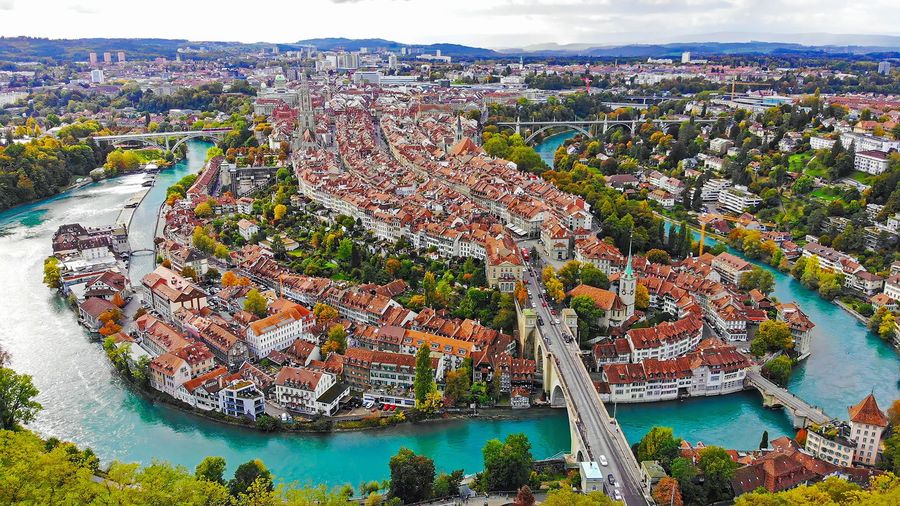
Bern
Bern, the capital of Switzerland, is a city where medieval charm meets modern sophistication. Nestled along the banks of the Aare…
Explore Bern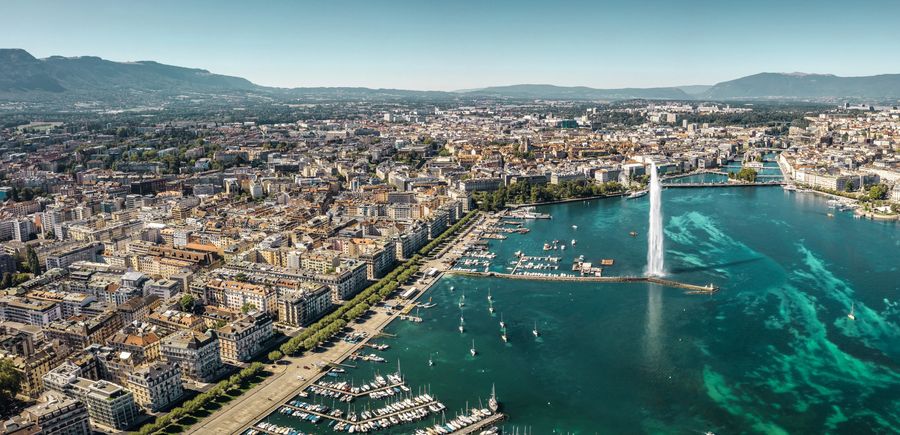
Geneva
Nestled between the majestic Alps and the scenic shores of Lake Geneva, the city of Geneva is a global destination known for its rich…
Explore GenevaA little context for your exploring.
These original VoyageOwl city stories are preserved from the archive. Historical claims and visitor details remain subject to editorial review. Check attraction opening hours, tickets and access before making plans.
A few good stories. A little room to wander.