
Manchester
Manchester, located in the northwest of England, is a dynamic city known for its rich industrial heritage, world-changing innovations, and vibrant cultural scene. From being…
What brings you
to Manchester?
A few good places to begin.
Industrial Revolution Legacy
Manchester is known as the birthplace of the Industrial Revolution, and its legacy can be seen throughout the city. The Museum of Science and Industry offers…
Manchester · Read the storyManchester’s Music Scene
Manchester has an undeniable influence on the global music scene, having produced some of the most famous bands in history, such as The Smiths, Oasis, Joy…
Manchester · Read the storyManchester United and Manchester City
Football is a way of life in Manchester, home to two of the most famous football clubs in the world: Manchester United and Manchester City. Old Trafford, the…
Manchester · Read the storyArchitectural Marvels
Manchester boasts an eclectic mix of architecture, from its industrial red-brick warehouses to its striking modern skyscrapers. The city’s neo-Gothic…
Manchester · Read the storyListen to Manchester
Take a listening break with the city’s audio story and full transcript.
Audio & transcriptThe story of Manchester
Get to know the city through its history, culture and local traditions.
Read at your own paceA few ways into Manchester.
Leave room to discover more.
Industrial Revolution Legacy
Manchester is known as the birthplace of the Industrial Revolution, and its legacy can be seen throughout the city. The Museum of Science and Industry offers fascinating exhibits on Manchester’s industrial past, showcasing original machinery, steam engines, and the…
Discover the storyManchester’s Music Scene
Manchester has an undeniable influence on the global music scene, having produced some of the most famous bands in history, such as The Smiths, Oasis, Joy Division, and The Stone Roses. The…
Look a little closer 03A story worth stopping forManchester United and Manchester City
Football is a way of life in Manchester, home to two of the most famous football clubs in the world: Manchester United and Manchester City. Old Trafford, the iconic home of Manchester…
Look a little closer 04A story worth stopping forArchitectural Marvels
Manchester boasts an eclectic mix of architecture, from its industrial red-brick warehouses to its striking modern skyscrapers. The city’s neo-Gothic architecture is best represented by the…
Look a little closer 05A story worth stopping forCultural and Academic Powerhouse
Manchester is a cultural and academic hub, home to some of the UK’s leading institutions. The University of Manchester is one of the top universities in the world, known for its pioneering…
Look a little closerThe story of Manchester.
Set the sceneA little background.
A little background.
Manchester, located in the northwest of England, is a dynamic city known for its rich industrial heritage, world-changing innovations, and vibrant cultural scene. From being the birthplace of the Industrial Revolution to producing some of the most iconic bands in music history, Manchester has earned its place as one of the UK’s most significant cities. Today, it stands as a thriving metropolis where history and modernity collide, offering visitors a perfect blend of historic landmarks, cutting-edge architecture, and a vibrant arts and entertainment scene.
Manchester’s history dates back to Roman times, when it was founded as the military settlement Mamucium. However, it truly rose to global prominence during the Industrial Revolution in the 18th and 19th centuries, when it became the world’s first industrial city. Manchester’s cotton mills and factories turned it into a major center for textile manufacturing, earning it the nickname "Cottonopolis." The city played a pivotal role in shaping modern industry, labor rights, and urban development.
The city also became a center for radical political movements, such as the Peterloo Massacre in 1819, a key moment in the struggle for workers’ rights and democratic reforms in the UK. Manchester’s intellectual and social activism also includes its role in the fight against slavery and its contribution to the women’s suffrage movement.
Today, Manchester is a bustling hub of commerce, education, music, and sport, continuing to influence culture and innovation on a global scale.
Top 5 Unique Characteristics of Manchester
Look a little closerIndustrial Revolution Legacy
Industrial Revolution Legacy
Manchester is known as the birthplace of the Industrial Revolution, and its legacy can be seen throughout the city. The Museum of Science and Industry offers fascinating exhibits on Manchester’s industrial past, showcasing original machinery, steam engines, and the technology that powered the revolution. Visitors can also explore the city’s canals, originally built to transport raw materials and goods, which are now lined with trendy cafes, restaurants, and shops. The historic Castlefield district is a perfect place to see Manchester’s industrial heritage up close, with its restored warehouses and viaducts.
Look a little closerManchester’s Music Scene
Manchester’s Music Scene
Manchester has an undeniable influence on the global music scene, having produced some of the most famous bands in history, such as The Smiths, Oasis, Joy Division, and The Stone Roses. The city’s vibrant music scene remains alive today, with live venues like The O2 Ritz, Albert Hall, and the legendary Manchester Arena hosting major international acts. The Northern Quarter is the city’s creative hub, where indie bands and emerging artists perform in intimate venues, continuing Manchester’s musical legacy.
Look a little closerManchester United and Manchester City
Manchester United and Manchester City
Football is a way of life in Manchester, home to two of the most famous football clubs in the world: Manchester United and Manchester City. Old Trafford, the iconic home of Manchester United, and Etihad Stadium, where Manchester City plays, are pilgrimage sites for football fans. Visitors can take stadium tours, explore the clubs’ museums, and experience the passion of match days, making football one of the defining features of life in Manchester.
Look a little closerArchitectural Marvels
Architectural Marvels
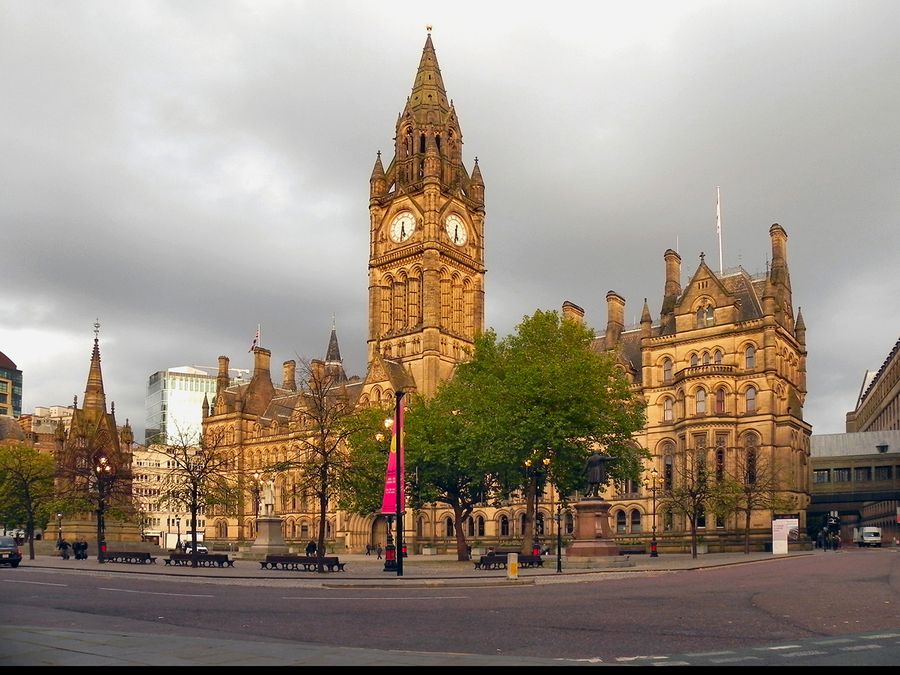
Manchester boasts an eclectic mix of architecture, from its industrial red-brick warehouses to its striking modern skyscrapers. The city’s neo-Gothic architecture is best represented by the Manchester Town Hall, a masterpiece of Victorian design. Meanwhile, the Beetham Tower, one of the tallest buildings in the UK, offers panoramic views of the city from its sky bar. Manchester’s transformation in recent years has seen the rise of innovative, contemporary buildings, symbolizing its forward-thinking spirit.
Look a little closerCultural and Academic Powerhouse
Cultural and Academic Powerhouse
Manchester is a cultural and academic hub, home to some of the UK’s leading institutions. The University of Manchester is one of the top universities in the world, known for its pioneering research in fields like science and engineering. The city also boasts several cultural landmarks, including the Whitworth Art Gallery, the Manchester Art Gallery, and the Royal Exchange Theatre, which continues to shape the UK’s creative arts scene. Manchester’s rich cultural calendar includes the annual Manchester International Festival, which showcases world-class performances and art.
Behind the postcardManchester Today: A Global City of Innovation and Culture
Manchester Today: A Global City of Innovation and Culture
In modern times, Manchester has continued its legacy of innovation, becoming a hub for science, technology, and education. The city has reinvented itself as a leader in fields such as digital technology, biotechnology, and research, attracting global talent and investment. Manchester’s vibrant cultural scene—featuring art, music, theatre, and sports—makes it one of the most exciting cities to visit in the UK.
The Northern Quarter has emerged as a trendy district filled with independent shops, street art, and vintage boutiques, offering a glimpse into Manchester’s creative energy. Additionally, the city’s dining scene has flourished, with everything from traditional British pubs to international cuisine on offer.
Behind the postcardFun Facts About Manchester
Fun Facts About Manchester
Manchester is where scientists split the atom for the first time, at the University of Manchester in 1917, by Ernest Rutherford.Rolls-Royce was born in Manchester when Henry Royce and Charles Rolls met in 1904.The world’s first passenger railway station, Liverpool Road Station, opened in Manchester in 1830.The Manchester Ship Canal, completed in 1894, made the city a seaport, even though it is about 40 miles inland from the coast.Manchester is home to the first public library in the English-speaking world, Chetham’s Library, founded in 1653.
With its rich industrial past, dynamic cultural scene, and forward-thinking spirit, Manchester is a city that offers something for everyone. Whether you’re diving into its revolutionary history, enjoying its music, or exploring its architectural gems, Manchester is a destination that will leave a lasting impression.
The city,
in your headphones.
Take a seat, or take a walk. Discover Manchester one story at a time.
The stories of Manchester
Read the complete audio transcript
Welcome to Voyage Owl’s walking tour of Manchester, a city whose legacy has shaped the modern world in more ways than one. Known as the birthplace of the Industrial Revolution, Manchester is a city where history meets innovation, where the past and present exist side by side in harmony. It is a city that has been at the forefront of technological, scientific, and social advancements for over two centuries, earning its place as one of the most influential urban centers in the world. Whether you're here for its rich industrial heritage, its thriving arts scene, or its vibrant street culture, Manchester offers an extraordinary journey through time and creativity.
Manchester’s story begins in AD 79, when it was founded by the Romans as a military settlement called Mamucium. Over the centuries, the city grew into a bustling market town, but it wasn’t until the late 18th century that Manchester truly transformed into an economic powerhouse. With the invention of new textile machinery and the development of the steam engine, Manchester became the epicenter of the Industrial Revolution, earning it the nickname “Cottonopolis” due to its booming cotton industry. The city’s mills and factories churned out textiles that were exported across the globe, and Manchester became synonymous with industrial innovation, hard work, and economic success.
But Manchester’s contributions extend far beyond industry. It’s a city that has been a hotbed of social and political change, playing a key role in movements that have shaped modern society. It was here that Emmeline Pankhurst founded the Suffragette movement in 1903, fighting for women’s right to vote. The Peterloo Massacre of 1819, which saw peaceful protesters calling for parliamentary reform brutally attacked by government forces, is another moment that highlights the city’s commitment to political activism. Manchester has long been a place where ideas of equality, justice, and progress have flourished, helping to define the city’s character.
In more recent times, Manchester has continued to be a trailblazer, especially in the fields of science and technology. The city is home to The University of Manchester, where Ernest Rutherford first split the atom in 1917, and where Alan Turing, the father of modern computing, worked on the world’s first stored-program computer in the 1940s. This pioneering spirit is embedded in Manchester’s DNA, and it’s a city that continues to push boundaries in everything from advanced manufacturing to cutting-edge research.
But Manchester isn’t just about work and invention—it’s also a city of culture and creativity. Known for its thriving music scene, Manchester gave birth to iconic bands such as The Smiths, Oasis, and Joy Division, and its music venues, like The Hacienda and Band on the Wall, have become legendary. The city’s contribution to music is world-renowned, and it remains a global hub for live music, indie bands, and new genres. From rock and punk to electronic and indie, Manchester is a city where music is more than entertainment—it’s a way of life.
Sports also play a huge role in Manchester’s identity, with two of the world’s most famous football clubs—Manchester United and Manchester City—calling the city home. Football isn’t just a sport here; it’s a passion, a way of connecting communities, and a source of immense pride for Mancunians. The rivalry between the two clubs has divided households for generations, but it’s also one of the reasons why Manchester is a global footballing capital.
As we embark on this walking tour, you’ll experience Manchester’s multi-layered identity firsthand. From its industrial roots to its artistic soul, and from its scientific achievements to its sporting glory, Manchester is a city that thrives on innovation, creativity, and resilience. It’s a city that has reinvented itself time and again, and today, it stands as a symbol of urban regeneration, cultural diversity, and forward-thinking.
Let’s start our journey at one of Manchester’s most iconic and historically rich landmarks: Manchester Town Hall.
### Stop 1: Manchester Town Hall – A Neo-Gothic Masterpiece with a Revolutionary History
We begin our tour at the imposing Manchester Town Hall, a masterpiece of Neo-Gothic architecture and a symbol of the city’s industrial prowess and civic pride. Designed by the renowned architect Alfred Waterhouse and completed in 1877, the Town Hall stands as a testament to Manchester’s status as a booming industrial hub during the 19th century.
As you approach the building, you’ll notice its intricate facade, adorned with statues and carvings that reflect Manchester’s rich history. Look up at the towering clock tower, which houses Great Abel, a massive bell that weighs over 8 tons and chimes every hour. The building’s Gothic arches and spires evoke the grandeur of medieval cathedrals, a fitting reflection of Manchester’s self-assuredness during the Victorian era.
The interior of Manchester Town Hall is equally stunning. One of the highlights is the Great Hall, a vast space decorated with a series of murals painted by Ford Madox Brown. These murals depict key moments in Manchester’s history, from the arrival of the Romans to the industrial boom that transformed the city into the “workshop of the world.” One particularly fascinating mural shows the famous meeting between John Dalton, the pioneer of atomic theory, and other scientists at The Literary and Philosophical Society of Manchester—a nod to the city’s legacy of scientific innovation.
Manchester Town Hall was the location of one of the most important events in British political history. In 1905, a young Winston Churchill, then a member of Parliament, delivered a rousing speech here, cementing his status as a rising star in British politics.
Before we move on, let’s take a moment to step outside to Albert Square, the bustling plaza in front of the Town Hall. Throughout the year, the square hosts major events, including the famous Manchester Christmas Markets, which transform the space into a winter wonderland. Now, let’s make our way to one of Manchester’s most famous and historically significant streets: Deansgate.
### Stop 2: Deansgate – A Roman Legacy Meets Modern Manchester
From Albert Square, we take a short walk to Deansgate, one of Manchester’s longest and most important streets. Deansgate has been a major thoroughfare for over a millennium, with its roots stretching back to the days when Manchester was a Roman fort known as Mamucium. In fact, Deansgate’s name derives from Dean’s Gate, one of the original Roman gates that once guarded the city.
As you stroll down Deansgate, you’ll pass a fascinating mix of old and new architecture. On one side of the street, you’ll see sleek, modern buildings like Beetham Tower, Manchester’s tallest skyscraper, which dominates the city’s skyline. On the other side, historic pubs like The Old Wellington Inn remind us of the street’s centuries-old history. The Old Wellington Inn, built in 1552, is one of the city’s oldest buildings and has witnessed everything from the rise of the textile industry to the devastation of World War II bombings.
Deansgate also takes you past Manchester Cathedral and the remnants of Roman Manchester, including a Roman fort excavation site near Castlefield. This area, known as Castlefield Urban Heritage Park, is a living history museum of sorts, where you can see how Manchester developed from a small Roman outpost into one of the world’s most important industrial cities. It’s a great place to reflect on the city’s long journey from Roman Britain to the modern-day metropolis we see today.
As we continue along Deansgate, we’ll arrive at one of Manchester’s hidden gems: the John Rylands Library.
### Stop 3: John Rylands Library – A Gothic Treasure House of Knowledge
Tucked away along Deansgate is the breathtaking John Rylands Library, a marvel of Victorian Gothic architecture and one of the most beautiful libraries in the world. Commissioned by Enriqueta Rylands in memory of her husband, John Rylands, a successful industrialist, this library was designed to be a temple of learning and a gift to the people of Manchester. It opened in 1900 and quickly became one of the most important cultural institutions in the city.
As you approach the library, you’ll notice its striking facade, with towering spires, pointed arches, and intricate carvings that give it the appearance of a medieval cathedral. Step inside, and you’ll find yourself in the Reading Room, a vast and majestic space filled with natural light streaming through the stained-glass windows. The high vaulted ceilings and rich oak paneling create a sense of awe and reverence, making it easy to see why many visitors describe the library as a “cathedral of books.”
The John Rylands Library is home to an extraordinary collection of rare manuscripts and books, including a Gutenberg Bible—one of the first books ever printed using movable type—and the St. John Fragment, the oldest known piece of the New Testament. As you wander through the library’s exhibits, you’ll also find original manuscripts by literary giants such as Charlotte Brontë, William Shakespeare, and Elizabeth Gaskell.
One of the library’s most fascinating historical stories involves the discovery of a hidden staircase during renovations in the early 2000s. The staircase, which had been bricked up and forgotten for decades, led to a series of secret passages used by librarians in the early 20th century. It’s these kinds of historical surprises that make the John Rylands Library such an intriguing place to explore.
After exploring the library, we’ll take a short walk to the Science and Industry Museum, where we’ll learn about Manchester’s role as the birthplace of the Industrial Revolution.
### Stop 4: Science and Industry Museum – The Birthplace of the Industrial Revolution
No visit to Manchester would be complete without a stop at the Science and Industry Museum, a fascinating institution that tells the story of how Manchester became the world’s first industrial city. Located on the site of the world’s first passenger railway station at Liverpool Road, the museum offers a deep dive into the technological innovations that shaped the modern world.
One of the museum’s most significant exhibits is the Textile Gallery, which explores Manchester’s pivotal role in the cotton industry. In the early 19th century, Manchester was known as “Cottonopolis” due to its dominance in cotton production, and the textile mills here were some of the largest in the world. At the museum, you can see working textile machines in action, demonstrating how raw cotton was transformed into fabric using steam-powered looms and spinning frames. These machines revolutionized the textile industry and helped make Manchester the industrial powerhouse it became.
The museum also delves into the history of transportation, with exhibits on the Liverpool and Manchester Railway, the world’s first railway to rely exclusively on steam power for both passengers and freight. You’ll learn about the groundbreaking work of George Stephenson, the engineer who designed the famous Rocket locomotive, which became the template for modern steam trains.
A highlight of the museum is its collection of working steam engines in the Power Hall, where you can witness the power and noise of the industrial machines that once powered Manchester’s factories. These massive engines helped transform the city and played a crucial role in shaping the industrial landscape of the 19th century.
The museum also explores Manchester’s contributions to science and technology, including the development of the world’s first programmable computer at the University of Manchester. In 1948, Tom Kilburn and Freddie Williams created the Manchester Baby, a computer that laid the foundation for the digital age we live in today.
After exploring the Science and Industry Museum, we’ll head to the Northern Quarter, Manchester’s creative and artistic hub.
### Stop 5: The Northern Quarter – A Hub of Creativity and Rebellion
The Northern Quarter is one of Manchester’s most vibrant and eclectic neighborhoods, known for its thriving arts scene, street art, and independent shops. Historically, this area was home to the city’s textile warehouses, but in recent decades, it has transformed into a cultural hotspot, attracting artists, musicians, and creatives from all over the world.
As you walk through the Northern Quarter, you’ll be greeted by colorful street art on nearly every corner. One of the most famous murals is the David Bowie tribute on Stevenson Square, painted after the singer’s death in 2016. The mural has become an iconic part of the neighborhood, and it’s just one example of the many artistic tributes that line the streets here. The area’s artistic spirit is reflected in the abundance of galleries, such as Manchester Craft and Design Centre, where local artisans sell handmade jewelry, ceramics, and textiles.
Music is another key element of the Northern Quarter’s identity. The area’s venues, such as Band on the Wall and Night & Day Café, have hosted countless legendary performances, from the early days of Joy Division to up-and-coming indie bands. The Northern Quarter is also home to several record shops, including the iconic Piccadilly Records, where music lovers can browse an extensive selection of vinyl records.
For those looking for quirky and vintage finds, the Northern Quarter is a shopper’s paradise. Head to Afflecks Palace, a multi-level indoor market filled with independent boutiques selling everything from vintage clothing to comic books. Afflecks has long been a cultural institution in Manchester, and it’s a great place to find unique souvenirs or simply soak up the neighborhood’s bohemian atmosphere.
After experiencing the creative energy of the Northern Quarter, we’ll make our way to one of Manchester’s most historic and beautiful landmarks: Manchester Cathedral.
### Stop 6: Manchester Cathedral – A Medieval Treasure in the Heart of the City
Our next stop on the walking tour is the stunning Manchester Cathedral, a medieval gem that has stood at the heart of the city for over 600 years. Originally founded in the 14th century, the cathedral has witnessed the rise and fall of empires, the ravages of war, and the industrial transformation of Manchester. Despite its turbulent history, the cathedral remains a symbol of the city’s resilience and faith.
As you approach the cathedral, you’ll notice its striking Perpendicular Gothic architecture, characterized by tall windows, intricate stone tracery, and soaring spires. Step inside, and you’ll be greeted by the serene beauty of the cathedral’s interior, with its impressive fan-vaulted ceilings and stunning stained-glass windows.
One of the most fascinating stories associated with Manchester Cathedral involves its survival during World War II. In 1940, the cathedral was heavily damaged during the Manchester Blitz, when German bombs rained down on the city. The building’s east end was almost completely destroyed, and many of its historic windows were shattered. However, thanks to an extensive restoration effort, the cathedral was rebuilt after the war, and today it stands as a testament to Manchester’s strength and determination.
The cathedral is also home to a number of historical treasures, including the Quire, with its beautifully carved wooden stalls and misericords (small seats that fold up to reveal intricate carvings), dating back to the 15th century. The Hanging Bridge Chapel, located beneath the cathedral, is another fascinating spot. This medieval chapel once served as a resting place for travelers entering the city, and its atmospheric, vaulted ceiling offers a glimpse into Manchester’s distant past.
Before leaving the cathedral, take a moment to reflect in the peaceful Cathedral Gardens, where you can sit among the greenery and enjoy views of the nearby Chetham’s Library, the oldest public library in the English-speaking world.
### Stop 7: Old Trafford – The Theatre of Dreams
No tour of Manchester would be complete without a visit to Old Trafford, the world-famous home of Manchester United Football Club. Known as the Theatre of Dreams, Old Trafford is more than just a football stadium—it’s a symbol of the city’s passion for the sport and a shrine for fans around the globe. Whether you’re a die-hard Red Devils supporter or simply curious about the history of football, Old Trafford is a must-visit destination.
Old Trafford was opened in 1910 and has since become one of the most iconic stadiums in the world. With a seating capacity of over 74,000, it’s the largest club stadium in the UK and has witnessed some of the greatest moments in football history. From legendary players like George Best, Bobby Charlton, and Eric Cantona to modern superstars like Cristiano Ronaldo and David Beckham, Old Trafford has been home to football legends who have left an indelible mark on the game.
As you approach the stadium, the first thing you’ll notice is the statue of the United Trinity—George Best, Bobby Charlton, and Denis Law—who were instrumental in United’s dominance during the 1960s. The statue stands proudly outside the East Stand, a reminder of the club’s storied past.
A guided tour of Old Trafford offers an in-depth look at the stadium and its history. You’ll visit the Players’ Tunnel, where football greats have walked onto the pitch to the roar of tens of thousands of fans, and the dressing rooms, where today’s Manchester United players prepare for matches. You’ll also have the chance to sit in the dugout, where legendary managers like Sir Alex Ferguson strategized and made history, guiding United to numerous Premier League and European titles.
One of the most emotional stops on the tour is the Munich Memorial. This memorial commemorates the tragic Munich Air Disaster of 1958, when a plane carrying Manchester United players, staff, and journalists crashed, claiming 23 lives. The Busby Babes, as the team was known, were a promising group of young players, and the disaster left an indelible scar on the club’s history. Sir Bobby Charlton, one of the survivors, would go on to lead United to European Cup victory a decade later.
For football enthusiasts, visiting Old Trafford is akin to a pilgrimage, offering a chance to walk in the footsteps of legends and immerse yourself in the history of one of the world’s most famous football clubs. Even if you’re not a football fanatic, the tour is a fascinating look into a global phenomenon and a significant part of Manchester’s identity.
After leaving Old Trafford, we’ll complete our tour with a visit to Manchester City’s Etihad Stadium—if you’re a blue instead of a red!
### Stop 8: Etihad Stadium – The Home of Manchester City
If you’re more of a fan of Manchester City (or if you simply want to explore both sides of Manchester’s football rivalry), a visit to the Etihad Stadium is also a fantastic experience. Located in East Manchester, this modern, state-of-the-art stadium is the home ground of Manchester City Football Club, one of the most successful clubs in English football in recent years.
The Etihad Stadium was built in 2002 for the Commonwealth Games before being transformed into Manchester City’s home in 2003. With a seating capacity of over 53,000, it’s one of the largest stadiums in the Premier League and a modern masterpiece of sporting architecture.
The City Football Academy, located next to the stadium, is where the next generation of Manchester City stars is trained, reflecting the club’s commitment to developing young talent. A guided tour of the Etihad Stadium includes behind-the-scenes access to the players’ dressing rooms, the press conference room, and the players' tunnel, where you can imagine what it’s like to walk out onto the pitch on match day.
One of the highlights of the tour is the chance to sit in Pep Guardiola’s seat in the dugout, where one of football’s most famous managers directs his team during matches. You’ll also visit the trophy room, where you can see Manchester City’s recent haul of Premier League titles, FA Cups, and their historic 2021-2022 treble victory, which includes the UEFA Champions League trophy.
The Etihad Stadium is a testament to Manchester City’s rise from a mid-table club to a global football powerhouse, and a visit here offers insight into the modern game and the world of professional football.
Whether you’re a Manchester United or Manchester City supporter, or just a fan of the beautiful game, Manchester’s football stadiums are must-visit destinations for any trip to the city.
### Conclusion: Manchester – A City of Innovation, Culture, and Resilience
As our walking tour of Manchester comes to an end, I hope you’ve gained a deeper appreciation for this incredible city’s rich history and vibrant culture. From its days as a Roman outpost to its role as the birthplace of the Industrial Revolution, Manchester has been at the forefront of innovation and progress for centuries. But it’s also a city that knows how to celebrate life, whether through its music, its art, or its football.
Whether you’re a history buff, a culture enthusiast, or simply someone looking to explore a city with character, Manchester is a place that offers something for everyone. So take your time, explore its streets, and let the stories of this remarkable city unfold.
To listen to more amazing audio tours of cities around the world check out our other guides at voyageowl.com.
Another place, another story.
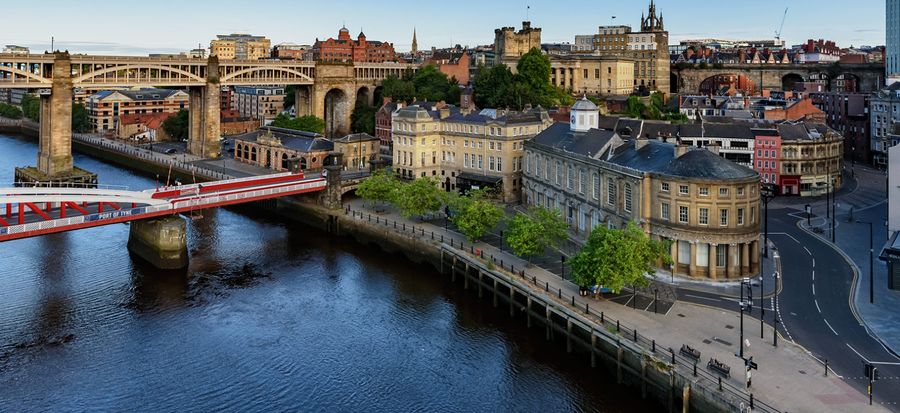
Newcastle upon Tyne
Newcastle upon Tyne, or simply Newcastle, is a vibrant city in the northeast of England known for its rich industrial heritage,…
Explore Newcastle upon Tyne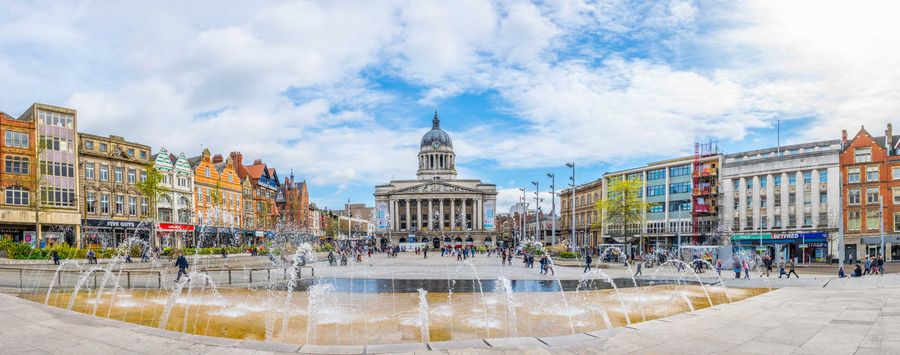
Nottingham
Nottingham, located in the heart of England, is a city where legend and history come together to create a rich and vibrant…
Explore NottinghamA little context for your exploring.
These original VoyageOwl city stories are preserved from the archive. Historical claims and visitor details remain subject to editorial review. Check attraction opening hours, tickets and access before making plans.
A few good stories. A little room to wander.