
Your Monaco month
Room for an unhurried walk.
19°Caverage high
88mmmonthly rain
11hdaylight on 2026-10-15
A small principality with big changes in perspective.
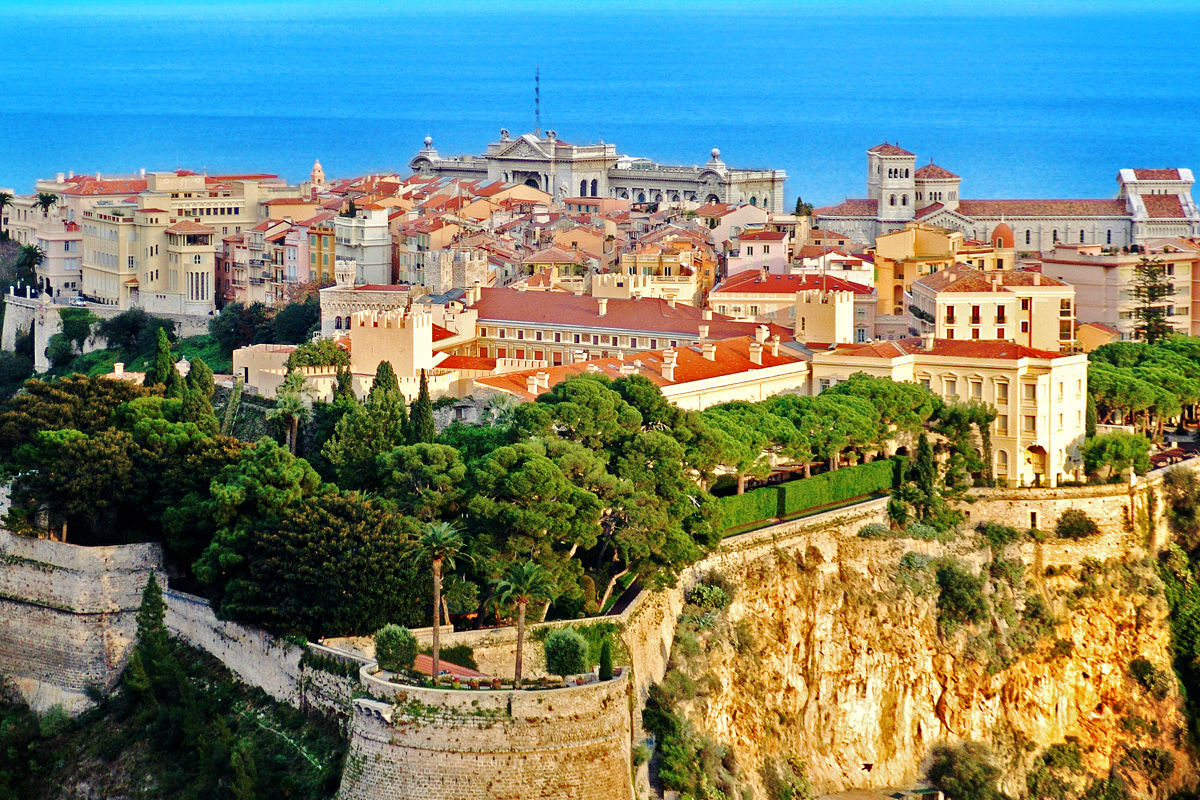
Monaco, the world’s second smallest country, is a unique blend of old-world charm and modern luxury. This self-guided walking tour will take you through…
7 stops · Self-guidedConnect the palace square, cathedral exterior and the oceanographic museum exterior.
Monaco · Route guideGet to know Monaco-Ville, Monte-Carlo, The harbor and choose a base for your visit.
Monaco · Neighborhood guideNice Airport lists bus 80 toward Monaco and Menton. Match your stop to the neighborhood you are staying in; the principality has several levels.
Monaco · Arrival guideFind family activities, a printable field guide and ideas for a shared adventure.
Monaco · Family guideTake a listening break with the city’s audio story and full transcript.
Audio & transcriptConnect the palace square, cathedral exterior and the oceanographic museum exterior.
The Monte Carlo Casino is not only one of the world’s most famous gambling venues, but it’s also the cornerstone of Monaco’s transformation from a modest…
Read this chapter 02A story worth stopping forThe Prince’s Palace (Palais Princier) is the official residence of the Grimaldi family, who have ruled Monaco for over 700 years. The Grimaldis took…
Read this chapter 03A story worth stopping forMonaco Cathedral, also known as the Cathedral of Our Lady of the Immaculate Conception, stands as a powerful symbol of the country’s spiritual and…
Read this chapterRoom for an unhurried walk.
Nice Airport lists bus 80 toward Monaco and Menton. Match your stop to the neighborhood you are staying in; the principality has several levels.
Explore arrival options Find a base for your plansMonaco has steep changes in level. The Rock, Monte-Carlo and Larvotto are separate clusters.
Compare areasA free field guide for looking closely, drawing what you notice and making up a few stories along the way.
Explore Monaco with kidsDraw a flag you can see near the palace.
Compare the shapes of two cathedral windows.
Invent a sea creature inspired by the museum.
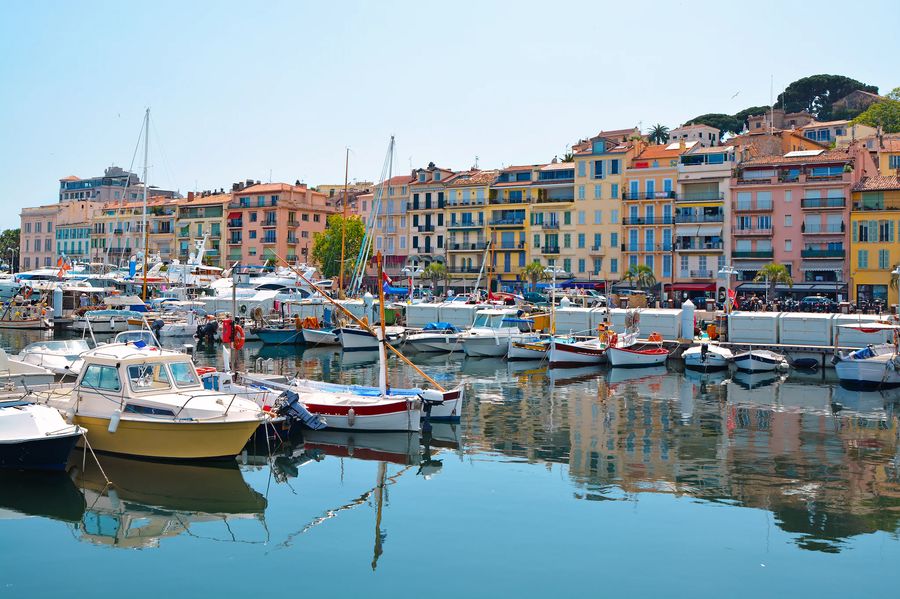
Famous for its glamour, luxury, and star-studded events, Cannes is one of the most iconic cities on the French Riviera. Known for…
Explore Cannes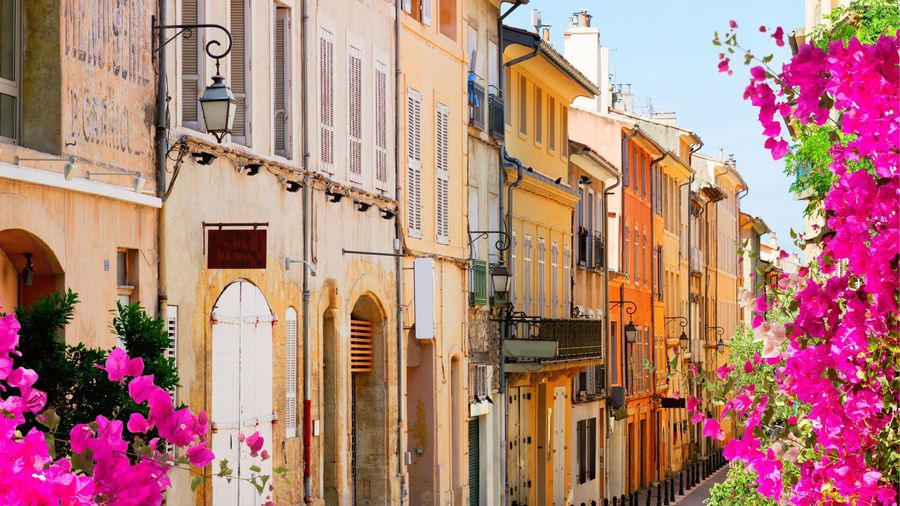
Nestled in the heart of southern France, Aix-en-Provence is a city that captivates with its blend of history, art, and…
Explore Aix-en-ProvenceTake a seat, or take a walk. Discover Monaco one story at a time.
Introduction
Welcome to Voyage Owl’s walking tour of Monaco, the glamorous, sun-soaked principality nestled on the French Riviera. Despite being the second smallest country in the world, Monaco is renowned for its wealth, luxurious lifestyle, and rich history. From its medieval streets to its modern luxury yachts, Monaco blends old-world charm with contemporary opulence in a way few places can. Whether you're intrigued by the famous Monte Carlo Casino, the Prince’s Palace, or just want to stroll along the stunning Mediterranean coastline, Monaco offers something for everyone.
This walking tour will take you through the heart of Monaco, where you’ll explore its rich history, from its Grimaldi legacy and historic fortresses to its modern-day glitz and glamour. Along the way, we’ll highlight some of the must-see spots, give you insight into Monaco’s fascinating past, and recommend some great modern experiences. Whether you’re here for a day or longer, you’ll leave with a deep appreciation for this unique and iconic microstate.
Monte Carlo Casino
The Monte Carlo Casino is not only one of the world’s most famous gambling venues, but it’s also the cornerstone of Monaco’s transformation from a modest fishing village into a glamorous destination for the elite. Built in 1863 under the guidance of Prince Charles III and designed by the renowned architect Charles Garnier, the casino was part of a broader vision to save the impoverished principality from financial ruin. The establishment of the casino marked the beginning of Monaco’s reputation as a luxury retreat for the European aristocracy.
In the late 19th and early 20th centuries, Monte Carlo became a playground for royals, celebrities, and business tycoons. It wasn’t just about gambling—operas, ballets, and concerts held at the Opéra de Monte-Carlo (which is located within the casino complex) drew in cultural elites from all over Europe. Monaco was seen as a glamorous escape, and this image only intensified over time.
Today, the Monte Carlo Casino continues to be a symbol of Monaco’s luxury and wealth, attracting high-rollers and tourists alike. Even those who don’t gamble come to experience the lavish interiors and soak in the opulence. The casino has also been immortalized in James Bond films, most notably Casino Royale, which has further cemented its allure.
You don’t need to be a gambler to enjoy the Monte Carlo Casino. Take a guided tour during the day to explore the casino’s grand halls and take in the architectural beauty. For a more immersive experience, dress up and visit the casino at night when the tables come alive, even if you’re only there to watch the action. The Opéra de Monte-Carlo often hosts performances, so check the schedule for a cultural evening.
Afterward, enjoy a leisurely walk around Casino Square, which is lined with luxury shops and top-tier hotels like the Hôtel de Paris. It’s also one of the best spots in Monaco for people-watching and car-spotting, as exotic cars are often parked right outside.
The Prince’s Palace of Monaco
The Prince’s Palace (Palais Princier) is the official residence of the Grimaldi family, who have ruled Monaco for over 700 years. The Grimaldis took control of Monaco in 1297 when François Grimaldi captured the fortress that stood on this spot by disguising himself as a monk. This event, known as the Monaco Coup de Main, is a key moment in Monaco’s history and is depicted in statues and symbols throughout the city.
Originally built as a Genoese fortress in the 12th century, the palace has seen countless renovations and expansions. It served not only as a royal residence but also as a fortress during Monaco’s many conflicts. In the 17th century, it became more of a residential palace, with baroque renovations making it the opulent structure it is today. The palace has witnessed political intrigue, royal weddings, and state events, playing a crucial role in Monaco’s transformation into a sovereign state.
Modern Significance: The Prince’s Palace remains the seat of Monaco’s ruling family, and it plays a central role in the cultural and political life of the principality. The palace’s importance grew with Prince Rainier III and his marriage to Grace Kelly in 1956, which brought global attention to Monaco. Today, Prince Albert II continues to reside here, and the palace remains a key symbol of Monaco’s unique political status as a constitutional monarchy.
Fun ways to explore: Time your visit to coincide with the Changing of the Guard, which takes place at 11:55 AM every day in front of the palace. It’s a colorful, ceremonial event that showcases Monaco’s traditions. During certain times of the year, the palace’s State Apartments are open to the public. Exploring these rooms is a great way to delve into Monaco’s royal history and see firsthand the luxury in which the Grimaldis live.
You can also take a guided tour that includes the Palace Museum, where you can see historic artifacts, including carriages, armor, and gifts from other royal families. The Palace Courtyard occasionally hosts concerts by the Monte Carlo Philharmonic Orchestra, making for a perfect cultural evening under the stars.
Monaco Cathedral (Saint Nicholas Cathedral)
Monaco Cathedral, also known as the Cathedral of Our Lady of the Immaculate Conception, stands as a powerful symbol of the country’s spiritual and cultural heritage. Built in 1875, the cathedral is a mix of Roman-Byzantine architecture, reflecting Monaco’s long-standing connections to both France and Italy.
The cathedral is built on the site of a 13th-century church dedicated to Saint Nicholas, the patron saint of sailors, which shows Monaco’s historic ties to the sea. Monaco’s royal family, the Grimaldis, are deeply intertwined with the cathedral’s history. Most notably, it is the burial site of Prince Rainier III and Princess Grace, whose 1956 marriage captivated the world and brought the principality into the international spotlight.
Modern Significance: Today, the cathedral serves as a religious and cultural focal point for the people of Monaco. It hosts important state ceremonies, including royal weddings and funerals, reinforcing its deep connection to Monaco’s ruling family. The cathedral’s marble tombs, especially those of Rainier III and Princess Grace, are visited by thousands of tourists each year who come to pay their respects.
After visiting the cathedral and admiring its interior with its impressive Carrara marble altar and stained glass windows, take a peaceful walk through the Old Town of Monaco. The quiet, narrow streets offer a contrast to the glitzy side of Monaco, with small cafés and shops tucked away from the main tourist routes. Be sure to stop by the Rue Comte Félix Gastaldi, one of the oldest streets in Monaco, for a glimpse into the country’s medieval past.
If you visit on a Sunday, consider attending a service, especially during the Christmas season or Easter, when the cathedral hosts beautiful religious ceremonies accompanied by choral music from its magnificent organ.
Oceanographic Museum
The Oceanographic Museum of Monaco is one of the most famous marine science museums in the world, symbolizing Monaco’s deep connection to the sea. Opened in 1910, the museum was founded by Prince Albert I, known as the “Navigator Prince.” He was a passionate marine scientist and explorer, dedicating much of his life to studying oceanography and marine biology. The museum was created to showcase his extensive collections of marine life and oceanographic artifacts.
The museum’s dramatic position on the cliffs above the Mediterranean Sea is a fitting tribute to Monaco’s maritime heritage. Prince Albert I’s vision was to create a space where the wonders of the ocean could be explored and understood, and the museum has played a vital role in marine research ever since. It has also been a leader in marine conservation efforts, focusing on protecting the world’s oceans and their biodiversity.
The Oceanographic Museum remains a leading institution in marine research and education. It has hosted world-renowned marine biologists and conservationists, and it continues to support initiatives aimed at protecting the world’s oceans. Prince Albert II, following in his great-grandfather’s footsteps, is deeply involved in environmental causes, and the museum plays a key role in raising awareness about the fragility of marine ecosystems.
Spend a few hours wandering through the museum’s aquariums, where you’ll encounter colorful tropical fish, sharks, and seahorses. The museum also has an impressive Shark Lagoon, a must-see for anyone interested in marine predators. There are interactive exhibits for kids, making it a great family-friendly activity.
Don’t forget to visit the museum’s rooftop terrace, which offers spectacular views of the Mediterranean and the Monaco coastline. The terrace is a great place to relax with a coffee from the museum’s café while taking in the panoramic scenery. If you're traveling with children, they’ll love the turtle pool on the roof.
The museum often hosts temporary exhibitions, sometimes featuring art that focuses on marine themes, such as the works of Damien Hirst and Philippe Pasqua. Be sure to check the schedule for any special exhibits during your visit.
Jardin Exotique de Monaco
The Jardin Exotique de Monaco is one of the most remarkable botanical gardens in the world, offering an extensive collection of rare and exotic plants from arid regions like Africa and South America. Opened in 1933, the garden was the vision of Prince Albert I, who wanted to create a garden that celebrated the diversity of plant life in regions with extreme climates.
The Jardin Exotique is perched on the cliffside, providing not only an incredible array of plants but also breathtaking views over Monaco and the Mediterranean Sea. The garden is famous for its succulents and cacti, some of which are over a century old. Many of these plants bloom throughout the year, creating a constantly changing landscape of colors and textures.
The garden plays a significant role in Monaco’s environmental efforts, showcasing how plants can thrive in harsh conditions with minimal water. It’s also part of Monaco’s broader commitment to environmental sustainability and conservation. In addition, the Observatory Cave beneath the garden offers visitors a unique opportunity to explore a natural limestone cave filled with impressive stalactites and stalagmites.
Take your time exploring the various paths that wind through the garden. Each section of the garden is dedicated to plants from a different region of the world, and you’ll find plenty of shaded benches where you can sit and enjoy the peaceful atmosphere. The garden is also home to several sculptures and art installations, which provide an additional layer of interest.
Make sure to join one of the guided tours of the Observatory Cave, where you can learn about the geological history of Monaco and the fascinating natural formations within the cave. You’ll descend into the cave and explore its underground chambers while learning about the prehistoric significance of the area.
Port Hercule
Port Hercule has been a natural harbor since ancient times, and its modern form was developed in the early 20th century. The port has always been central to Monaco’s economy, originally as a fishing port and later as a hub for international trade. Today, however, Port Hercule is synonymous with luxury, as it’s where the world’s wealthiest people dock their multi-million-dollar yachts.
The port is named after the Greek hero Hercules, reflecting Monaco’s deep ties to both Greek and Roman mythology. Historically, Port Hercule has hosted some of Monaco’s most important events, including royal regattas and the Monaco Yacht Show, one of the most prestigious yachting events in the world.
Port Hercule remains a bustling hub of activity, with mega-yachts docked alongside smaller boats. The port is central to many of Monaco’s famous events, including the Monaco Grand Prix, when part of the Formula One track runs alongside the harbor. It’s also the site of year-round festivals, concerts, and open-air events that bring both locals and tourists to the waterfront.
Take a leisurely walk along the harbor and admire the incredible yachts moored there. Many visitors enjoy renting small boats or taking a harbor tour to get a closer look at the luxury vessels and experience the stunning Monaco coastline from the water.
Stop by one of the waterfront restaurants for a meal or a drink. There’s nothing like sipping a glass of wine while watching the sunset over the harbor. If you’re in Monaco during the Monaco Yacht Show, try to catch a glimpse of the world’s most expensive and extravagant yachts on display.
For a bit of history, visit the Port Hercule Maritime Museum, which features exhibitions on Monaco’s maritime heritage, including model ships and artifacts from Monaco’s nautical past.
Larvotto Beach
Larvotto Beach is Monaco’s most famous public beach, known for its golden sand and clear, calm waters. Unlike many other beach destinations in Europe, Larvotto is an artificial beach created in the 1960s to provide the people of Monaco with a place to relax by the sea. Despite its man-made origins, the beach is beautifully maintained and offers stunning views of the Mediterranean.
The beach has become a key part of Monaco’s tourism appeal, attracting both locals and visitors looking for a place to sunbathe, swim, and enjoy water sports. Larvotto is a great contrast to the glitz of Monte Carlo, offering a more relaxed and laid-back atmosphere.
Today, Larvotto Beach is a favorite destination for tourists and locals alike, particularly during the summer months. The beach has been upgraded over the years with modern facilities, including restaurants, beach bars, and equipment rentals for paddleboarding, kayaking, and more. The calm waters make it an ideal spot for families with children or those who simply want to relax in the Mediterranean sun.
Rent a paddleboard or a kayak and explore the waters around Larvotto Beach. The calm sea makes it perfect for beginners, and you can paddle out a bit further to enjoy beautiful views of the Monaco coastline. If you prefer to stay on land, you can rent a beach lounger and umbrella and spend the day relaxing on the sand.
The beach is also great for snorkeling, as the waters are clear, and you may spot some small fish and other marine life near the rocky edges of the beach. In the evening, head to one of the beach bars or restaurants to enjoy a cocktail while the sun sets over the Mediterranean.
For those interested in marine conservation, Larvotto Beach is part of Monaco’s environmental sustainability efforts. The beach features marine reserves and protective zones to help preserve local marine life, so be sure to explore some of the eco-friendly aspects of the area.
Conclusion
Our walking tour of Monaco has taken us through the principality’s rich history, from its medieval beginnings to its modern-day status as a playground for the wealthy and famous. Along the way, we’ve explored iconic landmarks like the Monte Carlo Casino, the Prince’s Palace, and the Oceanographic Museum, while also enjoying the stunning natural beauty and luxury of Monaco’s harbors and beaches.
Whether you’re here to indulge in the glitz and glamour of Monte Carlo, delve into Monaco’s fascinating history, or simply enjoy the Mediterranean sunshine, Monaco offers a unique and unforgettable experience. We hope this tour has given you a deeper appreciation for this tiny yet remarkable country.
To listen to more amazing audio tours of cities around the world check out our other guides at voyageowl.com
Original archived stories. Historical and visitor details remain subject to editorial review.
Welcome to Voyage Owl’s walking tour of Monaco, the glamorous, sun-soaked principality nestled on the French Riviera. Despite being the second smallest country in the world, Monaco is renowned for its wealth, luxurious lifestyle, and rich history. From its medieval streets to its modern luxury yachts, Monaco blends old-world charm with contemporary opulence in a way few places can. Whether you're intrigued by the famous Monte Carlo Casino, the Prince’s Palace, or just want to stroll along the stunning Mediterranean coastline, Monaco offers something for everyone. This walking tour will take you through the heart of Monaco, where you’ll explore its rich history, from its Grimaldi legacy and historic fortresses to its modern-day glitz and glamour. Along the way, we’ll highlight some of the must-see spots, give you insight into Monaco’s fascinating past, and recommend some great modern experiences. Whether you’re here for a day or longer, you’ll leave with a deep appreciation for this unique and iconic microstate.
The Monte Carlo Casino is not only one of the world’s most famous gambling venues, but it’s also the cornerstone of Monaco’s transformation from a modest fishing village into a glamorous destination for the elite. Built in 1863 under the guidance of Prince Charles III and designed by the renowned architect Charles Garnier, the casino was part of a broader vision to save the impoverished principality from financial ruin. The establishment of the casino marked the beginning of Monaco’s reputation as a luxury retreat for the European aristocracy. In the late 19th and early 20th centuries, Monte Carlo became a playground for royals, celebrities, and business tycoons. It wasn’t just about gambling—operas, ballets, and concerts held at the Opéra de Monte-Carlo (which is located within the casino complex) drew in cultural elites from all over Europe. Monaco was seen as a glamorous escape, and this image only intensified over time. Today, the Monte Carlo Casino continues to be a symbol of Monaco’s luxury and wealth, attracting high-rollers and tourists alike. Even those who don’t gamble come to experience the lavish interiors and soak in the opulence. The casino has also been immortalized in James Bond films, most notably Casino Royale, which has further cemented its allure. You don’t need to be a gambler to enjoy the Monte Carlo Casino. Take a guided tour during the day to explore the casino’s grand halls and take in the architectural beauty. For a more immersive experience, dress up and visit the casino at night when the tables come alive, even if you’re only there to watch the action. The Opéra de Monte-Carlo often hosts performances, so check the schedule for a cultural evening. Afterward, enjoy a leisurely walk around Casino Square, which is lined with luxury shops and top-tier hotels like the Hôtel de Paris. It’s also one of the best spots in Monaco for people-watching and car-spotting, as exotic cars are often parked right outside.
The Prince’s Palace (Palais Princier) is the official residence of the Grimaldi family, who have ruled Monaco for over 700 years. The Grimaldis took control of Monaco in 1297 when François Grimaldi captured the fortress that stood on this spot by disguising himself as a monk. This event, known as the Monaco Coup de Main, is a key moment in Monaco’s history and is depicted in statues and symbols throughout the city. Originally built as a Genoese fortress in the 12th century, the palace has seen countless renovations and expansions. It served not only as a royal residence but also as a fortress during Monaco’s many conflicts. In the 17th century, it became more of a residential palace, with baroque renovations making it the opulent structure it is today. The palace has witnessed political intrigue, royal weddings, and state events, playing a crucial role in Monaco’s transformation into a sovereign state. Modern Significance: The Prince’s Palace remains the seat of Monaco’s ruling family, and it plays a central role in the cultural and political life of the principality. The palace’s importance grew with Prince Rainier III and his marriage to Grace Kelly in 1956, which brought global attention to Monaco. Today, Prince Albert II continues to reside here, and the palace remains a key symbol of Monaco’s unique political status as a constitutional monarchy. Fun ways to explore: Time your visit to coincide with the Changing of the Guard, which takes place at 11:55 AM every day in front of the palace. It’s a colorful, ceremonial event that showcases Monaco’s traditions. During certain times of the year, the palace’s State Apartments are open to the public. Exploring these rooms is a great way to delve into Monaco’s royal history and see firsthand the luxury in which the Grimaldis live. You can also take a guided tour that includes the Palace Museum, where you can see historic artifacts, including carriages, armor, and gifts from other royal families. The Palace Courtyard occasionally hosts concerts by the Monte Carlo Philharmonic Orchestra, making for a perfect cultural evening under the stars.
Monaco Cathedral, also known as the Cathedral of Our Lady of the Immaculate Conception, stands as a powerful symbol of the country’s spiritual and cultural heritage. Built in 1875, the cathedral is a mix of Roman-Byzantine architecture, reflecting Monaco’s long-standing connections to both France and Italy. The cathedral is built on the site of a 13th-century church dedicated to Saint Nicholas, the patron saint of sailors, which shows Monaco’s historic ties to the sea. Monaco’s royal family, the Grimaldis, are deeply intertwined with the cathedral’s history. Most notably, it is the burial site of Prince Rainier III and Princess Grace, whose 1956 marriage captivated the world and brought the principality into the international spotlight. Modern Significance: Today, the cathedral serves as a religious and cultural focal point for the people of Monaco. It hosts important state ceremonies, including royal weddings and funerals, reinforcing its deep connection to Monaco’s ruling family. The cathedral’s marble tombs, especially those of Rainier III and Princess Grace, are visited by thousands of tourists each year who come to pay their respects. After visiting the cathedral and admiring its interior with its impressive Carrara marble altar and stained glass windows, take a peaceful walk through the Old Town of Monaco. The quiet, narrow streets offer a contrast to the glitzy side of Monaco, with small cafés and shops tucked away from the main tourist routes. Be sure to stop by the Rue Comte Félix Gastaldi, one of the oldest streets in Monaco, for a glimpse into the country’s medieval past. If you visit on a Sunday, consider attending a service, especially during the Christmas season or Easter, when the cathedral hosts beautiful religious ceremonies accompanied by choral music from its magnificent organ.
The Oceanographic Museum of Monaco is one of the most famous marine science museums in the world, symbolizing Monaco’s deep connection to the sea. Opened in 1910, the museum was founded by Prince Albert I, known as the “Navigator Prince.” He was a passionate marine scientist and explorer, dedicating much of his life to studying oceanography and marine biology. The museum was created to showcase his extensive collections of marine life and oceanographic artifacts. The museum’s dramatic position on the cliffs above the Mediterranean Sea is a fitting tribute to Monaco’s maritime heritage. Prince Albert I’s vision was to create a space where the wonders of the ocean could be explored and understood, and the museum has played a vital role in marine research ever since. It has also been a leader in marine conservation efforts, focusing on protecting the world’s oceans and their biodiversity. The Oceanographic Museum remains a leading institution in marine research and education. It has hosted world-renowned marine biologists and conservationists, and it continues to support initiatives aimed at protecting the world’s oceans. Prince Albert II, following in his great-grandfather’s footsteps, is deeply involved in environmental causes, and the museum plays a key role in raising awareness about the fragility of marine ecosystems. Spend a few hours wandering through the museum’s aquariums, where you’ll encounter colorful tropical fish, sharks, and seahorses. The museum also has an impressive Shark Lagoon, a must-see for anyone interested in marine predators. There are interactive exhibits for kids, making it a great family-friendly activity. Don’t forget to visit the museum’s rooftop terrace, which offers spectacular views of the Mediterranean and the Monaco coastline. The terrace is a great place to relax with a coffee from the museum’s café while taking in the panoramic scenery. If you're traveling with children, they’ll love the turtle pool on the roof. The museum often hosts temporary exhibitions, sometimes featuring art that focuses on marine themes, such as the works of Damien Hirst and Philippe Pasqua. Be sure to check the schedule for any special exhibits during your visit.
The Jardin Exotique de Monaco is one of the most remarkable botanical gardens in the world, offering an extensive collection of rare and exotic plants from arid regions like Africa and South America. Opened in 1933, the garden was the vision of Prince Albert I, who wanted to create a garden that celebrated the diversity of plant life in regions with extreme climates. The Jardin Exotique is perched on the cliffside, providing not only an incredible array of plants but also breathtaking views over Monaco and the Mediterranean Sea. The garden is famous for its succulents and cacti, some of which are over a century old. Many of these plants bloom throughout the year, creating a constantly changing landscape of colors and textures. The garden plays a significant role in Monaco’s environmental efforts, showcasing how plants can thrive in harsh conditions with minimal water. It’s also part of Monaco’s broader commitment to environmental sustainability and conservation. In addition, the Observatory Cave beneath the garden offers visitors a unique opportunity to explore a natural limestone cave filled with impressive stalactites and stalagmites. Take your time exploring the various paths that wind through the garden. Each section of the garden is dedicated to plants from a different region of the world, and you’ll find plenty of shaded benches where you can sit and enjoy the peaceful atmosphere. The garden is also home to several sculptures and art installations, which provide an additional layer of interest. Make sure to join one of the guided tours of the Observatory Cave, where you can learn about the geological history of Monaco and the fascinating natural formations within the cave. You’ll descend into the cave and explore its underground chambers while learning about the prehistoric significance of the area.
Port Hercule has been a natural harbor since ancient times, and its modern form was developed in the early 20th century. The port has always been central to Monaco’s economy, originally as a fishing port and later as a hub for international trade. Today, however, Port Hercule is synonymous with luxury, as it’s where the world’s wealthiest people dock their multi-million-dollar yachts. The port is named after the Greek hero Hercules, reflecting Monaco’s deep ties to both Greek and Roman mythology. Historically, Port Hercule has hosted some of Monaco’s most important events, including royal regattas and the Monaco Yacht Show, one of the most prestigious yachting events in the world. Port Hercule remains a bustling hub of activity, with mega-yachts docked alongside smaller boats. The port is central to many of Monaco’s famous events, including the Monaco Grand Prix, when part of the Formula One track runs alongside the harbor. It’s also the site of year-round festivals, concerts, and open-air events that bring both locals and tourists to the waterfront. Take a leisurely walk along the harbor and admire the incredible yachts moored there. Many visitors enjoy renting small boats or taking a harbor tour to get a closer look at the luxury vessels and experience the stunning Monaco coastline from the water. Stop by one of the waterfront restaurants for a meal or a drink. There’s nothing like sipping a glass of wine while watching the sunset over the harbor. If you’re in Monaco during the Monaco Yacht Show, try to catch a glimpse of the world’s most expensive and extravagant yachts on display. For a bit of history, visit the Port Hercule Maritime Museum, which features exhibitions on Monaco’s maritime heritage, including model ships and artifacts from Monaco’s nautical past.
Larvotto Beach is Monaco’s most famous public beach, known for its golden sand and clear, calm waters. Unlike many other beach destinations in Europe, Larvotto is an artificial beach created in the 1960s to provide the people of Monaco with a place to relax by the sea. Despite its man-made origins, the beach is beautifully maintained and offers stunning views of the Mediterranean. The beach has become a key part of Monaco’s tourism appeal, attracting both locals and visitors looking for a place to sunbathe, swim, and enjoy water sports. Larvotto is a great contrast to the glitz of Monte Carlo, offering a more relaxed and laid-back atmosphere. Today, Larvotto Beach is a favorite destination for tourists and locals alike, particularly during the summer months. The beach has been upgraded over the years with modern facilities, including restaurants, beach bars, and equipment rentals for paddleboarding, kayaking, and more. The calm waters make it an ideal spot for families with children or those who simply want to relax in the Mediterranean sun. Rent a paddleboard or a kayak and explore the waters around Larvotto Beach. The calm sea makes it perfect for beginners, and you can paddle out a bit further to enjoy beautiful views of the Monaco coastline. If you prefer to stay on land, you can rent a beach lounger and umbrella and spend the day relaxing on the sand. The beach is also great for snorkeling, as the waters are clear, and you may spot some small fish and other marine life near the rocky edges of the beach. In the evening, head to one of the beach bars or restaurants to enjoy a cocktail while the sun sets over the Mediterranean. For those interested in marine conservation, Larvotto Beach is part of Monaco’s environmental sustainability efforts. The beach features marine reserves and protective zones to help preserve local marine life, so be sure to explore some of the eco-friendly aspects of the area.
Our walking tour of Monaco has taken us through the principality’s rich history, from its medieval beginnings to its modern-day status as a playground for the wealthy and famous. Along the way, we’ve explored iconic landmarks like the Monte Carlo Casino, the Prince’s Palace, and the Oceanographic Museum, while also enjoying the stunning natural beauty and luxury of Monaco’s harbors and beaches. Whether you’re here to indulge in the glitz and glamour of Monte Carlo, delve into Monaco’s fascinating history, or simply enjoy the Mediterranean sunshine, Monaco offers a unique and unforgettable experience. We hope this tour has given you a deeper appreciation for this tiny yet remarkable country. To listen to more amazing audio tours of cities around the world check out our other guides at voyageowl.com
A few good sources. A little room to wander.