 Voyage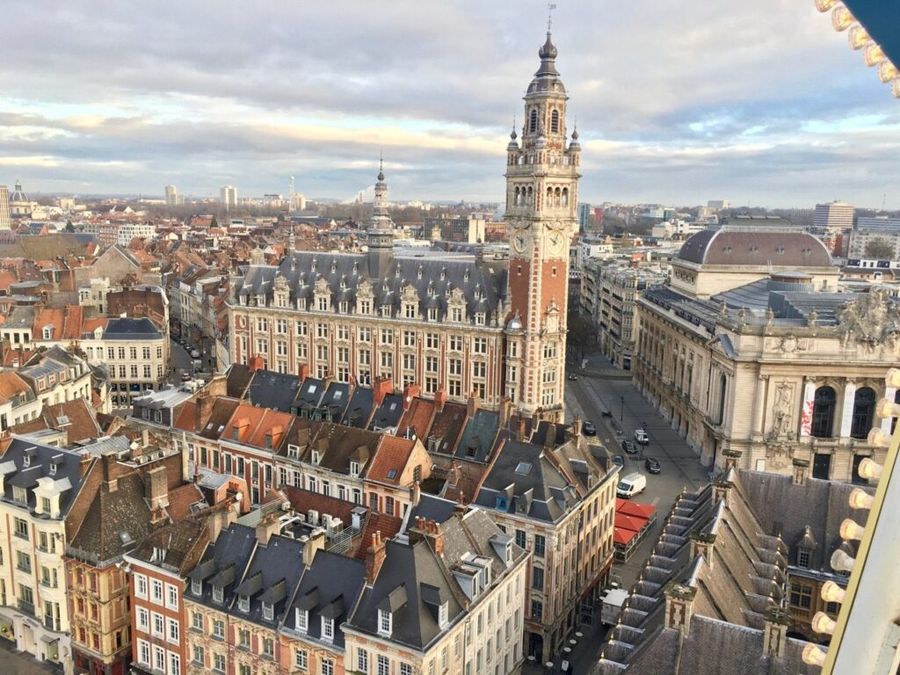
A guide, not a schedule.
Leave room to linger
Total outing time depends on the stops you choose. Original time and distance estimates are being checked.
Check your own route
Stairs, surfaces, and step-free entrances have not had a complete field audit. Check access with each venue.
Choose what interests you
Read from anywhere, or follow selected chapters in person. Entry tickets and transport are separate.
A story at every stop.
Introduction
Welcome to Voyage Owl’s walking tour of Lille, a vibrant city in northern France with a rich history, stunning architecture, and a dynamic cultural scene. As the capital of the Hauts-de-France region, Lille has long been a crossroads of cultures, sitting at the border of France and Belgium. Its Flemish roots are visible in its architecture and traditions, and over the centuries, Lille has evolved from a medieval fortress town into a bustling metropolis known for its lively markets, world-class museums, and welcoming atmosphere.
Founded over a thousand years ago, Lille’s history has been shaped by its strategic location at the heart of Europe. The city was part of the County of Flanders during the Middle Ages and has seen periods of rule by the Burgundians, the Spanish, and the Austrians, before finally becoming part of France in 1667 under Louis XIV. Lille was heavily industrialized in the 19th century, becoming a center of textile production, and in recent years, it has undergone a cultural and economic renaissance, becoming a hub for arts, education, and commerce.
This walking tour will take you through the heart of Lille, exploring its fascinating history, architectural treasures, and lively neighborhoods. Let’s begin our journey through this historic and culturally rich city.
Grand Place (Place du Général-de-Gaulle)
Our tour begins at the Grand Place, the central square of Lille and one of the most beautiful and lively spots in the city. Officially named Place du Général-de-Gaulle after the French general and president who was born in Lille, this square is the heart of the city and a bustling meeting point for both locals and visitors. The Grand Place is surrounded by a mix of Flemish and French architecture, reflecting Lille’s rich cultural heritage.
At the center of the square stands the Column of the Goddess, a monument that commemorates the city’s resistance to the Austrian siege during the War of Austrian Succession in 1792. The statue of the Goddess represents the bravery of Lille’s citizens during the siege, and it has become one of the city’s most iconic symbols.
The Grand Place is surrounded by several historic buildings, including the Vieille Bourse (Old Stock Exchange), one of the most beautiful examples of Flemish Renaissance architecture in the city. Built between 1652 and 1653, the Vieille Bourse is made up of 24 identical houses arranged around a central courtyard. Today, it hosts a variety of events, including a daily second-hand book market and chess games.
The Grand Place has been the heart of Lille since medieval times and reflects the city’s cultural and architectural evolution. The Column of the Goddess symbolizes Lille’s resilience and courage during the 18th century.
Be sure to explore the Vieille Bourse, where you can browse the book market and enjoy the lively atmosphere in the courtyard. The square is also surrounded by cafés and restaurants, making it a great place to grab a coffee or a local beer while soaking in the ambiance of the city.
Vieille Bourse (Old Stock Exchange)
Just steps from the Grand Place, we dive deeper into the beauty of the Vieille Bourse, one of Lille’s most treasured landmarks. As mentioned, this building, constructed in the 17th century, is a masterpiece of Flemish Renaissance architecture. The exterior is decorated with elaborate carvings, arches, and statues, reflecting the wealth and prestige of Lille during its time as a bustling trade center.
The Vieille Bourse was originally built to house merchants and traders, who gathered here to conduct business and exchange goods. Today, the building’s central courtyard is a gathering place for locals and visitors alike. In addition to the daily book market, the courtyard often hosts chess matches and events, creating a lively and welcoming atmosphere.
Inside, you’ll find a mix of small stalls and antique shops, making it a great place to hunt for souvenirs or rare books. The arcade around the courtyard is lined with beautiful columns and archways, creating a stunning contrast between the quiet interior and the bustling streets outside.
The Vieille Bourse reflects Lille’s importance as a commercial hub during the 17th century and is one of the best-preserved examples of Flemish Renaissance architecture in France.
Spend some time wandering through the courtyard and browsing the stalls. If you’re a fan of chess, you might even find an impromptu game in progress. The courtyard is also a lovely spot for photography, especially in the late afternoon when the light casts long shadows over the arches.
Lille Cathedral (Cathédrale Notre-Dame-de-la-Treille)
From the Vieille Bourse, we make our way to the Cathédrale Notre-Dame-de-la-Treille, one of the most unique and modern-looking cathedrals in France. The Cathédrale Notre-Dame-de-la-Treille is dedicated to the Virgin Mary, who is venerated as the protector of Lille. The cathedral’s construction began in 1854, but it wasn’t completed until 1999, giving it a fascinating mix of Neo-Gothic and contemporary architectural styles.
The most striking feature of the cathedral is its modern facade, designed by architect Pierre-Louis Carlier and artist Ladislas Kijno. The translucent marble and steel facade creates a glowing effect when illuminated by sunlight, giving the cathedral an ethereal quality that contrasts with its traditional Gothic elements. Inside, the cathedral is filled with beautiful stained-glass windows, chapels, and artworks, including the statue of Notre-Dame de la Treille, which dates back to the 13th century.
The Cathédrale Notre-Dame-de-la-Treille reflects the evolving architectural styles of Lille over the centuries. Its long construction period, spanning more than a century, gives it a unique blend of historic and modern elements, making it a symbol of the city’s dynamic spirit.
Be sure to visit the cathedral’s crypt, which houses an exhibition on the history of the cathedral and the city of Lille. The crypt also contains several modern art installations, adding to the cathedral’s contemporary feel. If you visit in the late afternoon, the light filtering through the translucent facade creates a stunning visual effect inside.
Palais des Beaux-Arts (Palace of Fine Arts)
Our next stop is the Palais des Beaux-Arts, one of the largest and most important museums in France outside of Paris. Founded in 1809 by Napoleon Bonaparte, this grand museum is housed in a stunning Belle Époque building and boasts an impressive collection of European art, including works by Rubens, Van Dyck, Goya, Delacroix, and Rodin.
The Palais des Beaux-Arts is particularly renowned for its collection of Flemish and Dutch paintings, reflecting Lille’s close historical ties to the Low Countries. In addition to its vast painting collection, the museum features impressive sculptures, ceramics, and a remarkable collection of 17th-century relief maps of French cities and fortresses.
The building itself is a work of art, with its grand staircase, domed ceilings, and beautifully landscaped gardens outside. The museum is also home to temporary exhibitions that cover a wide range of artistic styles and periods, making it a must-visit for art lovers.
The Palais des Beaux-Arts reflects Lille’s rich artistic and cultural heritage and is one of the most important museums in France. Its collection includes masterpieces from the Renaissance to the 19th century, showcasing the city’s long history as a center of art and learning.
Plan to spend at least a couple of hours exploring the museum’s extensive collections. If you’re short on time, be sure to visit the Flemish and Dutch painting section, as well as the relief maps, which offer a fascinating glimpse into the military history of France.
Place Rihour
From the Palais des Beaux-Arts, we head to Place Rihour, a bustling square in the heart of Lille that combines history and modernity. The square is named after the Palais Rihour, a 15th-century palace that was originally built for the Dukes of Burgundy. Today, only part of the original palace remains, but the Salle des Gardes (Guard Room) is still intact and serves as the Tourist Office of Lille.
The square itself is a lively gathering spot, surrounded by shops, cafés, and restaurants. It’s a great place to sit and relax after a day of sightseeing or to grab a drink at one of the many outdoor terraces. During the winter months, Place Rihour hosts Lille’s famous Christmas Market, which attracts visitors from all over France and beyond.
Place Rihour reflects Lille’s medieval history and its connection to the Dukes of Burgundy. The Palais Rihour was once a symbol of the city’s importance in the Burgundian state, and its remaining structures offer a glimpse into Lille’s medieval past.
Visit the Tourist Office inside the Salle des Gardes to pick up maps and information about the city. If you’re visiting in the winter, the Christmas Market is a must-see, offering a variety of local products, holiday treats, and handmade gifts.
La Citadelle de Lille (Lille Citadel)
Our next stop takes us to one of Lille’s most impressive military structures: the Citadelle de Lille, also known as the Queen of Citadels. Designed by the famous military engineer Sébastien Le Prestre de Vauban in the 17th century, the Lille Citadel was part of a network of fortifications built by Louis XIV to protect France’s northern borders.
The citadel is shaped like a five-pointed star, a hallmark of Vauban’s innovative designs, and it is surrounded by a large park, known as the Bois de Boulogne, which offers a peaceful escape from the bustling city. The citadel is still an active military base, so access to the interior is restricted, but visitors can explore the surrounding park and enjoy views of the fortifications from the outside.
The park is also home to the Zoo de Lille, a small but charming zoo that is free to the public and a popular destination for families.
The Lille Citadel is one of the most important examples of Vauban’s military architecture and played a key role in defending France’s northern border during the 17th century. Its design and construction reflect the strategic importance of Lille as a military stronghold.
While the citadel itself is not open to the public, the surrounding park is perfect for a leisurely walk or a picnic. If you’re traveling with children, the Zoo de Lille is a fun and educational stop. Be sure to take in the views of the citadel’s impressive star-shaped fortifications from the park.
Hospice Comtesse Museum
Our next stop is the Hospice Comtesse Museum, a hidden gem located in the Old Town of Lille. This former hospital was founded in 1237 by Jeanne, Countess of Flanders, and operated as a charitable institution for the poor and sick until the French Revolution. Today, the Hospice Comtesse is a museum that offers a fascinating glimpse into life in medieval and early modern Lille.
The museum’s exhibits include paintings, furniture, religious artifacts, and everyday objects that illustrate the history of Lille and the role of the hospice in the city’s social life. The building itself is a beautifully preserved example of Flemish Gothic architecture, with its vaulted ceilings, wooden beams, and charming courtyard.
The Hospice Comtesse reflects the city’s long history of charitable work and its connection to the Countess of Flanders. The museum offers a unique look at the daily life of Lille’s citizens in the Middle Ages and beyond.
The Hospice Comtesse Museum is a quieter and less crowded attraction, making it a great place to explore at your own pace. The museum’s courtyard is particularly lovely, and the exhibits provide a rich insight into the social history of Lille.
Old Lille (Vieux-Lille)
No visit to Lille would be complete without exploring Vieux-Lille, the city’s charming Old Town. This district is known for its narrow, cobbled streets, colorful Flemish-style buildings, and lively atmosphere. The architecture in Vieux-Lille reflects the city’s Flemish roots, with its gabled houses, red-brick facades, and decorative flourishes.
As you wander through the streets of Vieux-Lille, you’ll find an array of boutique shops, art galleries, and cozy cafés, making it the perfect place to enjoy a leisurely afternoon. Some of the most picturesque streets include Rue de la Monnaie, Rue Basse, and Rue Esquermoise, where you can admire the beautiful architecture and stop for a drink or a pastry at one of the many bakeries.
Vieux-Lille is also home to several historic landmarks, including the Église Sainte-Marie-Madeleine, a Baroque church with a distinctive dome, and the Maison Natale Charles de Gaulle, the birthplace of Charles de Gaulle, which is now a museum dedicated to the life and legacy of the French leader.
Vieux-Lille is the historic heart of the city and reflects Lille’s rich architectural and cultural heritage. Its Flemish-style buildings and winding streets offer a glimpse into the city’s past as part of the County of Flanders.
Spend some time exploring the streets of Vieux-Lille at your own pace. Be sure to stop by a bakery and try a local specialty, such as gaufres (waffles) or speculoos cookies. The neighborhood is especially magical in the evening when the streets are beautifully lit.
Conclusion
Our walking tour of Lille has taken you through centuries of history, from its roots as a medieval fortress town to its role as a vibrant and culturally rich city in modern France. Along the way, we’ve explored some of Lille’s most iconic landmarks, including the Grand Place, the Vieille Bourse, and the Citadelle de Lille, as well as its hidden gems, such as the Hospice Comtesse Museum and the charming streets of Vieux-Lille.
Lille is a city where history and modernity come together in perfect harmony, offering visitors a unique blend of architectural beauty, cultural depth, and lively atmosphere. Whether you’re here to explore its historic sites, enjoy its renowned art museums, or simply soak in the atmosphere of its bustling squares and markets, Lille has something for everyone.
We hope this walking tour has given you a deeper appreciation for Lille’s beauty, history, and cultural significance. Bon voyage! Enjoy the rest of your time exploring this captivating city in the heart of northern France!
To listen to more amazing audio tours of cities around the world check out our other guides at voyageowl.com