A guide, not a schedule.
Leave room to linger
Total outing time depends on the stops you choose. Original time and distance estimates are being checked.
Check your own route
Stairs, surfaces, and step-free entrances have not had a complete field audit. Check access with each venue.
Choose what interests you
Read from anywhere, or follow selected chapters in person. Entry tickets and transport are separate.
A story at every stop.
Introduction
Welcome to Porto! This vibrant, historic city is an enchanting blend of past and present, where you’ll experience the perfect marriage of culture, tradition, and modernity. Porto is known for its rich history, picturesque landscapes, and, of course, world-famous Port wine. As we embark on this walking tour, we’ll not only explore the highlights that define Porto’s historic core but also savor the unique character that has made this city a must-visit destination for travelers worldwide.
Ribeira Square
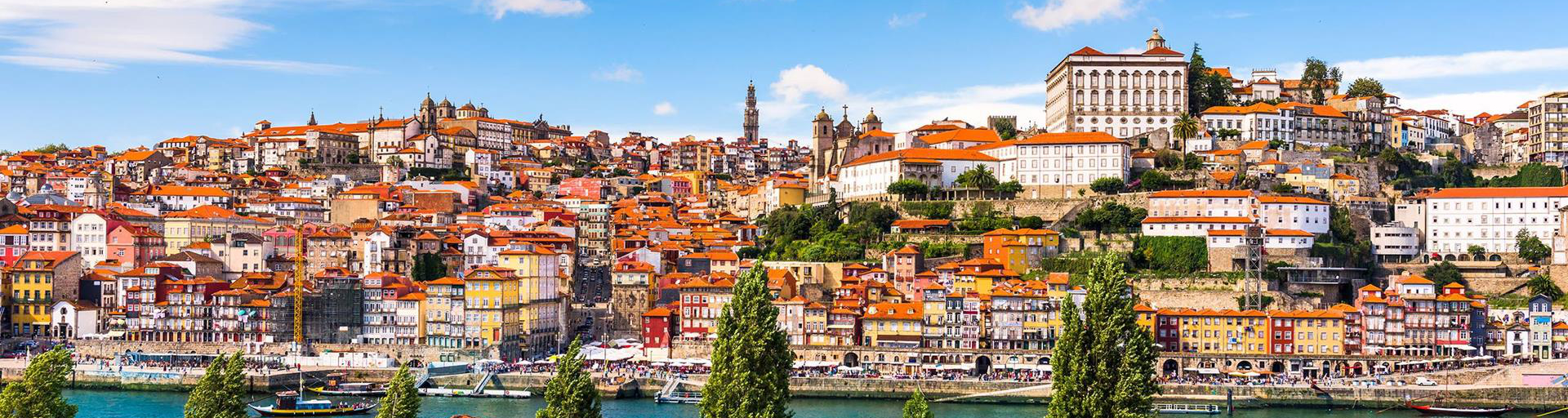
Our journey begins at Ribeira, where the old meets the new. The Ribeira district is Porto’s soul. Stepping into Ribeira feels like stepping into a living museum. You’re surrounded by medieval buildings, with laundry hanging out of windows, locals sitting in front of their homes chatting, and tourists marveling at the sights. But Ribeira hasn’t always been this vibrant.
Let’s dive into some history. Ribeira was once the heart of Porto’s commercial activity. From as early as the 12th century, this district was the city’s bustling commercial hub, where fish, fruits, vegetables, and goods from the Douro River’s upper reaches were brought in and sold. Porto, with its strategic location along the river, played a key role in Portugal's maritime expansion, making it a vital hub for traders and sailors. This historical significance is why Ribeira was declared a UNESCO World Heritage Site in 1996.
Now, look around you. The brightly painted houses, though charming, were once warehouses used by merchants. The stone arches you see? They were once covered markets. And today, these former hubs of trade are home to some of the best restaurants and cafés in the city. Imagine how these very streets felt centuries ago, bustling with people transporting goods to and from the river.
Speaking of the river, take a moment to enjoy the view of the Douro River and the iconic rabelo boats still docked here. These flat-bottomed boats were used for centuries to transport barrels of Port wine down the river from the vineyards of the Douro Valley to Vila Nova de Gaia, where the wine would be aged in cellars. Today, you’ll still see rabelo boats, but they serve as a reminder of Porto’s wine industry, offering boat tours along the river for tourists.
After exploring Ribeira’s ancient streets, why not hop on one of these rabelo boat tours? You’ll get an entirely different perspective of Porto from the water, cruising under the six bridges that span the Douro River. This is a great way to see both Porto and Vila Nova de Gaia, while learning more about the historical significance of the river in the region's economy.
São Bento Railway Station
As we make our way up through the narrow, cobblestone streets, we’ll reach São Bento Station. Before we enter, take a moment to admire the station from the outside. The station’s architecture is beautiful, with its Beaux-Arts style and grand façade. But what truly sets São Bento Station apart is what lies inside.
Walk through the station’s main hall, and you’ll be greeted by 20,000 of the most stunning azulejos, which are traditional Portuguese ceramic tiles, you’ve ever seen. The azulejos tell the story of Portugal’s rich history, depicting scenes of everything from the conquest of Ceuta to rural life in the Douro Valley. It’s like a giant mural of the country's past.
Let’s take a closer look at a few scenes. One panel shows the legendary Battle of Valdevez, fought in 1140 between the forces of the Kingdom of Portugal and the Kingdom of León. Another shows a more everyday scene from rural Portugal, with farmers working the land and women in traditional dress. These tiles were installed in the early 20th century by artist Jorge Colaço, who was one of the most famous azulejo artists of his time.
This is a perfect place to pause and reflect on how history shapes modern Porto. The station, though a functioning transportation hub today, has become a tourist attraction in its own right because of its beauty and historical significance. While you wait for your next train, you’re quite literally standing in history.
After you’ve absorbed the beauty of the tiles, why not venture to the station’s café for a quick espresso? Portuguese coffee culture is something special, and sitting in a café at São Bento is a great way to watch life pass by. In Porto, coffee isn’t just a drink; it’s a ritual, and you’ll see locals chatting with their friends or taking a moment to themselves over a bica, Portuguese for an espresso.
Praça da Liberdade
From São Bento, we’ll continue up to Praça da Liberdade, Porto’s grand square. As you stand here, you can almost feel the power of history pulsing beneath your feet. The square, with its wide-open space and monumental buildings, was designed to reflect Porto’s importance as a center of trade and politics. Since the early 18th century, Praça da Liberdade has been the political and social heart of Porto.
The Dom Pedro IV Statue standing tall in the center of the square represents one of Portugal’s most significant historical figures. Dom Pedro IV, also known as the "Soldier King," was not only a king of Portugal but also the first emperor of Brazil. His statue on horseback symbolizes his dual role in liberating both Portugal and Brazil from monarchical rule.
Praça da Liberdade has seen it all—from royal parades to political demonstrations, this square has been the backdrop to many pivotal moments in Porto’s history. In modern times, the square has become a place for celebrations, like Porto’s São João festival, when the city comes alive with music, food, and fireworks. If you’re visiting in June, you’re in for a treat as the festival takes over the streets, and you’ll see locals and tourists alike whacking each other on the head with plastic hammers—part of the quirky celebration.
Avenida dos Aliados, which runs along Praça da Liberdade, is the perfect place for some leisurely shopping or a break in one of the cafés. You’ll find everything from luxury boutiques to quirky local shops selling Porto-themed souvenirs. Be sure to stop by one of the city’s many pastelarias to grab a pastel de nata, a traditional Portuguese custard tart, which is an absolute must-try.
Clérigos Tower
Now, as we make our way to Clérigos Tower, one of Porto’s most recognizable landmarks, take a moment to notice how the city’s skyline changes. Porto’s architecture is a patchwork of styles, from medieval buildings to baroque masterpieces like Clérigos Tower.
Climbing the 225 steps to the top of Clérigos Tower is no easy feat, but the view from the top is worth it. Once you reach the summit, you’ll be rewarded with a panoramic view of Porto’s red-roofed buildings, the meandering Douro River, and the distant vineyards in the hills. You’ll also see Porto’s famous bridges spanning the river, connecting the two sides of the city. Take a moment to soak it all in—this view will likely be one of the highlights of your visit.
The tower itself, designed by Italian architect Nicolau Nasoni in the 18th century, is an impressive example of baroque architecture. Its spiraling design and intricate details have made it one of Porto’s most beloved symbols. Inside, the Clérigos Church is equally impressive, with its gilded altars and grand interior, showcasing the wealth and devotion of Porto’s citizens during the baroque period.
After descending the tower, you might want to explore the nearby Livraria Lello, another architectural gem. But more on that in a bit! First, let’s take a breather and enjoy one of the small cafés scattered around the area. A local suggestion: try a prego sandwich—thin slices of beef cooked with garlic, served in a bread roll. It’s a simple yet delicious snack, perfect after climbing the tower.
Livraria Lello
Just a short walk from Clérigos Tower, you’ll find the famous Livraria Lello, often touted as one of the most beautiful bookstores in the world. Even if you’re not a book lover, this place will leave you speechless with its intricate woodwork, stunning stained-glass ceiling, and spiral staircase that seems like something out of a fairy tale. Livraria Lello is not just a bookstore; it’s a work of art.
The bookstore has been in operation since 1906, and it’s often rumored that J.K. Rowling drew inspiration for her Harry Potter series from Lello’s magical interior. Rowling, who lived in Porto in the 1990s, has acknowledged that the city influenced her writing, though the exact connections to the bookstore remain a subject of debate among fans.
In any case, Livraria Lello feels like stepping into another world. The bookstore is a cultural landmark, and it often hosts book signings, readings, and art exhibitions. Be sure to check the schedule for any events during your visit.
The bookstore can get crowded, so I recommend buying tickets in advance online. They even deduct the ticket price from your purchase if you buy a book inside. Consider picking up a book on Porto’s history to continue exploring the city’s past.
Avenida dos Aliados
Now that we’ve explored the historical gems of Porto, let’s take a stroll down Avenida dos Aliados, Porto’s grand avenue. This wide boulevard is lined with imposing buildings, each showcasing a mix of architectural styles, from Art Nouveau to Beaux-Arts. It’s a reflection of Porto’s modernization efforts during the late 19th and early 20th centuries, as the city transitioned from a medieval trading post to a more cosmopolitan center.
Walking down Avenida dos Aliados is like stepping back in time, yet it’s also a bustling part of Porto’s modern-day life. Along the avenue, you’ll find banks, government buildings, luxury hotels, and plenty of cafés where you can sit and watch the world go by. If you’re visiting during the winter holiday season, Avenida dos Aliados is beautifully decorated with lights and hosts a Christmas market.
Modern suggestion: If you’re in the mood for some contemporary art, make a stop at the Galeria Municipal do Porto, which often showcases works by local and international artists. Or, if you prefer shopping, head to the nearby Rua Santa Catarina, one of Porto’s main shopping streets. Here, you’ll find a mix of international brands and local shops selling everything from handmade crafts to fashionable clothing.
Mercado do Bolhão
A few minutes’ walk from Avenida dos Aliados brings us to Mercado do Bolhão, one of Porto’s most beloved markets. Mercado do Bolhão has been a cornerstone of Porto’s community since it first opened its doors in 1914. The market is known for its lively atmosphere, and it’s a place where you can experience Porto’s everyday life firsthand.
The market’s two floors are filled with vendors selling fresh fruits, vegetables, fish, meats, cheeses, and flowers. The market is particularly famous for its seafood, and you’ll see vendors proudly displaying their catches of the day. Bolhão is also the perfect place to try some of Porto’s culinary specialties, like tripas à moda do Porto, a tripe stew that’s a local favorite. This dish dates back to the 15th century when it was said that the people of Porto gave up their best meat to supply the ships sailing for the conquest of Ceuta, keeping only the tripe for themselves. This act of generosity earned Porto the nickname “Cidade Invicta”, translated as Unvanquished City).
A modern tip: Mercado do Bolhão has recently undergone a restoration, blending its historic charm with modern conveniences. If you’re looking for a more relaxed experience, visit the upper-level eateries, where you can enjoy a meal made from the market’s fresh produce. You can also participate in a Portuguese cooking class here to learn how to prepare traditional dishes using local ingredients.
Igreja de São Francisco
Next on our journey is the Igreja de São Francisco, a short walk from Mercado do Bolhão. Don’t be fooled by its relatively austere Gothic exterior—inside, this church is a baroque masterpiece. The opulent interior is adorned with intricate wood carvings covered in gold leaf. In fact, it’s said that nearly 400 kilograms of gold were used to decorate the church, making it one of the most extravagant in Portugal.
The church was built in the 14th century, but the baroque interior was added in the 18th century during a period of immense wealth for Porto, thanks to its booming trade. The contrast between the church’s somber exterior and its dazzling interior reflects the city’s complex history—one of modesty and extravagance, poverty and prosperity.
Take a moment to visit the catacombs beneath the church, where many prominent citizens of Porto were laid to rest. The catacombs are a fascinating, if somewhat eerie, reminder of the city’s long history.
After your visit to São Francisco, why not explore Palácio da Bolsa, located just a short walk away? The former stock exchange palace is a stunning example of 19th-century neoclassical architecture, and its Arab Room, with its Moorish-inspired design, is a true highlight. The palace often hosts events, from classical concerts to art exhibitions, so check the schedule for something that interests you.
Dom Luís I Bridge & Vila Nova de Gaia
After leaving the historical core, we’ll now head toward the Dom Luís I Bridge, which connects Porto to Vila Nova de Gaia. Walking across the upper deck of the bridge offers stunning views of both Porto and Gaia, with the Douro River glistening below. The bridge was designed by Théophile Seyrig, a student of Gustave Eiffel, and completed in 1886. It’s a marvel of iron architecture and a symbol of Porto’s industrial age.
As you cross the bridge, take in the sweeping views of Porto’s Ribeira district on one side and the wine lodges of Gaia on the other. This bridge is not just a connection between two cities but also a metaphor for the relationship between Porto and its famous wine industry.
If you’re feeling adventurous, take the Teleférico de Gaia, Gaia Cable Car, from the bridge down to the riverside in Gaia. The cable car ride offers fantastic views of the Douro River and Porto’s skyline, and it’s a fun, modern way to get a new perspective on the city.
Now that we’ve crossed the river, it’s time to explore the Port wine cellars in Vila Nova de Gaia. This is where the magic of Port wine happens. While the grapes are grown in the Douro Valley, the wine is aged and stored in these cellars, thanks to Gaia’s cooler climate.
You’ll see the names of famous Port houses like Graham’s, Sandeman, Taylor’s, and Ferreira lining the riverbank. Many of these wine lodges offer guided tours where you can learn about the history of Port wine, see the aging process up close, and, of course, sample a variety of Port wines. Whether you prefer a ruby, tawny, or vintage Port, you’re sure to find a wine that suits your taste.
After a tour and tasting at one of the Port wine lodges, head to WOW Porto, abbreviation for World of Wine, Porto, a new cultural district in Gaia dedicated to wine, history, and culture. WOW offers interactive exhibitions on wine-making, a chocolate museum, a cork museum, and several restaurants and bars where you can enjoy a glass of wine with a view of Porto.
Conclusion: Foz do Douro & Final Reflections
If you’re looking to explore more of Porto’s modern side, head west to the Serralves Museum of Contemporary Art. This museum, set within beautiful gardens, is one of Portugal’s most important cultural institutions. It regularly hosts exhibitions by both Portuguese and international artists, making it a must-visit for art lovers.
The Serralves Foundation also includes the Serralves Villa, a stunning example of Art Deco architecture, and the expansive Serralves Park, where you can stroll through manicured gardens and enjoy outdoor sculptures. The museum’s commitment to contemporary art is a reflection of Porto’s thriving modern cultural scene.
After exploring the museum, head to Foz do Douro, Porto’s beach district. Here, you can enjoy a leisurely walk along the promenade, dip your toes in the Atlantic Ocean, or relax at one of the many beachside cafés. If you’re feeling more adventurous, try your hand at surfing in Matosinhos, just a short bus or metro ride away.
As we conclude our walking tour, you’ll have a deep understanding of why Porto is such a special place—a city where the past and present intertwine effortlessly. From its medieval streets to its modern cultural institutions, Porto offers a rich and diverse experience for any traveler. Whether you’re here for the history, the wine, the food, or simply to soak in the atmosphere, Porto is a city that will captivate your heart and leave you wanting more.
Now, it’s time to sit back, enjoy a glass of Port wine, and reflect on your journey through the history and modern charm of Porto. Cheers—Saúde!